Usuba
Usuba
Parsnip
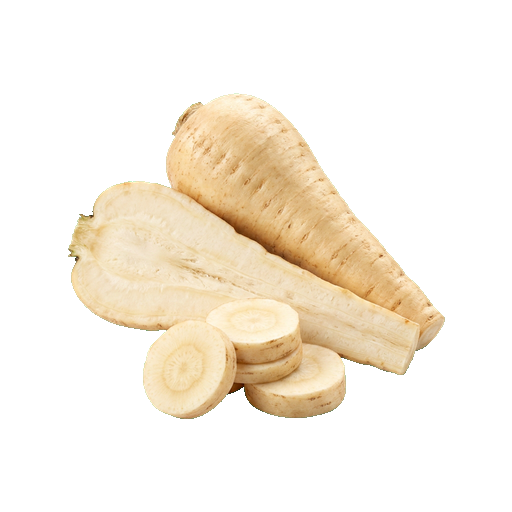
Parsnip is a root vegetable with creamy flesh and a subtly sweet flavor with nutty notes, resembling a carrot but more tender and aromatic. In cooking, it is roasted, boiled, stewed, or added to soups and stews, where it imparts a soft sweetness and creamy consistency to dishes. When selecting, prefer young roots of medium size—they are less fibrous than large specimens and better suited for most dishes.
Micronutrients
per 100 g
About
Parsnip is a root vegetable that often remains in the shadow of carrots and parsley, although it deserves much more attention. Its creamy flesh with a subtle nutty undertone and slightly sweet taste makes it a versatile ingredient for autumn and winter dishes. When used properly, parsnip becomes that hidden gem that transforms familiar recipes.
Aroma and Taste
The taste of parsnip is a delicate blend: the sweetness inherent in root vegetables meets a subtle nutty note and light spiciness. Raw parsnip is crispy and slightly astringent, but with heat treatment it becomes more tender, and the sweetness unfolds more fully. When roasted or fried, the edges caramelize, adding depth to the flavor.
The aroma of parsnip is subtle and unobtrusive — earthy with a barely perceptible herbaceous undertone. This helps it harmonize with most vegetables and spices without overpowering the main flavors of the dish.
Role in Dishes
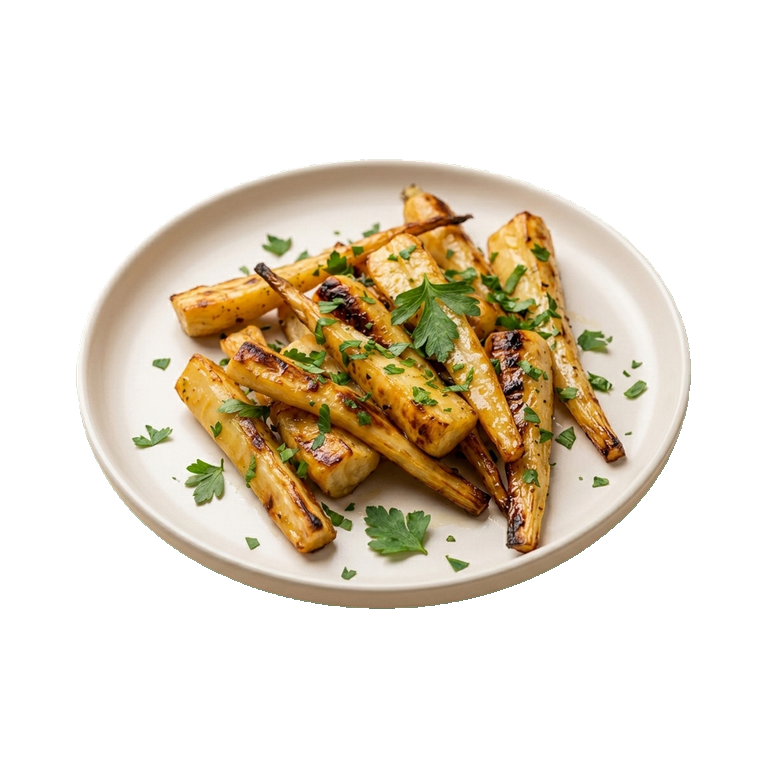
Parsnip works everywhere natural sweetness and tenderness are needed. It is cut into strips and fried until golden like potatoes, added to soups and stews, baked whole or in halves, turned into puree or cream soup. Thanks to its dense structure, it holds its shape well when boiled and doesn't fall apart.
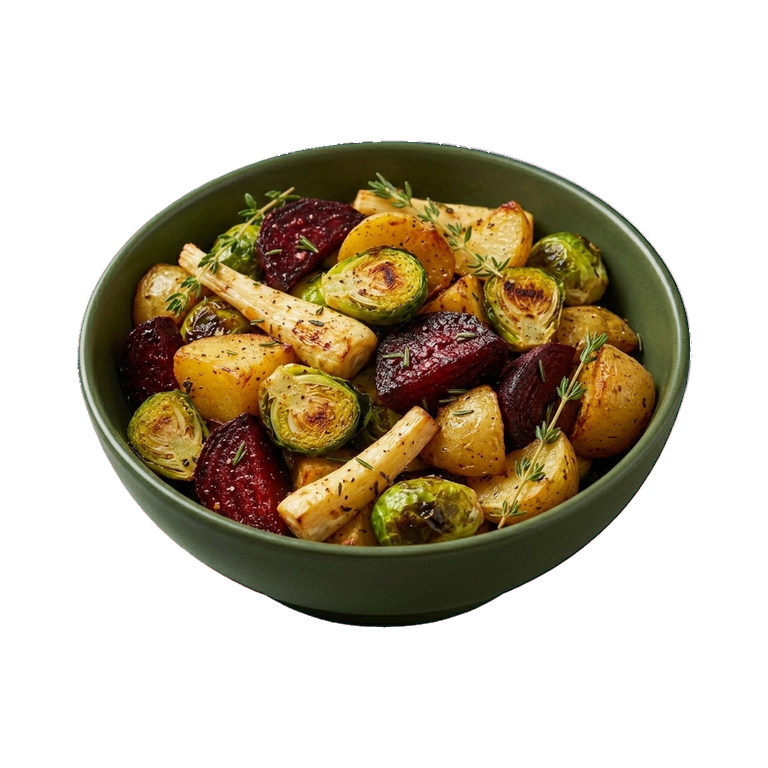
- Roasted parsnip with herbs and olive oil — a simple side dish for meat and fish
- Parsnip cream soup with caramelized onions and cream
- Fried parsnip sticks instead of french fries
- Addition to vegetable stews and braises together with carrots and celery
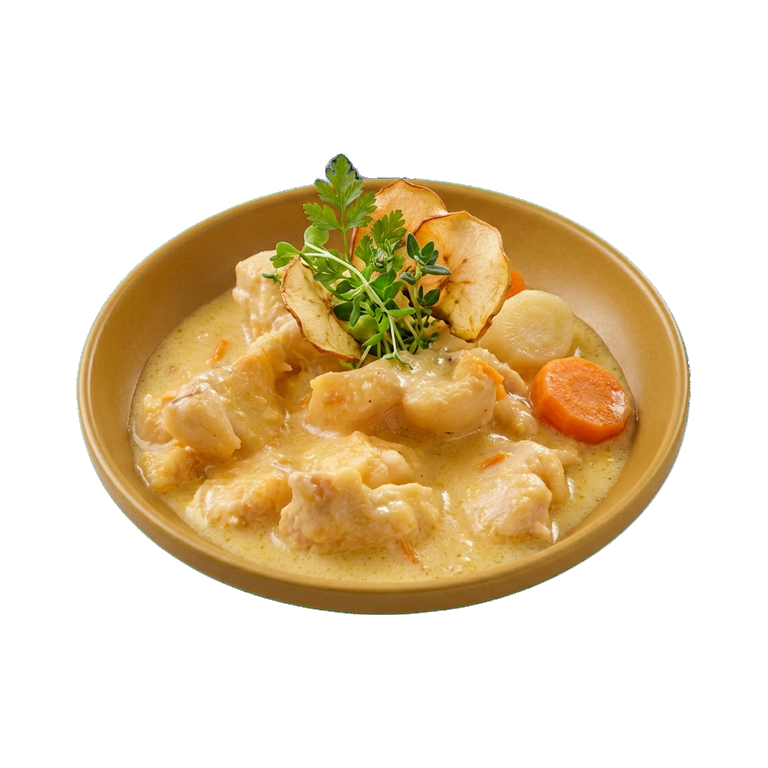
- Parsnip puree as a base for sauces
Successful Pairings
Parsnip pairs well with other root vegetables — carrots, beets, and celery. Its nutty flavor shines when combined with garlic, thyme, rosemary, and nutmeg. The sweetness of parsnip is balanced by sharp spices: black pepper, ginger, and coriander.
Parsnip works well with cream, butter, and heavy cream — they highlight its delicate flavor. At the table, it doesn't compete with meat and fish, but complements them, creating a harmonious side dish. Even in vegetable dishes, parsnip becomes the ingredient that brings all elements together.
Selection and Storage
When shopping, choose medium-sized root vegetables — they are more tender and sweeter than large ones. The skin should be smooth, without dark spots or soft areas. Avoid wrinkled or rotting specimens. Young parsnip is lighter in color and requires minimal processing.
Parsnip is stored in the refrigerator in the vegetable compartment for up to two weeks, wrapped in paper or a plastic bag. It can be stored in a cellar or basement at temperatures close to zero — there it keeps for several months. Before cooking, parsnip is peeled with a knife or vegetable peeler, and the core is removed only if it is tough or has darkened.
Preparation for cooking
Parsnips are cut into matchsticks, cubes, slices, or left whole depending on the recipe. Before use, they can be briefly soaked in cold water if you need to remove excess starch. For even cooking, cut pieces into uniform sizes so they cook at the same time.
Parsnip is neither exotic nor rare, but it is precisely its simplicity and versatility that make it a valuable helper in the kitchen. Try it in your familiar dishes, and you will understand why this humble root vegetable deserves a permanent place in your refrigerator.
Nutrition
per 100 g
- Calories
- 75 kcal
- Protein
- 1.2 g
- Fat
- 0.3 g
- Carbs
- 17.9 g
Micronutrients
per 100 g
Macronutrients
- Fiber
- 5.351 g
- Water
- 77.75 g
Minerals
- Sodium
- 0.49 mg
- Potassium
- 492.6 mg
- Calcium
- 44.16 mg
- Magnesium
- 22 mg
- Phosphorus
- 62.54 mg
- Iron
- 0.51 mg
- Zinc
- 0.33 mg
- Copper
- 0.12 mg
- Manganese
- 0.24 mg
Vitamins
- Vitamin C
- 11.85 mg
Measures and weight
- 1 pcs
- 200 g
Measure calculator
- Weight
- 100 g
- Calories
- 75 kcal