Usuba
Usuba
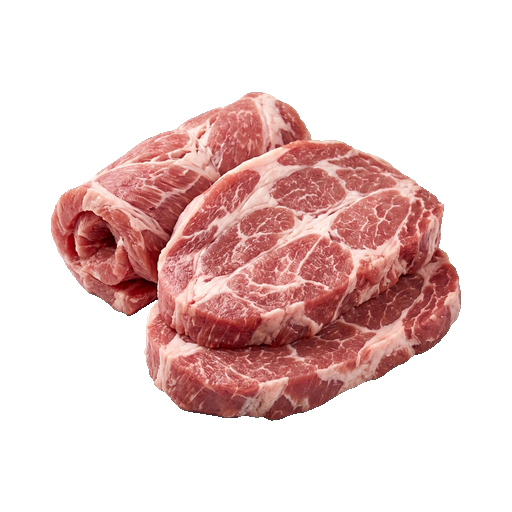
Pork neck
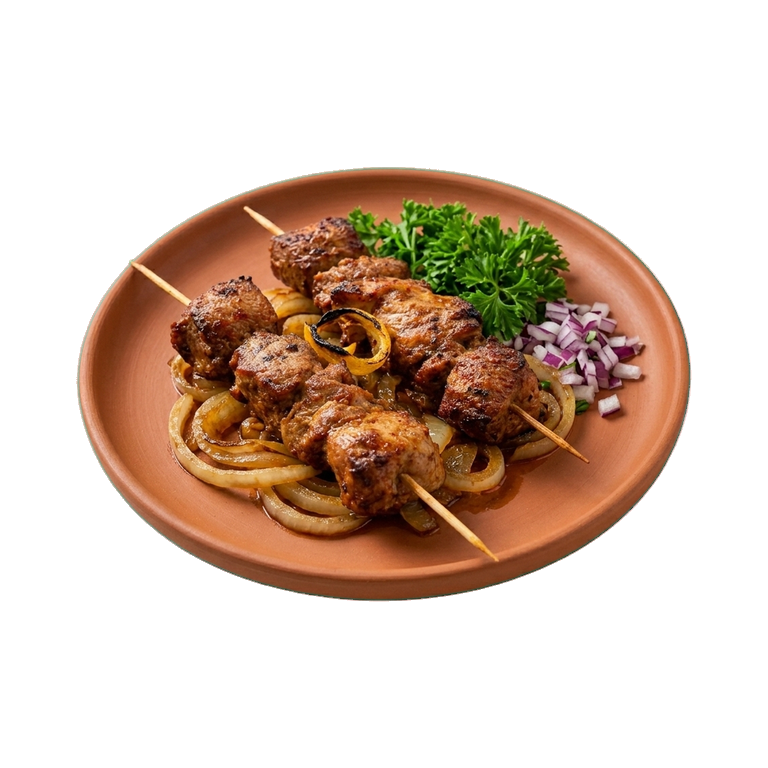
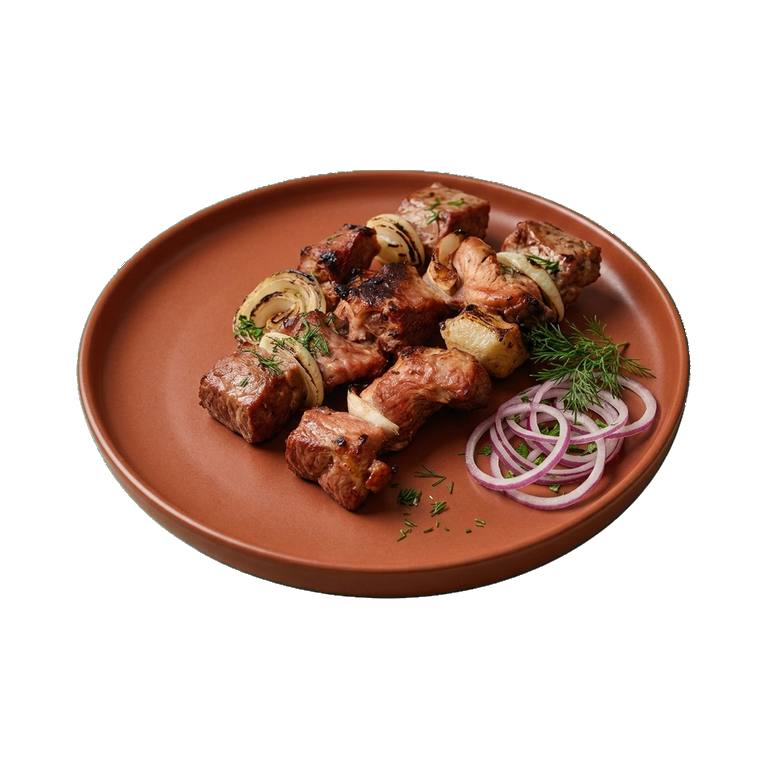
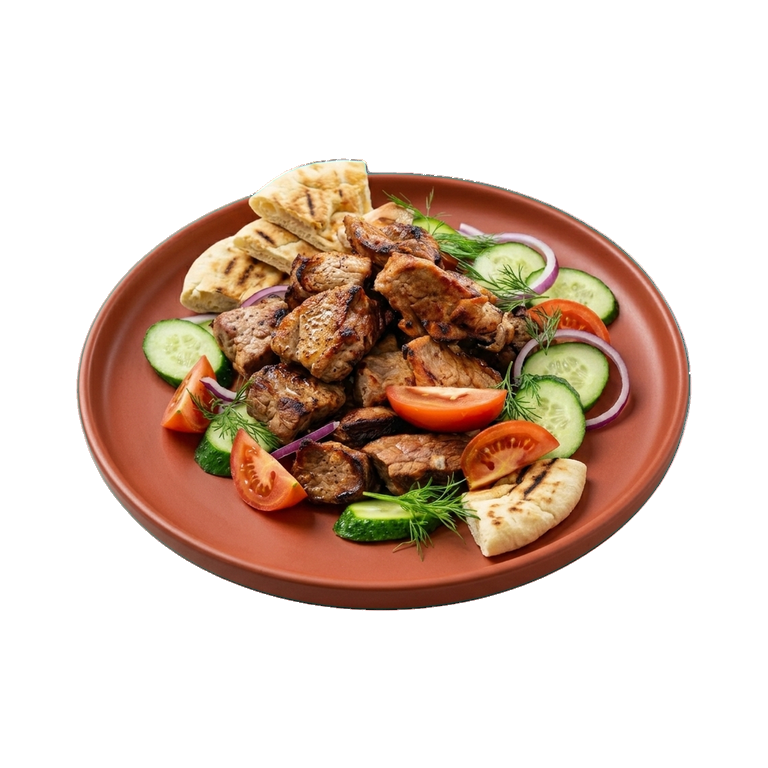
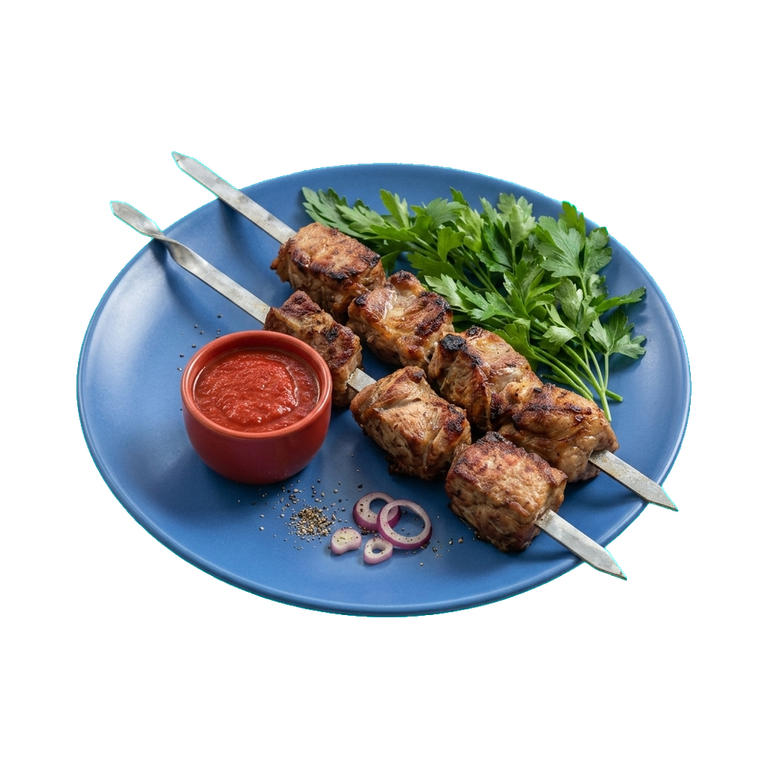
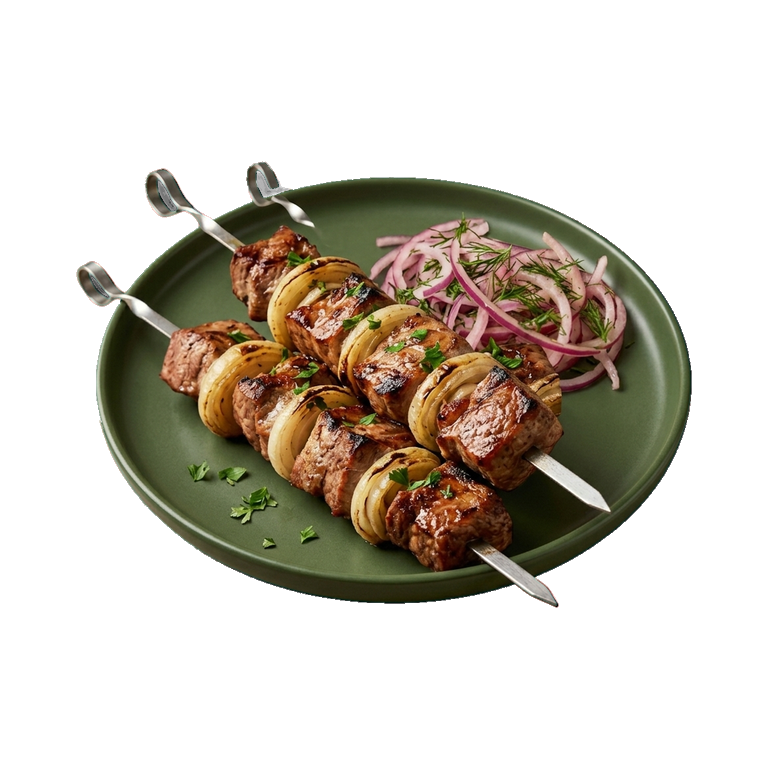
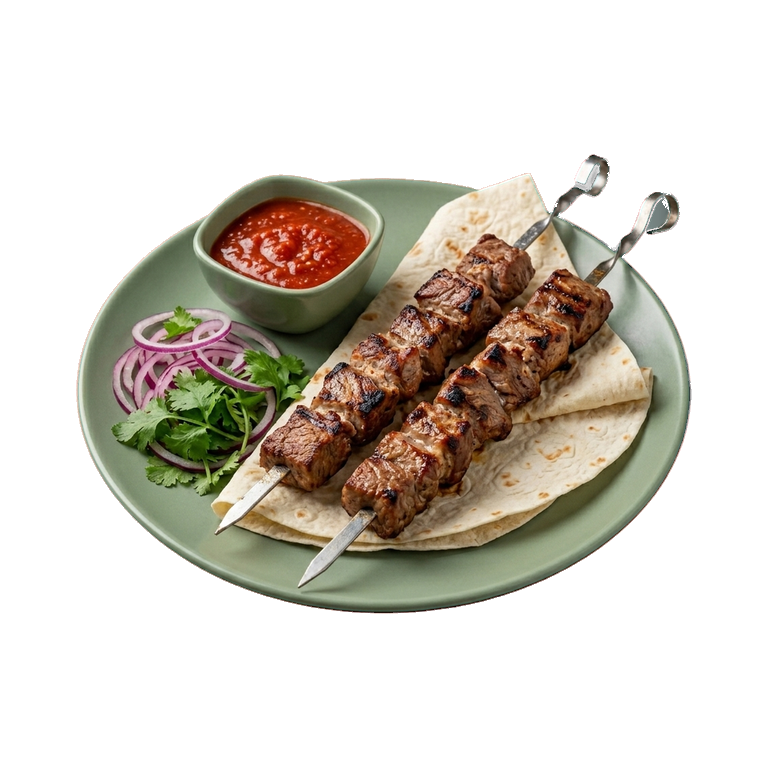
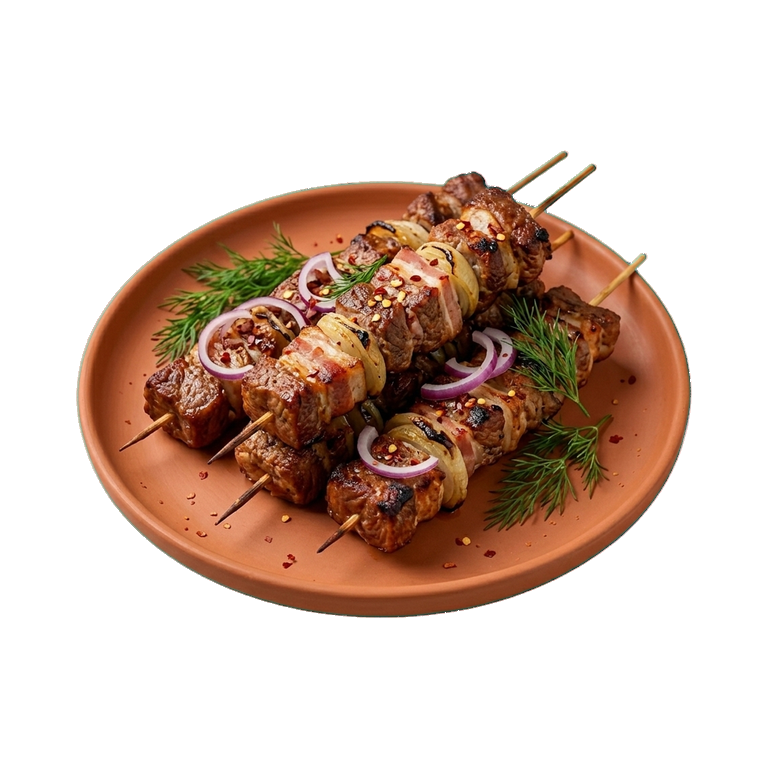
Pork neck is a meat with good marbling and high fat content, making it ideal for prolonged stewing and smoking. The meat has a rich flavor and becomes tender and juicy with slow heat treatment. It is often used for preparing stews, soups, sausages and cured meats, as well as for making broth due to the presence of connective tissue.
About
Pork neck is one of the most rewarding cuts for home cooking. It's meat with a good layer of fat that doesn't dry out during cooking, but becomes more tender and flavorful. Neck works in any format: braised, fried, boiled in soup, smoked. It's no wonder that experienced chefs use it all the time.
Texture and taste
Neck meat is rich with a pronounced pork flavor. Thanks to the fat layers, it remains juicy even with prolonged cooking. The meat fibers are quite tender, especially if you give the piece time to stew. With proper preparation, the neck becomes delicate and almost melts in your mouth.
How to cook
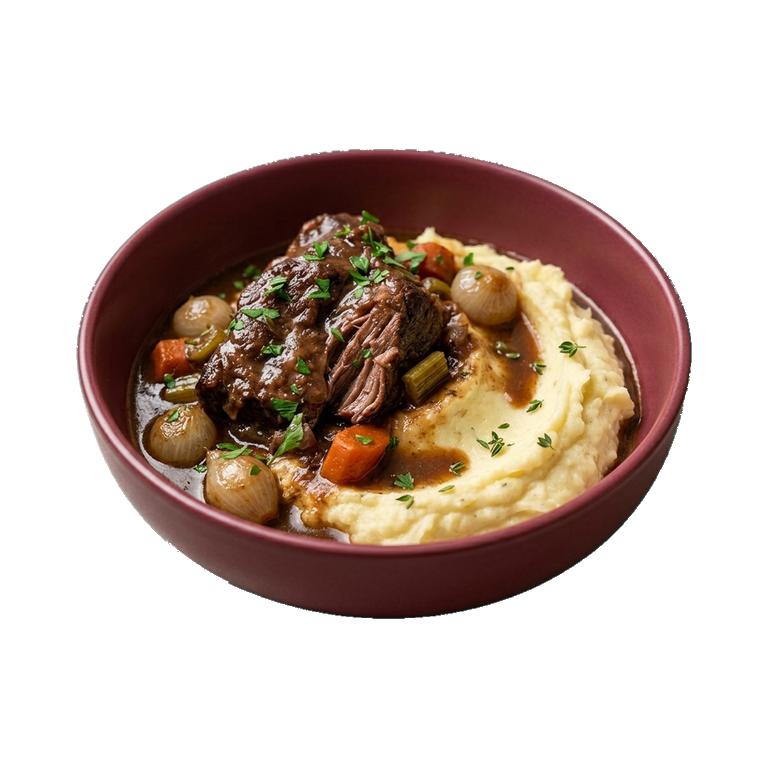
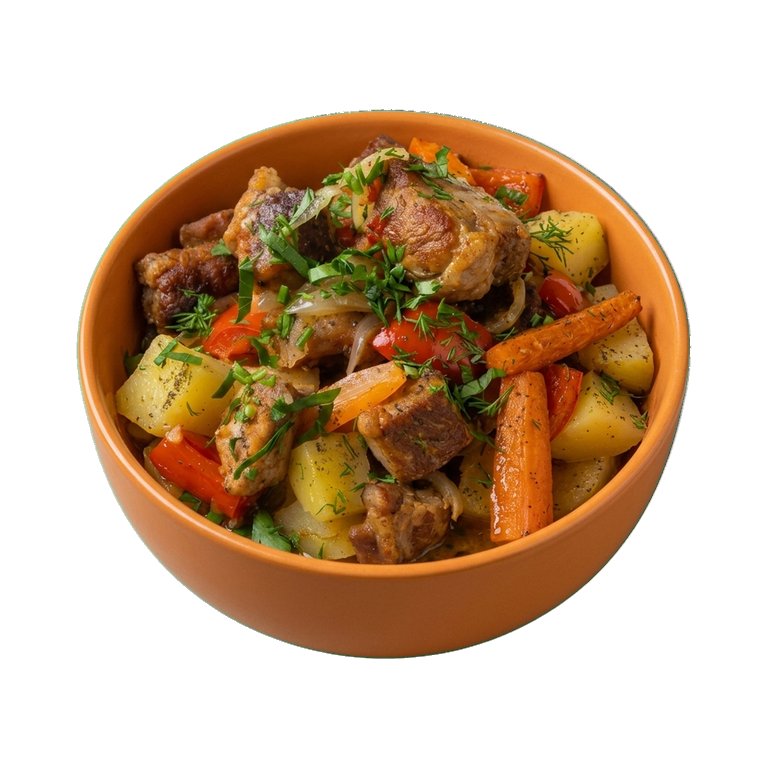
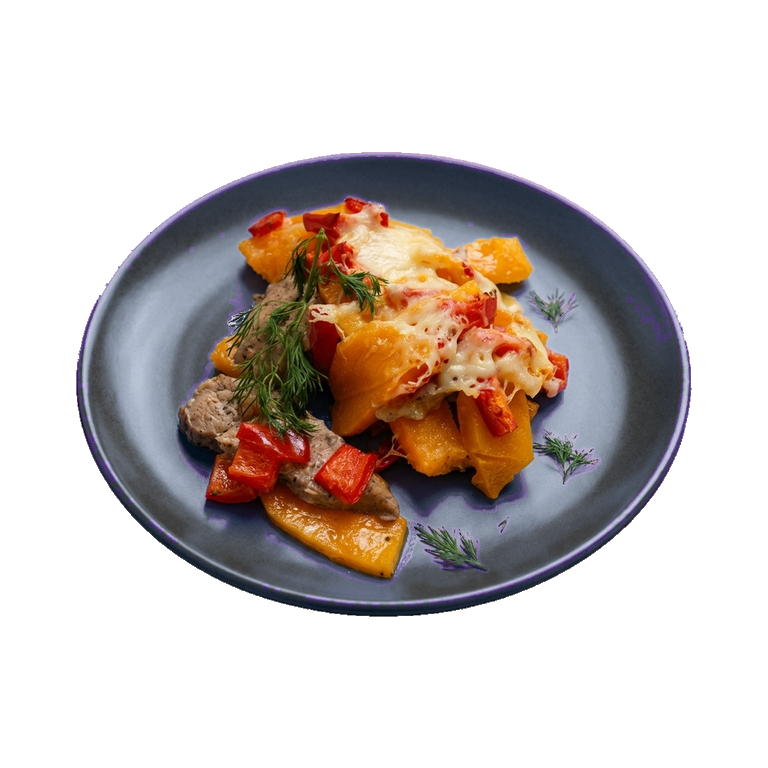
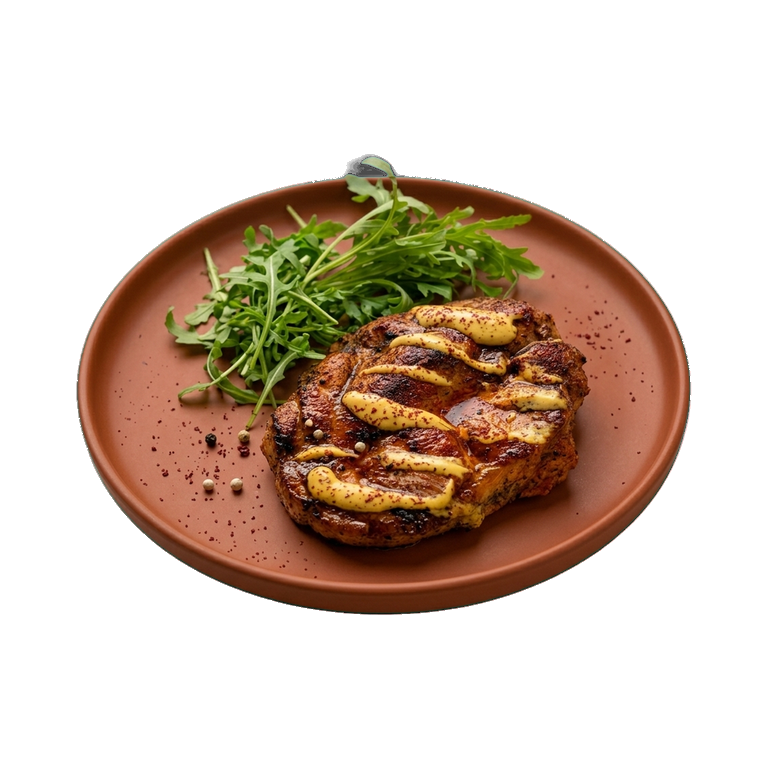
- Braising — a classic method. A piece or pieces are seared until browned, then simmered with vegetables and broth for 1.5–2 hours over low heat.
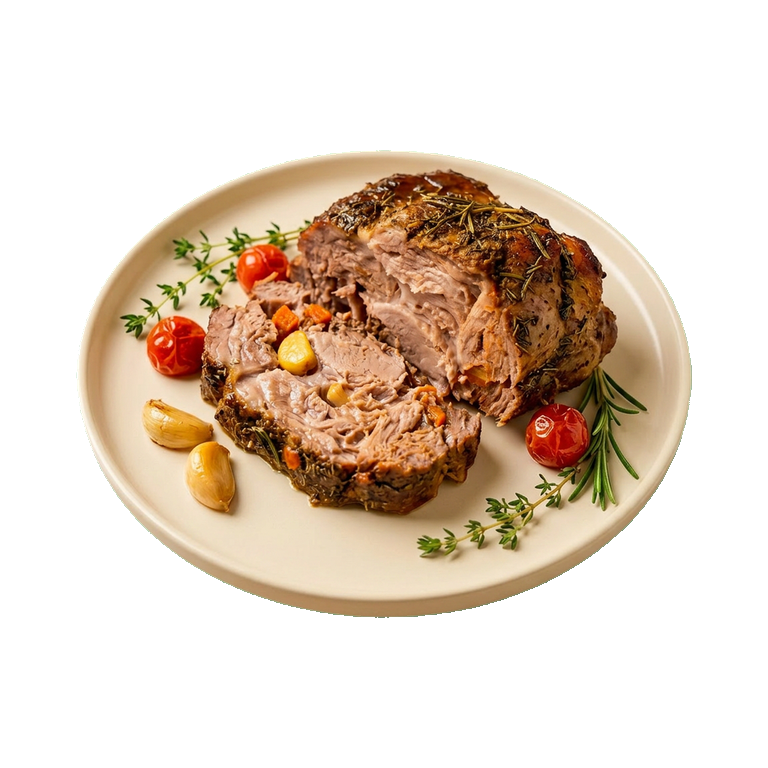
- Roasting whole. If you take a large piece, you can bake it in the oven at 180 degrees for about an hour, periodically basting with juice.
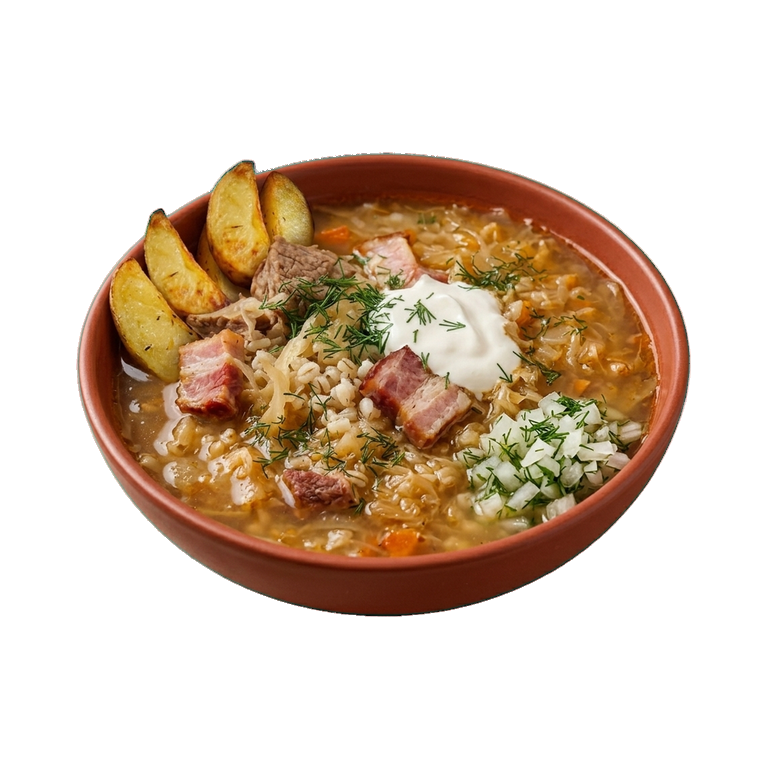
- Soup and borscht. The neck forms the base, gives the meat good flavor and becomes edible after cooking.
- Smoking and salting. Dense meat with fat takes well to smoking and keeps for a long time in salted form.
- Ground meat. If you need chopped meat, the neck will work well — the fat in it will make the finished dish juicier.
What pairs with
Neck works well with acidity — tomatoes, sauerkraut, vinegar emphasize its flavor and make the fat easier to digest. Herbs like rosemary, thyme, and bay leaf enhance the aroma. Root vegetables suit it well: carrots, celery, parsnip. Strong spices — black pepper, juniper, cloves — don't overpower the meat but complement it.
Selection and Storage
Look for a cut with pink or light red meat and visible fat marbling. The surface should be moist, but not wet. Avoid gray or dark tones — these are signs of old meat. The smell should be fresh, meaty, with no sourness or mustiness.
- In the refrigerator: 3–4 days in the coldest part, preferably on a tray to prevent juices from dripping onto other products.
- In the freezer: up to 3 months. Wrap in plastic wrap or a vacuum-sealed bag to avoid freezer burn.
- Thaw in the refrigerator overnight, not at room temperature — this keeps the meat safer.
Pork neck is meat for those who want to cook deliciously but without unnecessary fuss. It forgives small mistakes in timing and temperature, always turning out juicy and aromatic. Try it in your favorite dishes — the result will surprise you.
Nutrition
per 100 g
- Calories
- 185 kcal
- Protein
- 18.5 g
- Fat
- 11.5 g
- Carbs
- 0 g
Measure calculator
- Weight
- 100 g
- Calories
- 185 kcal