Usuba
Usuba
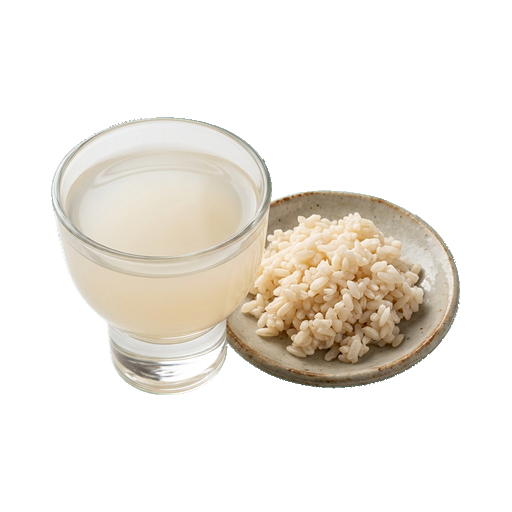
Rice wine
Rice wine is a fermented beverage made from rice with a mild, slightly sweet taste and low alcohol content, typically 14–20%. In Asian cuisine, it is used both as a drink and as an ingredient in marinades, sauces, and when braising meat and seafood, where it helps soften sharp aromas and adds depth of flavor. When looking for a substitute, you can use dry white wine or mirin, however rice wine has a more delicate flavor profile and lower acidity, so the result may differ.
Micronutrients
per 100 ml
About
Rice wine is not just a beverage, but a versatile culinary tool that works in the kitchen as actively as salt or acid. Its gentle sweetness and light alcoholic warmth reveal the depth of a dish without overpowering the main flavors. Unlike rice vinegar, rice wine preserves delicacy and allows ingredients to shine at their fullest.
Aroma and Taste
Rice wine has a soft and sweet aroma with subtle fruity notes. On the palate, it offers a light sweetness that is not cloying, and a pleasant roundness. The alcohol content is barely perceptible, even in stronger wines. This makes it ideal for delicate dishes where you need to complement the flavor, not transform it.
Role in dishes
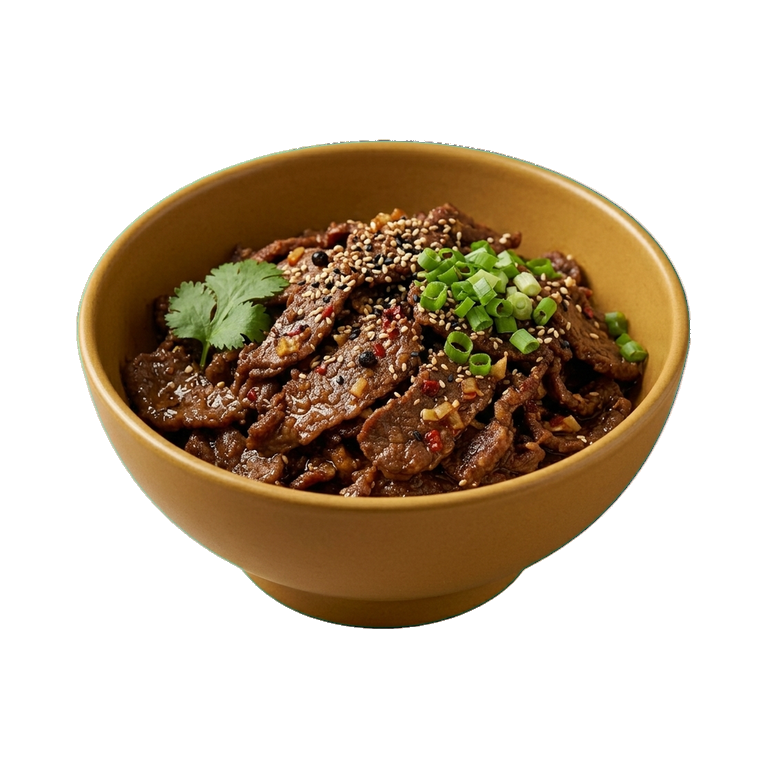
- Marinades for meat and fish — wine softens fibers and adds delicate sweetness without masking the natural flavor of the product
- Sauces and gravies — a couple of spoonfuls in the final sauce gives it depth and subtle roundness
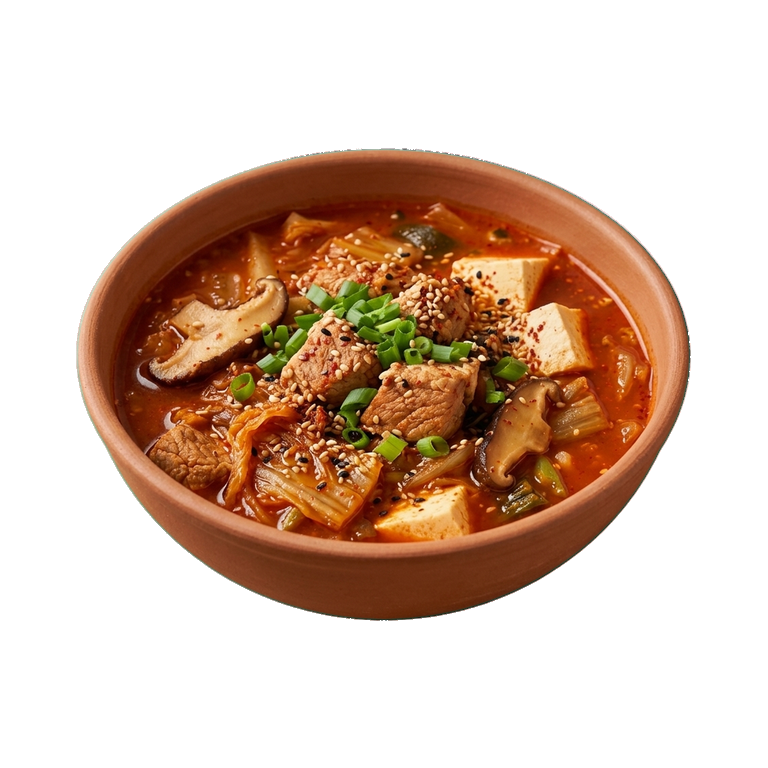
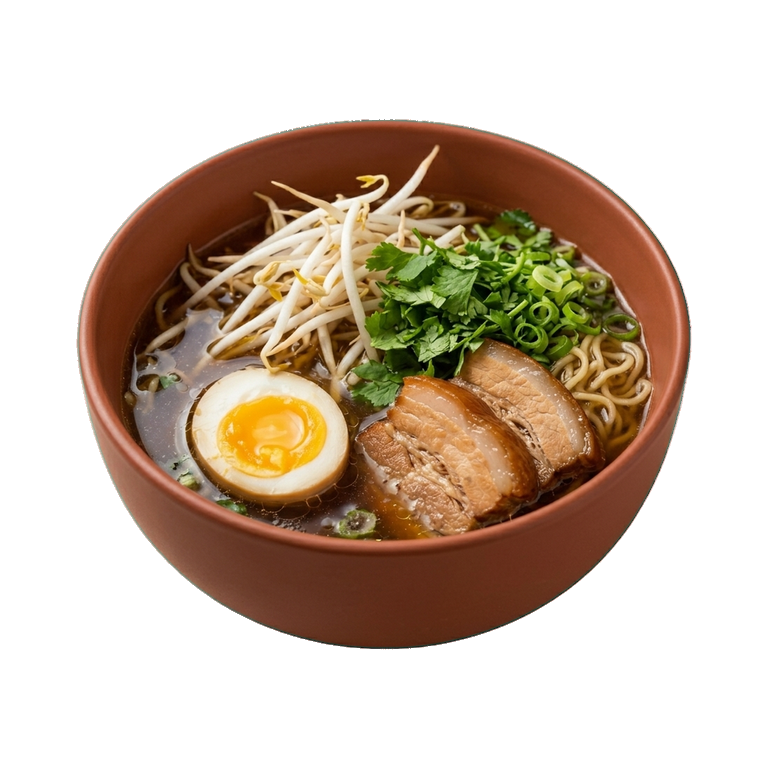
- Soups and broths — especially Asian ones: wine elevates the overall flavor profile and softens sharp notes
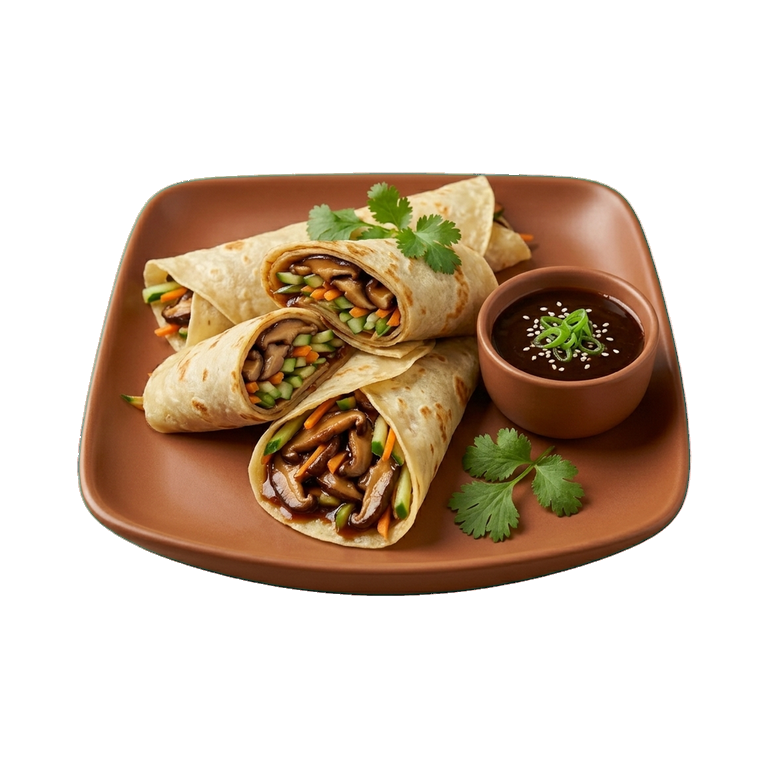
- Stewed vegetables and mushrooms — wine reveals their earthy aromas and adds complexity
- Desserts and compotes — mild sweetness works well in fermented milk sauces and fruit gravies
Pairings
Rice wine pairs well with ginger, garlic, soy sauce, and mirin — this is a classic quartet of Asian cuisine. It works well with coconut milk, lemon juice, and fish sauce. It doesn't conflict with spices: cardamom, star anise, cinnamon. With hot peppers, it creates an interesting contrast: the heat is softened by the wine's sweetness.
Selection and Storage
- Look at the color: good rice wine is golden or amber, clear, without cloudiness
- Check the ingredients — should contain rice, water, starter (koji), salt. No unnecessary additives
- Don't confuse it with rice vinegar — these are different products. Vinegar is sour, wine is sweet
- Store in a cool dark place, tightly sealed. An opened bottle can be kept for a month or two, but it's better to use it faster
- If the wine seems too sweet, dilute it with water or use less in the recipe
Practical tip
Add rice wine at the end of cooking or in the marinade — this way it will preserve its delicate aroma. If you cook over high heat for a long time, the alcohol will evaporate, but the sweetness will remain, which is not always desirable. Start with one teaspoon per serving and add to taste — this wine works subtly and doesn't like to be rushed.
Nutrition
per 100 ml
- Calories
- 100 kcal
- Protein
- 0.2 g
- Fat
- 0 g
- Carbs
- 5 g
Micronutrients
per 100 ml
Macronutrients
- Fiber
- 0 g
- Sugars
- 0 g
- Saturated fat
- 0 g
- Monounsaturated fat
- 0 g
- Polyunsaturated fat
- 0 g
- Omega-3 (EPA + DHA)
- 0 g
- Cholesterol
- 0 mg
- Water
- 78.4 g
Minerals
- Sodium
- 2 mg
- Potassium
- 25 mg
- Calcium
- 5 mg
- Magnesium
- 6 mg
- Phosphorus
- 6 mg
- Iron
- 0.1 mg
- Zinc
- 0.02 mg
- Copper
- 0.01 mg
- Selenium
- 1.4 mcg
Vitamins
- Vitamin A (RAE)
- 0 mcg
- Vitamin D
- 0 mcg
- Vitamin E
- 0 mg
- Vitamin K
- 0 mcg
- Vitamin C
- 0 mg
- Vitamin B1 (thiamin)
- 0 mg
- Vitamin B2 (riboflavin)
- 0 mg
- Vitamin B3 (niacin)
- 0 mg
- Vitamin B6
- 0 mg
- Vitamin B9 (folate, DFE)
- 0 mcg
- Vitamin B12
- 0 mcg
Measures and weight
- 1 tbsp
- 15 g
- 1 tsp
- 5 g
- 1 cup
- 250 g
Measure calculator
- Weight
- 100 g
- Calories
- 100 kcal