Usuba
Usuba
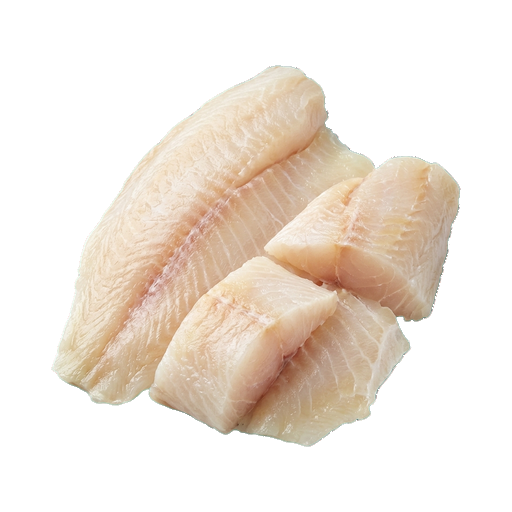
Tilapia fillet
Tender white tilapia meat has a mild, slightly sweet flavor with a delicate aroma and minimal bones. The fillet is versatile and suitable for frying, baking, boiling, and grilling, absorbing marinades and sauces well. When selecting, pay attention to meat firmness and fresh smell, avoid darkening and slime; frozen fillet should be tightly packaged without ice crystals.
Micronutrients
per 100 g
About
Tilapia fillet is one of the most versatile and affordable types of white fish in the kitchen. The meat is tender, almost boneless, with a neutral flavor that easily adapts to any sauce or seasoning. It is this very plasticity that makes it ideal for experimentation: from simple breading to complex oriental marinades.
Taste and Texture
Tilapia fillet has a delicate, slightly sweet taste without a strong fishy smell. The meat is white, firm, yet tender — it doesn't fall apart during cooking if not overcooked. This characteristic is especially valuable for beginner cooks: the fish forgives minor mistakes in cooking time.
How to Cook
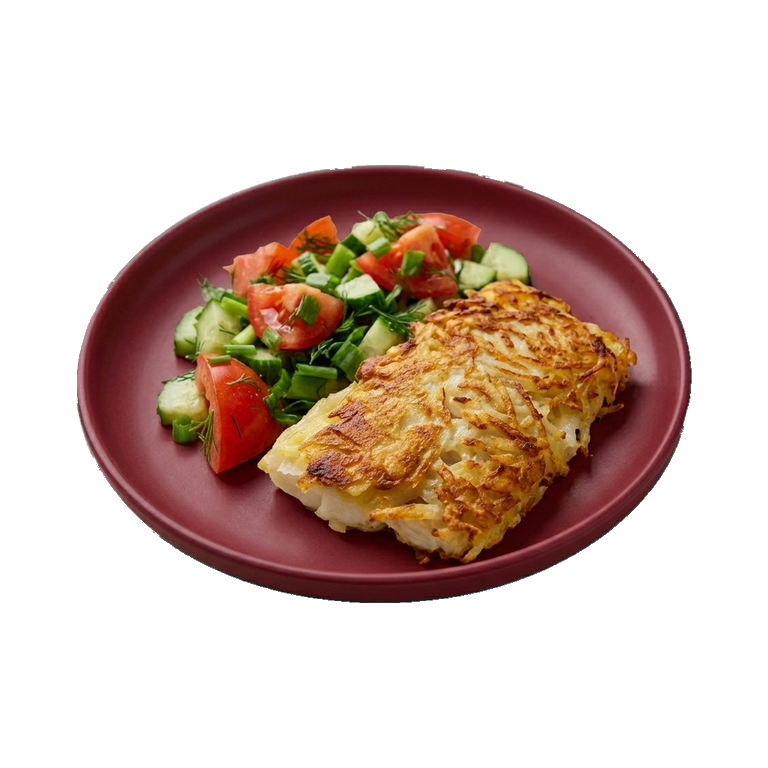
Tilapia fillet cooks quickly — usually 8–12 minutes depending on the method. In a pan with oil, the fish acquires a crispy crust, in the oven it turns out juicier, on the grill — with a pleasant smoky note. The main rule: don't dry it out. Check doneness by the opacity of the meat — it should flake easily with a fork.
- In a pan: pat dry, season with salt and pepper, fry 3–4 minutes on each side over medium heat
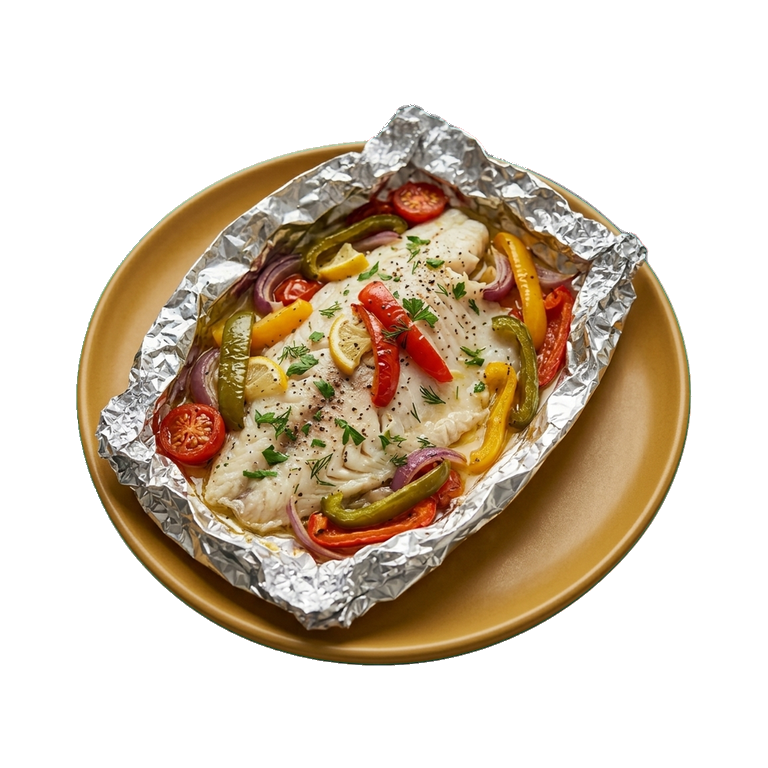
- In the oven: wrap in foil with lemon and herbs, bake at 200°C for about 15 minutes
- Steamed: place on a rack over boiling water, cover with a lid for 10–12 minutes
- On the grill: pre-coat with oil to prevent sticking, cook on high heat 3–4 minutes on each side
Pairings and Sauces
The neutral flavor of fillet allows it to pair well with bright, bold aromas. Lemon and lime emphasize freshness, spicy sauces add energy, and creamy gravies provide softness. Herbs like dill, parsley, and basil enhance the delicate taste of fish, while ginger and garlic bring depth.
- Citrus: lemon, lime, orange in marinades and sauces
- Spicy: chili, pepper, hot sauce, wasabi
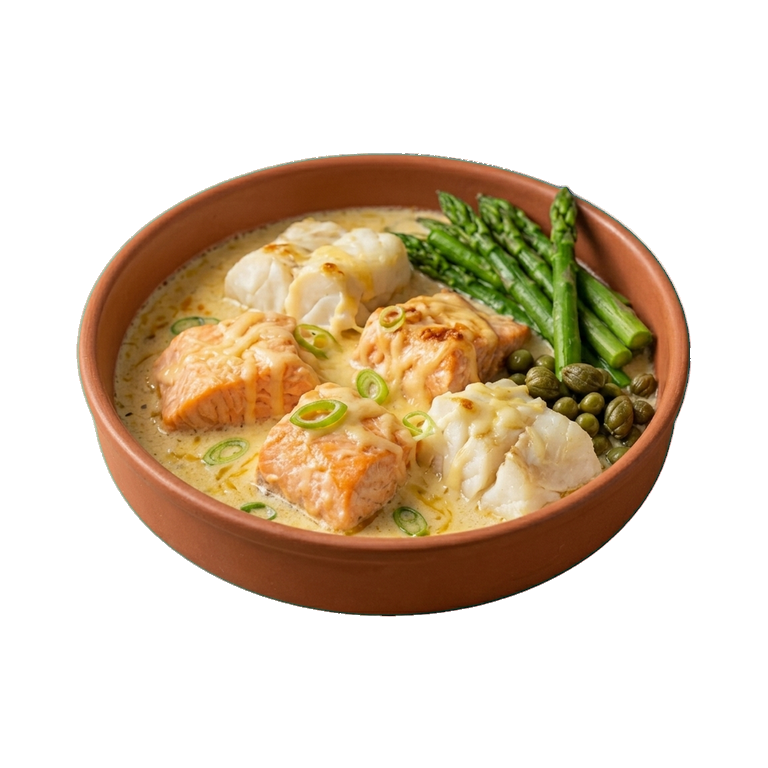
- Creamy: butter, cream, milk in sauces
- Asian seasonings: soy sauce, mirin, fish sauce
- Vegetables: tomatoes, zucchini, bell pepper, mushrooms
Selection and Storage
When purchasing, pay attention to the color of the meat — it should be white or light pink, without gray spots. The smell should be neutral, oceanic, but not pungent. The fillet should be firm, without slime. If the fish is sold frozen, make sure there is no ice crust — this is a sign of improper storage.
Fresh fillet is stored in the refrigerator for 1–2 days on the coldest shelf. Frozen fillet can be kept for several months. Thaw in the refrigerator overnight or under cold running water — this preserves texture and moisture. Never thaw at room temperature.
Tilapia fillet is a workhorse of home cooking. It requires no experience, cooks in minutes, and always turns out delicious if you don't forget about salt and oil.
Nutrition
per 100 g
- Calories
- 96 kcal
- Protein
- 20.1 g
- Fat
- 1.7 g
- Carbs
- 0 g
Micronutrients
per 100 g
Macronutrients
- Saturated fat
- 0.647 g
- Monounsaturated fat
- 0.769 g
- Polyunsaturated fat
- 0.358 g
- Omega-3 (EPA + DHA)
- 0.028 g
- Cholesterol
- 47.6 mg
- Water
- 78.28 g
Minerals
- Sodium
- 93.66 mg
- Potassium
- 342.4 mg
- Calcium
- 8.63 mg
- Magnesium
- 24.28 mg
- Phosphorus
- 159.4 mg
- Iron
- 0 mg
- Zinc
- 0.3 mg
- Copper
- 0 mg
- Manganese
- 0.01 mg
- Selenium
- 20.5 mcg
- Iodine
- 4.1 mcg
Vitamins
- Vitamin B12
- 0.8 mcg
Measures and weight
- 1 pcs
- 150 g
Measure calculator
- Weight
- 100 g
- Calories
- 96 kcal