Usuba
Usuba
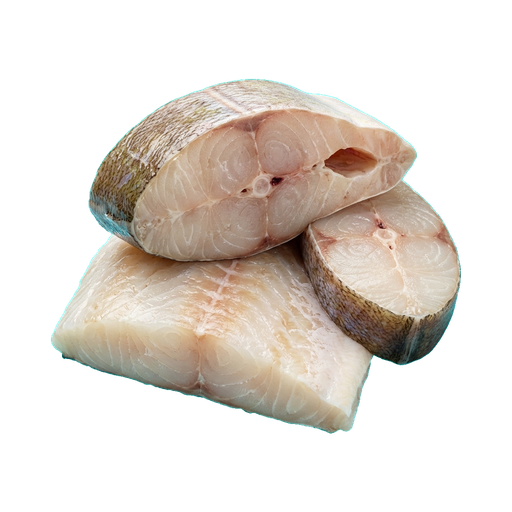
Cod
Cod is a white fish with a delicate, slightly sweet flavor and firm meat texture that has virtually no odor. Its versatility makes it suitable for steaming, frying, stewing, baking, or using in soups and fish patties. When selecting cod, pay attention to meat firmness and fresh smell, and remember during cooking that cod cooks quickly and can become dry if overcooked.
Micronutrients
per 100 g
About
Cod is one of the most versatile fish in the kitchen. Its white, tender meat contains almost no bones, cooks quickly, and is suitable for any cooking method: from simple boiling to baking and frying. It is a fish that doesn't require special skills and at the same time allows you to create serious dishes.
Taste and Texture
Cod meat is distinguished by a tender, slightly sweet note and delicate flavor that doesn't overpower other ingredients. The fiber structure is dense, yet soft — the fish easily flakes apart with a fork. It has low fat content, so cod never feels heavy, even when generously dressed with oil or a creamy sauce.
How to Cook Cod
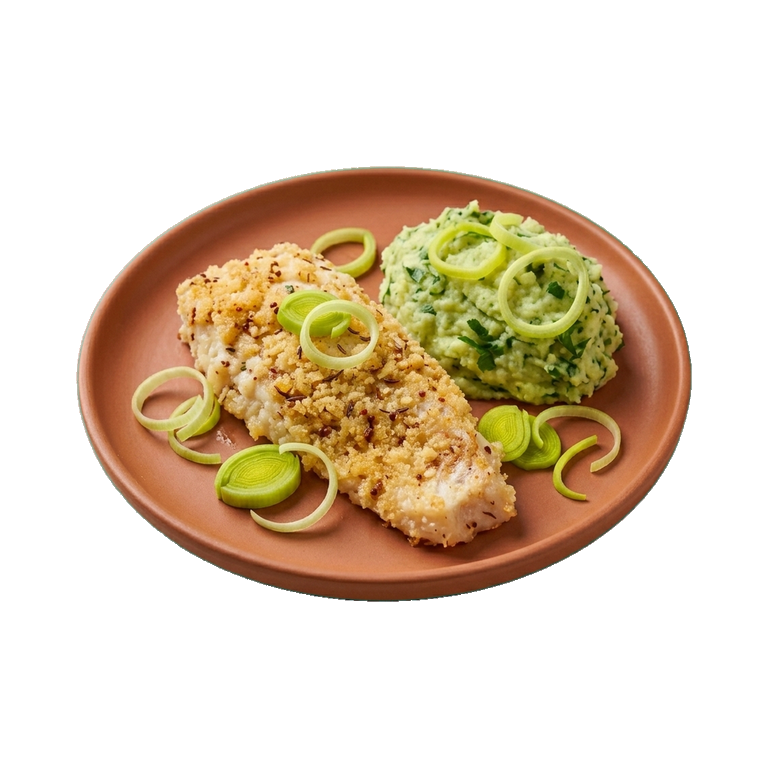
- In a pan: fillet with crispy crust cooks for 4–5 minutes on each side over medium heat.
- In the oven: whole fish or portioned pieces bake at 200 °C for approximately 15–20 minutes, wrapped in foil or placed on parchment paper.
- Steamed: one of the gentlest methods, preserves maximum moisture and tenderness; cooks for 10–12 minutes.
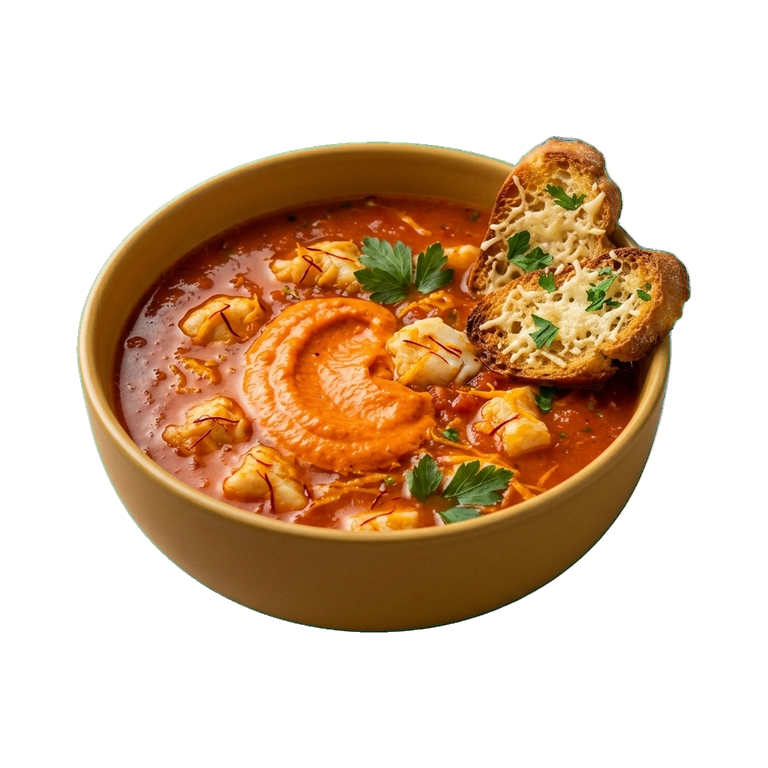
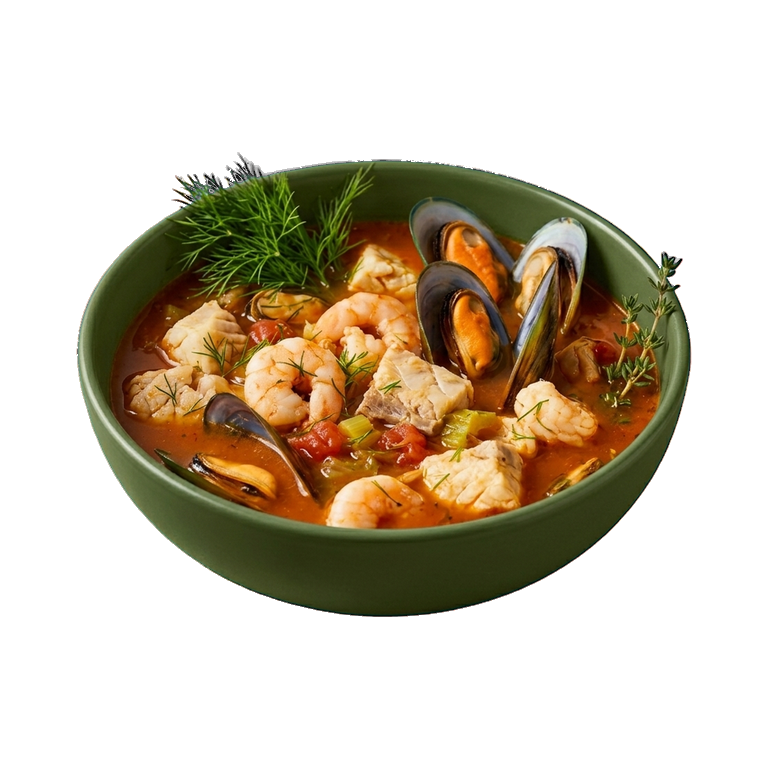
- In soup or broth: cod is added at the end of cooking so it doesn't fall apart; 5–7 minutes is sufficient.
Pairs well with
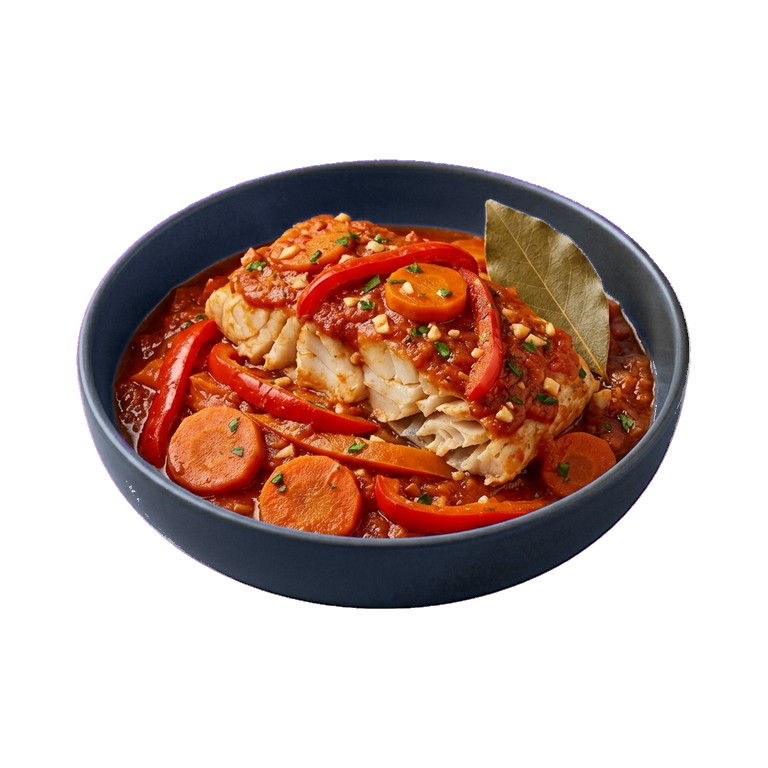
Cod works well with acidity — lemon, white wine, capers, and olives bring out its flavor. Butter, especially in its creamy form, emphasizes the tenderness of the meat. Herbs like dill, parsley, and thyme complement without overwhelming. Tomatoes, carrots, potatoes, and any root vegetables are classic companions in baked dishes.
Selection and Storage
- Fresh fillet should be white or light cream colored, without yellow spots and darkening.
- Smell — oceanic, pleasant, without sharp "fishy" odor.
- Texture is elastic: when pressed with a finger, the indentation should disappear within a second.
- In the refrigerator, fresh cod is stored no longer than 2 days; frozen fillet — up to 3 months in the freezer.
Frozen cod is best thawed in the refrigerator rather than at room temperature — this way it will retain moisture and won't lose its shape. If you're in a hurry, place the packaged fillet in cold water for 30–40 minutes.
Nutrition
per 100 g
- Calories
- 82 kcal
- Protein
- 17.8 g
- Fat
- 0.7 g
- Carbs
- 0 g
Micronutrients
per 100 g
Macronutrients
- Saturated fat
- 0.044 g
- Monounsaturated fat
- 0.026 g
- Polyunsaturated fat
- 0.081 g
- Omega-3 (EPA + DHA)
- 0.072 g
- Cholesterol
- 47.44 mg
- Water
- 82.86 g
Minerals
- Sodium
- 298.8 mg
- Potassium
- 245.1 mg
- Calcium
- 6.59 mg
- Magnesium
- 17.98 mg
- Phosphorus
- 224.1 mg
- Iron
- 0.07 mg
- Zinc
- 0.31 mg
- Copper
- 0 mg
- Manganese
- 0 mg
- Selenium
- 22.8 mcg
- Iodine
- 113.7 mcg
Vitamins
- Vitamin B12
- 1.2 mcg
Measures and weight
- 1 pcs
- 500 g
Measure calculator
- Weight
- 100 g
- Calories
- 82 kcal