Usuba
Usuba
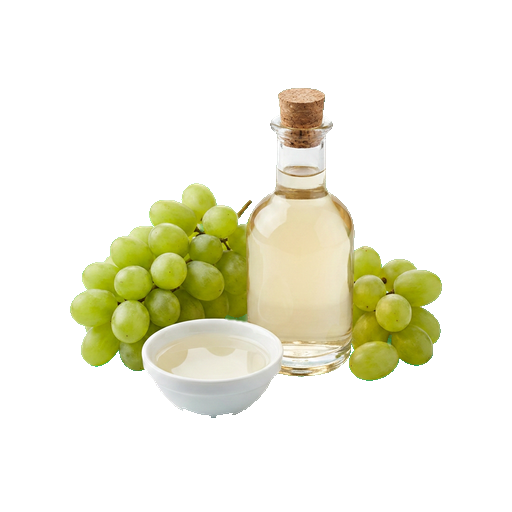
White Wine Vinegar
White wine vinegar is produced from white wine through fermentation and is distinguished by its mild, delicate flavor with barely noticeable acidity and light color. It is ideal for delicate sauces, salad dressings, and marinades where sharp acidity is not required, and works well in dishes with seafood and white fish. When choosing, pay attention to the acetic acid content — usually 5–7%, and remember that it can be replaced with light apple vinegar or lemon juice, although the flavor profile will change slightly.
About
White wine vinegar is a mild and delicate kitchen helper that often remains in the shadow of its red counterpart. Its main advantage is that it does not stain dishes or darken sauces, while at the same time adding that very sourness and depth that brings taste to life. It is obtained from white wine through fermentation, so it retains a light fruity note and noble acidity.
Aroma and flavor
The aroma of white wine vinegar is subtle and pleasant — understated, with barely perceptible floral and apple notes. To the taste, it is acidic but not sharp, with delicate sweetness and a light astringency. This gentleness makes it an ideal choice when acidity is needed without aggression, when it is important not to overpower other flavors, but only to enhance them.
Where and how to use it
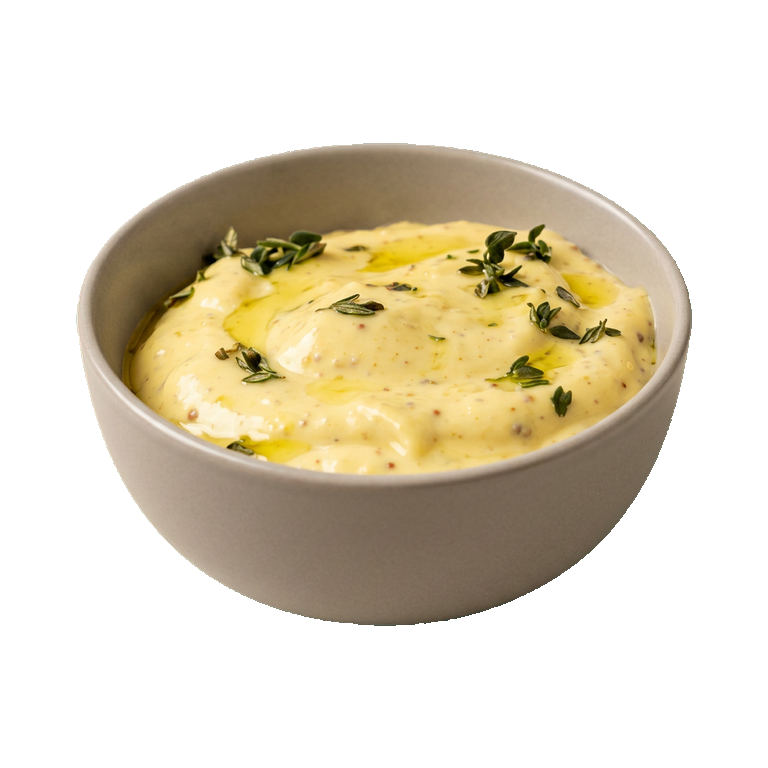
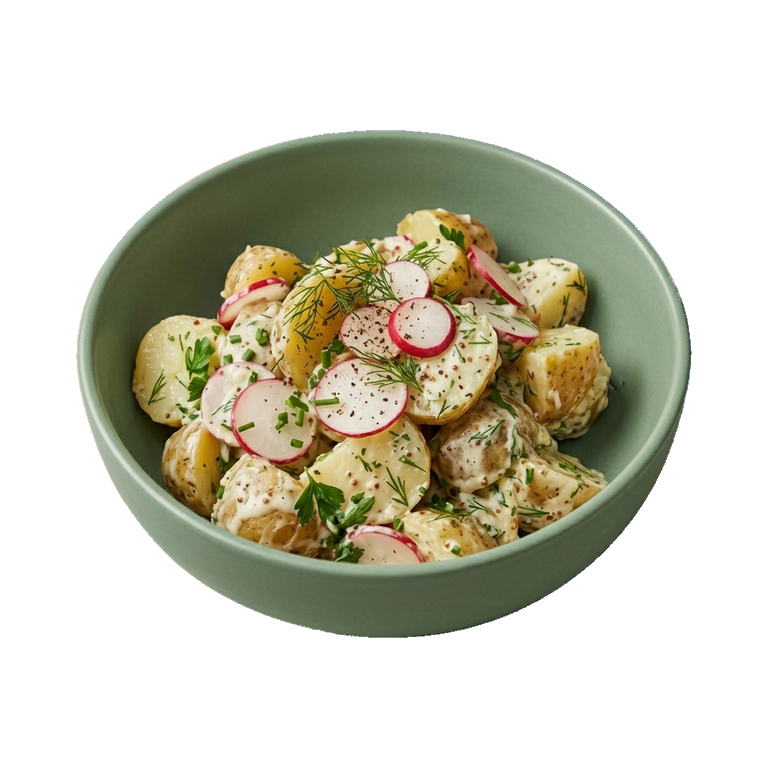
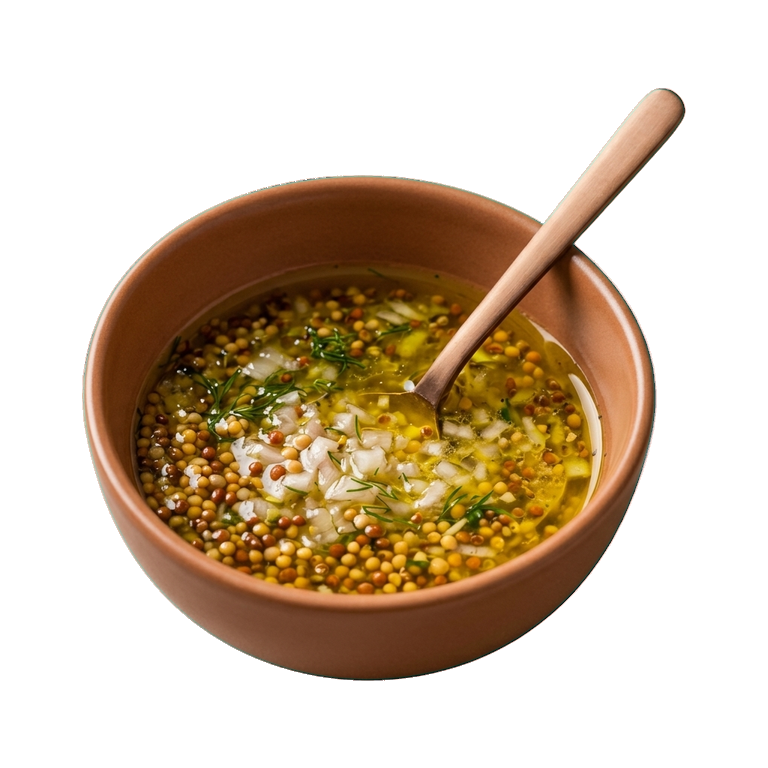
White wine vinegar works everywhere delicacy is needed. It is ideal for light sauces — béarnaise, hollandaise, vinaigrettes with white fish. Add it to a marinade for chicken or seafood, and the dish will become more tender and aromatic. In soups and broths, it will not cloud transparency and will not spoil the color.
- Classic French sauces and emulsions
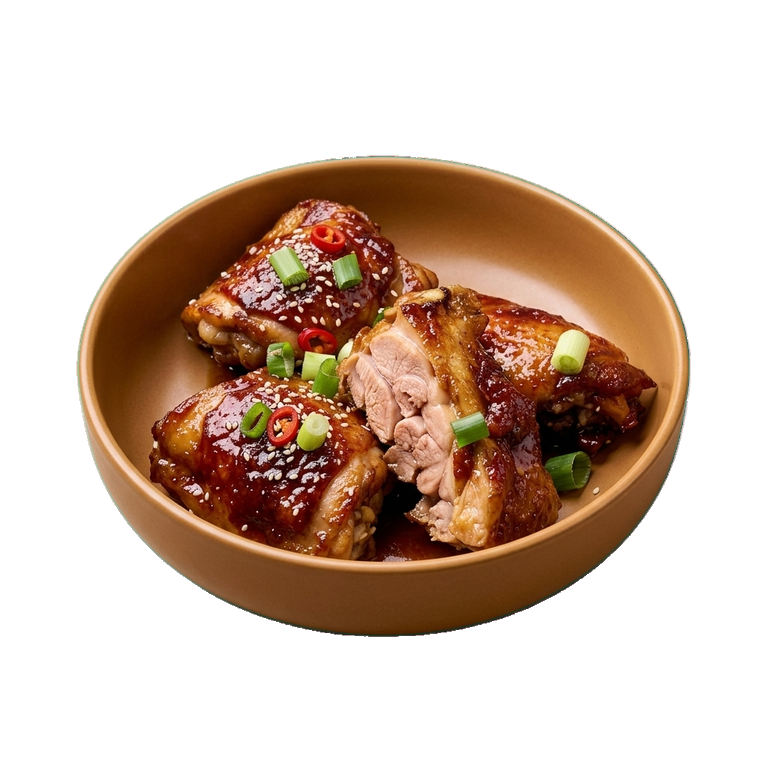
- Marinades for delicate meat and fish
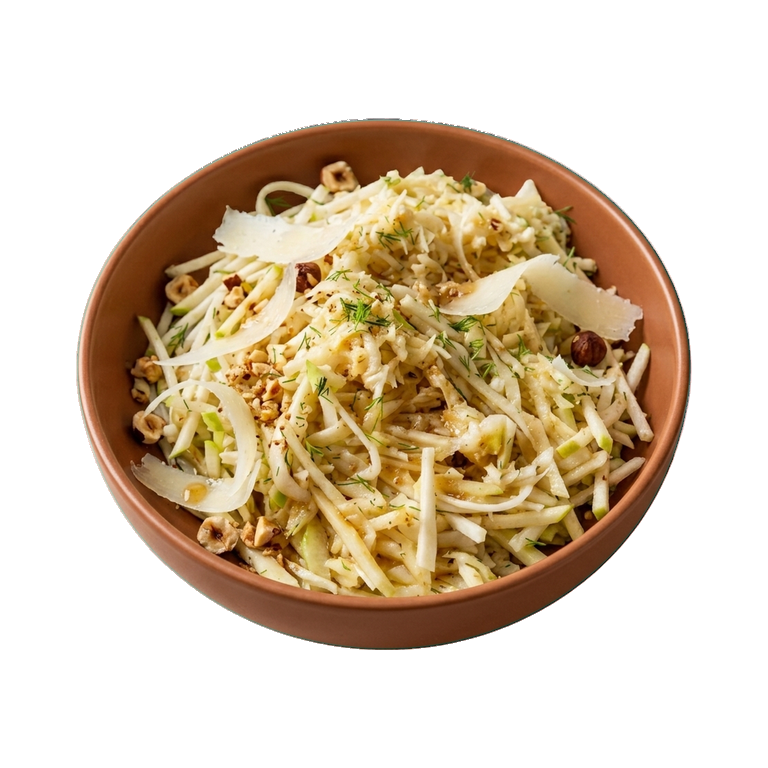
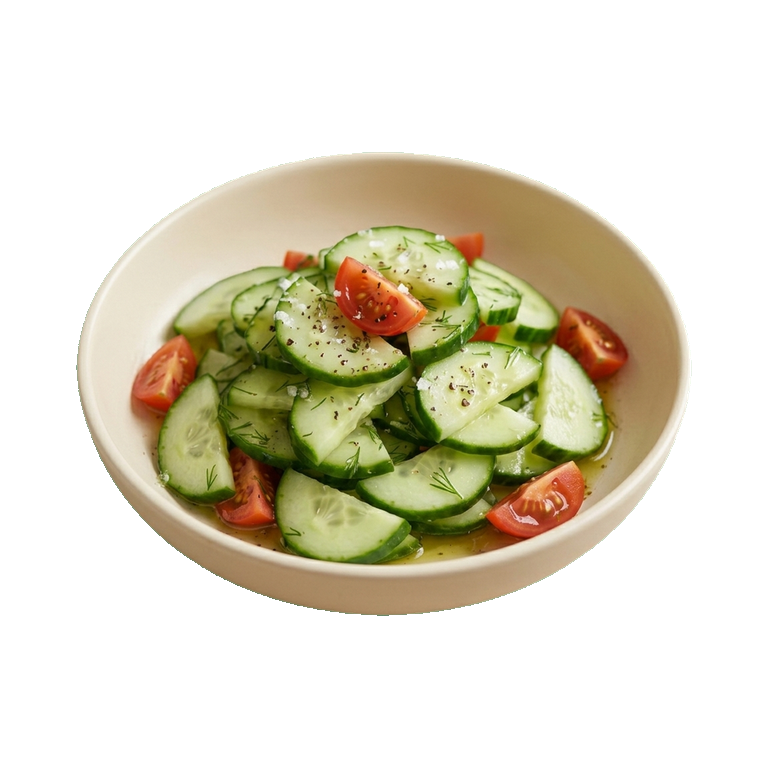
- Dressings for salads with tender greens
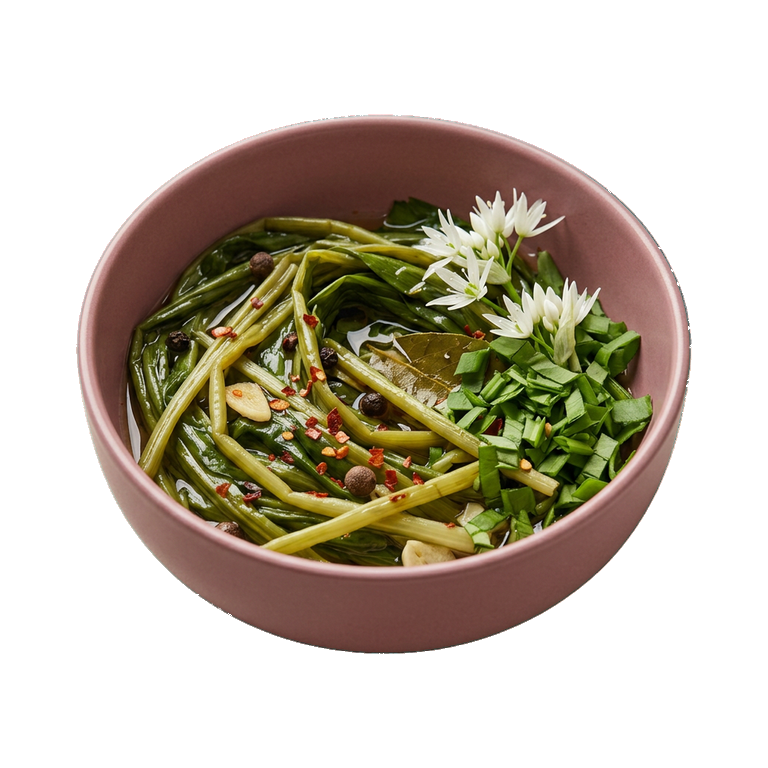
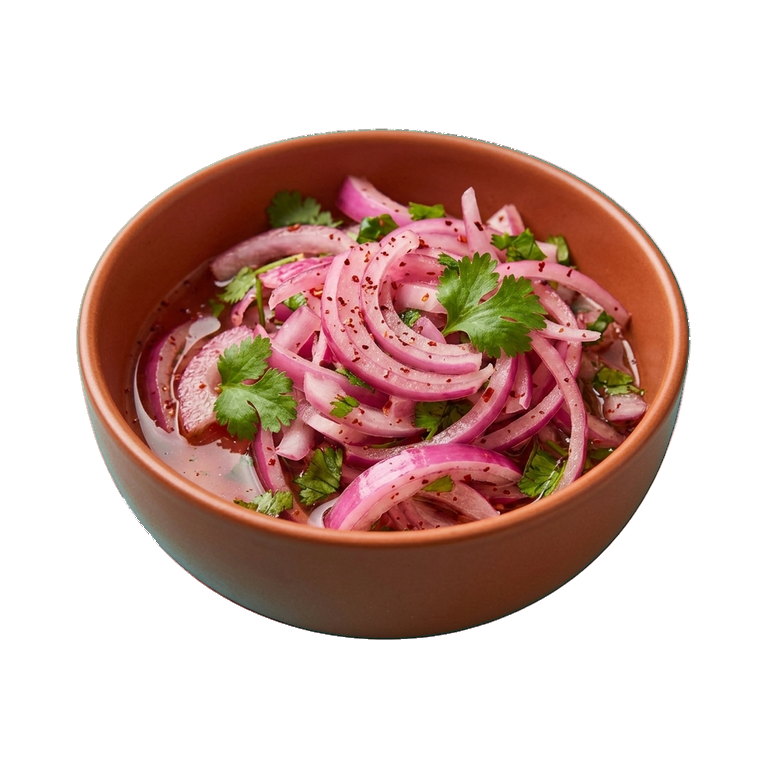
- Preserving vegetables (especially light-colored ones — mushrooms, onions, zucchini)
- Deglazing the pan after frying white fish or poultry
- Light dessert sauces and fruit compotes
Combinations and Harmony
White wine vinegar pairs well with white wine, butter, mustard, tarragon, and shallots. It works beautifully with seafish, seafood, chicken, and white meat. If you're preparing something delicate and sophisticated — mushroom soup, halibut sauce, scallop marinade — white wine vinegar will be your faithful ally, as it will enhance the flavor without disrupting the harmony.
Selection and Storage
When choosing, pay attention to acidity — it usually ranges from 5 to 8%. For most culinary tasks, standard acidity of 6% will work. Look for only grapes and water in the ingredients, without additives or preservatives. Store vinegar in a cool place, protected from light — in a closed bottle it will safely keep for several years without losing its properties. After opening, make sure the cap closes tightly to avoid evaporation.
- Check the acidity on the label — 5–8% is the norm
- Prefer natural vinegar without chemical additives
- Store in a dark glass bottle at room temperature
- Avoid direct sunlight — it damages the aroma and taste
White wine vinegar is not just an acid, it is a tool for refined culinary work. When you need to add brightness without aggression, when the clarity of a sauce or the tenderness of a marinade matters, it becomes indispensable. Keep it at hand, and your dishes will become more harmonious and sophisticated.
Nutrition
per 100 ml
- Calories
- 18 kcal
- Protein
- 0 g
- Fat
- 0 g
- Carbs
- 0.4 g
Measures and weight
- 1 tbsp
- 15 g
- 1 tsp
- 5 g
- 1 cup
- 250 g
Measure calculator
- Weight
- 100 g
- Calories
- 18 kcal