Usuba
Usuba
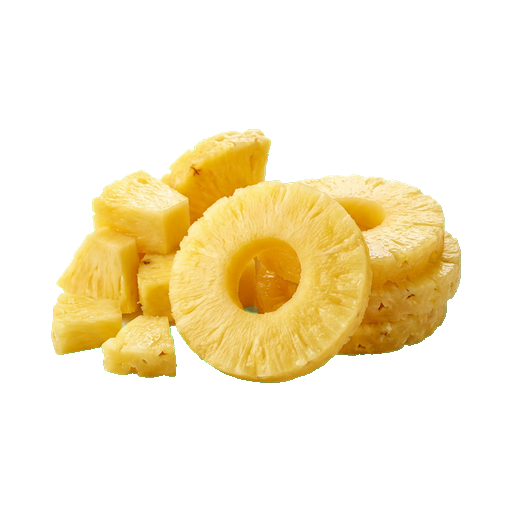
Canned pineapple
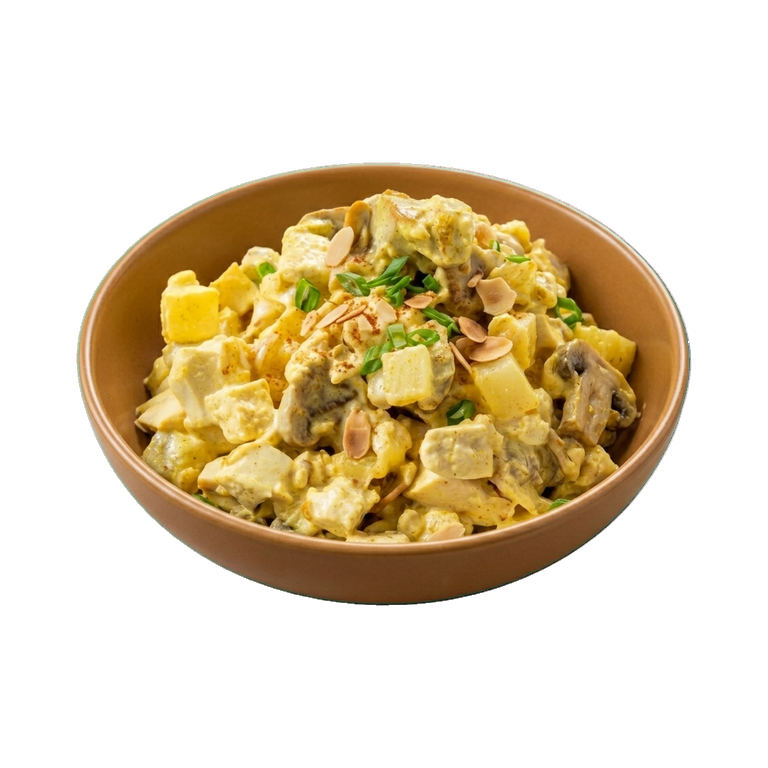
Canned pineapple is fruit processed under pressure and packaged in syrup or its own juice for long-term storage. The flesh is softer than fresh fruit, but retains its sweetness and characteristic tropical flavor with a slight tartness. Used in desserts, baked goods, meat dishes, and salads; when substituting fresh pineapple, note that canned contains more sugar, so if needed, drain some of the syrup and adjust the sweetness in the recipe.
About
When ripeness is already in the jar
Canned pineapple is convenience without compromise. The fruit is already peeled, sliced, and ready to use at any moment. Unlike fresh pineapple, which requires skills to handle its prickly skin and guessing about ripeness, canned pineapple is always predictable: soft, sweet, and without stringiness. Manufacturers preserve it at peak ripeness, so the flavor and aroma are frozen in an ideal state.
Forms and Variants
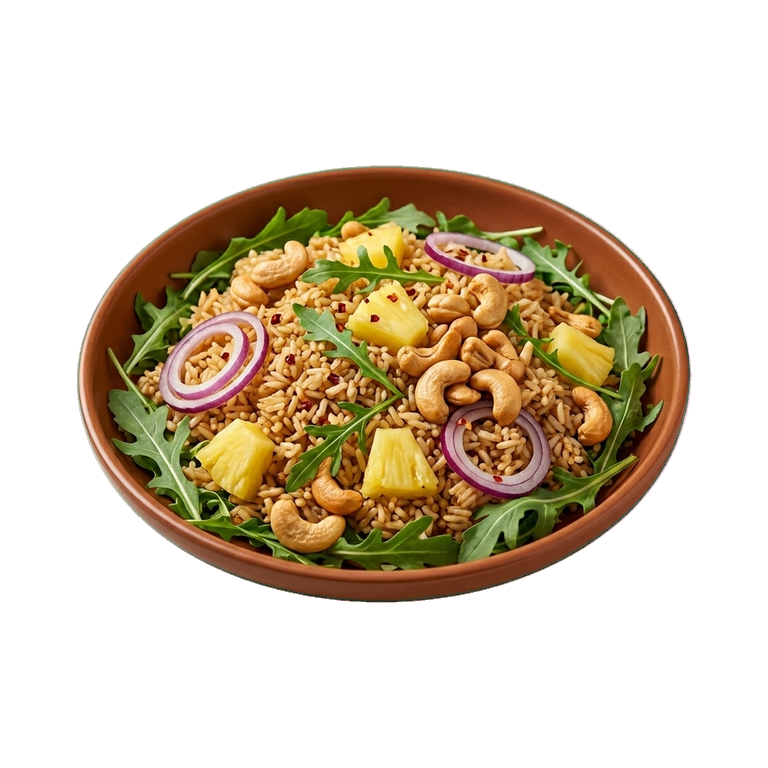
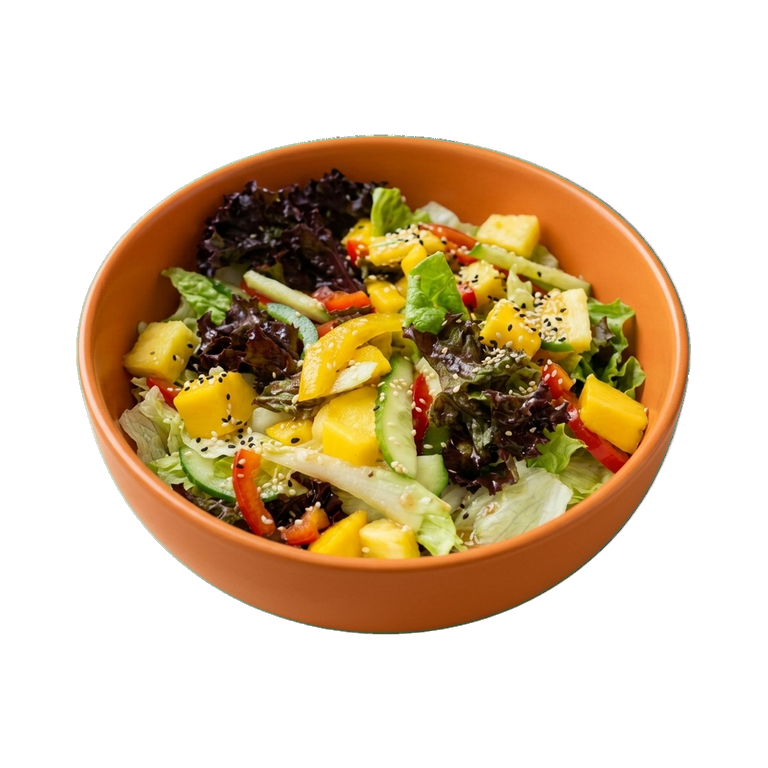
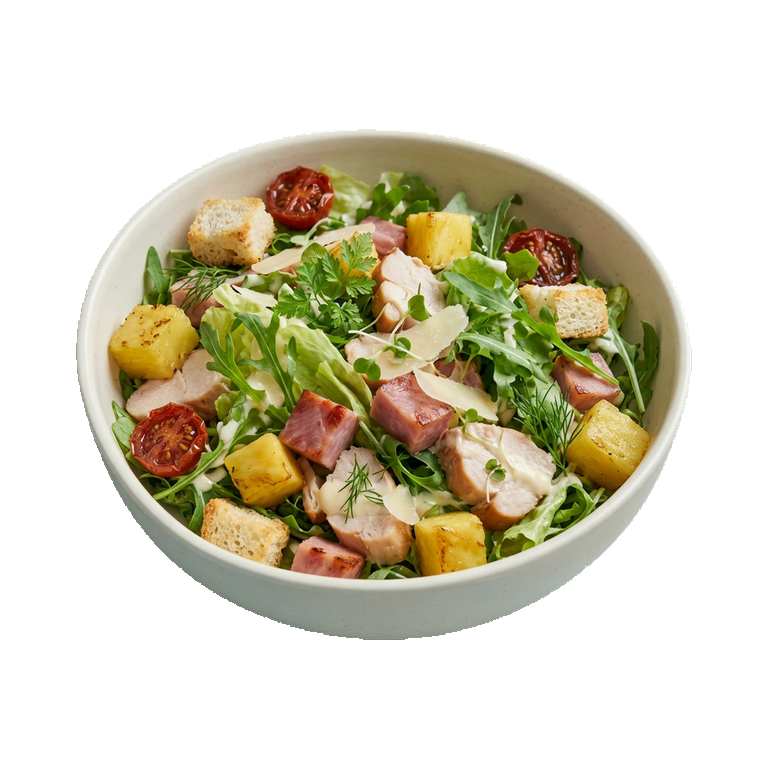
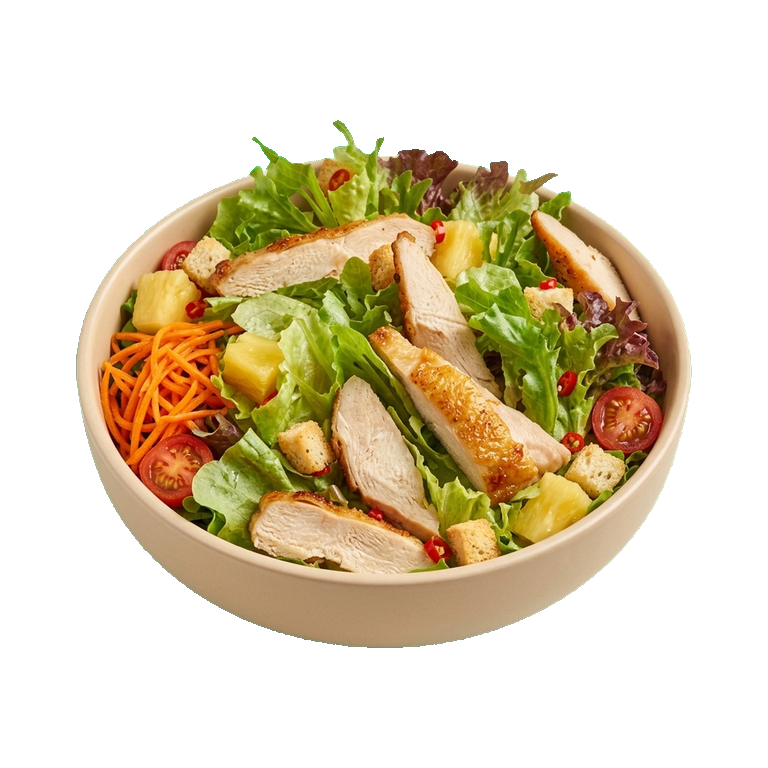
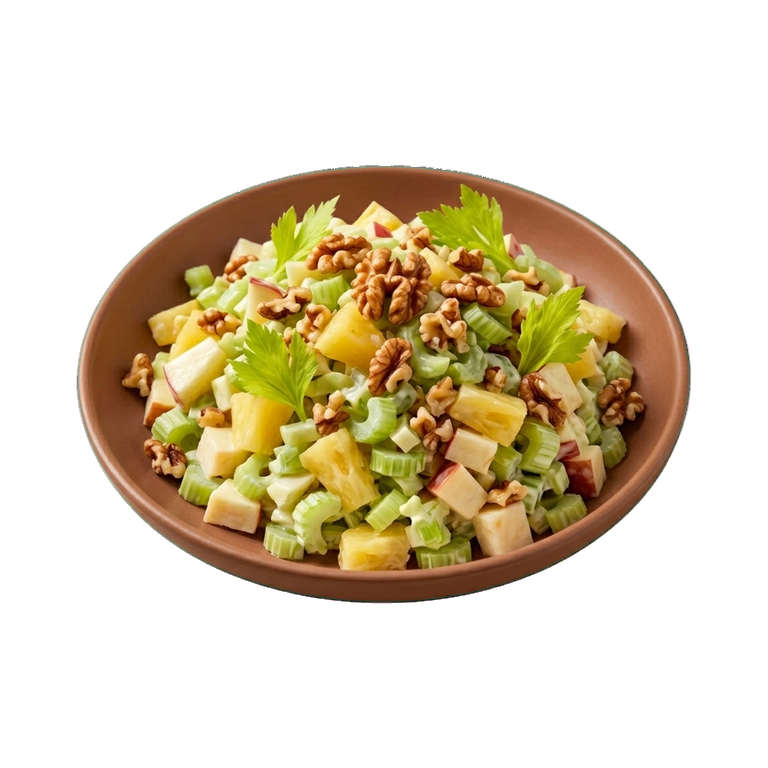
You can find rings, half-rings, cubes, and even crushed pieces on the shelves. The choice depends on the task: rings are great for decorating desserts and side dishes, cubes are more convenient for fillings and salads, crushed pineapple goes into compotes and sauces. The liquid in the jar — its own juice or syrup — also plays a role. Pineapple in its own juice is lighter in taste and less cloying, in syrup it becomes sweeter and denser.
Where he works in the kitchen
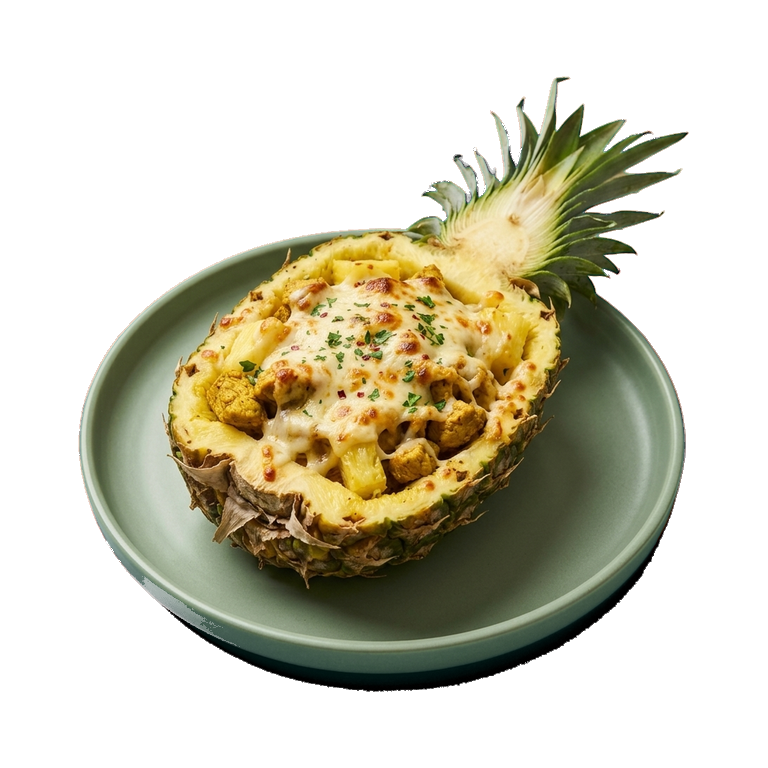
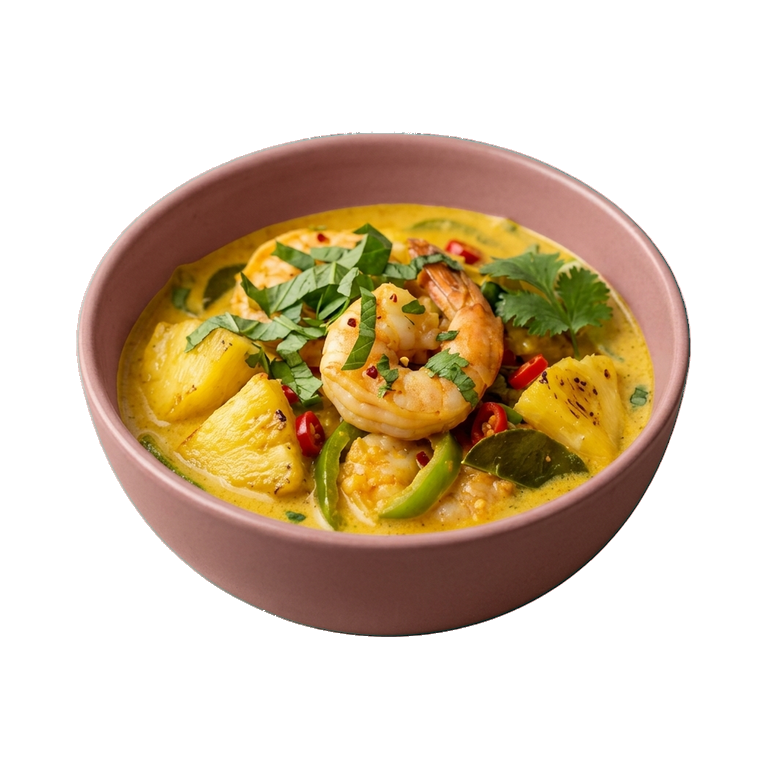
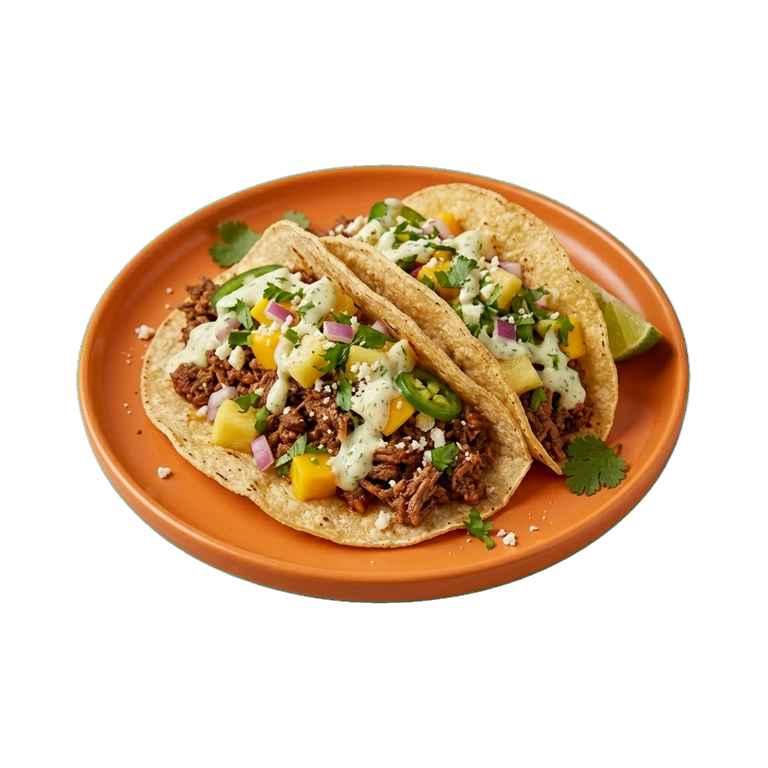
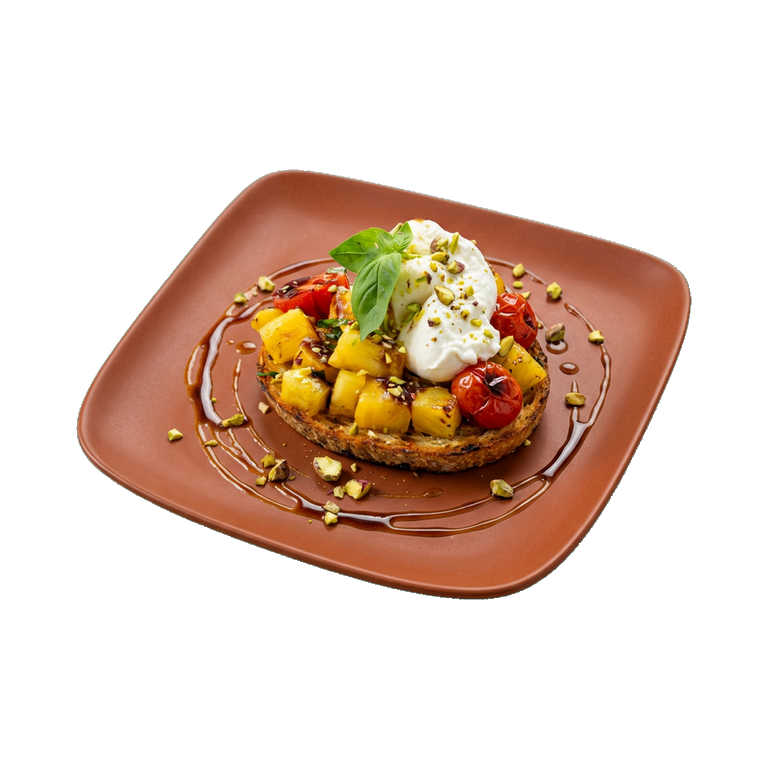
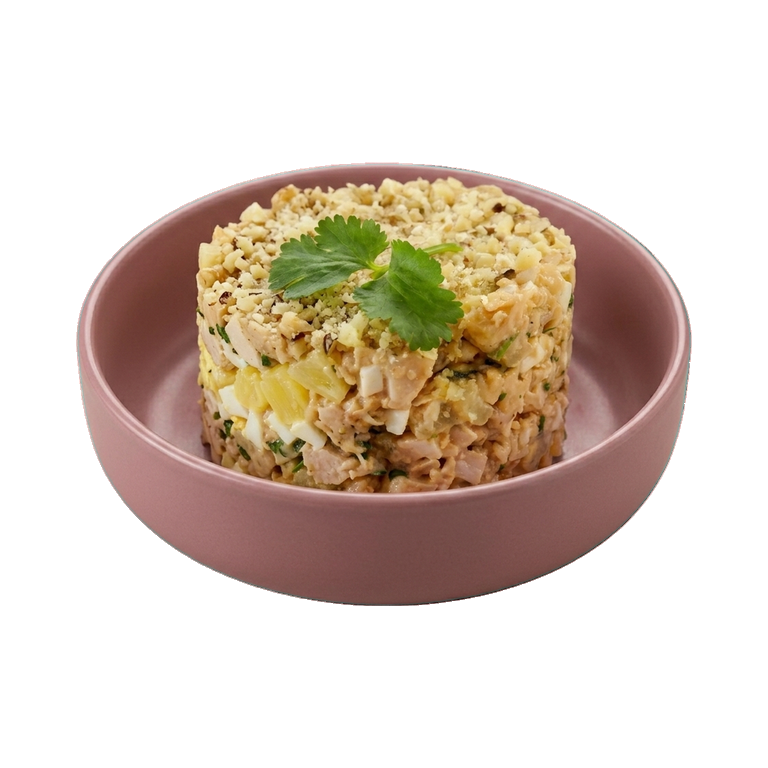
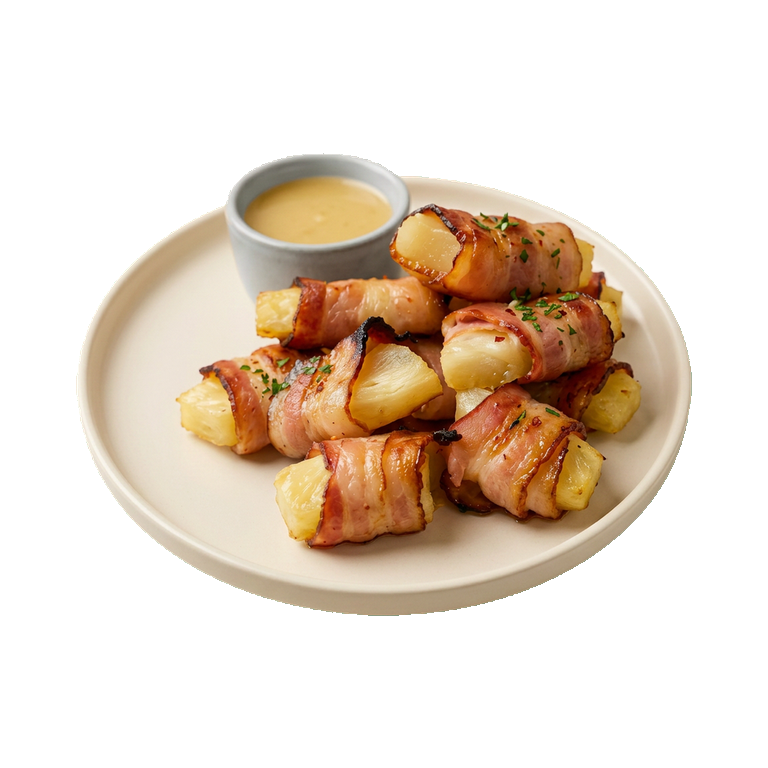
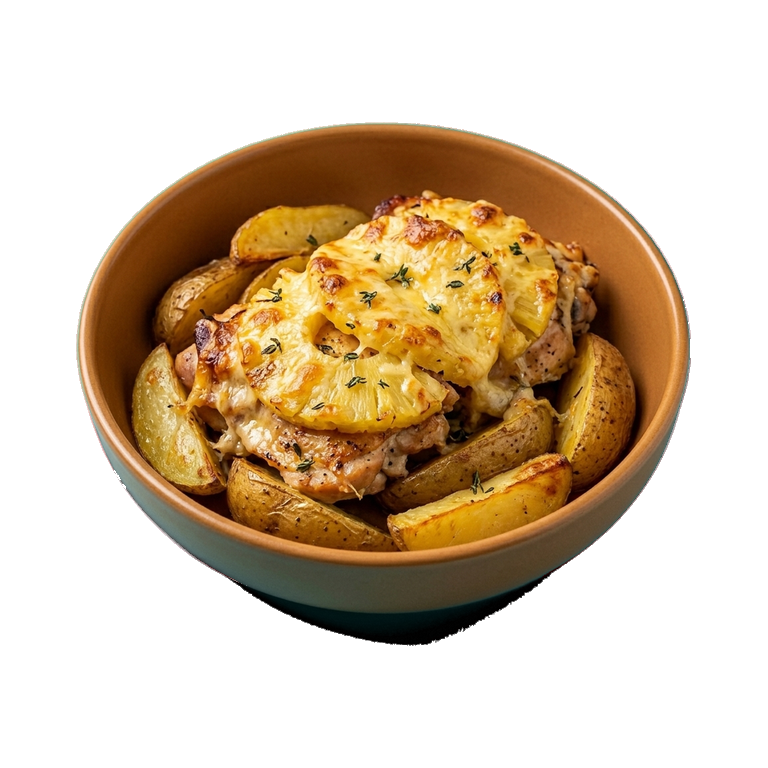
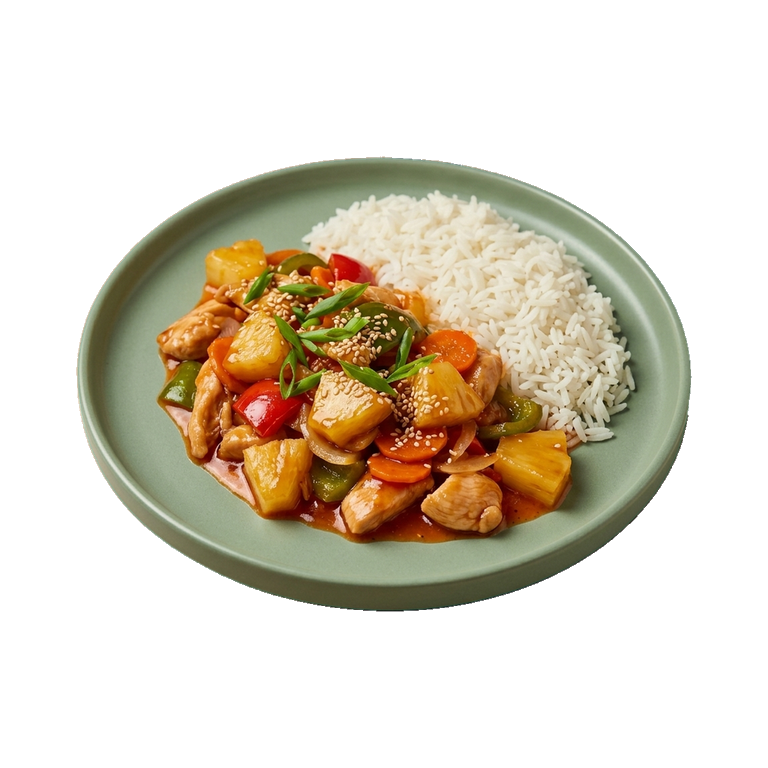
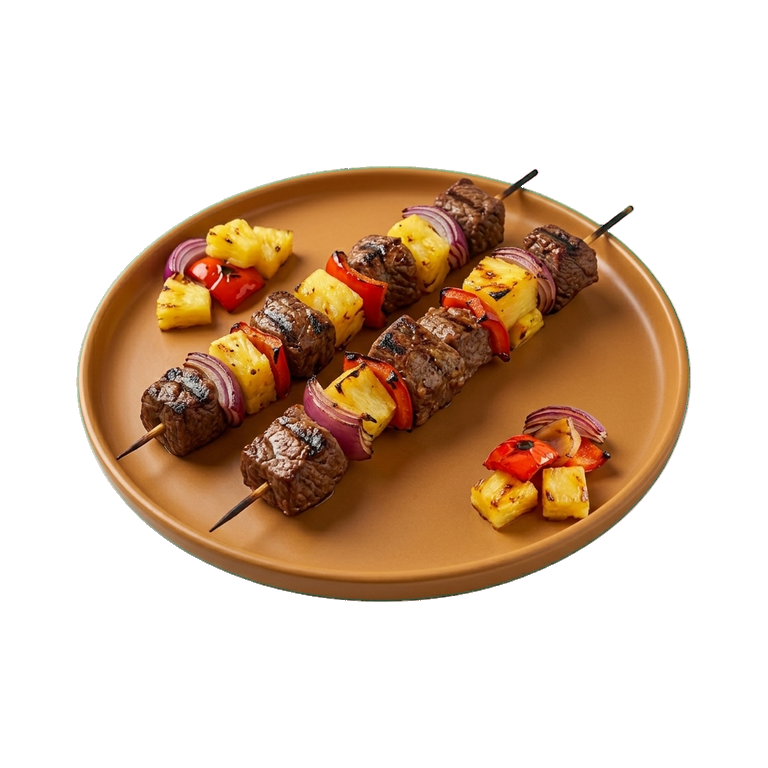
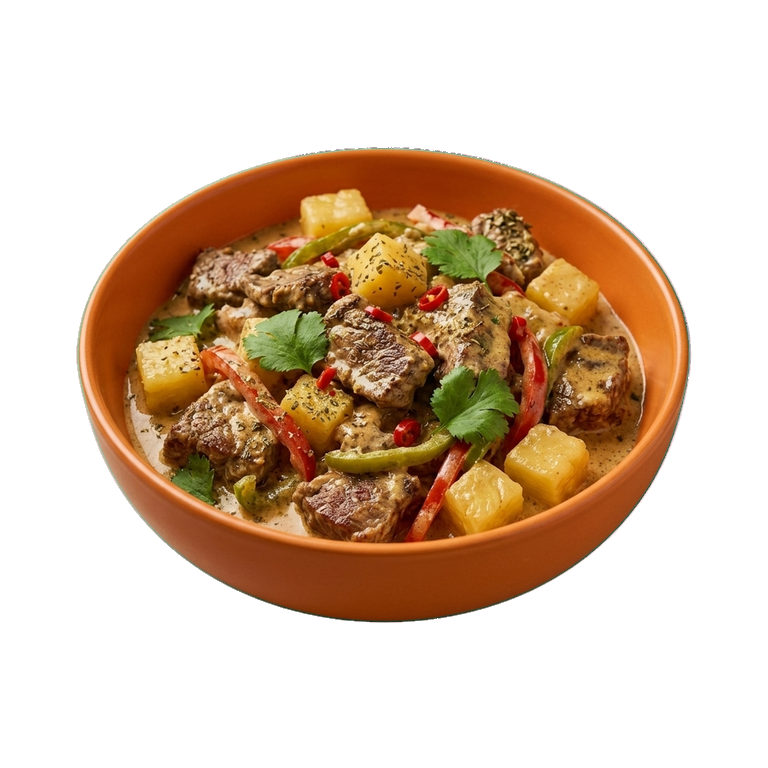
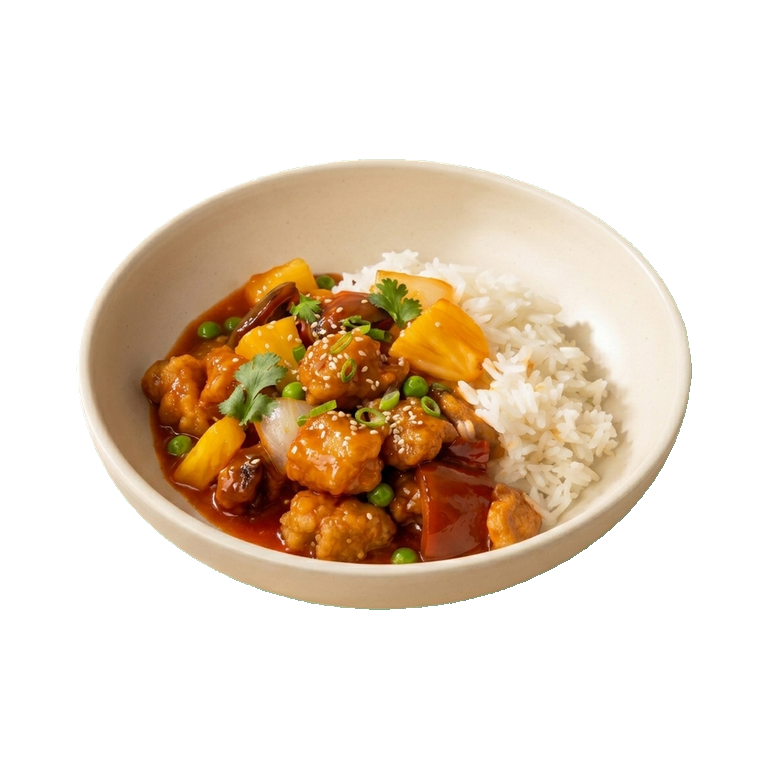
Canned pineapple is versatile. It rescues pie and cupcake batter, adds juiciness to meat marinades and sauces, and becomes the base for glazes. In Asian cuisine, it is added to spicy curries and sweet and sour sauces — acidity balances richness and heat. In desserts, it works equally well with cottage cheese and yogurt as it does with chocolate.
The main thing is not to forget to drain the excess liquid before adding to the dough, otherwise the baking will turn out wet. If the liquid is needed for the recipe, leave it: it already contains natural sugar and can serve as a base for sauce or compote.
Combinations that work
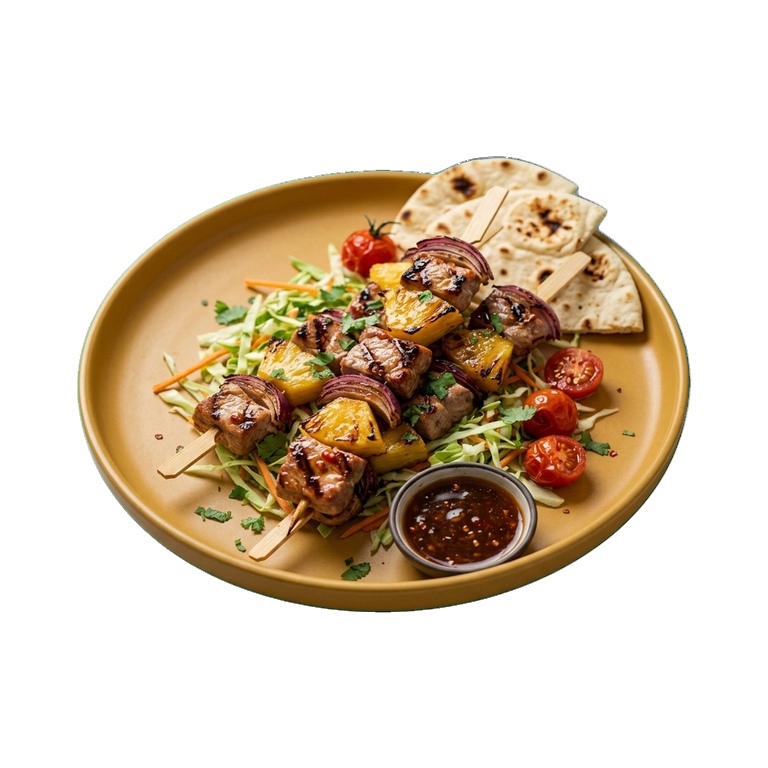
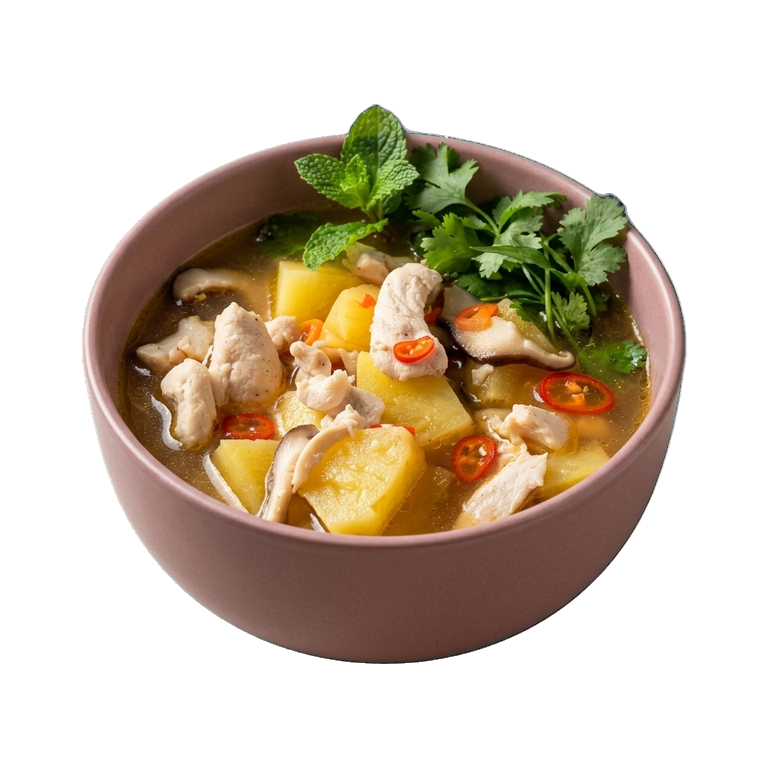
- With chicken and pork — a classic of Asian cuisine, the acidity of pineapple tenderizes the meat
- With coconut milk — they create a tropical backdrop in curries and soups
- With ginger and chili — spicy and sweet palette in one dish
- With cottage cheese and sour cream — delicate casseroles and cheesecakes
- With dark chocolate — an unexpected contrast in desserts
What to look for when choosing
Check the production date and expiration date — canned pineapple has a long shelf life, but the freshness of taste depends on its age. Shake the can: there should be no strange sounds or signs of leakage inside. Look at the color of the pieces — they should be golden and uniform, without darkening. If the can is swollen or deformed, this is a sign to refuse it.
Storage and shelf life
A closed jar can be stored at room temperature in a cool place for several years. After opening, transfer the contents to a glass or plastic container, pour the pineapple's own juice over it, and keep in the refrigerator — this way the pineapple will retain its flavor for 5–7 days. You can freeze canned pineapple, but the texture will change slightly, so it's better to use it fresh from the jar or refrigerator.
Nutrition
per 100 g
- Calories
- 55 kcal
- Protein
- 0.4 g
- Fat
- 0.1 g
- Carbs
- 13.5 g
Measures and weight
- 1 tbsp
- 15.8 g
- 1 tsp
- 5.3 g
- 1 cup
- 262.5 g
- 1 slice
- 45 g
- 1 can
- 400 g
Measure calculator
- Weight
- 100 g
- Calories
- 55 kcal