Usuba
Usuba
Curry
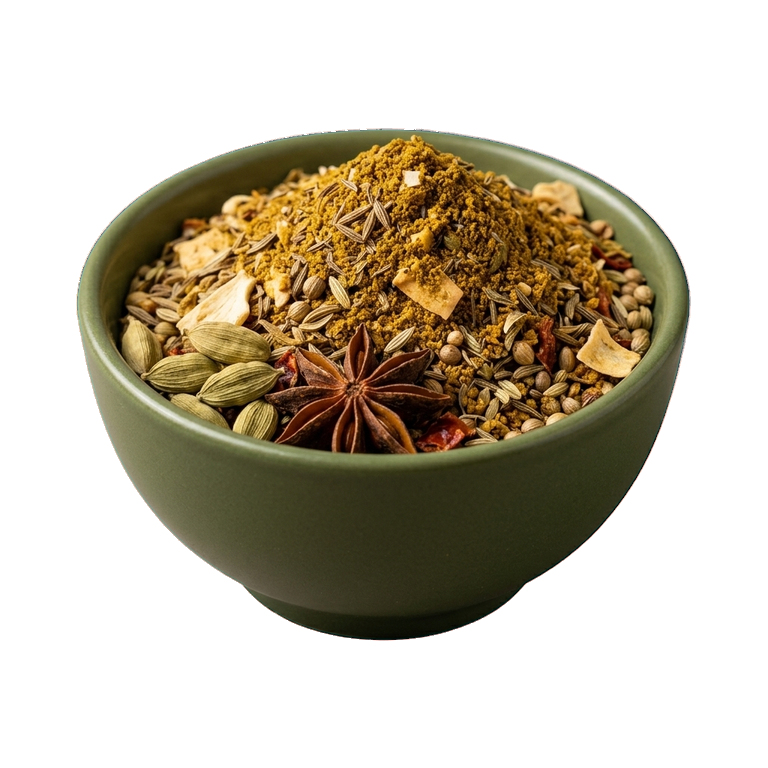
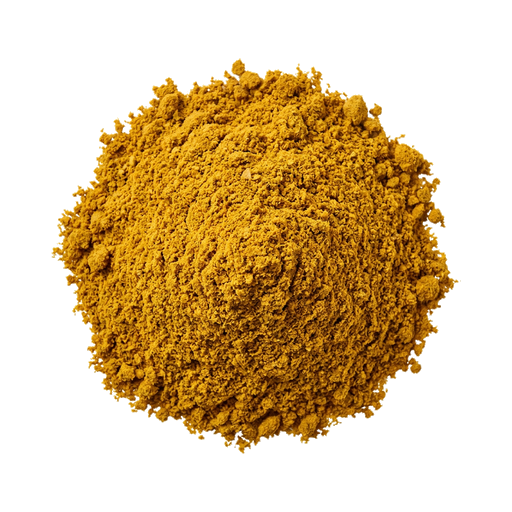
Curry is a spice blend that adds a warm, slightly spicy, and layered flavor to dishes with notes of turmeric, coriander, and other spices. The composition can vary depending on the region of origin, but classic curry typically contains turmeric, which gives it a characteristic yellow or orange color. Curry is mainly used in Asian cuisine to season rice dishes, sauces, soups, and meat, and when substituting with other spices, it's important to remember that curry has a quite pronounced flavor and may require adjustment of the quantity of other seasonings in the recipe.
About
Curry is not a single specific ingredient, but rather a whole blend of spices that serves as the foundation for many dishes. When you see yellow powder in a jar, it's usually a combination of turmeric, coriander, fenugreek, and other spices, but the composition can vary. The main thing to understand is that curry is a tool that gives a dish depth, warmth, and a characteristic Eastern aroma.
Aroma and taste
Curry smells warm and slightly spicy, with undertones of earth and floral notes. The taste of the blend is multifaceted: turmeric gives a subtle bitterness and golden color, coriander adds florality, fenugreek — sweetness. The spiciness depends on the amount of chili in a particular blend. When curry hits hot oil, its aroma opens up completely — this is the moment when the dish begins to smell truly authentic.
How to use in the kitchen
Curry works best when fried in oil or butter with onions at the beginning of cooking. The spices release their oils and become more aromatic. This is an ideal base for sauces, stews, soups, and marinades. The blend holds its flavor well during prolonged heat treatment, so it can be added to slow-cooked dishes without risk of losing aroma.
Pairings and Uses
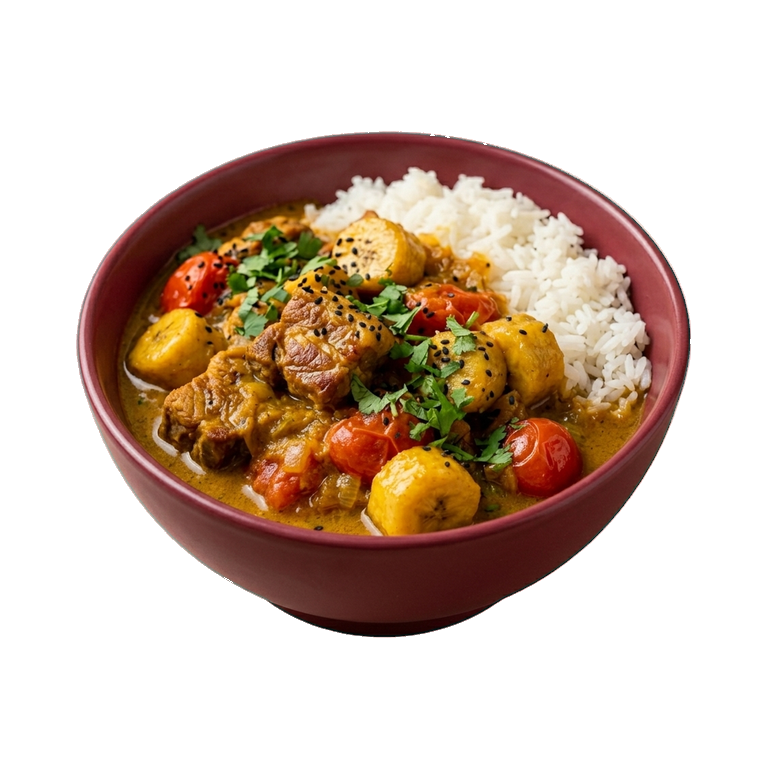
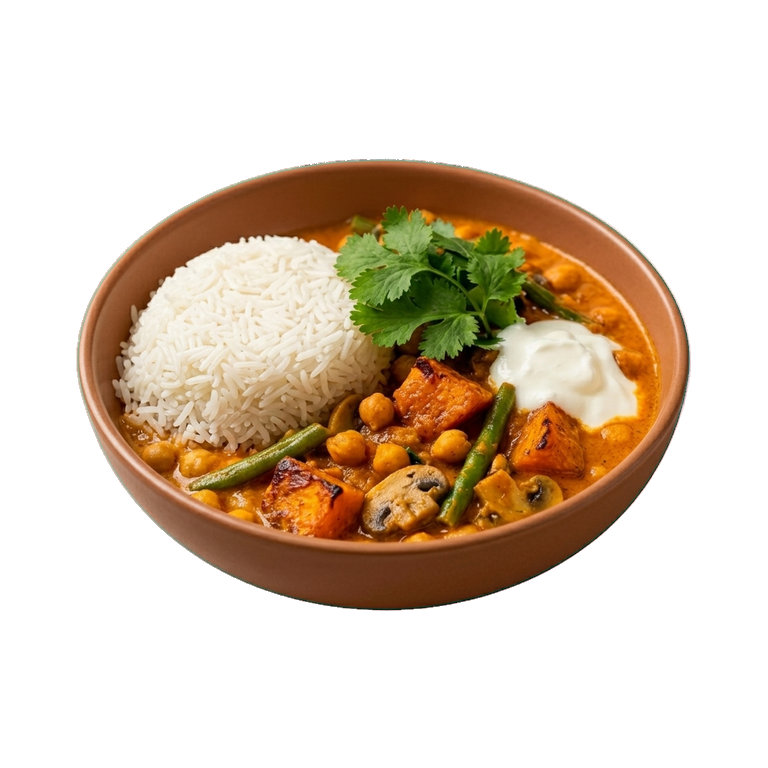
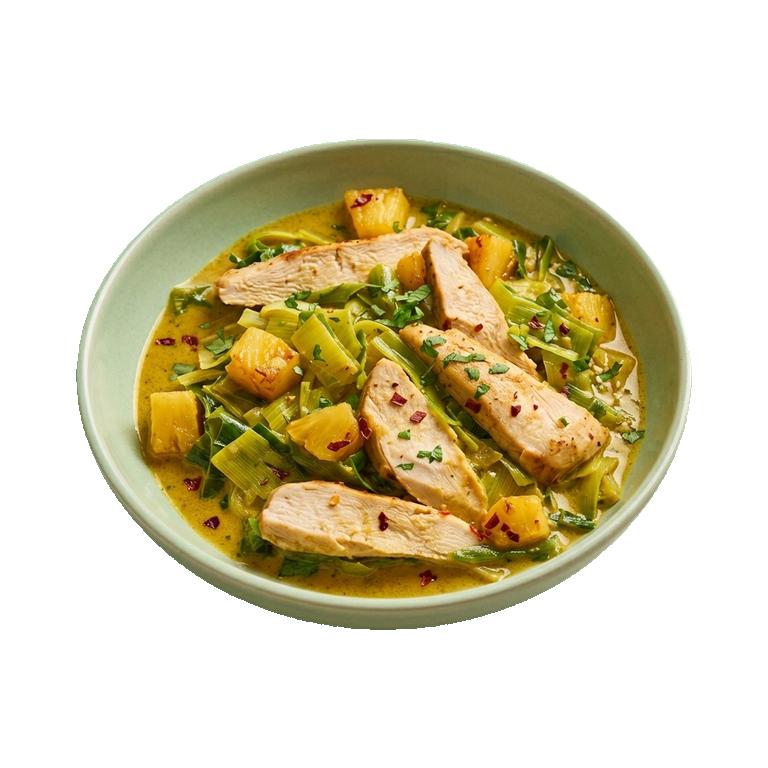
- With coconut milk — a classic combination for spicy sauces and soups
- With tomatoes and onions — the base for a thick sauce for chicken or vegetables
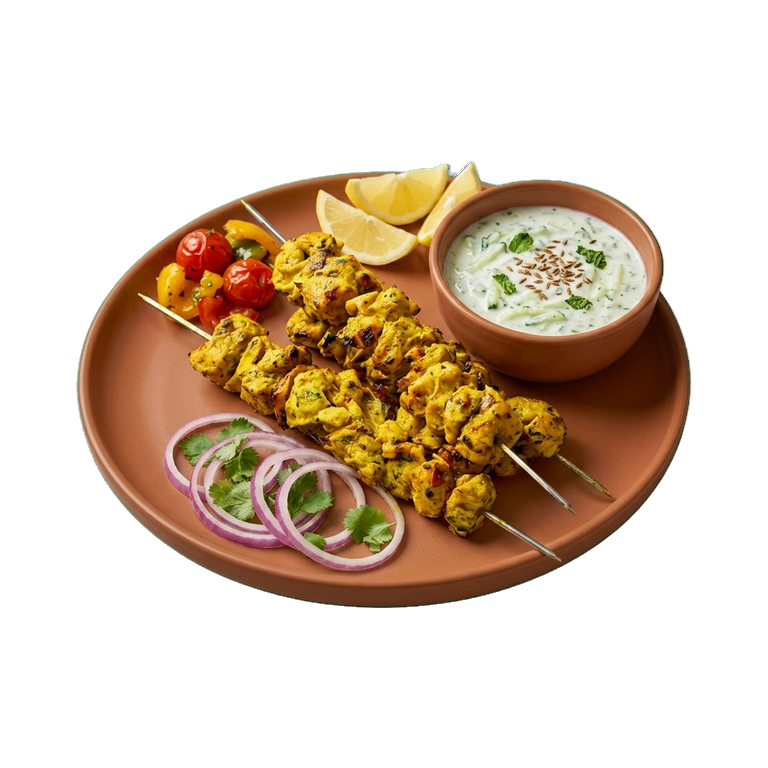
- With yogurt — for marinades and meat sauces
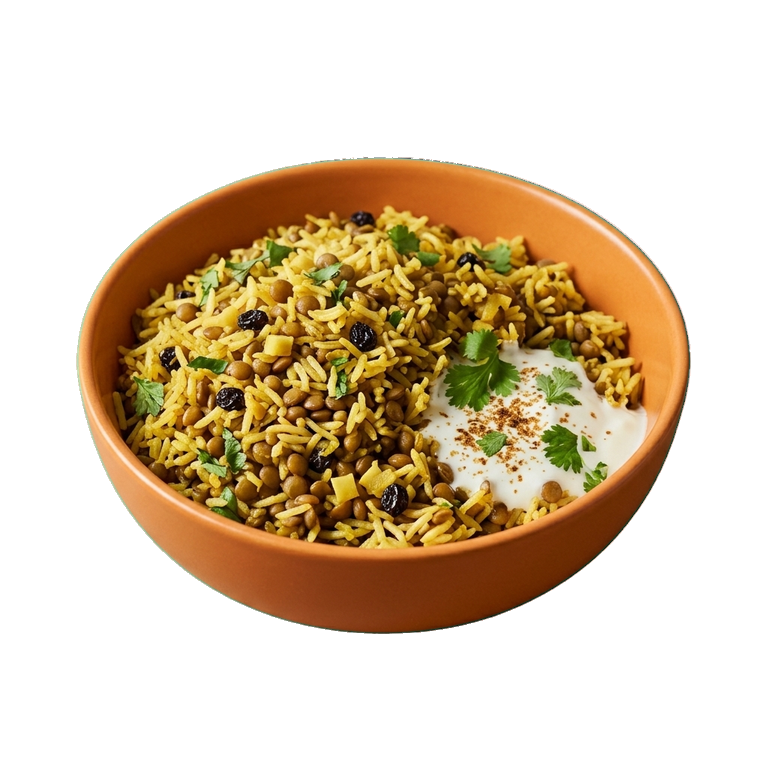
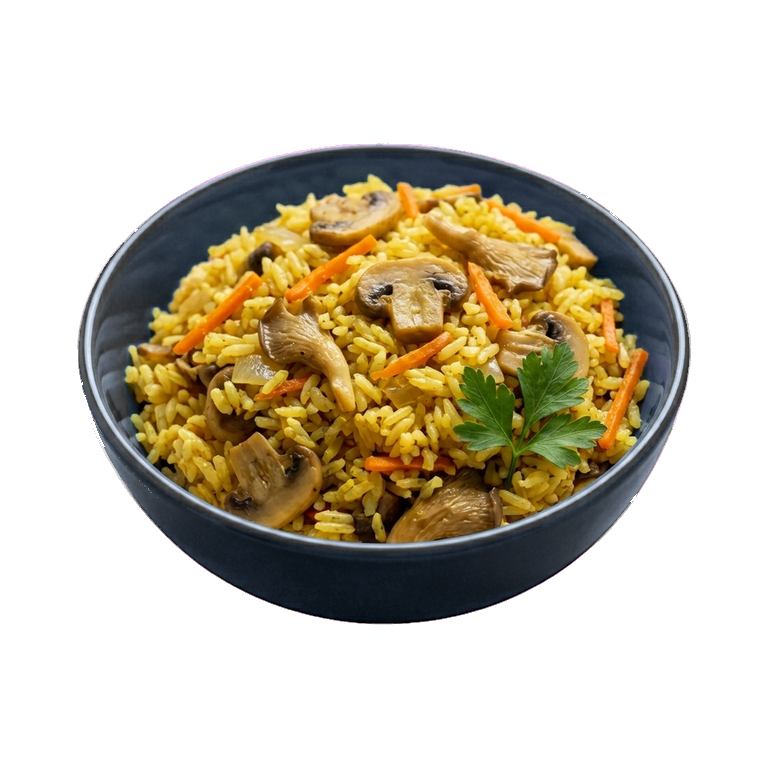
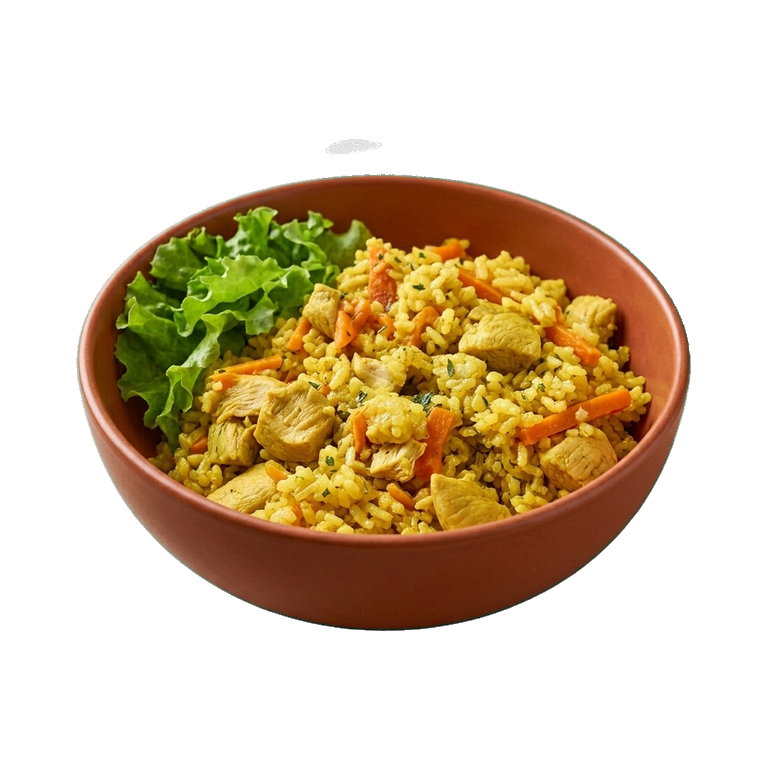
- With rice — curry soaks into the grains, giving an even flavor
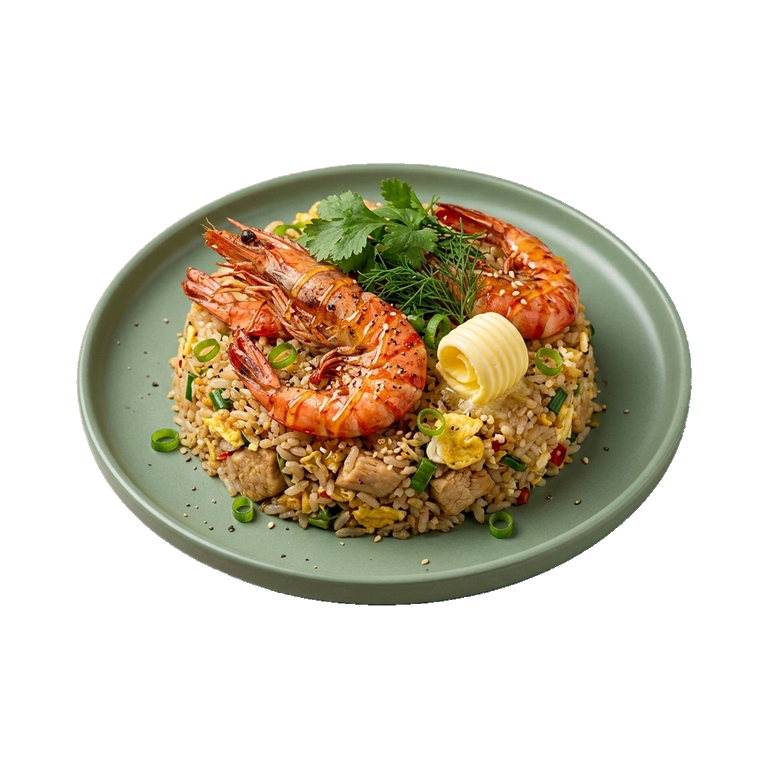
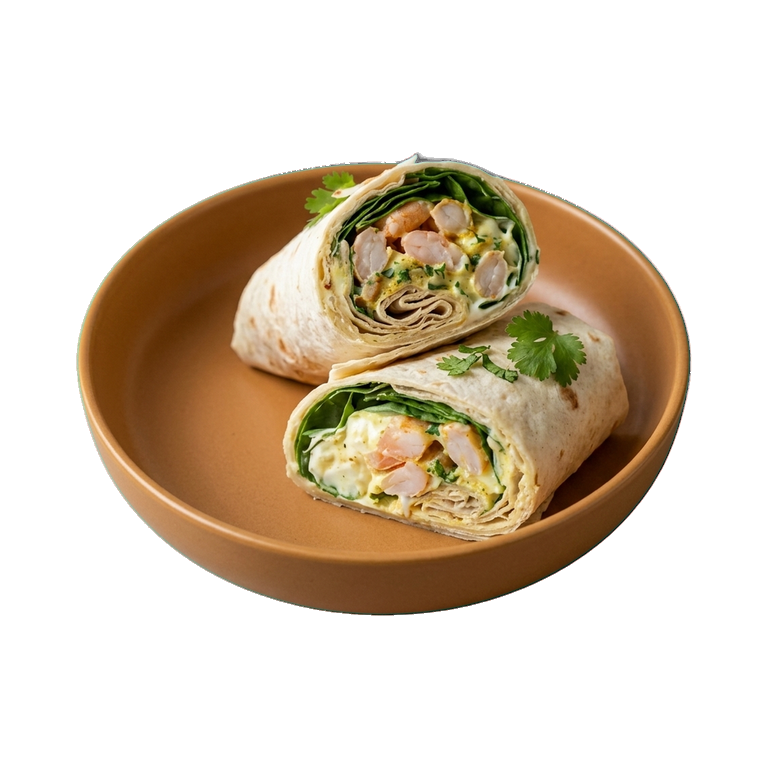
- With seafood — highlights their tenderness without overpowering
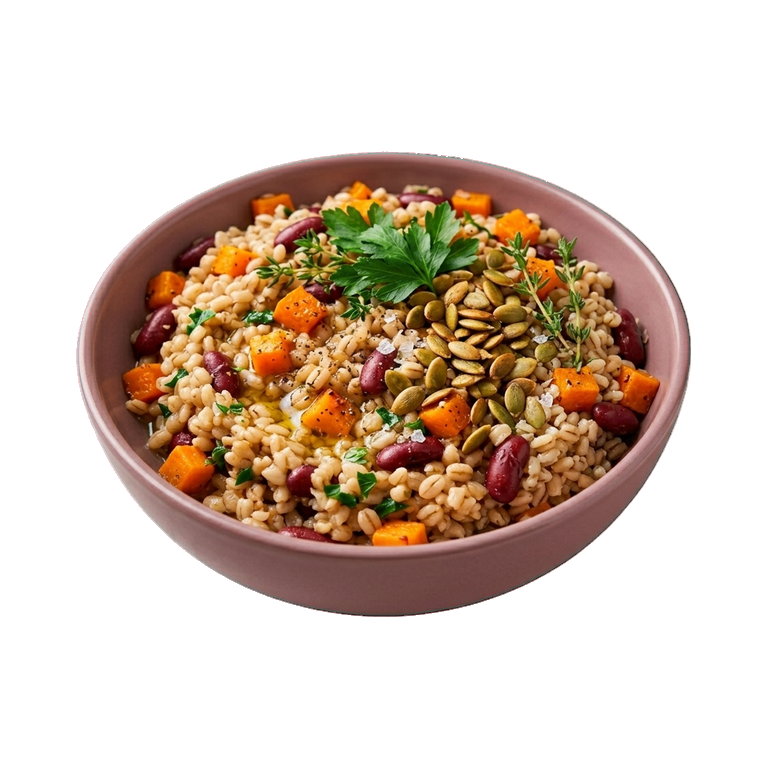
- With vegetables — especially good with eggplant, sweet pepper, potatoes
Selection and Storage
Choose curry with a bright yellow or golden color — this is a sign of freshness. Smell the mixture before buying: the aroma should be pronounced and pleasant, without mustiness. If curry sits in an open container on the shelf for a year, it will lose most of its aroma.
Store curry in an airtight jar or container in a dark, cool place, away from direct sunlight and heat. Spices are sensitive to moisture and light, so next to the stove is not the best location. When stored properly, curry retains its flavor and aroma for 6–8 months, but it's best to use it within 3–4 months after opening, while the mixture is at its most aromatic.
How much to add
Start with half a teaspoon per serving and add to taste. It's easy to overdo curry, but you can always add less salt. If you're cooking for the first time, it's better to add less and then adjust. Remember: curry builds flavor while simmering, so the dish will become more aromatic as it cooks.
Nutrition
per 100 g
- Calories
- 354 kcal
- Protein
- 12.7 g
- Fat
- 13.9 g
- Carbs
- 64.9 g
Measures and weight
- 1 tbsp
- 13.5 g
- 1 tsp
- 4.5 g
- 1 cup
- 225 g
Measure calculator
- Weight
- 100 g
- Calories
- 354 kcal