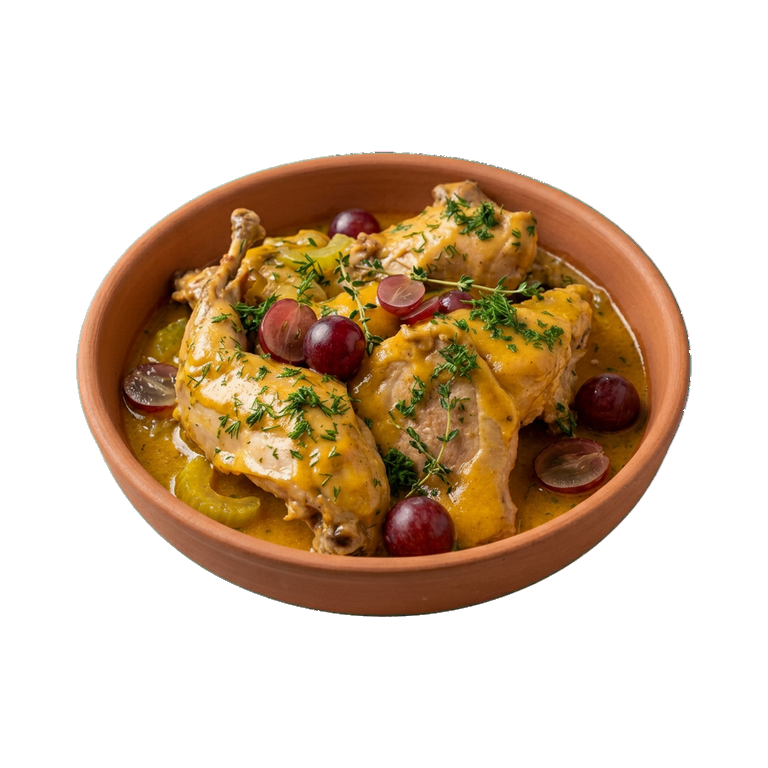
Usuba
Usuba
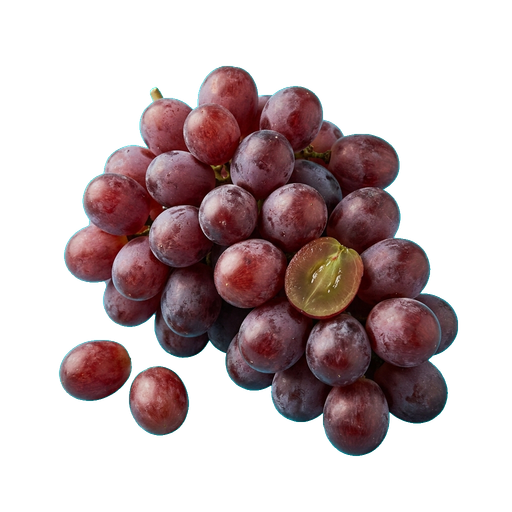
Seedless red grapes
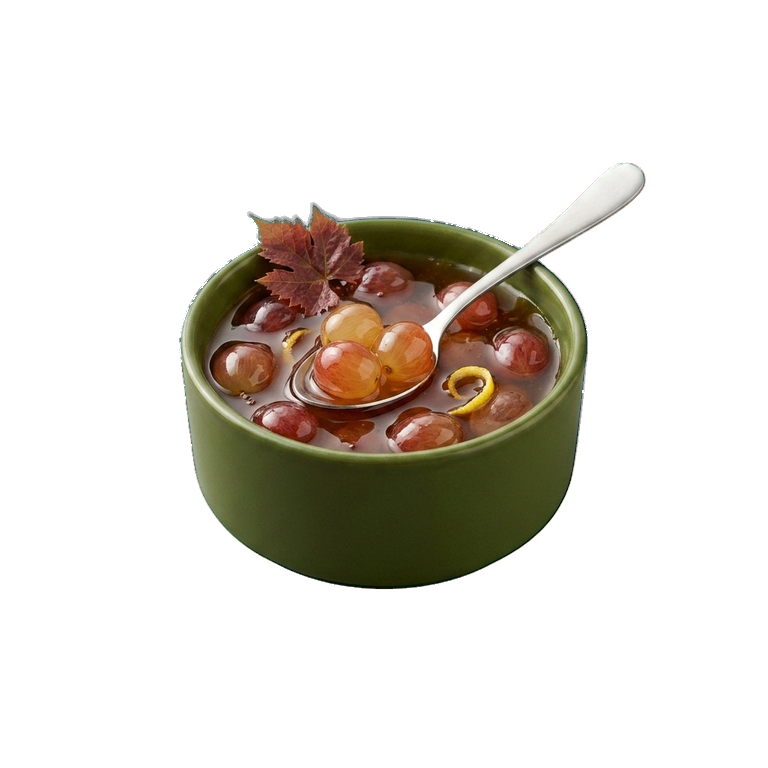
Sweet and juicy seedless grapes with thin skin and tender flesh for convenient consumption. Used fresh in desserts and fruit salads, as well as for making compotes, fruit drinks, and homemade preserves. When selecting, prefer firm bunches with even coloring, and avoid berries with cracks and soft spots.
Micronutrients
per 100 g
About
Seedless red grapes are a convenient kitchen helper that saves time on preparation and delivers pure enjoyment of taste. Unlike seeded varieties, there's no need to fuss with extraction—just pop them in your mouth and enjoy. This quality has made such grapes popular not only for snacking but also for culinary experiments.
Taste and Texture
Red grapes are distinguished by a delicate sweetness with a light tartness that doesn't bite your tongue and is well balanced. The flesh is crispy and juicy, the skin is thin but dense — the berry doesn't fall apart in your hand. The taste depends on ripeness: the darker the berry, the more saturated and sweeter it will be.
Where to use
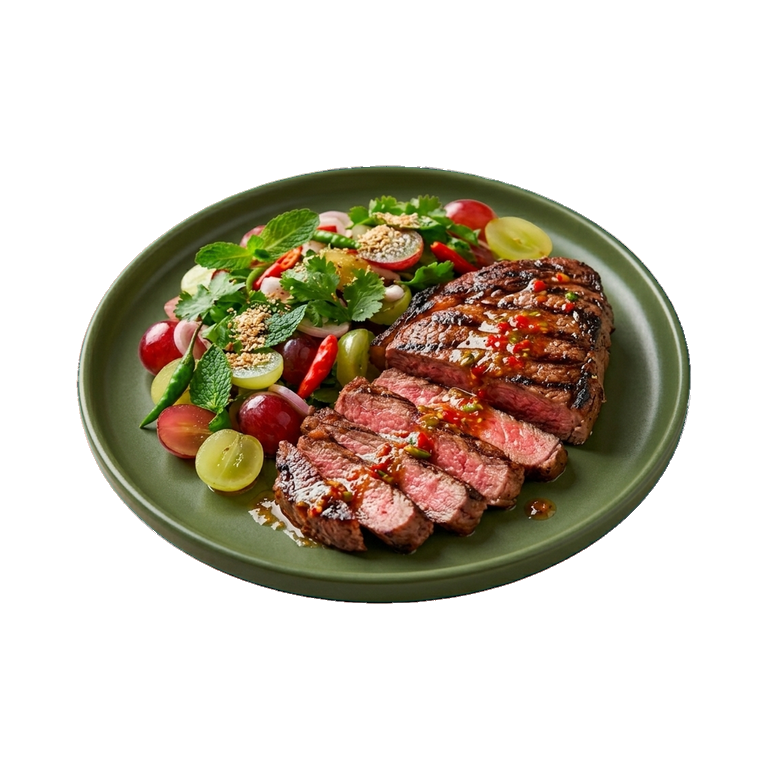
- In salads with cheese, nuts and herbs — red grapes add a sweet note and contrast with salty cheese
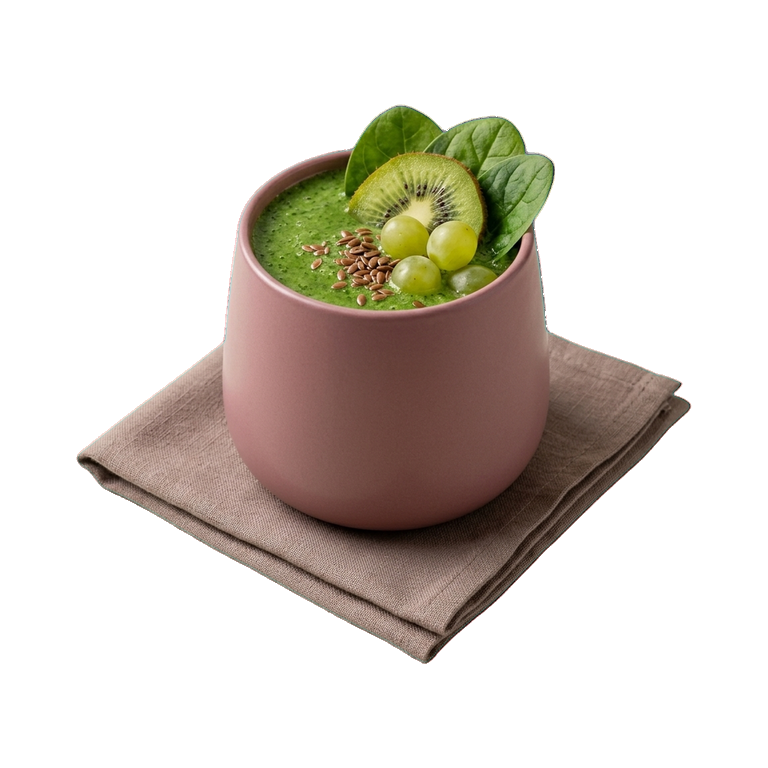
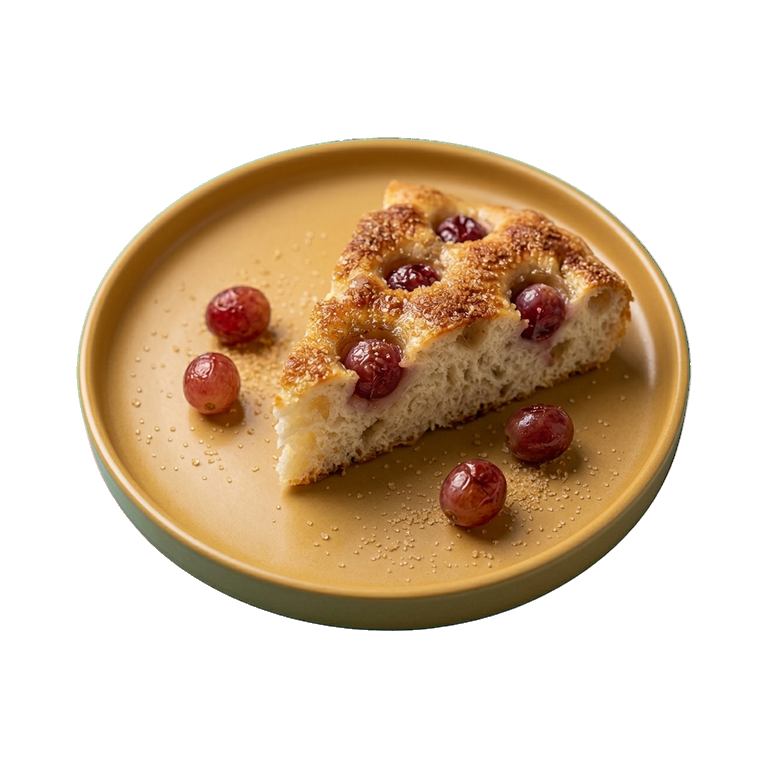
- In desserts and fruit salads — pairs well with apples, pears, citrus fruits
- As a side dish for meat dishes — especially duck or pork, where the sweetness of grapes balances the richness
- In sauces and marinades — grapes can be stewed with balsamic vinegar for glaze
- Frozen in cocktails and beverages instead of ice cubes
Successful Combinations
Red grapes sound great paired with soft cheeses — mozzarella, ricotta, gorgonzola. Their sweetness is complemented by nuts: walnuts, almonds, pistachios. On the table, they go well with ham, prosciutto, and other cured meats. In sweet dishes, they pair nicely with vanilla, chocolate, and berries.
How to Choose and Store
- Choose bunches with tight berries, without dents and dark spots
- Dark red or almost black color indicates ripeness and sweetness
- Berries should separate easily from the stem, but not fall off on their own
- Store in the refrigerator in a plastic container or bag — this way grapes will stay fresh for up to two weeks
- Don't wash in advance: moisture speeds up spoilage. Rinse right before eating
If you want to extend their freshness, freeze the berries on a baking sheet, then transfer them to a container — they will retain their shape and make an excellent snack straight from the freezer.
Nutrition
per 100 g
- Calories
- 69 kcal
- Protein
- 0.7 g
- Fat
- 0.2 g
- Carbs
- 18.1 g
Micronutrients
per 100 g
Macronutrients
- Water
- 78.19 g
Minerals
- Sodium
- 7 mg
- Potassium
- 229.4 mg
- Calcium
- 10.17 mg
- Magnesium
- 8.56 mg
- Phosphorus
- 24.86 mg
- Iron
- 0.16 mg
- Zinc
- 0.04 mg
- Copper
- 0.08 mg
- Manganese
- 0.1 mg
Vitamins
- Vitamin C
- 3.31 mg
Measure calculator
- Weight
- 100 g
- Calories
- 69 kcal