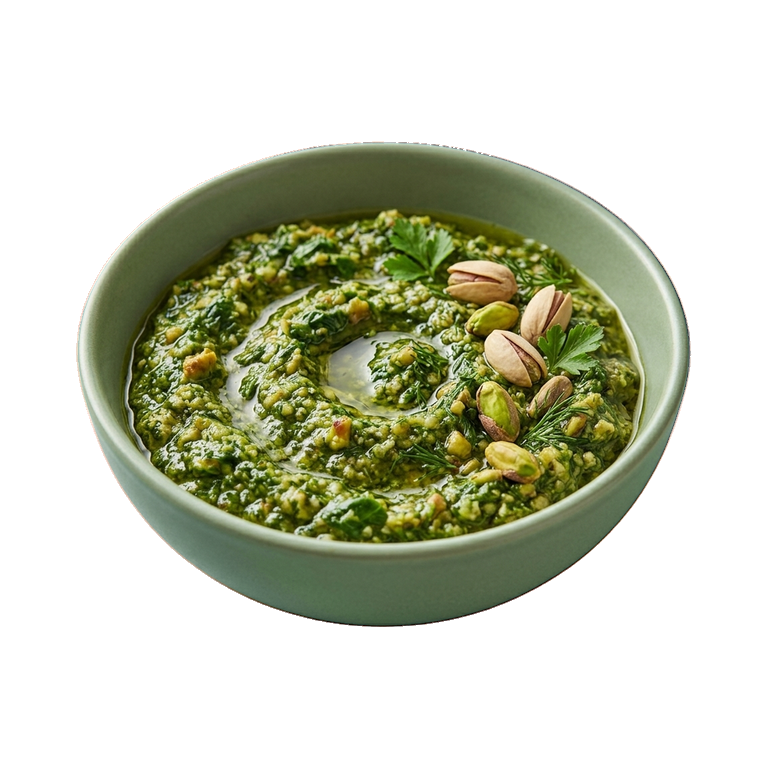
Usuba
Usuba
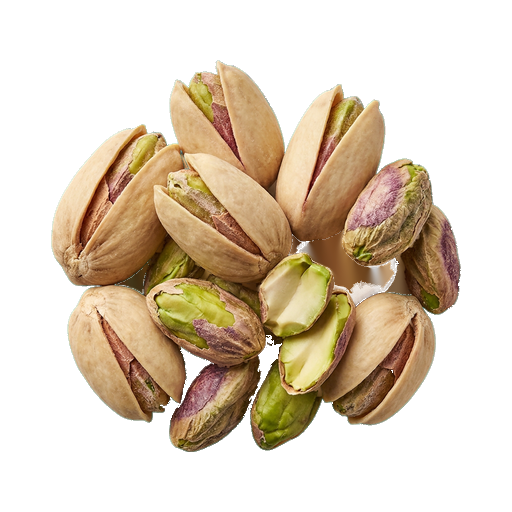
Pistachios
Pistachios are nuts with a delicate, slightly sweet flavor and a characteristic salty undertone when processed. In cooking, they are used both as a salty snack and in desserts, baking, and sauces, where they add a subtle nutty aroma and creamy texture. When choosing, prefer nuts in their shells or shelled, but not roasted until dark, as they quickly lose their freshness and can develop a bitter aftertaste.
Micronutrients
per 100 g
About
Pistachios are nuts that are hard to miss on the shelf. Their characteristic pinkish shell tint and recognizable sweet and salty flavor give them away. In cooking, they work simultaneously as a standalone delicacy and as an ingredient that adds texture, color, and a subtle nutty aroma to a dish.
Taste and Aroma
Pistachios have a delicate taste with a slightly buttery quality and a barely noticeable bitterness in the aftertaste. Raw nuts provide a fresher, grassy note, while roasted ones become richer and more aromatic. The aroma is delicate and nutty, without harsh notes, so pistachios don't overpower other ingredients but complement them.
Where to use them
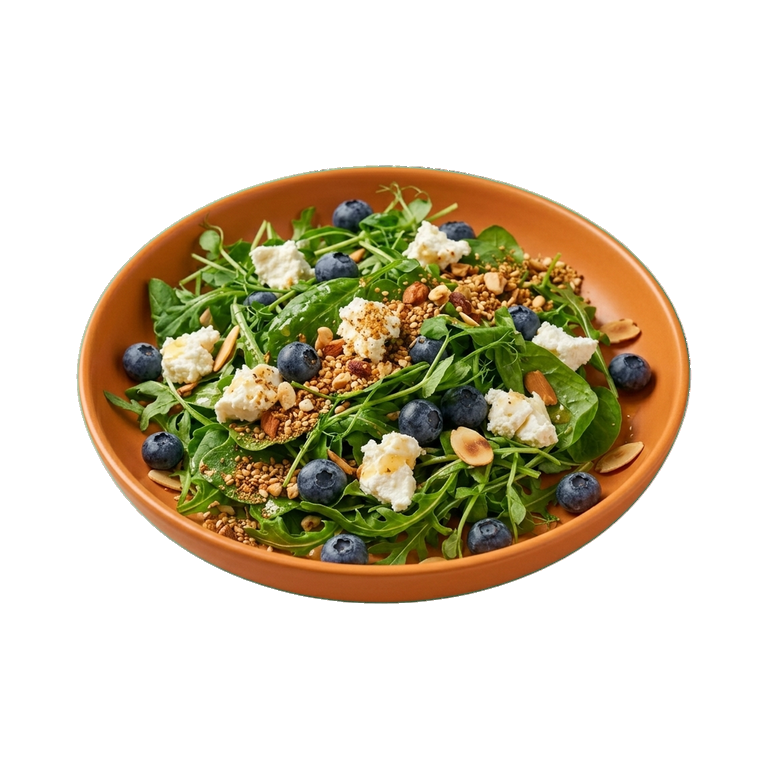
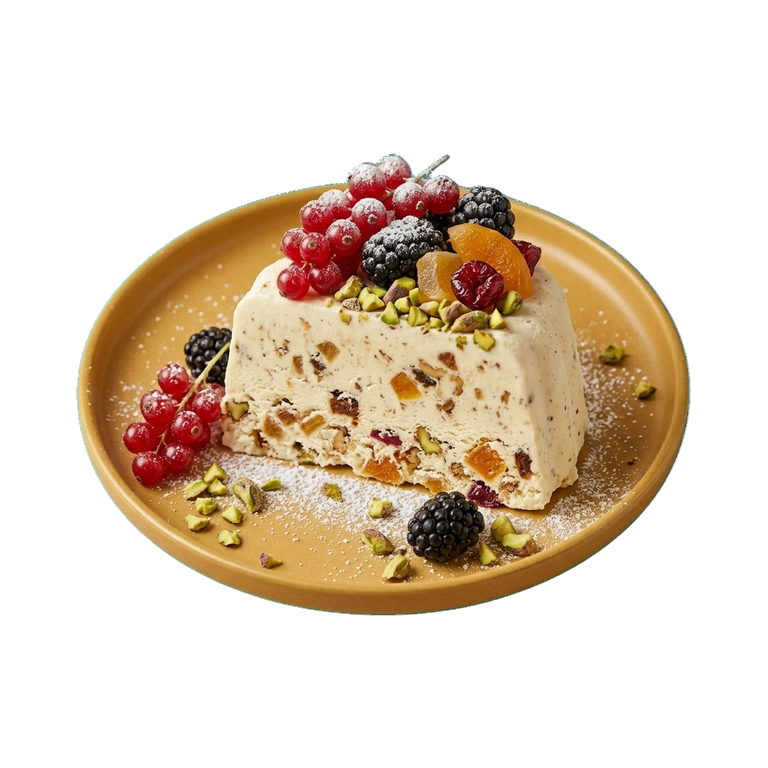
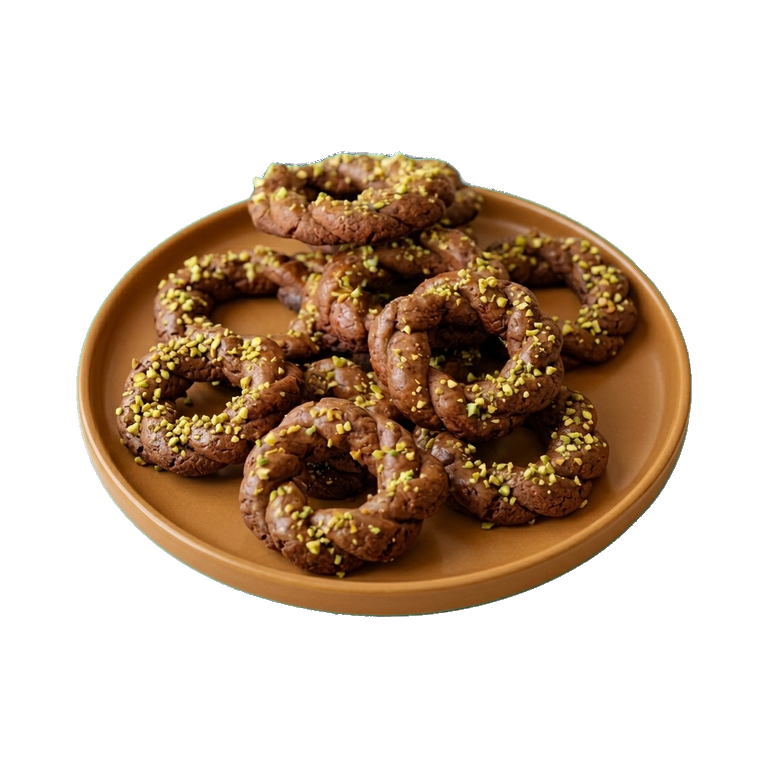
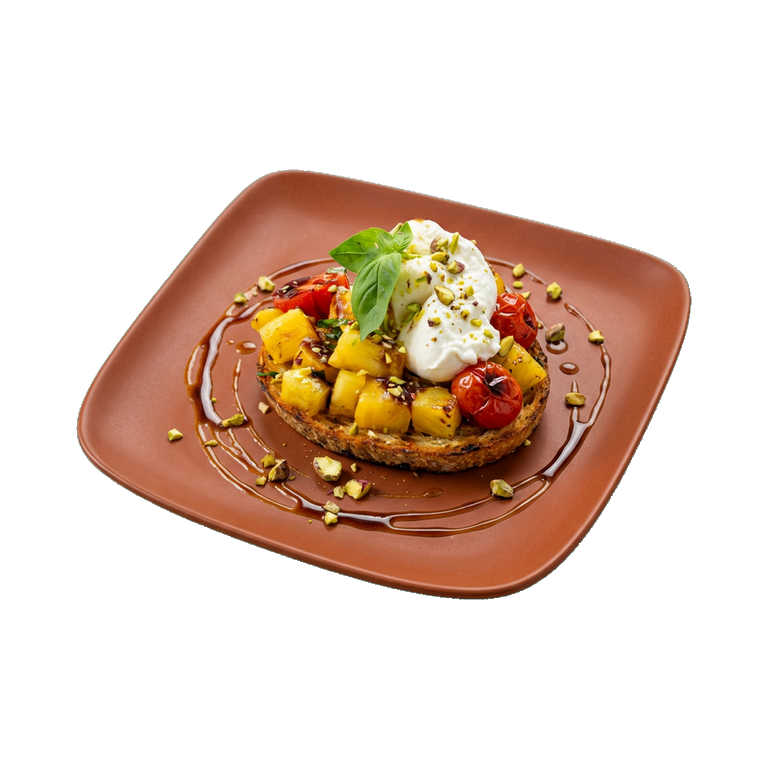
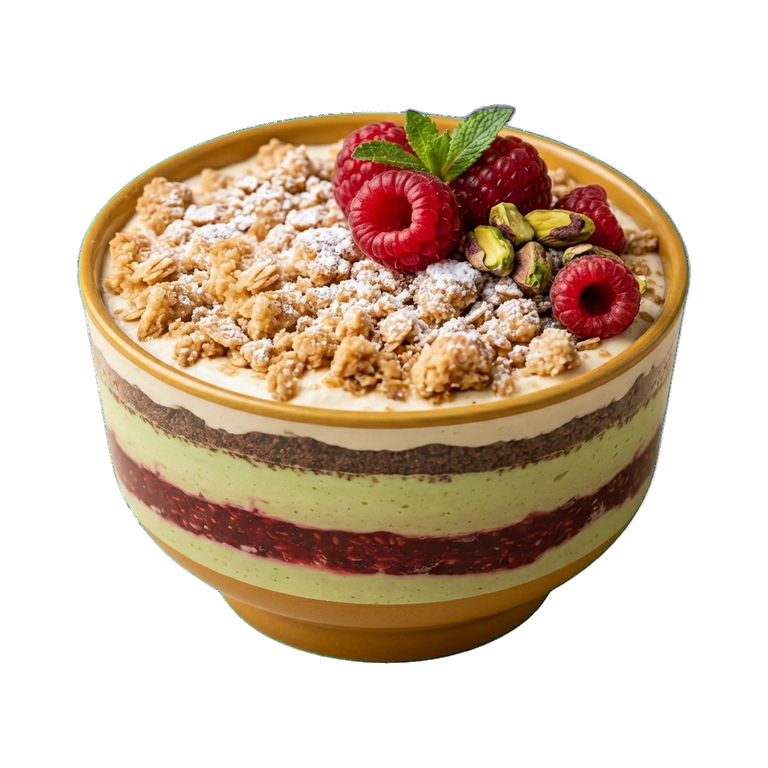
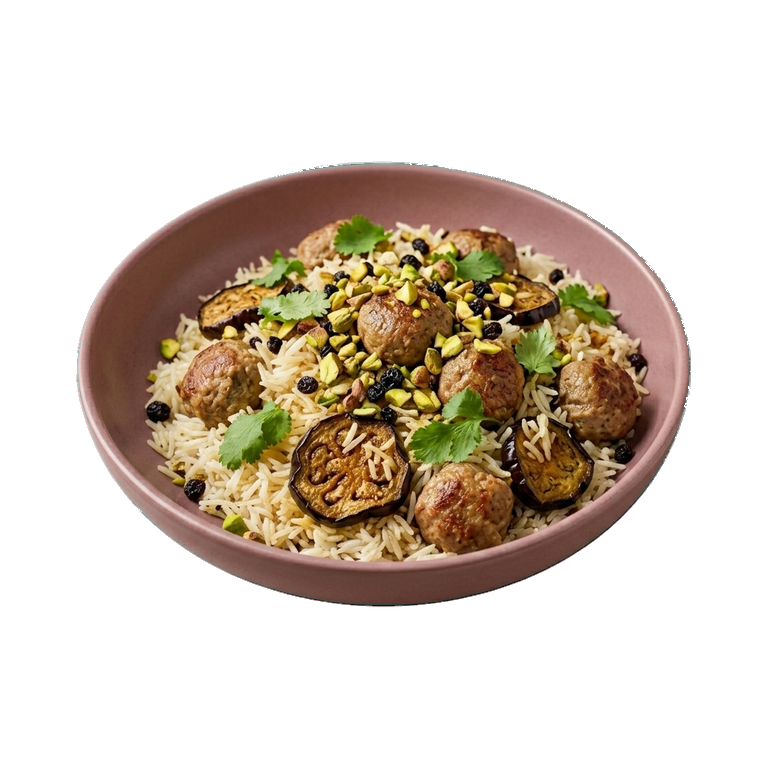
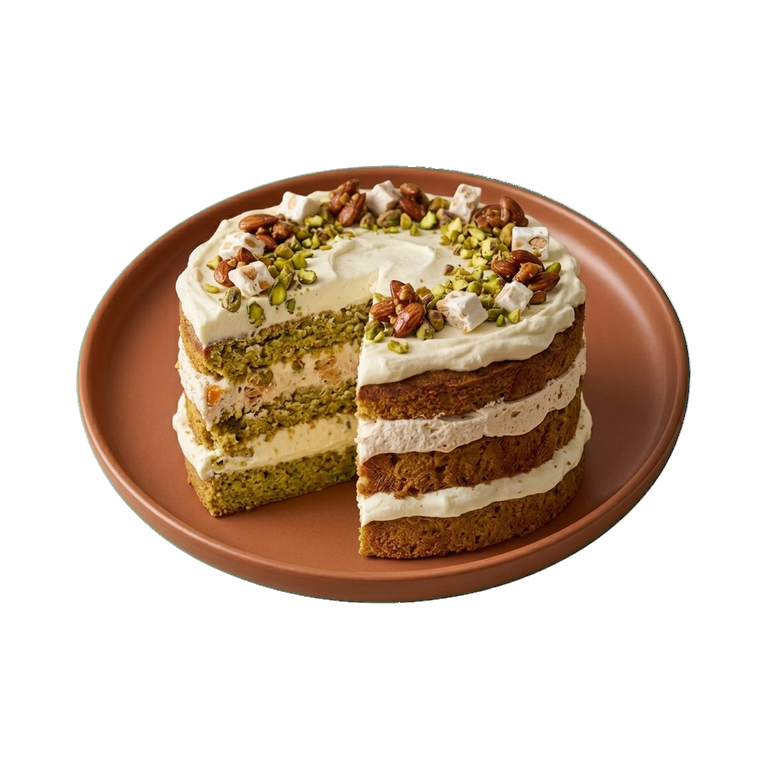
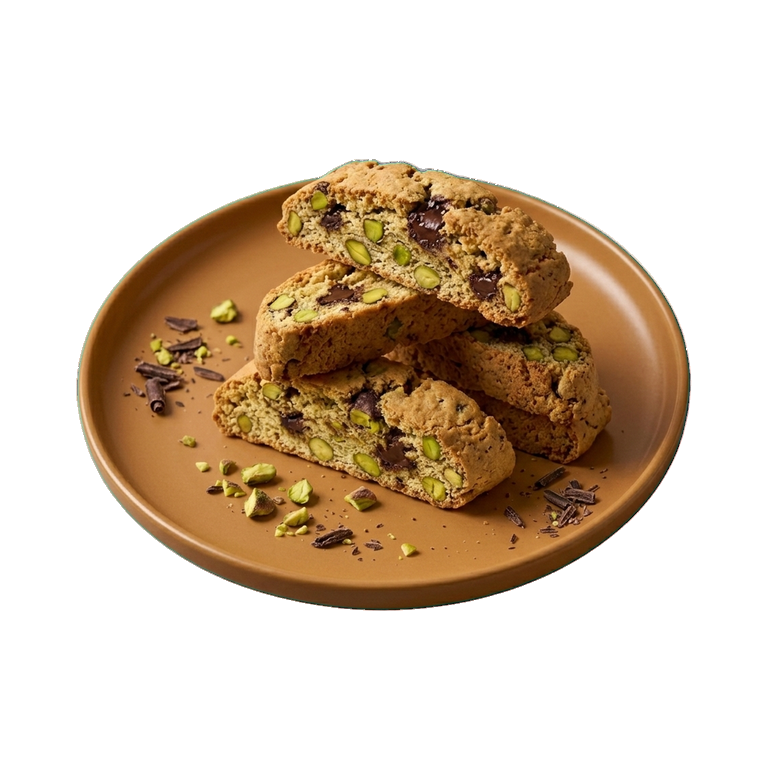
Pistachios are versatile. They work well in sweet dishes — cookie dough, creams, ice cream, halva — where their delicate flavor shines through fully. In Eastern cuisine, pistachios are a classic ingredient for pilaf, meat stews, and sauces. In modern cooking, they are crumbled over salads, added to pâtés, and used for decoration.
- Topping for desserts and baked goods
- Component of nut pastes and creams
- Additive for meat and fish dishes
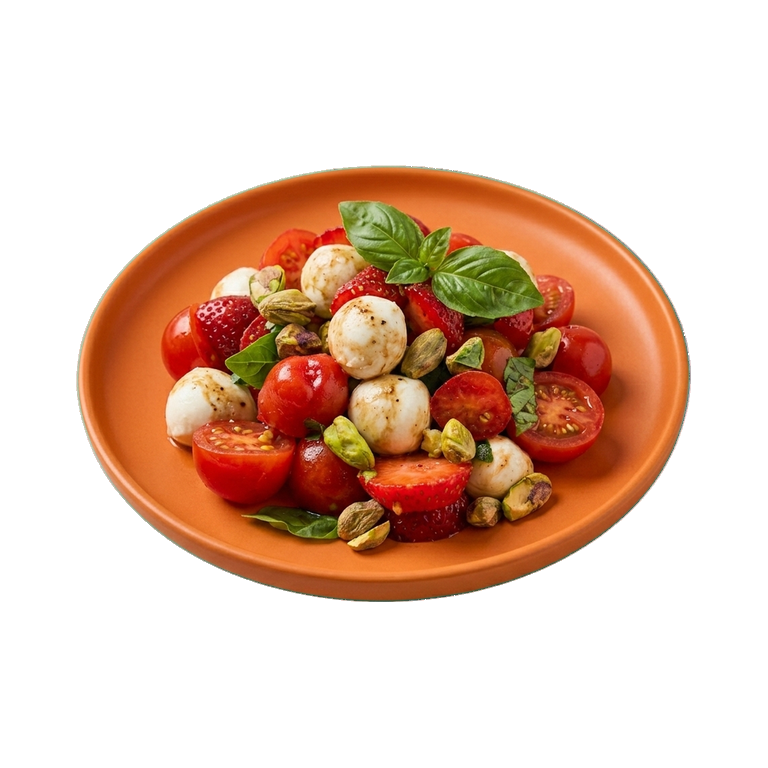
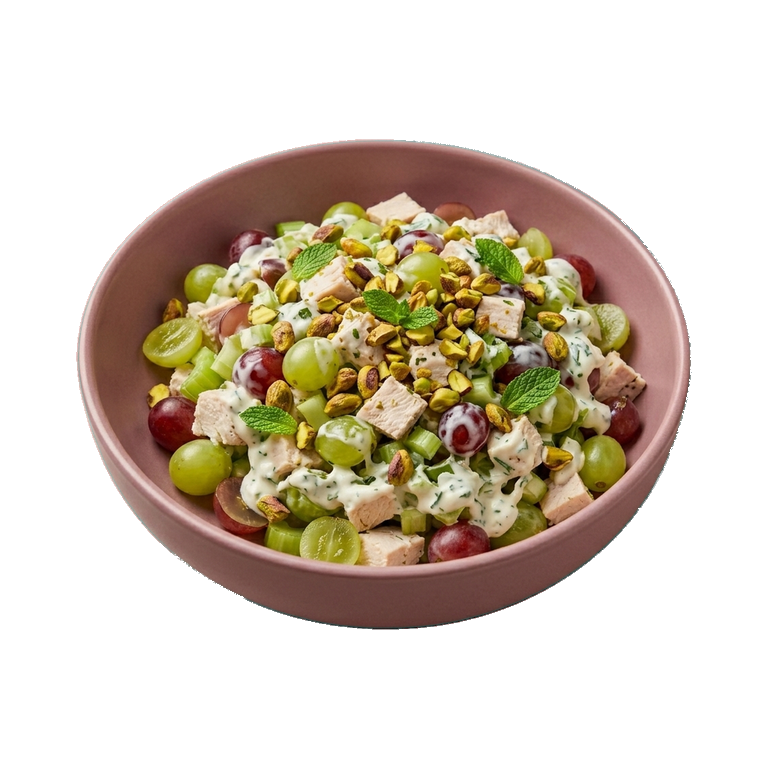
- Garnish for salads and appetizers
Pairs well with
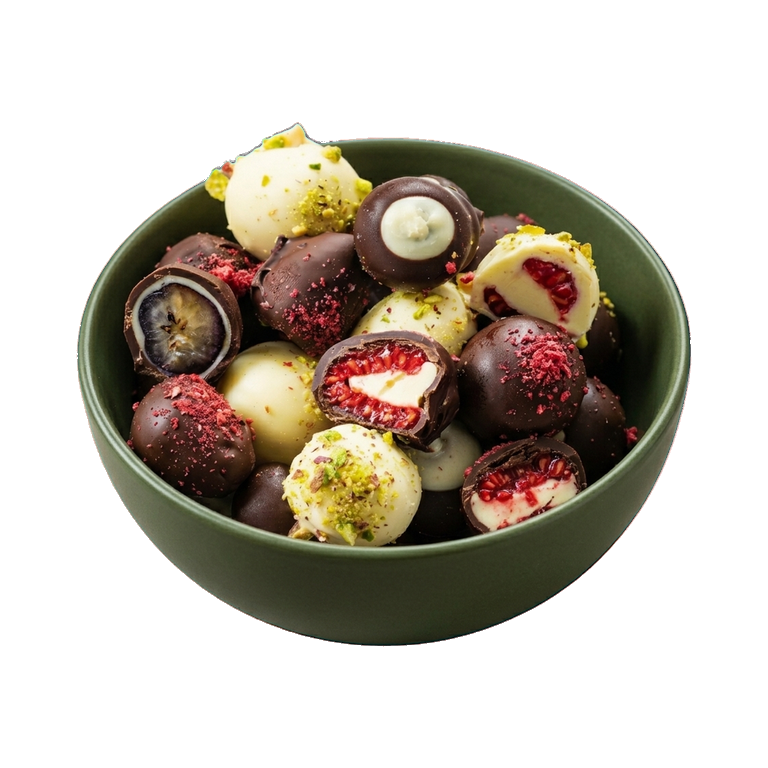
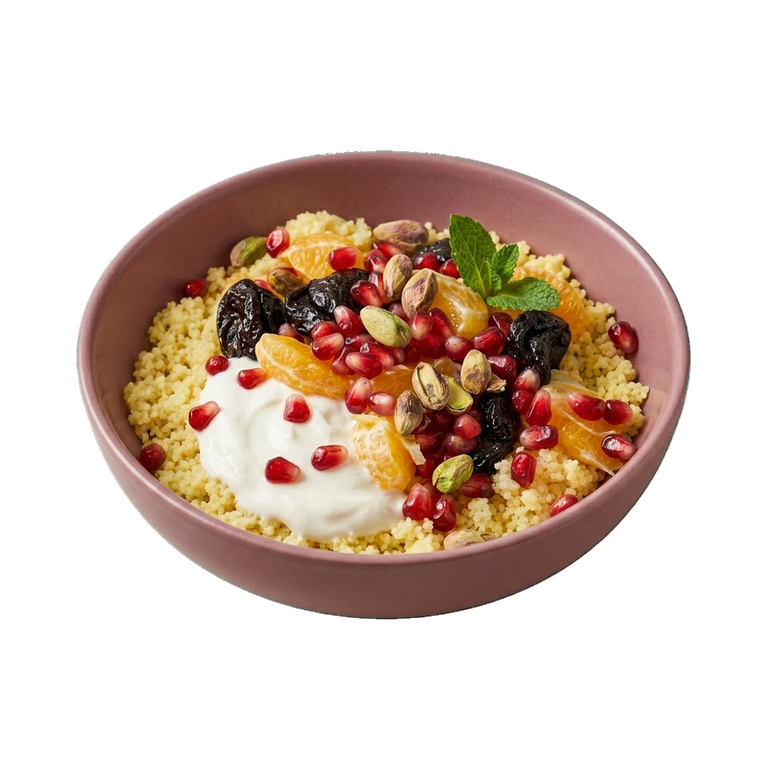
Pistachios pair well with floral notes — rose water, orange, cardamom. They go well with creamy sauces, chocolate, and vanilla. In meat dishes, they create a contrast with spicy spices — garam masala, turmeric, cinnamon. Don't forget the classic combination with honey and dried fruits.
How to Choose and Store
When buying, look for nuts with even coloring, without spots or coating. The shell should be hard, without cracks. If they open easily — that's a good sign, meaning they are ripe. Raw pistachios are stored in a cool dry place for up to three months, roasted ones — a little longer. An airtight container or glass jar is the ideal option.
- Room temperature in a sealed container
- Refrigerator to extend shelf life
- Freezer — if you want to keep it for six months
Practical tip
Before using in a dish, lightly roast the pistachios in a dry pan — this will awaken their aroma and make the flavor more vibrant. If adding to a hot dish, add them at the end so they don't lose their crispy texture. For puree or cream, use a blender or food processor — pistachios quickly turn into oil.
Nutrition
per 100 g
- Calories
- 562 kcal
- Protein
- 20.2 g
- Fat
- 45.3 g
- Carbs
- 27.2 g
Micronutrients
per 100 g
Macronutrients
- Fiber
- 6.969 g
- Water
- 3.95 g
Minerals
- Sodium
- 0 mg
- Potassium
- 947 mg
- Calcium
- 117.4 mg
- Magnesium
- 109.7 mg
- Phosphorus
- 499.6 mg
- Iron
- 3.46 mg
- Zinc
- 2.18 mg
- Copper
- 1.05 mg
- Manganese
- 1.05 mg
- Selenium
- 23.1 mcg
Measures and weight
- 1 tbsp
- 7.5 g
- 1 tsp
- 2.5 g
- 1 cup
- 125 g
- 1 pcs
- 1.2 g
Measure calculator
- Weight
- 100 g
- Calories
- 562 kcal