Usuba
Usuba
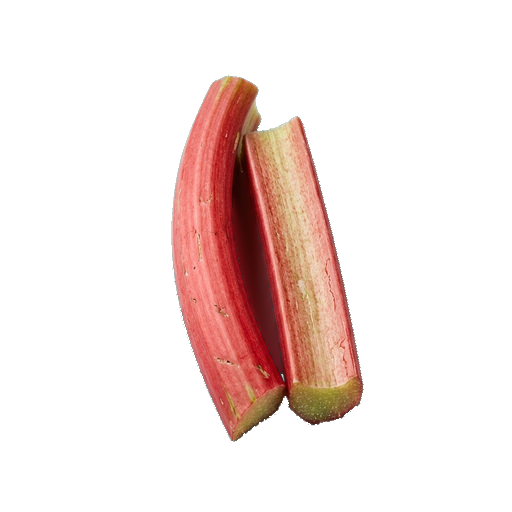
Rhubarb stalks
Tart fleshy rhubarb stalks with a characteristic astringent flavor and subtle bitterness are primarily used for compotes, kissel, jams, and desserts. They require a significant amount of sugar to neutralize the acidity and pair well with berries and fruits. When selecting, prefer young thin stalks of delicate pink or red color — they are less fibrous and acidic than thick green ones, which also contain oxalic acid in larger quantities.
Micronutrients
per 100 g
Minerals
About
Rhubarb stalks are a bright, slightly tart ingredient that is often underestimated in the kitchen. They look like thick celery petioles, but with a characteristic pink or red tint and a completely different flavor profile. It is neither a fruit nor a vegetable in the classical sense, but rather a culinary hybrid that behaves sometimes like a fruit in sweet dishes and sometimes like a vegetable in savory ones.
Taste and aroma
The first thing your tongue will feel is a piercing acidity. It is felt immediately, without warning. The flesh of the stems is fibrous, almost crispy in raw form, but softens quickly with heat treatment and turns into a delicate puree. The taste is herbaceous, slightly astringent, with a barely noticeable sweetness that only appears when cooked with sugar or in compotes.
The stem skin is tougher and more fibrous than the inner part, so experienced chefs often remove it before use. This is not necessary, but it improves the texture of the finished dish. The aroma is weak, almost imperceptible in raw form, but becomes more pronounced when cooked — herbaceous and slightly green.
How to cook and where to use
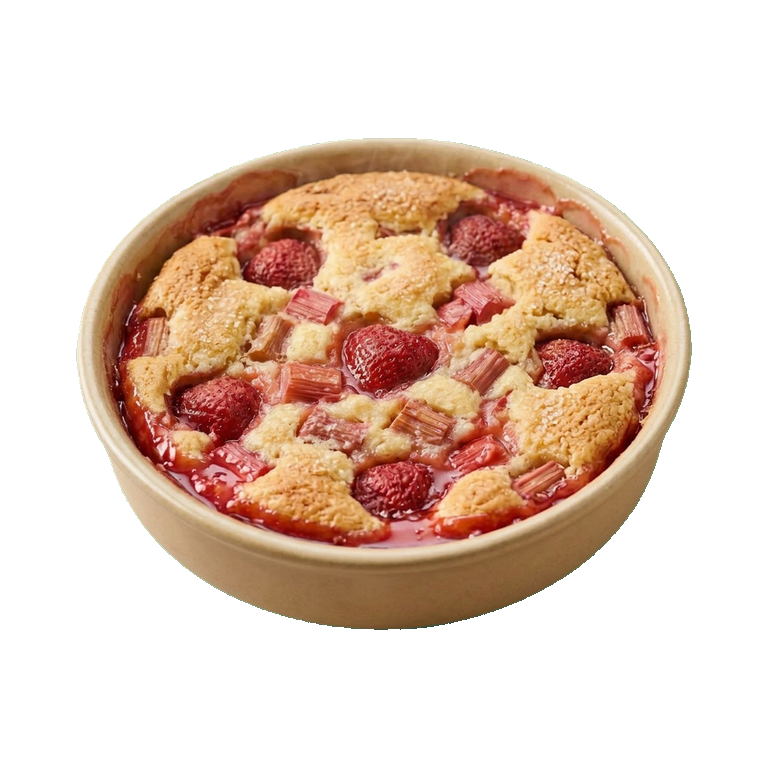
Rhubarb stems require sugar. This is the main rule. In jam, compote, pie, or crumble, they fully reveal themselves — acidity is balanced by sweetness, creating a complex, interesting flavor. The classic pairing is rhubarb with strawberry: the berry softens the acidity, while rhubarb adds structure and depth.
- Jams and preserves — stems cook down quickly to a puree consistency, requiring only a little sugar and lemon juice
- Compotes and syrups — rhubarb releases all its acidity into the liquid, creating a bright, refreshing drink
- Pies and crumbles — sliced stems are added to the filling, they soften during baking and become part of the sweet filling
- Sauces for meat and fish — rhubarb's acidity works like vinegar, adding piquancy to fatty dishes
- Smoothies and drinks — raw rhubarb adds acidity and vitamins, but requires a large amount of sweetener
Pro tip: chop the stems into 1–2 centimeter pieces before cooking. This helps them cook faster and distribute evenly in the dish. Cooking time ranges from 5 to 15 minutes depending on the size and desired texture.
Selection and Storage
When selecting, pay attention to color and firmness. Good rhubarb has a bright pink or red hue (green stalks are also suitable, but less sweet) and doesn't bend in your hands. The stalks should be dense, without soft spots or signs of rot. Thick stalks are usually more tender than thin ones, but both options work.
Fresh rhubarb can be stored in the refrigerator in a plastic bag for about a week. If you want to keep it longer, cut it into pieces, portion it out, and freeze it — frozen rhubarb works great in compotes and jams and can last several months. There is no need to thaw before use.
Pairings
- Sweet: strawberry, raspberry, orange, ginger, vanilla, cinnamon
- Spicy: red pepper, garlic, soy sauce, balsamic vinegar
- Neutral: butter, cream, oatmeal, almonds
Rhubarb is an ingredient for experimentation. Its acidity and structure allow you to create interesting contrasts in dishes. Start with classic jam, and then try adding it to sauces and beverages. You will quickly understand how this sour stalk can transform a familiar dish.
Nutrition
per 100 g
- Calories
- 21 kcal
- Protein
- 0.9 g
- Fat
- 0.2 g
- Carbs
- 3.2 g
Micronutrients
per 100 g
Macronutrients
- Fiber
- 1.428 g
- Water
- 94.58 g
Minerals
- Sodium
- 0 mg
- Potassium
- 265.3 mg
- Calcium
- 32.93 mg
- Magnesium
- 12.7 mg
- Phosphorus
- 24.93 mg
- Iron
- 0 mg
- Zinc
- 0.18 mg
- Copper
- 0.03 mg
- Manganese
- 0.1 mg
Vitamins
- Vitamin C
- 6.93 mg
- Vitamin B1 (thiamin)
- 0.02 mg
- Vitamin B2 (riboflavin)
- 0.14 mg
- Vitamin B3 (niacin)
- 0.23 mg
- Vitamin B6
- 0.04 mg
Measures and weight
- 1 stalk
- 50 g
Measure calculator
- Weight
- 100 g
- Calories
- 21 kcal