Usuba
Usuba
Sweet cherry
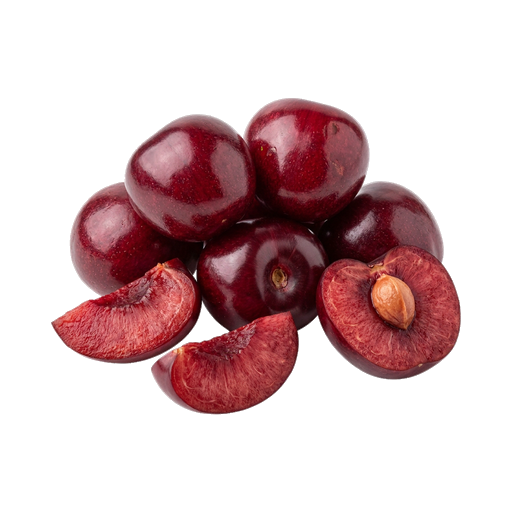
Sweet cherry is a berry with dense flesh and a large pit that ripens in early summer. The taste is dominated by sweetness with a slight tartness, and the aroma is fresh and unobtrusive. In cooking, sweet cherries are used in desserts, compotes, jams, and are also added to salads and meat dishes for contrast; when selecting, it's worth choosing fruits with glossy skin without dents, as they keep better and have a more intense flavor.
Micronutrients
per 100 g
About
Sweet Queen of Summer Season
Sweet cherry is the berry that appears on the market and immediately disappears. Its season is short, but intense: dense, glossy berries with thin skin and juicy flesh become a symbol of the beginning of summer. Unlike sour cherry, sweet cherry is sweeter, without the characteristic tartness, and the berry is larger. This is not just a dessert — it's a way to enjoy summer at its peak moment.
Taste and texture
Black cherry varieties have the most saturated, almost wine-like flavor with a slight bitterness in the aftertaste. Red varieties are more delicate, with floral notes. Yellow varieties are the sweetest and most delicate. The flesh is firm but not hard, and the juice spurts when bitten. This juiciness is the main difference from other stone fruits.
How to use in the kitchen
Cherries are best enjoyed as they are — chilled, fresh, and unprocessed. But if you want to cook with them, remember: the pit comes off easily, and the flesh won't fall apart when heated.
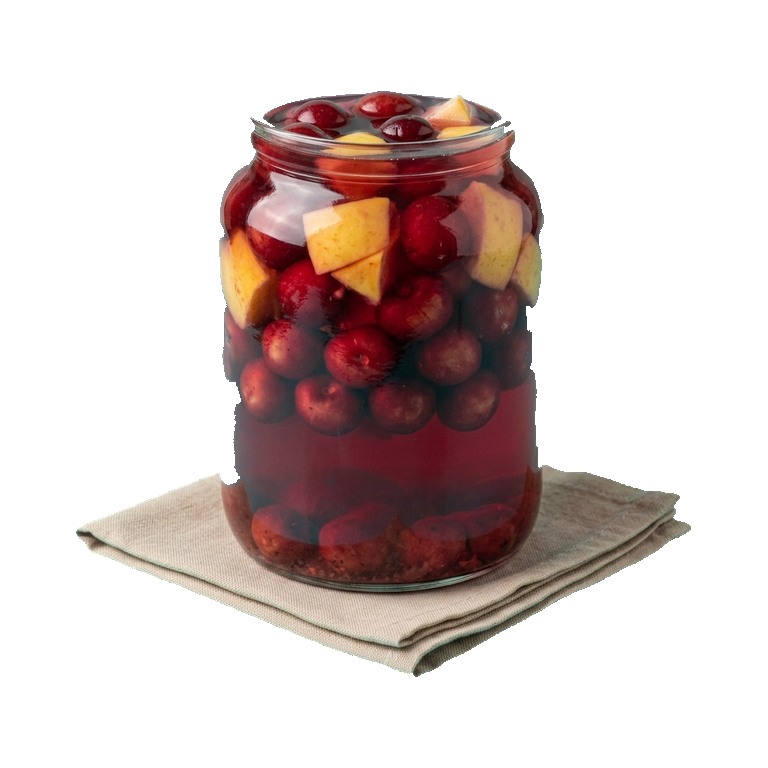
- Compotes and fruit drinks — cherries release their juice willingly, the drink turns out aromatic and beautiful
- Jams and preserves — no need to cook for long, 15–20 minutes is enough to preserve the shape of the berries
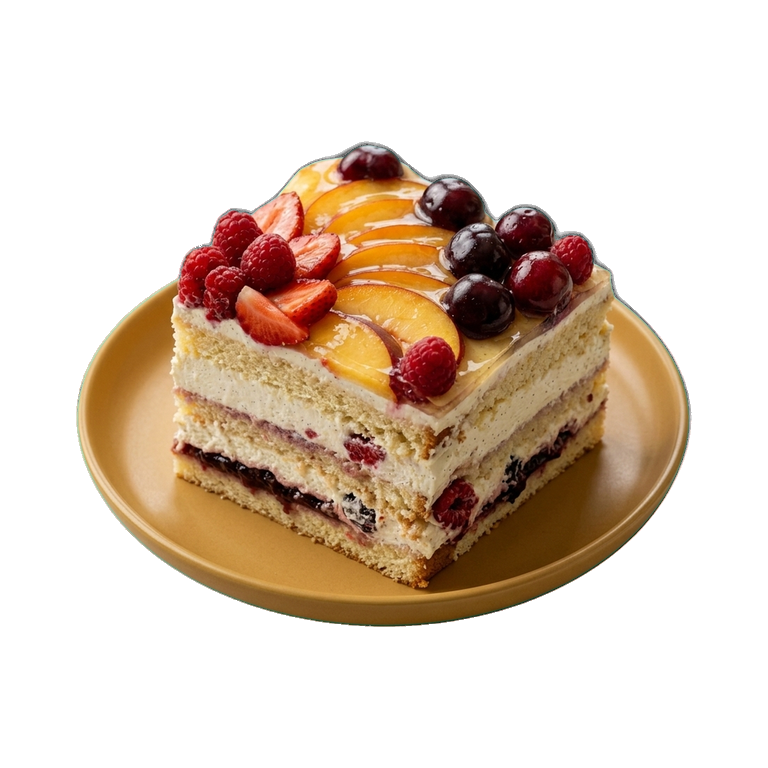
- Pies and tarts — the berry holds its shape, doesn't get soggy, decorates the pastry
- Desserts with cream — a classic combination: cherry, cream filling, meringue
- Sauces for meat and poultry — especially for duck and beef, cherry adds fruity tartness
Selection and Storage
When shopping, look for berries with a shiny, crack-free skin. They should be firm but not hard — a light touch should not leave an indent on your finger. Black color indicates ripeness, but not necessarily sweetness: this depends on the variety. The smell is barely noticeable, but pleasant.
Cherries spoil quickly. Store them in the refrigerator in a container, do not wash until use — moisture accelerates rotting. At a temperature of 0–2 degrees, the berries will last a week, maximum two. If you need them to last longer — freeze them whole or pitted, or make compote.
Perfect Combinations
- Almond — a nut that emphasizes the sweetness of berries
- Vanilla — a classic pairing for desserts
- Lemon — acidity balances sweetness
- Chocolate — dark chocolate with black cherry — a perfect duet
- Cognac and liqueurs — cherry absorbs aromas, becomes more complex
Sweet cherry is a seasonal delicacy that should not be missed. Its brief appearance on store shelves is a reason to stop and enjoy the taste of summer, whether it's a fresh berry or a dish where it reveals all its sweetness and aroma.
Nutrition
per 100 g
- Calories
- 52 kcal
- Protein
- 1.1 g
- Fat
- 0.3 g
- Carbs
- 12 g
Micronutrients
per 100 g
Macronutrients
- Water
- 82.18 g
Minerals
- Sodium
- 0 mg
- Potassium
- 229.6 mg
- Calcium
- 12.26 mg
- Magnesium
- 12.11 mg
- Phosphorus
- 23.25 mg
- Iron
- 0.11 mg
- Zinc
- 0.06 mg
- Copper
- 0.07 mg
- Manganese
- 0.07 mg
Vitamins
- Vitamin C
- 10.39 mg
- Vitamin B6
- 0.05 mg
Measures and weight
- 1 pcs
- 8 g
Measure calculator
- Weight
- 100 g
- Calories
- 52 kcal