Usuba
Usuba
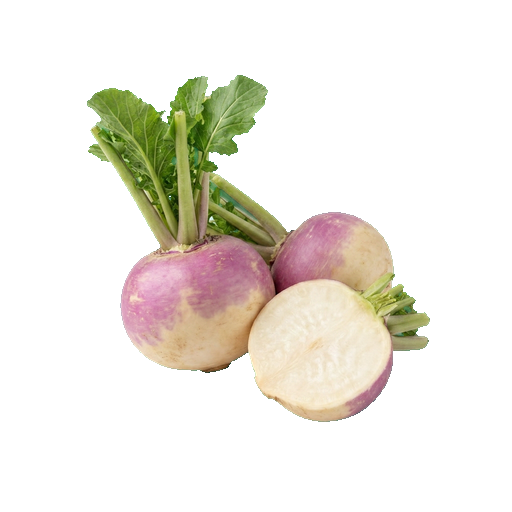
Turnip
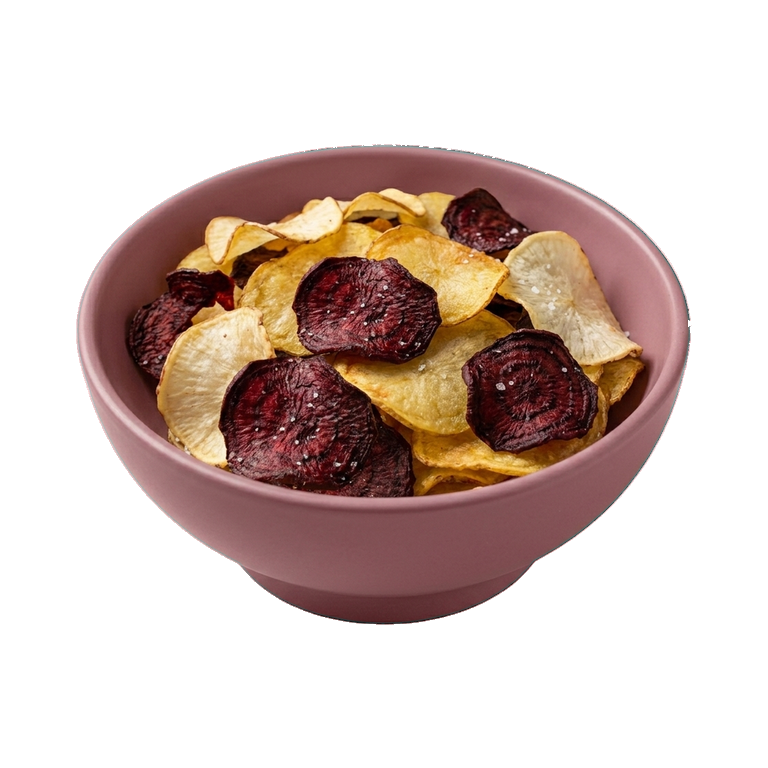
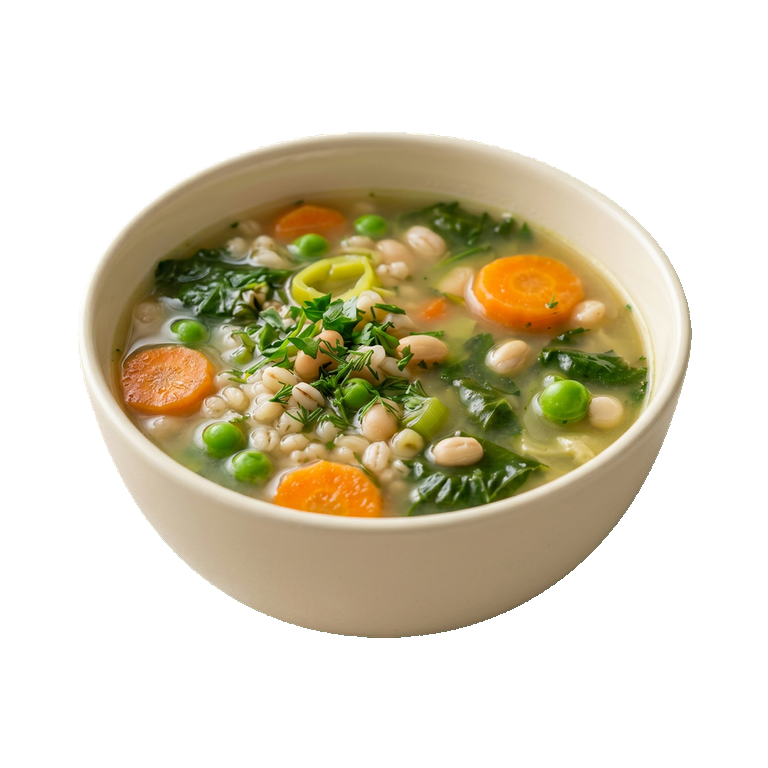
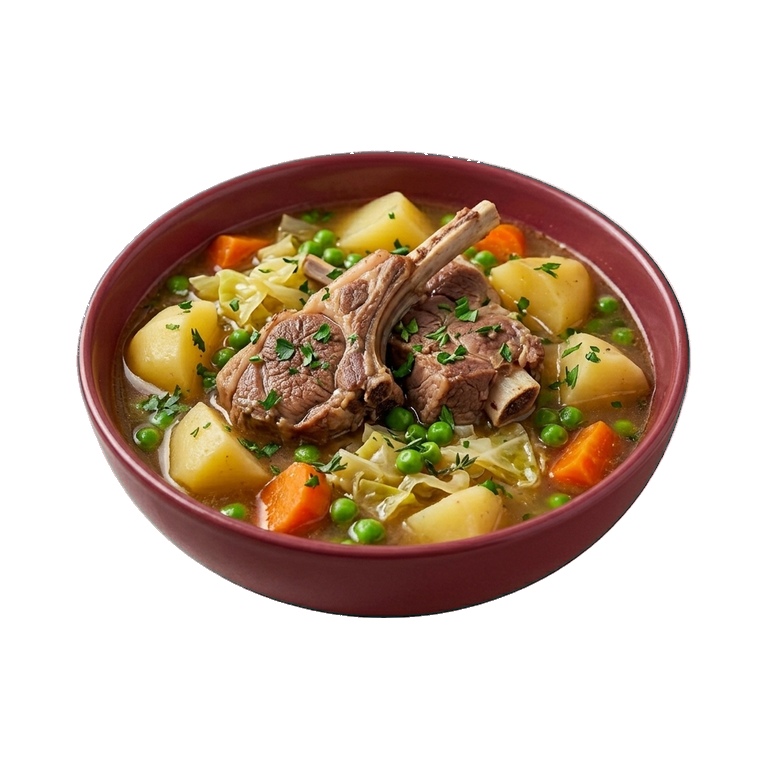
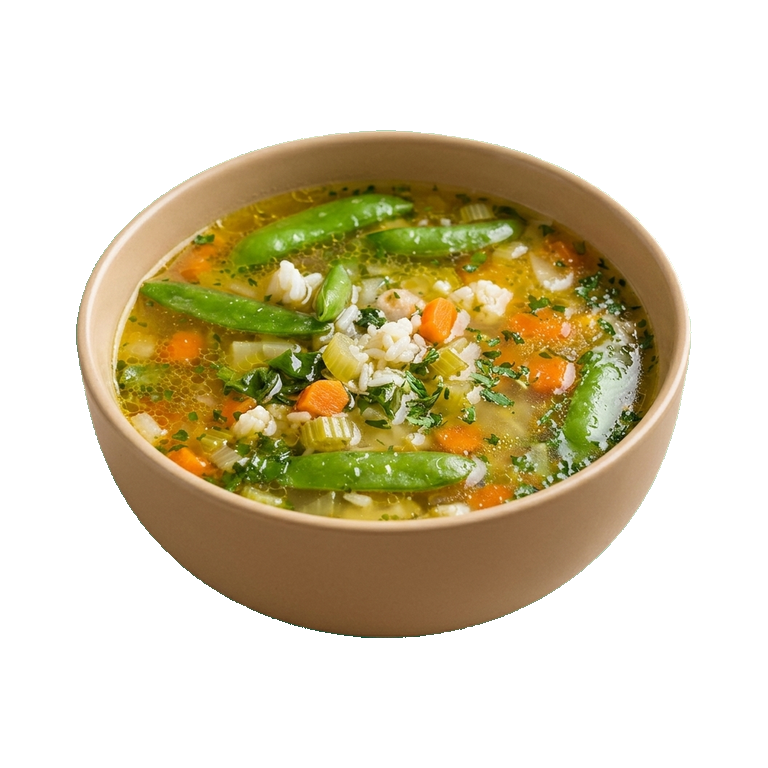
Turnip is a root vegetable with tender, sweet flesh and a delicate bitter aftertaste that becomes more pronounced in young vegetables. In cooking, it is used in soups, stews, baked or braised as a side dish, and also added to vegetable salads. When selecting turnips, it is best to prefer young and medium-sized fruits with smooth skin free from damage, as large specimens are often tough and bitter.
Micronutrients
per 100 g
About
Taste and Aroma
Turnip is a root vegetable with tender, slightly sweet flesh and a barely perceptible bitterness. Young fruits have a more delicate flavor, while large specimens become denser and acquire a more pronounced earthy tone. The aroma of turnip is subtle, herbaceous, reminiscent of radish, but milder and more pleasant. With proper selection and preparation, the bitterness is almost imperceptible.
The sweetness of turnip is revealed during heat treatment — baked or boiled, it becomes almost honey-like. Raw turnip is crispy and provides freshness, perfect for salads and appetizers. Try grating young turnip into a salad with carrots and lemon juice — you'll get a bright, invigorating appetizer.
Role in dishes
Turnip is versatile: it works in both classic soups and modern side dishes. In traditional recipes, it is often steamed or baked to highlight its natural sweetness. In soups, turnip softens quickly, giving the broth tenderness and a subtle sweetness. You can add it to vegetable stews, use it as a base for puree, or fry it in cubes as a side dish for meat.
Raw turnip is an excellent ingredient for salads, especially if sliced thinly or grated on a mandoline. It pairs well with sharp and acidic components: vinegar, mustard, and lemon. Young turnips can be cooked whole without peeling the skin — it becomes tender and delicate.
Pairings and Techniques
Turnip pairs well with butter and olive oil, and with herbs — dill, parsley, thyme. Its sweetness is revealed alongside acidity: vinegar, lemon, apple. Try combining turnip with mustard, garlic, ginger — these components highlight its character without overwhelming its delicate flavor.
When baked, turnip becomes almost like jam — you can cook it at a temperature of 190–200 degrees for about 40 minutes, after cutting it into cubes and drizzling with oil. For a quicker result, slice the turnip into thin slices and fry it in a pan — it will cook in 5–7 minutes and acquire a golden crust.
Selection and Storage
Choose a medium-sized turnip — about the size of an apple — it will be juicier and more tender than larger specimens. The skin should be smooth, without cracks or dark spots. Turnip is best stored in the refrigerator in the vegetable compartment, in a bag or container, for up to two weeks. If the leaves are still attached, trim them before storage — they draw moisture from the root vegetable.
Before cooking, wash the turnip under running water and scrub it with a brush. If the skin is thick, peel it with a knife or vegetable peeler. Young turnips can be cooked unpeeled — the skin is thin and edible. Do not freeze raw turnip, but cooked turnip can be stored in the freezer for several months.
Nutrition
per 100 g
- Calories
- 36 kcal
- Protein
- 1.5 g
- Fat
- 0.1 g
- Carbs
- 8.2 g
Micronutrients
per 100 g
Macronutrients
- Fiber
- 1.915 g
- Water
- 91.02 g
Minerals
- Sodium
- 12.8 mg
- Potassium
- 262.1 mg
- Calcium
- 32.7 mg
- Magnesium
- 10.39 mg
- Phosphorus
- 31.3 mg
- Iron
- 0 mg
- Zinc
- 0.16 mg
- Copper
- 0.02 mg
- Manganese
- 0.07 mg
Vitamins
- Vitamin C
- 26.78 mg
- Vitamin B6
- 0.12 mg
Measures and weight
- 1 pcs
- 150 g
- 1 head
- 150 g
Measure calculator
- Weight
- 100 g
- Calories
- 36 kcal