Usuba
Usuba
Apricots
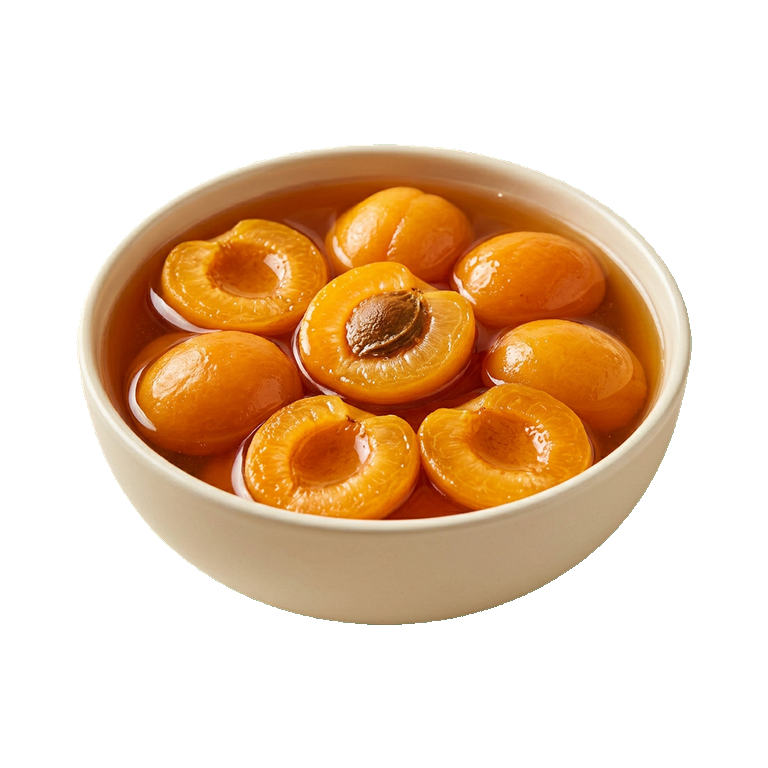
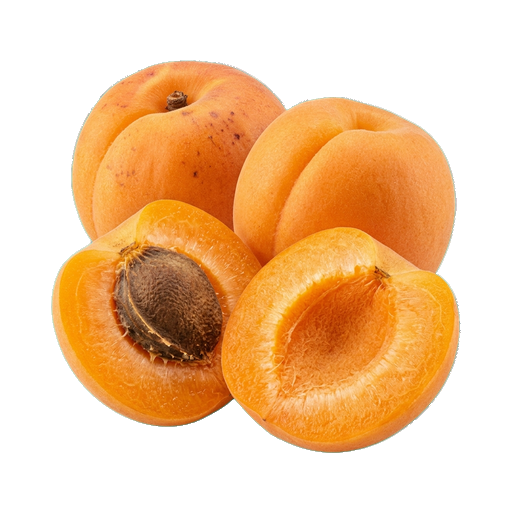
Sweet and juicy apricots with tender flesh and characteristic honey flavor are ideal for desserts, compotes, and jams. Ripe fruits are easily recognized by their bright orange color and soft texture; they absorb spices well and pair nicely with other fruits. When selecting, pay attention to the firmness of the fruit and the absence of dark spots — overripe apricots quickly lose their shape during heat processing.
Micronutrients
per 100 g
About
Why apricots are a universal kitchen helper
Apricots are fruits that are equally delicious fresh or processed. Their soft, sweet flesh with a subtle tartness makes them ideal for desserts, compotes, jams, and even meat dishes. When the fresh apricot season is short, dried apricots become an indispensable ingredient, retaining their concentrated flavor and nutritional value.
Taste and Aroma
A ripe apricot is a balance of sweetness and delicate acidity. The flesh is juicy, tender, with barely noticeable astringency from the skin. The aroma is fresh, fruity, with honey notes. Dried apricots are much sweeter and denser: the flavor becomes more intense, with caramel undertones. This is important to consider when choosing for a specific dish — fresh apricots work well for light desserts and side dishes, dried ones — for rich compotes, pilafs, and baked goods.
Where to use apricots
- Fresh apricots are great in salads, as a side dish for poultry, or as a filling for pies
- Dried apricots are used in pilaf, with meat, in compotes and fruit drinks
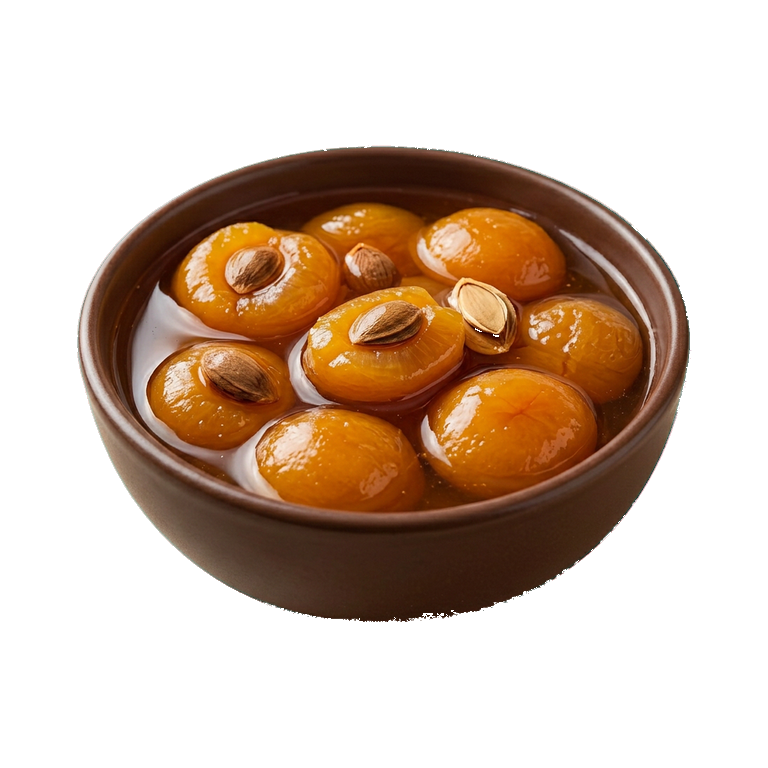
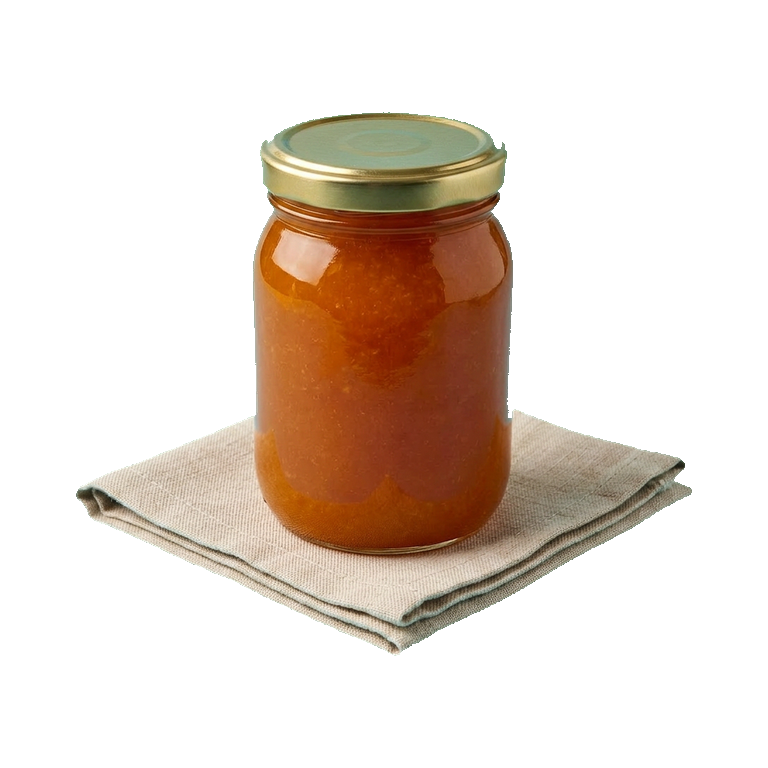
- Apricot jam and preserves decorate yogurts, cottage cheese, and pastries
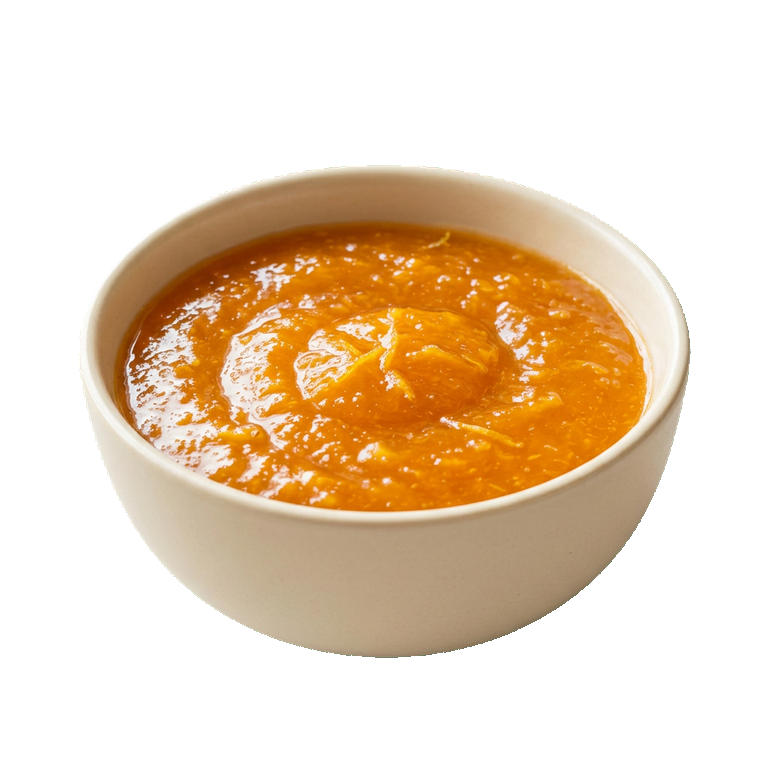
- Apricot puree is the base for sauces for meat and fish
- In baked goods, apricots are added to the dough, filling, or glaze
How to Choose and Store
Fresh apricots should be soft but not bruised, with a rich orange or yellow color. Gently press—a ripe fruit yields slightly but doesn't fall apart. Avoid hard ones or those with a greenish tint—they won't ripen at home. Store ripe apricots in the refrigerator for no more than a week; underripe ones can be kept at room temperature for 1–2 days.
Dried apricots should be soft, with no signs of mold or strange odor. Natural color ranges from orange to brownish; overly bright ones are often treated with preservatives. Store in an airtight container in a cool place — this will preserve their flavor and prevent pests. Before using in compotes and sweet dishes, dried apricots are often soaked in water or other liquid to soften them.
Successful combinations
- Apricots + almonds = classic duet in baking and pastille
- Apricots + chicken meat = harmonious combination of sweetness and protein
- Apricots + cardamom and cinnamon = oriental notes in compotes and pilaf
- Apricots + yogurt = light and refreshing breakfast
- Apricots + vanilla = delicate aroma for creams and mousse
Apricots are great because they work well in both sweet and sweet-savory dishes. The main thing is to understand whether the fruit in front of you is ripe and how its consistency will affect the result. Fresh apricot is summer, dried apricot is a year-round helper.
Nutrition
per 100 g
- Calories
- 48 kcal
- Protein
- 1.4 g
- Fat
- 0.4 g
- Carbs
- 9 g
Micronutrients
per 100 g
Macronutrients
- Fiber
- 1.51 g
- Water
- 87.88 g
Minerals
- Sodium
- 0 mg
- Potassium
- 231.4 mg
- Calcium
- 11.59 mg
- Magnesium
- 8.88 mg
- Phosphorus
- 22.51 mg
- Iron
- 0.16 mg
- Zinc
- 0.15 mg
- Copper
- 0.06 mg
- Manganese
- 0.05 mg
Vitamins
- Vitamin C
- 3.07 mg
Measures and weight
- 1 tbsp
- 9 g
- 1 tsp
- 3 g
- 1 cup
- 150 g
- 1 pcs
- 25 g
Measure calculator
- Weight
- 100 g
- Calories
- 48 kcal