Usuba
Usuba
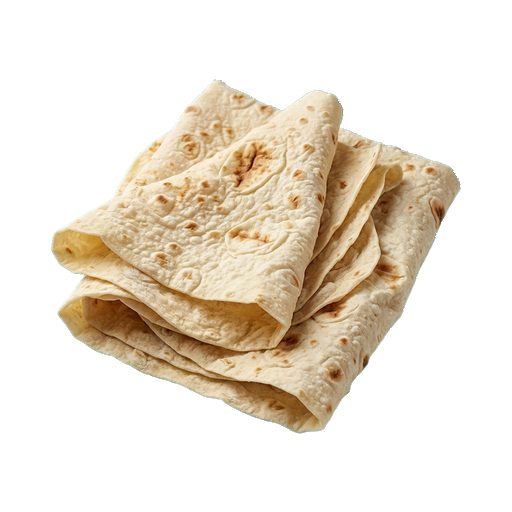
Armenian Lavash
Thin unleavened flatbread from Armenian cuisine, made from simple dough without yeast and baked in a traditional clay tandoor oven. Lavash has a slightly crispy crust and a soft, elastic structure, making it perfect for wrapping meat, vegetables, and cheese, or serving as bread alongside main dishes. When selecting, pay attention to freshness — quality lavash should be flexible and not break easily. For storage, wrap it in cloth to preserve moisture.
About
Armenian lavash is a thin unleavened bread that is easy to recognize by its characteristic structure: soft, flexible, with barely noticeable bubbles on the surface. It is not just bread, but a universal kitchen tool. It can be used as a base for wrapping, as an accompaniment to hot dishes, or even as a standalone dish. It is made from flour, water, and salt — nothing extra, but the result turns out to be completely different thanks to the cooking technique and dough handling.
Texture and taste
Fresh lavash has a tender, almost plastic consistency. It doesn't crumble or break when bent — this is its main advantage over other types of bread. The taste is simple and clean, without pronounced sweetness. On the palate, you can feel a slight saltiness and a barely noticeable flavor of roasted flour. As lavash begins to dry out, it becomes brittle and can be used as chips or as a base for breading.
Role in dishes
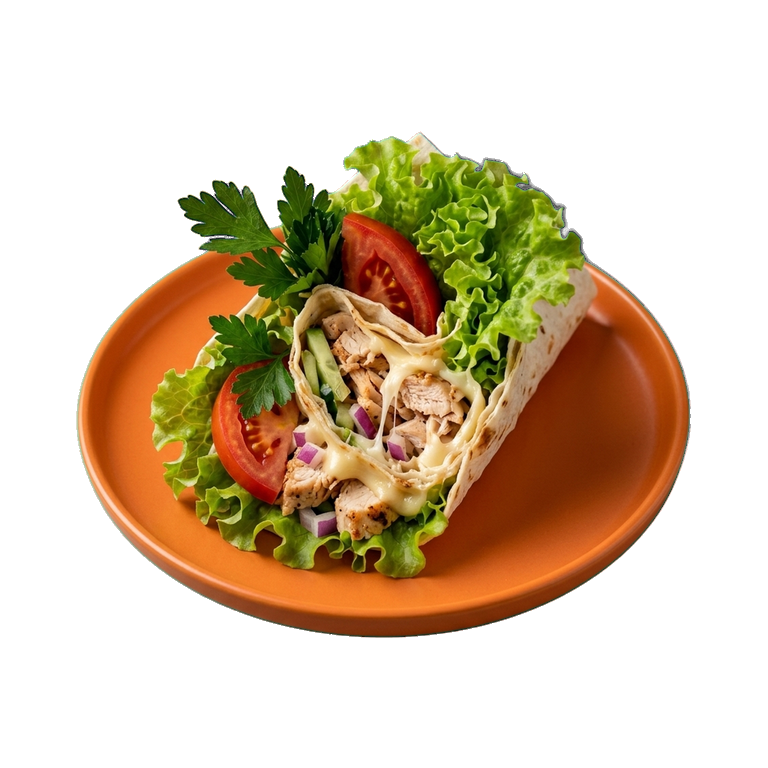
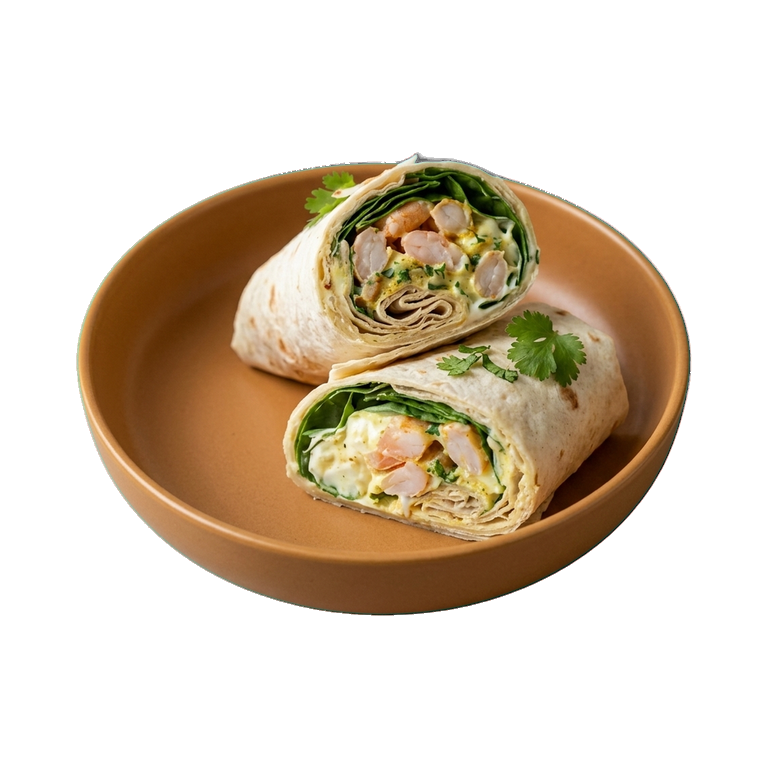
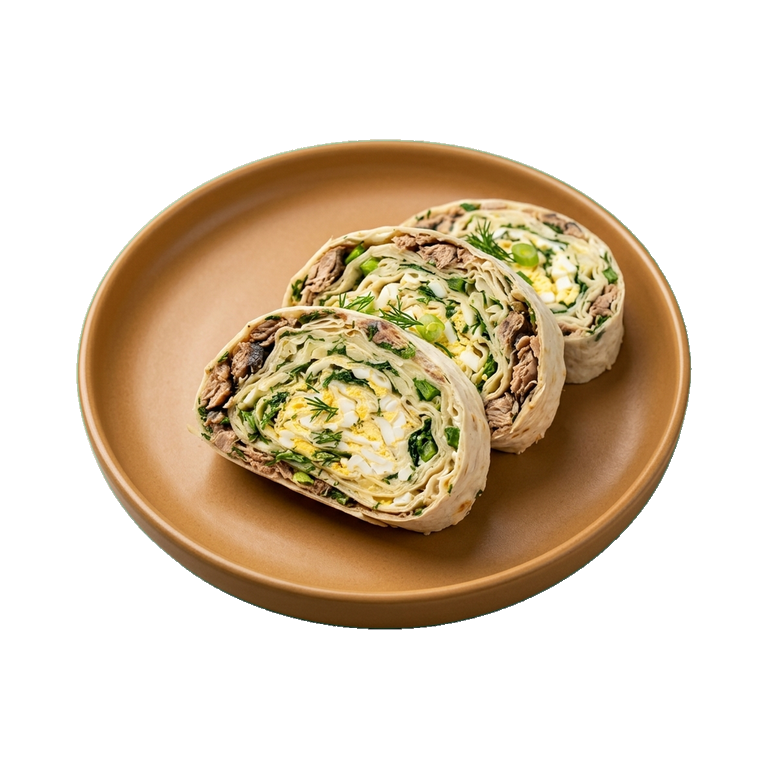
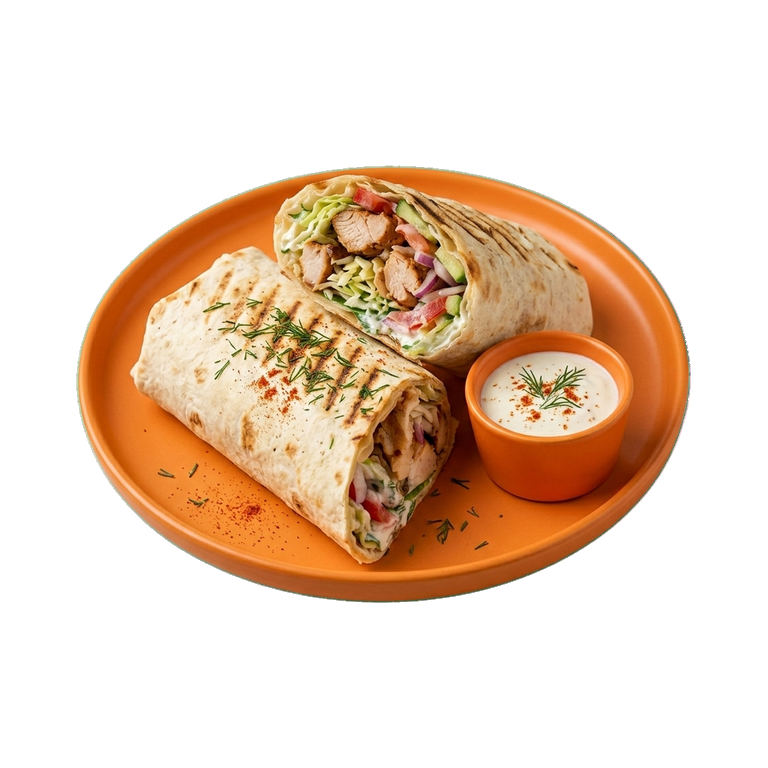
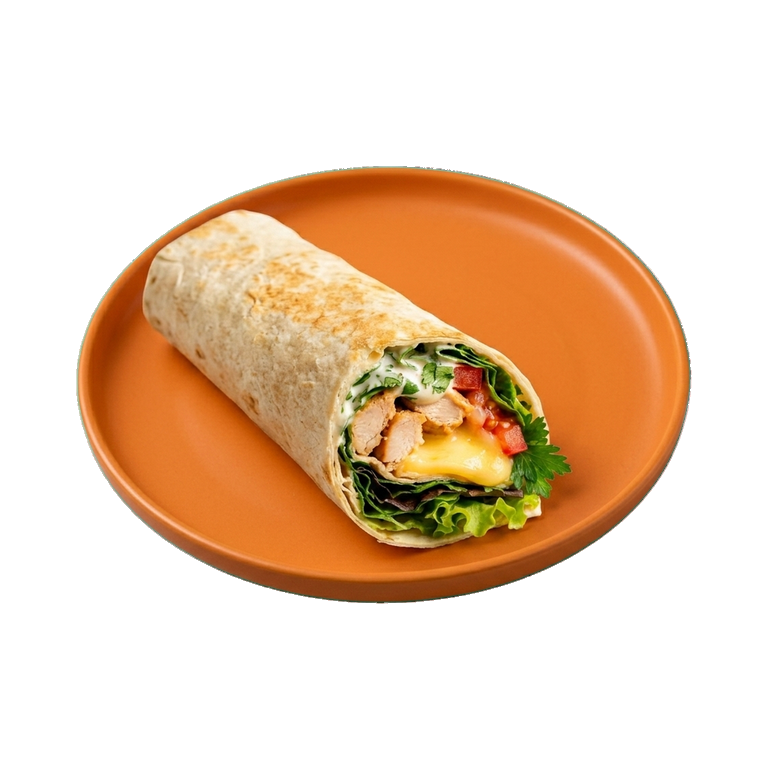
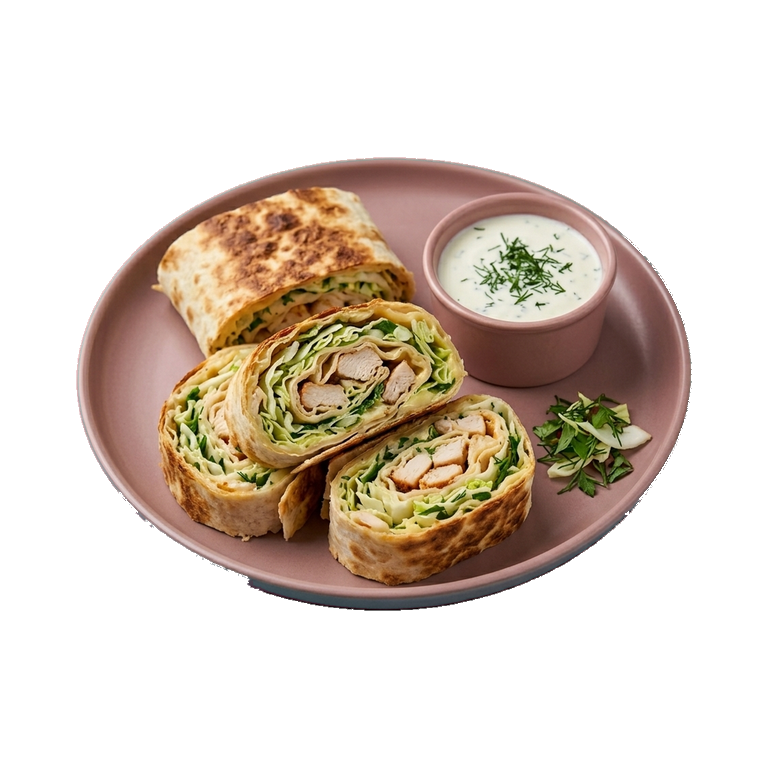
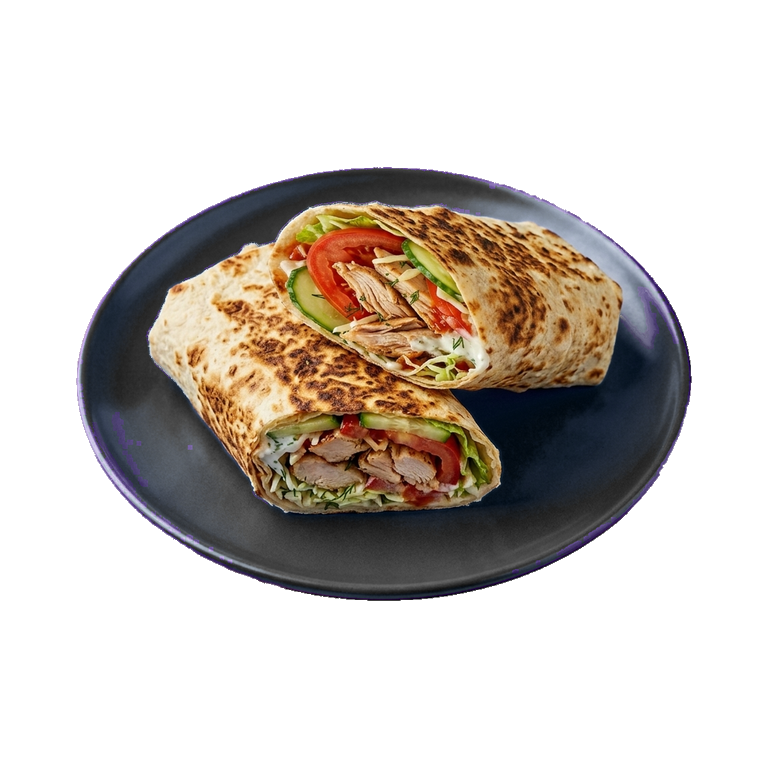
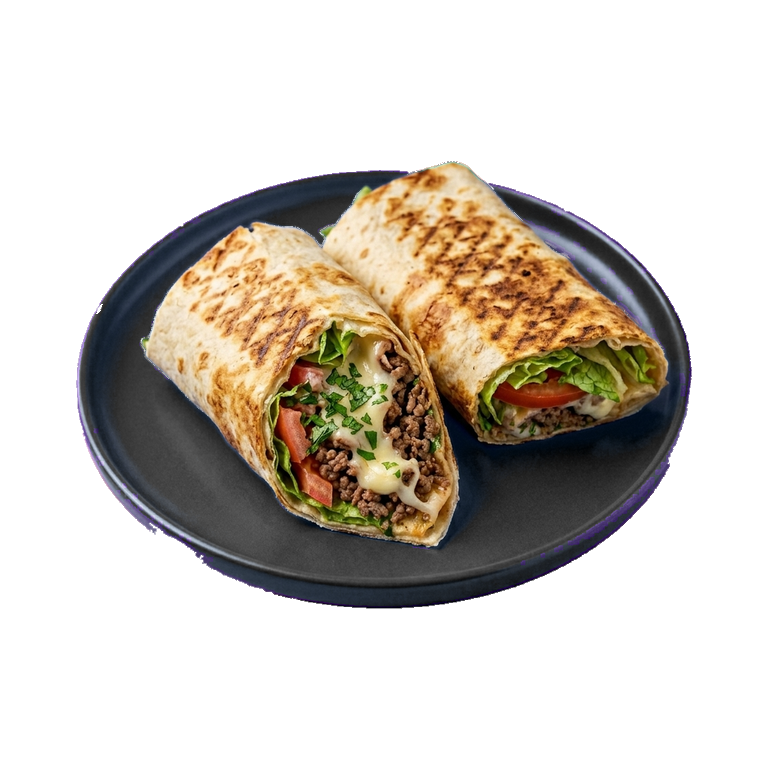
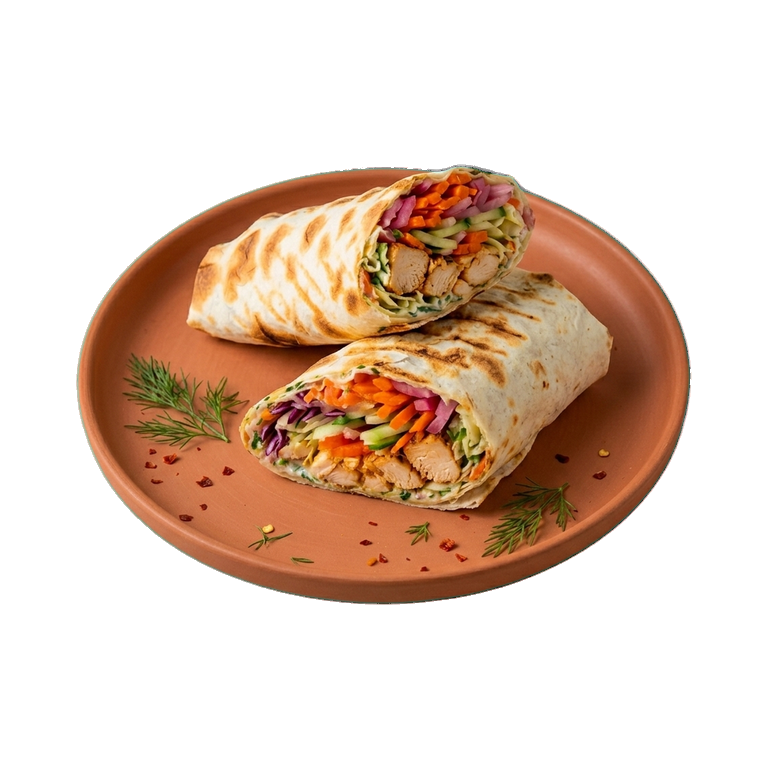
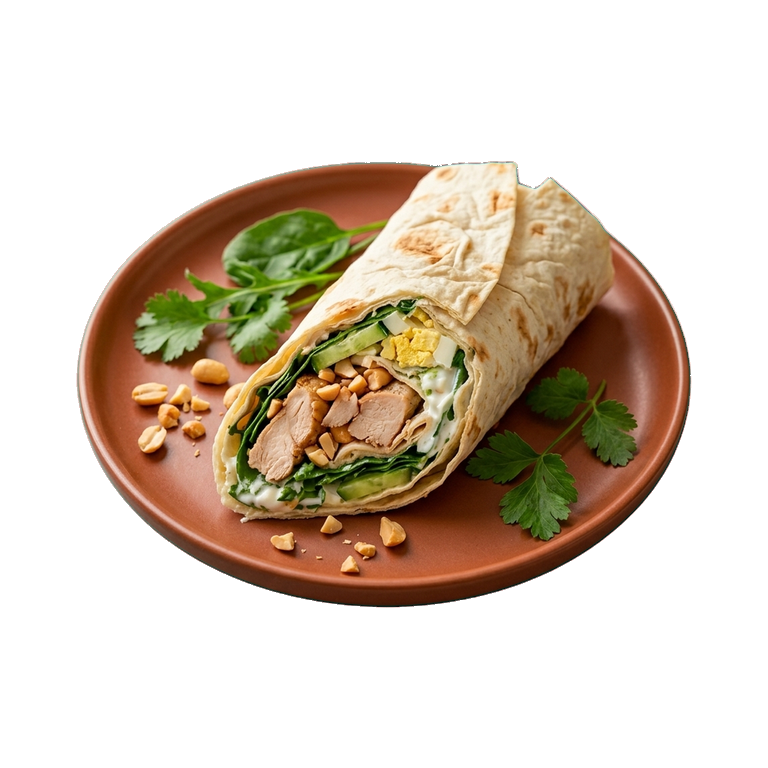
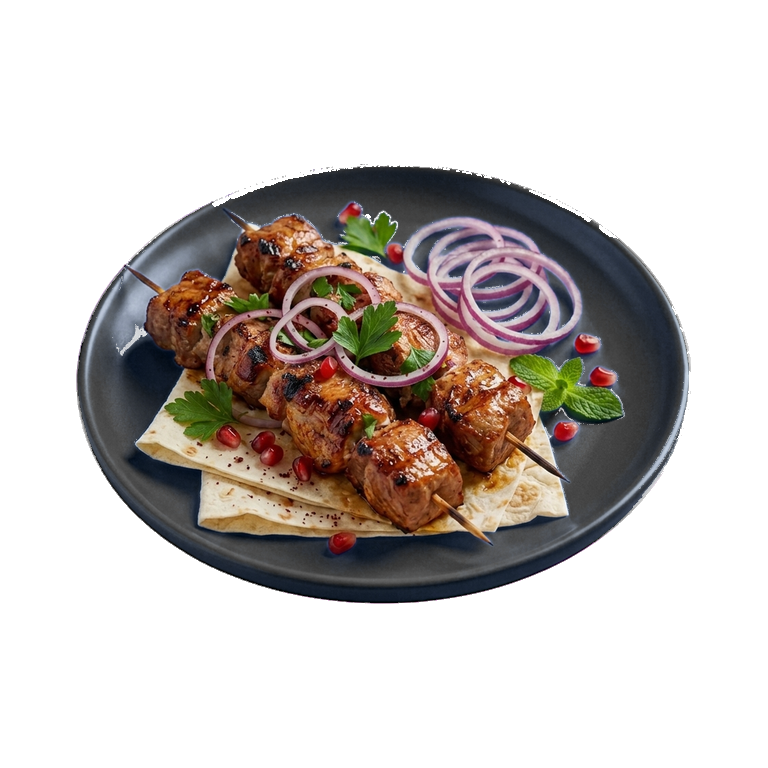
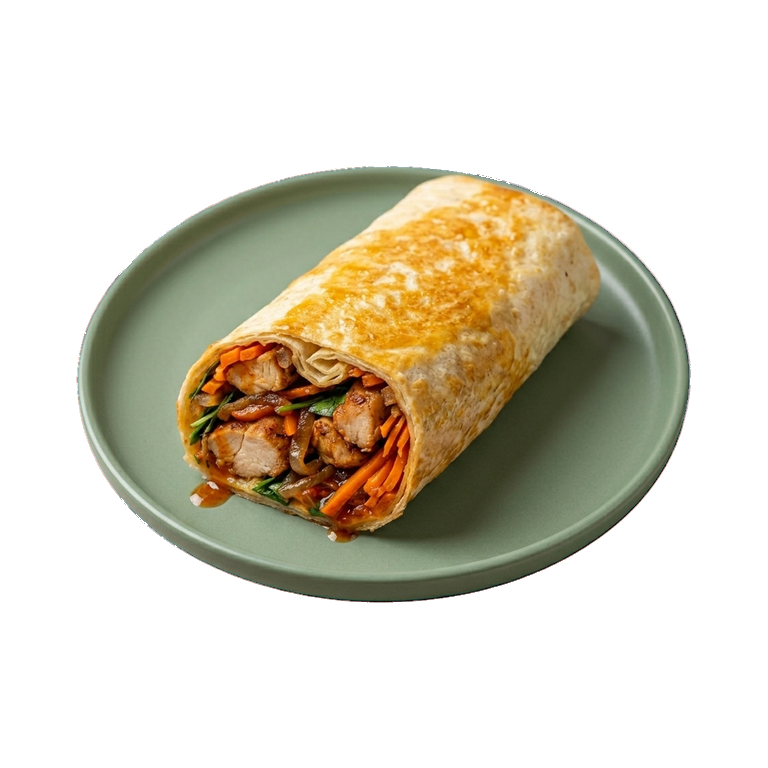
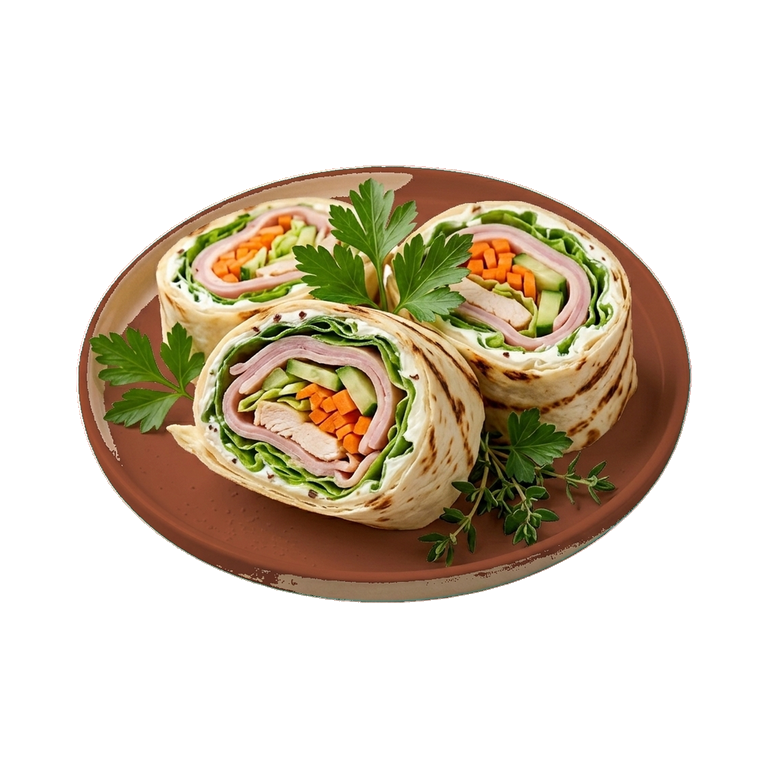
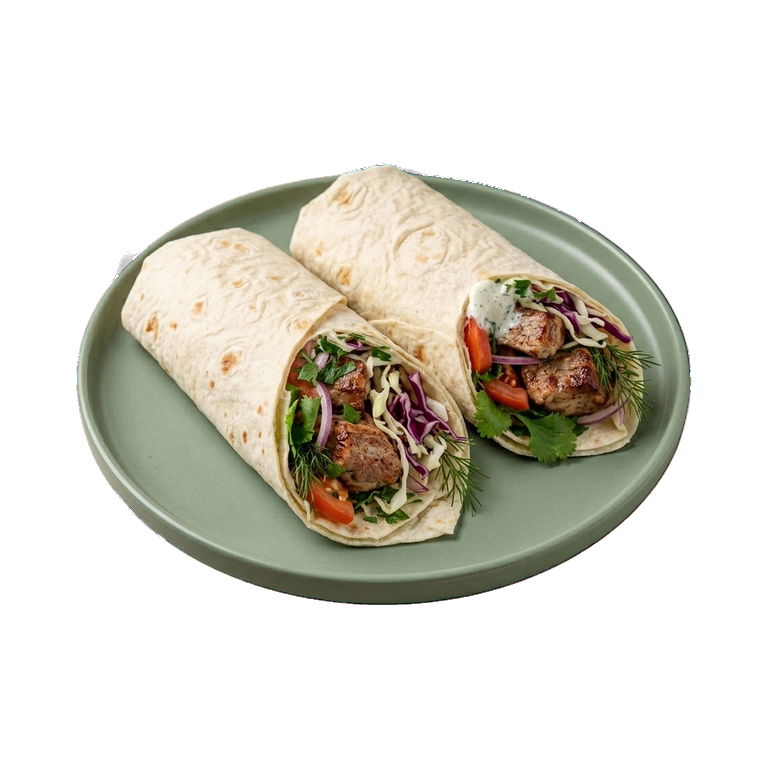
- Wrapper for meat, vegetables and cheese — lavash holds the filling and doesn't fall apart
- Accompaniment to soups and hot dishes — absorbs broth and sauces well
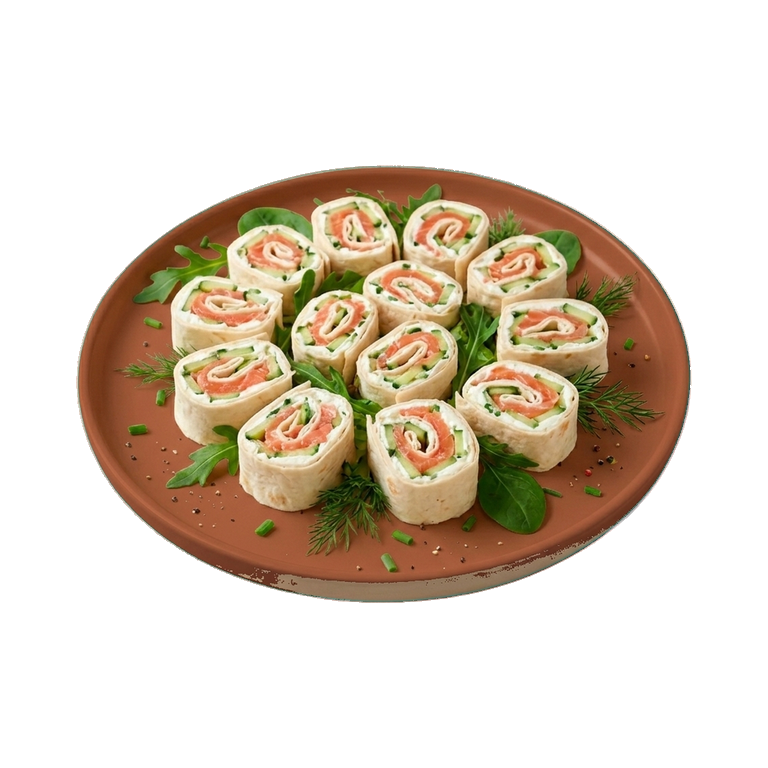
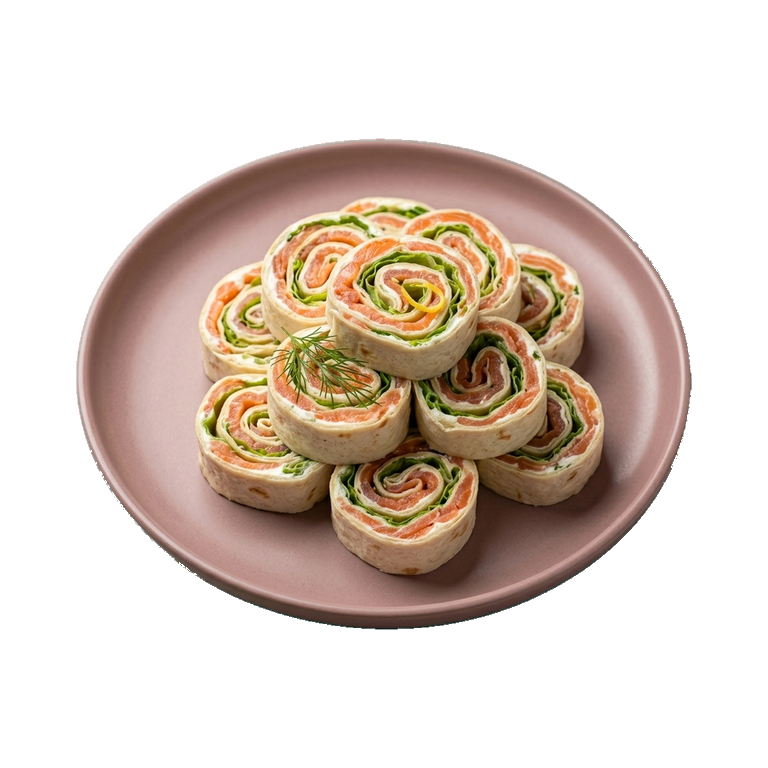
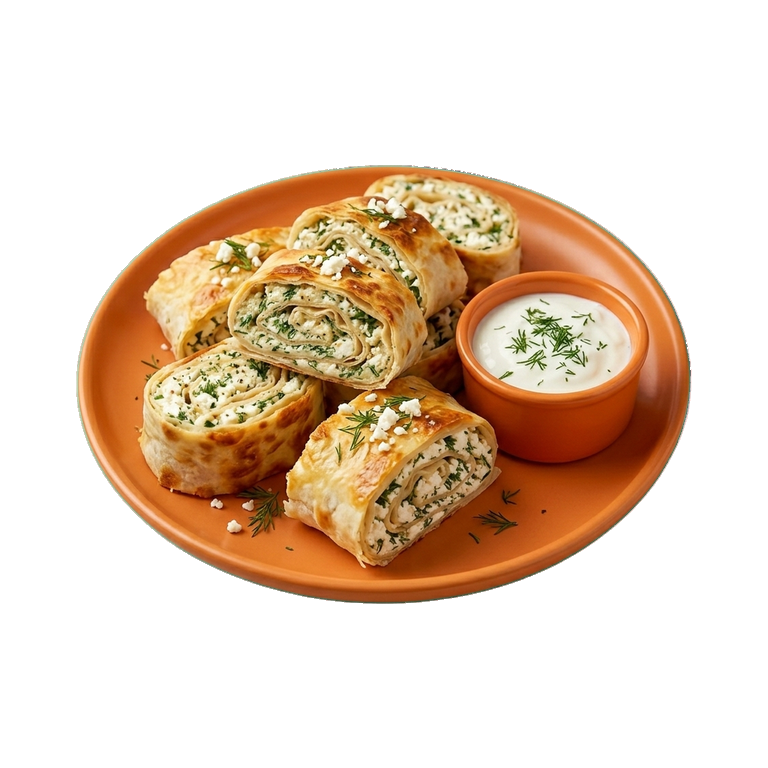
- Base for appetizers — you can spread pâté, cheese or vegetable paste on it
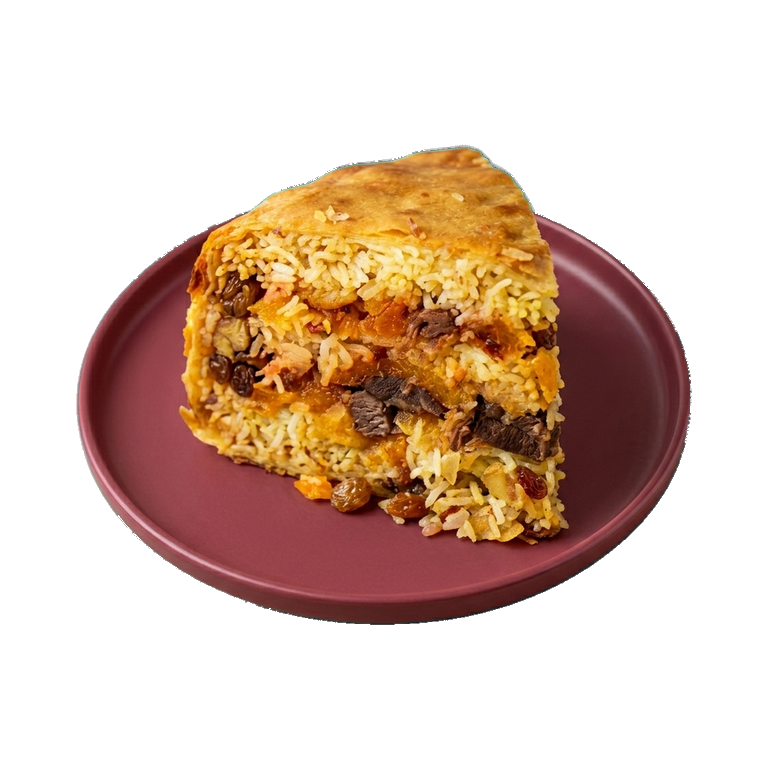
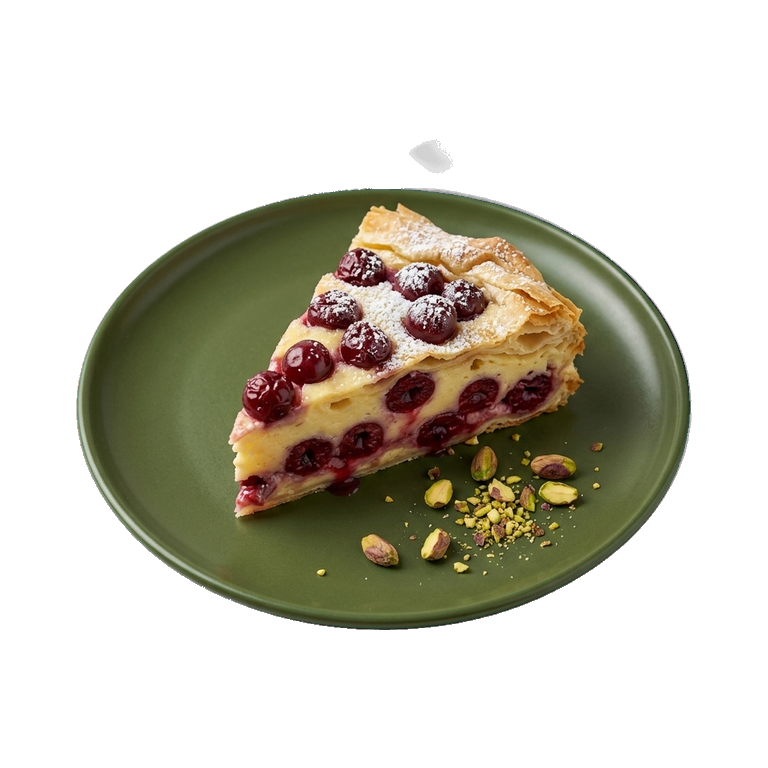
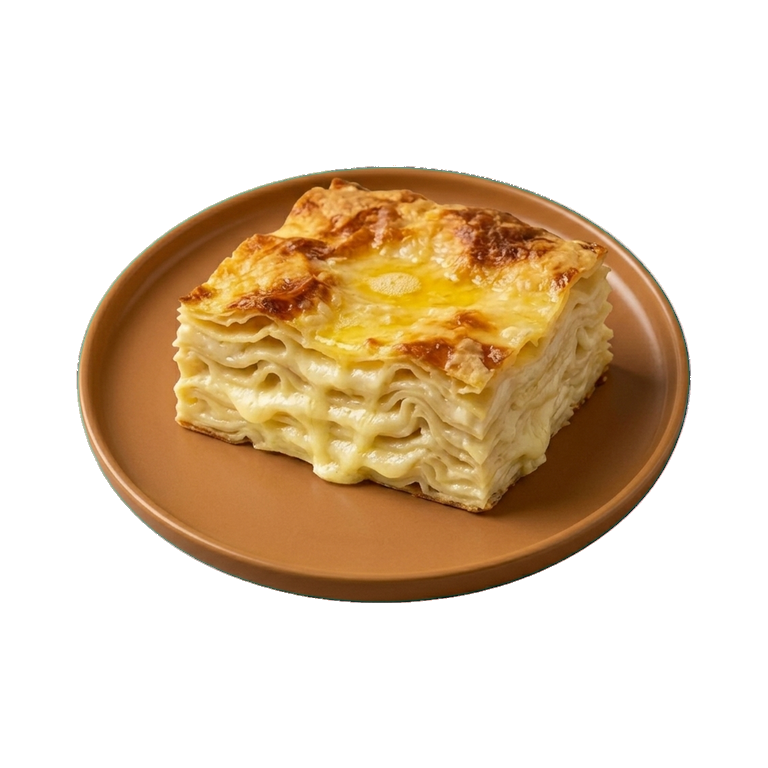
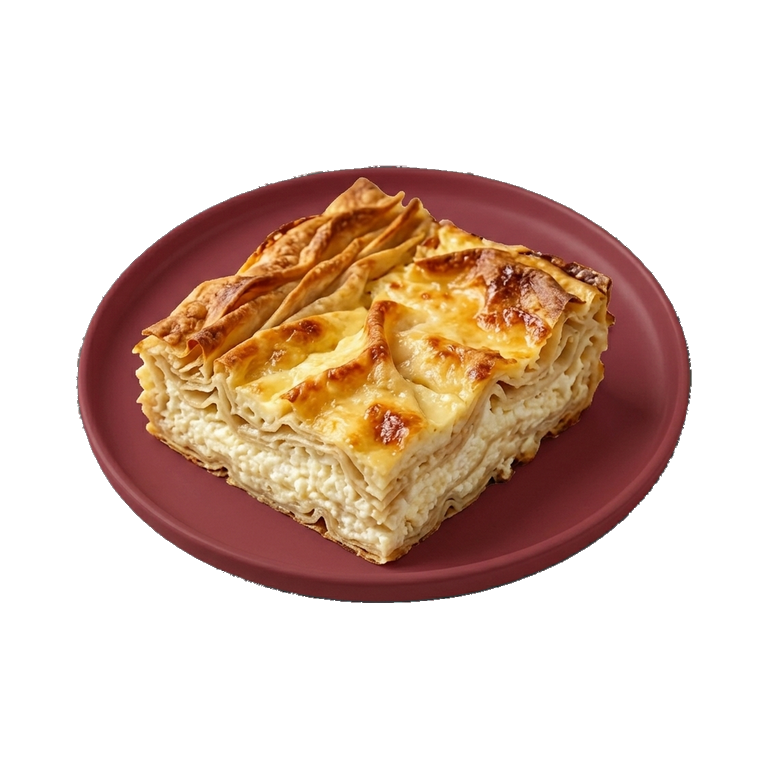
- Ingredient for layered dishes — used in some national recipes instead of dough
- Crispy snack — dried and sliced lavash with seasonings
Successful Combinations
Lavash works well with spicy and aromatic dishes: it softens the intensity of spices and creates a comfortable balance. Ideal with fried meat, especially chicken and lamb. It pairs well with dairy products — yogurt, sour cream, cottage cheese. Vegetables, herbs, and fresh greens shine brighter when paired with lavash. It also perfectly complements dishes with rich sauces: meat stews, braised vegetables, and spicy seasonings.
Selection and Storage
When purchasing, pay attention to the packaging: lavash should be soft and not crumbly to the touch. Check the production date — fresh bread is always better. If the lavash has already dried out in the package, that's not a problem: it can be easily softened by wrapping it in a damp towel for a few minutes.
- At room temperature: in a closed package or bag, it is stored for 2–3 days
- In the refrigerator: wrapped in plastic wrap, lavash keeps its softness for up to a week
- In the freezer: can be stored for several months, thawing as needed
- Tip: if lavash has dried out, don't throw it away — use it for chips or breading
Armenian lavash is one of those ingredients you should always have on hand. It's versatile, easy to store, and transforms a simple lunch into a complete meal. Try using it not only traditionally, but also experiment: fry it with oil and spices, cut it into strips for a salad, or use it as a base for homemade pizza.
Nutrition
per 100 g
- Calories
- 236 kcal
- Protein
- 8 g
- Fat
- 1 g
- Carbs
- 48 g
Measures and weight
- 1 pcs
- 150 g
Measure calculator
- Weight
- 100 g
- Calories
- 236 kcal