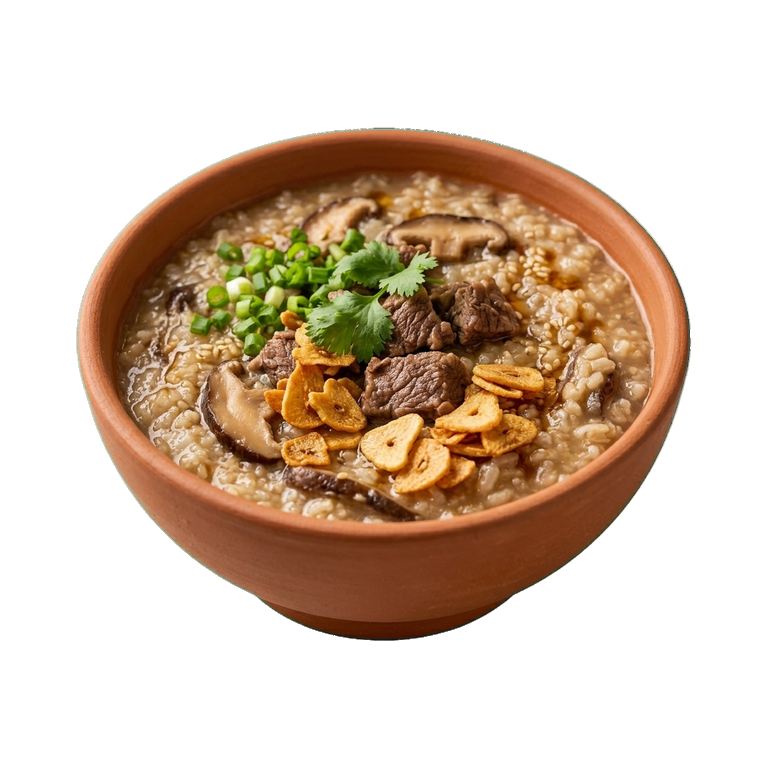
Usuba
Usuba
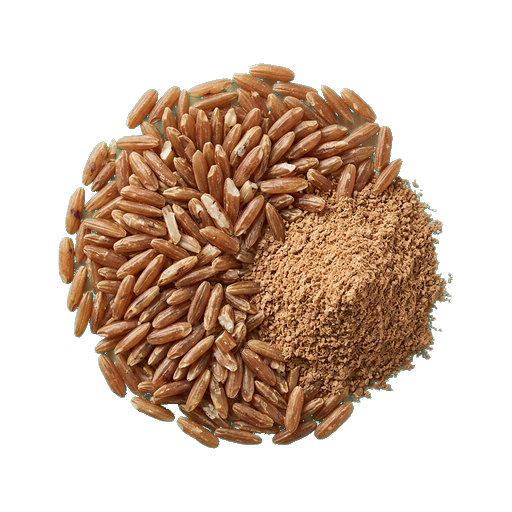
Brown rice
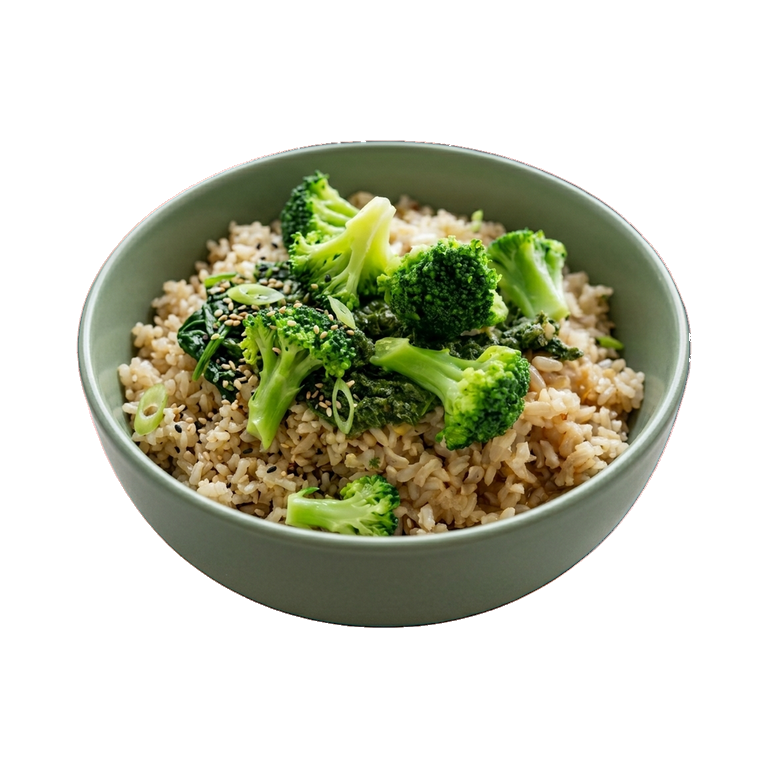
Brown rice is grain with a preserved bran layer that gives it a nutty flavor and a denser texture compared to white rice. It takes longer to cook than regular rice, requires more liquid and time, but retains more nutrients and fiber. When selecting, pay attention to the integrity of the grains and the absence of foreign odors; store it in a cool place, as the oils in the bran can become rancid over time.
Micronutrients
per 100 g
Minerals
About
Why brown rice differs from white rice
Brown rice is a grain that retains its bran and germ. White rice is produced when these layers are completely removed. Because of this, brown rice looks darker, takes longer to cook, and requires more liquid. However, it retains fiber, B vitamins, and minerals that are lost during white rice processing.
Brown rice has a more pronounced taste — with a subtle nutty note and dense texture. The grains remain slightly elastic even after cooking and don't fall apart into mush. This makes it ideal for side dishes, salads, and dishes where structure is needed.
How to cook and what to pair with
Cook brown rice in a 1 to 2.5 ratio — you need more liquid than for white rice. Cooking time is 40–50 minutes. Pre-soaking for an hour reduces cooking time and improves nutrient absorption. Salt at the end to prevent the grains from hardening.
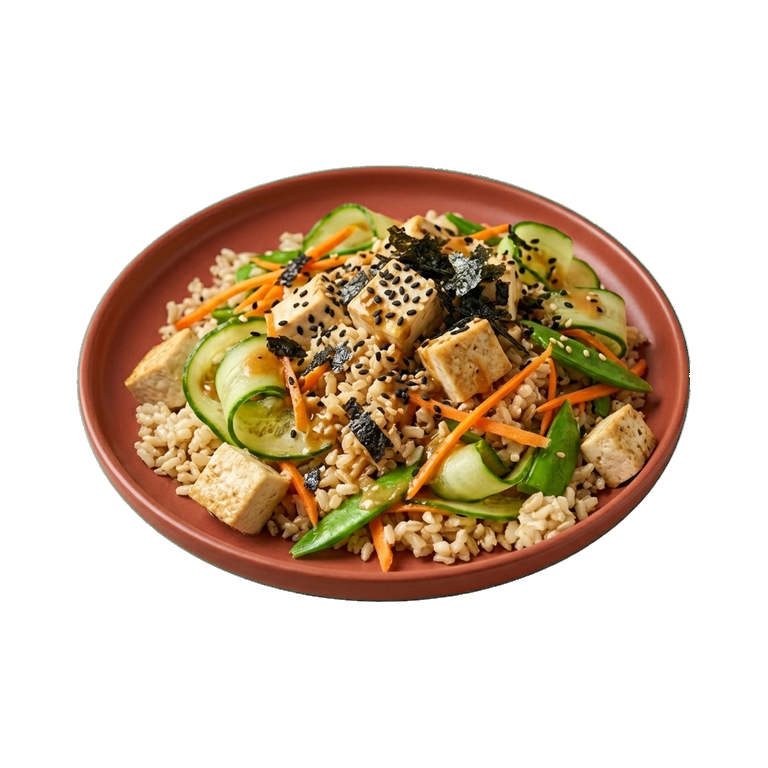
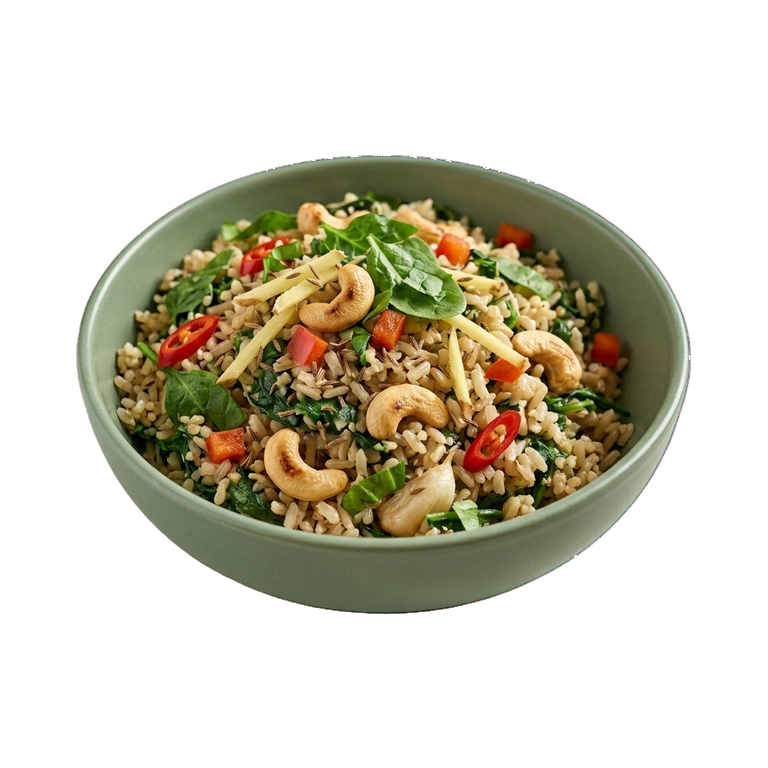
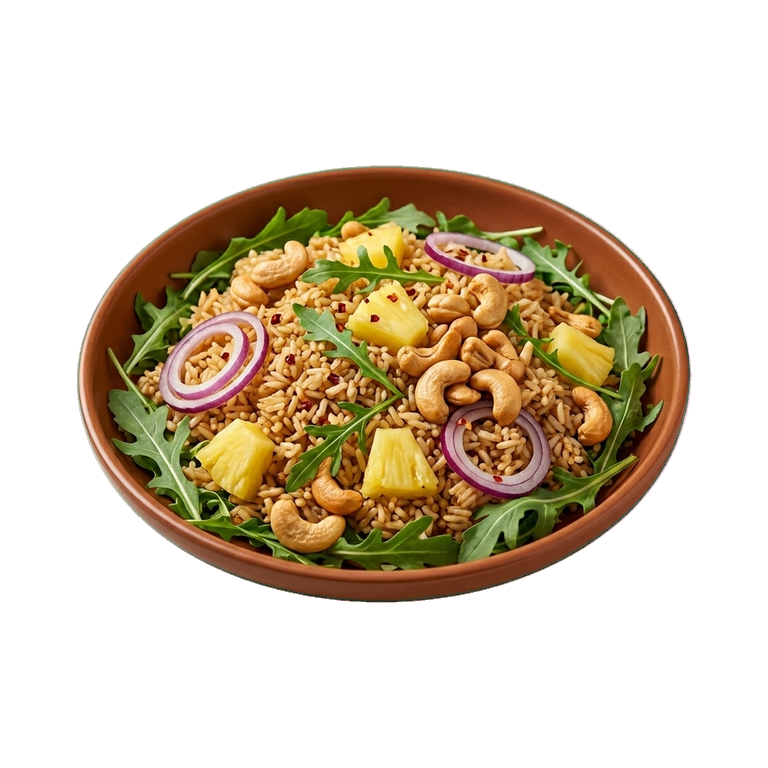
Brown rice works well in Asian cuisine — in sushi bowls, with vegetables and teriyaki sauce. Its nutty flavor is complemented by spicy spices, ginger, and soy sauce. In Western cuisine, it becomes the base for salads with vegetables, greens, and lemon dressing. It goes well with mushrooms, nuts, legumes, and seafood.
Selection and Storage
Look for rice with a uniform brown color without black specks and foreign impurities. The grains should be whole, without cracks. If the rice smells musty or moldy — this is a sign of improper storage.
Store brown rice in an airtight container in a cool, dark place. Because it retains the germ, it contains oils that oxidize over time, so its shelf life is shorter than white rice — approximately 6 months at room temperature. In the refrigerator or freezer it will last up to a year. Check the rice before cooking: if an unpleasant smell appears, it's better not to risk it.
Nutrition
per 100 g
- Calories
- 362 kcal
- Protein
- 7.3 g
- Fat
- 1.9 g
- Carbs
- 75 g
Micronutrients
per 100 g
Macronutrients
- Fiber
- 3.021 g
- Water
- 11.47 g
Minerals
- Sodium
- 0 mg
- Potassium
- 250.1 mg
- Calcium
- 8.06 mg
- Magnesium
- 115 mg
- Phosphorus
- 302.8 mg
- Iron
- 1.24 mg
- Zinc
- 1.85 mg
- Copper
- 0.27 mg
- Manganese
- 2.7 mg
- Selenium
- 14.8 mcg
Vitamins
- Vitamin B1 (thiamin)
- 0.33 mg
- Vitamin B2 (riboflavin)
- 0.1 mg
- Vitamin B3 (niacin)
- 6.27 mg
- Vitamin B6
- 0.16 mg
Measures and weight
- 1 tbsp
- 12.8 g
- 1 tsp
- 4.3 g
- 1 cup
- 212.5 g
Measure calculator
- Weight
- 100 g
- Calories
- 362 kcal