Usuba
Usuba
Celery
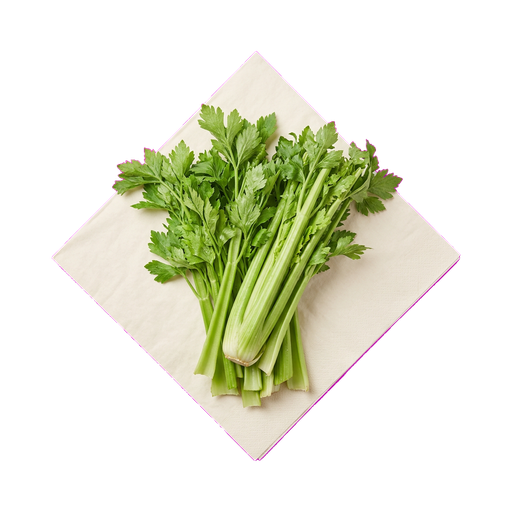
Celery is a vegetable with crispy stalks and a rich herbaceous flavor with a slight bitterness, offering a fresh, slightly peppery aroma. In cooking, it is used both raw in salads and appetizers and as an aromatic base for soups, broths, and stews, where it imparts depth of flavor to the dish. When selecting, prefer firm stalks with no dark spots, and when substituting, you can use fennel or shallots depending on whether you need crispness or a softer texture.
Micronutrients
per 100 g
About
Aroma and taste
Celery is one of those vegetables you recognize immediately by its smell. A fresh, slightly peppery aroma with herbaceous notes appears as soon as you cut the stem. It tastes crispy and slightly bitter, with a faint salty quality. This bitterness is not a drawback but a distinctive feature that adds depth to dishes and balances sweet or fatty components.
The fibrous structure of the stem is its main feature. When cooking, celery maintains its firmness longer than other vegetables, but with prolonged stewing it becomes soft and releases its aroma into the broth. The leaves are more delicate and aromatic than the stems, so they should be used separately or at the end of cooking.
Role in dishes
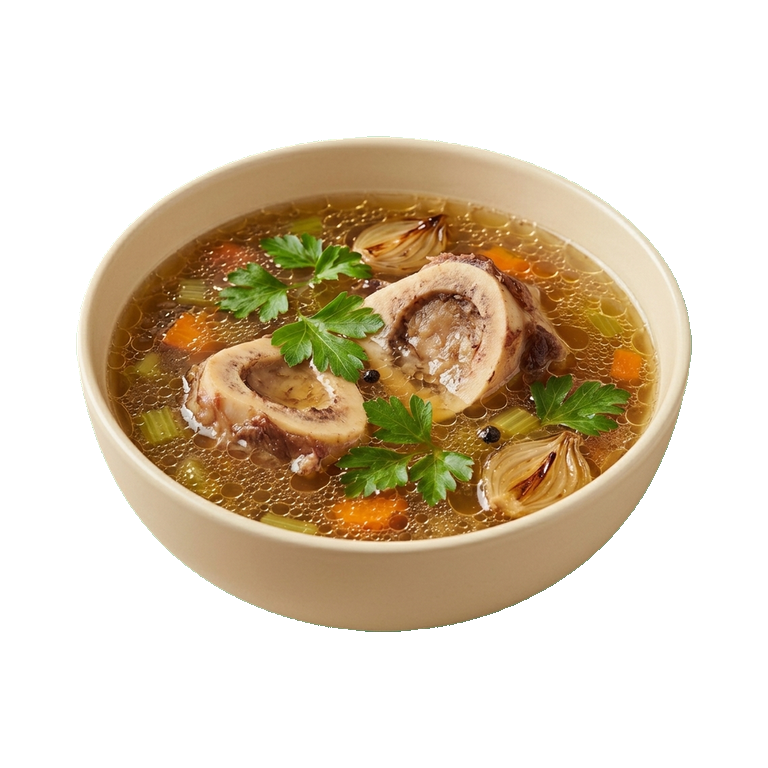
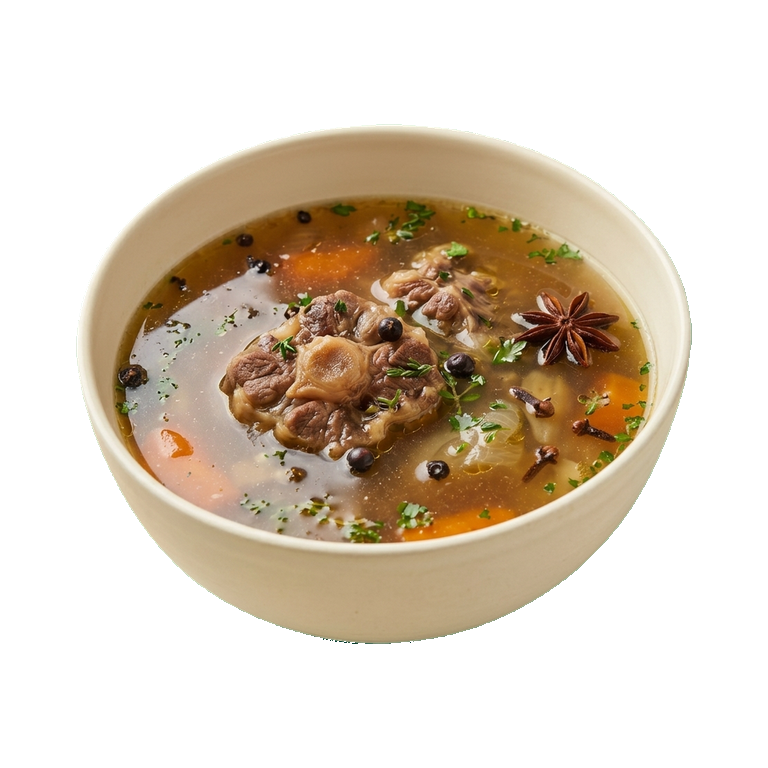
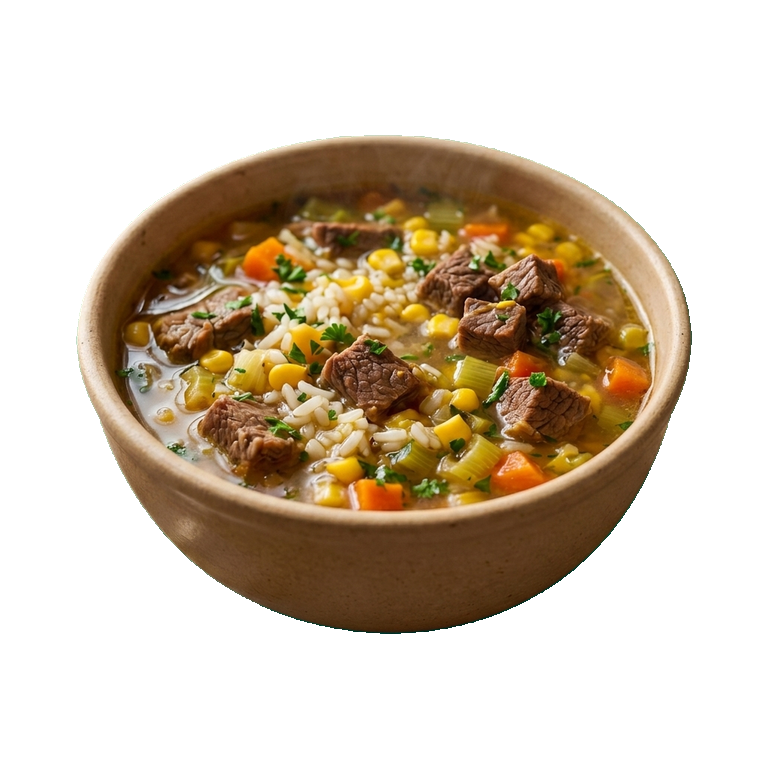
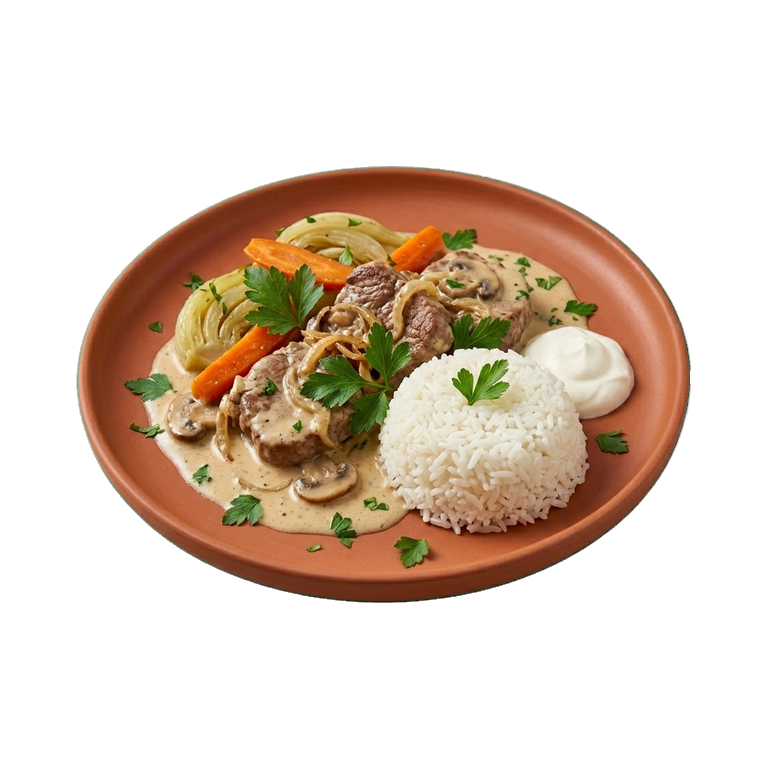
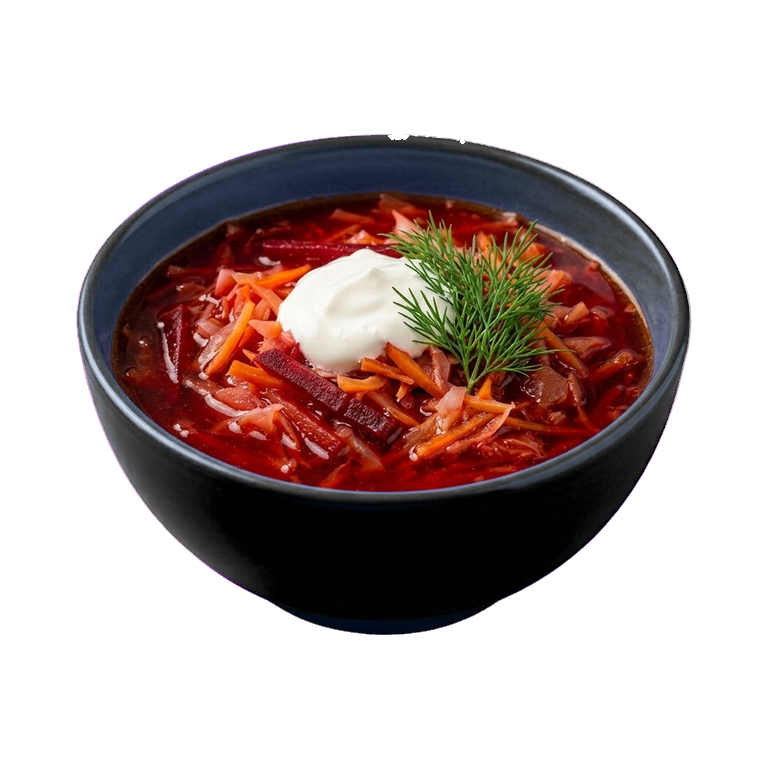
In cooking, celery works in two modes: as a main ingredient and as an auxiliary one. In the first case, it is cut into pieces and added to salads, soups, stews — it's the star there. In the second case, it is part of the classic trio along with carrots and onions, forming an aromatic base for broths, sauces, and stewed dishes.
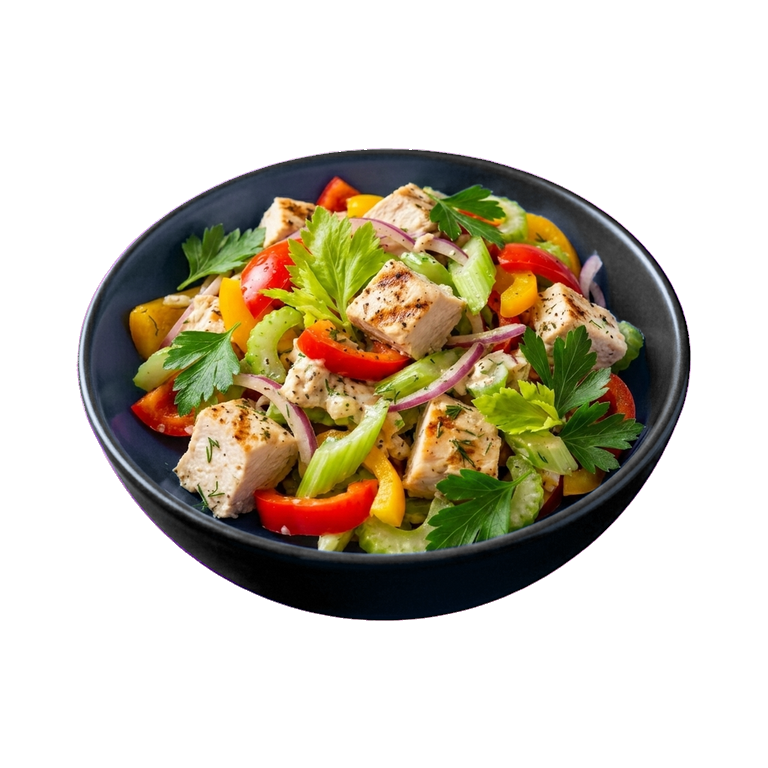
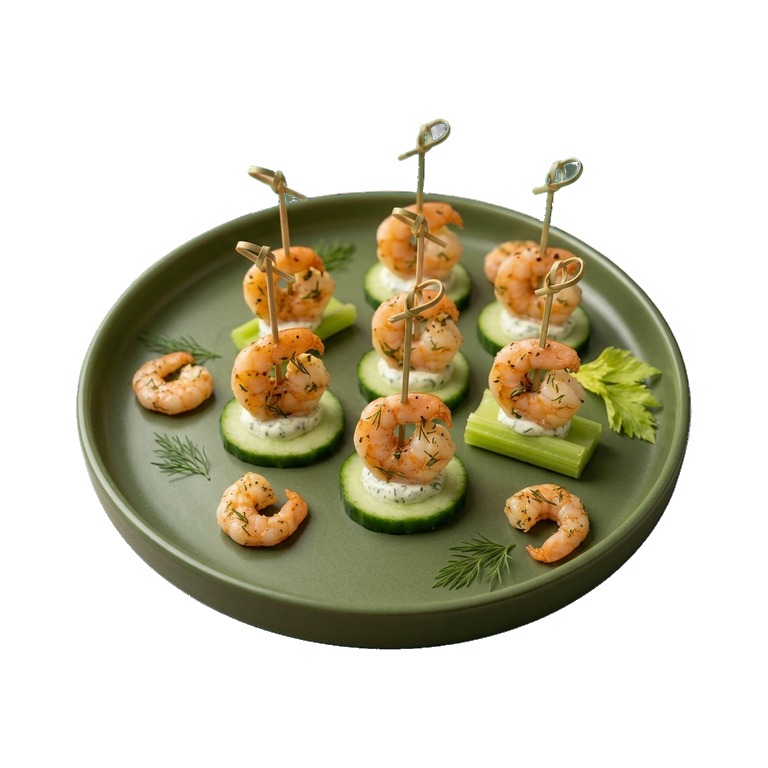
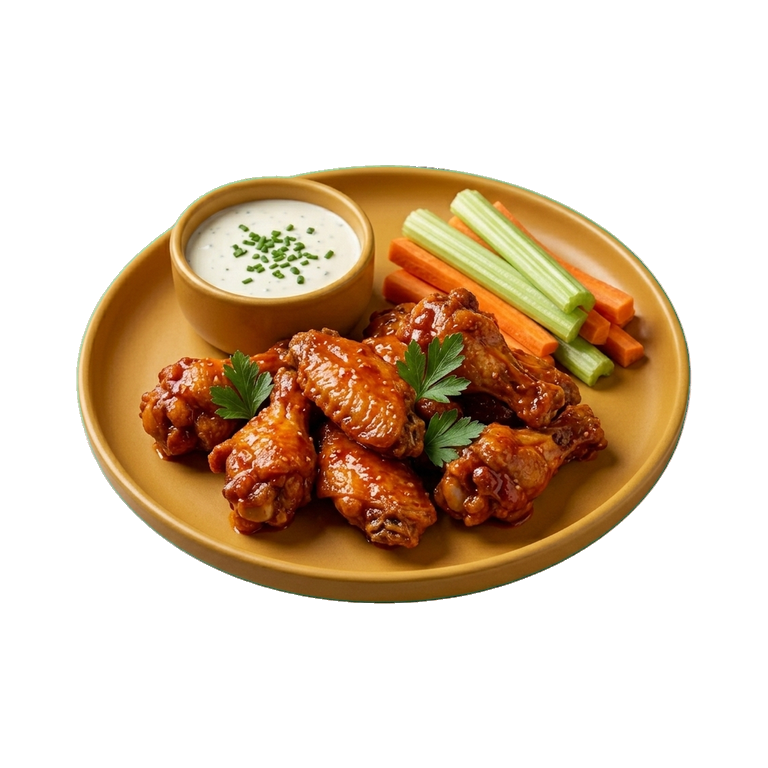
Raw celery is great in salads and as an appetizer with dip. Braised celery becomes softer and loses its bitterness, which is good for delicate dishes. In soups, it adds volume and nutrition without calories. The leaves are perfect for garnishing and add freshness at the final moment.
Combinations and Pairings
- With carrots and onions — a classic triad for bases and broths
- With tomatoes and peppers — create a bright vegetable mix for soups and stews
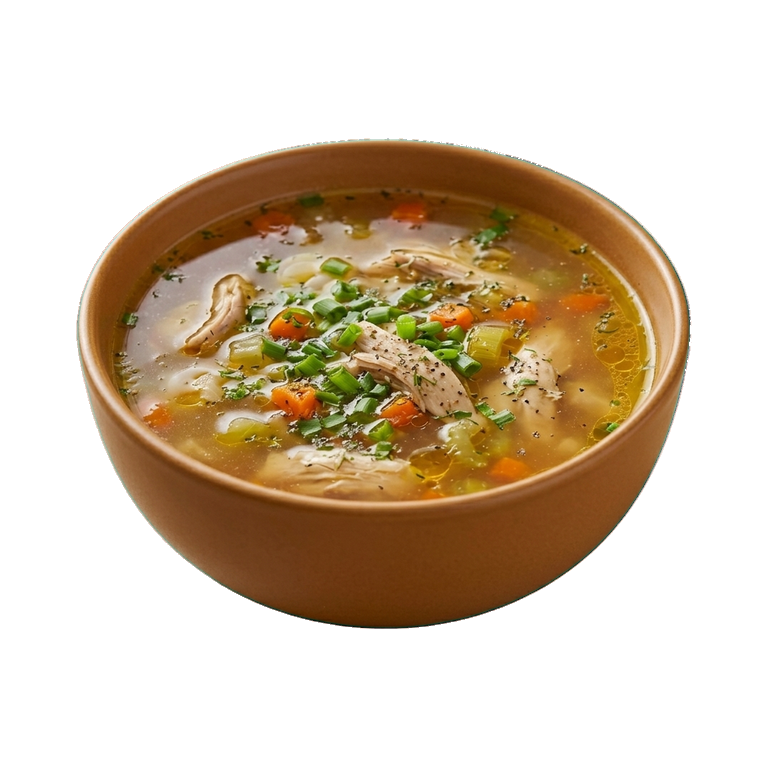
- With chicken and fish — celery enhances their natural flavor and makes them easier to digest
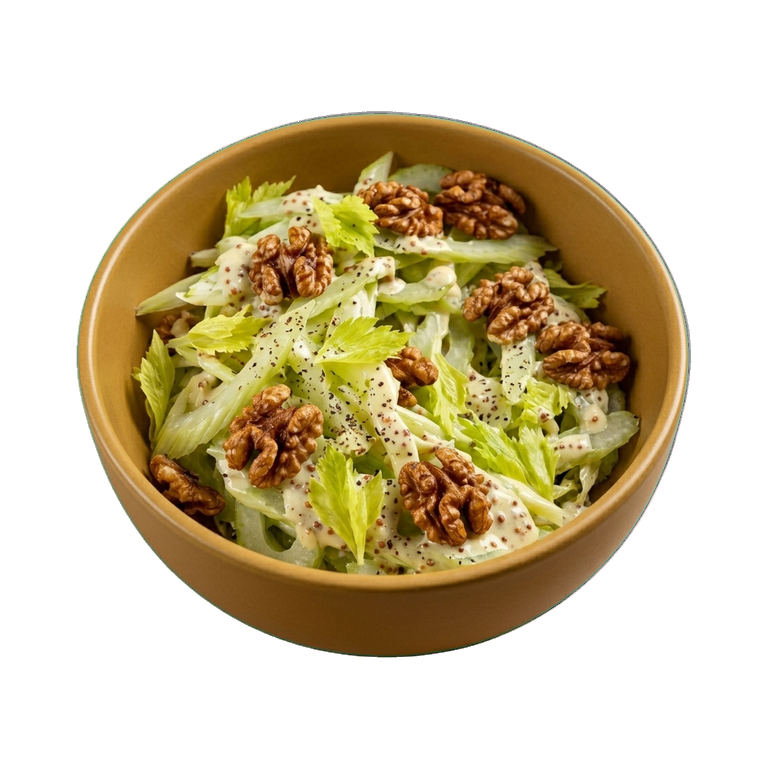
- With apple and nuts — an unexpected but successful combination for salads
- With garlic and herbs — dill, parsley, thyme emphasize its aroma
Selection and Storage
When selecting, look for firm, elastic stems without soft spots and darkening. The leaves should be fresh and green. If the stem bends like a rag or has brown edges — this is a sign that the vegetable is starting to dry out. The smell should be fresh and herbaceous, without mustiness.
Celery stores well in the refrigerator in the vegetable compartment — it will last for one to one and a half weeks there. Wrap it in a damp cloth or place it in a plastic bag to keep it from drying out. If the stalks begin to wilt, soak them in cold water for an hour — they will regain their crispness. Leaves are best used in the first few days, as they lose freshness quickly.
Practical Tips
- Chop celery immediately before use to preserve its aroma and crunchiness
- For soups, cut it into larger pieces — it will cook more slowly and won't fall apart
- If the bitterness seems too pronounced, blanch the stalks in boiling water for a couple of minutes before adding to the dish
- Don't throw away the leaves — they are more aromatic than the stalks and are great for salads, garnishes, and broths
- In salads, pair celery with acidic dressings — lemon juice or vinegar will enhance its flavor
Nutrition
per 100 g
- Calories
- 13 kcal
- Protein
- 0.7 g
- Fat
- 0.1 g
- Carbs
- 2.1 g
Micronutrients
per 100 g
Macronutrients
- Water
- 95.2 g
Minerals
- Sodium
- 97.21 mg
- Potassium
- 265.2 mg
- Calcium
- 46.28 mg
- Magnesium
- 10.93 mg
- Phosphorus
- 21.6 mg
- Iron
- 0 mg
- Zinc
- 0.09 mg
- Copper
- 0 mg
- Manganese
- 0.08 mg
- Selenium
- 0 mcg
Vitamins
- Vitamin B6
- 0.05 mg
Measures and weight
- 1 tbsp
- 6 g
- 1 tsp
- 2 g
- 1 cup
- 100 g
- 1 pcs
- 100 g
- 1 bunch
- 200 g
- 1 stalk
- 40 g
Measure calculator
- Weight
- 100 g
- Calories
- 13 kcal