Usuba
Usuba
Prune
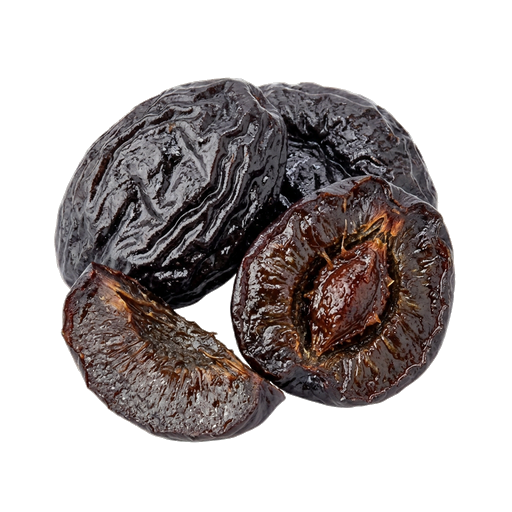
Prune is a dried plum with thin wrinkled skin and soft sweet flesh inside. It has a rich sweet-and-sour taste with a subtle bitterness and is used both in sweet dishes (compotes, jams, baked goods) and in meat stews and sauces. When selecting, look for firm fruits without mold; soaked prunes release juice faster and soften better, which is important to keep in mind when cooking.
About
Prune is a dried plum that transforms into a concentrate of sweetness and benefits. When fresh plum loses its moisture, its flavor becomes deeper, and nutrients become more concentrated. It is not just a dried fruit, but a versatile ingredient that works equally well in both sweet and meat dishes.
Taste and Aroma
Prune offers a soft sweetness with a subtle tartness and barely perceptible bitterness. This is not a cloying taste — rather, it's warm and round. The aroma is slightly smoky, with fruity notes that intensify if you soak the dried fruit in hot water or alcohol before using it.
Where and how to use
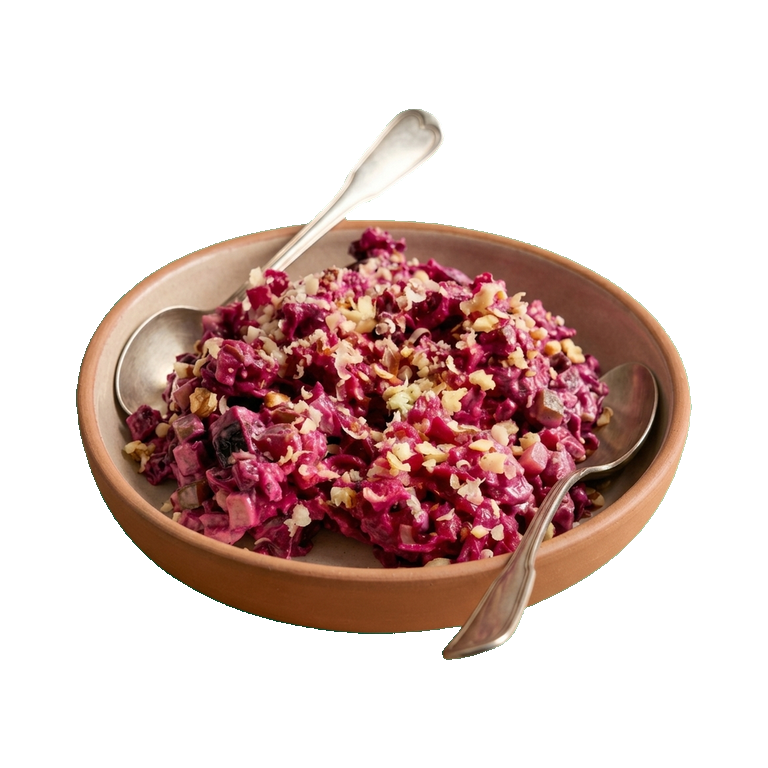
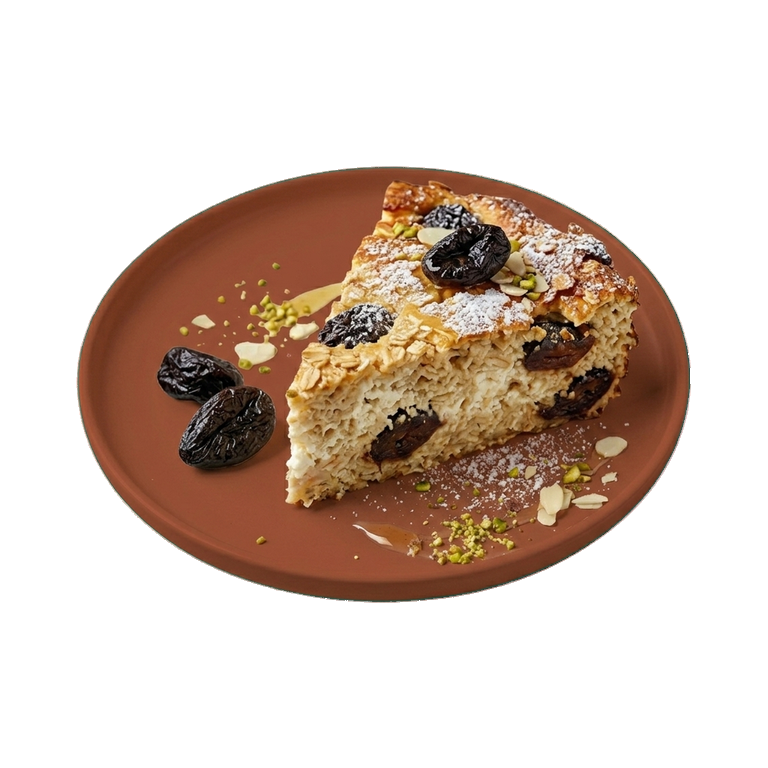
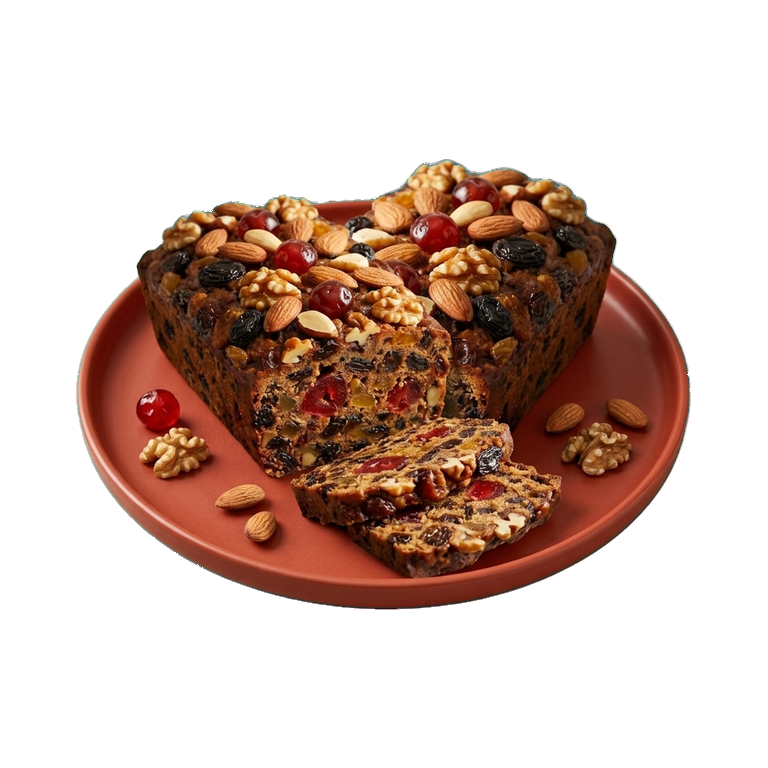
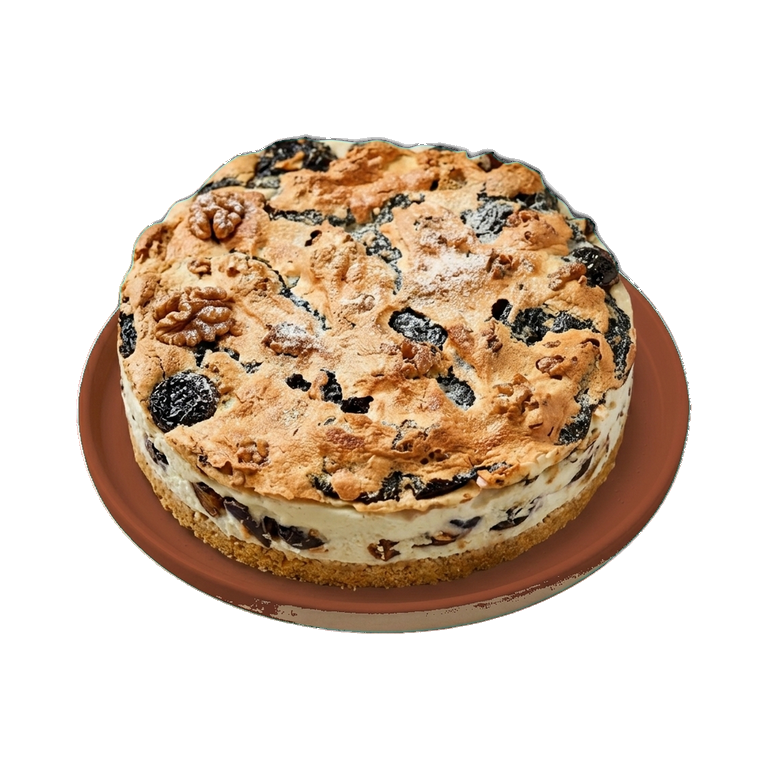
- In baking — buns, cupcakes, cookies. Prunes soften during baking and become almost jam inside the dough
- In compotes and fruit drinks — gives rich color and natural sweetness without sugar
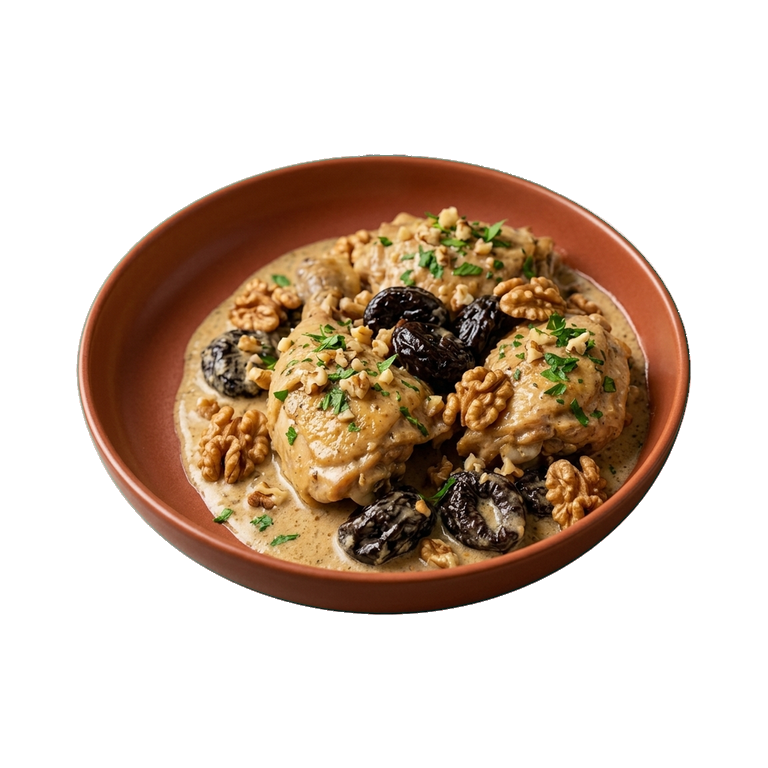
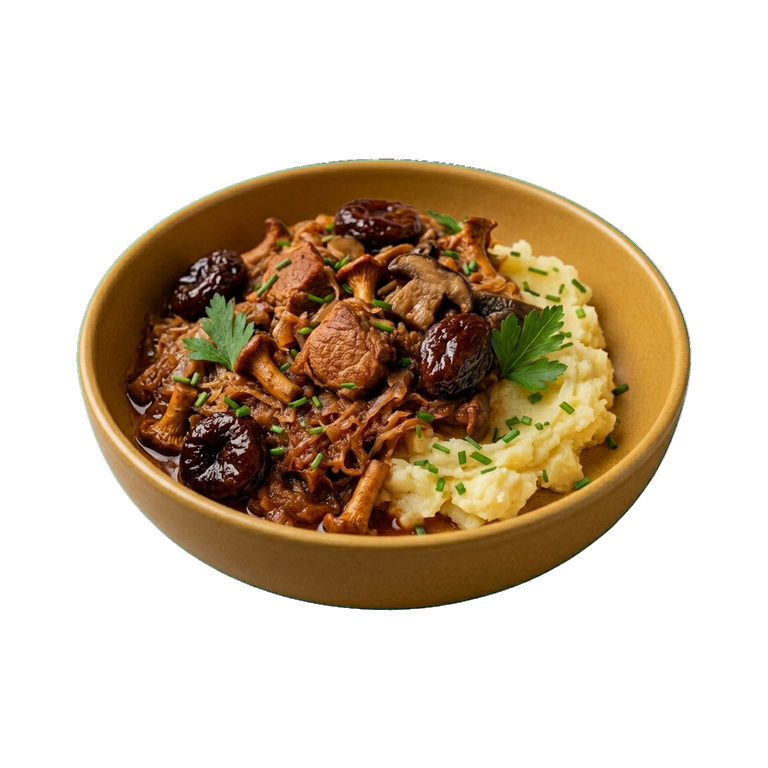
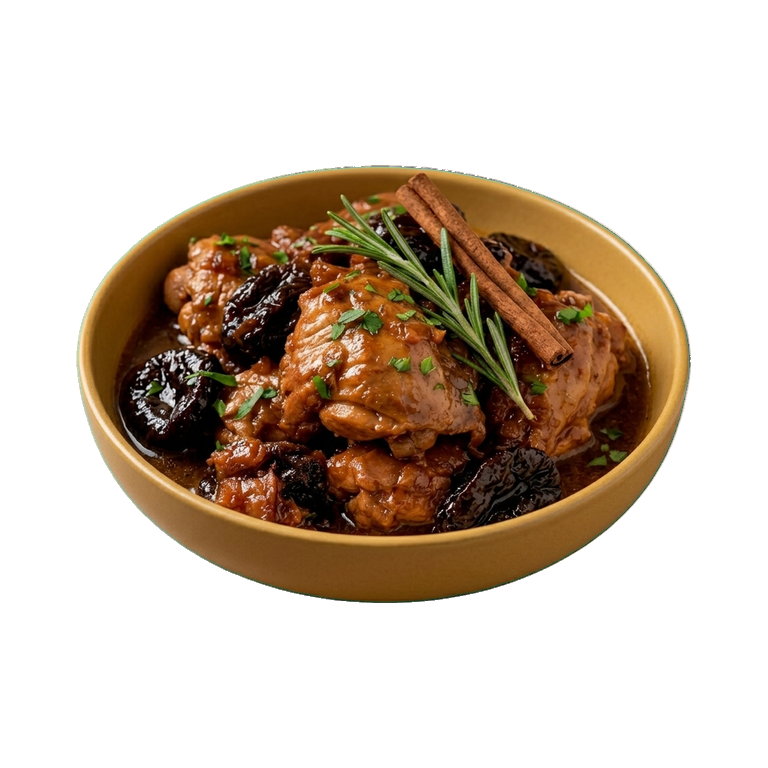
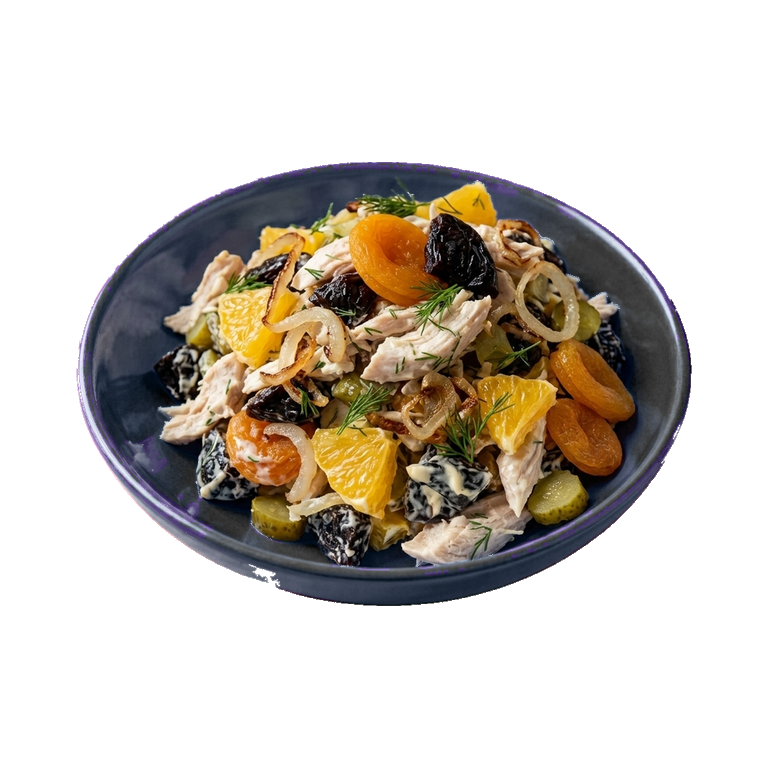
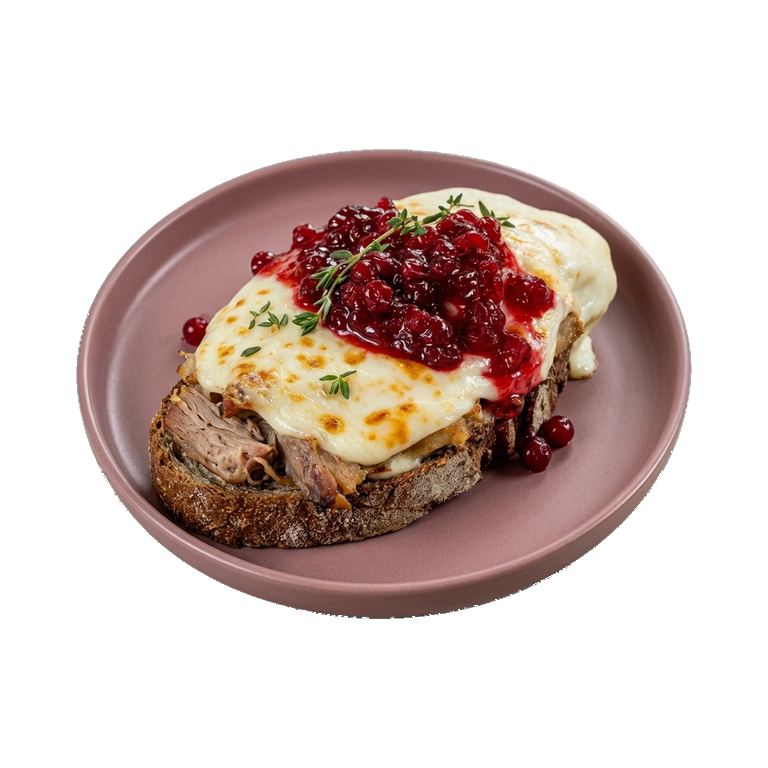
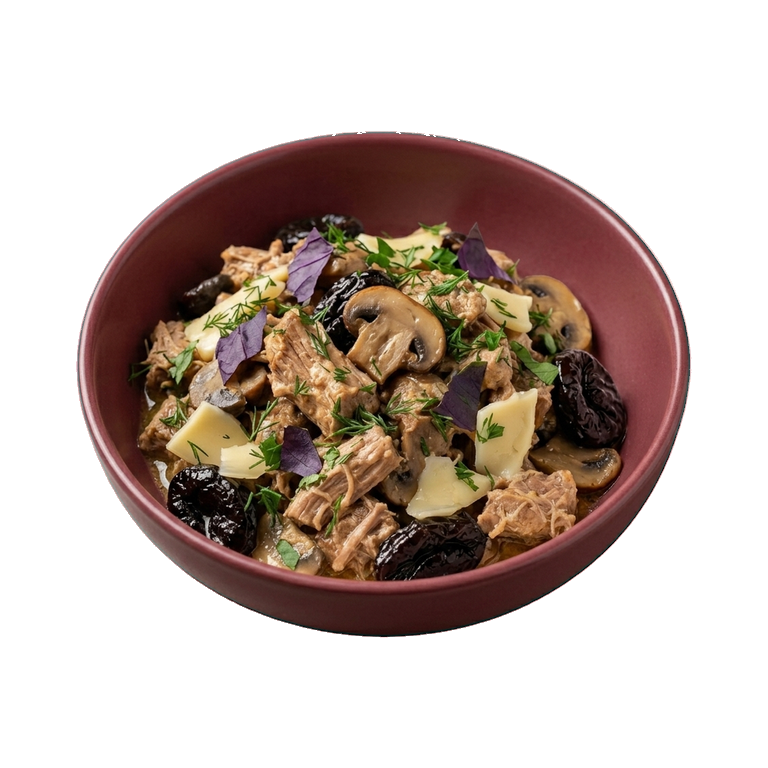
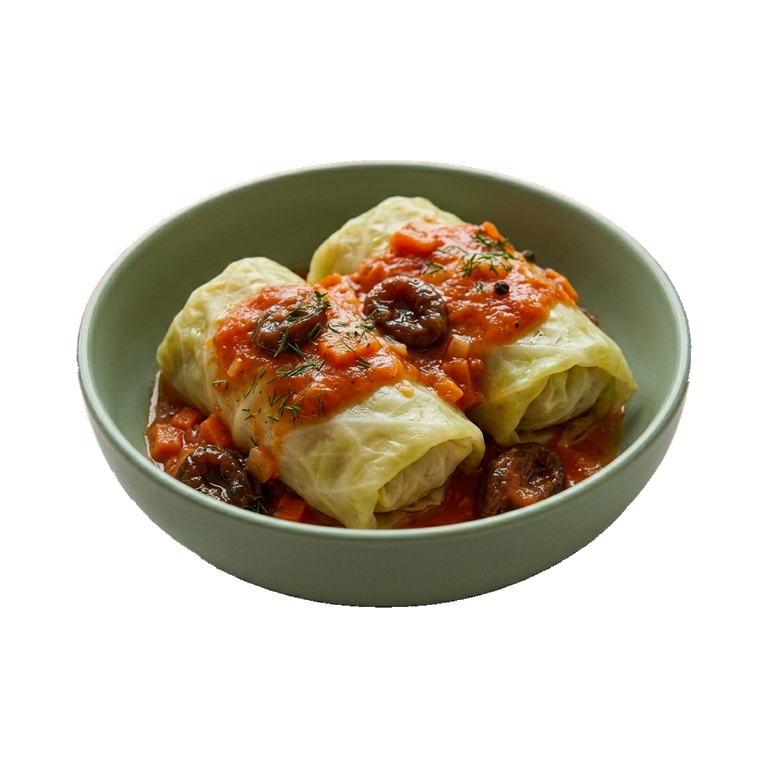
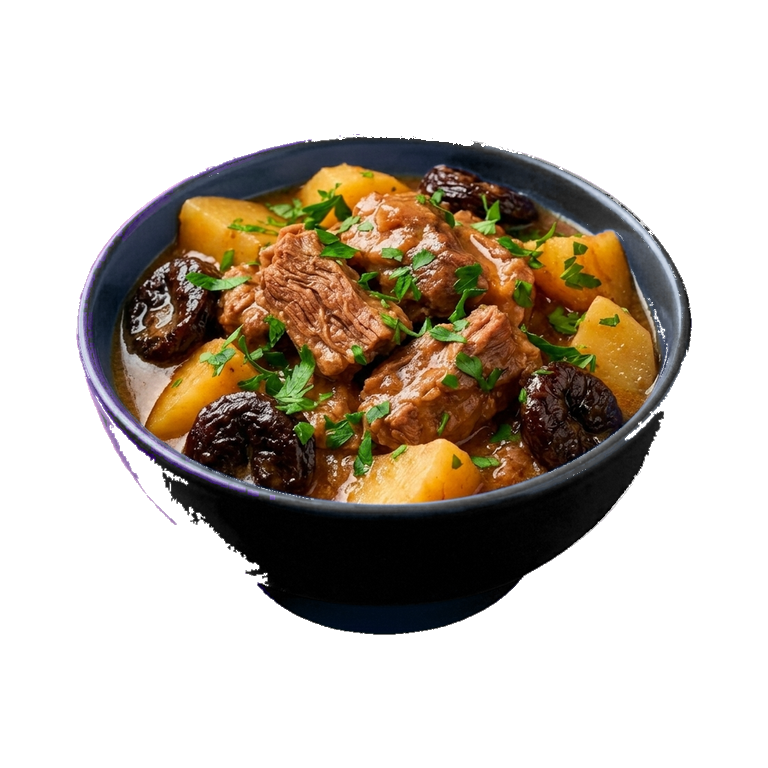
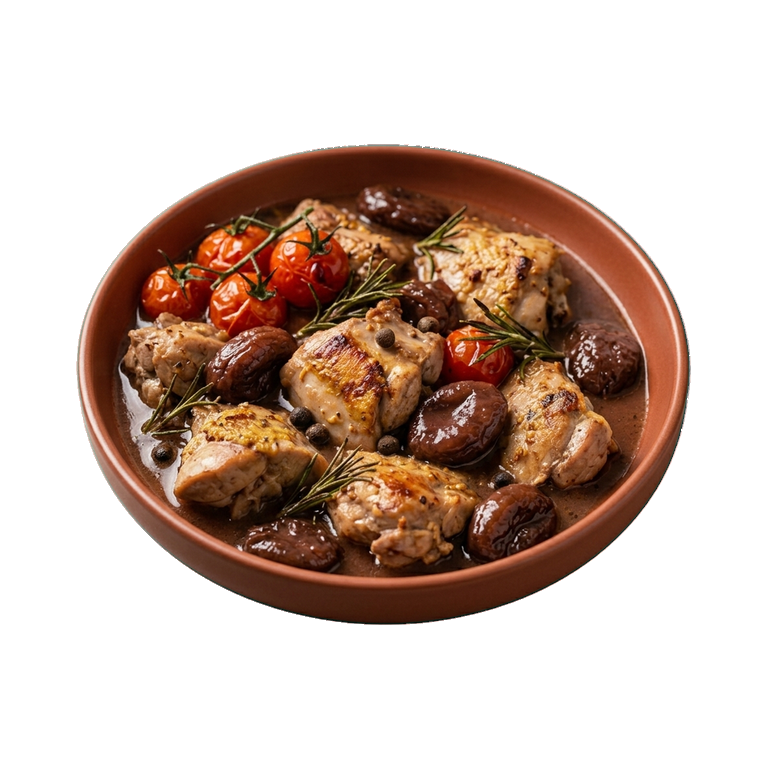
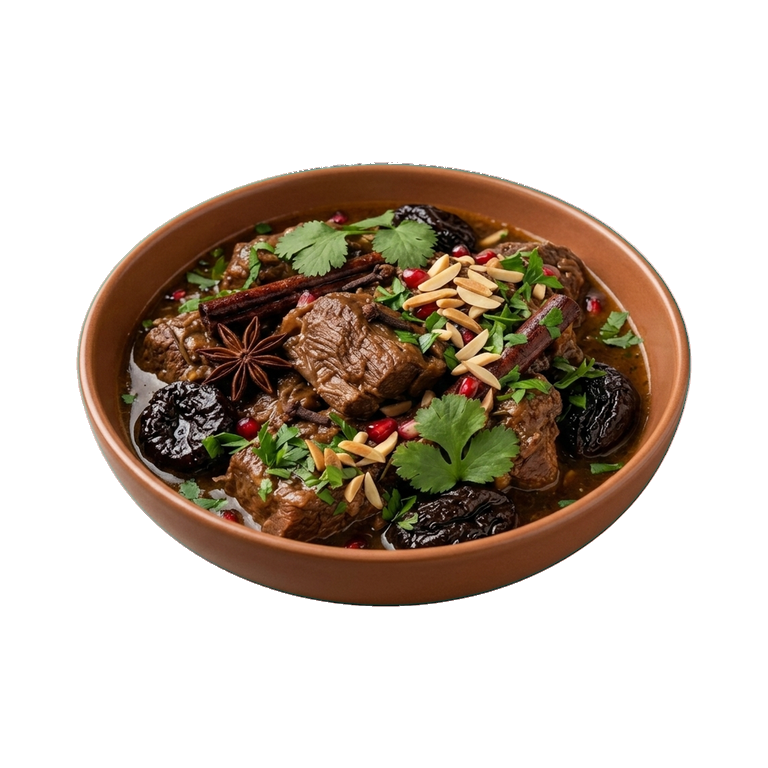
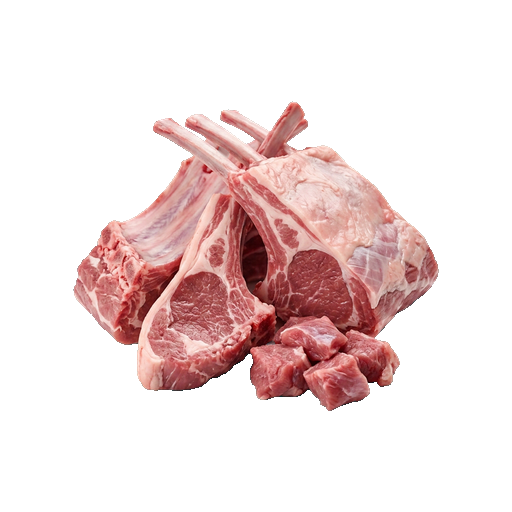
- In meat dishes — duck, pork, beef. Prunes emphasizes meat depth and adds contrasting sweetness
- In sauces and marinades — especially for festive meat dishes
- In cottage cheese casseroles and cheese pancakes — as a filling or addition to the dough
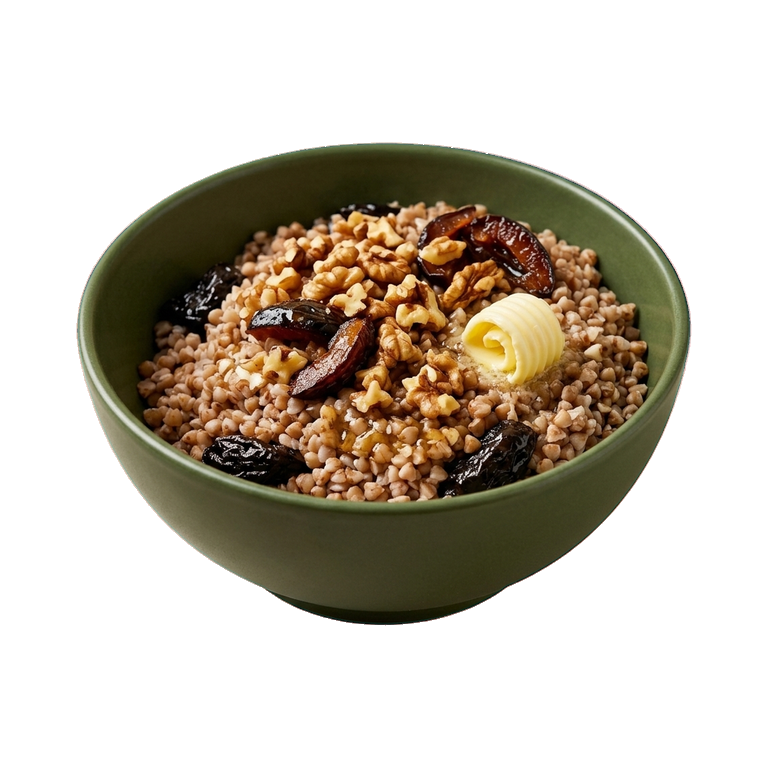
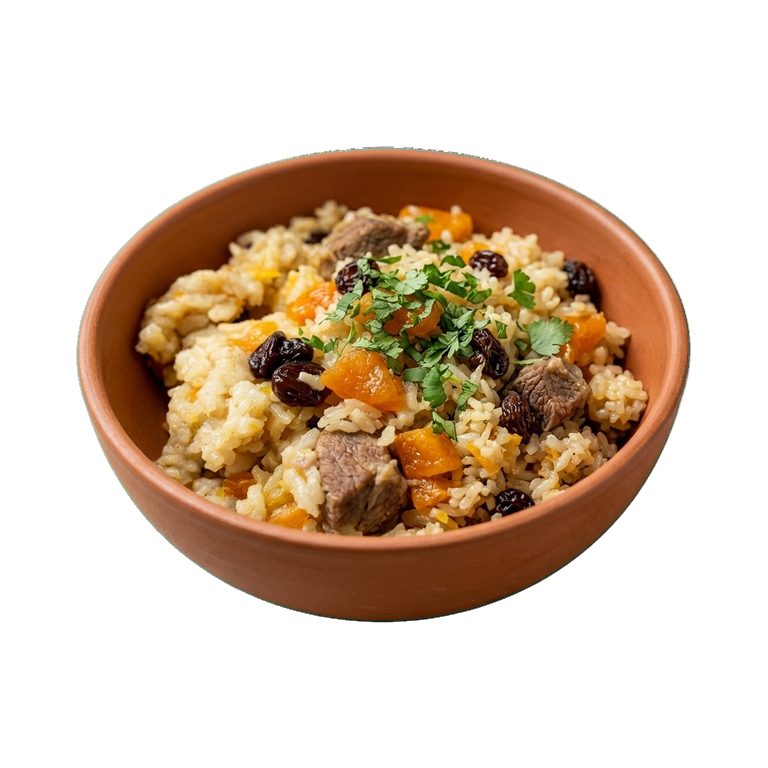
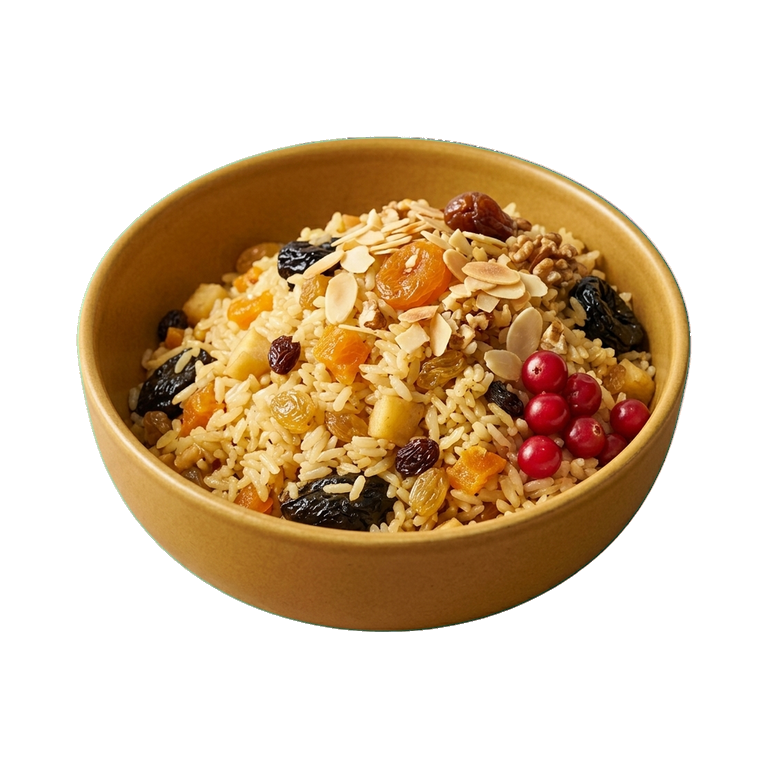
- In porridge — rice, buckwheat, millet. Prunes soften together with the grain and enriches the dish
Successful Combinations
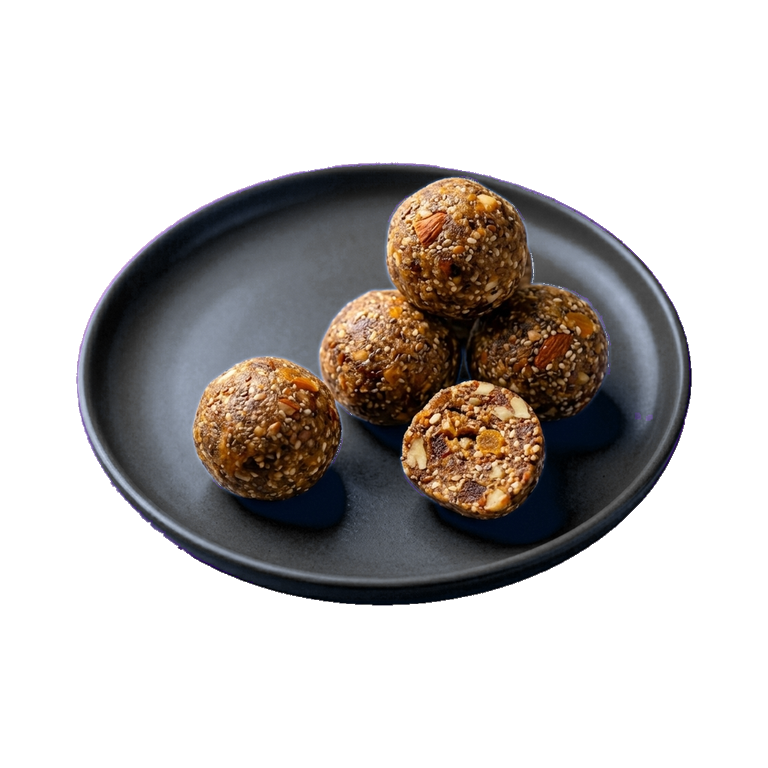
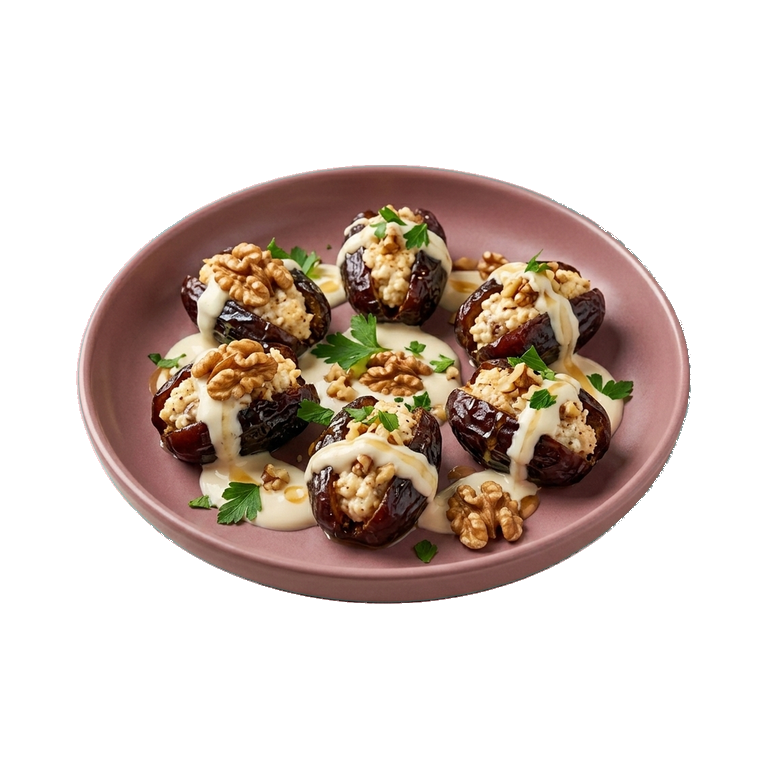
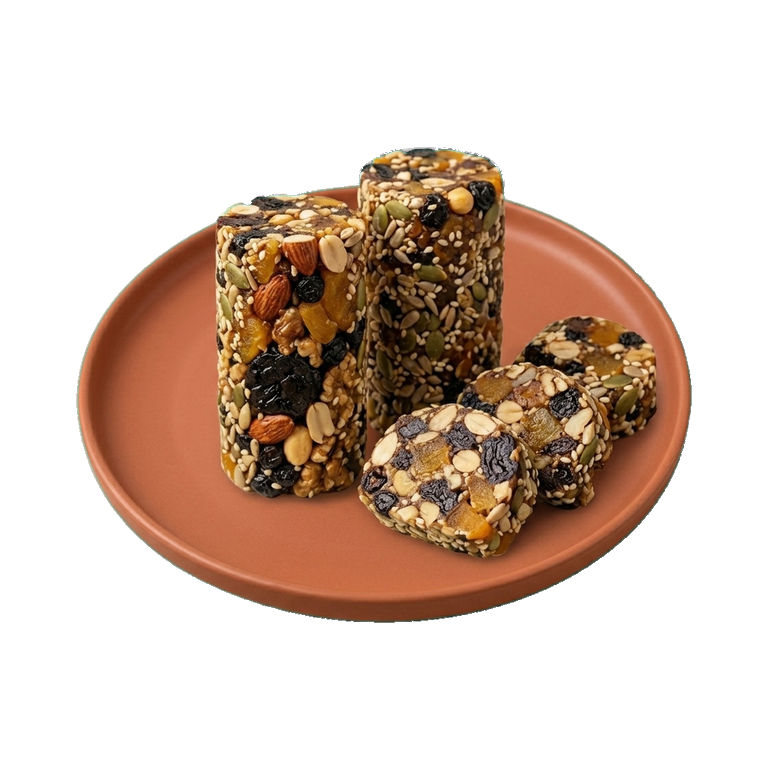
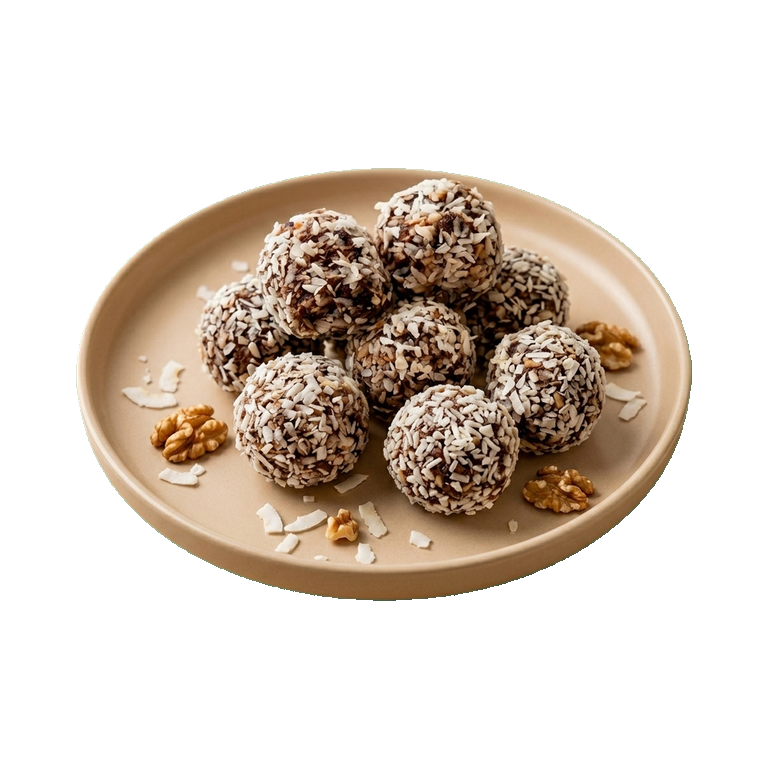
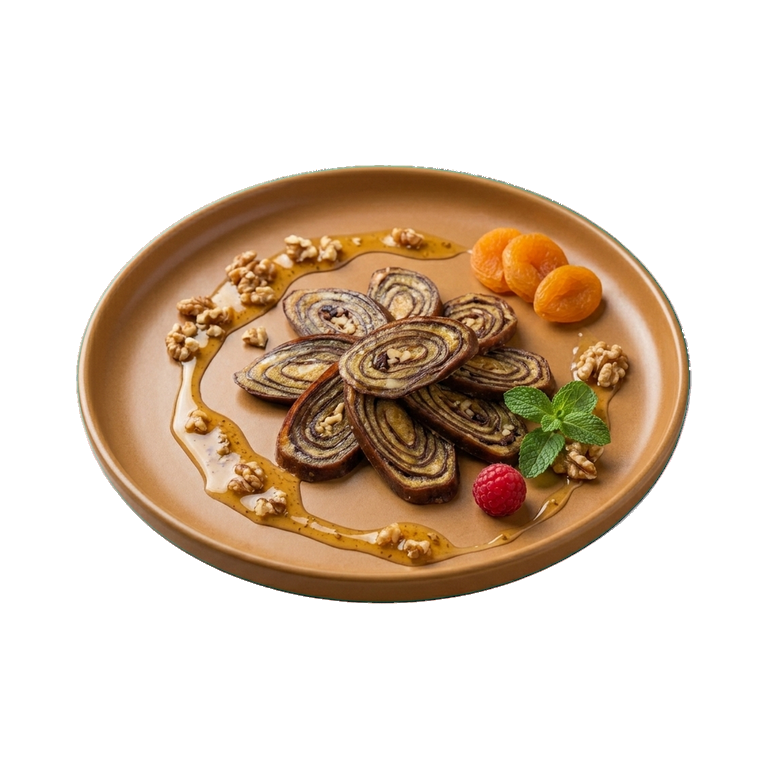
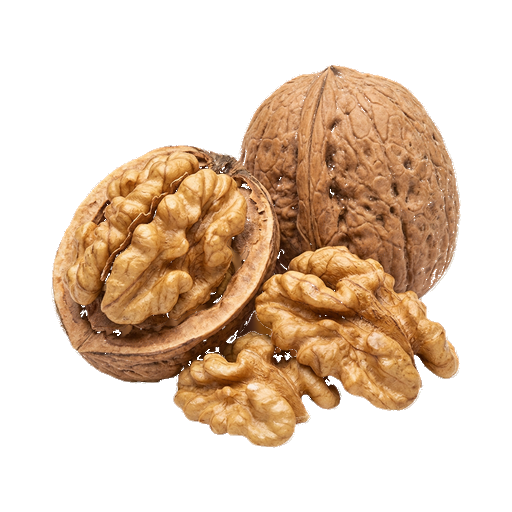
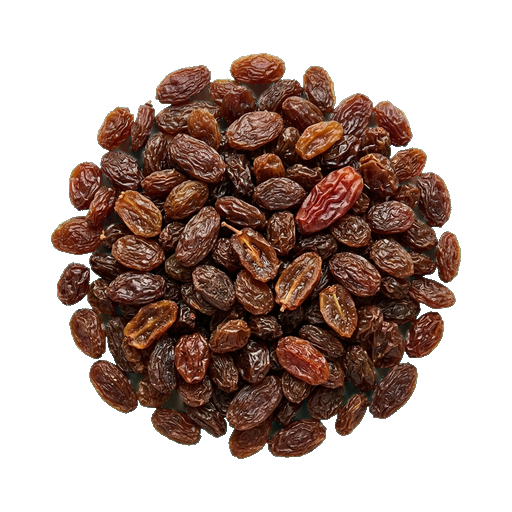
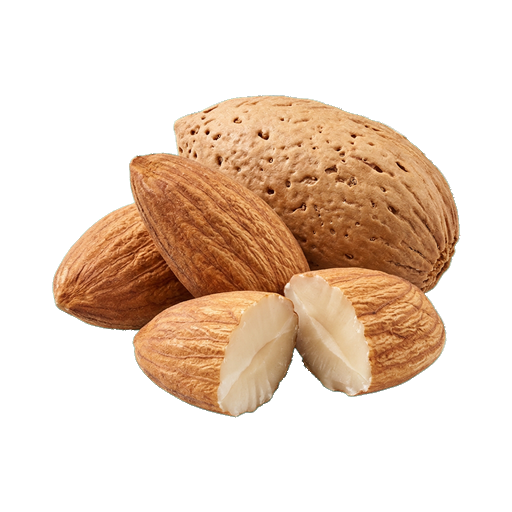
Prunes work well with cinnamon, cardamom, and cloves — they enhance its warm notes. With vanilla, it creates a soft, almost dessert-like pairing. In the kitchen, it's often combined with walnuts, almonds, and raisins. In meat dishes, prunes pair well with orange, ginger, and black pepper.
How to Choose and Store
Choose prunes with a matte surface — shine often indicates oil treatment. Good prunes are soft to the touch but not sticky. If the fruit is too hard, you can soak it in warm water for 15–20 minutes before using.
- Store in an airtight container or bag in a cool place
- At room temperature, prunes keep for 2–3 months
- In the refrigerator — up to six months
- If prunes start to dry out, soak them before cooking — the flavor and texture will be restored
Practical Tips
If you're preparing a dish where prunes should remain whole (for example, in a compote), soak them separately. For purees, sauces, or fillings, you can use prunes directly from the package — they will soften during cooking. If you're adding them to dough, lightly dry the prunes after soaking to avoid affecting the dough's consistency.
Prune is not just an ingredient for sweetness. It is an ingredient that works when you need to create balance in flavor: to soften spiciness, emphasize meat, or add depth to baked goods.
Nutrition
per 100 g
- Calories
- 231 kcal
- Protein
- 2.3 g
- Fat
- 0.4 g
- Carbs
- 58.7 g
Measures and weight
- 1 pcs
- 7 g
Measure calculator
- Weight
- 100 g
- Calories
- 231 kcal