Usuba
Usuba
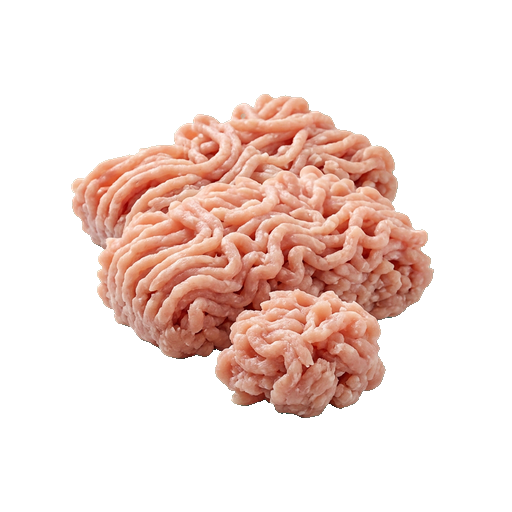
Chicken mince
Chicken mince is ground meat from chicken fillet or whole bird that easily absorbs flavors from other ingredients and cooks quickly. Due to its low fat content, mince stays tender and juicy with proper handling, but requires attention: it should not be overworked or dried out. Used in cutlets, meatballs, fillings, soups, and stuffed vegetables — versatile for both diet-friendly and everyday dishes.
Micronutrients
per 100 g
About
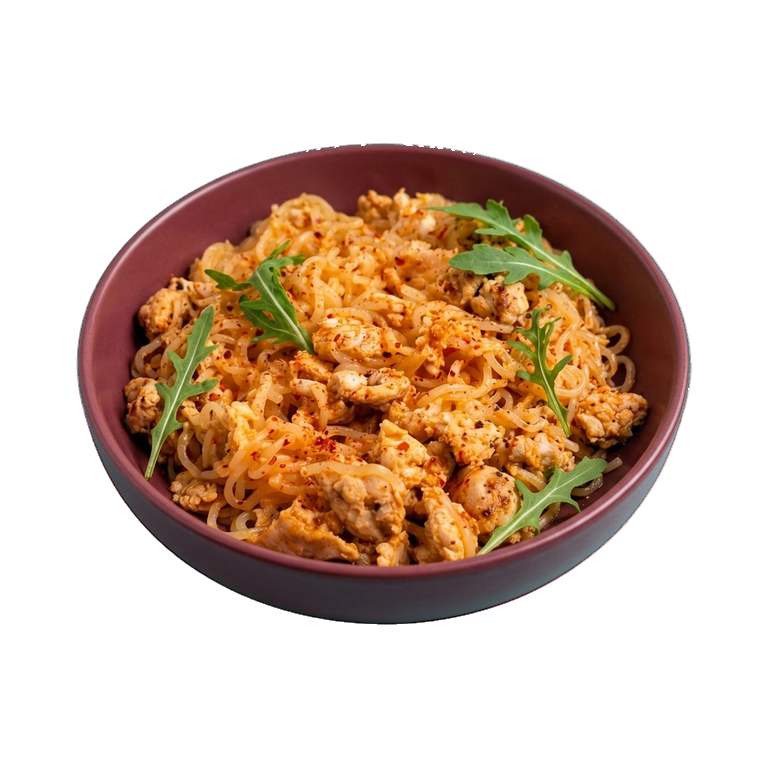
Chicken mince is one of the most versatile and practical ingredients in the kitchen. It's a ready-made semi-finished product that saves time during cooking and allows you to quickly bring dozens of recipes to life: from classic cutlets to unusual Asian dishes. Thanks to its tender consistency and neutral flavor, the mince easily absorbs the aromas of spices and sauces, becoming the basis for the most diverse culinary ideas.
Taste and texture
Chicken mince has a soft, delicate taste without pronounced intensity. Its texture depends on the preparation method: with minimal processing, barely noticeable fibers remain; with careful grinding, a homogeneous paste is obtained. This neutrality is its main advantage: the mince becomes an ideal base for any seasonings and sauces, not overpowering their flavor, but complementing it.
How to use in dishes
Ground meat cooks quickly, making it ideal for weekday dinners. When frying, 7–10 minutes is enough for it to cook through completely and acquire a golden color. It is important to stir occasionally so that the meat cooks evenly and doesn't clump into large chunks.
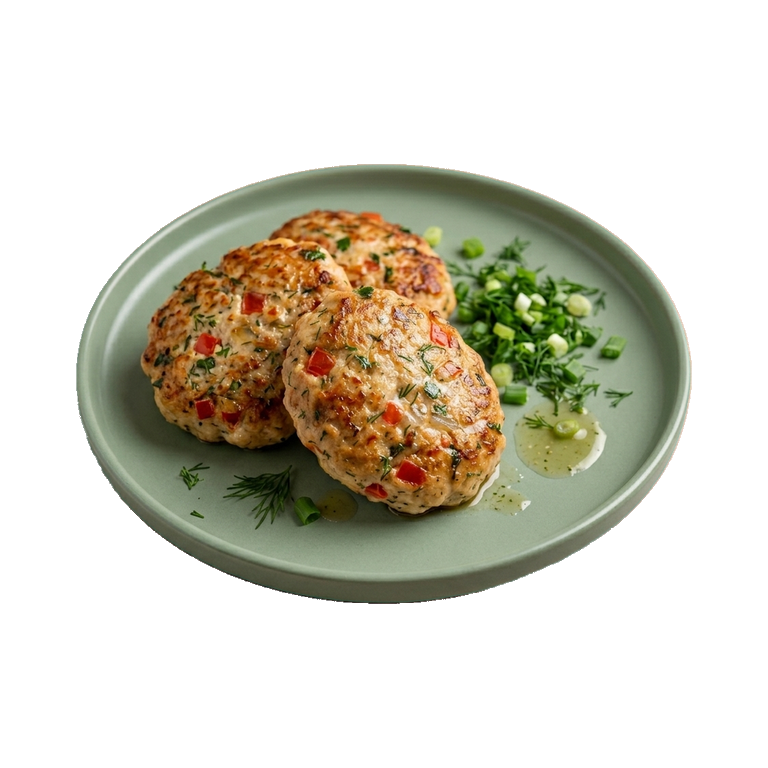
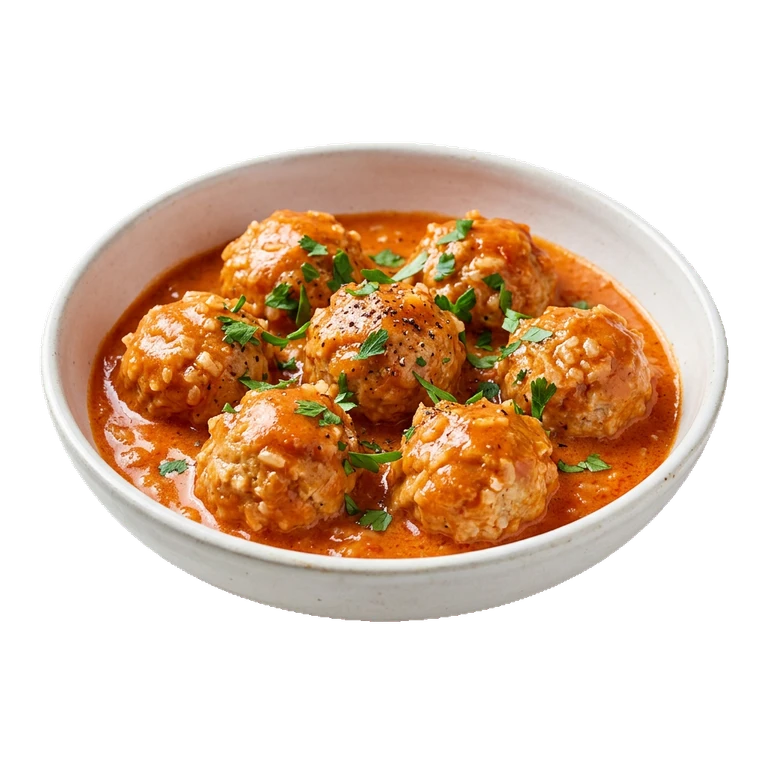
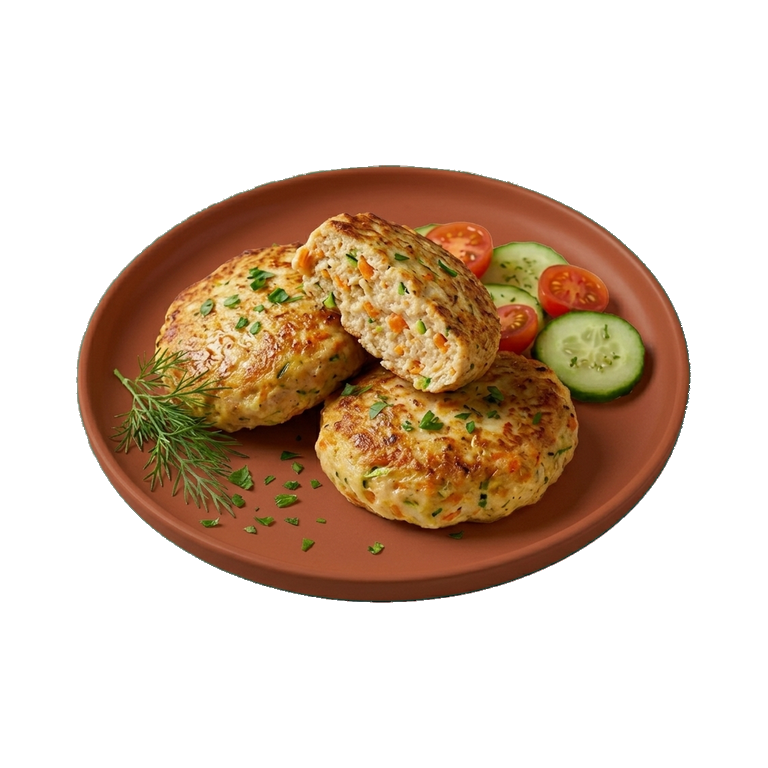
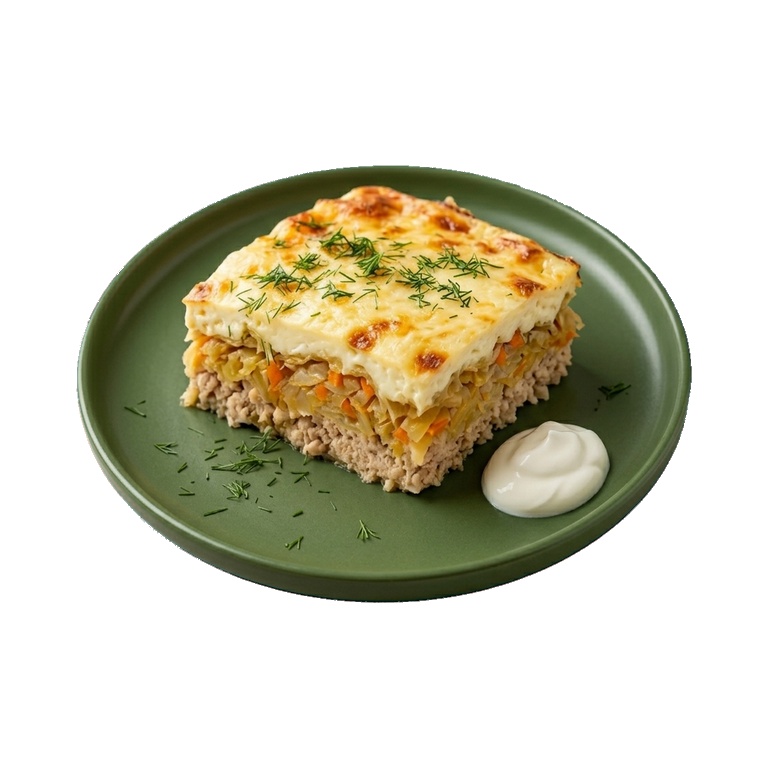
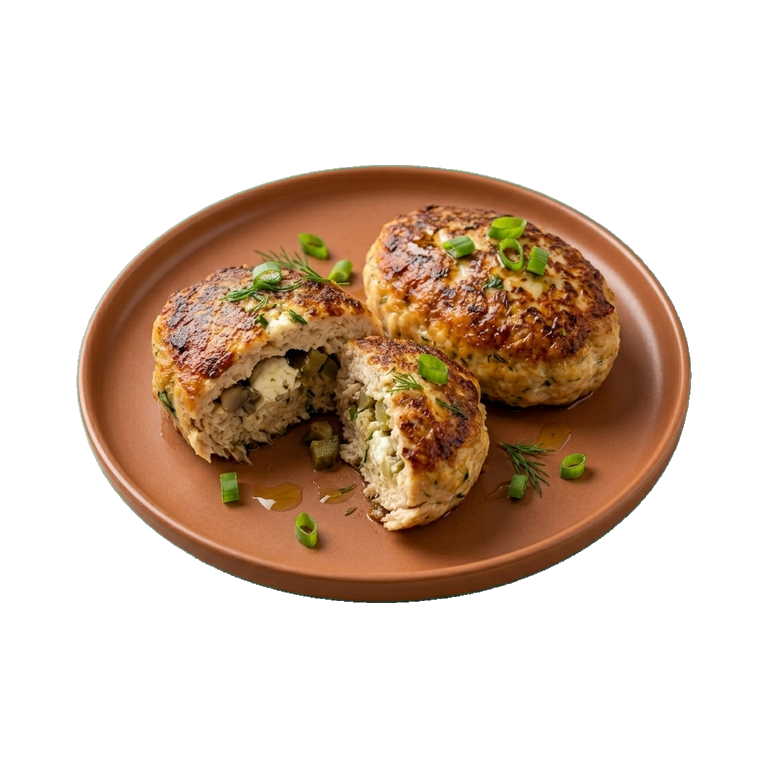
- Cutlets and meatballs — a classic that requires only ground meat, breadcrumbs, and spices
- Filling for dumplings, pierogi, and pancakes — mix with onion and herbs
- Base for bolognese and similar sauces — stew with tomatoes and vegetables
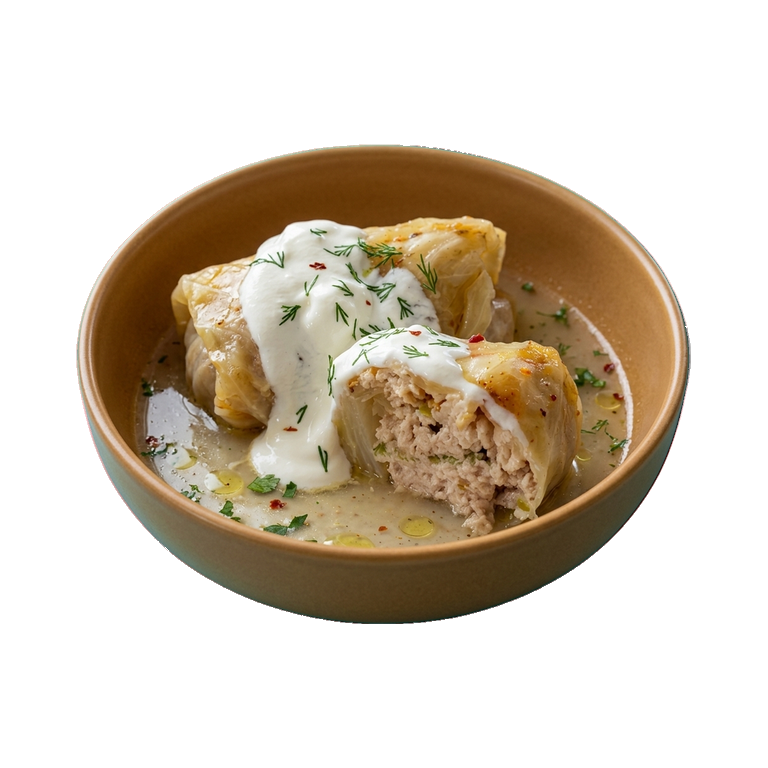
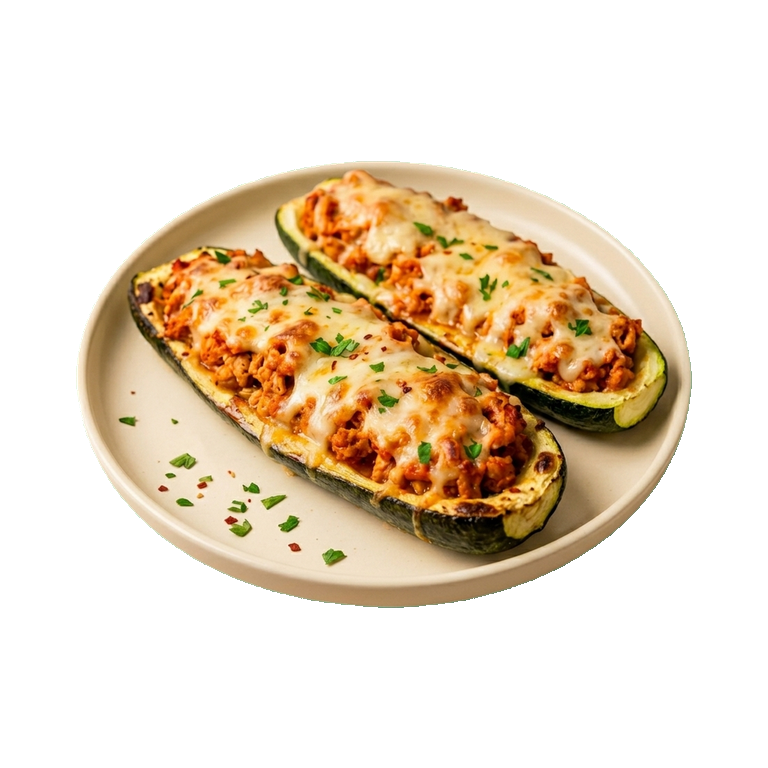
- Filling for peppers, tomatoes, and other vegetables — add rice or bread
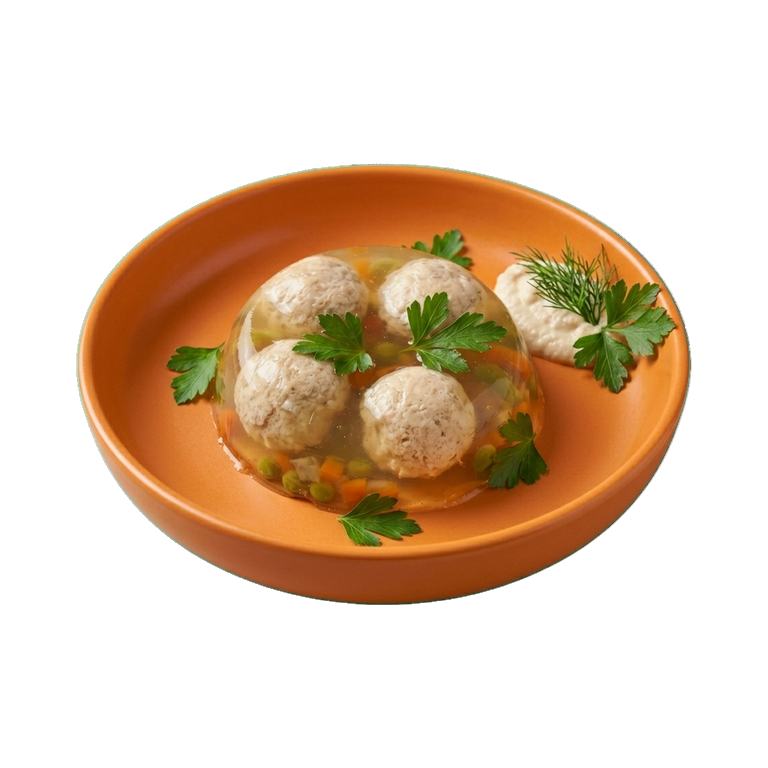
- Soup base — for light broths with meatballs
- Asian dishes — with ginger, garlic, and soy sauce
Successful Pairings
Ground chicken works well with bright flavors: garlic, ginger, coriander, and black pepper. It opens up alongside acidity — lemon juice, tomato paste, or white wine. Creamy sauces, sour cream, and milk make dishes more tender, while spicy spices and fresh herbs add contrast.
Selection and Storage
When purchasing, pay attention to the color: quality ground meat has a uniform pale pink shade without gray spots or darkening. The smell should be fresh, without sourness. If the ground meat is purchased in a package, check the production date — freshness is critical for semi-finished products.
- In the refrigerator: up to 2 days at a temperature of 0–4 °C
- In the freezer: up to 3 months in airtight packaging or container
- Thaw in the refrigerator overnight before cooking, not at room temperature
- After thawing, use within one day
To make the ground meat more juicy, add a little cream, milk, or even finely grated ice to it before forming cutlets or meatballs. This will make the dish lighter and more tender.
Nutrition
per 100 g
- Calories
- 165 kcal
- Protein
- 19.3 g
- Fat
- 9.3 g
- Carbs
- 0 g
Micronutrients
per 100 g
Macronutrients
- Saturated fat
- 1.559 g
- Monounsaturated fat
- 2.173 g
- Polyunsaturated fat
- 1.38 g
- Cholesterol
- 81.69 mg
- Water
- 74.72 g
Minerals
- Sodium
- 62.95 mg
- Potassium
- 301.7 mg
- Calcium
- 5.82 mg
- Magnesium
- 20.51 mg
- Phosphorus
- 165.5 mg
- Iron
- 0.59 mg
- Zinc
- 1.18 mg
- Copper
- 0.04 mg
- Manganese
- 0.01 mg
Measure calculator
- Weight
- 100 g
- Calories
- 165 kcal