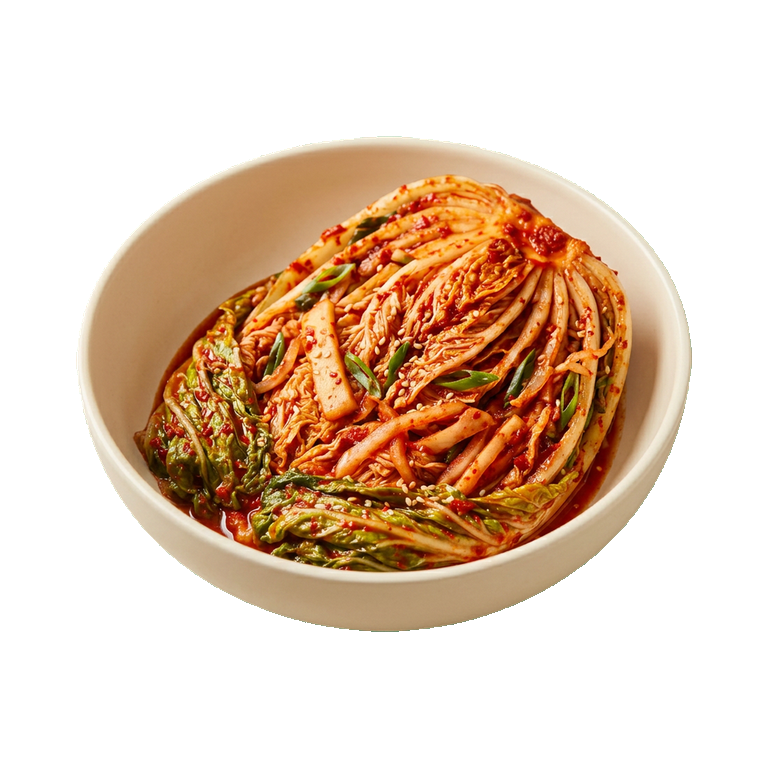
Usuba
Usuba
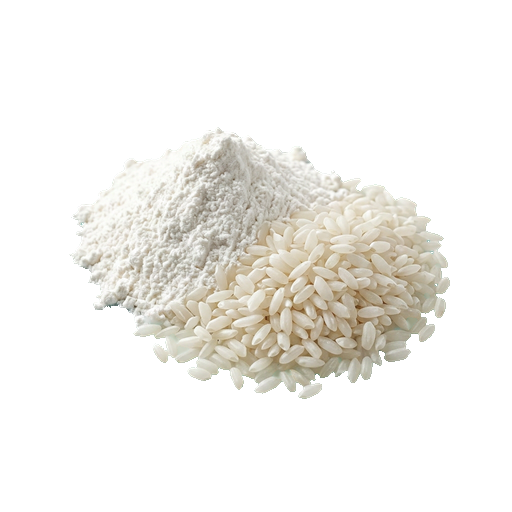
Sticky rice flour
Glutinous rice flour is produced by grinding short-grain rice kernels with high amylopectin content, which gives it viscous properties. In cooking, it is used for preparing desserts, buns, noodles, and traditional Asian dishes, as it forms a dense, sticky dough when mixed with liquid without the need for eggs. When purchasing, make sure the flour contains no regular rice impurities, and store it in an airtight container, as it quickly absorbs moisture and can become lumpy.
Micronutrients
per 100 g
About
Sticky rice flour is a fine white powder that behaves quite differently from ordinary flour. Its main distinction is that it contains almost no amylose, which means it doesn't absorb water the same way wheat flour or even regular rice flour does. Instead, it creates a viscous, elastic consistency that makes the dough elastic and sticky. This very property makes it indispensable in Asian cuisine and increasingly popular among those who cook gluten-free.
Texture and taste
To the touch, glutinous rice flour resembles talc — very soft, delicate, without granules. The taste is neutral, slightly sweet, with a rice flavor, but not overpowering. When you mix this flour with liquid, it doesn't form conventional dough — rather, you get a homogeneous paste that remains sticky and plastic. When heated, the flour becomes completely gelatinized, creating a smooth, glossy surface of the finished dish.
Where to use it
- Dumplings and noodles — the main ingredient for Asian dumplings that are boiled in soup or broth
- Desserts — rice cakes, puddings, sweet filled balls that don't require baking in the oven
- Breading — a thin layer of flour gives a crispy crust when frying, especially for seafood
- Sauces and gravies — thickens without lumps, gives a glossy finish
- Gluten-free baking — bread, buns, cookies, although the result will differ from wheat analogues
Practical Tips
Do not attempt to use this flour as a complete replacement for wheat flour in regular recipes — the result will disappoint. Instead, look for recipes specifically created for glutinous rice flour, or add it to flour blends. If you are making dumplings, remember that the flour is very hygroscopic: add liquid gradually and work quickly, otherwise the dough will become too sticky.
Selection and Storage
Choose white flour without lumps and without a musty smell. The packaging should be airtight. It is best stored in a tightly closed container in a cool, dry place — flour absorbs moisture from the air, and in high humidity it can clump or become moldy. With proper storage, flour maintains its properties for about a year, but it is better to use it within 6 months after opening the package.
Main rule: glutinous rice flour requires recipes created specifically for it. It is not a universal ingredient, but in its niche it is irreplaceable.
Nutrition
per 100 g
- Calories
- 366 kcal
- Protein
- 6 g
- Fat
- 1.1 g
- Carbs
- 80.1 g
Micronutrients
per 100 g
Macronutrients
- Water
- 11.8 g
Minerals
- Sodium
- 6 mg
- Potassium
- 80 mg
- Calcium
- 10 mg
- Magnesium
- 21.2 mg
- Phosphorus
- 63 mg
- Iron
- 0.34 mg
- Zinc
- 1.34 mg
- Copper
- 0.17 mg
- Manganese
- 1 mg
- Selenium
- 2 mcg
Vitamins
- Vitamin B1 (thiamin)
- 0.05 mg
- Vitamin B2 (riboflavin)
- 0 mg
- Vitamin B3 (niacin)
- 1.12 mg
- Vitamin B6
- 0.04 mg
Measures and weight
- 1 tbsp
- 11.3 g
- 1 tsp
- 3.8 g
- 1 cup
- 187.5 g
Measure calculator
- Weight
- 100 g
- Calories
- 366 kcal