Usuba
Usuba
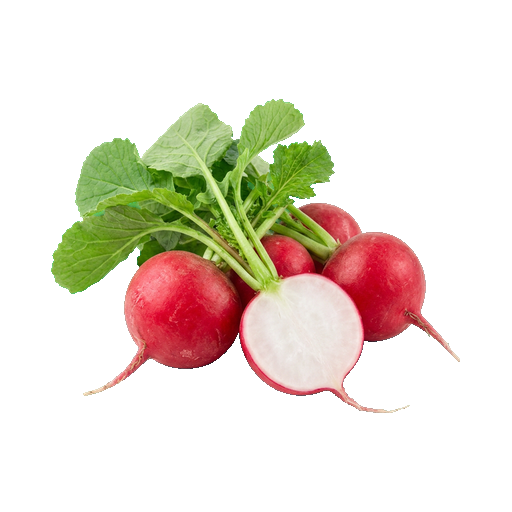
Radish
Radish is a crispy root vegetable with a sharp, slightly piquant taste and delicate aroma. Thanks to its high moisture content, it is ideal for fresh salads, appetizers, and side dishes where texture and a light peppery bite are needed. When selecting, look for firm specimens of medium size without blemishes — overripe radishes become soft and bitter, so it is best to store them in the refrigerator for no more than a week.
Micronutrients
per 100 g
About
Radish is one of the most underrated vegetables in the kitchen. Its sharp, slightly bitter flesh and crispy texture make it perfect not only for salads, but for many other dishes as well. The key is to understand when radish reveals its potential and when it's better to use it raw.
Spiciness and Crunch
The taste of radish depends on the variety and size. Young, small root vegetables have a mild pungency and slightly sweet flavor — they are ideal for fresh salads and appetizers. Large radishes become more peppery and fibrous, so they are better used in cooked dishes or thinly sliced. Fresh radish is always crispy — this is the main sign of its quality.
Where radish works best
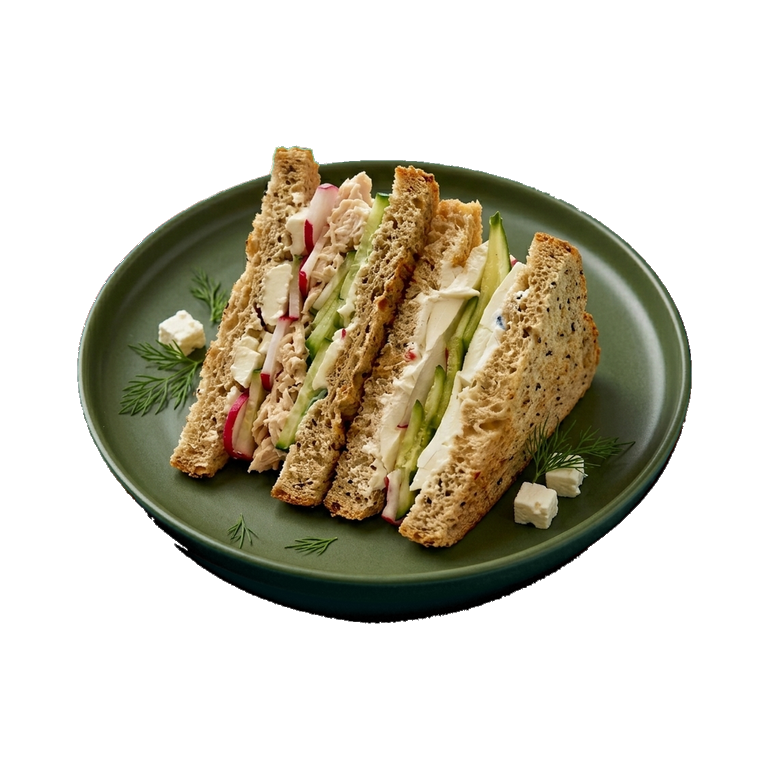
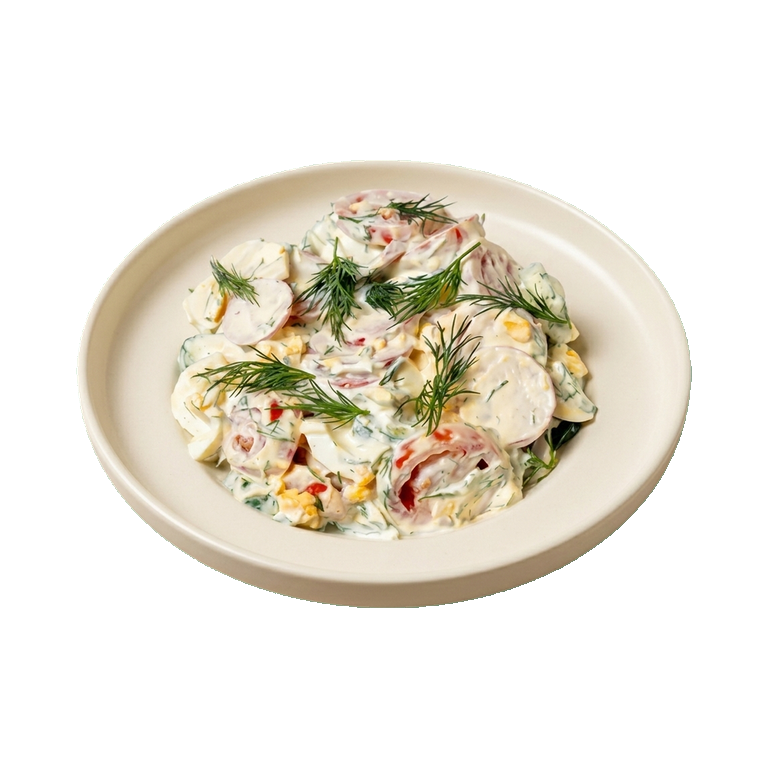
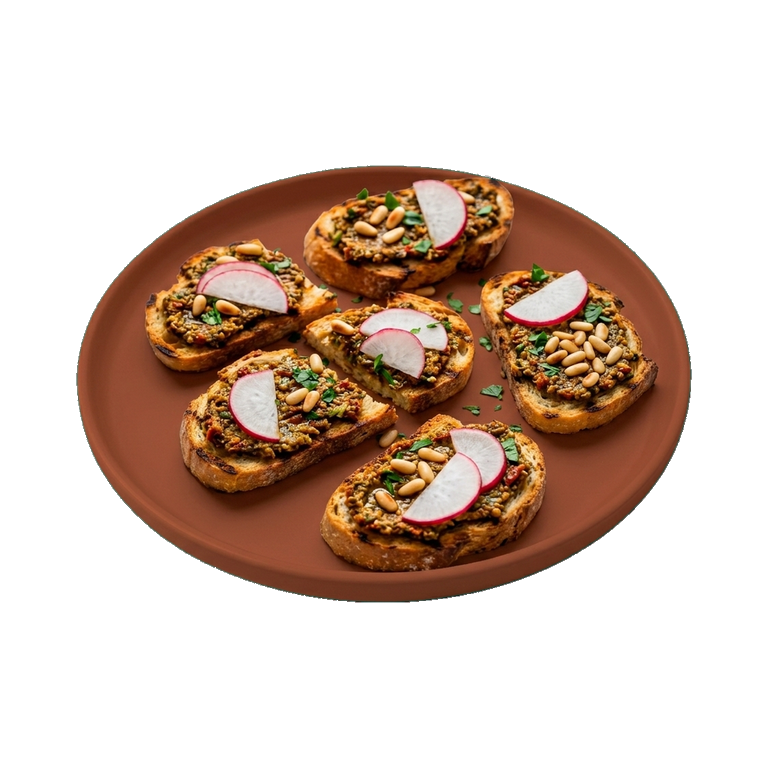
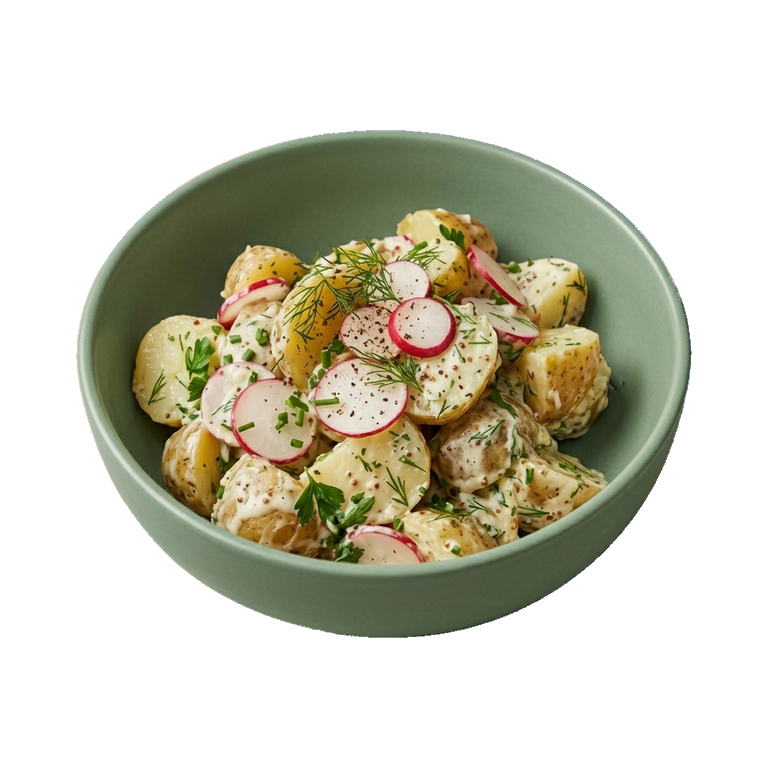
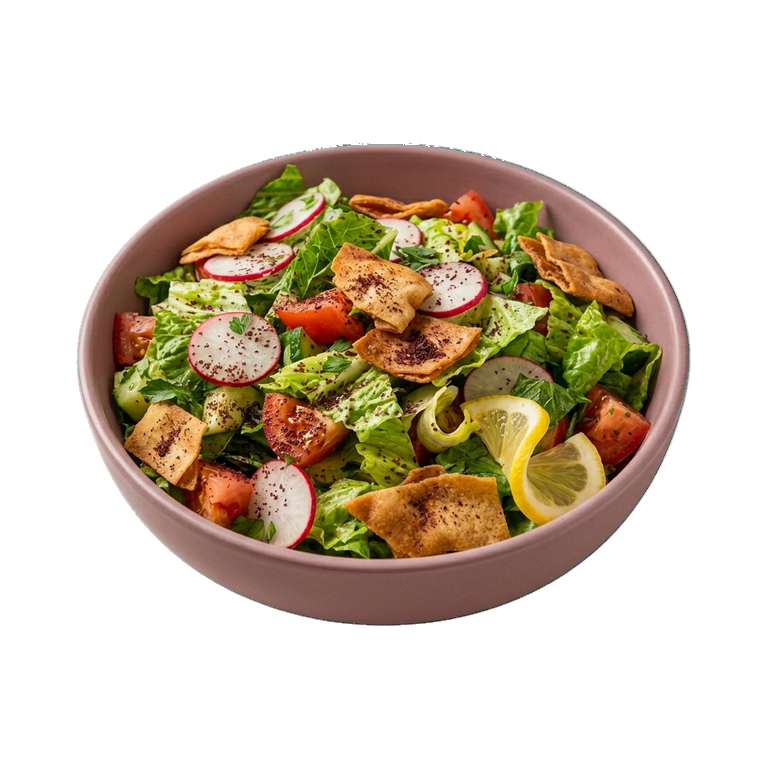
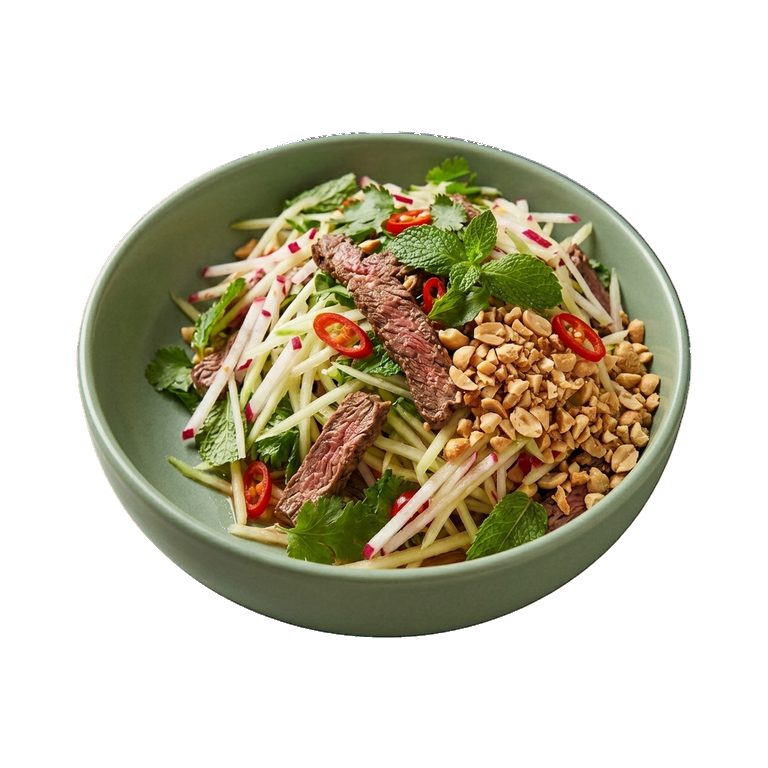
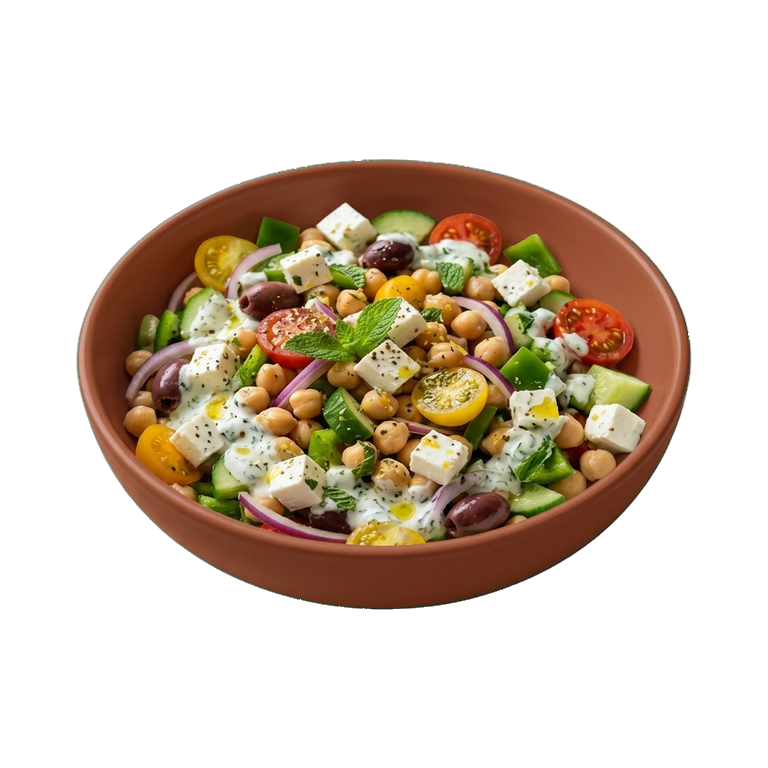
Raw radish is the king of spring and summer salads. Thinly sliced radish adds textural contrast and a piquant flavor to the dish. It can be served with simple oil and salt as a standalone appetizer, added to a salad with cucumbers and greens, or used as a base for a vegetable platter with bread and butter.
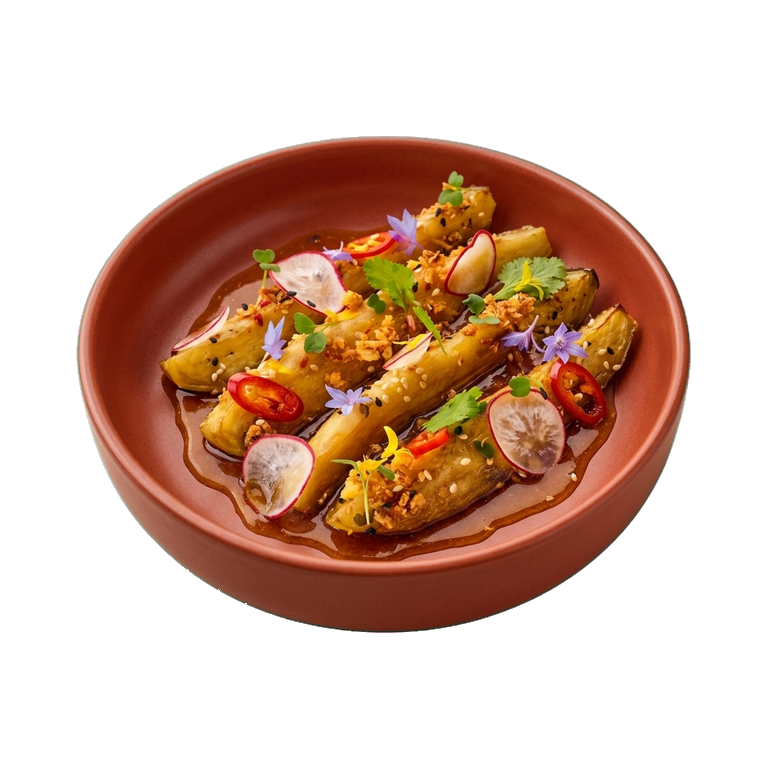
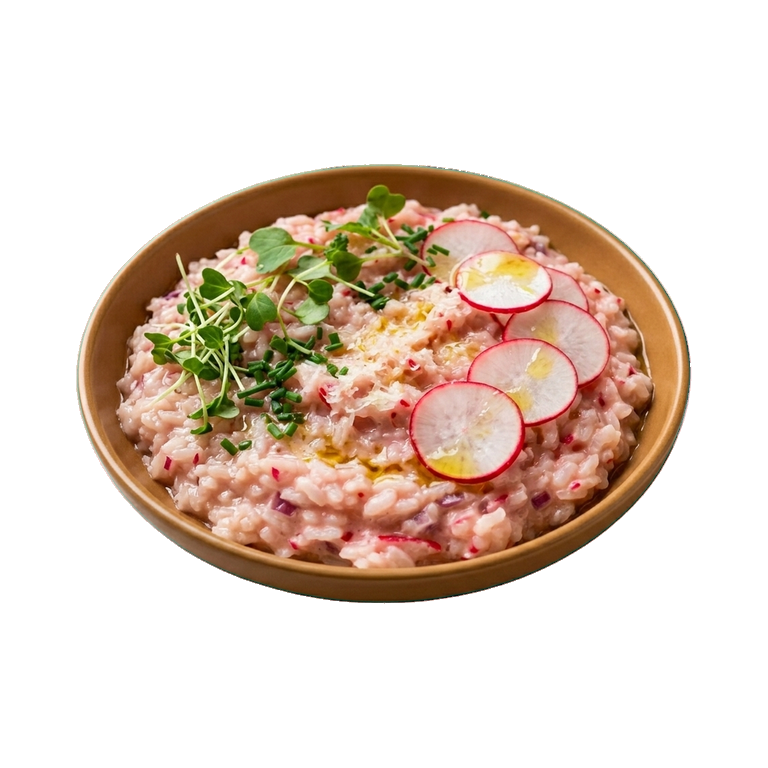
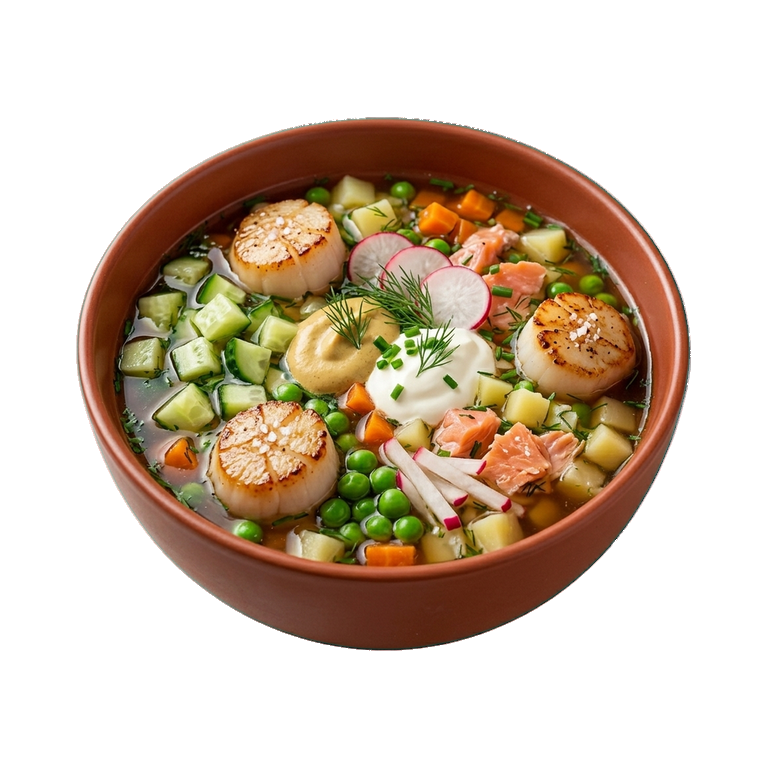
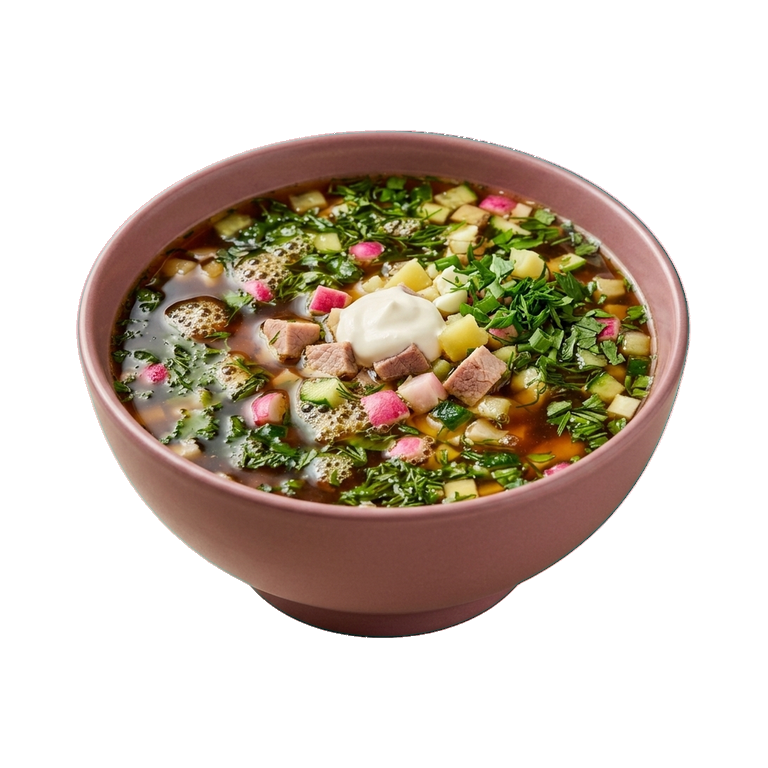
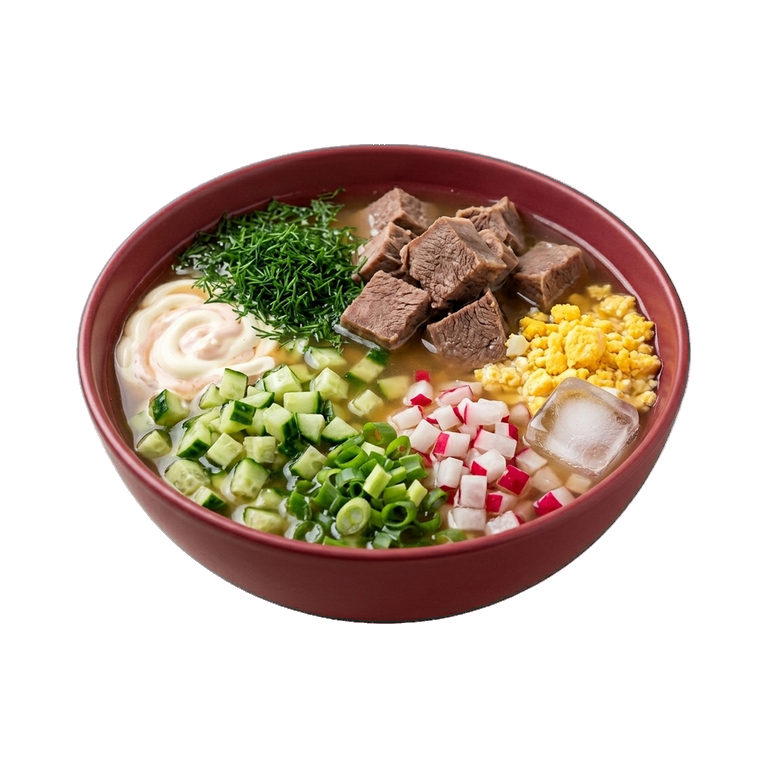
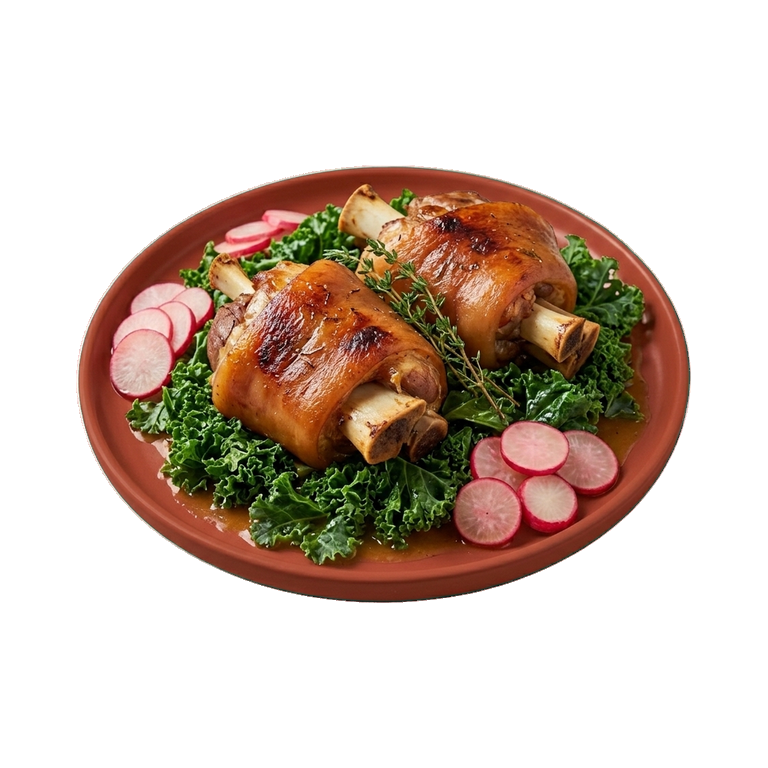
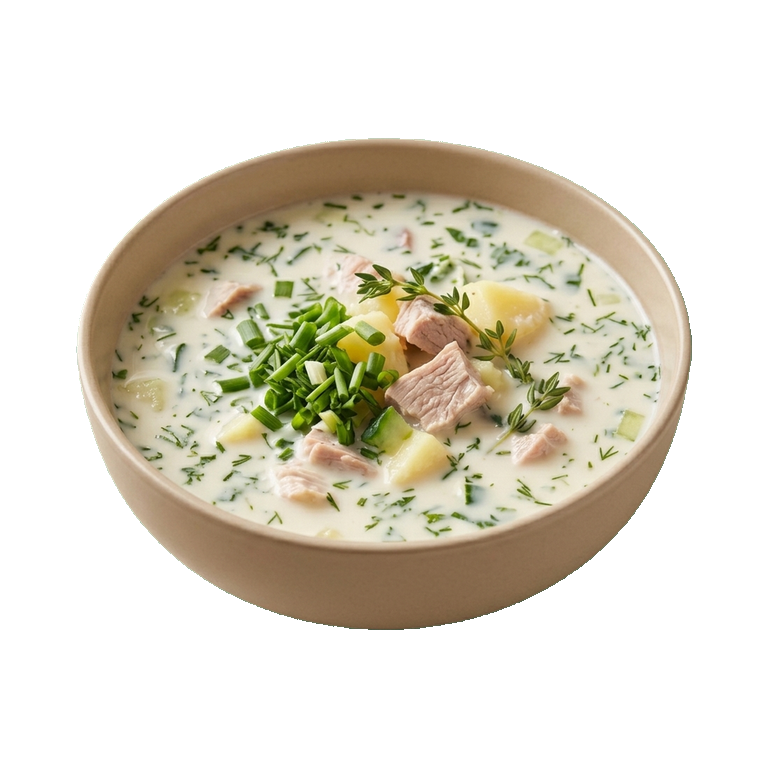
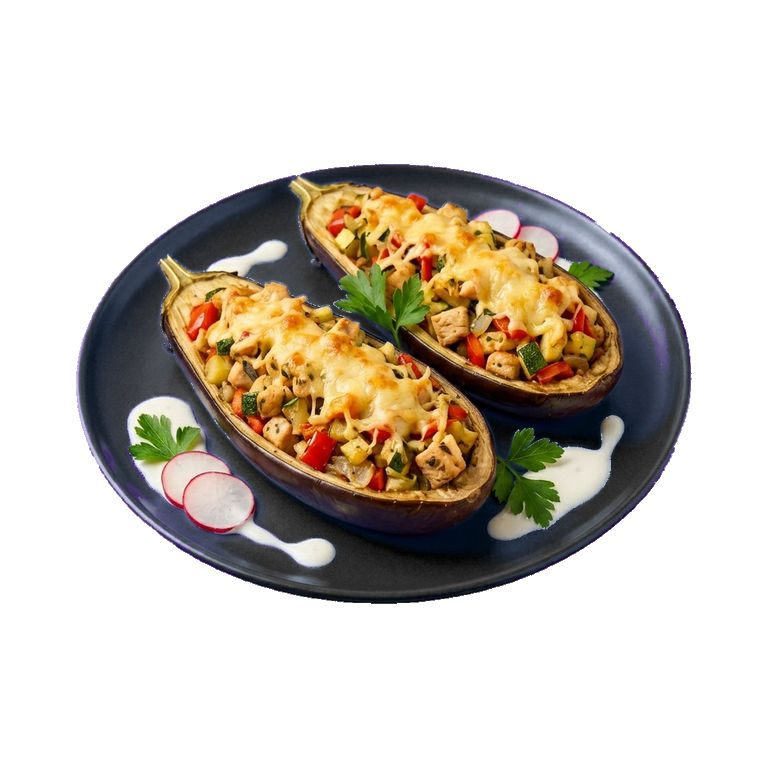
Radish reacts interestingly to heat treatment: when boiled or fried, its sharpness softens and the flesh becomes more tender. Baked radish loses its pungency and acquires a slightly sweet taste — try it with olive oil and salt on a baking sheet. In soups, radish adds a light sharpness and helps lighten heavy broths.
Successful Combinations
- With oil and salt — the simplest and most effective combination
- With fermented dairy products: sour cream, yogurt, cottage cheese soften the spiciness
- With herbs: dill, parsley, green onions highlight freshness
- With other vegetables: cucumbers, tomatoes, carrots create a balanced salad
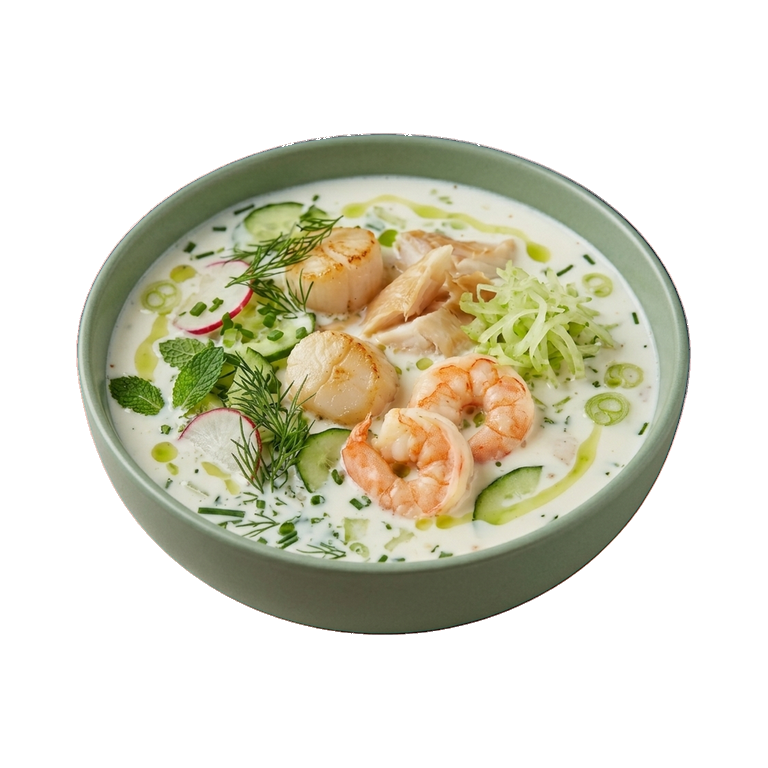
- With fish and seafood — radish adds lightness and contrast
- With avocado — radish's spiciness contrasts perfectly with avocado's creaminess
How to choose and store
Choose medium-sized radishes — about the size of a walnut. They should be firm, without soft spots or cracks. The skin must be smooth and glossy. The leaves, if still attached, should be fresh and green. If the leaves have wilted, it's not critical, but it indicates that the radish has been stored longer.
Cut off the leaves before storage — they draw moisture from the root vegetable. Place the radish in a plastic bag or container and put it in the vegetable compartment of the refrigerator. With proper storage, radish retains its crunch and flavor for two to three weeks. If the radish starts to soften, use it in cooked dishes — it's still suitable for soups and side dishes.
Preparation for use
- Rinse the radishes under cold water and gently scrub with a brush to remove dirt
- Cut off the top and tail — they are tough and tasteless
- For salads, slice radishes thinly — this helps them reveal their flavor better and makes them easier to digest
- If the radishes are very spicy, soak the sliced pieces in cold water for 15–20 minutes — the spiciness will soften
- For roasting, cut radishes into larger pieces — they won't fall apart during cooking
Radish is a vegetable worth experimenting with. It requires no complex preparation, stores well, and is always ready to add freshness and contrast to your table. Start with simple salads, then try roasting radishes or adding them to soup — you'll be surprised at how much it has to offer.
Nutrition
per 100 g
- Calories
- 16 kcal
- Protein
- 0.7 g
- Fat
- 0.1 g
- Carbs
- 3.4 g
Micronutrients
per 100 g
Macronutrients
- Fiber
- 1.314 g
- Water
- 94.68 g
Minerals
- Sodium
- 51.16 mg
- Potassium
- 197.8 mg
- Calcium
- 21.51 mg
- Magnesium
- 8.94 mg
- Phosphorus
- 17.91 mg
- Iron
- 0 mg
- Zinc
- 0.1 mg
- Copper
- 0 mg
- Manganese
- 0.07 mg
Vitamins
- Vitamin C
- 17.76 mg
Measures and weight
- 1 pcs
- 25 g
- 1 bunch
- 200 g
Measure calculator
- Weight
- 100 g
- Calories
- 16 kcal