Usuba
Usuba
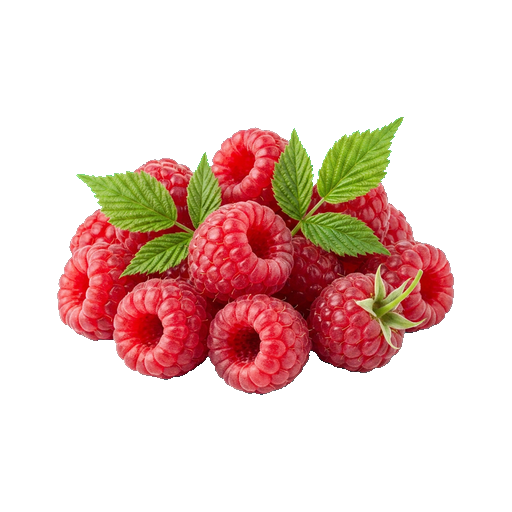
Raspberry
Raspberry is a soft berry with a delicate texture and sweet flavor with a subtle tartness, characterized by a refined floral aroma. It is used in desserts, compotes, jams, meat sauces, and baking due to its vibrant taste and beautiful color. When selecting, pay attention to the firmness of the berries and the absence of mold — raspberries spoil quickly and require refrigeration. When substituting, blackberry or black currant work well to maintain the acidity balance of the dish.
Micronutrients
per 100 g
About
Aroma and taste
Raspberry is a berry that smells stronger than it looks. Its aroma is sweet, slightly floral, with a barely perceptible tartness. The taste depends on ripeness: an unripe berry is somewhat sour and astringent, a fully ripe one is delicate, sweet, with a subtle acidity that doesn't irritate but rather balances the sweetness. The flesh is loose, almost melts in your mouth, and the seeds inside are barely noticeable.
Role in Dishes
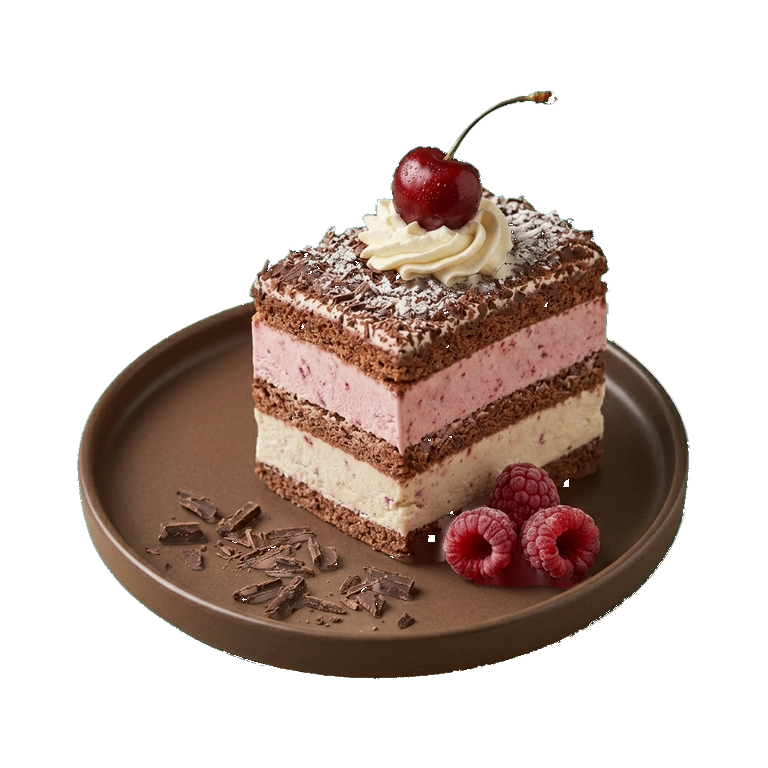
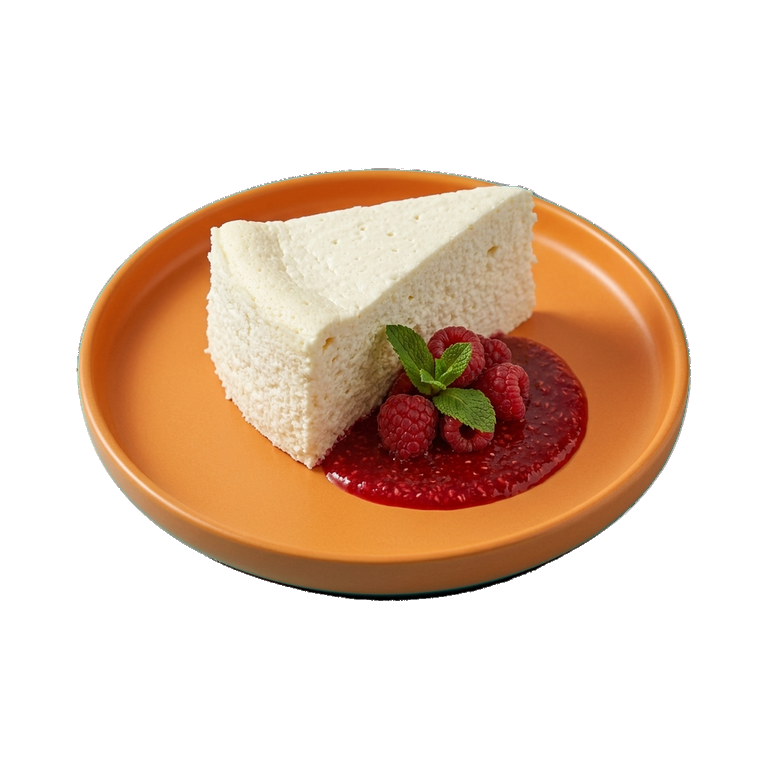
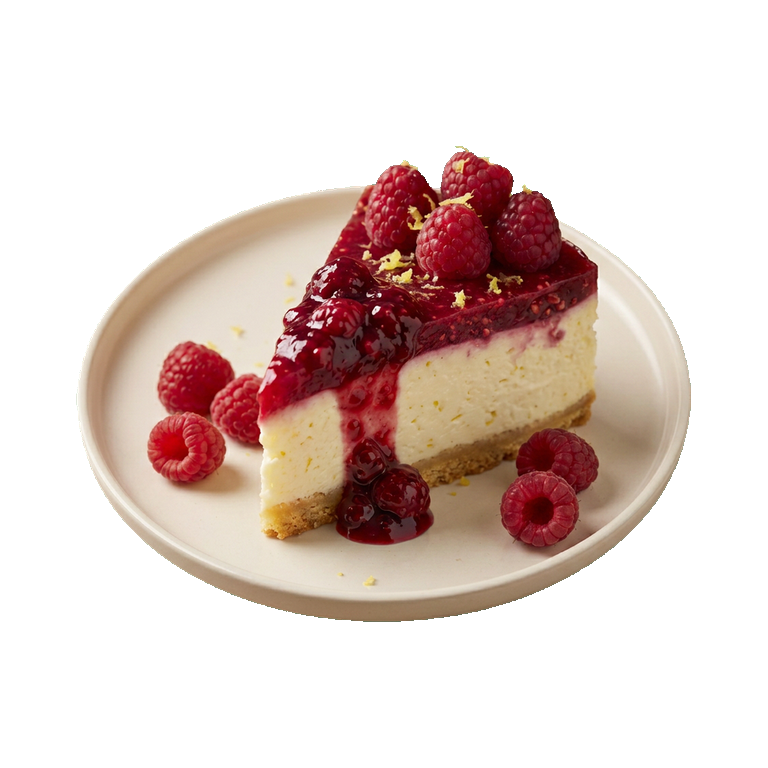
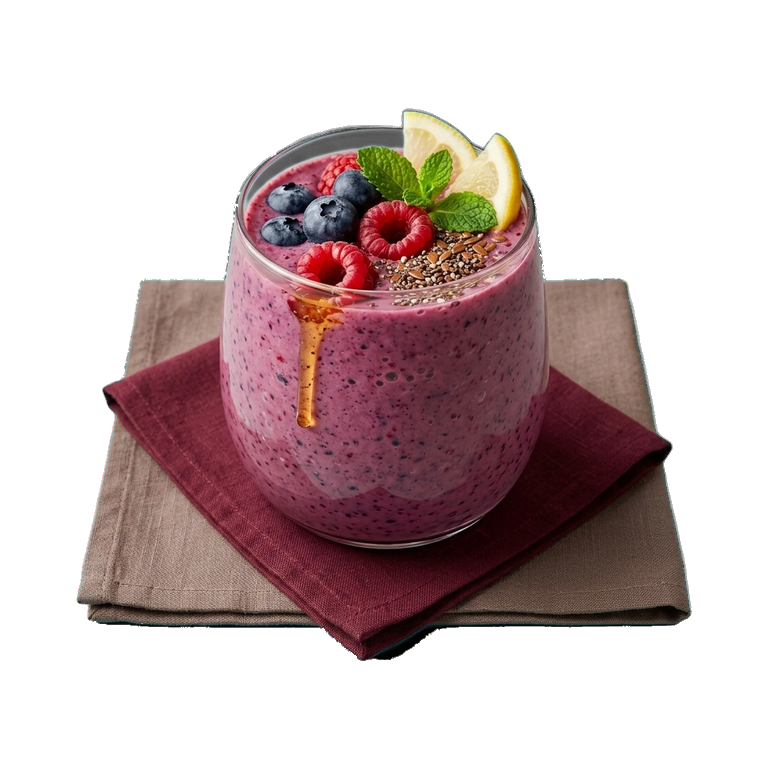
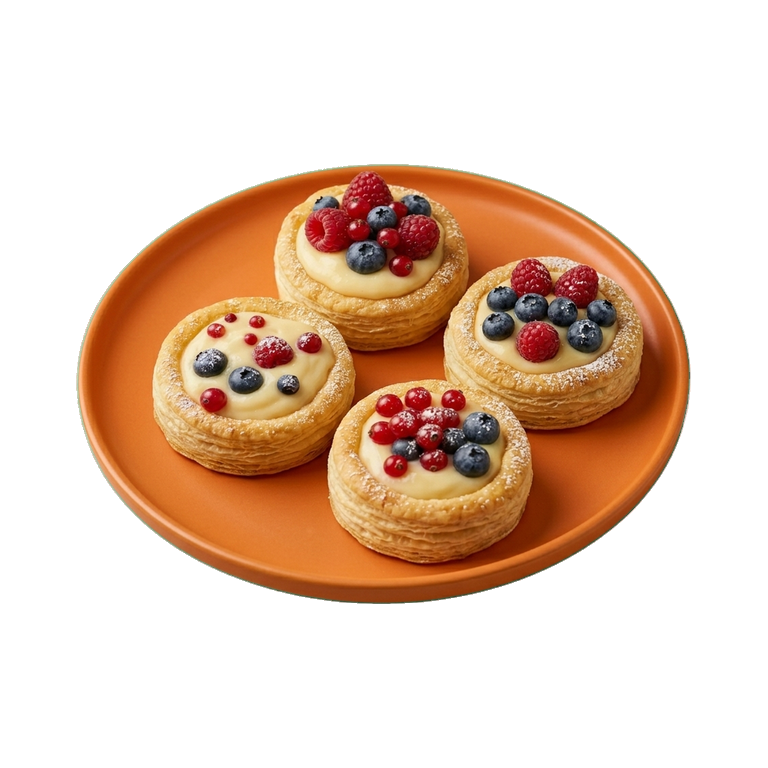
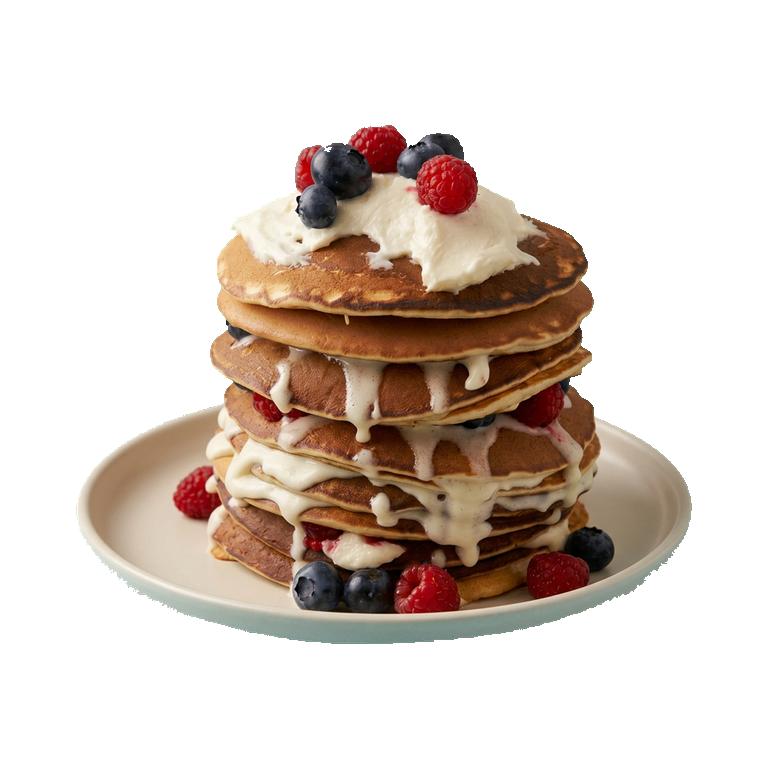
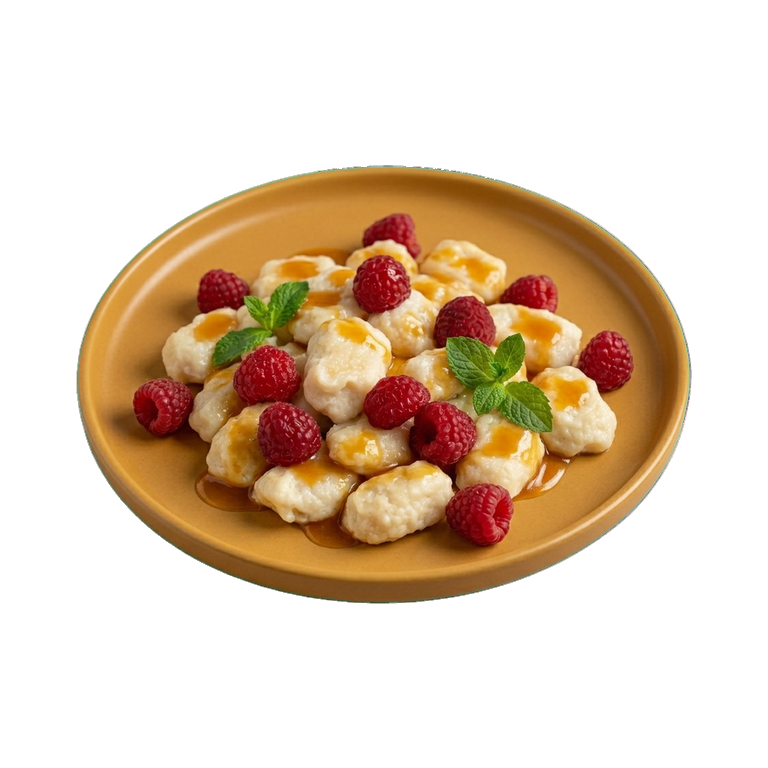
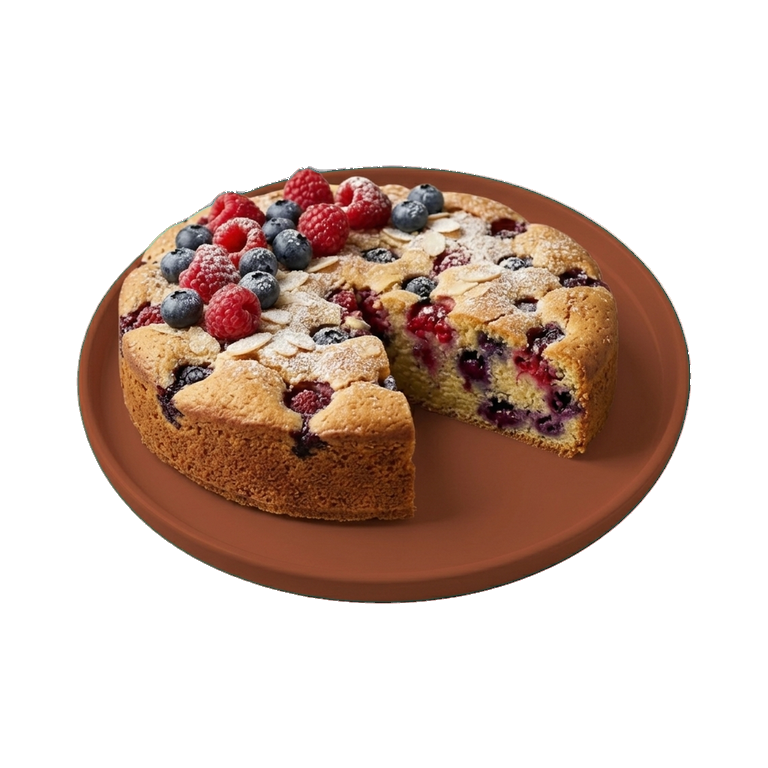
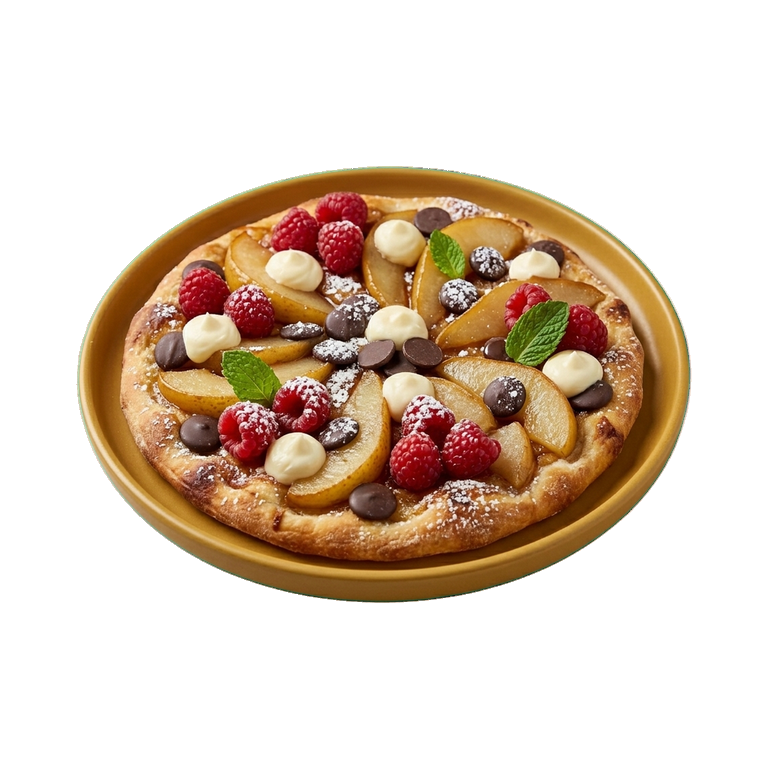
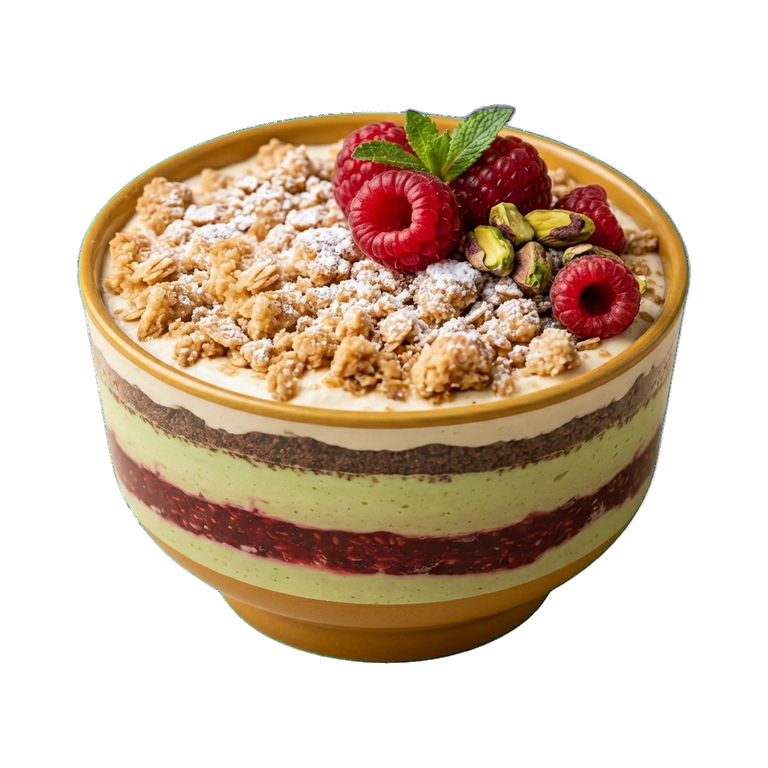
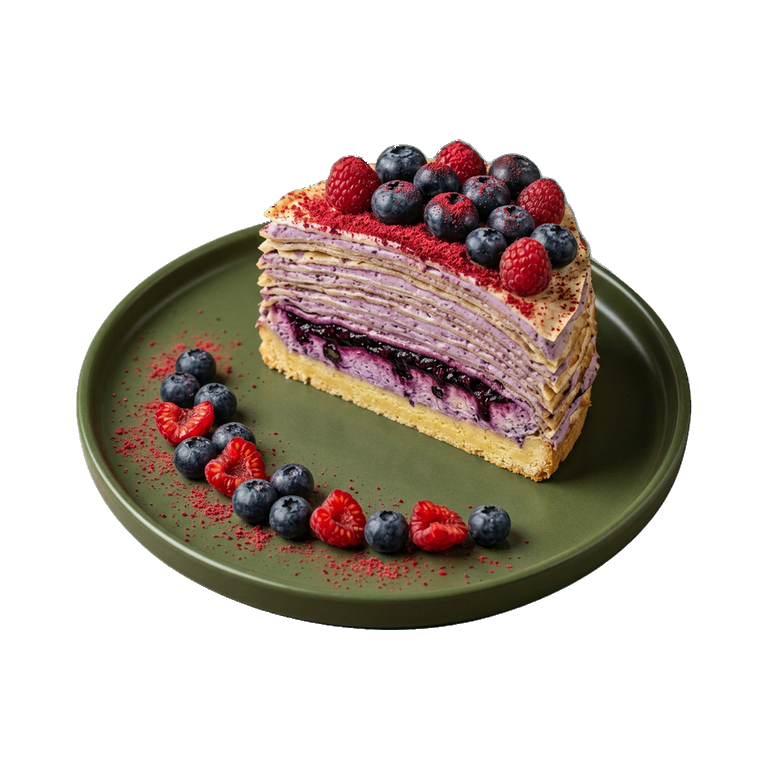
Raspberry is versatile: it is equally good fresh, in jam, compote, or sauce. In its raw form, it is served with yogurt, cottage cheese, or as part of fruit salads. During heat treatment, the berry loses its shape but releases an intense flavor and color — perfect for jams, marmalades, and culinary sauces for meat or poultry. Raspberry works well in baking: pies, cupcakes, tarts, where its flesh is distributed evenly and does not create excess moisture.
Pairings
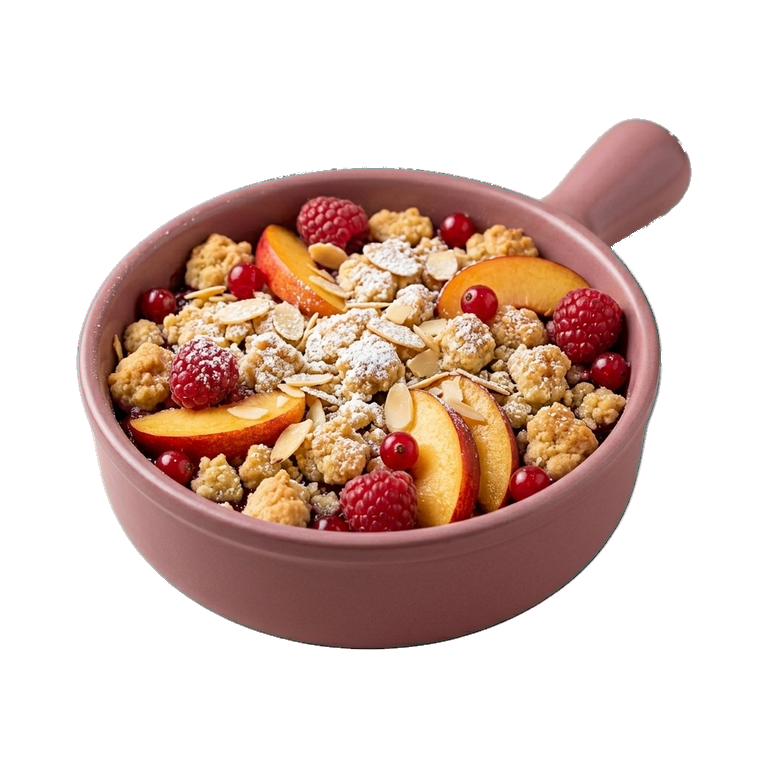
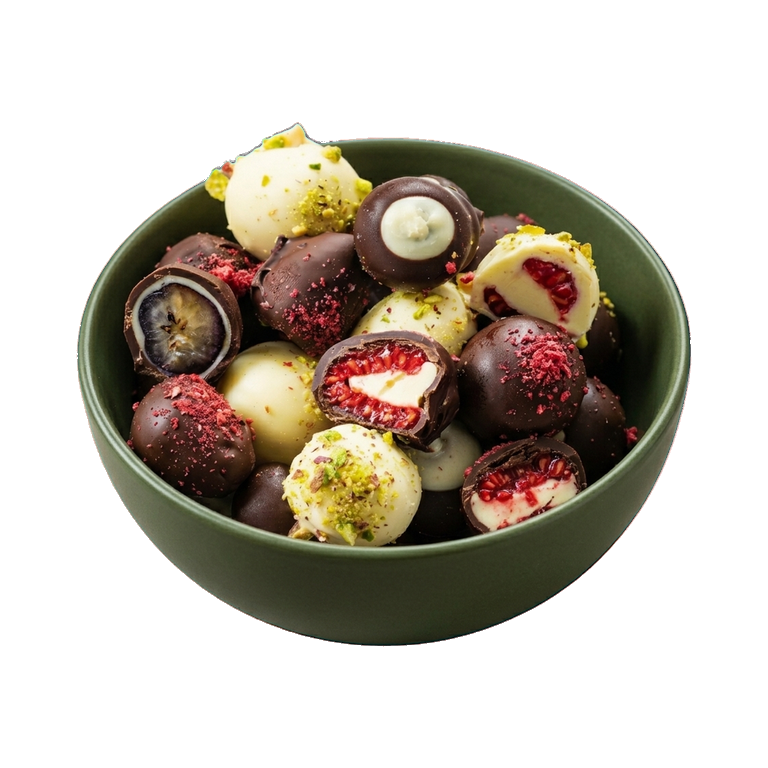
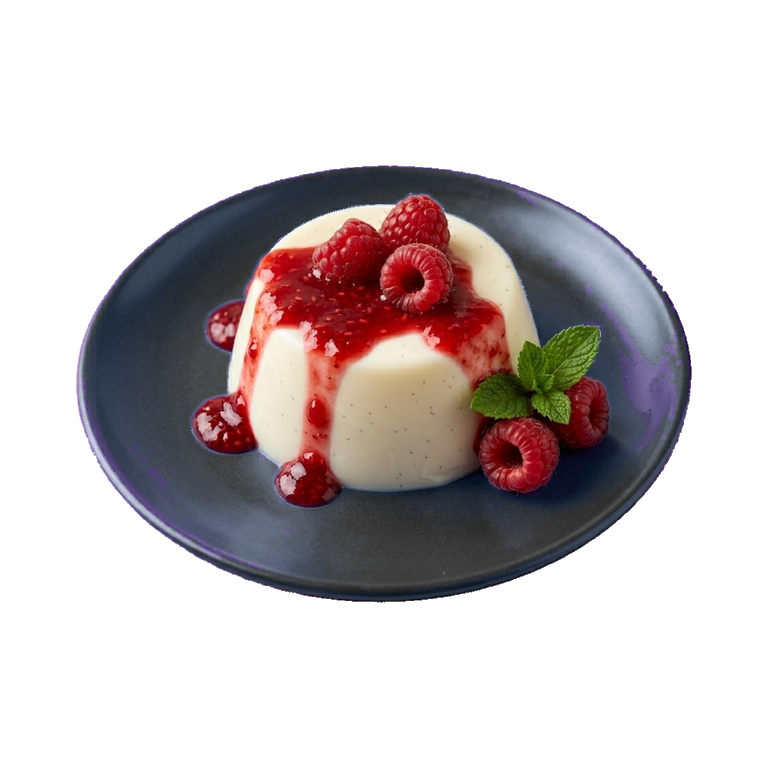
Raspberry pairs well with delicate and creamy textures: cream, mascarpone, sour cream, vanilla mousse. Complementary fruits are white chocolate notes, lemon, mint. On the table, raspberry goes well with black currant, blackberry, and peach. In savory dishes, raspberries are added to sauces for duck or lamb, where their acidity cuts through fat and adds depth.
Selection and Storage
When shopping, look for berries without damage, mold, or leaks. Ripe raspberries detach easily from the stem, have a rich color — from light pink to dark red depending on the variety. Keep fresh raspberries in the refrigerator for no more than two to three days in a shallow container without a lid to allow air circulation. If the berry starts to release juice, use it immediately or freeze it whole on a tray, then transfer to a container — this way it will retain its shape and flavor for several months.
Main tip: do not wash raspberries before storage — moisture will accelerate their spoilage. Wash them immediately before use, carefully, under a weak stream of cold water to avoid crushing the delicate flesh.
Nutrition
per 100 g
- Calories
- 52 kcal
- Protein
- 1.2 g
- Fat
- 0.7 g
- Carbs
- 11.9 g
Micronutrients
per 100 g
Macronutrients
- Water
- 85.55 g
Minerals
- Sodium
- 0 mg
- Potassium
- 155.8 mg
- Calcium
- 16.41 mg
- Magnesium
- 19.15 mg
- Phosphorus
- 27.47 mg
- Iron
- 0.45 mg
- Zinc
- 0.22 mg
- Copper
- 0.05 mg
- Manganese
- 0.49 mg
Vitamins
- Vitamin C
- 23.04 mg
Measures and weight
- 1 tbsp
- 9 g
- 1 tsp
- 3 g
- 1 cup
- 150 g
- 1 pcs
- 3 g
Measure calculator
- Weight
- 100 g
- Calories
- 52 kcal