Usuba
Usuba
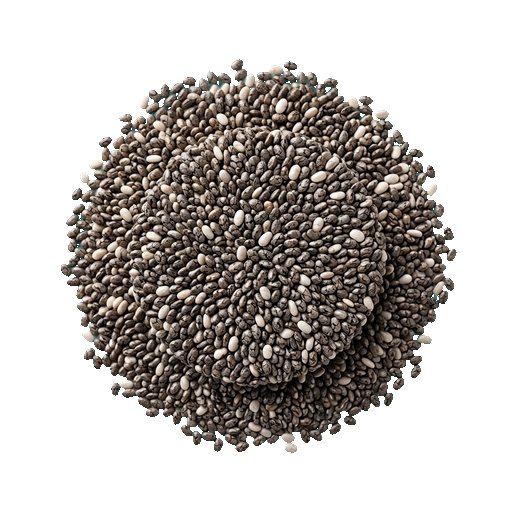
Chia seeds
Tiny black or white seeds with a neutral nutty flavor and subtle sweetness that form a mucilaginous coating and swell significantly when in contact with liquid. Thanks to this property, they are ideal for thickening smoothies, puddings, and beverages, as well as adding to baked goods and cereals for texture. When using them, it's important to keep in mind that the seeds absorb moisture, so you may need to increase the liquid in your recipe, and the finished dish will be denser and more filling than usual.
Micronutrients
per 100 g
About
Chia seeds are small black or white grains that have become frequent kitchen guests in recent years. They are nearly tasteless, but possess an unusual ability: they absorb liquid and become similar to caviar with a delicate gelatinous coating. It is this feature that makes them useful in cooking — they thicken drinks, give the desired consistency to puddings, and help bind ingredients in raw cookies or energy bars.
Texture and behavior in dishes
The main property of chia seeds is that they absorb water in a volume 10 times greater than their own weight. If you soak them for 15–20 minutes in milk, yogurt, or juice, you'll get a creamy mass with crunchy seeds inside. This is perfect for puddings that are made literally in half an hour without cooking. In smoothies, seeds add volume and nutrition without changing the taste of the drink. If you use them dry — sprinkle them on porridge, salad, or yogurt — they remain crunchy and add an interesting texture.
Where to use chia seeds
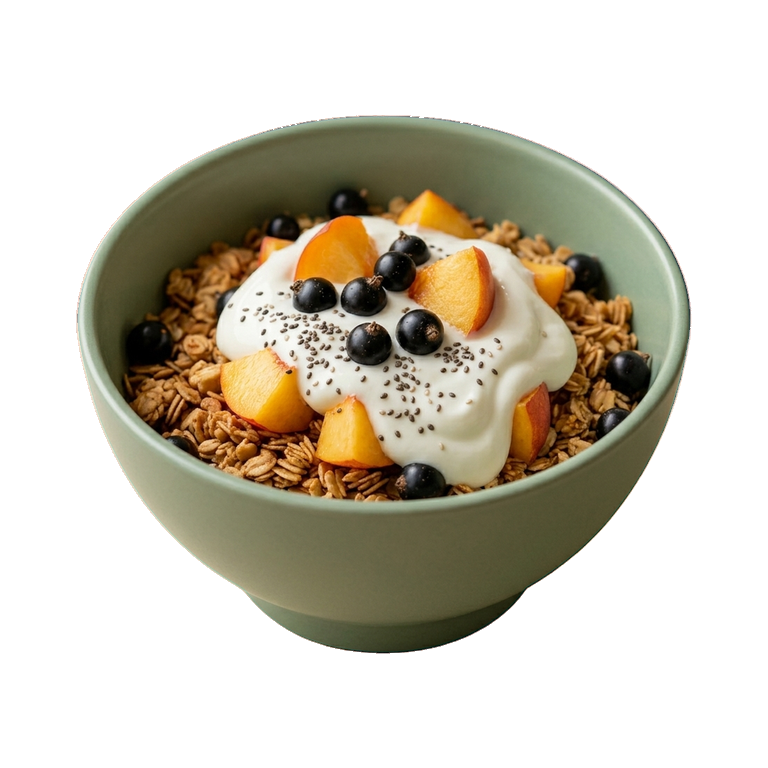
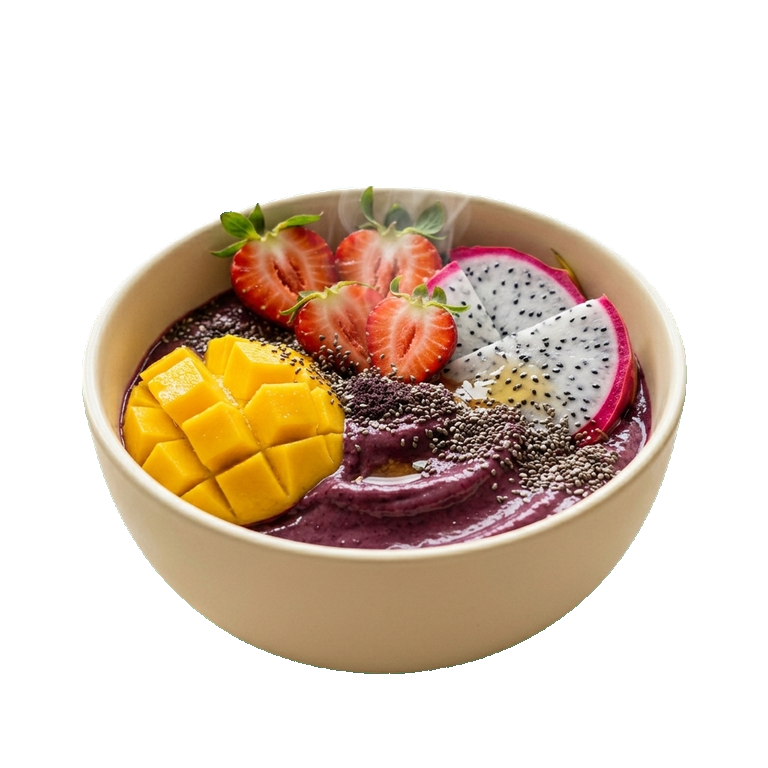
- Puddings and breakfast — soak with milk, yogurt or plant-based drink, add fruits and honey
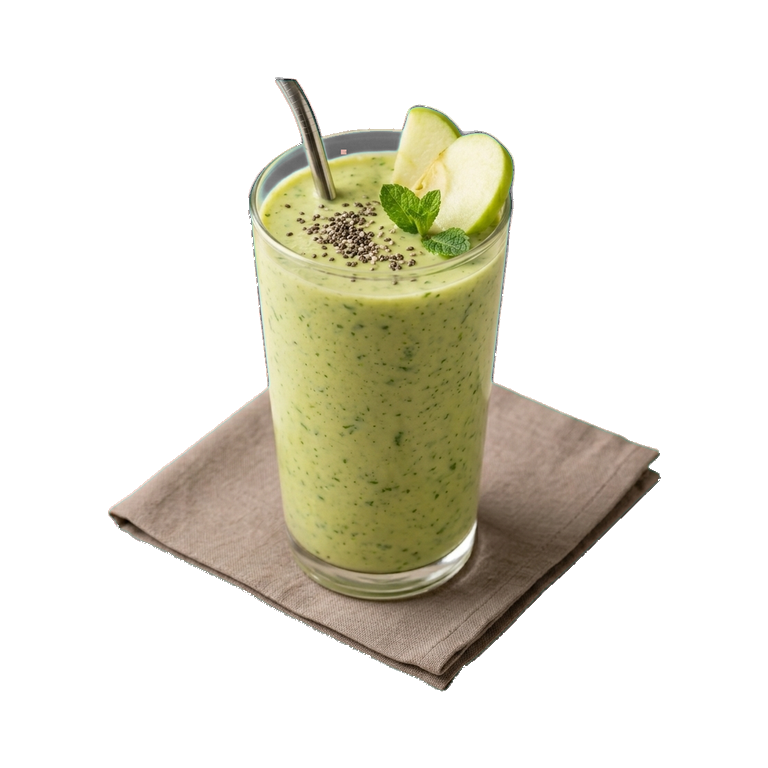
- Smoothies and cocktails — add thickness and nutrition without affecting taste
- Cereals and side dishes — sprinkle on top for crunch and health benefits
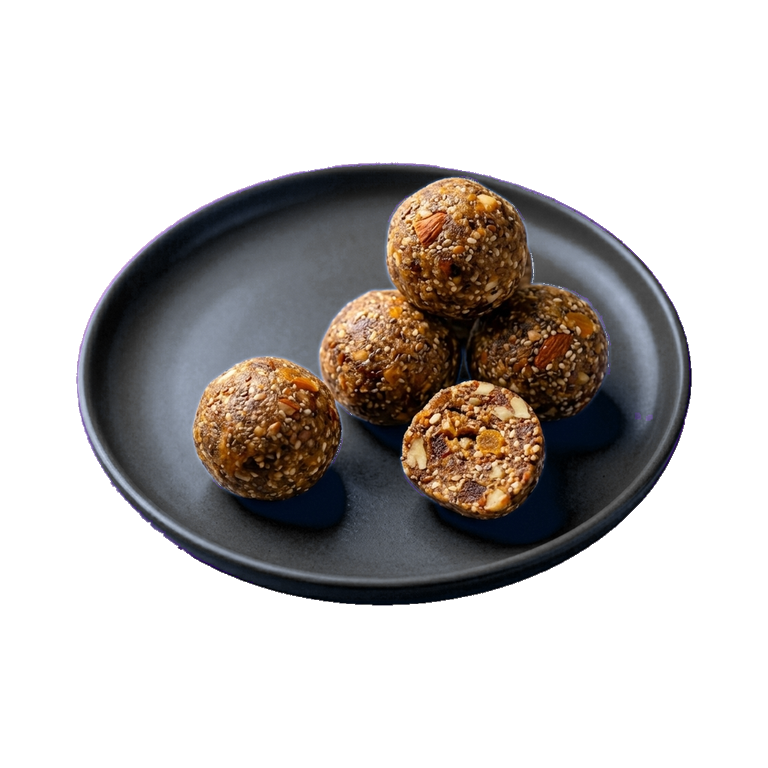
- Raw sweet treats — serve as a binding agent in bars, cookies and candies instead of eggs
- Bread and buns — add to dough for nutrition and interesting texture
- Jams and preserves — help thicken consistency without adding sugar
Combinations and Proportions
Chia seeds work well with dairy products — cow's milk, coconut, almond, and oat milk. They pair nicely with fruits (especially berries, mango, and banana), honey, vanilla, cinnamon, and cocoa. For pudding, the standard ratio is 3 tablespoons of seeds per cup of liquid. If you want a thinner consistency, reduce the amount of seeds. Remember: they continue to absorb moisture, so pudding prepared in the evening will be thicker than after 20 minutes.
Selection and Storage
- Choose seeds in airtight packaging — they should be dry and without lumps
- Black and white seeds work equally well, choose based on your preferences and the dish's appearance
- Store in a cool dry place in a closed jar — will last for a year or more
- After soaking, the finished pudding keeps in the refrigerator for 3–5 days
Chia seeds are not magic and not a superfood in the classical sense. They're simply a convenient ingredient that helps you quickly prepare a satisfying breakfast and adds interesting texture. Use them practically: when you need thickness without cooking, when you want crunch in a smooth dish, or when cooking without eggs.
Nutrition
per 100 g
- Calories
- 486 kcal
- Protein
- 16.5 g
- Fat
- 30.7 g
- Carbs
- 42.1 g
Micronutrients
per 100 g
Macronutrients
- Water
- 7.451 g
Minerals
- Sodium
- 0 mg
- Potassium
- 642.1 mg
- Calcium
- 595.4 mg
- Magnesium
- 326.3 mg
- Phosphorus
- 691.3 mg
- Iron
- 6.04 mg
- Zinc
- 5.56 mg
- Copper
- 1.57 mg
- Manganese
- 7.56 mg
Vitamins
- Vitamin B1 (thiamin)
- 0.5 mg
- Vitamin B3 (niacin)
- 8.68 mg
- Vitamin B6
- 0.2 mg
Measures and weight
- 1 tbsp
- 12.8 g
- 1 tsp
- 4.3 g
- 1 cup
- 212.5 g
Measure calculator
- Weight
- 100 g
- Calories
- 486 kcal