Usuba
Usuba
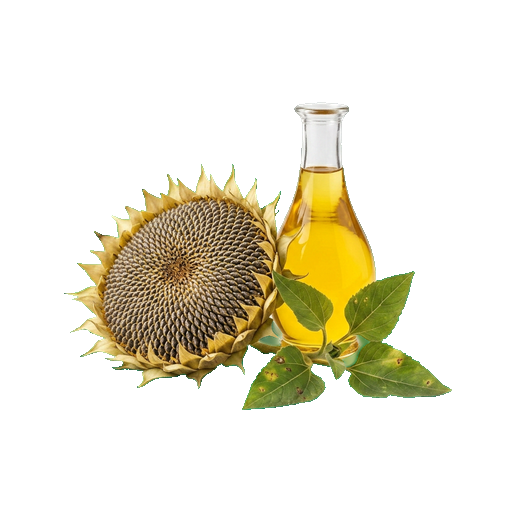
Sunflower oil
A plant-based oil with a light yellow color and neutral, slightly nutty flavor, derived from sunflower seeds. Thanks to its high smoke point, it is suitable for frying, stewing, and baking, while refined oil has minimal impact on the dish's taste. When choosing, pay attention to the degree of refinement: unrefined oil has a more pronounced aroma and is better suited for dressings and cold dishes, whereas refined oil is versatile for hot cooking.
Micronutrients
per 100 ml
About
Sunflower oil is one of the most versatile helpers in the kitchen. It works everywhere: in a frying pan, in salads, in dough, and even in sweet desserts. Its neutral flavor and high smoke point make it an ideal choice for everyday cooking when you need reliability without unnecessary experiments.
Aroma and Taste
Refined oil has almost no smell and taste — this is its main advantage. It does not overpower the dish with its own aroma and allows all other components to shine. Unrefined oil, on the contrary, has a pronounced nutty smell and a slight taste that is well felt in cold dishes and dressings.
When heated, refined oil behaves calmly and doesn't smoke during regular frying. Unrefined oil is more finicky — it's better not to overheat it and use it for low temperatures. This is important to remember when planning intensive heat treatment.
Role in dishes
Refined oil is the workhorse for frying, stewing, and baking. It remains stable at temperatures up to 230 degrees, which covers most culinary tasks. Use it for breading, making sauces and dough, when you need a neutral base.
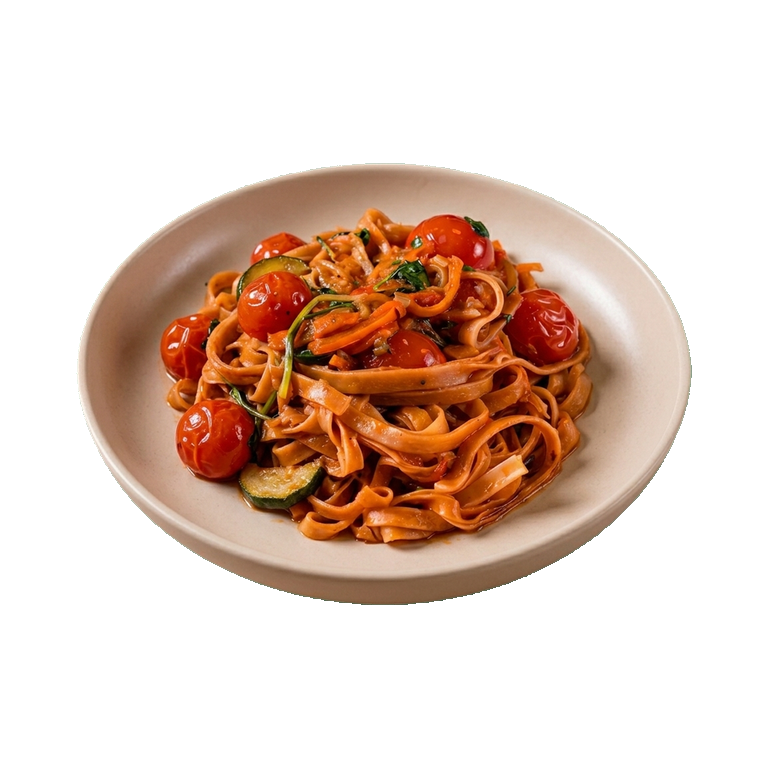
- Frying in a pan and deep frying — refined oil is simply indispensable here
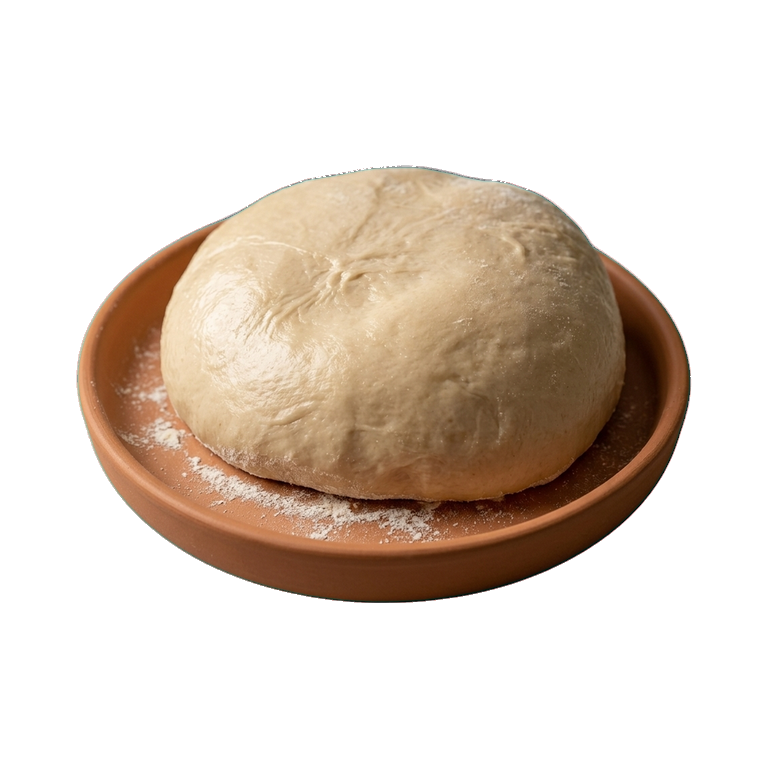
- Baking and confectionery — adds softness and fluffiness
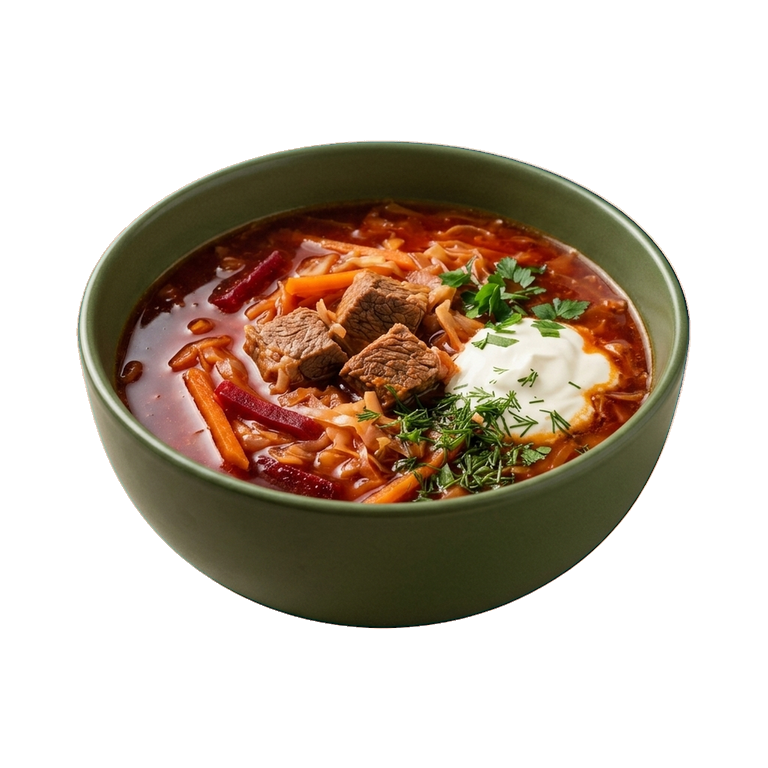
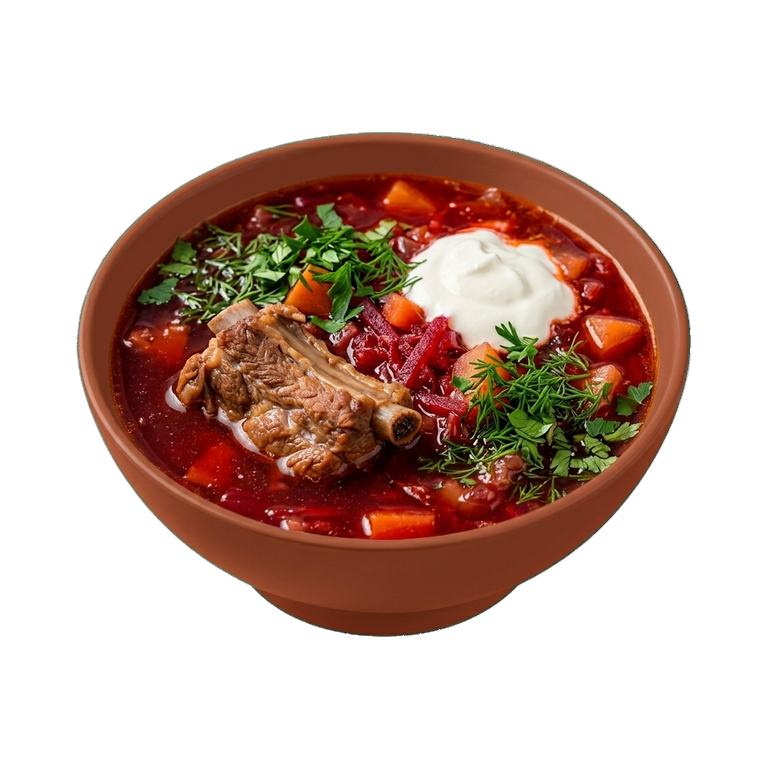
- Dressing for hot dishes — the final touch to soups and side dishes
- Unrefined oil works well in cold sauces, marinades, and for dressing finished salads
Selection and Storage
When shopping, pay attention to the degree of refinement. If the label doesn't specifically state that it's unrefined first-pressed oil, you're most likely looking at refined oil — which is perfectly normal and even convenient for most recipes. Clear, light oil is a sure sign of refinement.
Store oil in a cool place, protected from direct sunlight. A glass bottle is preferable to plastic — oil doesn't absorb odors and stays fresh longer. Refined oil has a longer shelf life, while unrefined oil requires more careful handling and should be used quickly after opening.
One tip: keep two types of oil in your kitchen. Refined oil for everyday cooking, unrefined oil for finishing touches and cold dishes. This won't complicate your life—on the contrary, it will give you more flexibility and allow you to cook more mindfully.
Nutrition
per 100 ml
- Calories
- 884 kcal
- Protein
- 0 g
- Fat
- 99.9 g
- Carbs
- 0 g
Micronutrients
per 100 ml
Macronutrients
- Saturated fat
- 8.272 g
- Monounsaturated fat
- 58.3 g
- Polyunsaturated fat
- 19.053 g
- Omega-3 (EPA + DHA)
- 0.002 g
Vitamins
- Vitamin E
- 63 mg
- Vitamin K
- 6.4 mcg
Measures and weight
- 1 tbsp
- 13.8 g
- 1 tsp
- 4.6 g
- 1 cup
- 230 g
Measure calculator
- Weight
- 100 g
- Calories
- 961 kcal