Usuba
Usuba
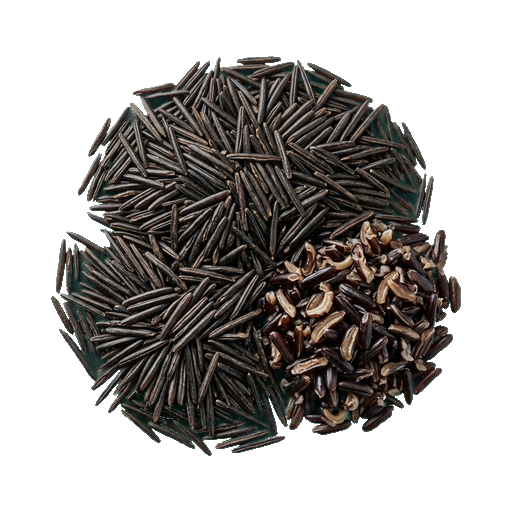
Wild Rice
Wild rice consists of grains from an aquatic plant with a dark color and elongated shape, featuring a nutty aroma and slightly firm texture. When cooked, the grains open up and become softer while maintaining their firmness and pronounced flavor. It is used in side dishes, salads, and soups, often mixed with regular rice for better cooking time balance, and it is important to soak it before cooking to reduce the cooking time to 45–60 minutes.
Micronutrients
per 100 g
About
Wild rice is not quite rice in the classical sense. It is the seeds of an aquatic grass that are much larger than ordinary rice and have a completely different structure. The grains are black or dark brown, with a glossy surface and a white core visible when cut. When cooked, the grains open up, revealing a creamy interior, and become soft on the outside while maintaining a slight crunch on the inside — that's what makes it special.
Aroma and taste
Wild rice smells of earth, grass, and slightly nutty notes. The taste is rich, somewhat nutty, with a slight bitterness that disappears with proper cooking. It is not neutral like white rice, so its flavor either appeals to you immediately or requires getting used to. Try it first in a mixture with other types of rice — this makes it easier to appreciate its character.
Cooking Tips
Wild rice takes longer to cook than regular rice — from 45 to 60 minutes, depending on the quality and age of the grains. Before cooking, be sure to rinse it under cold water. The ratio of water to rice is approximately 1 to 3. Add salt at the end of cooking when the grains are already soft. Cooked rice can be used immediately or cooled and stored in the refrigerator for several days.
What to cook it with
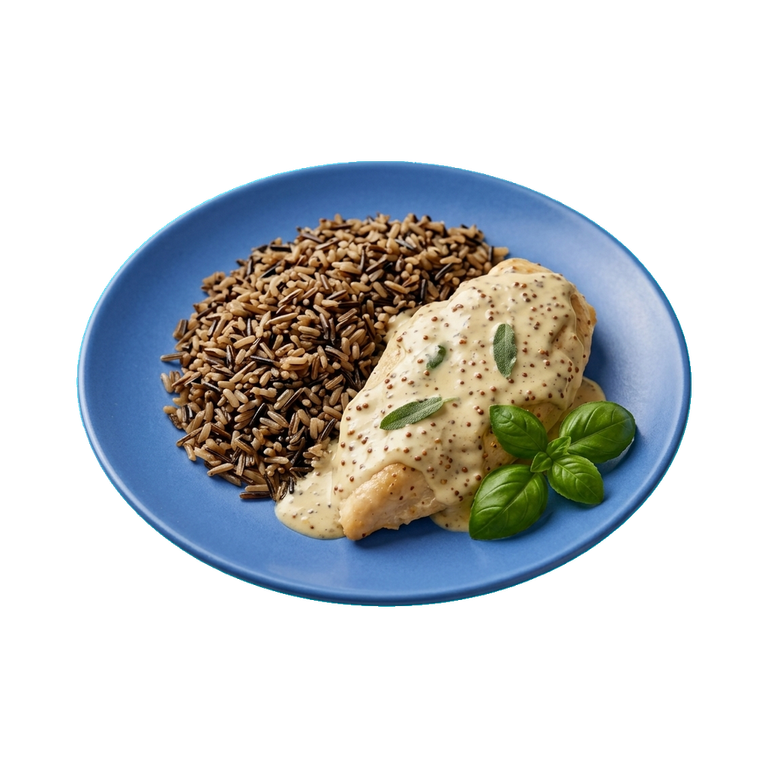
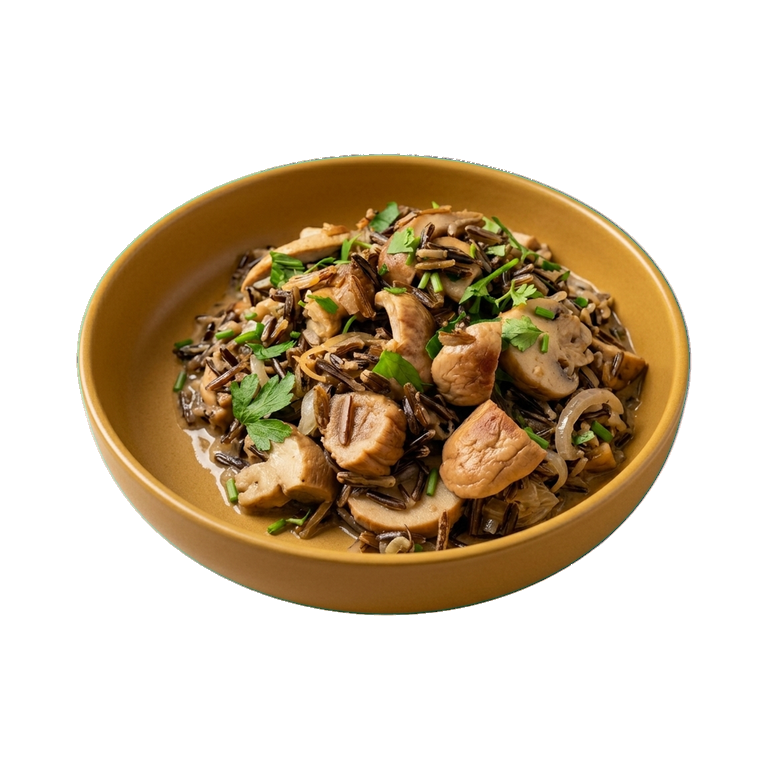
- Mushrooms — the most classic pairing, especially wild mushrooms with intense flavor
- Nuts (walnuts, pecans, pine nuts) will enhance the nutty profile of rice
- Wild game (duck, pheasant) or game birds — rice complements their gamey flavor
- Dried fruits (cranberries, raisins, apricots) will add sweetness and contrast
- Vegetables with earthy taste (beets, carrots, celery, shallots)
- Herbs (thyme, sage, rosemary) will emphasize its natural character
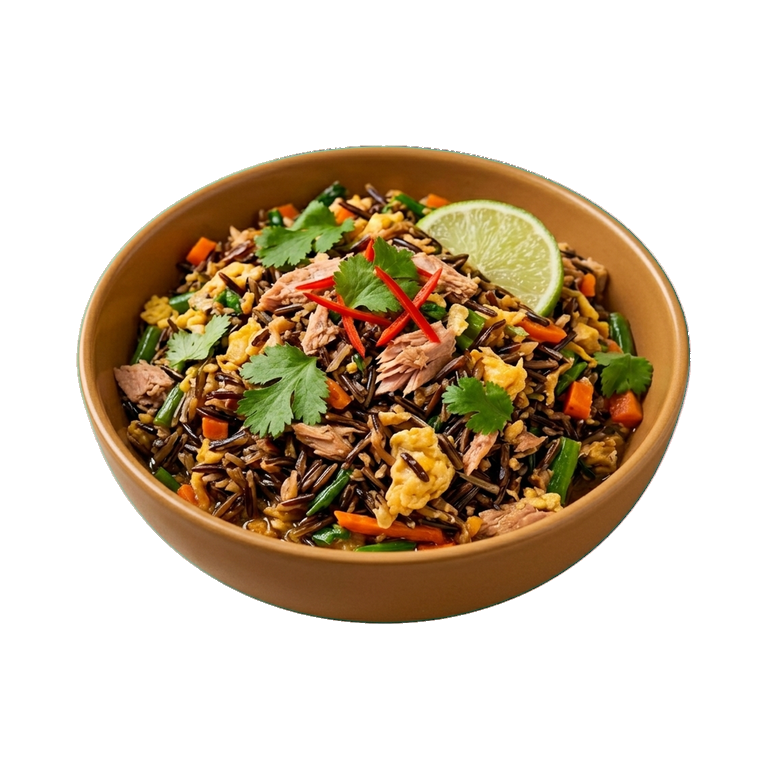
Wild rice works well in pilaf, in salads (especially cold ones), as a side dish for meat or fish, and in poultry stuffing. It is often mixed with regular rice — this saves cooking time and softens the intensity of flavor. Even a small portion of wild rice in a mixed side dish will add visual appeal and interest to the dish.
Selection and Storage
When purchasing, check that there is no debris or damaged grains in the package. Wild rice should be black and shiny, without a grayish coating. Store it in a hermetic container in a cool dry place — this way it will retain its properties for up to a year. An open package is better transferred to a glass jar: rice is hygroscopic and easily absorbs moisture and foreign odors.
Wild rice is an ingredient for those willing to spend time and wanting to add depth of flavor and unusual texture to a dish. It's not an everyday side dish, but rather a festive or signature choice.
Nutrition
per 100 g
- Calories
- 357 kcal
- Protein
- 14.7 g
- Fat
- 1.1 g
- Carbs
- 74.9 g
Micronutrients
per 100 g
Macronutrients
- Fiber
- 4.26 g
- Water
- 8.428 g
Minerals
- Sodium
- 1.01 mg
- Potassium
- 298.8 mg
- Calcium
- 7.97 mg
- Magnesium
- 108.5 mg
- Phosphorus
- 354.9 mg
- Iron
- 1.53 mg
- Zinc
- 5.85 mg
- Copper
- 0.49 mg
- Manganese
- 1.32 mg
Vitamins
- Vitamin B1 (thiamin)
- 0.34 mg
- Vitamin B3 (niacin)
- 6.91 mg
- Vitamin B6
- 0.39 mg
Measures and weight
- 1 tbsp
- 12 g
- 1 tsp
- 4 g
- 1 cup
- 200 g
Measure calculator
- Weight
- 100 g
- Calories
- 357 kcal