Usuba
Usuba
Green bell pepper
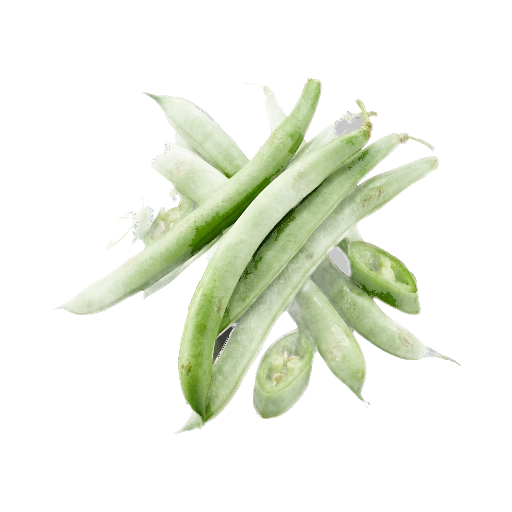
Green bell pepper is an unripe fruit of sweet pepper with thin walls and a fresh, slightly herbaceous flavor with a subtle bitterness. In cooking, it is used raw for salads, side dishes and appetizers, as well as fried, stewed and added to soups and stews. When choosing, it is important to pay attention to firmness and bright green color, and as a substitute, red or yellow pepper can be used, although they are sweeter and less herbaceous.
Micronutrients
per 100 g
Minerals
About
Green bell pepper is an unripe fruit that is picked long before it acquires a red or yellow color. At this stage, it maintains a dense structure, bright bitterness, and freshness, which disappear as it ripens. In the kitchen, it is a versatile vegetable: suitable for raw appetizers, heat processing, and preservation.
Taste and aroma
Green pepper gives dishes a characteristic fresh bitterness with herbal notes. Its aroma is clean and slightly herbaceous, especially noticeable in raw form. When heated, the bitterness softens, and the taste becomes sweeter and more rounded. The intensity of flavor depends on the size and density of the fruit: thin-walled peppers are sharper, thick-walled ones are milder.
How to use
Raw green peppers are excellent in salads, where their freshness contrasts with heavy ingredients. In a pan, they become softer and lose their sharpness — ideal for stir-frying with onions and meat. They are fried whole, sliced into strips for wok dishes, added to soups and stews. Stuffed peppers are a classic dish where green pods work well thanks to the thickness of their walls.
Pairings
- With onion, garlic and tomatoes in vegetable stews
- With meat, fish and seafood in stews and paella
- With acidity — vinegar, lemon, tomato — for contrast
- With herbs: parsley, cilantro, basil
- In marinades and preserves with hot spices
Selection and Storage
Choose peppers with smooth, shiny skin without dents or soft spots. A good pepper is heavy for its size — this is a sign of juiciness. The walls should be firm: squeeze gently, and the pepper should return to its shape. Avoid wrinkled or wilted specimens.
Green peppers are stored in the refrigerator in the vegetable compartment for two to three weeks. Do not wash them before storage — moisture will accelerate spoilage. If you need to store them longer, freeze the sliced peppers in a container or bag: they will lose their crispness but will remain suitable for cooking. You can also pickle whole or sliced peppers — this way they will keep for months.
Nutrition
per 100 g
- Calories
- 27 kcal
- Protein
- 1.3 g
- Fat
- 0.2 g
- Carbs
- 5.3 g
Micronutrients
per 100 g
Macronutrients
- Fiber
- 0.942 g
- Water
- 94.12 g
Minerals
- Sodium
- 0 mg
- Potassium
- 163.1 mg
- Calcium
- 7.5 mg
- Magnesium
- 9 mg
- Phosphorus
- 16.75 mg
- Iron
- 0.19 mg
- Zinc
- 0.13 mg
- Copper
- 0.06 mg
- Manganese
- 0.1 mg
- Selenium
- 0 mcg
Vitamins
- Vitamin C
- 99.51 mg
- Vitamin B1 (thiamin)
- 0.04 mg
- Vitamin B2 (riboflavin)
- 0.09 mg
- Vitamin B3 (niacin)
- 0.64 mg
- Vitamin B6
- 0.25 mg
Measures and weight
- 1 pcs
- 50 g
Measure calculator
- Weight
- 100 g
- Calories
- 27 kcal