Usuba
Usuba
Asparagus
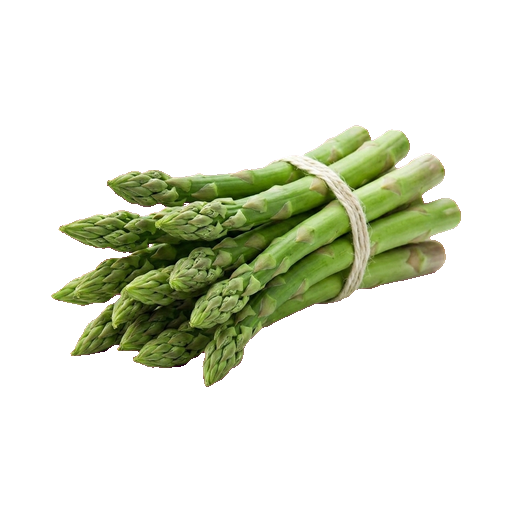
Asparagus is a delicate vegetable with thin stems and tight tips, featuring a subtle herbaceous flavor with a hint of sweetness. When cooking asparagus, minimal preparation is required: simply boil, steam, or sauté in a pan for a few minutes to preserve its crispy texture and vibrant green color. Choose asparagus with firm tips and smooth stems without wrinkles. When substituting with another vegetable, keep in mind that its tenderness and delicate flavor are difficult to fully replicate — young broccoli or green bean pods would be the best alternatives.
Micronutrients
per 100 g
Minerals
About
Asparagus is one of the most elegant vegetables in the kitchen. Thin green shoots or thick white spears attract not only with their appearance, but also with a delicate taste with a slight bitterness. It cooks quickly, holds its shape well, and easily absorbs the aromas of oil, lemon, and spices.
Aroma and Taste
Green asparagus has a more pronounced herbal flavor with pleasant freshness. White asparagus is milder, more delicate, with a subtle nutty note. Both varieties have a light sweetness that emerges with proper heat treatment. The aroma is barely perceptible, yet recognizable — herbaceous and clean.
Role in dishes
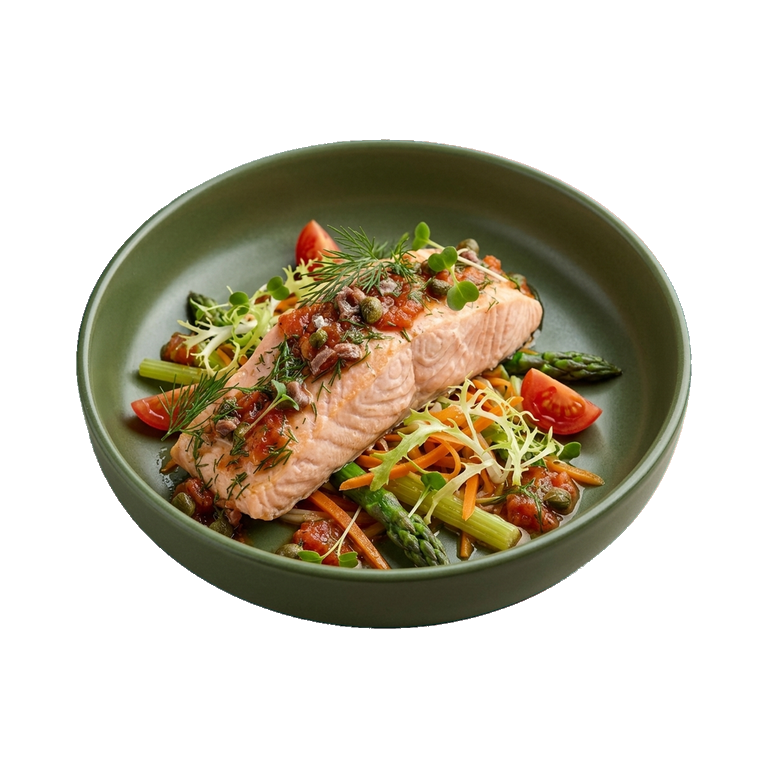
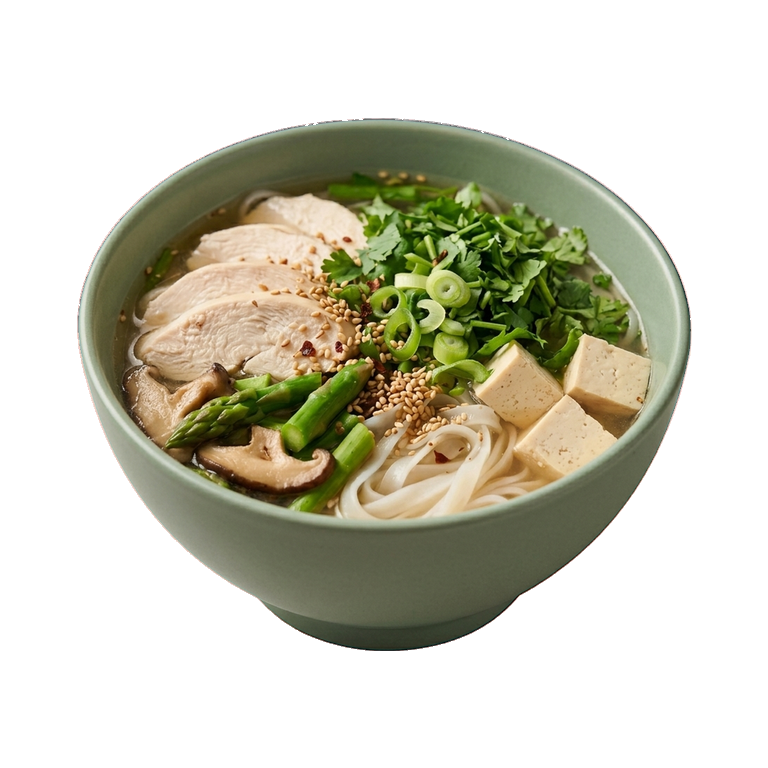
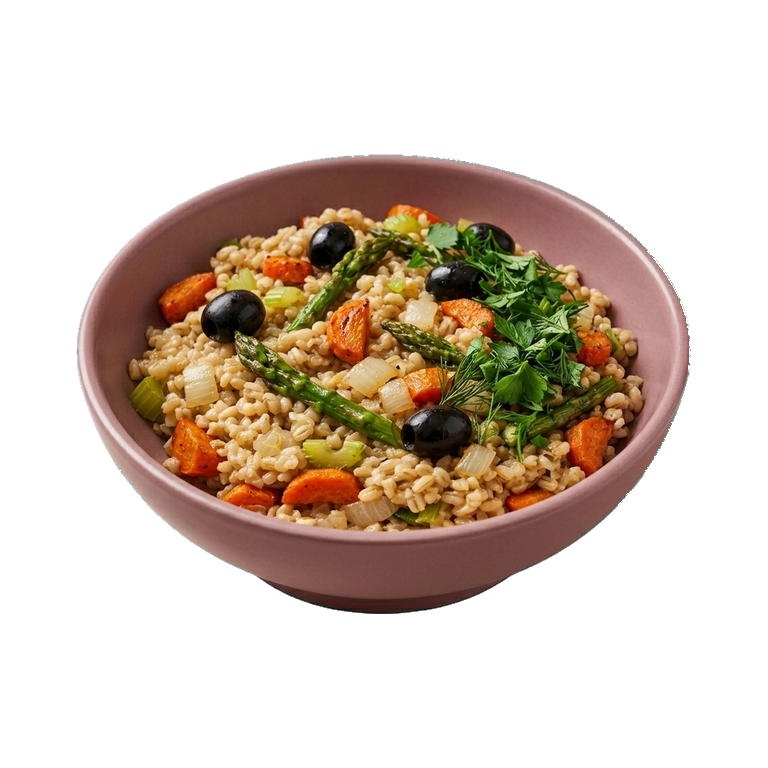
Asparagus is versatile: it works equally well as a side dish, a main component of a salad, or an ingredient in complex dishes. Its delicate structure allows it to be used in cream soups, casseroles, and even pastas. Green asparagus can withstand more intensive processing, while white asparagus requires a delicate touch.
Combinations and Techniques
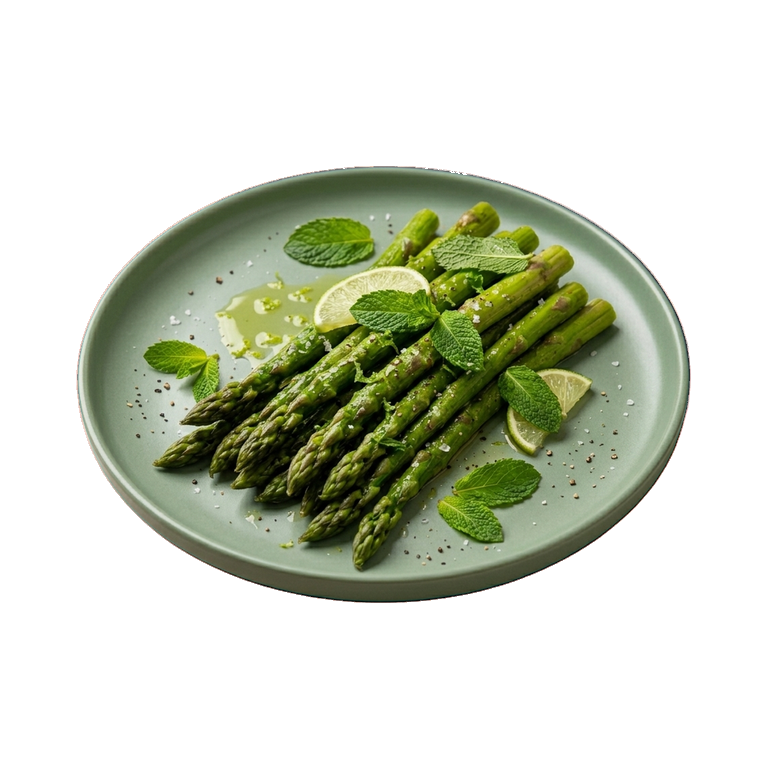
- Butter and lemon — a classic duo that highlights natural flavor
- Garlic and parmesan — for a richer option
- Hollandaise sauce — traditional choice for boiled asparagus
- Olive oil and sea salt — for sautéing or grilling
- Almonds, pine nuts — add texture and depth
Asparagus is boiled in salted water (4–5 minutes for green, 8–10 for white), grilled, sautéed in a pan, or baked in the oven. The key is not to overcook it: the shoots should remain slightly firm. For salads, the shock freezing method in ice water after cooking is often used.
Selection and Storage
When purchasing, pay attention to appearance: the shoots should be firm, without wilting or dark spots. The tips should be tightly closed, not fluffy. The thickness of asparagus does not affect quality — it is more a matter of taste and cooking convenience.
- Store in the refrigerator, wrapped in a damp towel or in a container with a small amount of water
- Shelf life — 3–5 days
- Before cooking, cut off the hard white end (usually the bottom third)
- Can be frozen after blanching — keeps for several months
Asparagus is an ingredient for those who appreciate simplicity and quality. It requires no complex preparation, cooks in just minutes, and can turn an ordinary dinner into a festive dish. Try it in different variations: from the classic version with butter to experiments with unusual sauces and spices.
Nutrition
per 100 g
- Calories
- 20 kcal
- Protein
- 2.2 g
- Fat
- 0.1 g
- Carbs
- 3.7 g
Micronutrients
per 100 g
Macronutrients
- Fiber
- 1.883 g
- Water
- 92.57 g
Minerals
- Sodium
- 2.46 mg
- Potassium
- 277.5 mg
- Calcium
- 20.58 mg
- Magnesium
- 13.78 mg
- Phosphorus
- 53.9 mg
- Iron
- 0.44 mg
- Zinc
- 0.6 mg
- Copper
- 0.13 mg
- Manganese
- 0.15 mg
Vitamins
- Vitamin C
- 9.15 mg
- Vitamin B1 (thiamin)
- 0.07 mg
- Vitamin B3 (niacin)
- 1.08 mg
- Vitamin B6
- 0.11 mg
Measures and weight
- 1 pcs
- 25 g
Measure calculator
- Weight
- 100 g
- Calories
- 20 kcal