Usuba
Usuba
Cashew
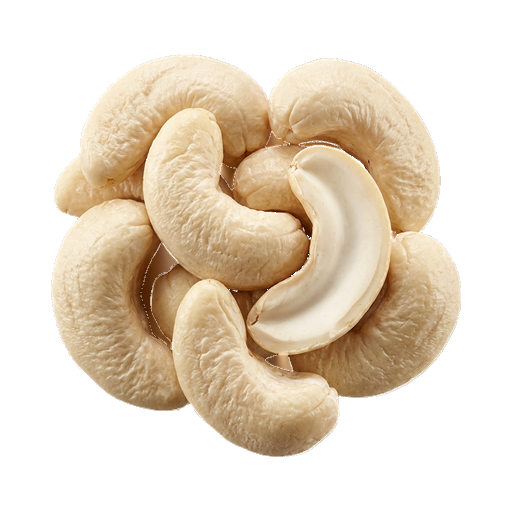
Cashew is a kidney-shaped nut with a tender, buttery texture and mild, slightly sweet flavor. In cooking, it is used both raw for snacks and salads, and processed for sauces, pastes, creams, and desserts. When selecting cashews, prefer whole nuts of light color without a moldy smell, as cashews oxidize quickly and can become bitter; store them in an airtight container in the refrigerator or freezer.
Micronutrients
per 100 g
About
Cashew is a nut that works as a universal helper in the kitchen. Soft butter, delicate texture, barely noticeable sweetness — all of this makes it equally valuable in sweet desserts, spicy sauces, and everyday snacks. Unlike more aggressive nuts, cashew doesn't overpower the dish's own flavor, but complements it.
Taste and Aroma
Cashew has a subtle, slightly sweet flavor with a buttery aftertaste. When you roast the nut in a dry pan or in the oven, it opens up even more — nutty, slightly caramel notes appear. Raw cashew is softer and more delicate, roasted — more pronounced and deeper.
Thanks to its neutral, mild profile, cashew easily integrates into any culinary combinations. It doesn't compete with spices and other ingredients, but creates a soft foundation.
Where to use
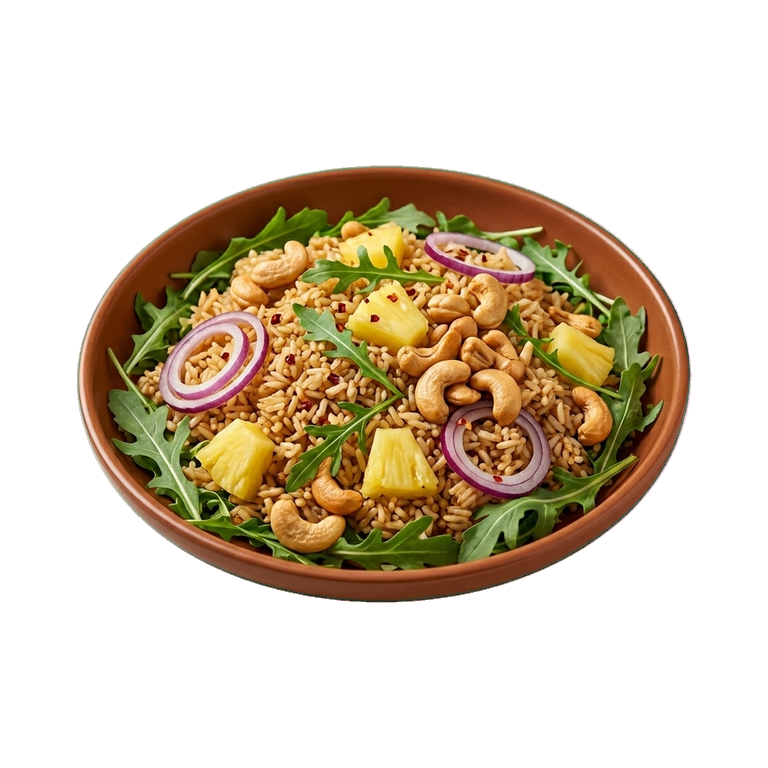
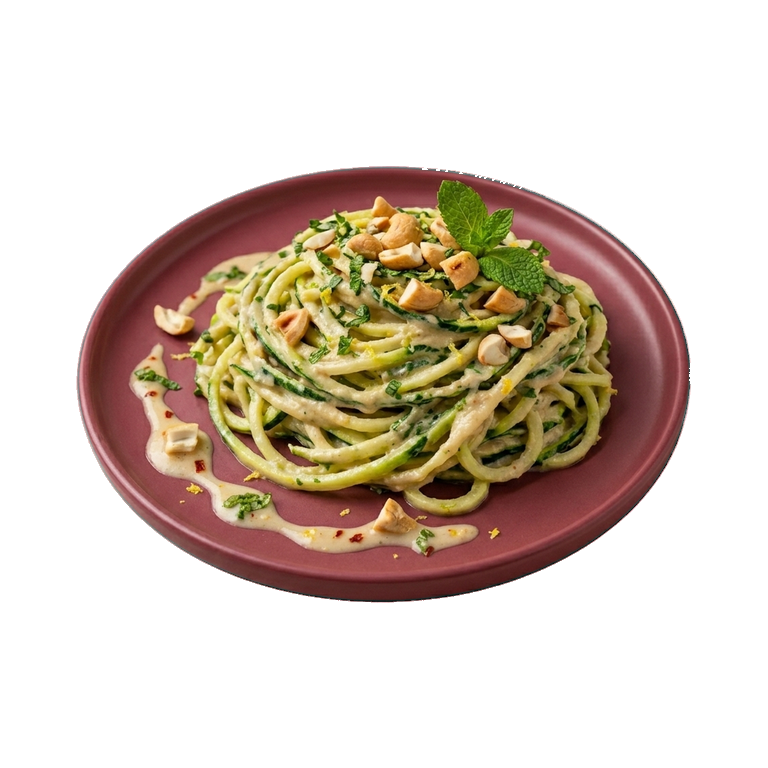
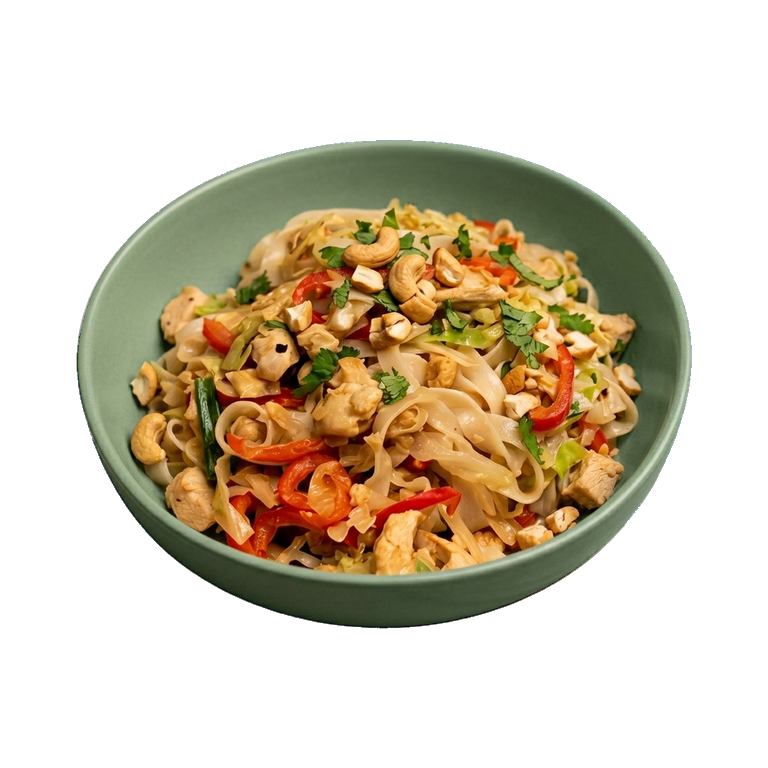
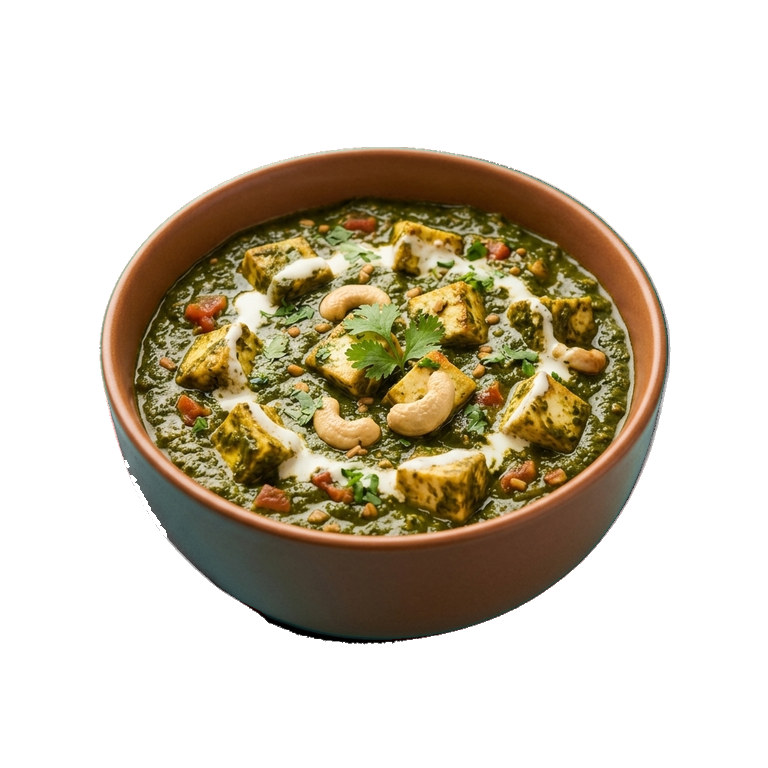
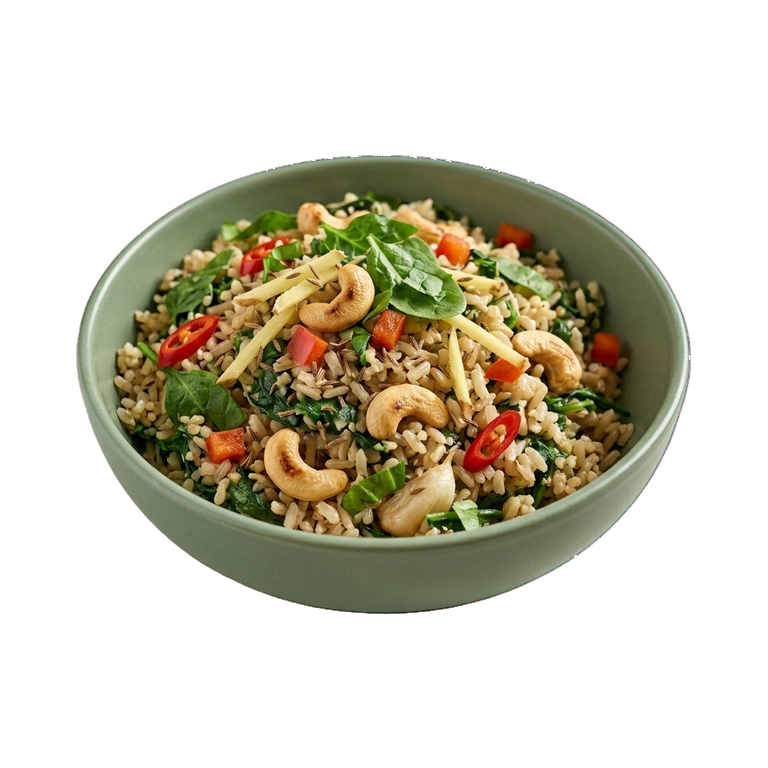
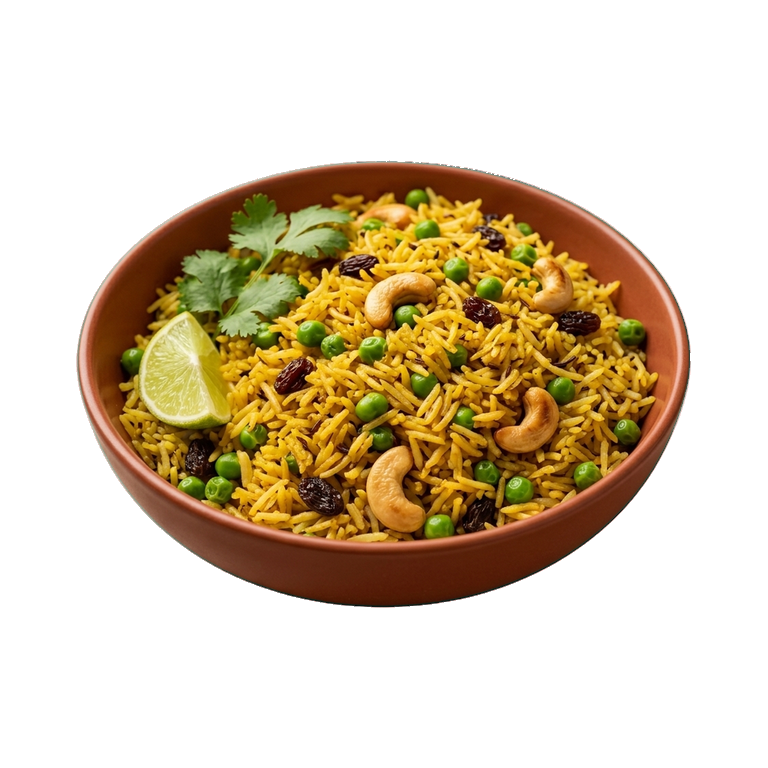
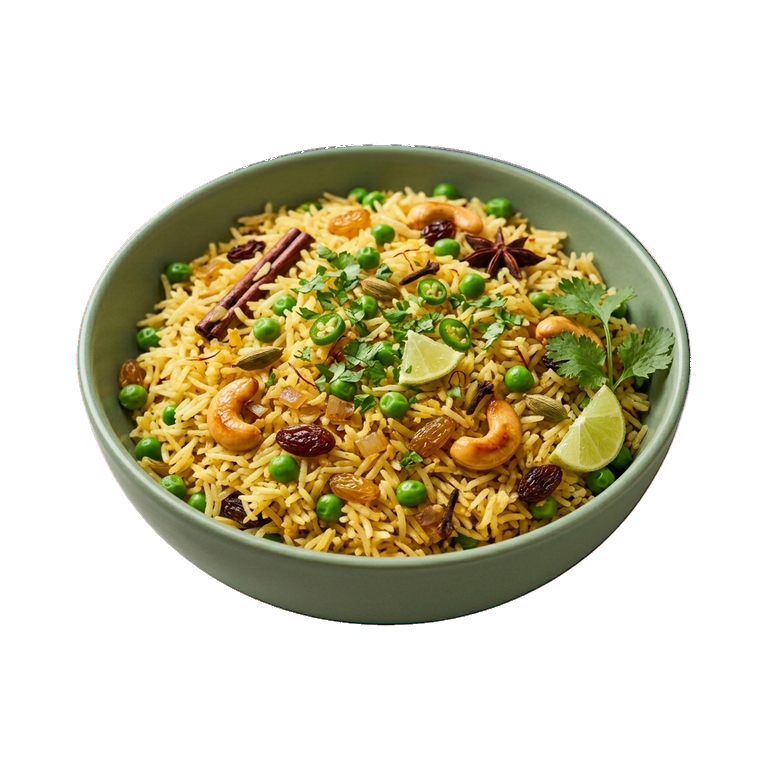
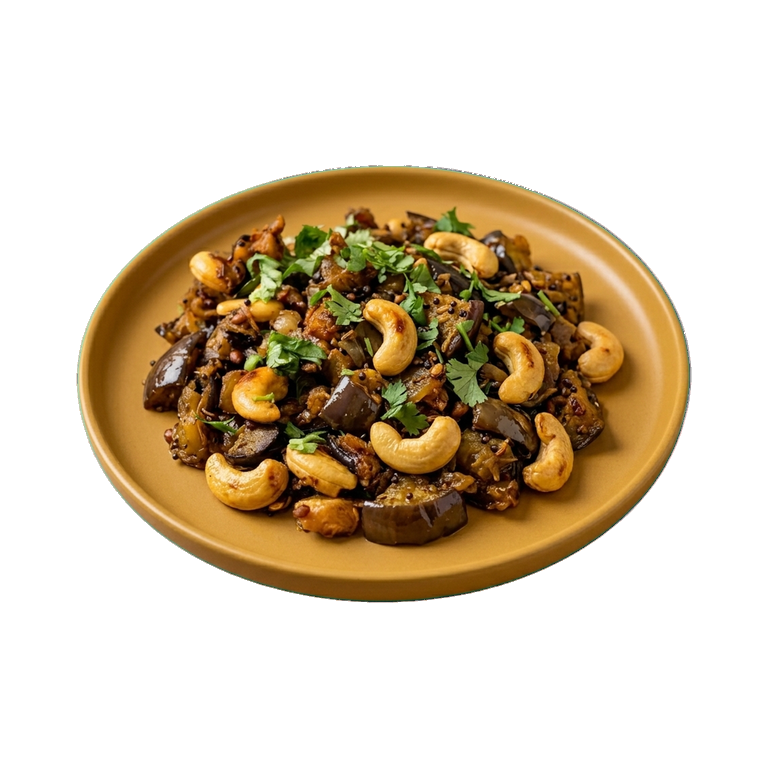
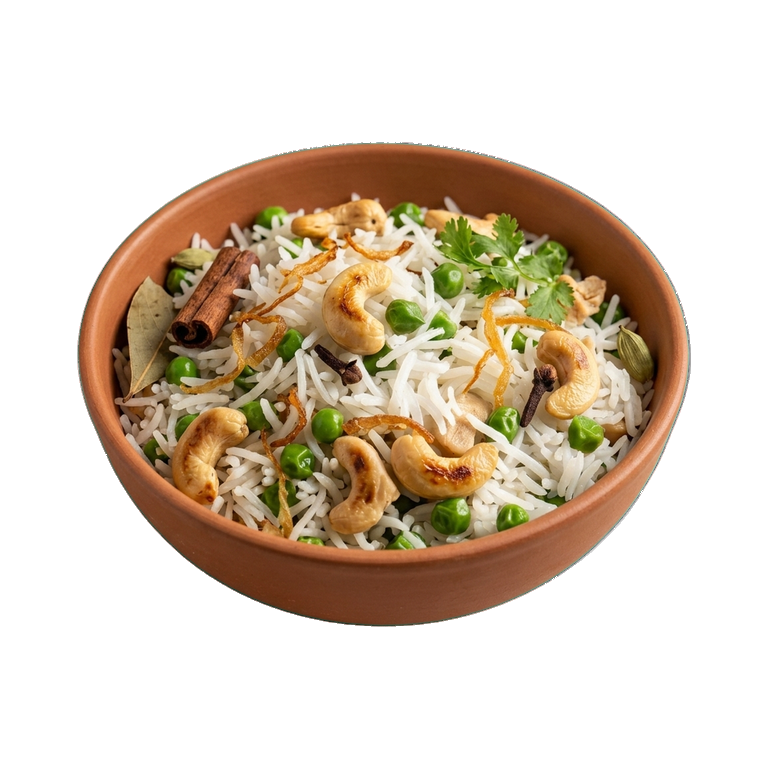
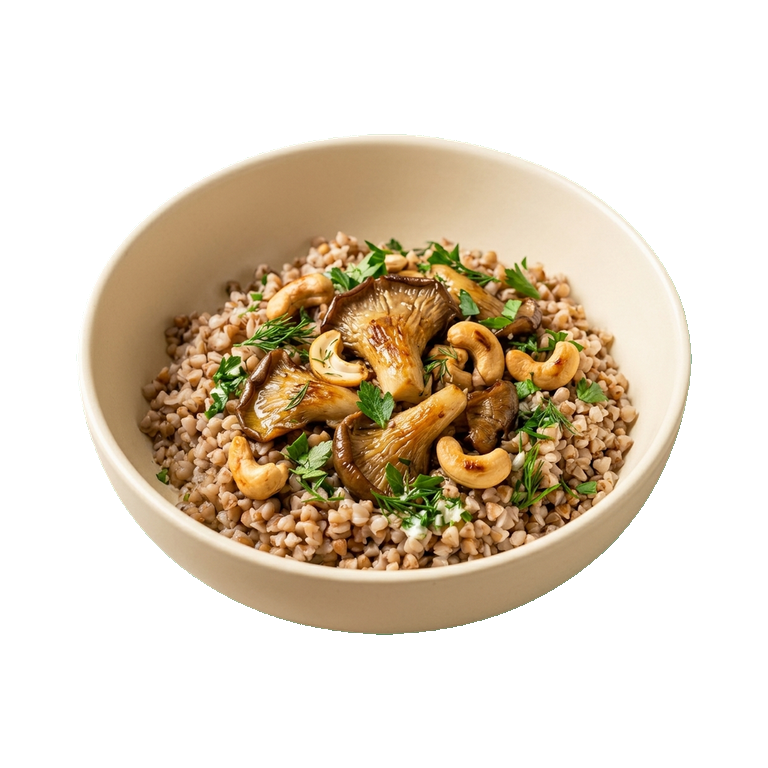
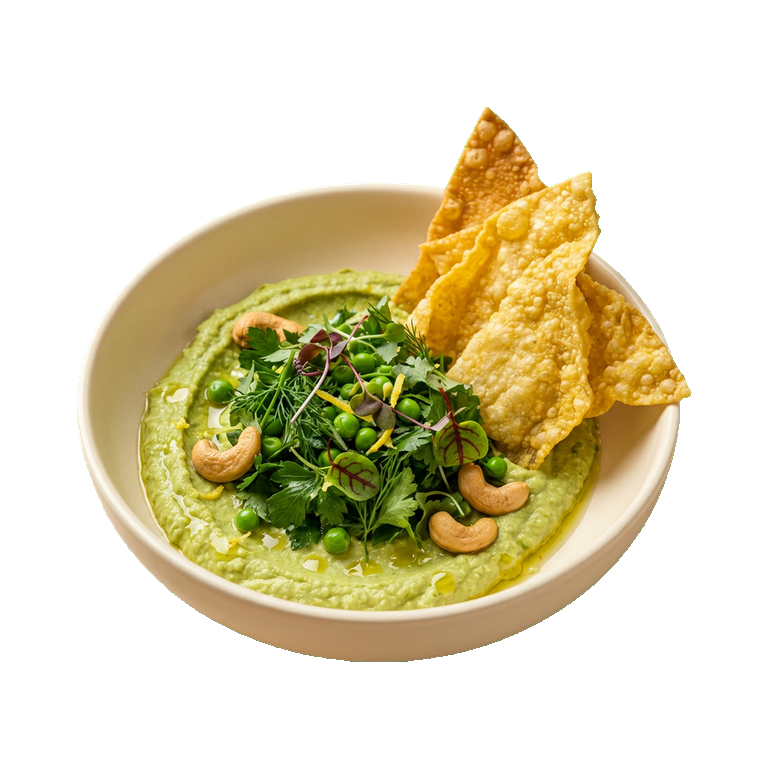
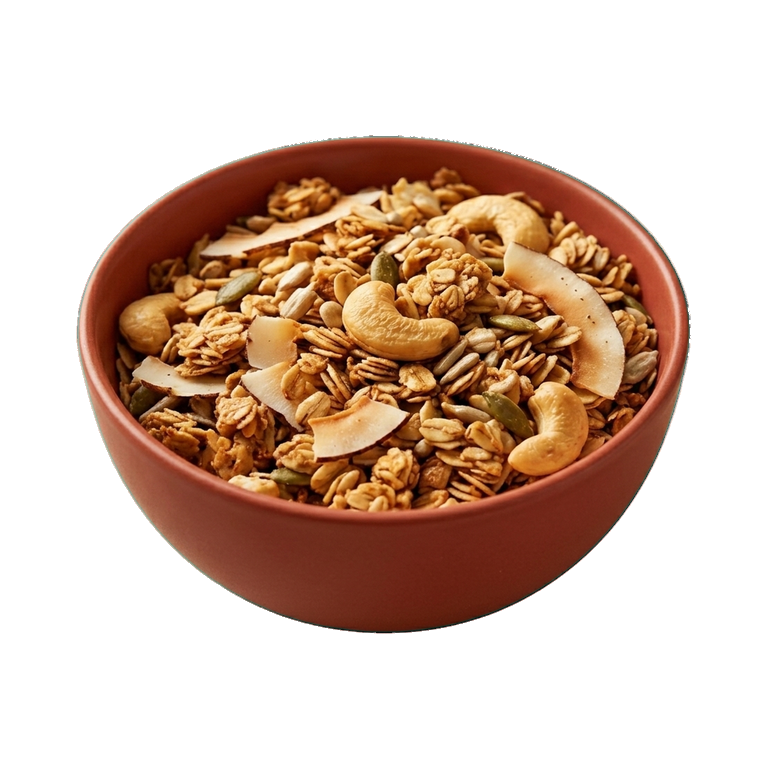
Cashews work in very different roles. Ground or soaked, they become the base for creamy sauces and vegan cream — simply pour hot water and let it steep. Whole nuts are added to Asian dishes, salads, and side dishes, creating a crispy texture and nutritional value.
- Creamy sauces for pasta, rice, or vegetables
- Base for vegan cheese and pâtés
- Crunchy topping for salads and Asian dishes
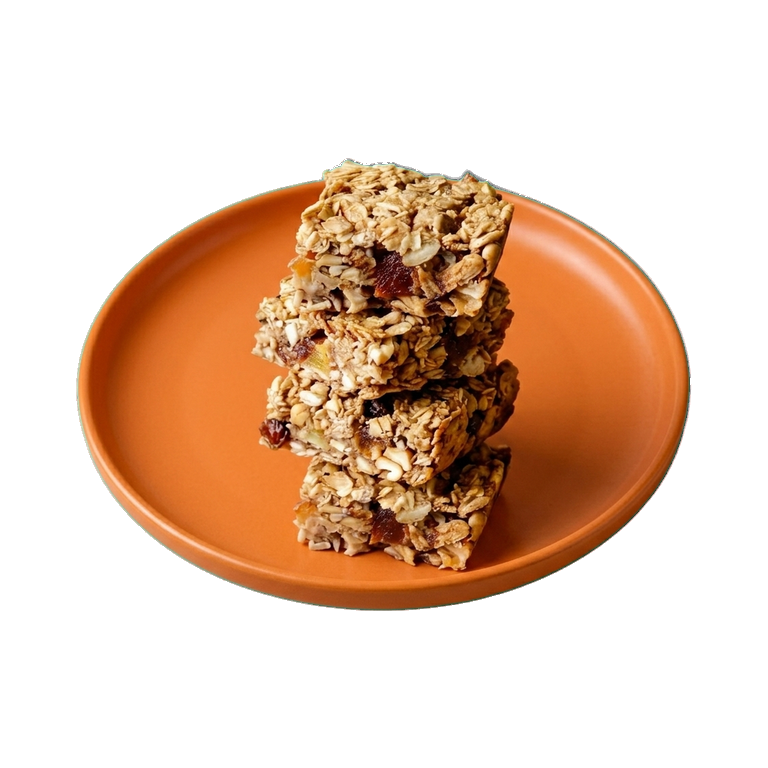
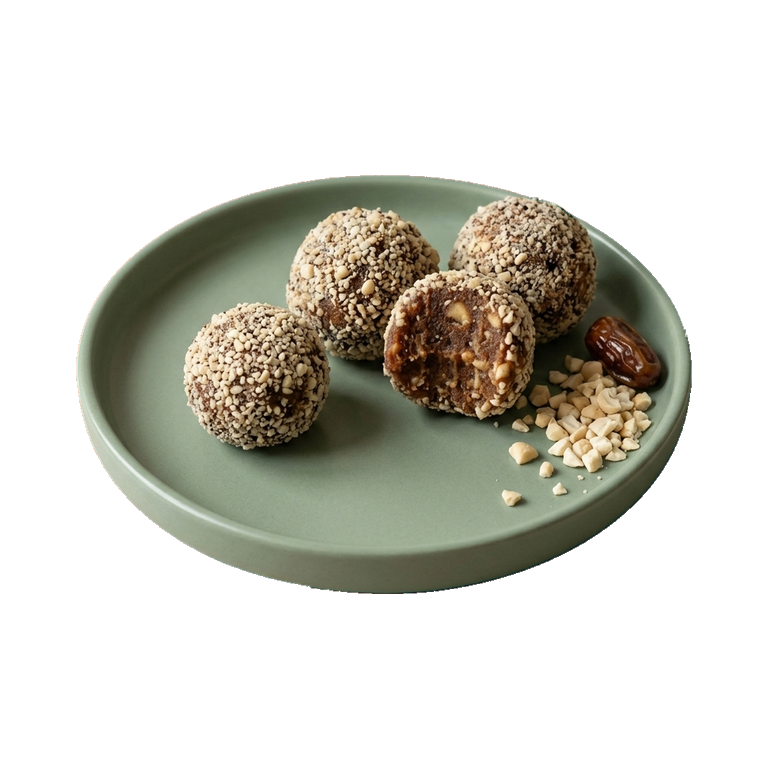
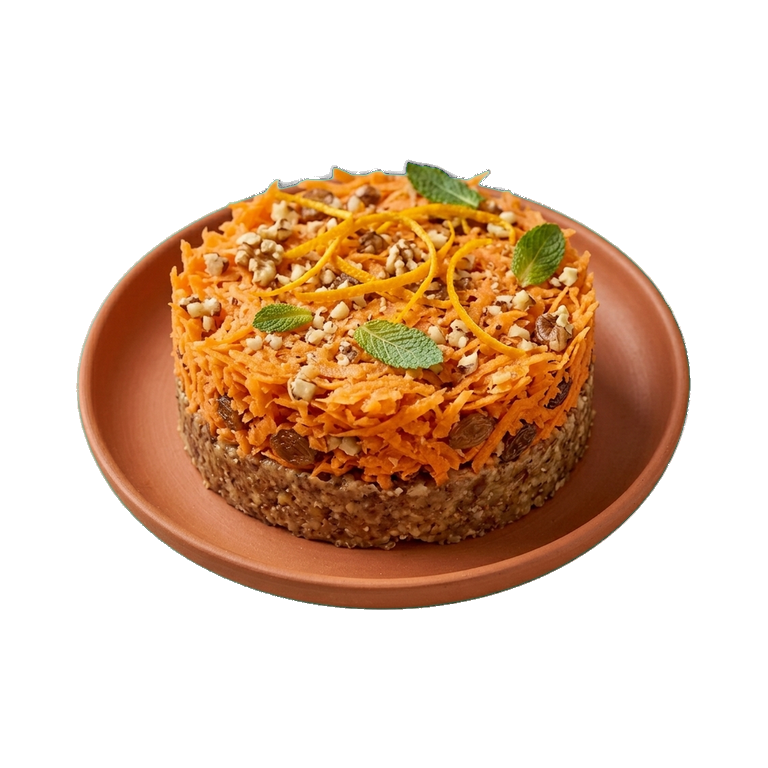
- Ingredient for homemade energy bars and desserts
- Base for nut butters and pastes
How to Choose and Store
Choose cashews with uniform color, without dark spots and musty smell. Whole nuts should be firm and heavy for their size. Raw cashews are lighter, roasted ones are darker; both options are good, the choice depends on what you're cooking.
Store cashews in a tightly sealed glass or plastic container in a cool place — preferably in the refrigerator or freezer. Due to their high oil content, nuts oxidize quickly and can develop a bitter taste. With proper storage, cashews maintain their freshness for several months.
- Check the smell before buying — fresh cashews have a delicate, nutty aroma
- If you buy ground cashews, make sure the packaging is sealed
- After opening, transfer to a container with a lid
Practical Tips
If you are preparing a creamy cashew sauce, soak the nuts in boiling water for 15–20 minutes before blending — they will become softer and the sauce will be more delicate. For regular use in salads and dishes, soaking is not required.
Roast cashews over low to medium heat to prevent them from burning. The nuts continue to cook even after you remove them from the pan, so take them off slightly earlier than it might seem necessary.
Nutrition
per 100 g
- Calories
- 553 kcal
- Protein
- 18.2 g
- Fat
- 43.9 g
- Carbs
- 30.7 g
Micronutrients
per 100 g
Macronutrients
- Fiber
- 4.104 g
- Water
- 4.811 g
Minerals
- Sodium
- 4.76 mg
- Potassium
- 638.3 mg
- Calcium
- 41.95 mg
- Magnesium
- 250.6 mg
- Phosphorus
- 532.2 mg
- Iron
- 5.99 mg
- Zinc
- 5.07 mg
- Copper
- 2.22 mg
- Manganese
- 1.95 mg
- Selenium
- 20.7 mcg
Measures and weight
- 1 tbsp
- 16.5 g
- 1 tsp
- 5.5 g
- 1 cup
- 275 g
- 1 pcs
- 1.2 g
Measure calculator
- Weight
- 100 g
- Calories
- 553 kcal