Usuba
Usuba
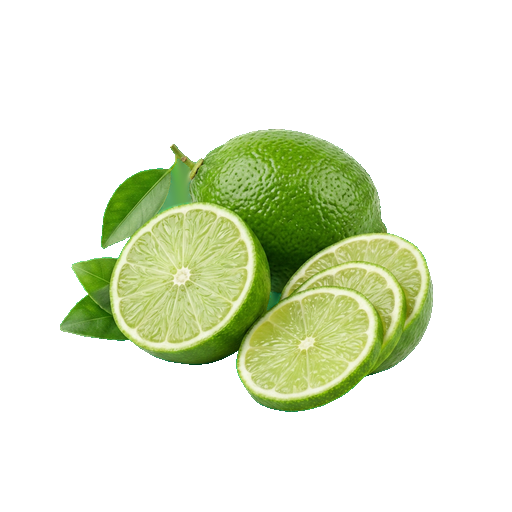
Lime
A sour citrus with thin skin and bright green color, featuring a more intense and refreshing aroma than lemon. Used in cocktails, Asian dishes, marinades, and as a final touch to highlight flavor. When choosing, look for a firm fruit without soft spots, and lemon can be used as a substitute, though the taste will be less sharp and aromatic.
About
Aroma and Taste
Lime is a small but mighty citrus with thin skin and a vibrant green color. When you cut into it, you immediately smell a sharp, fresh aroma that is hard to confuse with anything else. The taste is simultaneously sour and slightly bitter, but not as harsh as a lemon — rather, it's a refined acidity with floral notes.
The main difference between lime and lemon is that its acidity is softer and more aromatic. If lemon shouts, then lime whispers. This subtlety makes it indispensable in cocktail culture and Asian cuisine, where you need an acidity that doesn't overpower the other flavors, but complements them.
Role in dishes
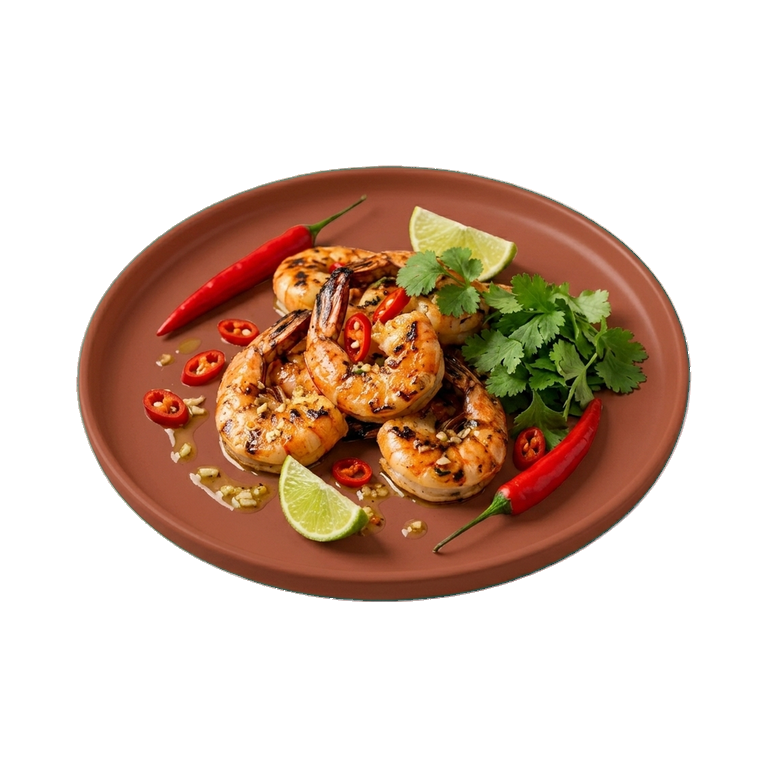
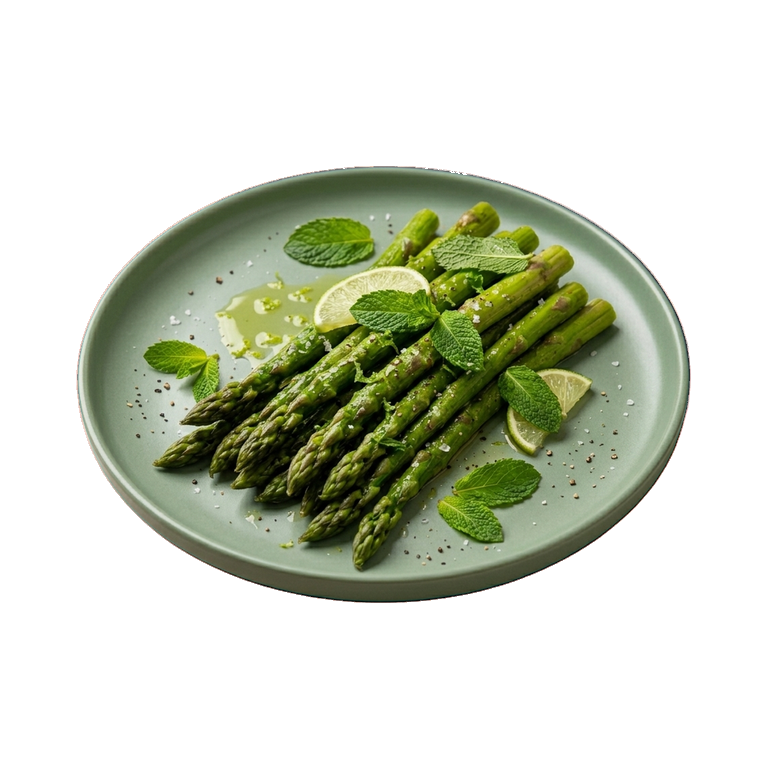
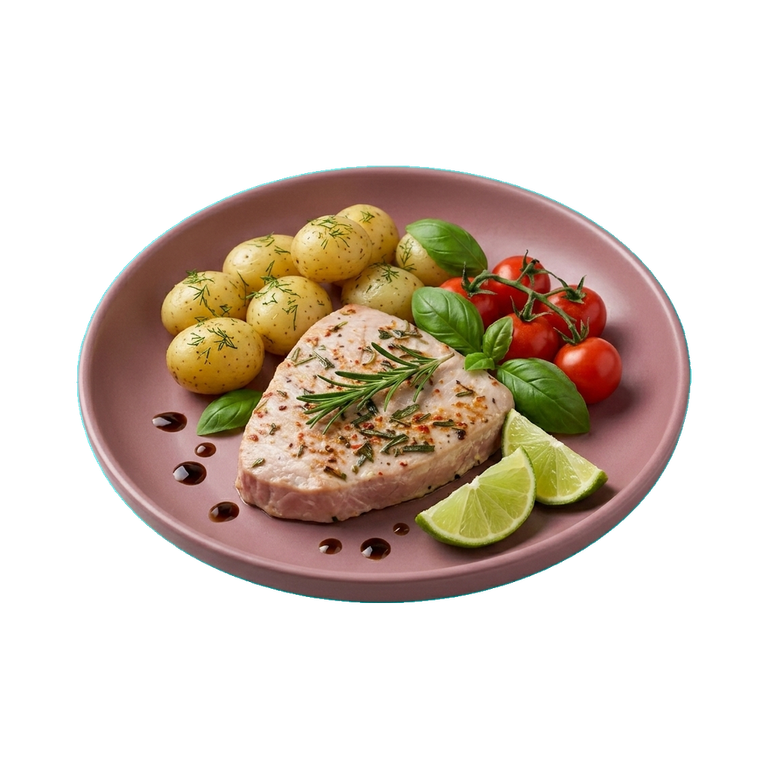
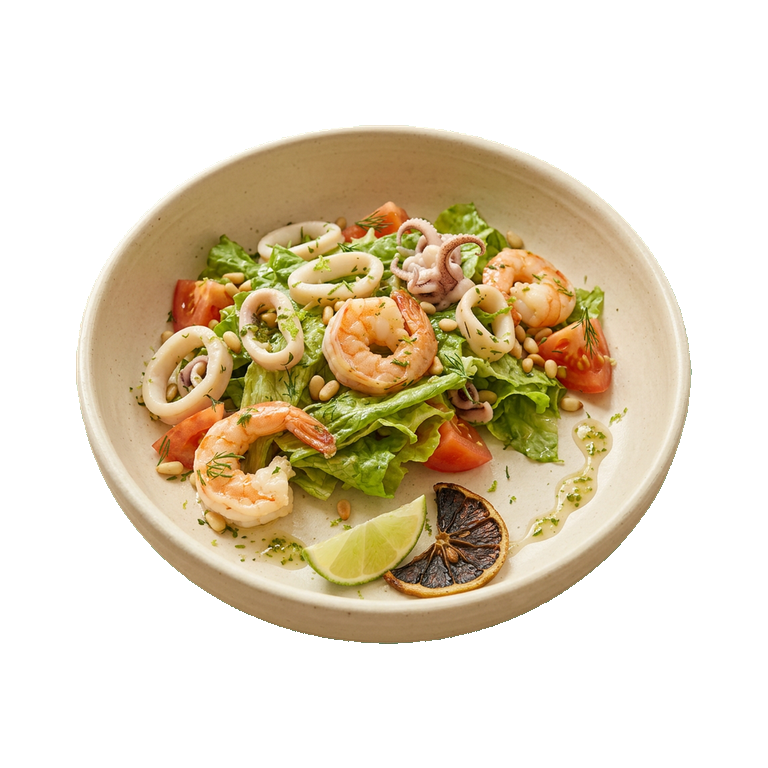
In the kitchen, lime works on several fronts simultaneously. Juice is added to marinades for fish and seafood — it not only provides acidity but also helps properly reveal the flavor. In salads, lime often replaces vinegar, creating a fresher and lighter profile. Slices garnish cocktails and hot drinks, adding aroma and visual appeal.
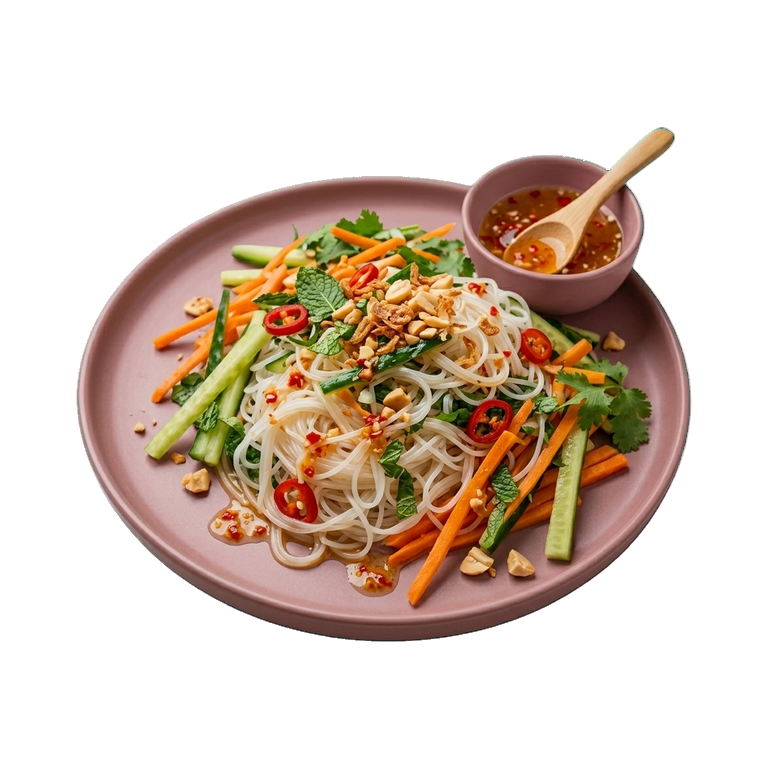
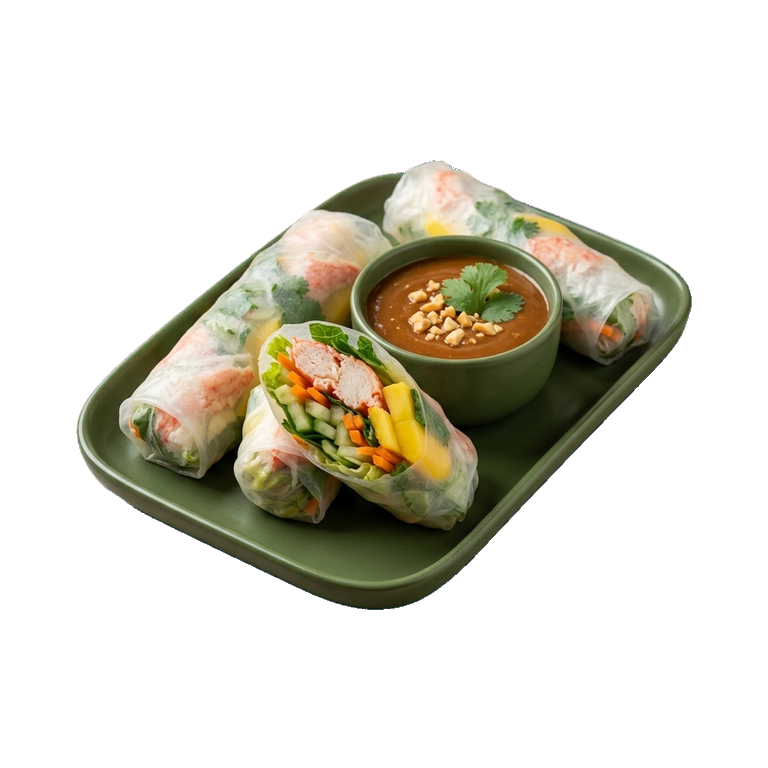
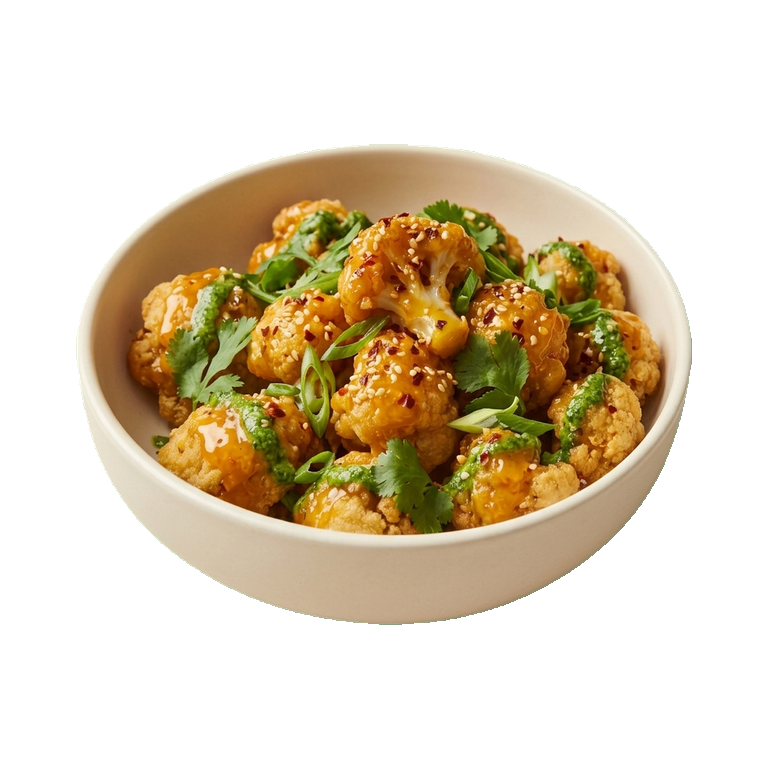
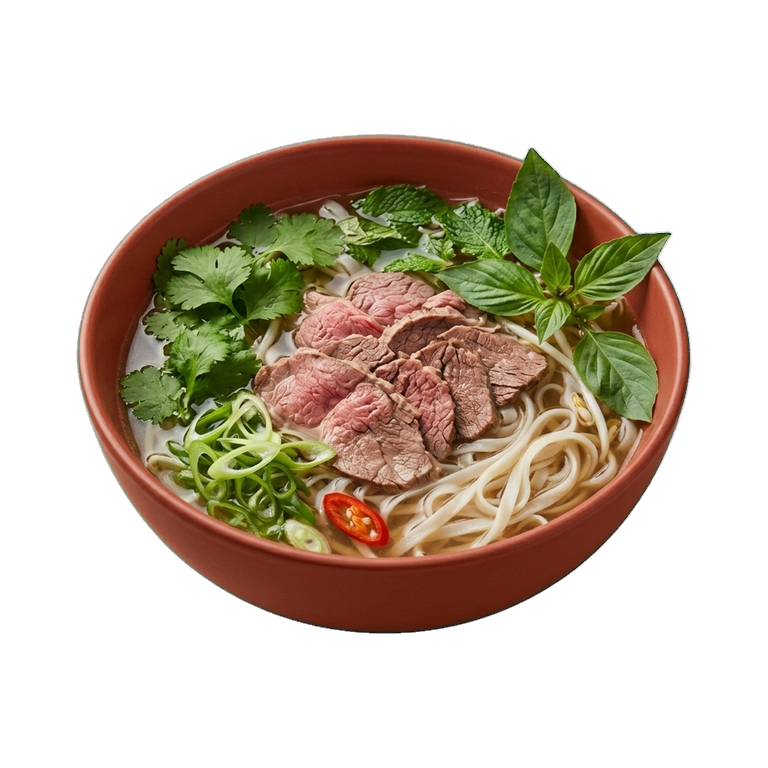
In Asian cuisine, lime is not just a garnish, but a full-fledged ingredient. Its juice is used in sauces, soups, and pastes. The zest is used in curry paste and sprinkled on top of dishes for brightness. Even lime leaves (in some regions) are put to use — they are added to broths and soups for aroma.
Pairings and Uses
- With fish and seafood — a classic combination that always works
- With coconut milk and chili — the base for spicy sauces and soups
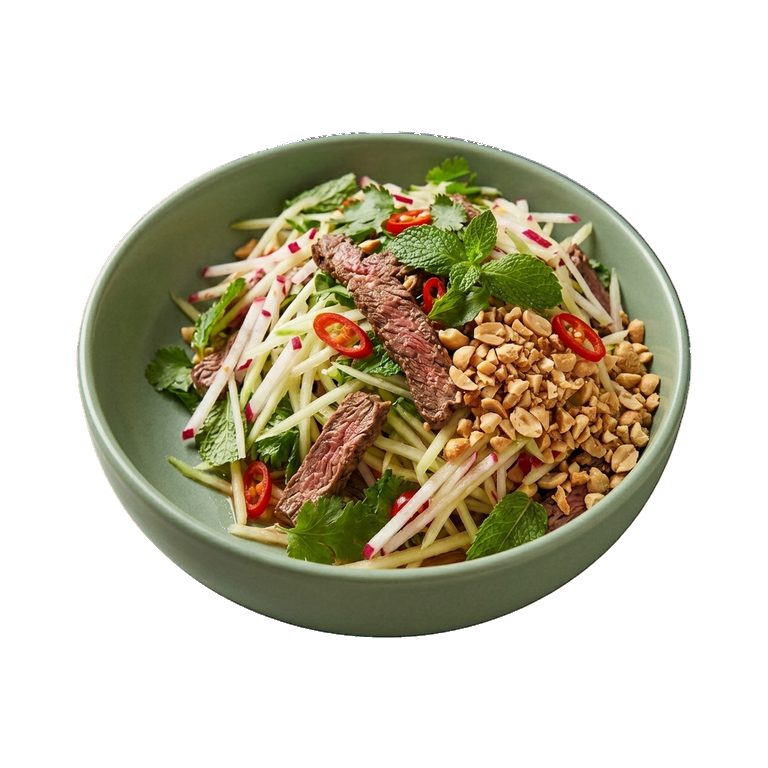
- With herbs (mint, cilantro, basil) — creates refreshing combinations in salads
- With ginger and garlic — a base for Asian marinades
- With alcohol (rum, tequila, vodka) — indispensable in cocktails
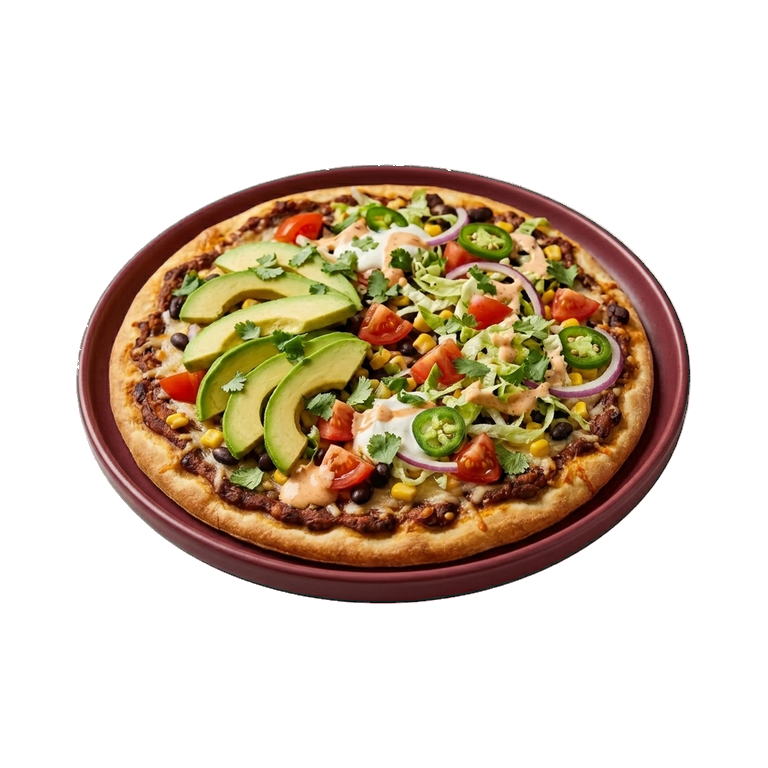
- With avocado and tomatoes — the star of guacamole
Selection and Storage
A good lime should be heavy for its size — this is a sign that it contains plenty of juice. The skin should be smooth, without dark spots or soft areas. If a lime is too hard, it may be unripe and sour. A light lime has already lost its moisture.
It's best to store lime at room temperature if you plan to use it within a week. In the refrigerator, it will last longer — up to three weeks in the vegetable compartment. Before using, it's helpful to slightly squeeze the lime in your hands or roll it on the table — this way the juice will be released more easily, and you'll get more liquid when squeezing.
Tip: frozen lime can be grated directly into a dish using a grater — you'll get both juice and zest at the same time. This technique is especially convenient for cocktails and desserts.
Nutrition
per 100 g
- Calories
- 30 kcal
- Protein
- 0.7 g
- Fat
- 0.2 g
- Carbs
- 10.5 g
Measures and weight
- 1 pcs
- 42 g
Measure calculator
- Weight
- 100 g
- Calories
- 30 kcal