Usuba
Usuba
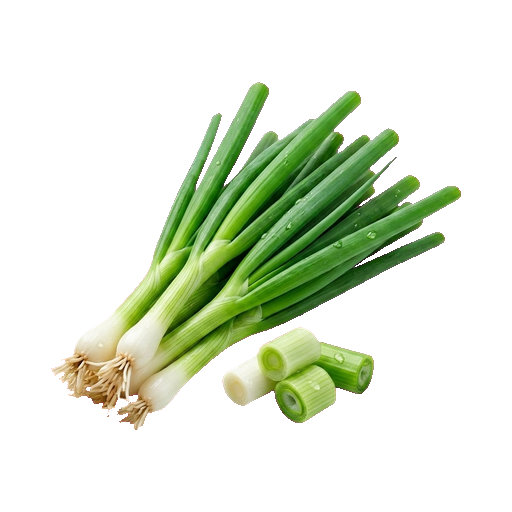
Green onions
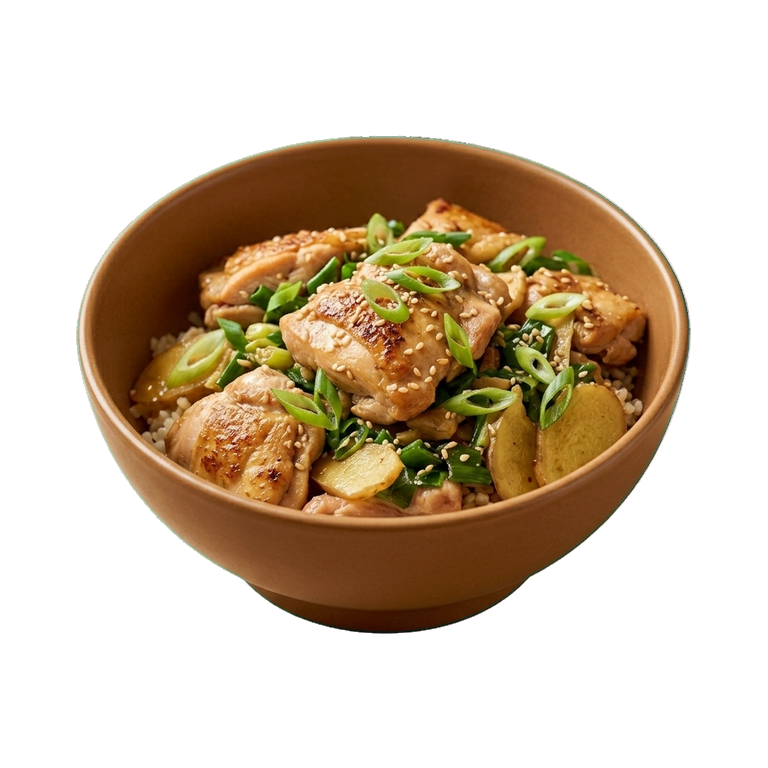
Young green onions with tender shoots are cut stalks of bulbing onions or scallions, featuring a soft, slightly sweet flavor with a hint of pungency. They are used as a fresh condiment for soups, salads, omelets, and side dishes, added at the end of cooking or just before serving to preserve crispness and vibrant color. When selecting, look for firm, bright green shoots without yellowing or wilting — such onions will provide maximum aroma and won't taste bitter.
Micronutrients
per 100 g
About
Green onion shoots are young sprouts that are cut long before the bulb forms. Unlike common onions, it is the stem and leaves that are eaten here, not the underground part. This is one of the most accessible and fast-growing vegetables that can be grown even on a windowsill in just a few weeks.
Taste and Aroma
Green onions have a fresh, slightly sharp taste, but are much milder and more delicate than mature onions. Young shoots have a pleasant green aroma with an onion note — the sharpness doesn't dominate, but complements. The younger the green onions, the more tender their taste; more mature stems become denser and sharper.
Where and how to use
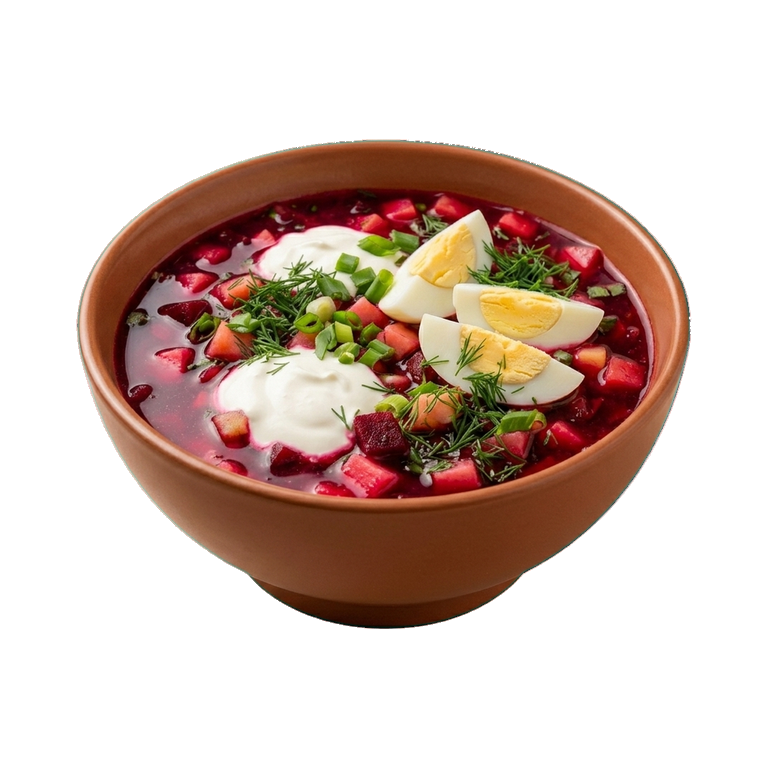
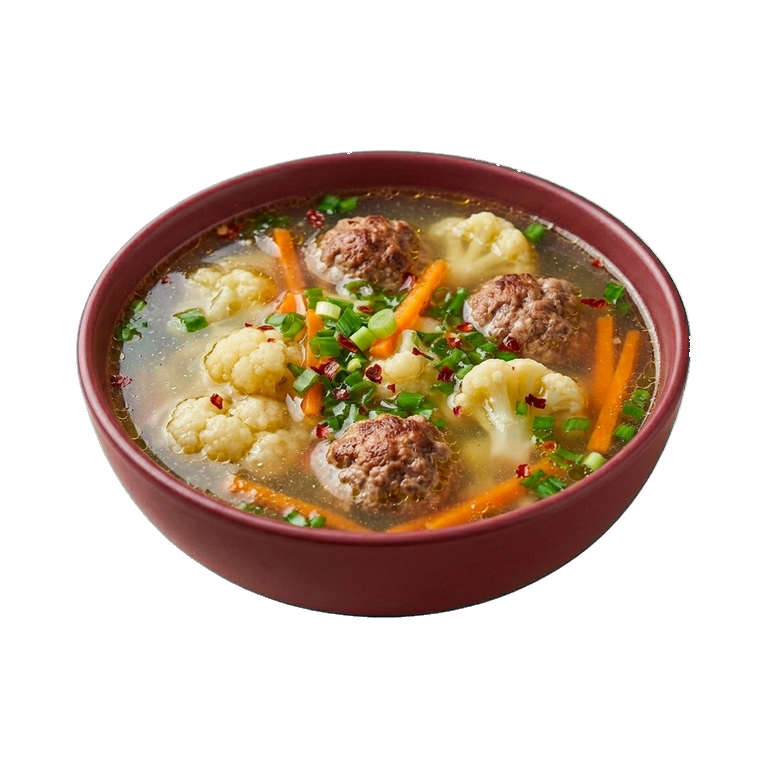
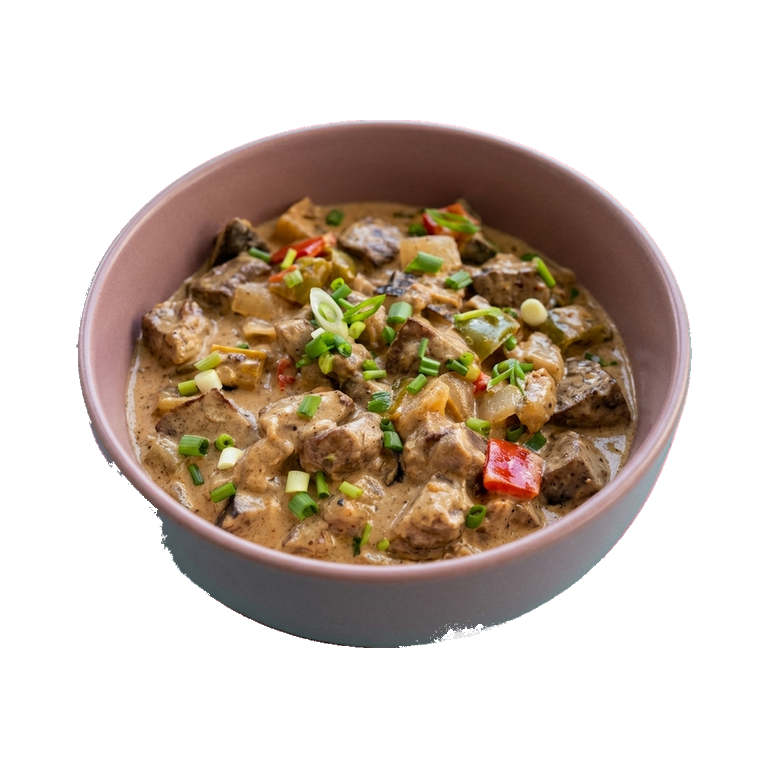
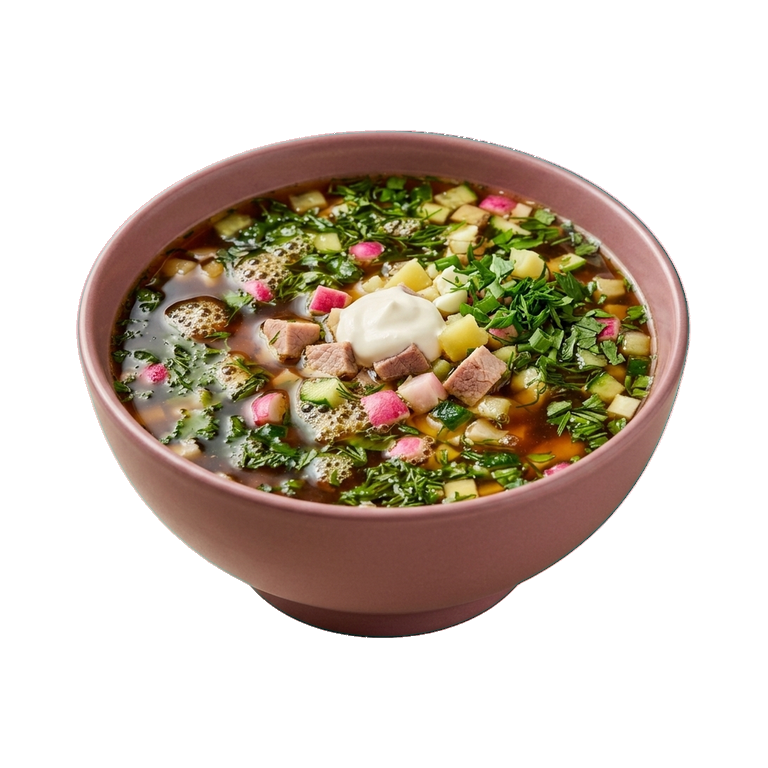
- As a garnish and decoration: chopped green onion tops are sprinkled over soups, borscht, and okroshka right before serving
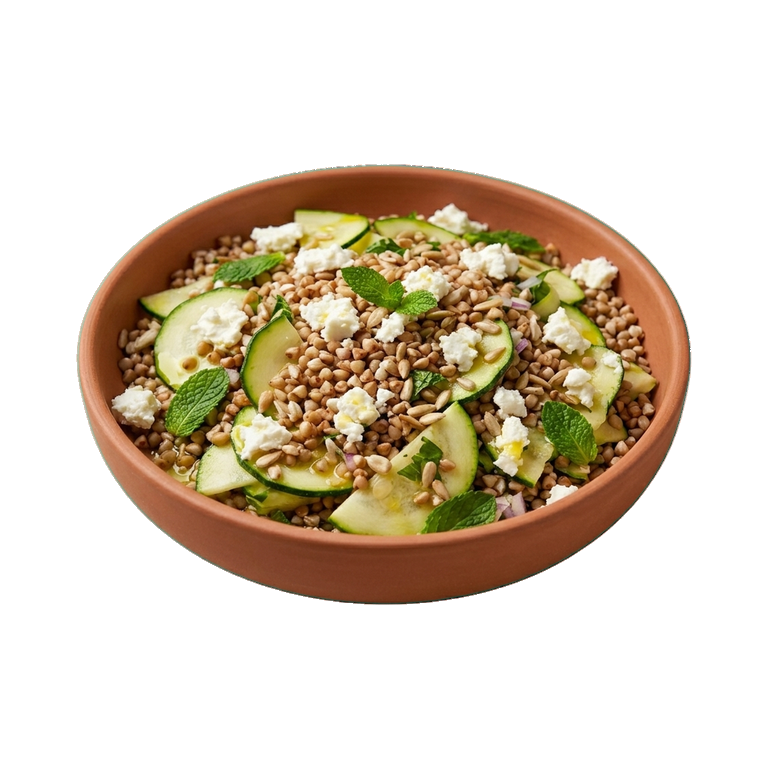
- In salads: tender young green onion tops are added to vegetable and potato salads, giving them freshness
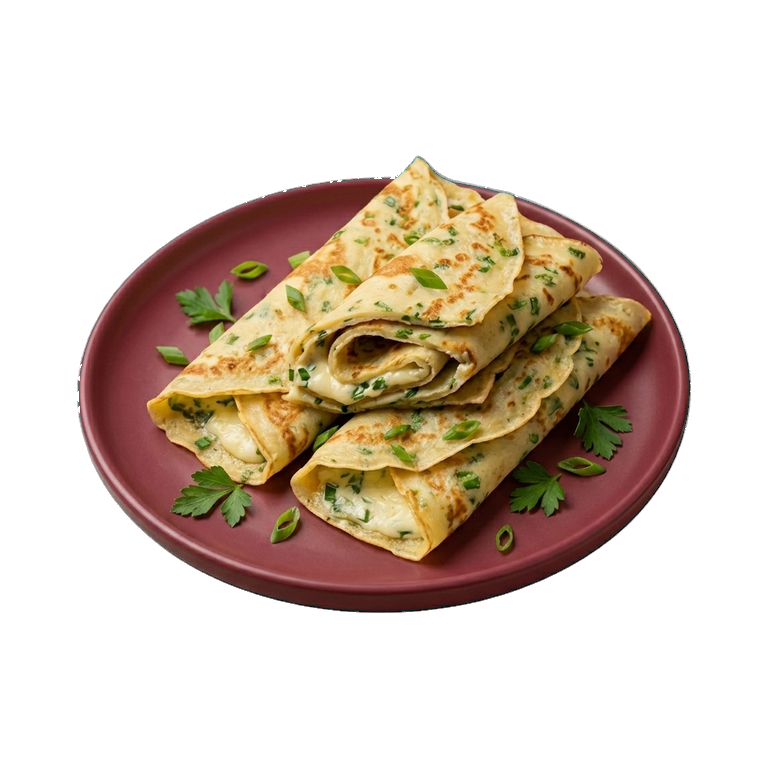
- In omelets and egg dishes: chopped green onion tops are added to the filling or sprinkled over the finished dish
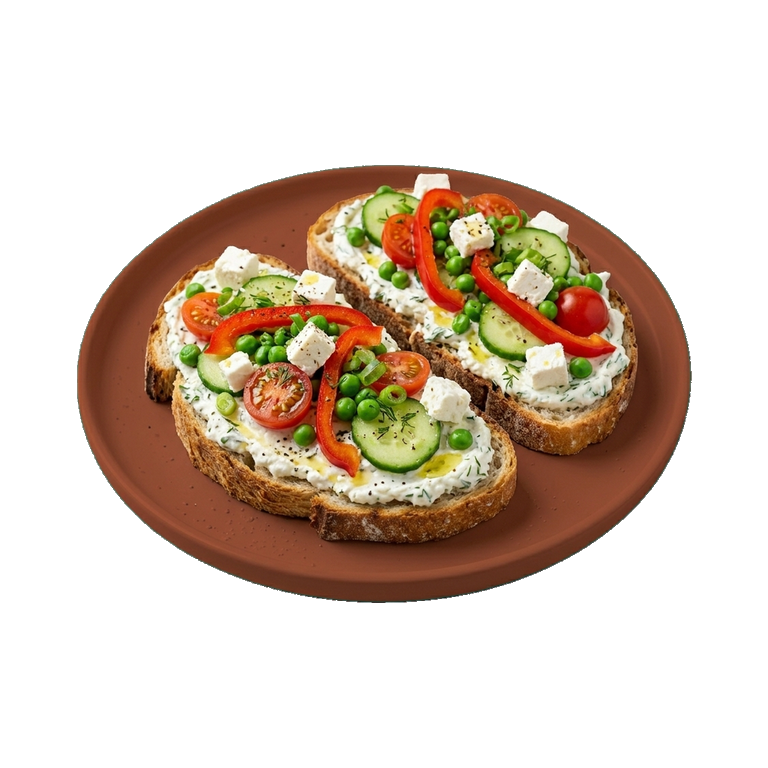
- In cottage cheese pastas and cream sauces: green onion tops pair well with dairy products
- In bread and buns: finely chopped green onion tops are mixed into the dough for a savory flavor
- In marinades and glazes: added when preserving vegetables for aroma
How to Choose and Store
Choose firm, bright green stems without yellow tips or signs of wilting. They should be crisp and brittle when bent, not limp. Freshly cut stems smell like fresh grass, with no unpleasant odor.
- In the refrigerator: place the greens in a glass with a small amount of water (like flowers in a vase) or wrap in a damp cloth and put in a bag — they keep for 5–7 days
- Freezing: chop the greens and spread on a tray, freeze, then transfer to a container — keeps for several months
- Drying: hang the greens in a dark, well-ventilated place or use a food dehydrator — dried greens keep in an airtight jar for up to six months
Practical Tips
Add green onion tops at the end of cooking or to a finished dish — prolonged heat treatment causes them to lose their bright flavor and become bland. If the tops taste bitter, soak them in cold water for a few minutes. The white parts of the tops (if present) are more tender and less sharp than the greens — use them separately in delicate dishes.
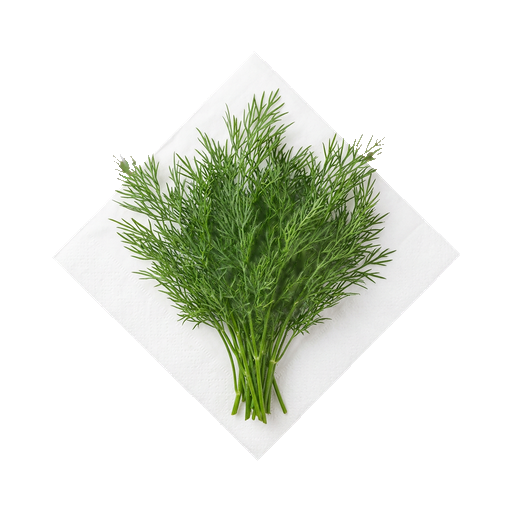
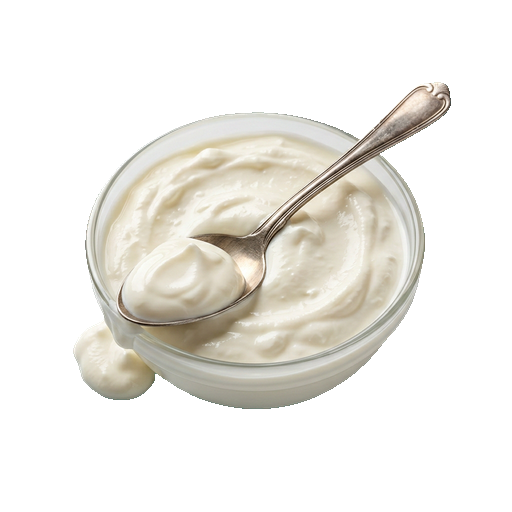
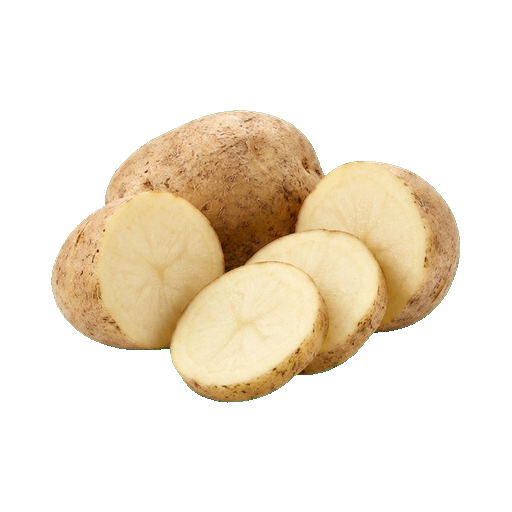
Green onions go wonderfully with dairy products, potatoes, eggs, fresh herbs (dill, parsley), sour cream, and butter. They are versatile and don't overpower other ingredients, but only enhance their taste.
Nutrition
per 100 g
- Calories
- 19 kcal
- Protein
- 2.7 g
- Fat
- 0.3 g
- Carbs
- 3.4 g
Micronutrients
per 100 g
Macronutrients
- Fiber
- 2.3 g
- Water
- 91.67 g
Minerals
- Sodium
- 9.95 mg
- Potassium
- 232 mg
- Calcium
- 59.44 mg
- Magnesium
- 18.94 mg
- Phosphorus
- 27.86 mg
- Iron
- 1.04 mg
- Zinc
- 0.25 mg
- Copper
- 0.04 mg
- Manganese
- 0.27 mg
Measures and weight
- 1 pcs
- 10 g
- 1 bunch
- 50 g
- 1 sprig
- 5 g
Measure calculator
- Weight
- 100 g
- Calories
- 19 kcal