Usuba
Usuba

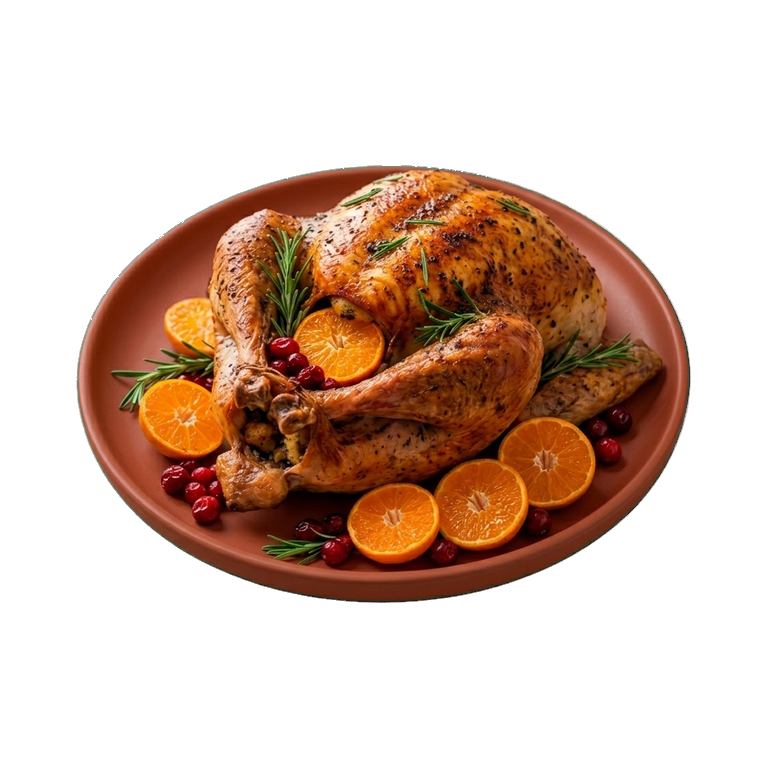
Mandarins
Mandarins are sweet citrus fruits with thin skin that easily separates from the flesh and a characteristic aroma with notes of freshness. The taste is predominantly sweet with a slight tanginess, the flesh is juicy and tender, with no bitterness. In cooking, they are used for desserts, compotes, marinades, and added to salads and meat dishes; when selecting, it is best to choose firm fruits without soft spots, and when substituting, oranges or clementines can be used, although the taste will be less sweet.
Micronutrients
per 100 g
About
Mandarins are one of the most convenient citrus fruits in the kitchen. They peel easily, are sweet, juicy, and leave almost no bitterness. This is exactly why they are so often seen in the hands of chefs in a hurry. But mandarins are not just a snack: they can become the basis of a dish, add freshness to a sauce, or decorate a dessert.
Aroma and Flavor
Mandarins smell brighter than oranges — fresher and slightly spicy. In taste, they are sweeter, with a light tartness at the end that refreshes. The intensity of flavor depends on the variety: some mandarins are almost honeyed, others maintain a balance between sweetness and acidity. This quality makes them versatile — they work well in both sweet and savory dishes.
Role in dishes
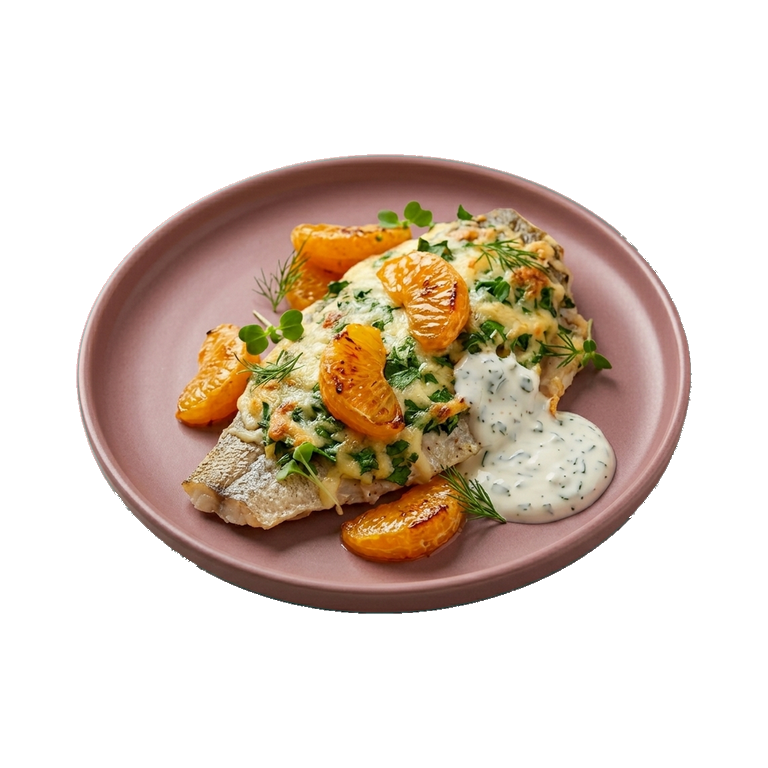
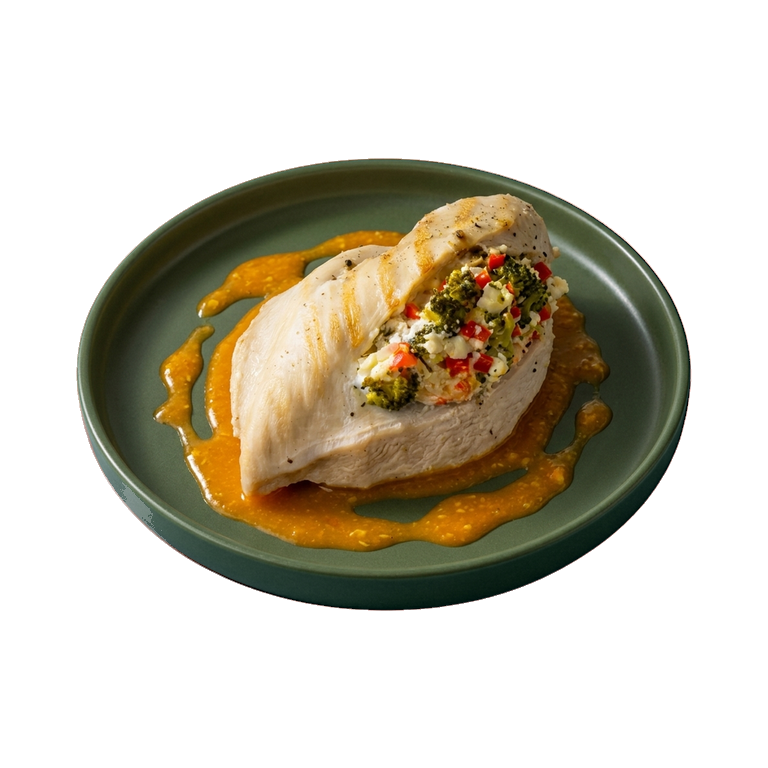
- Juice and zest are the foundation for sauces for duck, seafood, and chicken. Zest adds piquancy, juice provides acidity and sweetness.
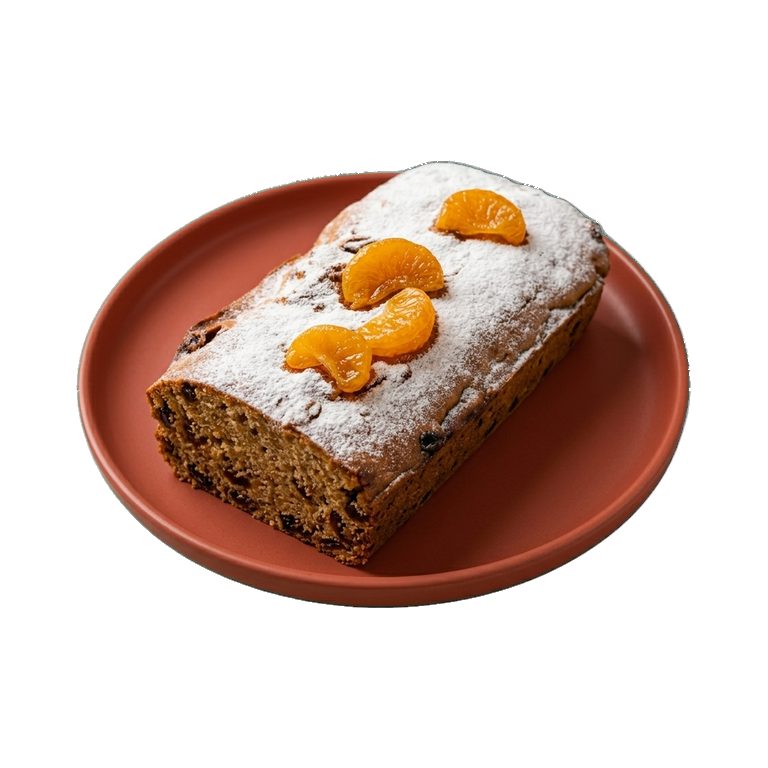
- In baking and desserts, mandarins work with both dough and creams. Mandarin puree makes sponge cakes moister, and juice lightens the glaze.
- In salads — fresh contrast to bitter greens, spicy seasonings, and salty cheese or ham.
- Mandarin marmalade, confit, and jam hold their shape better than other citrus fruits, thanks to the structure of the flesh.
Successful Pairings
Mandarins sound great with ginger, cinnamon, and cloves — this combination is already familiar to our taste through holiday aromas. They pair well with dark chocolate, vanilla, and honey. On the savory side — with soy sauce, garlic, and hot peppers. Mandarins enhance dishes with duck and goose meat, and work well in marinades for pork.
Selection and Storage
Choose mandarins with smooth skin without soft spots and dents. They should be heavy for their size — a sign of juiciness. Slightly wrinkled skin is not a problem: the sweetest fruit often hides underneath. Overly firm mandarins are not yet ripe.
- At room temperature, tangerines are stored for 3–5 days. They quickly lose moisture and begin to shrivel.
- In the refrigerator (in the fruit compartment) — up to two weeks. Put them in a bag with holes so air can circulate.
- Freeze juice and zest separately in ice cube trays or containers. Frozen juice retains its flavor for up to three months.
Practical tip
If you need zest, remove it before peeling the fruit — wet hands slip on the skin. Use a fine grater or microplane. The white layer under the peel is bitter, so scrape it off with a knife if any gets on. Squeeze juice from a whole fruit — this way it won't oxidize quickly. Mandarins at room temperature yield more juice than cold ones from the refrigerator.
Nutrition
per 100 g
- Calories
- 53 kcal
- Protein
- 0.8 g
- Fat
- 0.3 g
- Carbs
- 13.3 g
Micronutrients
per 100 g
Macronutrients
- Fiber
- 1.328 g
- Water
- 84.65 g
Minerals
- Sodium
- 0 mg
- Potassium
- 167.2 mg
- Calcium
- 43.96 mg
- Magnesium
- 12.59 mg
- Phosphorus
- 19.71 mg
- Iron
- 0 mg
- Zinc
- 0.07 mg
- Copper
- 0.04 mg
- Manganese
- 0.05 mg
Vitamins
- Vitamin C
- 21.2 mg
Measures and weight
- 1 pcs
- 60 g
Measure calculator
- Weight
- 100 g
- Calories
- 53 kcal