Usuba
Usuba
Amaranth flour
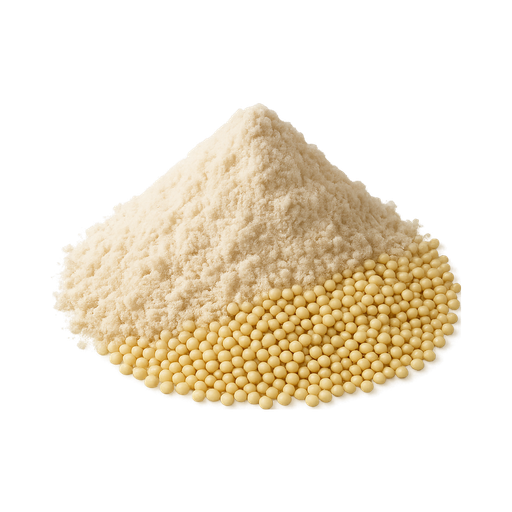
Amaranth flour is a fine powder made from amaranth seeds, an ancient grain with a nutty flavor and subtle sweetness. It contains more protein and fiber than wheat flour and is gluten-free, making it ideal for gluten-free baking. When used in dough, amaranth flour is typically mixed with other types of flour, as it doesn't hold structure well on its own and gives baked goods a denser consistency and characteristic nutty aftertaste.
Micronutrients
per 100 g
Minerals
About
Amaranth flour is a fine powder made from amaranth grains, an ancient crop that is experiencing a renaissance on modern kitchen tables today. Unlike conventional wheat flour, it has a distinctive nutty flavor with a subtle bitterness and a creamy undertone. It is not merely an alternative for gluten-free baking, but a full-fledged ingredient that transforms the character of a dish and enriches it with nutritional value.
Aroma and Taste
Amaranth flour has an earthy nutty aroma — not sharp, but soft and muted. To the taste, it is slightly sweet, with a subtle bitterness that disappears when mixed with other ingredients. Amaranth grains are very small, so the flour turns out to be exceptionally fine, almost like powder. This affects the texture of baked goods: it becomes denser and more moist than when using wheat flour.
Role in dishes
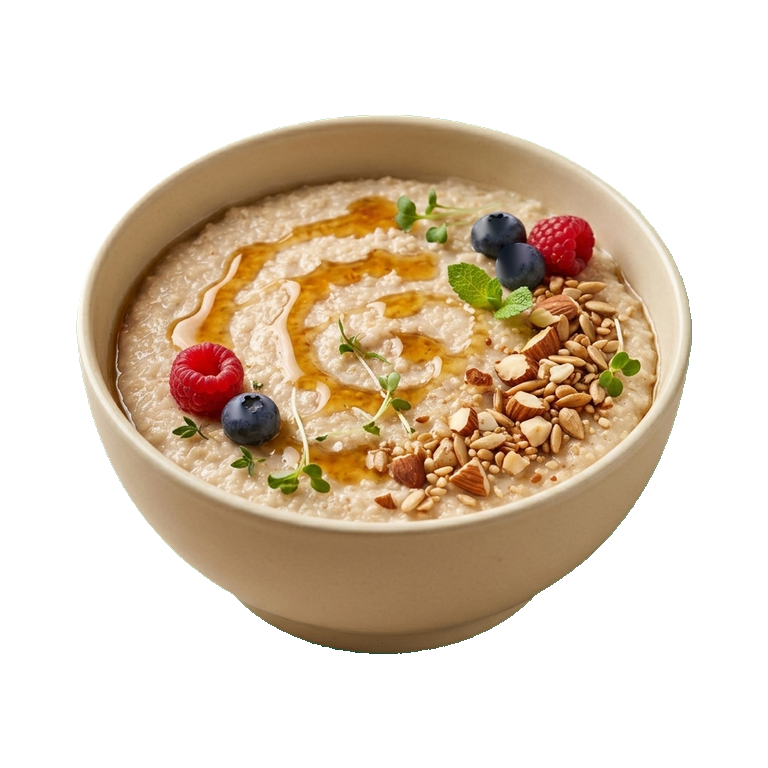
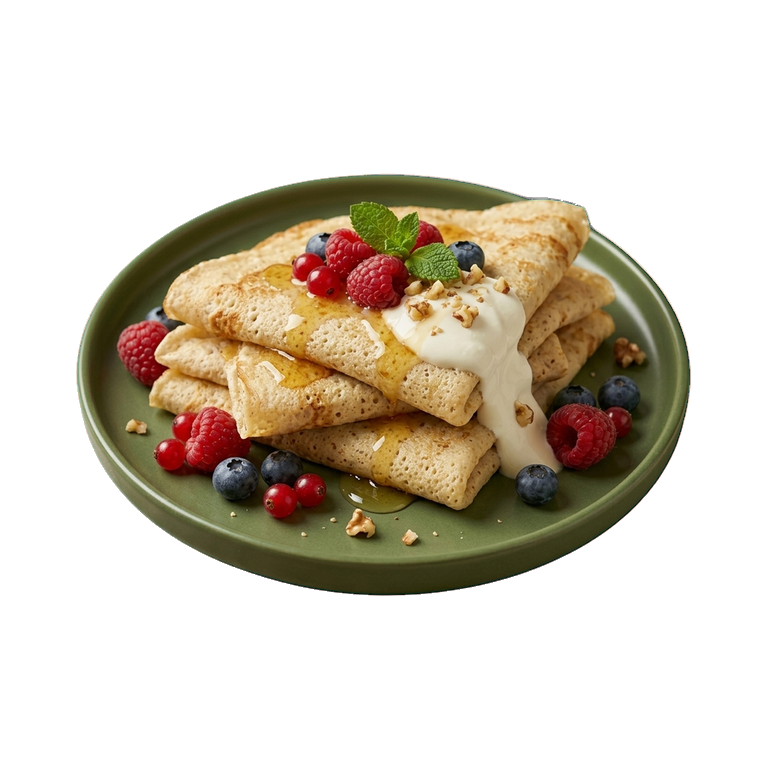
Amaranth flour is rarely used as the sole basis for baking — it contains no gluten, so the dough doesn't get the necessary elasticity. Instead, it's added to wheat or other flour, usually in proportions from 10 to 30 percent. This approach works well in cookies, pancakes, muffins, and bread. It's excellent in grain porridges, as a coating for meat and fish, in gluten-free mixes, and even in some sauces for thickening.
Successful Pairings
- With cinnamon, ginger and cardamom in sweet pastries
- With honey and vanilla in cookies and cupcakes
- With salt and herbs in savory coatings
- With coconut flour and flax seeds in healthy bars
- With milk and banana in drinks and smoothies
Selection and Storage
When purchasing, pay attention to the color: high-quality amaranth flour has a cream-beige shade, sometimes with a slight pinkish or grayish tint. It should be crumbly, without lumps and mold smell. Check the packaging date — amaranth flour contains oils that oxidize over time.
Store it in an airtight container in a cool, dark place, preferably in the refrigerator or freezer. At room temperature, flour stays fresh for 2–3 months, in the refrigerator — up to six months. If you notice a rancid smell or color change, it's better not to use the flour. Before cooking, sift the flour — this will help avoid lumps and make the dough more airy.
Practical Tips
- Start by adding 15 percent amaranth flour to your main flour — this way you'll feel its character without risking spoiling the dish
- Dough with amaranth flour may require a bit more liquid, as the flour absorbs it more actively
- Baking with this flour may brown faster, so keep an eye on the cooking time
- For gluten-free baking, combine amaranth flour with corn or rice flour, adding a binding agent like eggs or starch
Amaranth flour is not an exotic specialty for narrow experts, but a useful tool for expanding your culinary repertoire. Its nutty flavor adds depth, and its nutritional value makes dishes more satisfying. Start with small experiments, and you will find your own way of working with this interesting ingredient.
Nutrition
per 100 g
- Calories
- 371 kcal
- Protein
- 13.6 g
- Fat
- 7 g
- Carbs
- 65.3 g
Micronutrients
per 100 g
Macronutrients
- Fiber
- 7.209 g
- Water
- 9.486 g
Minerals
- Sodium
- 0 mg
- Potassium
- 395.8 mg
- Calcium
- 135.2 mg
- Magnesium
- 232.7 mg
- Phosphorus
- 424.9 mg
- Iron
- 7.56 mg
- Zinc
- 3 mg
- Copper
- 0.52 mg
- Manganese
- 2.31 mg
- Selenium
- 21.1 mcg
Vitamins
- Vitamin B1 (thiamin)
- 0.06 mg
- Vitamin B2 (riboflavin)
- 0.18 mg
- Vitamin B3 (niacin)
- 0.75 mg
- Vitamin B6
- 0.39 mg
Measures and weight
- 1 tbsp
- 11.3 g
- 1 tsp
- 3.8 g
- 1 cup
- 187.5 g
Measure calculator
- Weight
- 100 g
- Calories
- 371 kcal