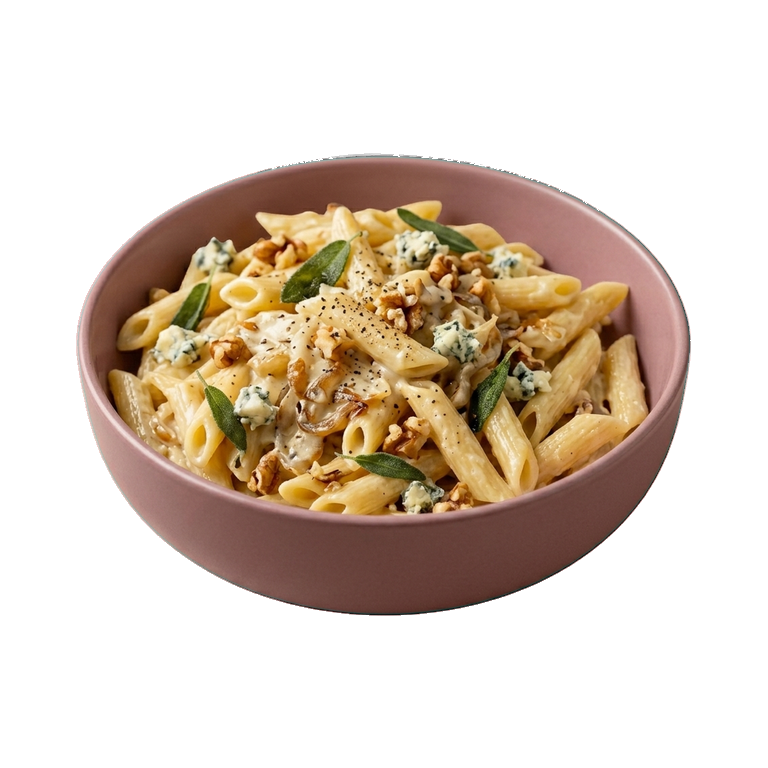
Usuba
Usuba
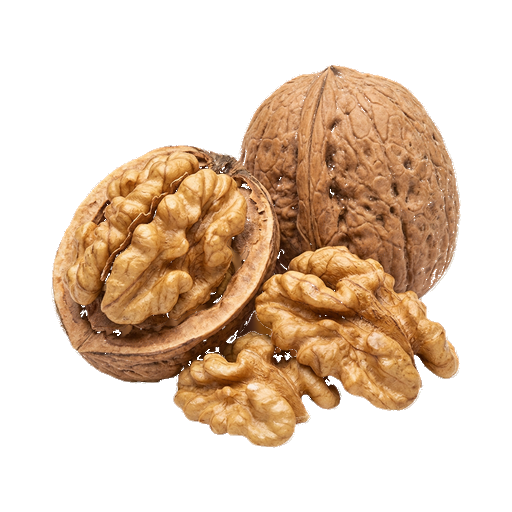
Walnuts
Walnuts are kernels with an oily texture and a slightly bitter, earthy flavor that work well in both sweet and savory dishes. They are used in baking, salads, sauces, and as a standalone snack, as well as added to porridges and cottage cheese desserts. When selecting, look for whole kernels without dark spots and a musty smell, since nuts oxidize quickly; store them in a cool place to prevent them from becoming rancid.
About
Walnuts are one of the most versatile ingredients in the kitchen. They work in sweet desserts, spicy appetizers, main courses, and simply as a snack. Their buttery texture and slightly bitter flavor make them indispensable in any cook's arsenal.
Aroma and Taste
Fresh walnuts have a clean, slightly woody taste with a pleasant oiliness. If the nuts are lightly roasted in a pan or oven, their aroma becomes more pronounced and rich — nutty, almost caramel notes appear. This is a simple way to enhance the flavor of a dish without adding new ingredients.
Important to remember: nuts contain oils that become rancid over time. Store them in an airtight container in a cool place or in the refrigerator — this way they will stay fresh much longer. If a nut smells sour or musty, it's better not to use it.
Role in Dishes
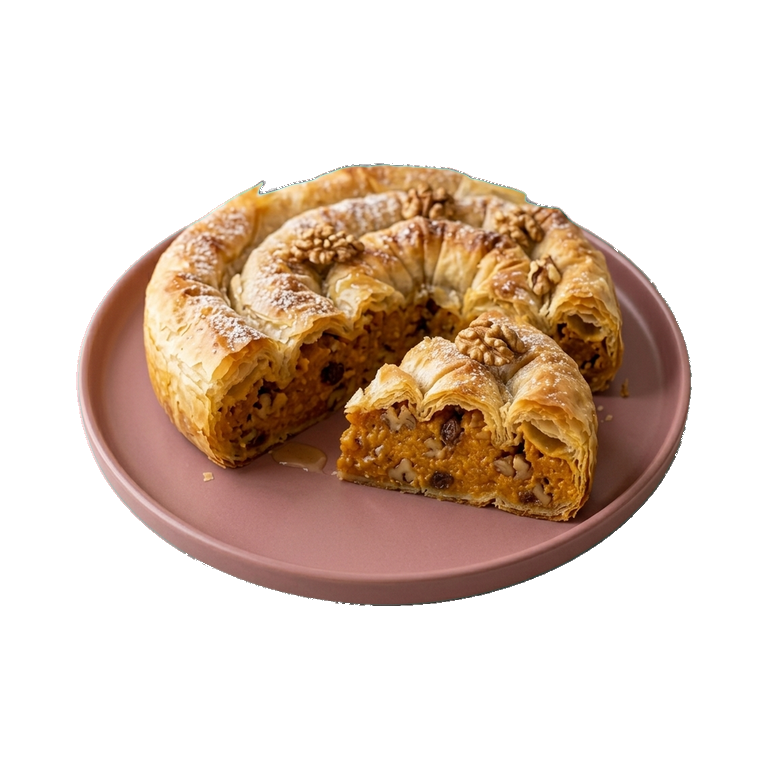
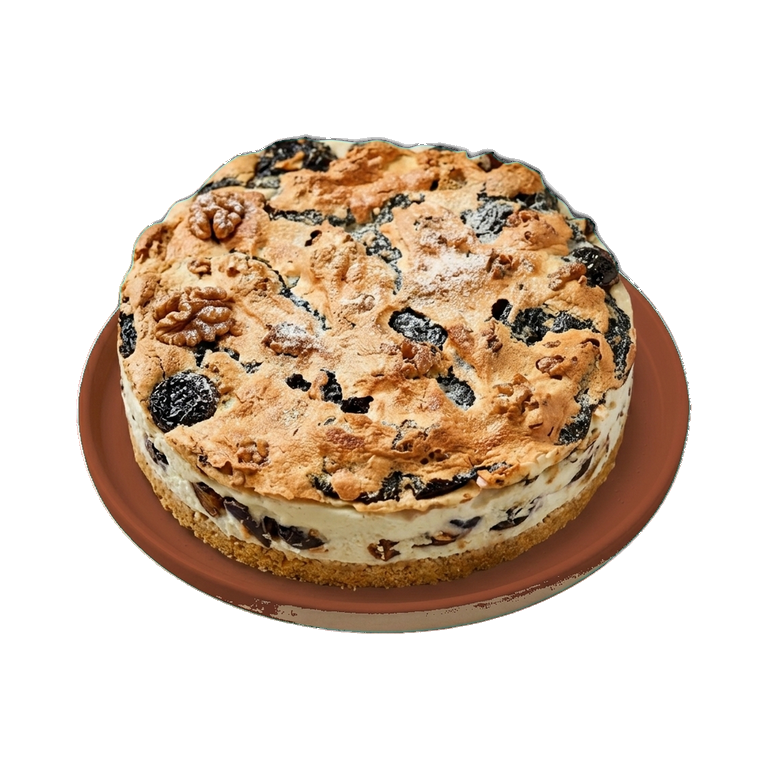
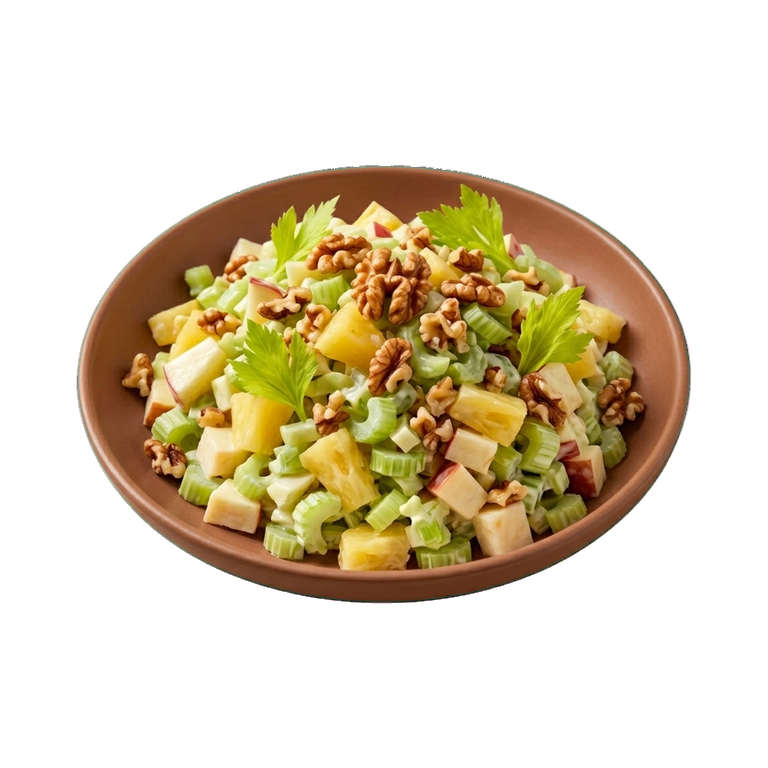
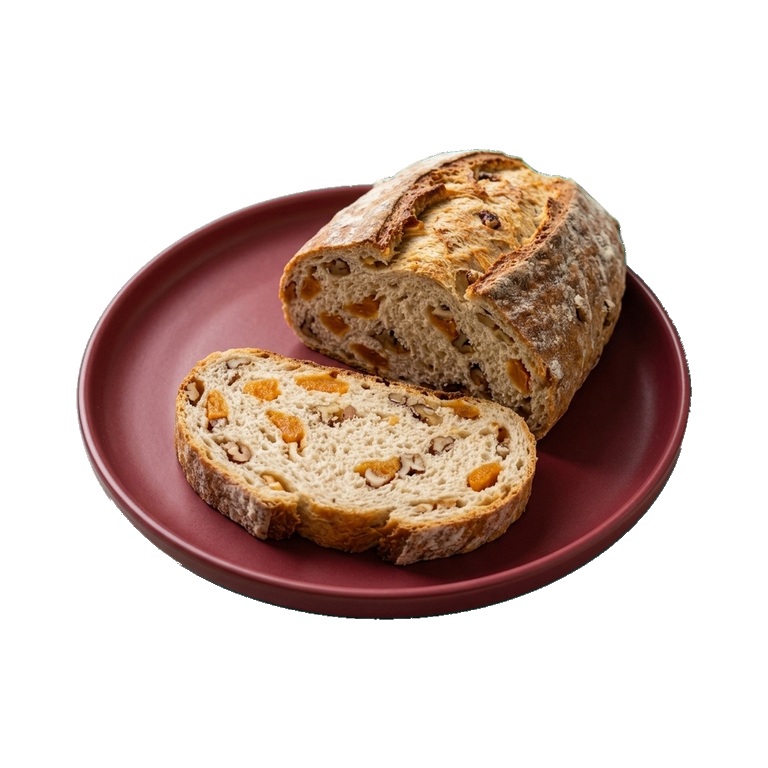
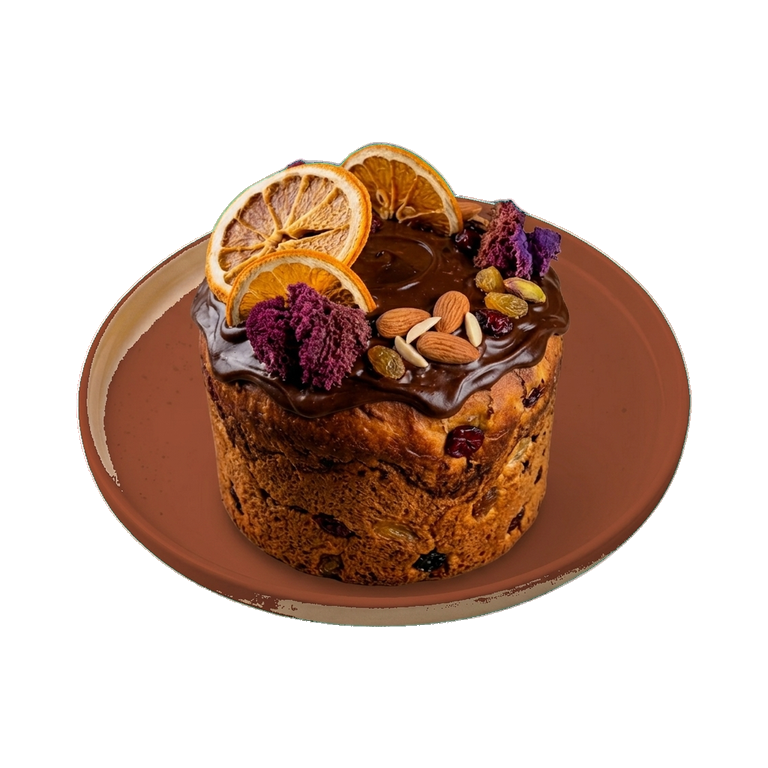
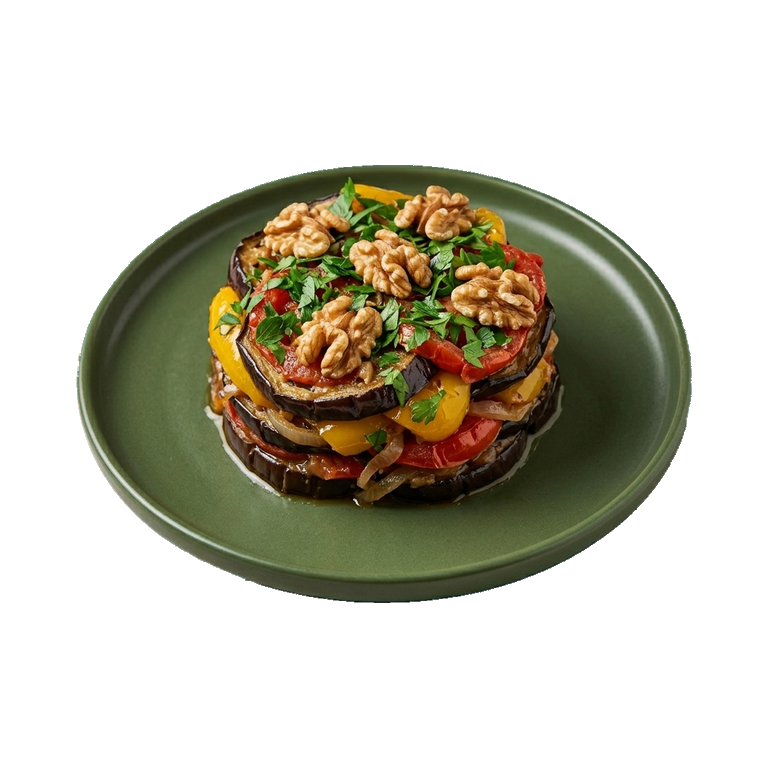
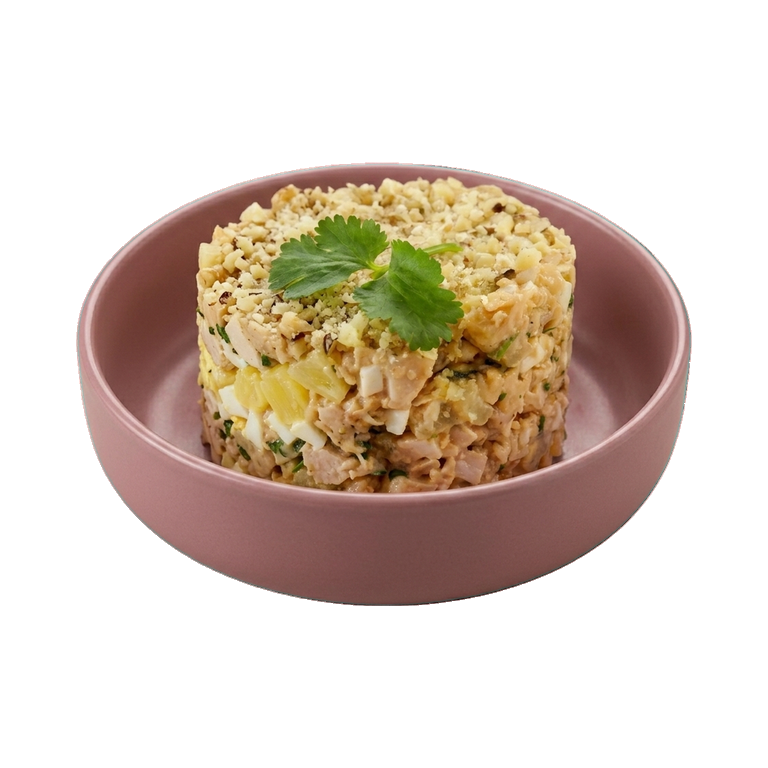
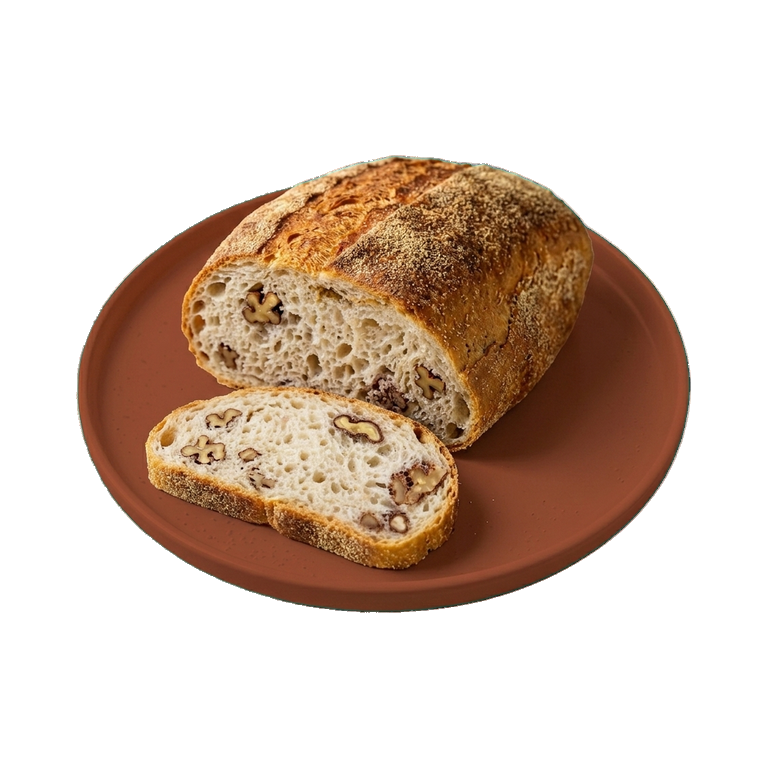
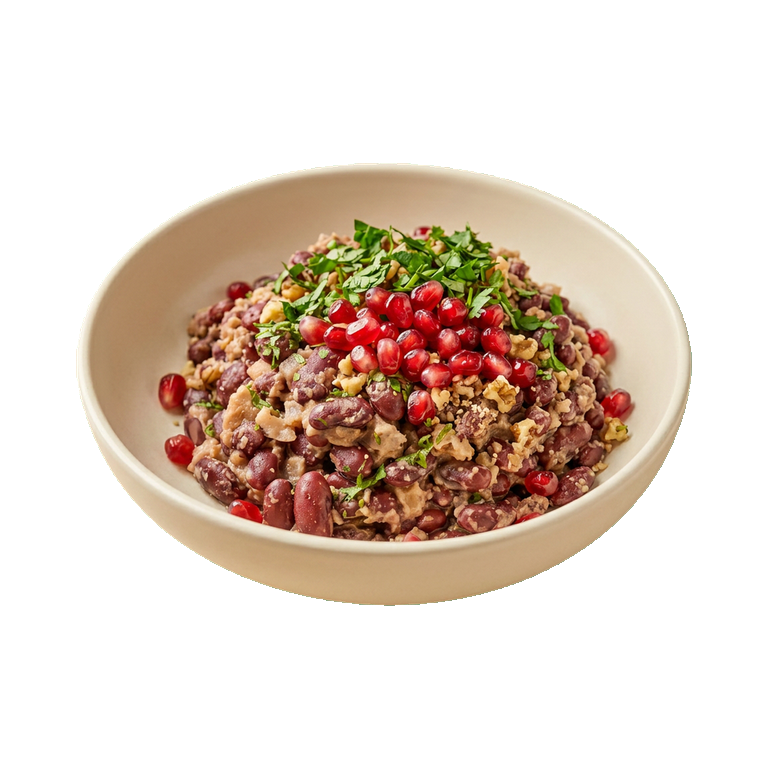
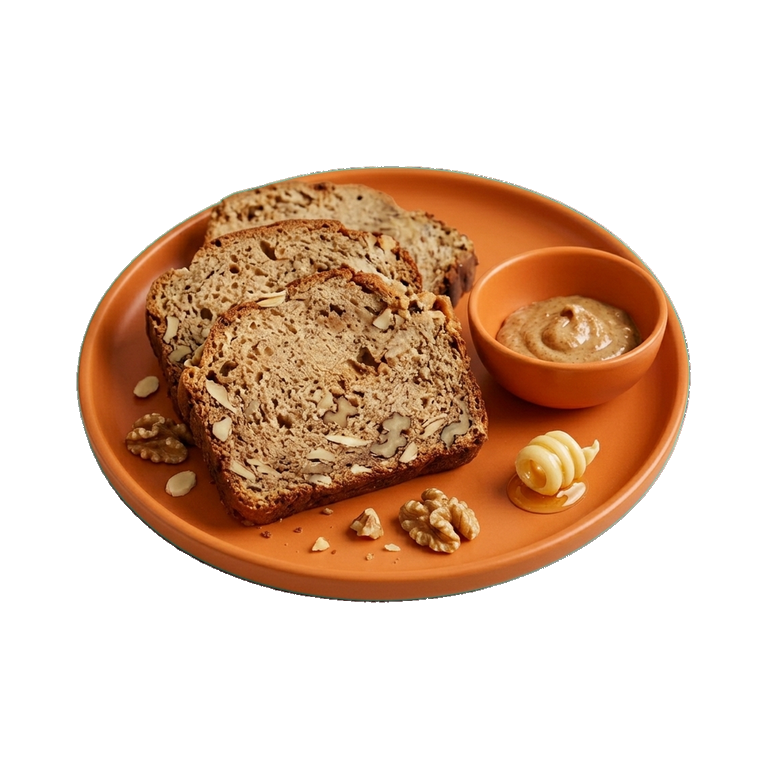
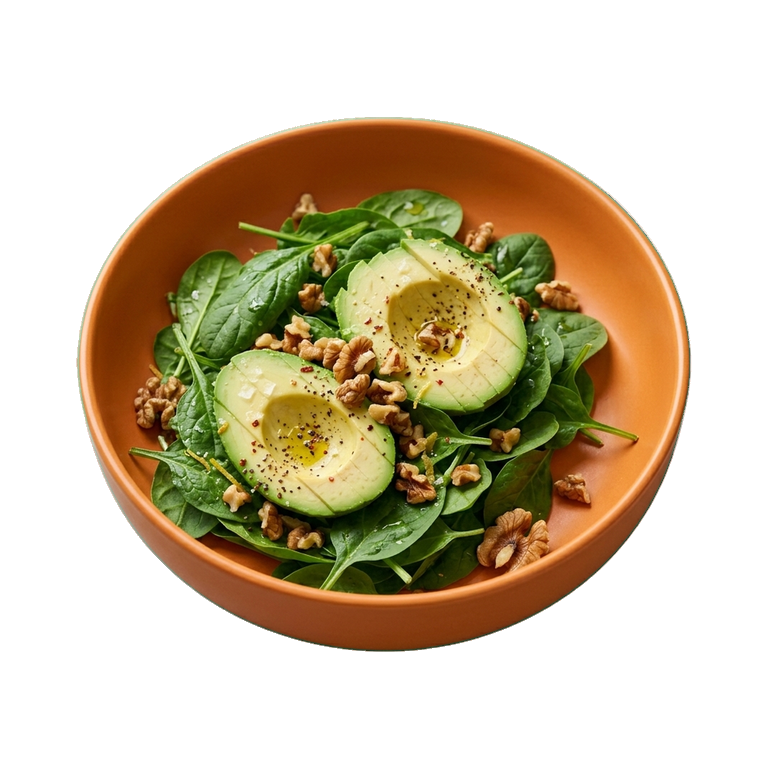
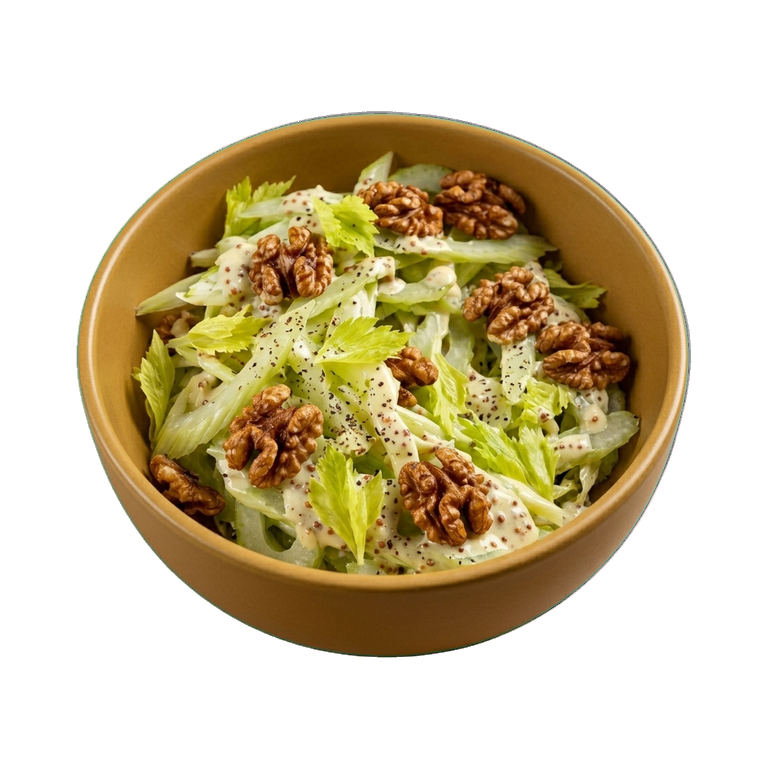
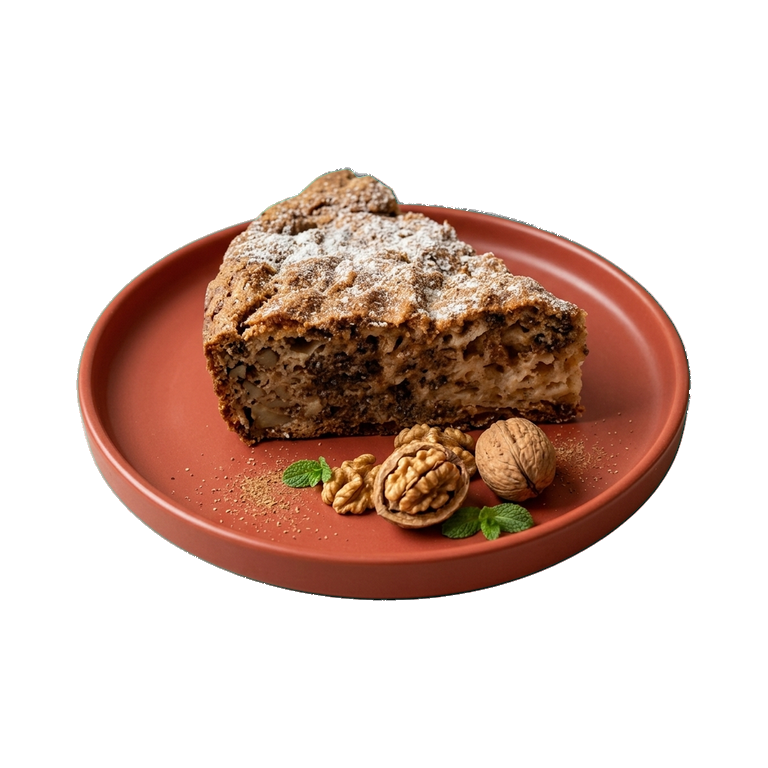
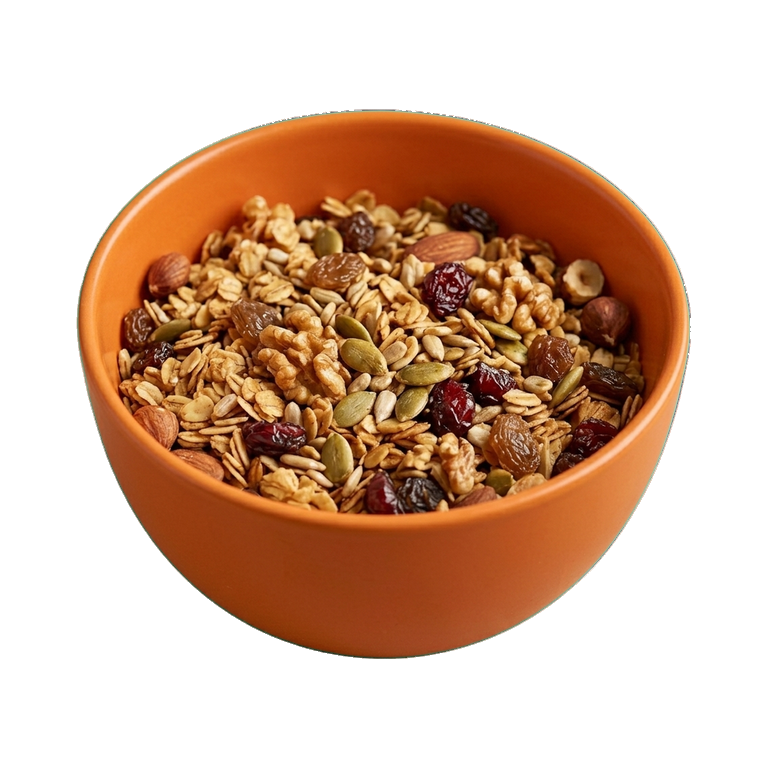
Walnuts work as a textural component and as a source of depth of flavor. They are great in pie and bun fillings, in salads (especially with bitter greens), in sauces and spreads. Ground nuts are often used instead of part of the flour in doughs — they make baked goods more moist and aromatic.
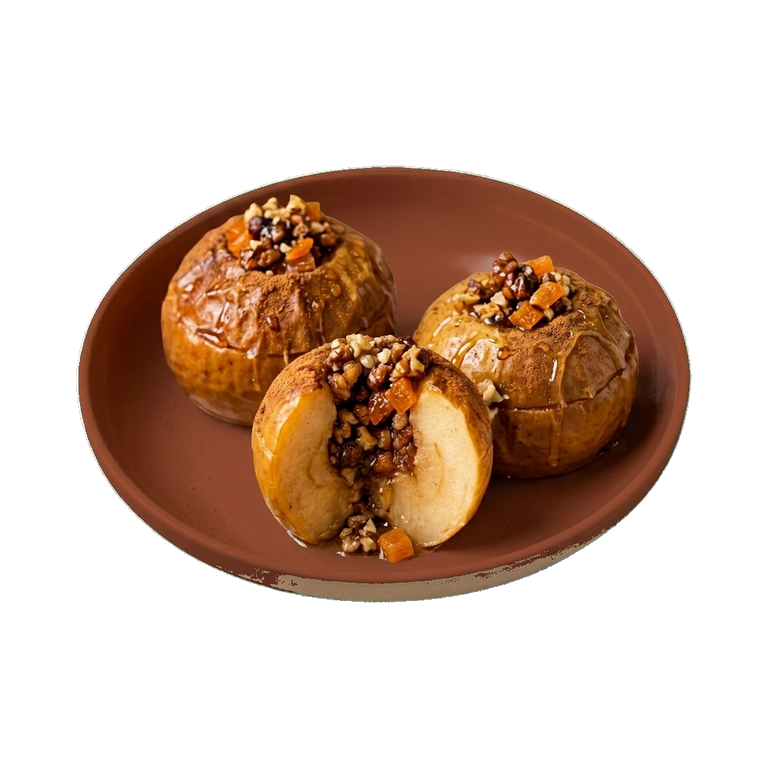
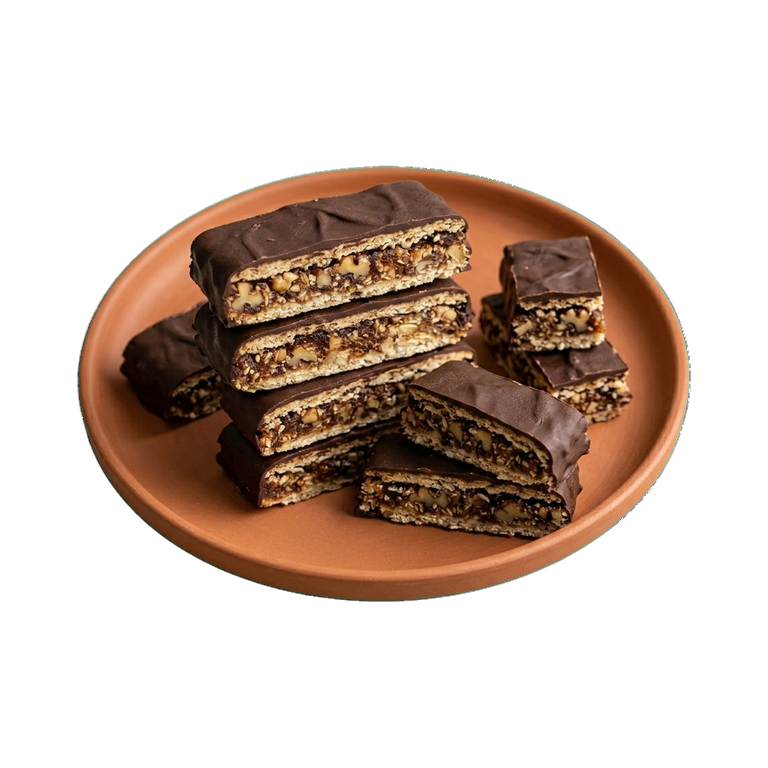
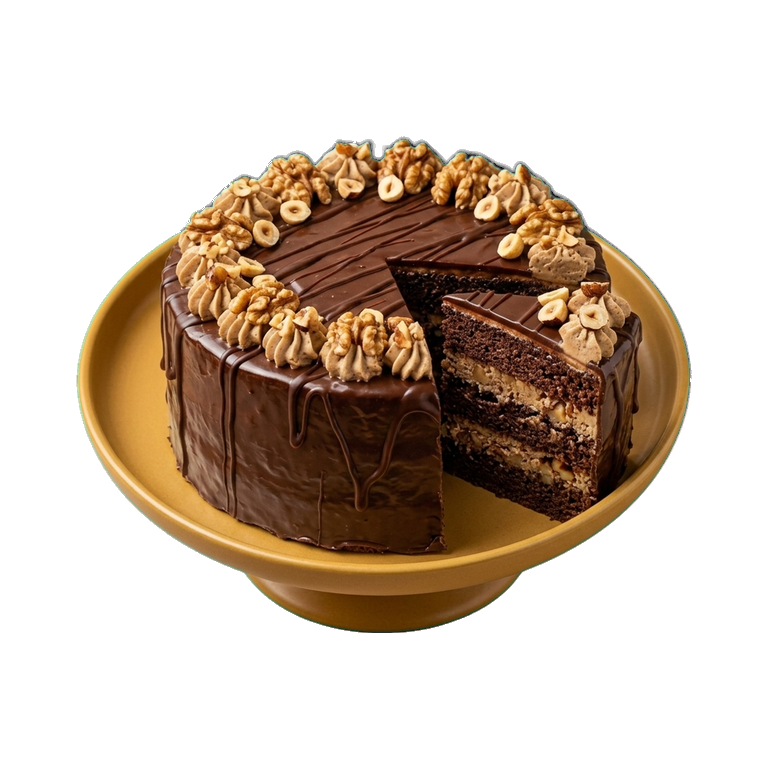
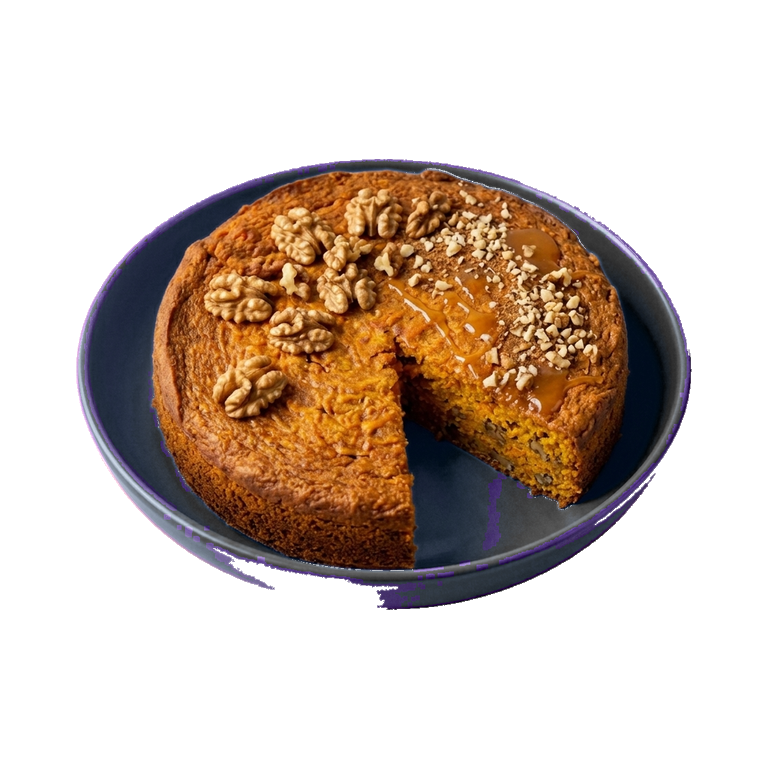
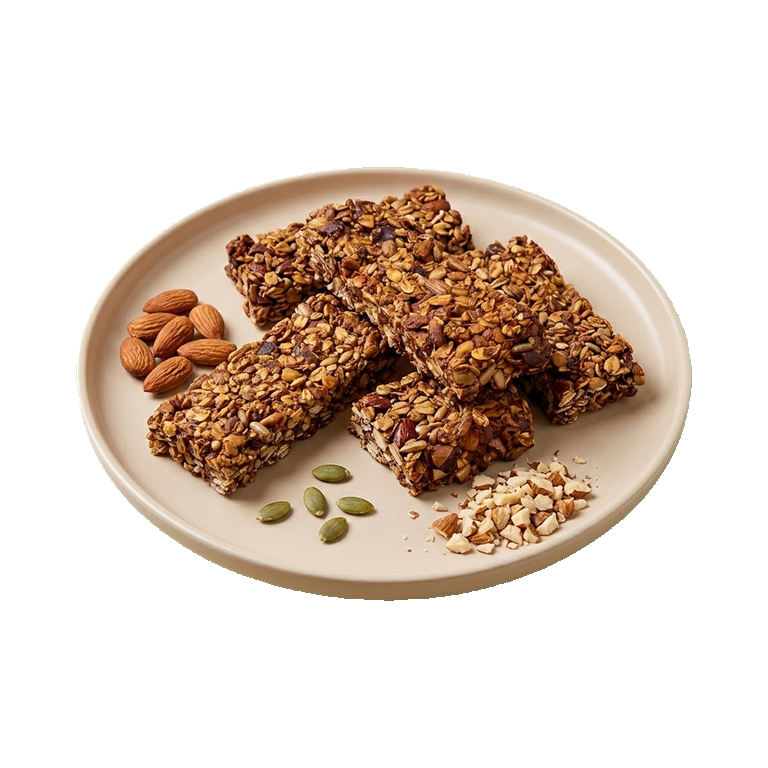
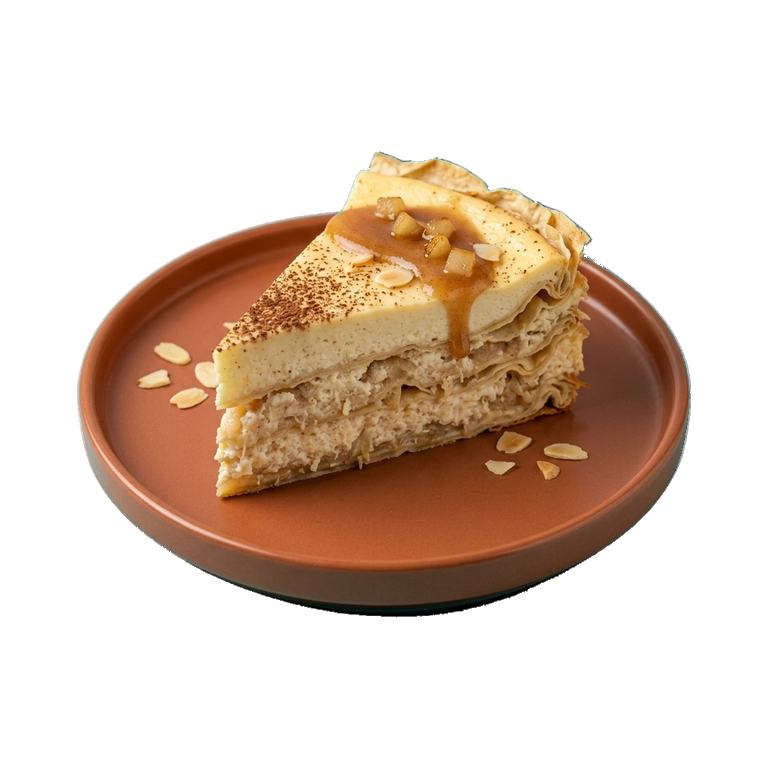
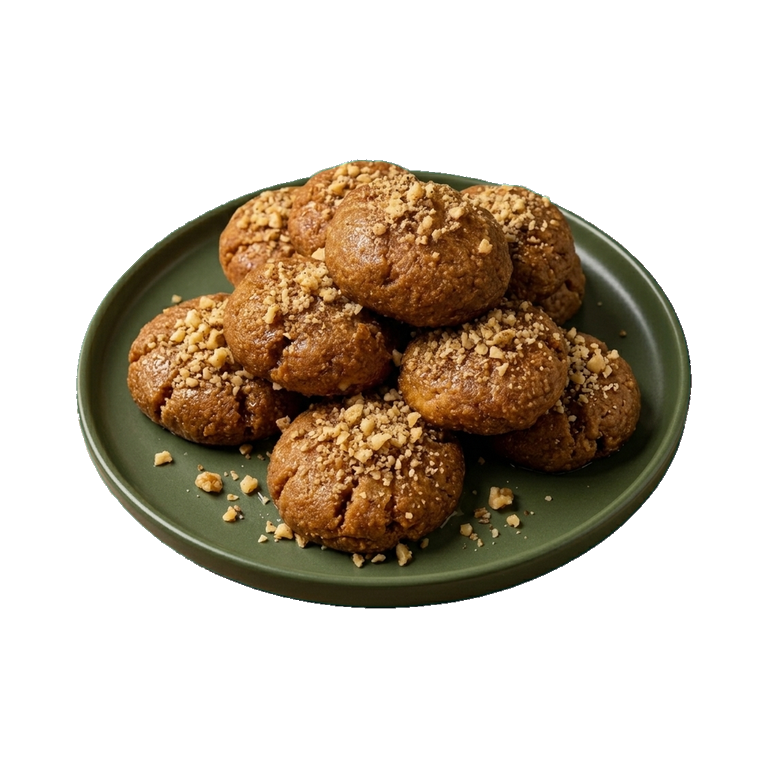
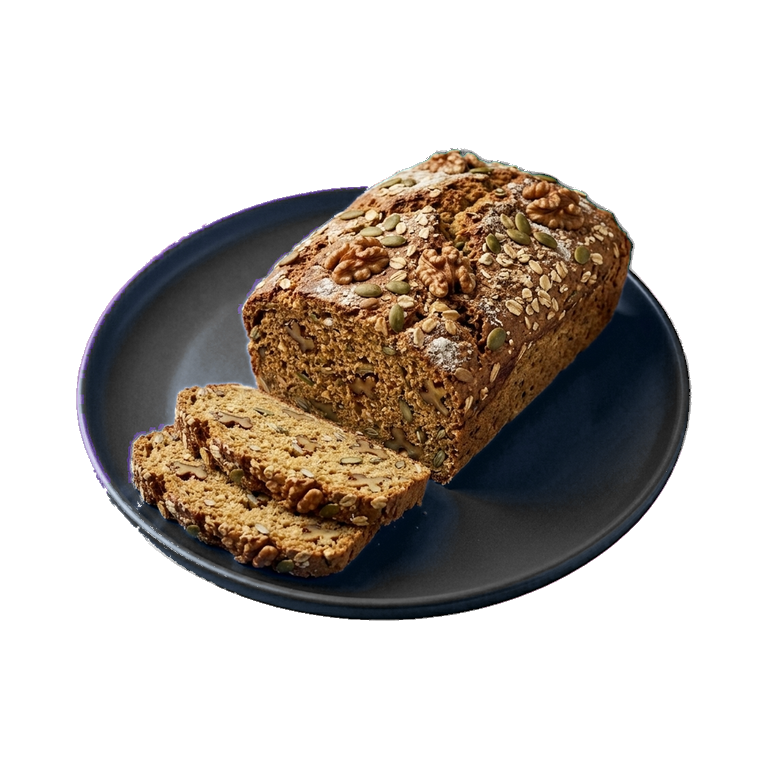
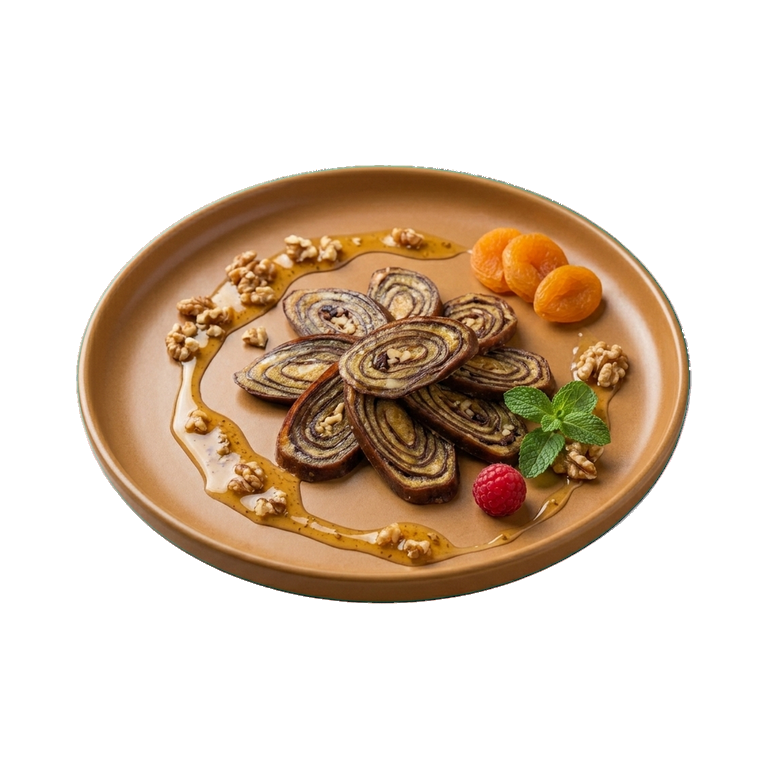
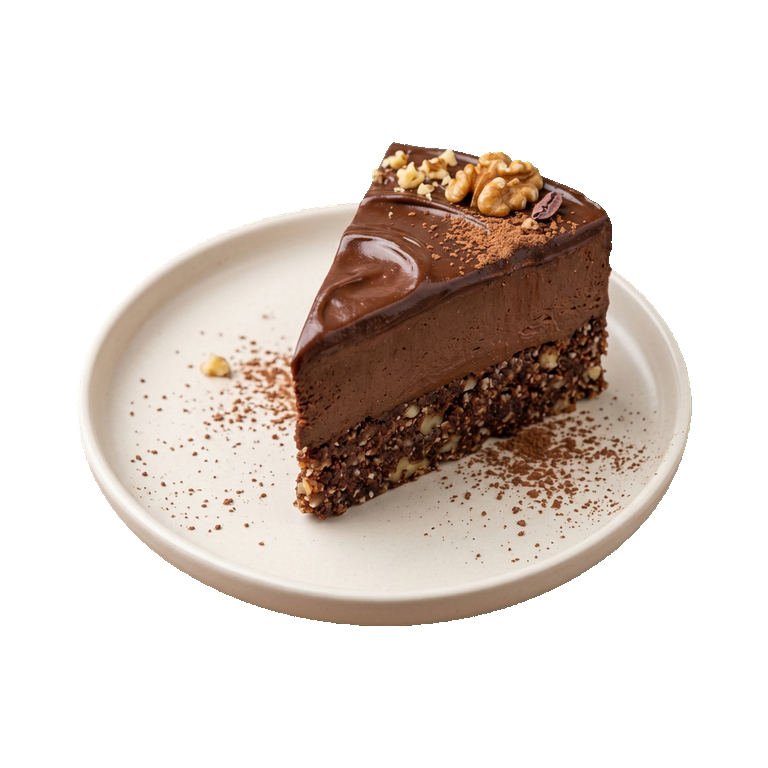
- In sweet dishes — cookies, cakes, candies, jam
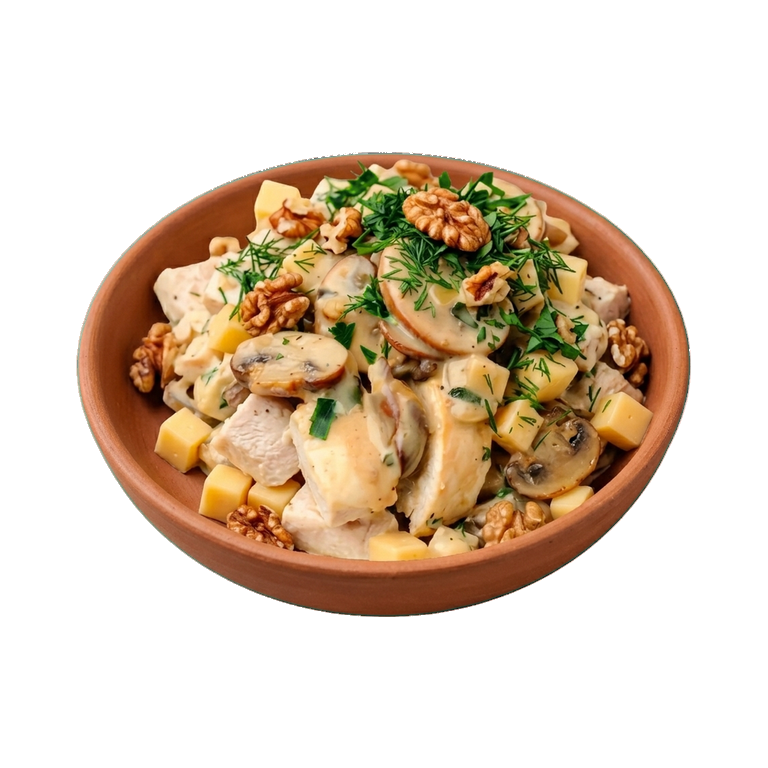
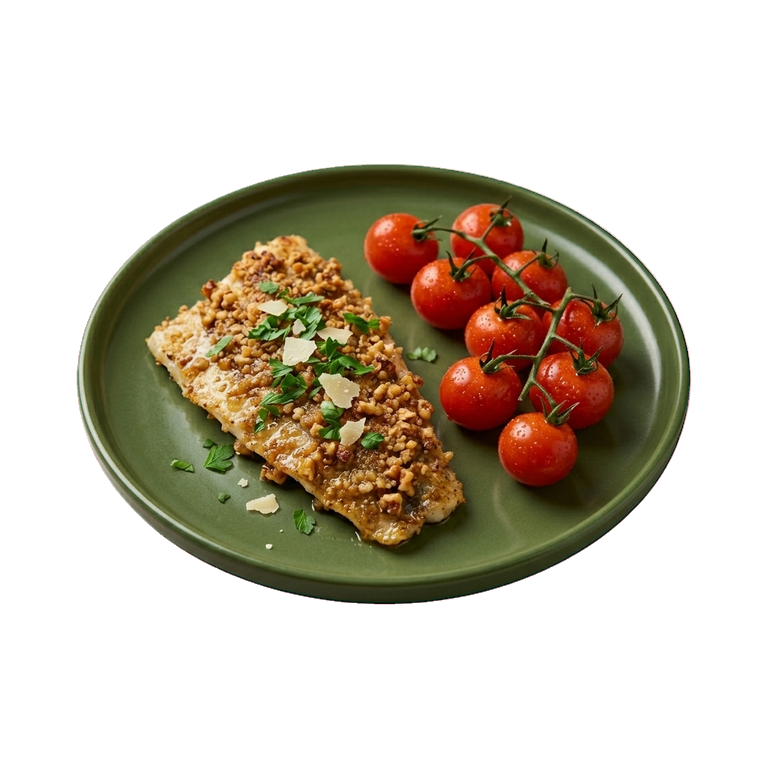
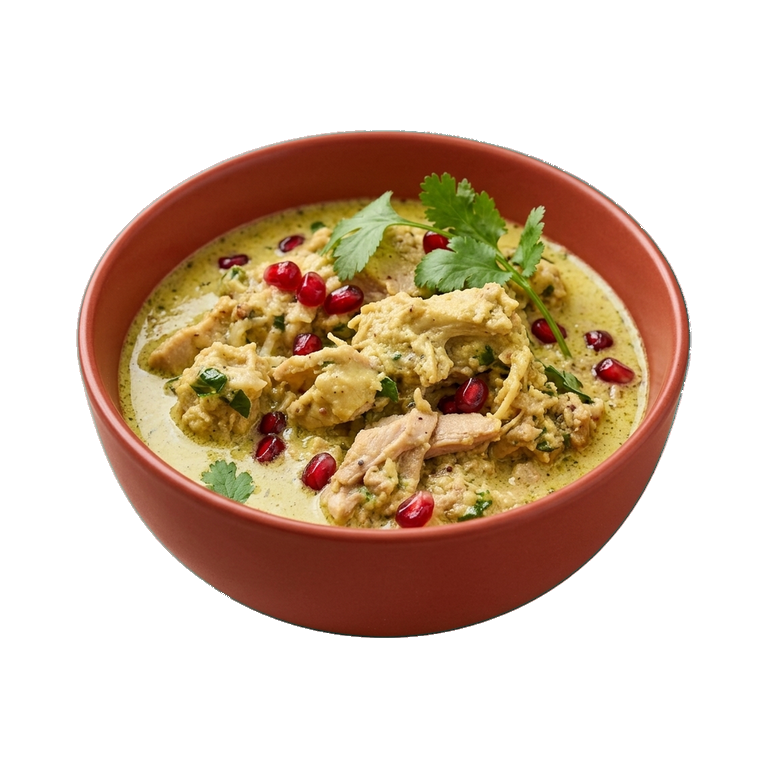
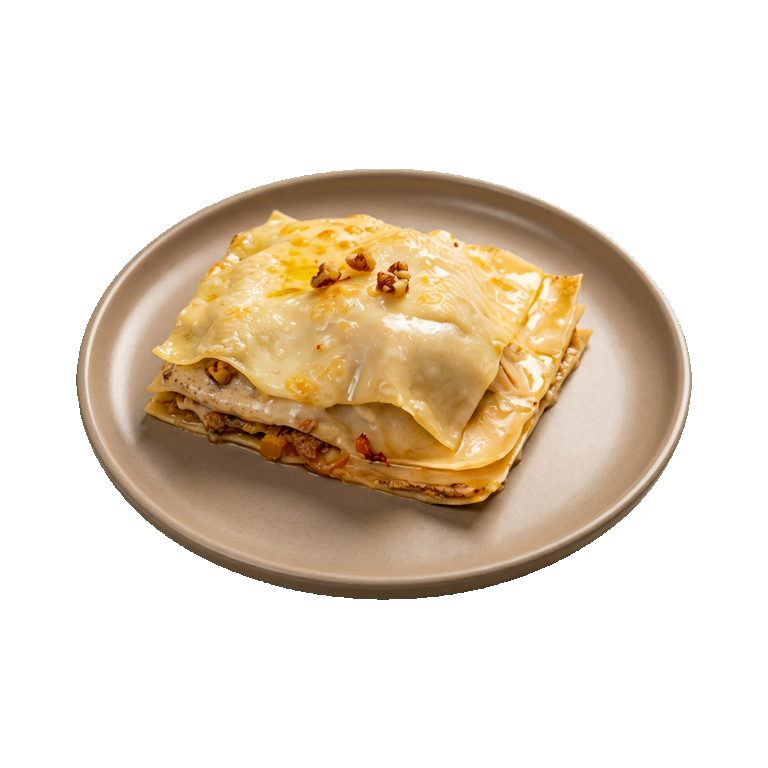
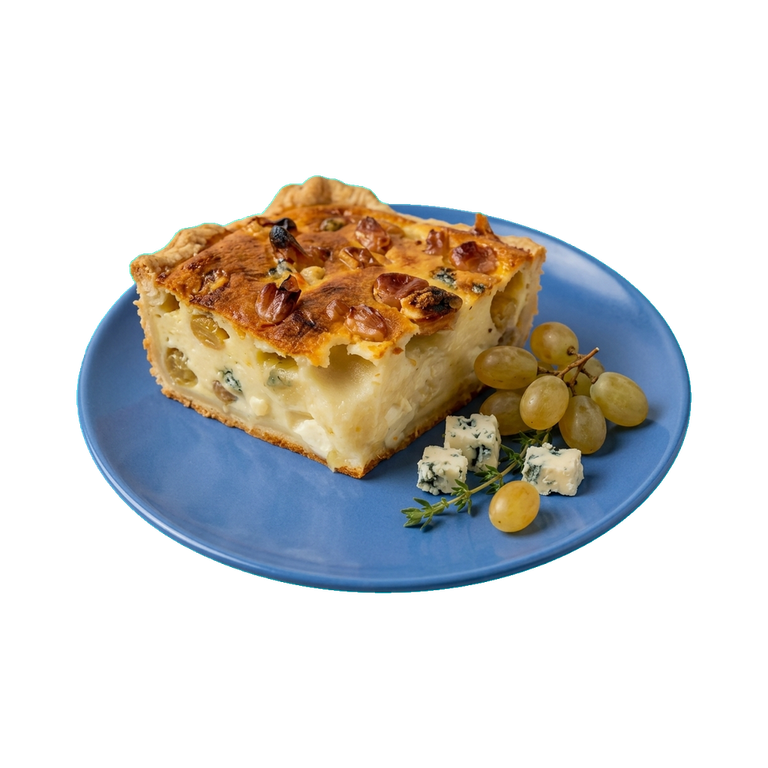
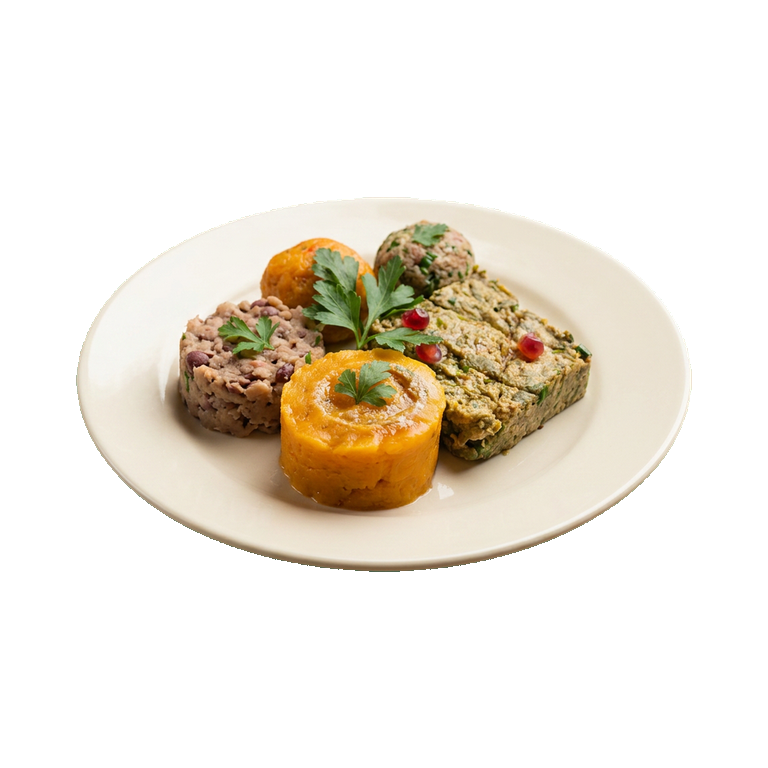
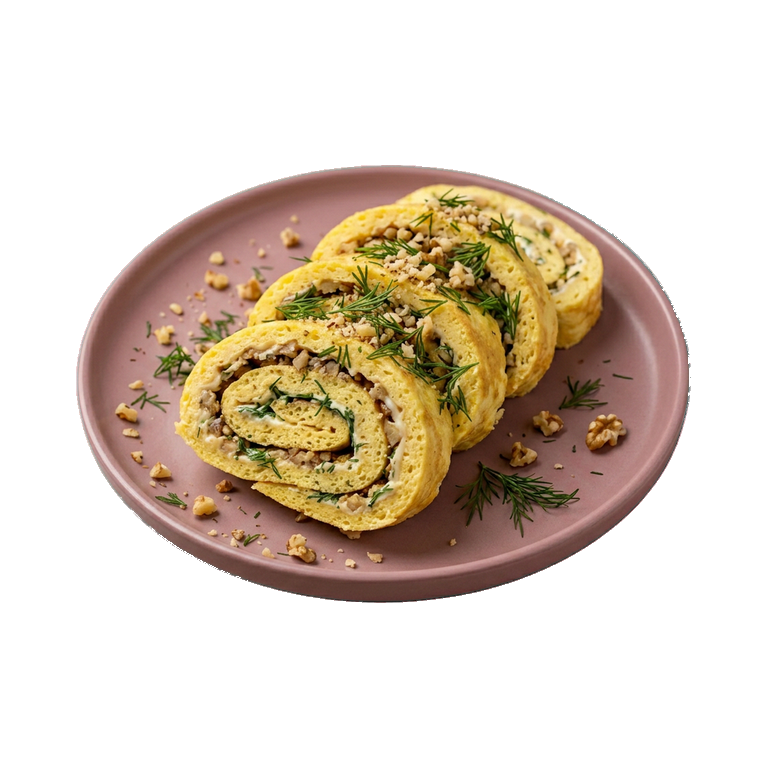
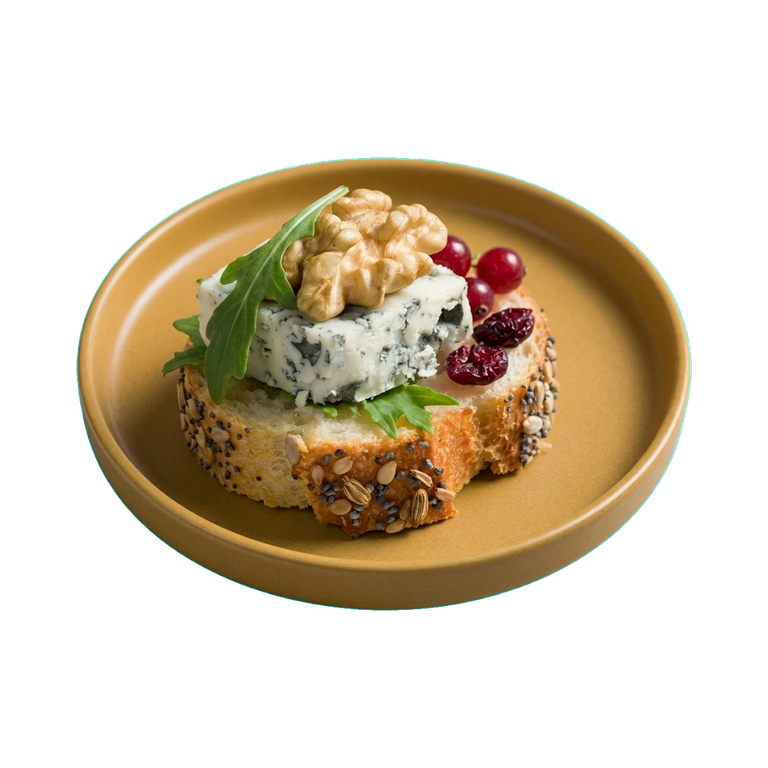
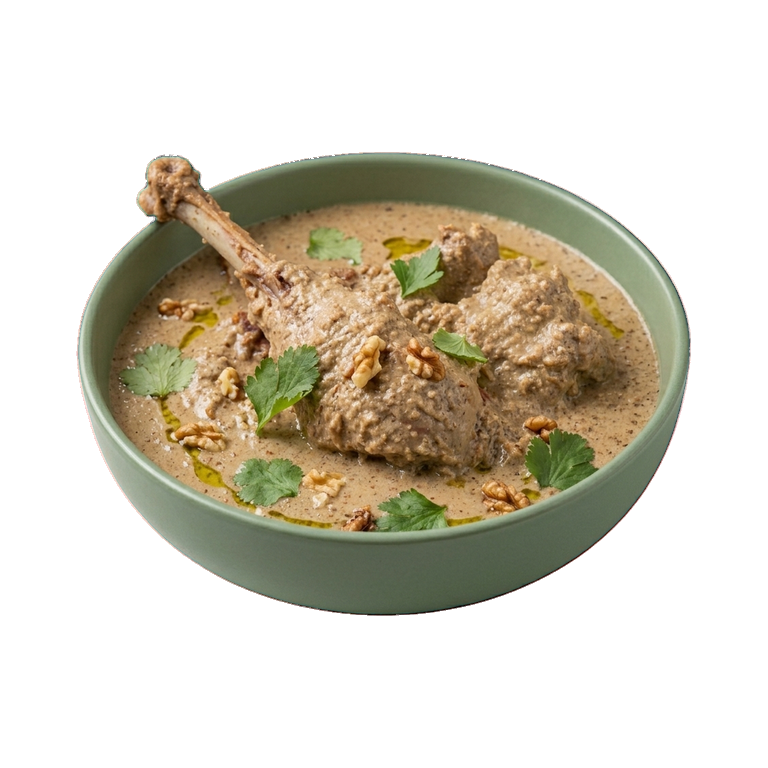
- In spicy appetizers — pâtés, spreads, meat garnishes
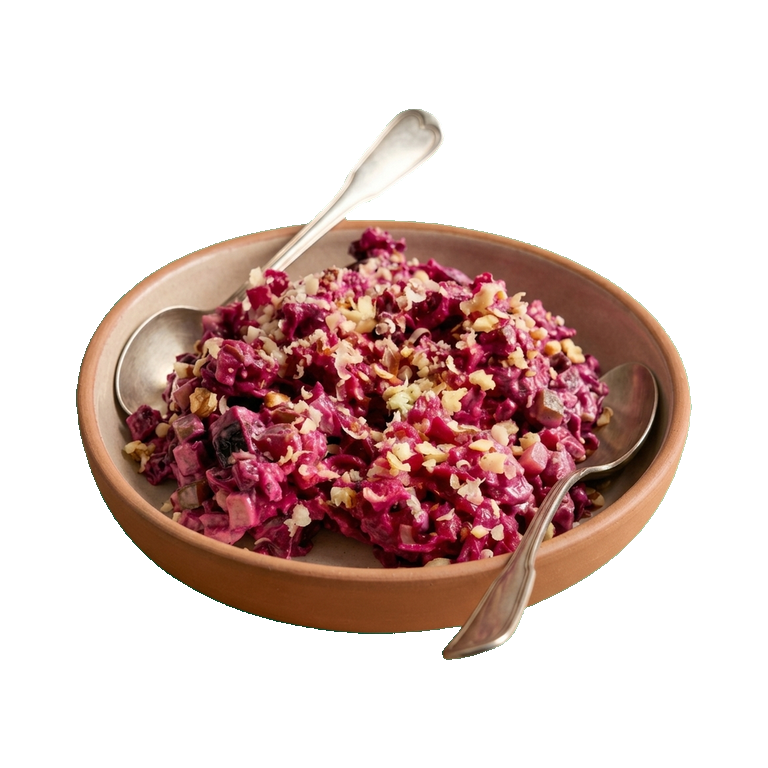
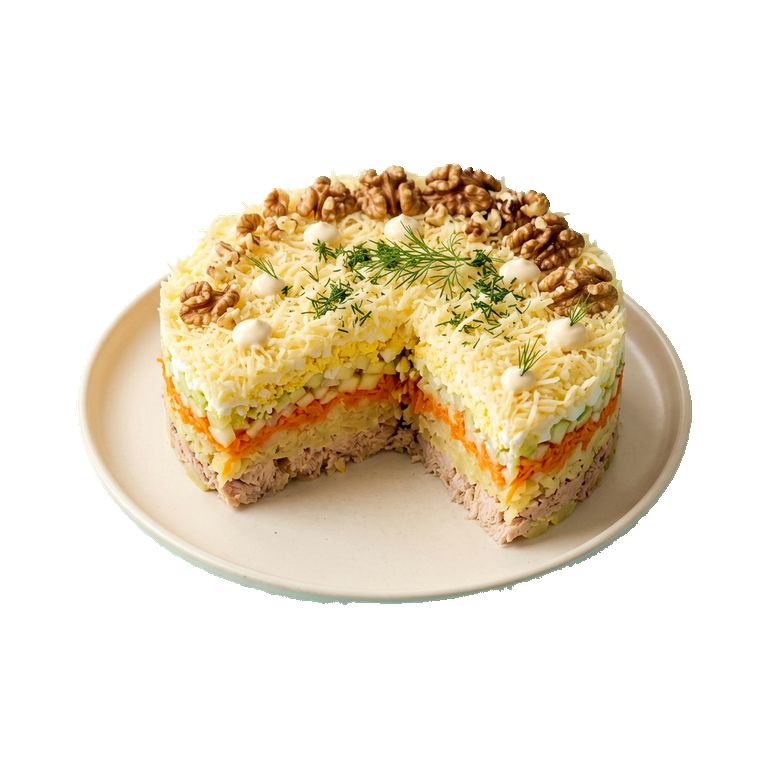
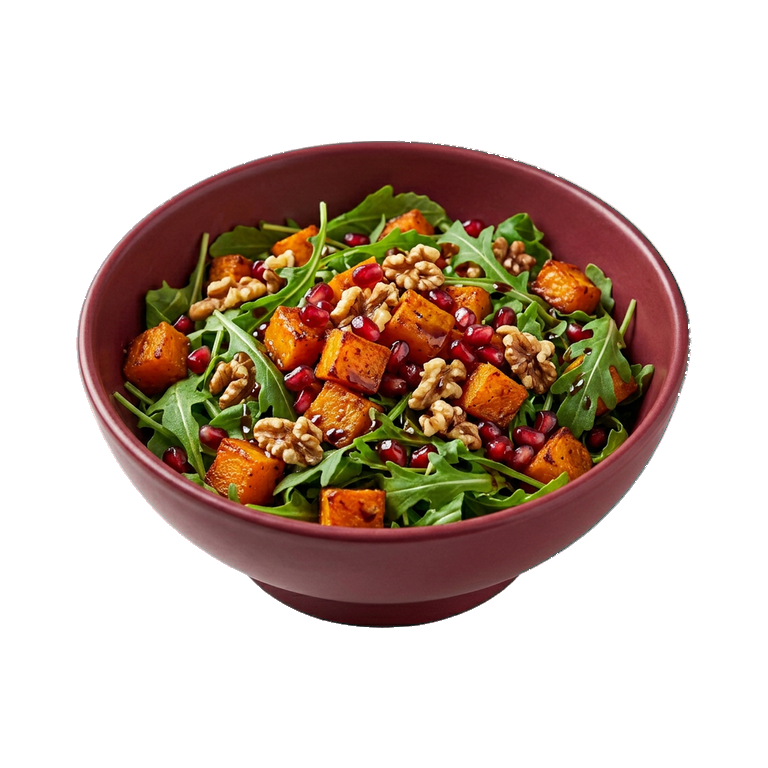
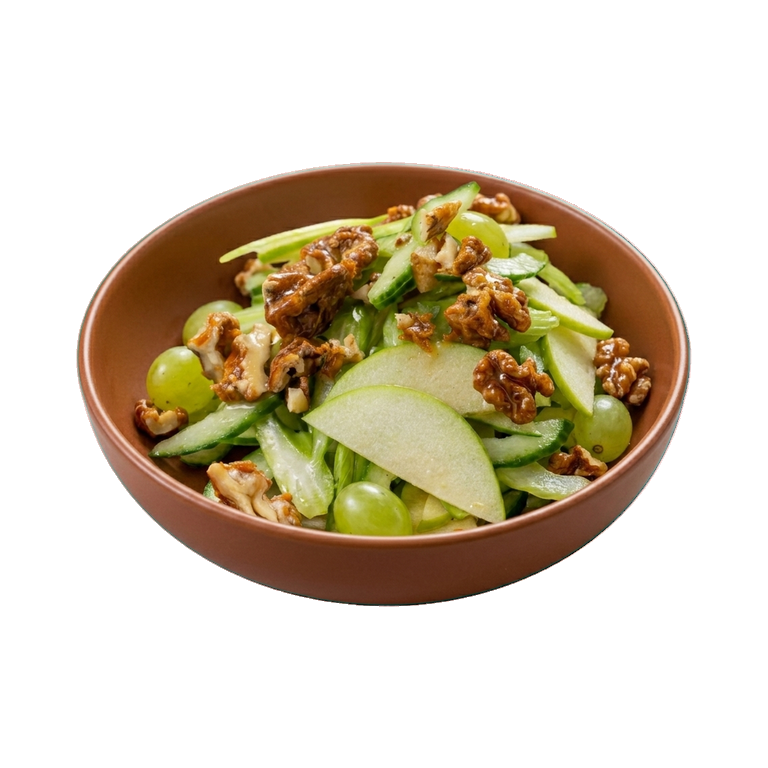
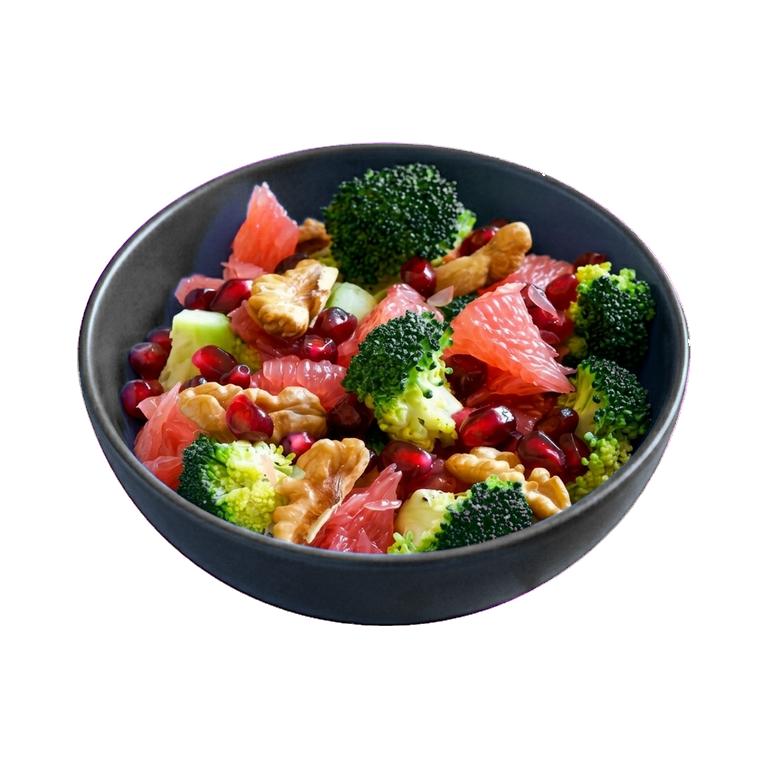
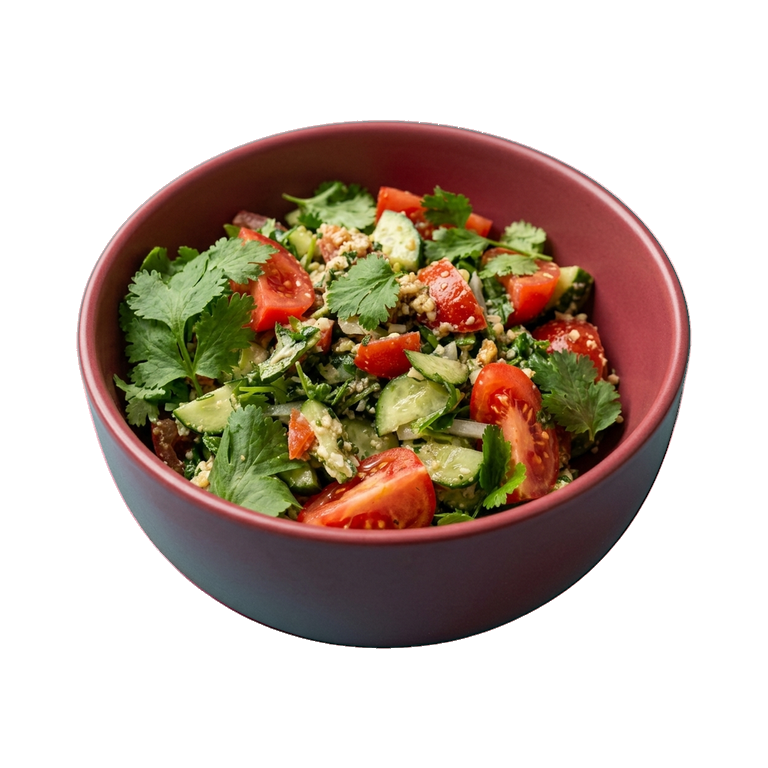
- In salads — provide crunch and oiliness
- In sauces — base for nut pastes and dips
Combinations and Preparation
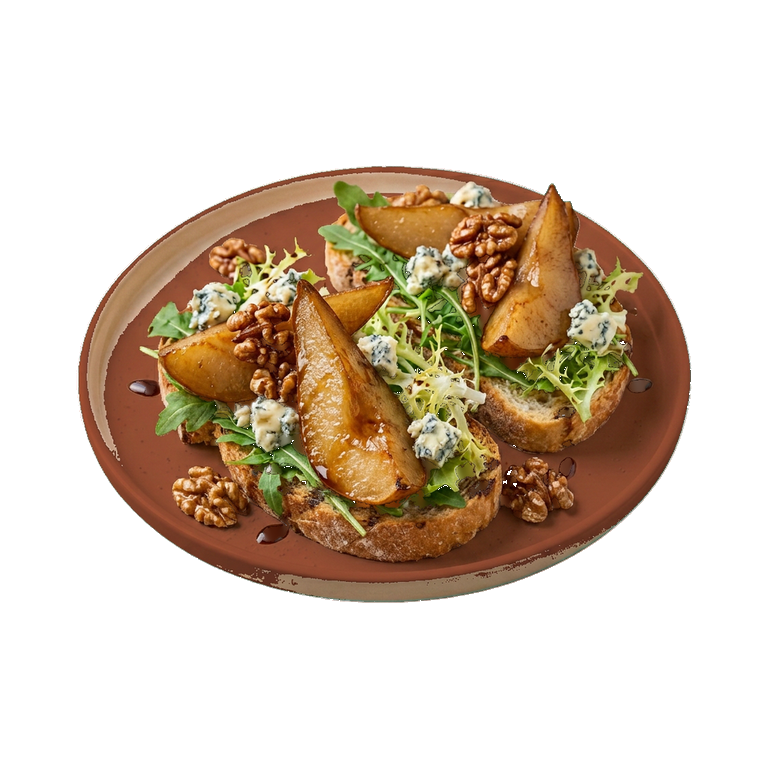
Walnuts pair well with sour fruits — apples, pears, and pomegranates. They harmonize with honey, cinnamon, cloves, and other spices. In savory dishes, they combine excellently with goat cheese, hot spices, and leafy greens.
Before using nuts, they often need to be peeled — the skin is somewhat bitter. It's simple: pour boiling water over the nuts for a couple of minutes, then rub them between your palms. The skin will come off easily. For a more intense flavor, you can lightly roast the nuts in the oven at 160 degrees for 10-15 minutes, but make sure they don't burn.
Selection and Storage
When buying, make sure the nuts are heavy for their size — this is a sign that they haven't dried out. The shell should be free from cracks and mold. Whole nuts in their shells last longer than shelled ones, but shelled nuts are more convenient to use.
- At room temperature — up to a month in an airtight container
- In the refrigerator — up to three months
- In the freezer — up to a year if in a tightly closed container
Walnuts are not just an addition, but a full-fledged ingredient that can change the character of a dish. Experiment with the quantity, processing method, and combinations, and you will find your ideal way to use them.
Nutrition
per 100 g
- Calories
- 654 kcal
- Protein
- 15.2 g
- Fat
- 65.2 g
- Carbs
- 13.7 g
Measures and weight
- 1 tbsp
- 9 g
- 1 tsp
- 3 g
- 1 cup
- 150 g
- 1 pcs
- 10 g
Measure calculator
- Weight
- 100 g
- Calories
- 654 kcal