Usuba
Usuba
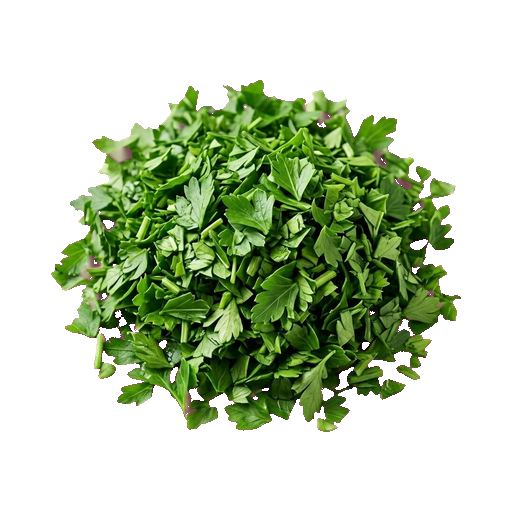
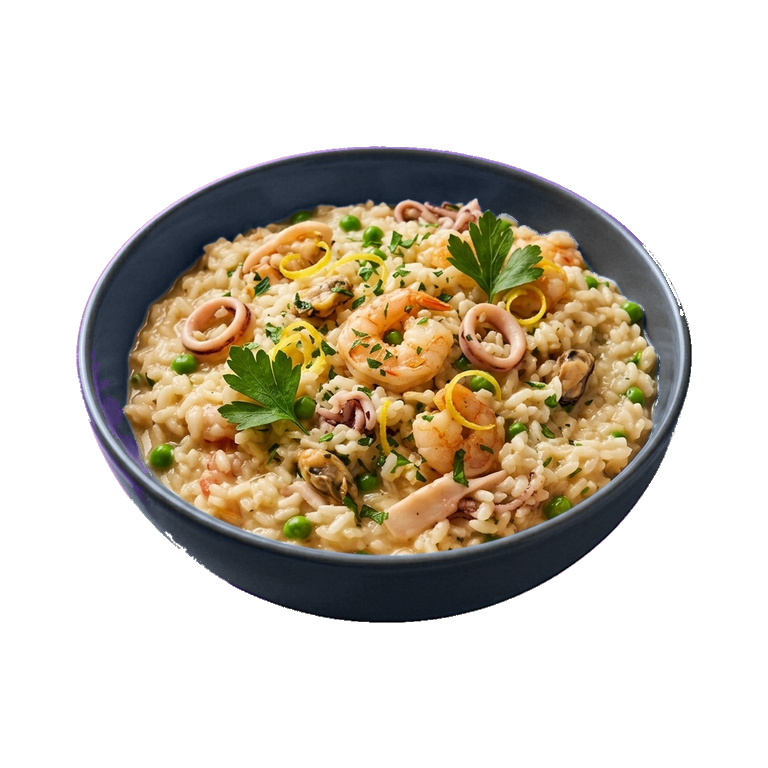
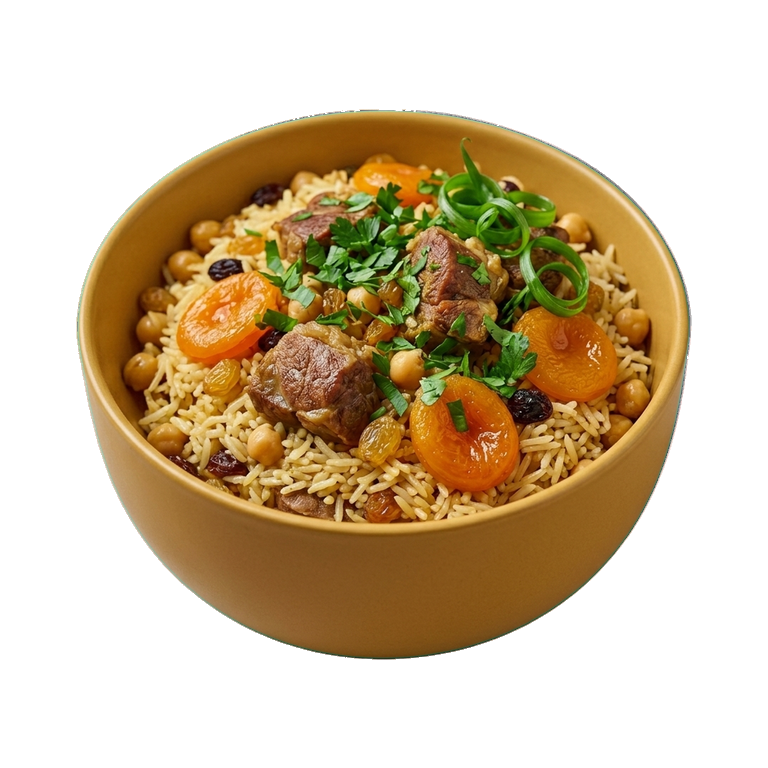
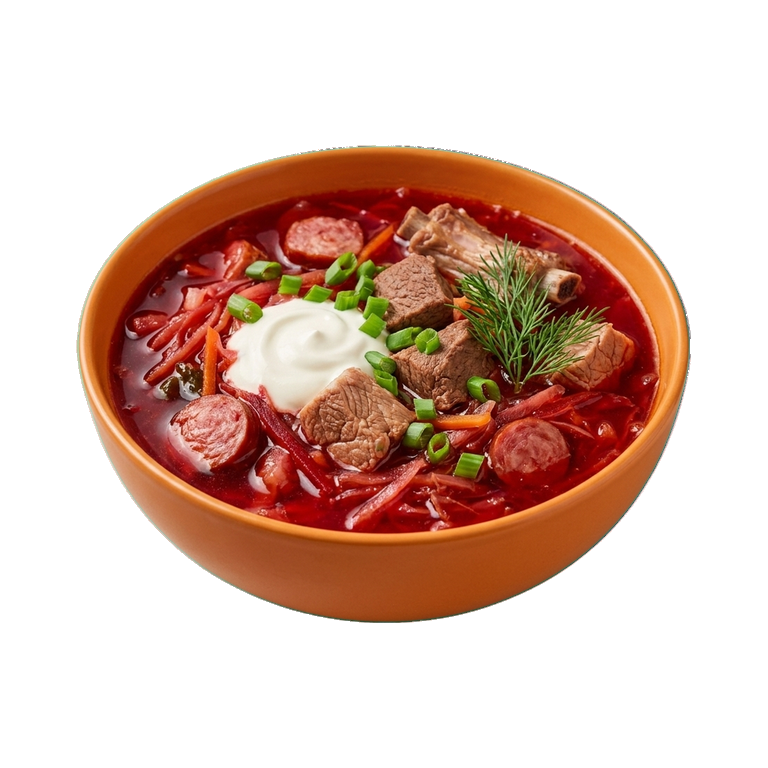
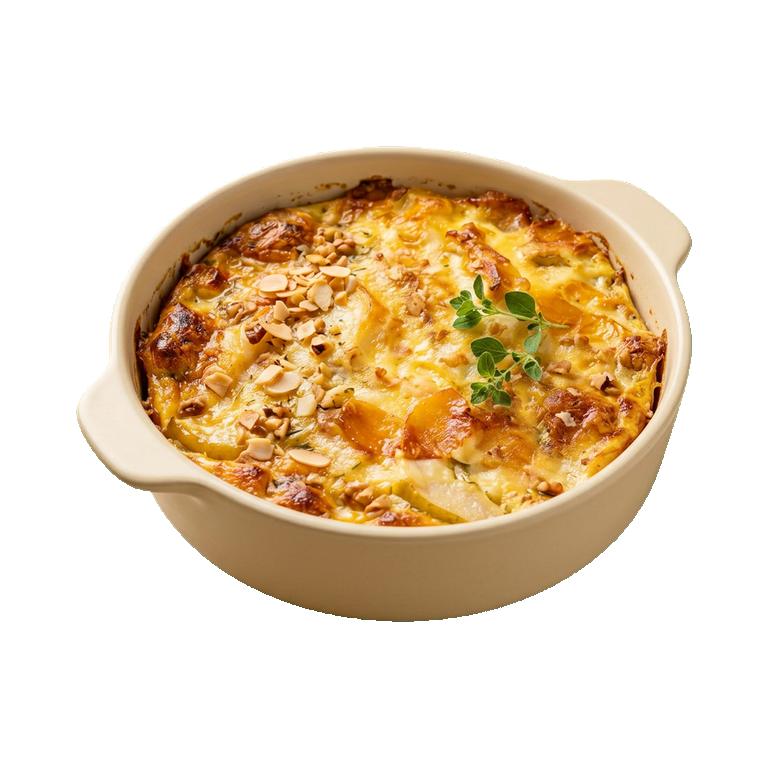
Chopped parsley
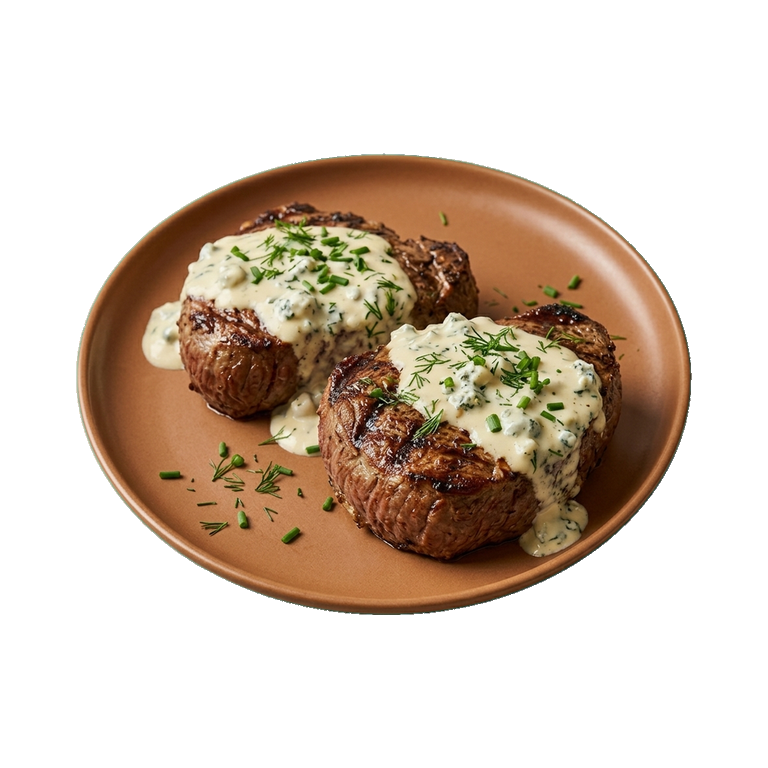
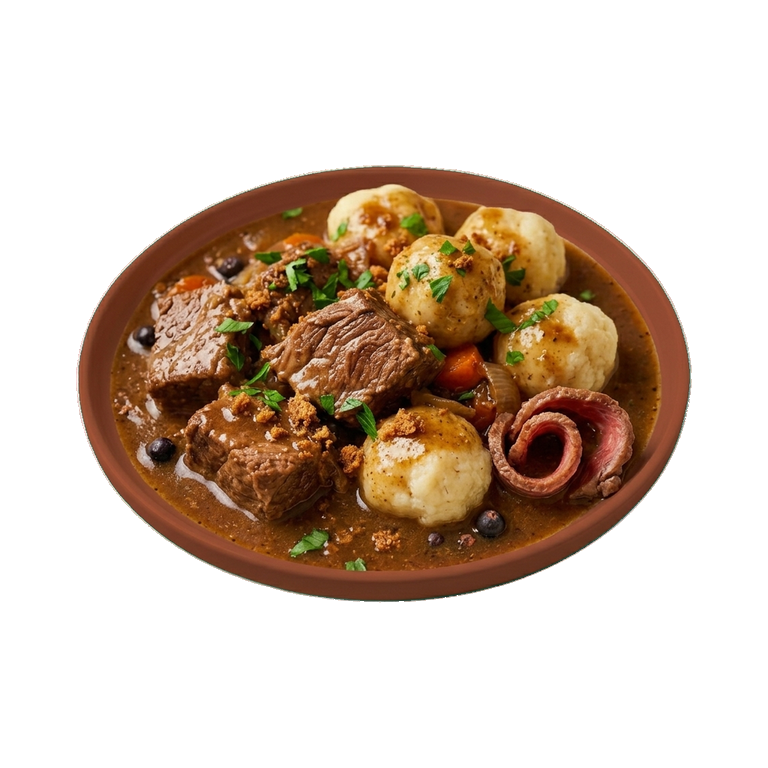
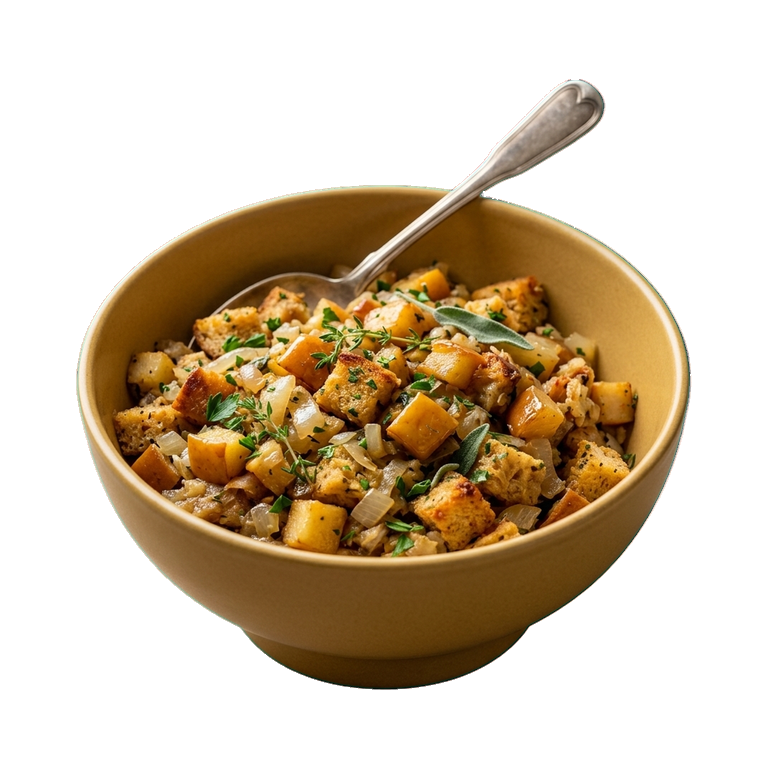
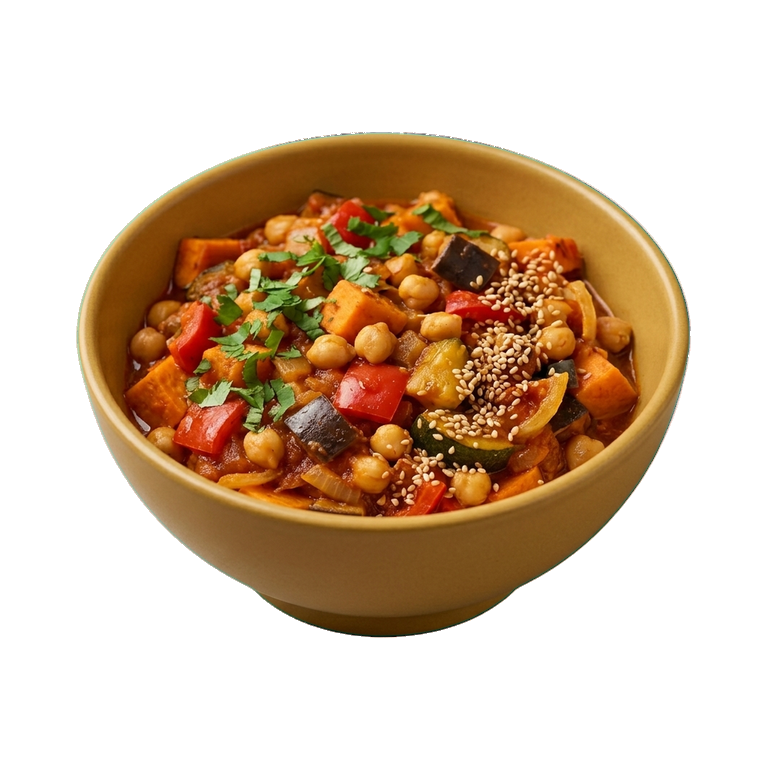
Finely chopped fresh parsley that retains its bright green color and intense herbal aroma. Used as a finishing touch for garnish, as a topping for finished dishes, and added to sauces to impart freshness and a light peppery note. Parsley oxidizes quickly when chopped, so it is best to cut it immediately before serving or using in a dish.
About
When parsley becomes an ingredient
Chopped parsley is not just greens that you've cut with a knife. It's a ready-made ingredient that saves time in the kitchen and guarantees even distribution of herbs throughout the dish. When the leaves are already finely and uniformly chopped, you avoid large pieces and achieve a more delicate flavor. Such parsley is convenient to work with: no need to find a cutting board and knife, just add the desired amount directly into the pot or bowl.
Chopped parsley retains all the properties of fresh herbs: a bright herbal aroma with a slight bitterness and a clean, slightly spicy taste. It works everywhere parsley is needed, but is especially good in dishes where uniform texture and quick cooking are important.
Where to Use Chopped Parsley
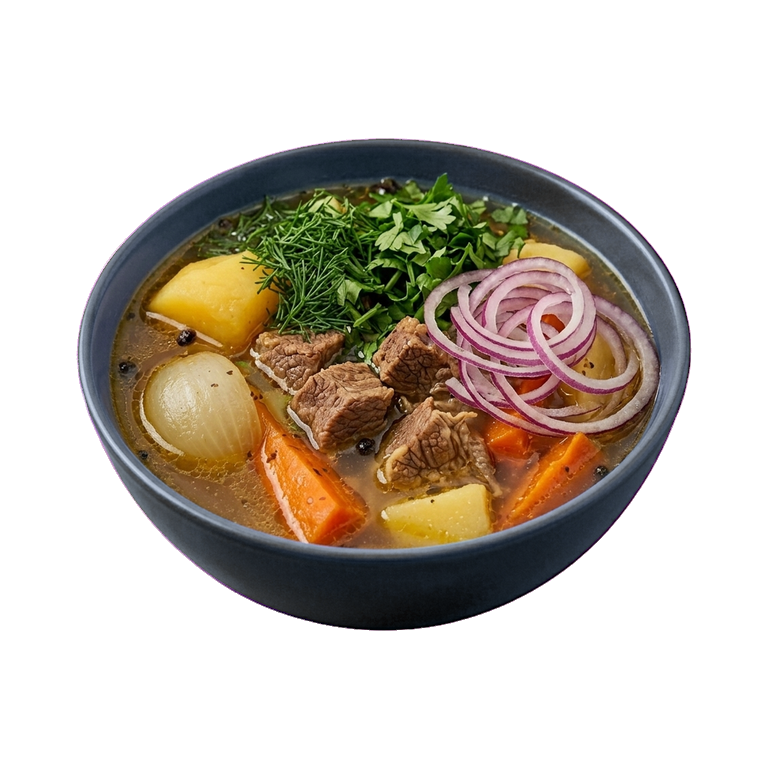
In soups and broths, chopped parsley dissolves in the liquid and releases its aroma evenly, leaving no large pieces of greens. Add it at the end of cooking to preserve the brightness of the flavor. In sauces and dressings, it distributes uniformly and requires no additional processing.
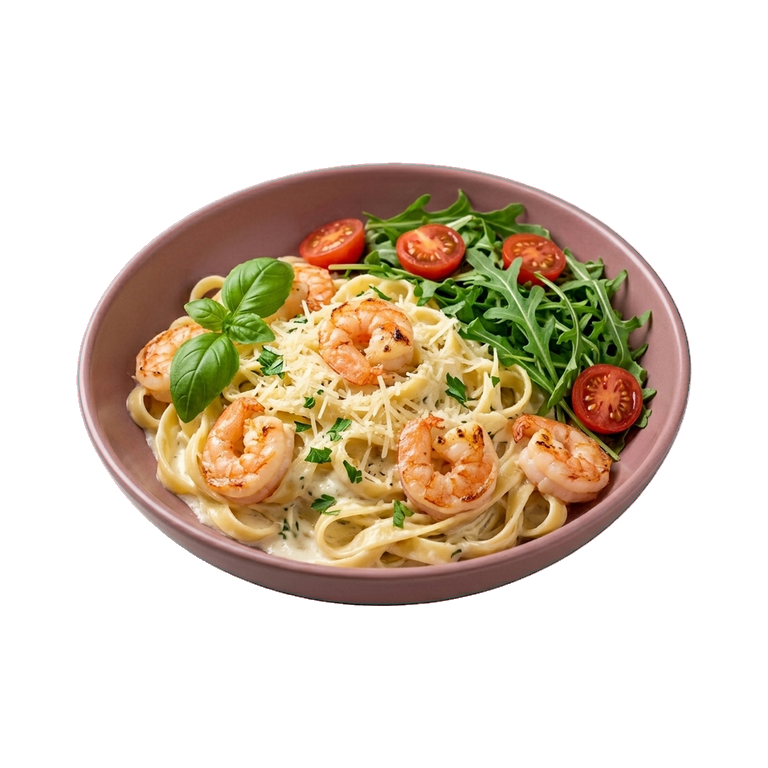
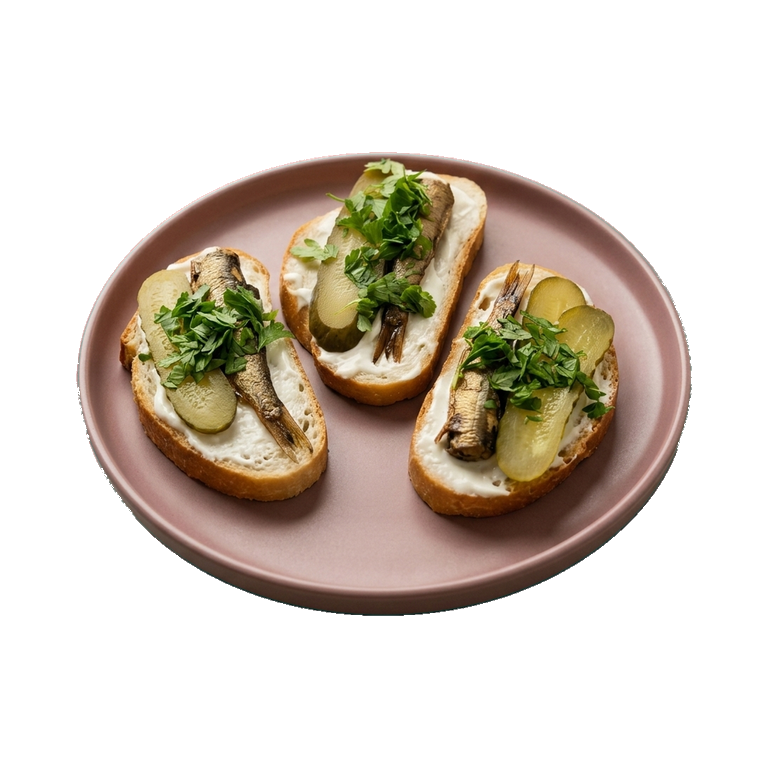
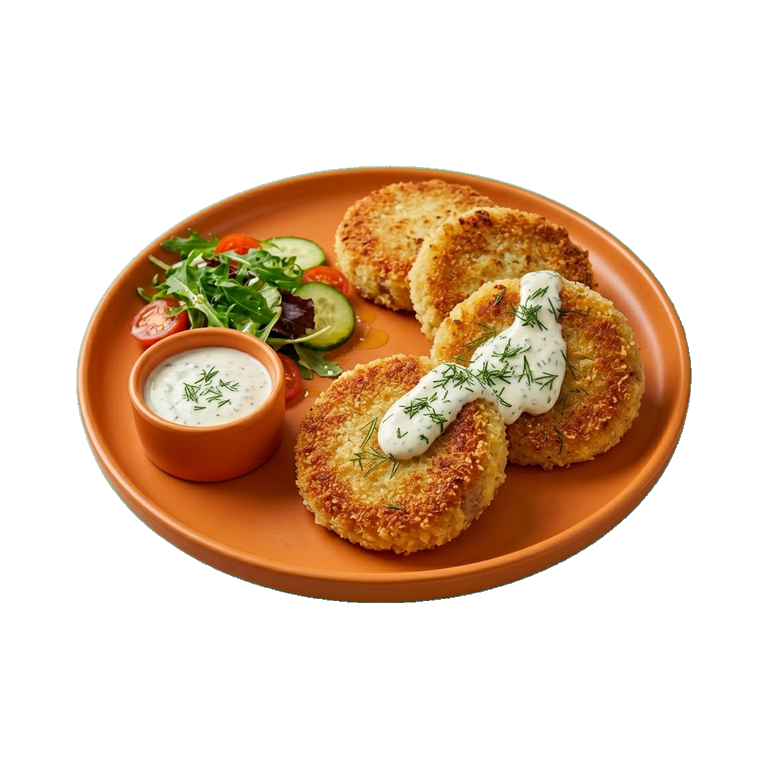
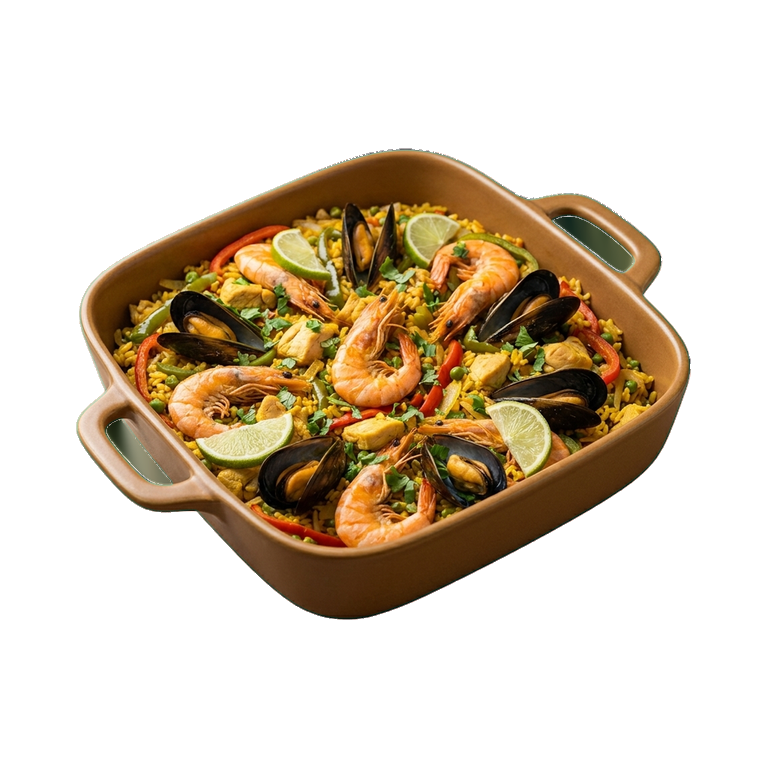
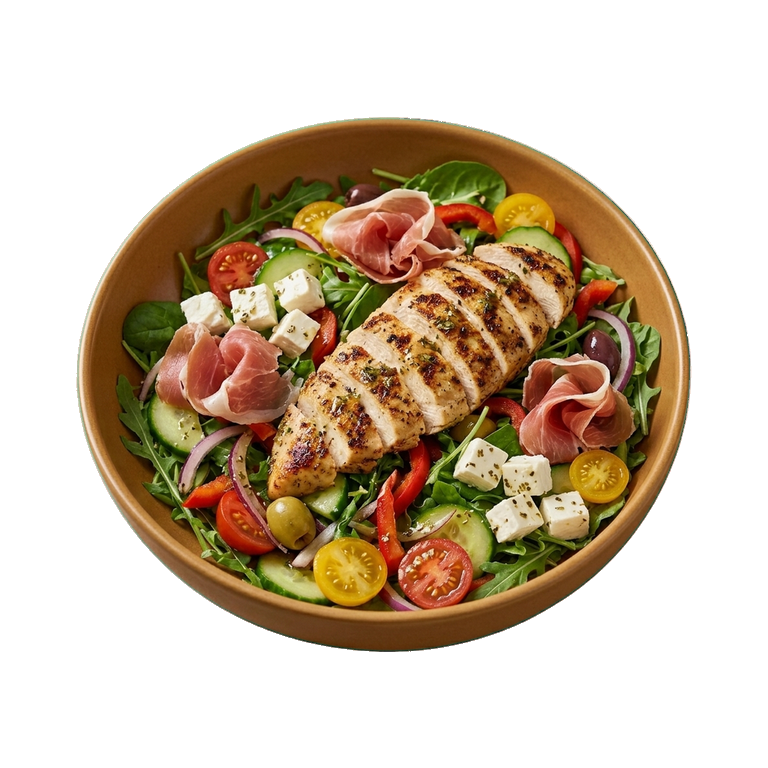
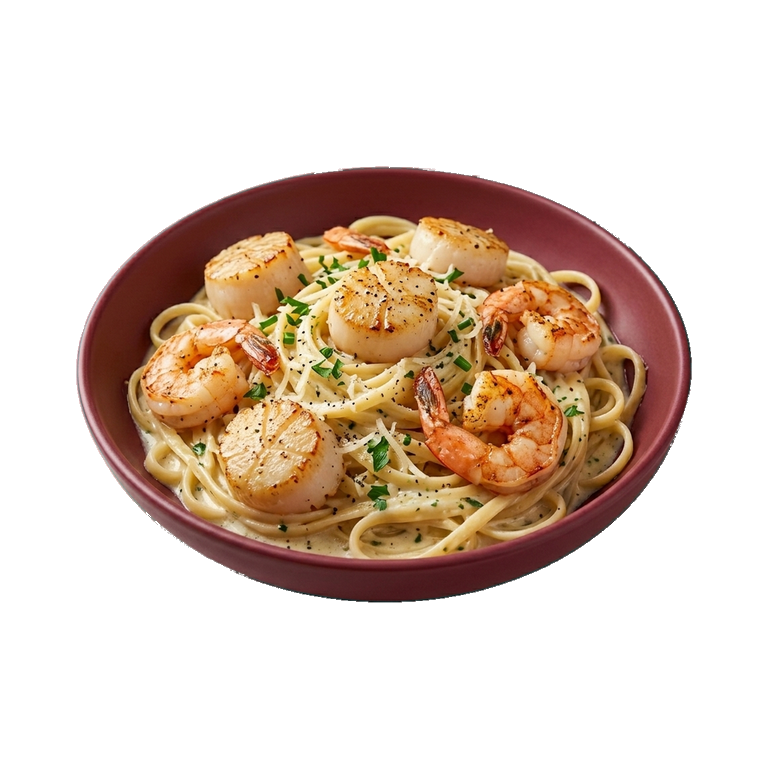
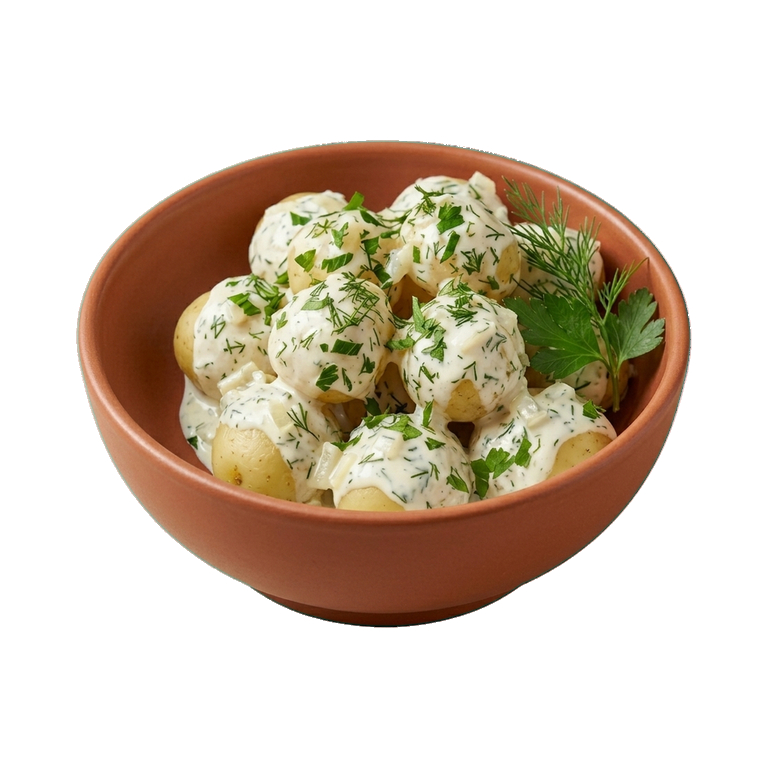
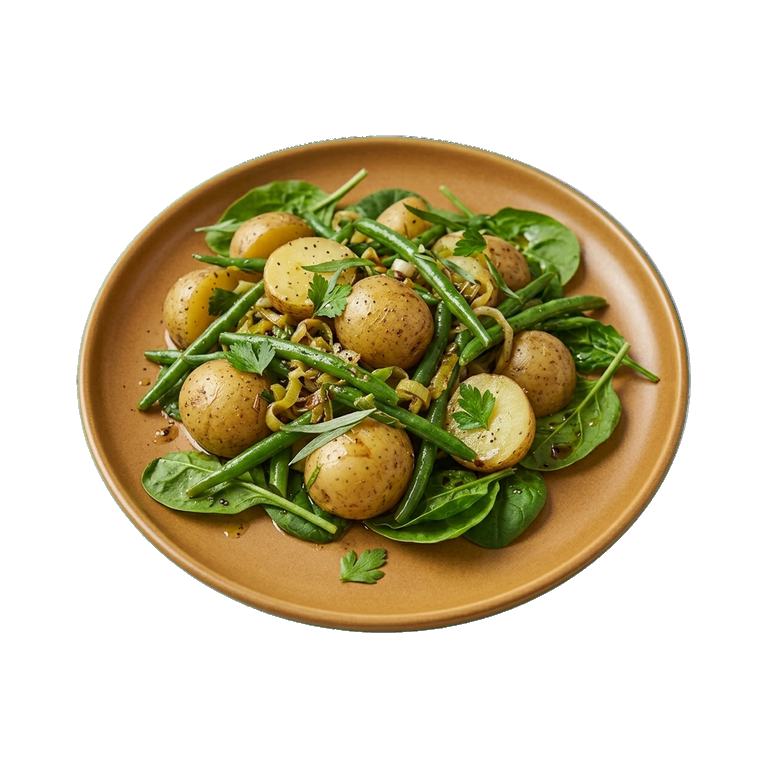
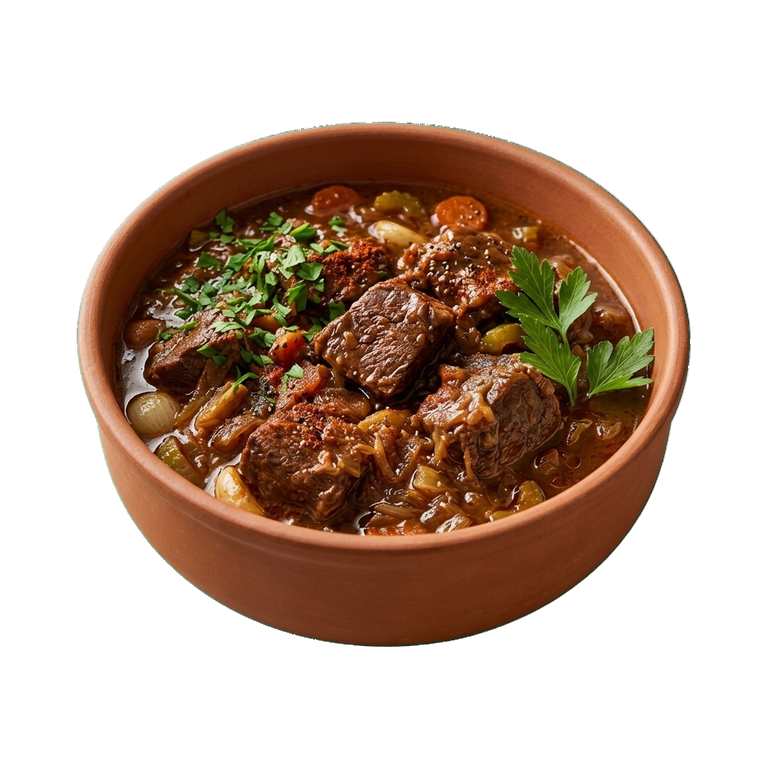
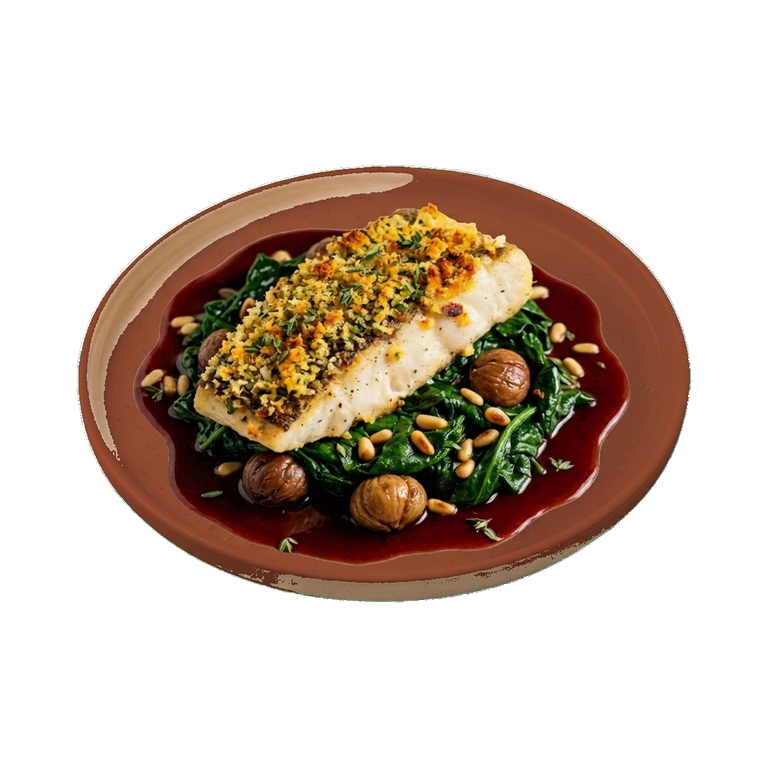
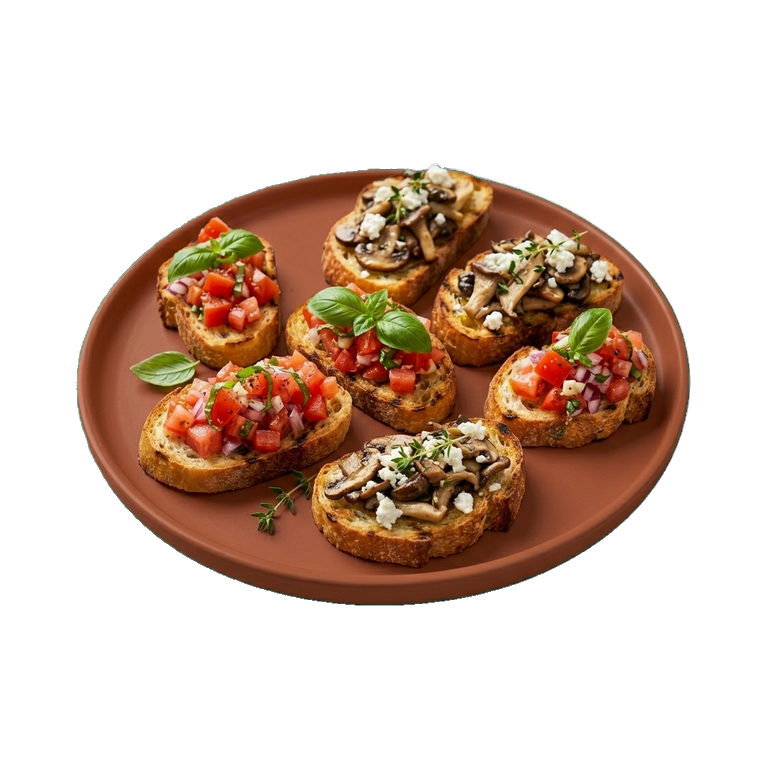
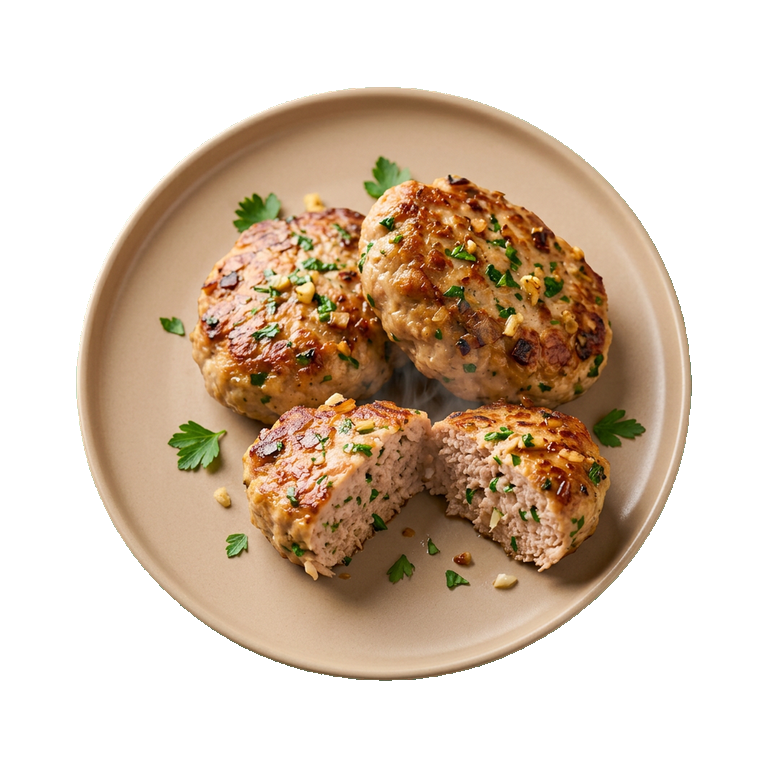
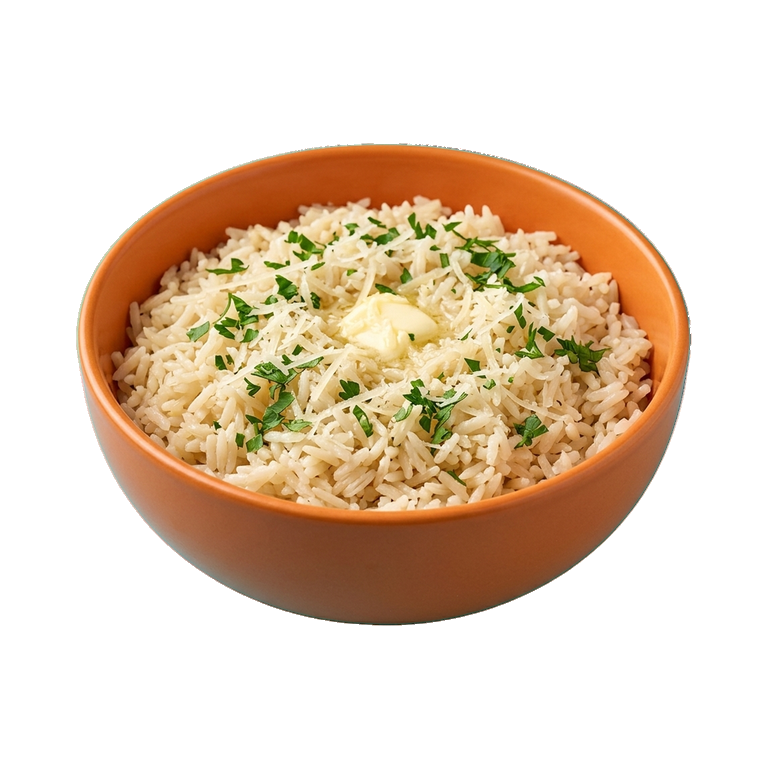
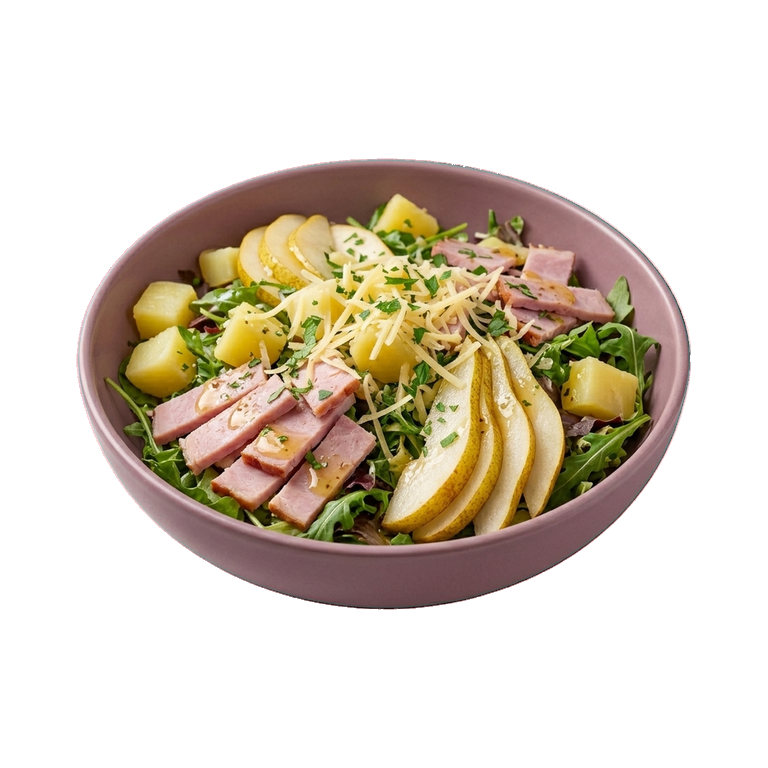
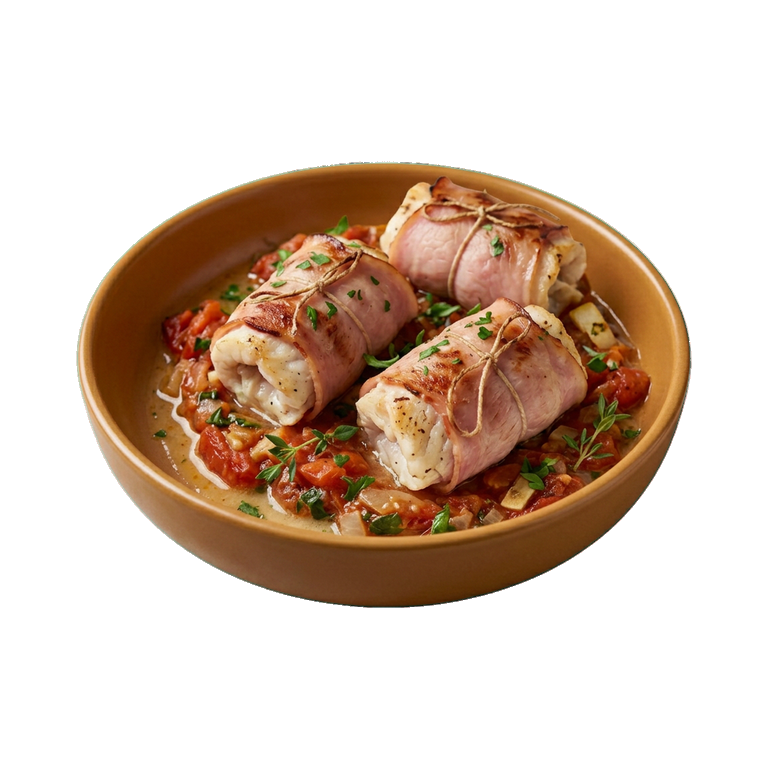
Chopped parsley is ideal for fillings: in cutlets, meatballs, and pie fillings. It mixes well with ground meat and doesn't clump. It's also convenient to use as a garnish and topping for dishes — simply sprinkle the finished dish before serving. Potatoes, fish, eggs, cheese — parsley goes well with all these products.
- Soups and broths — add at the end of cooking
- Sauces and sour cream dressings
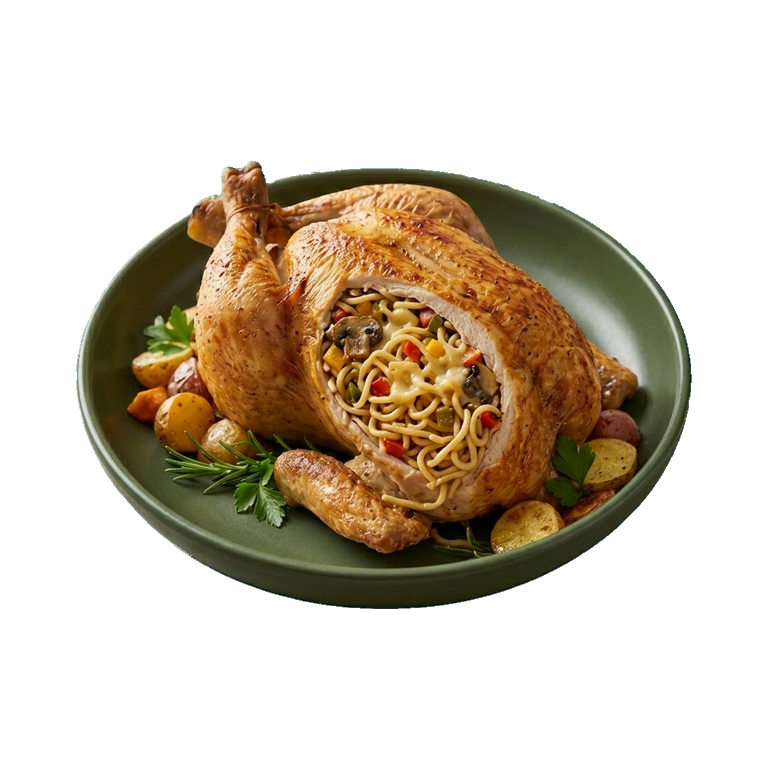
- Fillings and stuffings for meat and vegetables
- Side dishes for fish and meat
- Omelets and egg dishes
- Cottage cheese and cheese mixtures
Selection and Storage
Chopped parsley can be fresh (packaged or loose) or frozen. Choose fresh parsley by its smell — it should be bright and herbaceous, without mustiness. The color should be rich green, without yellow or darkened spots. If you buy loose parsley, make sure the greens are not wilted and are not releasing moisture.
Store fresh chopped parsley in the refrigerator in an airtight container or wrapped in paper towels in a plastic bag — it will keep for 5–7 days this way. Frozen parsley can be stored for months, but keep in mind that after thawing the texture will become softer. Frozen parsley does not need to be thawed before use — add it directly to hot dishes.
If you've bought too much fresh parsley, freeze it yourself: spread it on a tray, freeze it, and then transfer it to a container or bag. This way it won't stick together and will be convenient to use.
Nutrition
per 100 g
- Calories
- 49 kcal
- Protein
- 3.7 g
- Fat
- 0.8 g
- Carbs
- 7.7 g
Measures and weight
- 1 tbsp
- 4.5 g
- 1 tsp
- 1.5 g
- 1 cup
- 75 g
- 1 bunch
- 25 g
- 1 sprig
- 3 g
Measure calculator
- Weight
- 100 g
- Calories
- 49 kcal