Usuba
Usuba
Dijon mustard
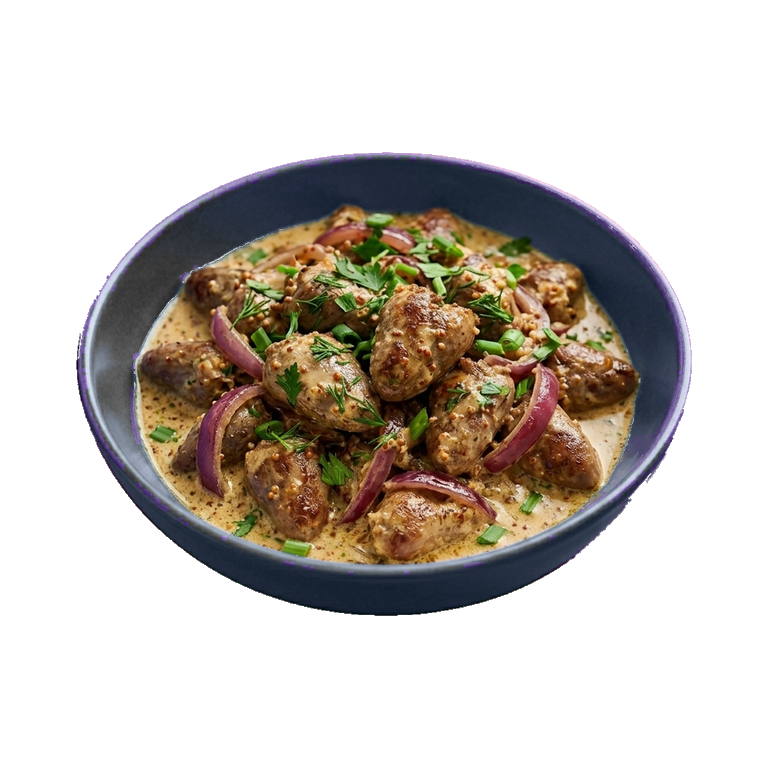
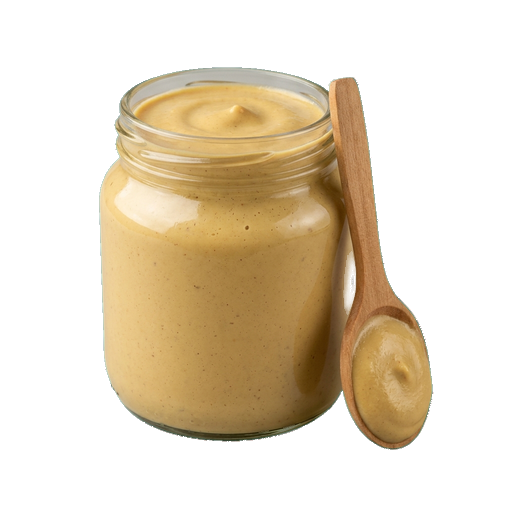
Sharp mustard with a piquant flavor and smooth consistency, made from brown mustard seeds and white wine or wine vinegar. Its characteristic pungency is less intense than yellow mustard, but more pronounced than whole-grain, making it a versatile sauce for meat, vinaigrettes, and emulsions. When selecting, pay attention to consistency — it should be uniform and creamy, and when substituting, keep in mind that Dijon mustard imparts a more refined, winey flavor to dishes compared to other varieties.
About
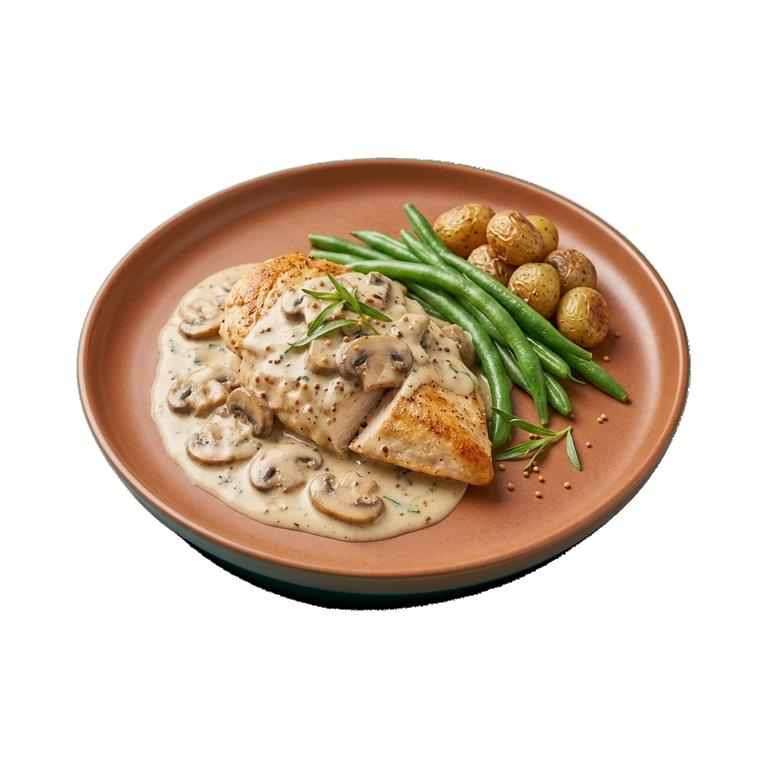
Dijon mustard is not just a condiment, but a true kitchen helper. Its sharpness is moderate, its taste is deep and multi-layered, and its consistency is smooth and creamy. It easily fits into dishes without requiring prior dilution or preparation. It's a mustard that works everywhere: in marinades, sauces, dressings, and even in baking.
Taste and Aroma
The main feature of Dijon mustard is its piquancy without aggression. The heat is pleasant, not burning, with a barely perceptible sweetness and a light wine note. Thanks to the addition of white wine or its derivatives, it acquires a refined character. The aroma is fresh, slightly spicy, doesn't overpower other ingredients, but enhances them.
Where to use it
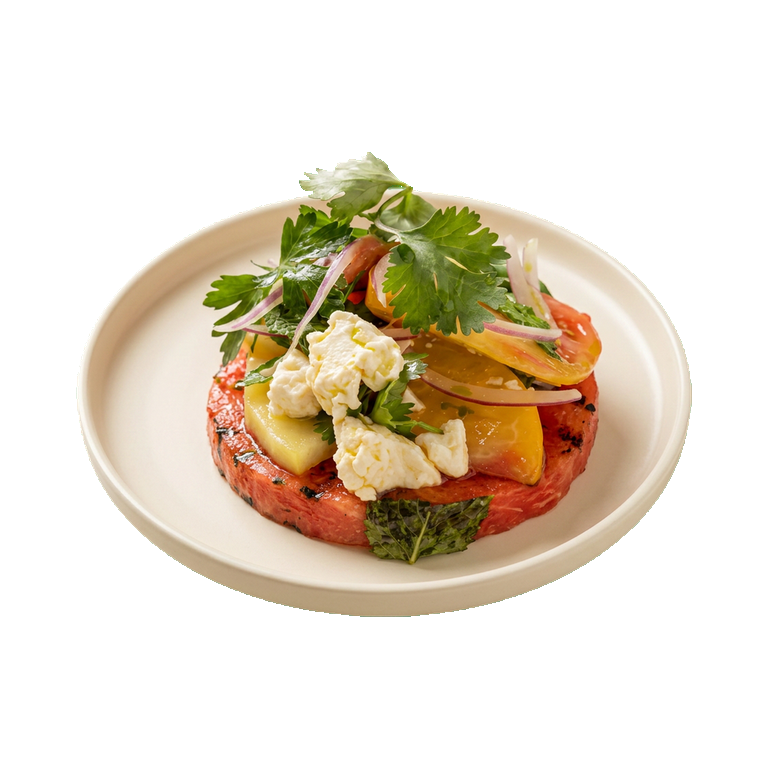
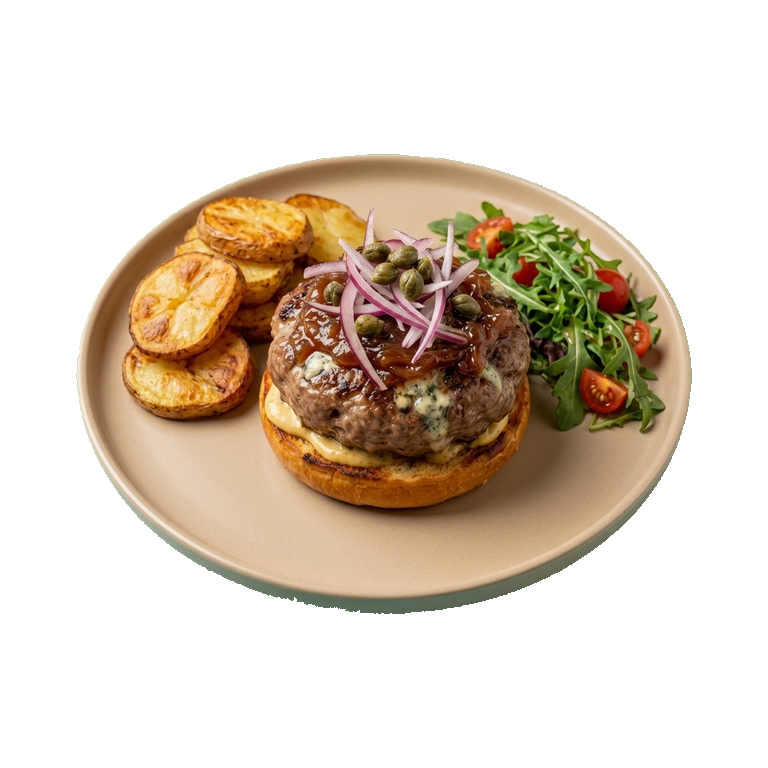
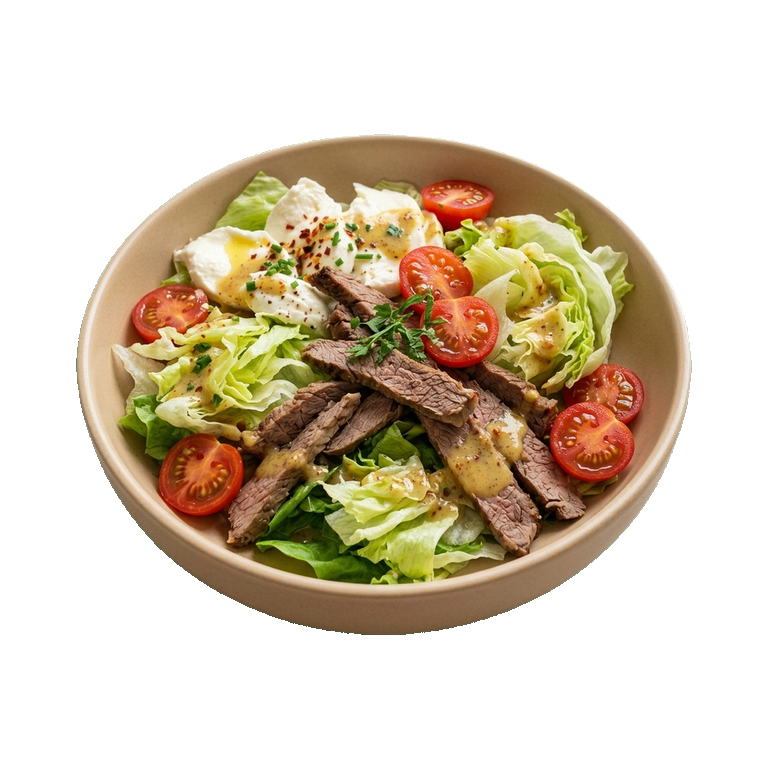
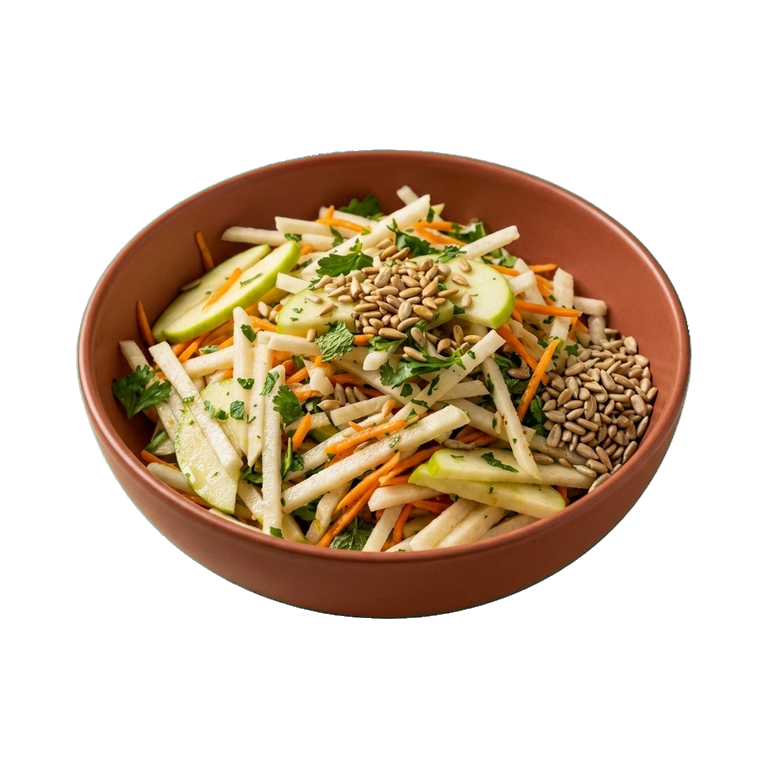
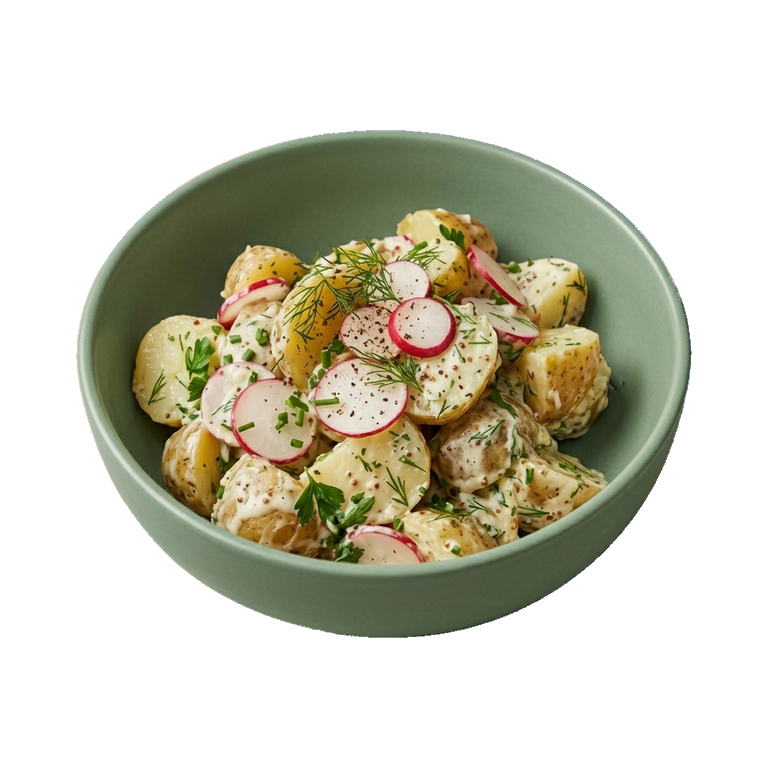
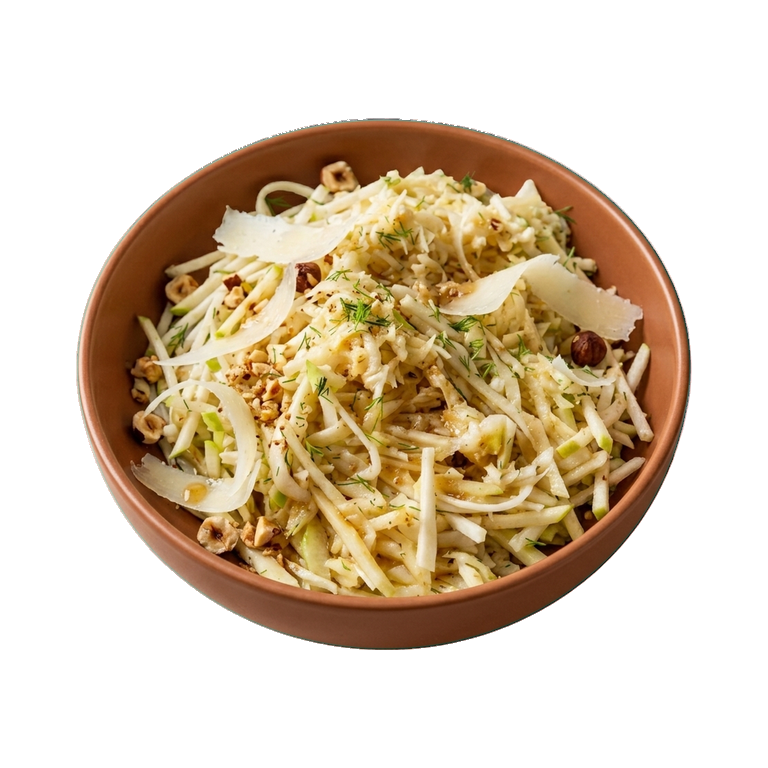
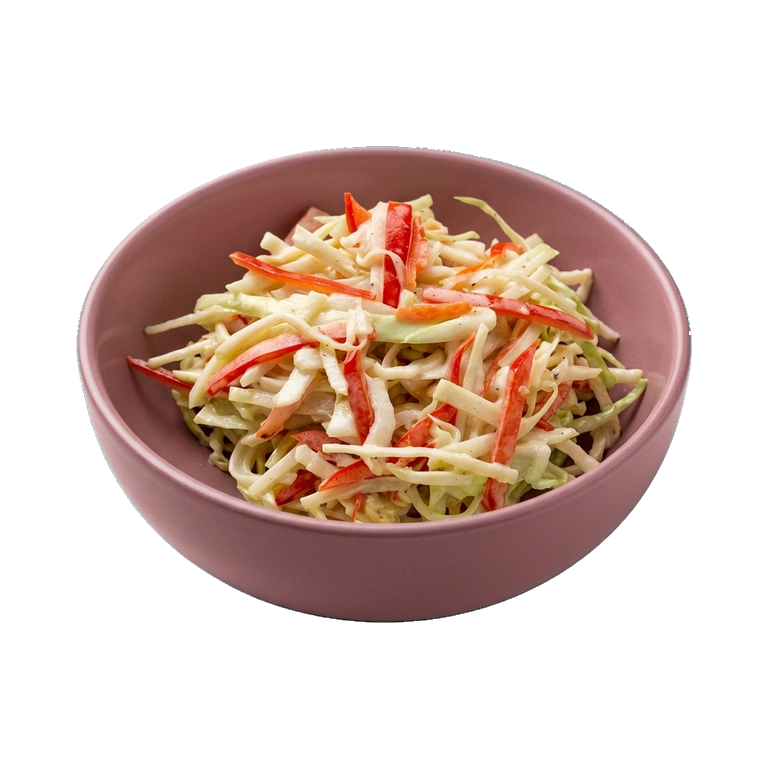
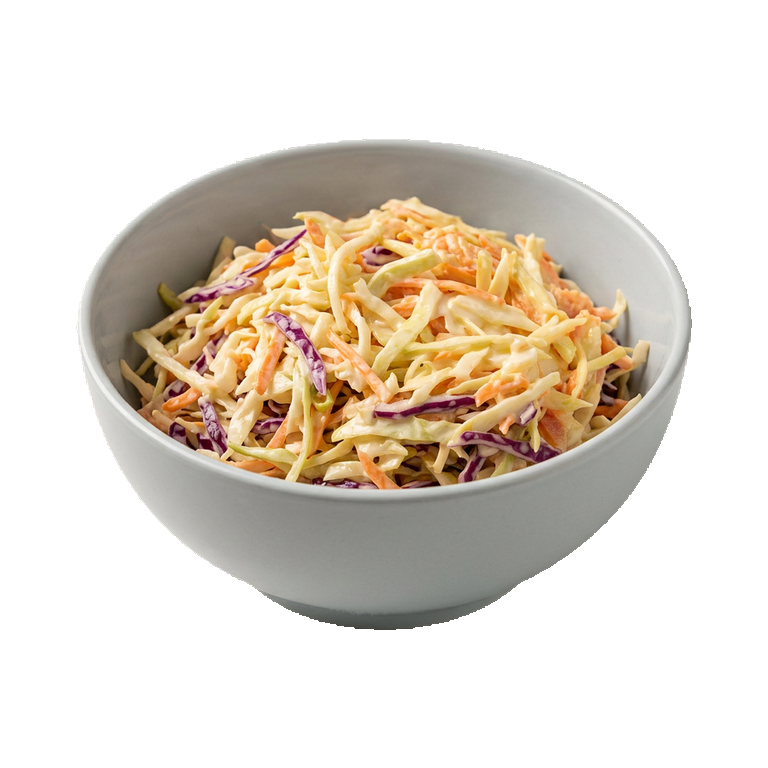
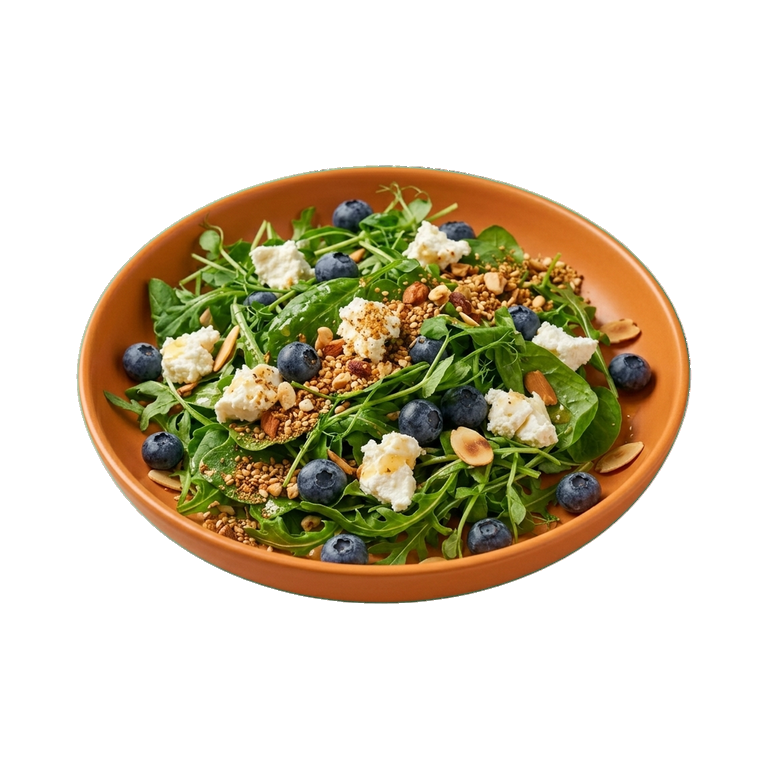
- Vinaigrettes and salad dressings — a basic component of classic French vinaigrette
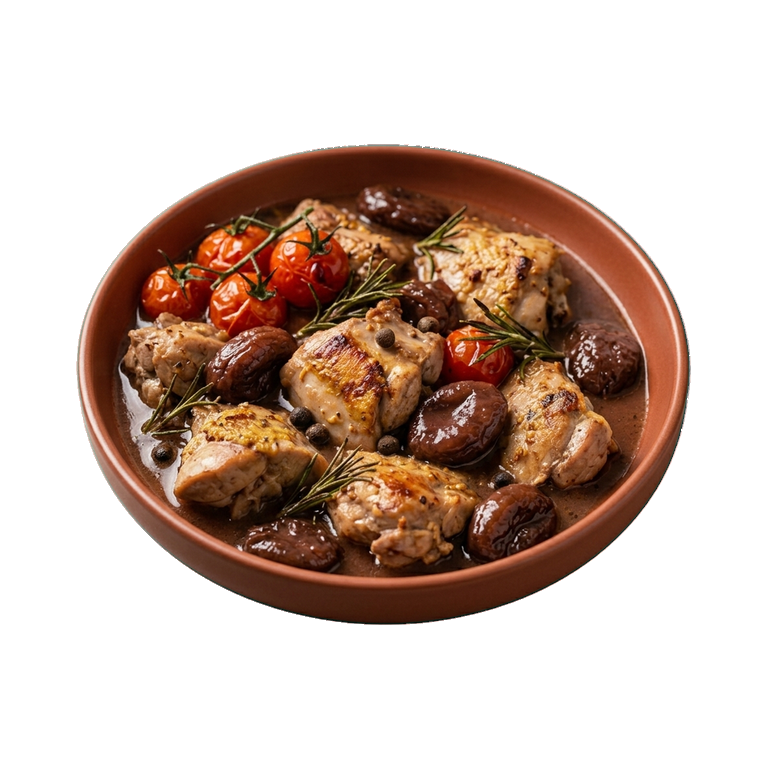
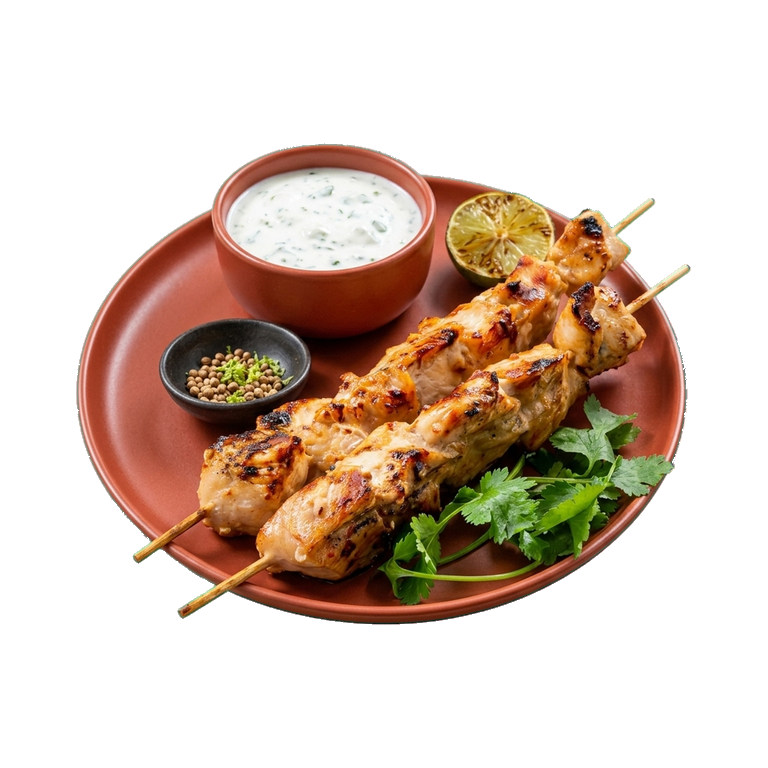
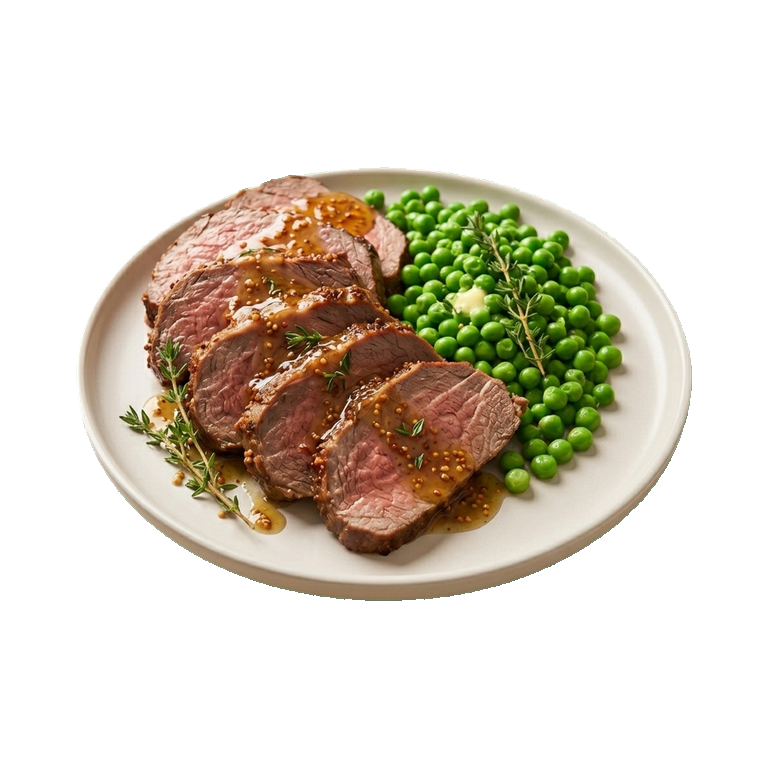
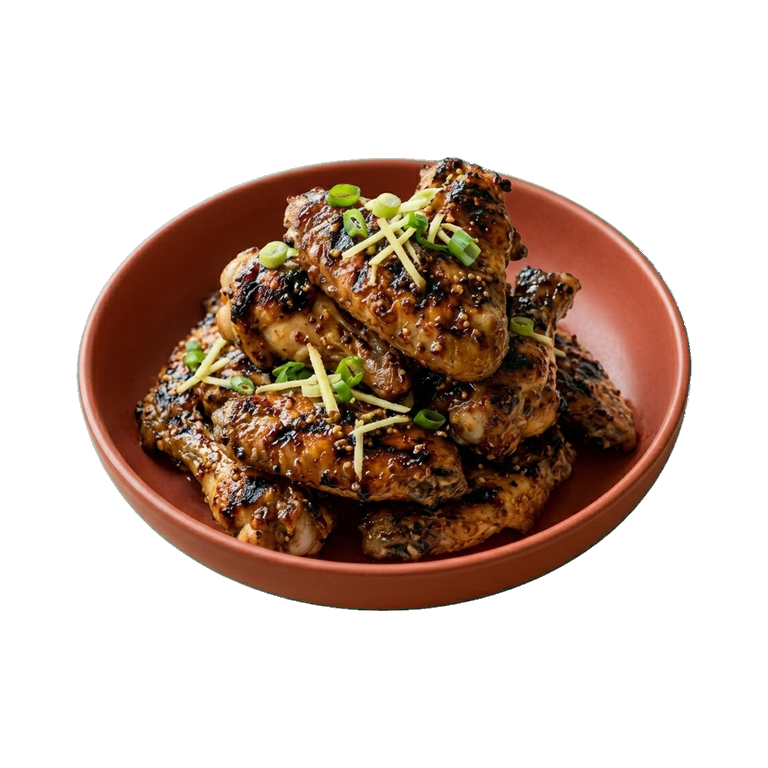
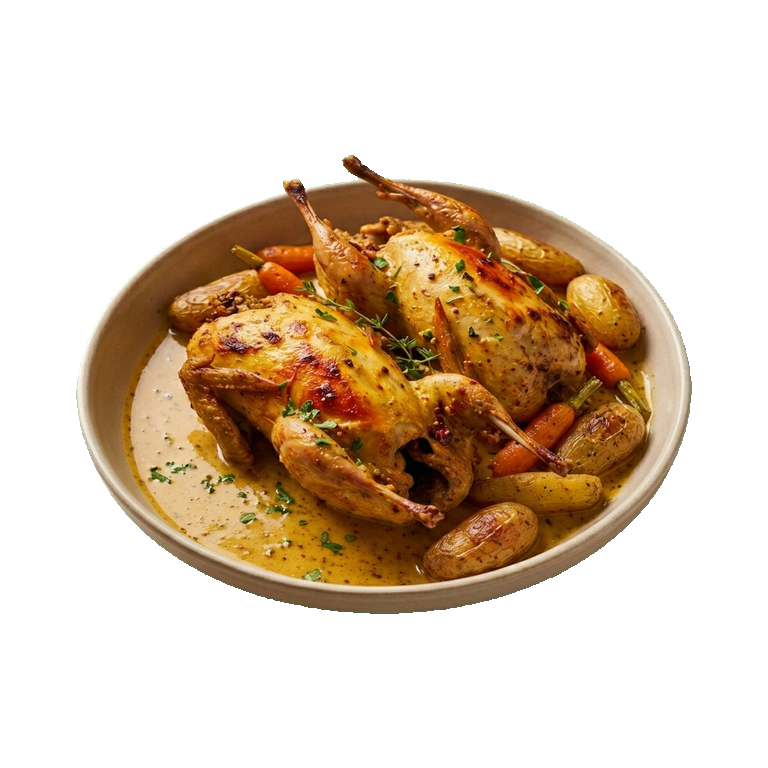
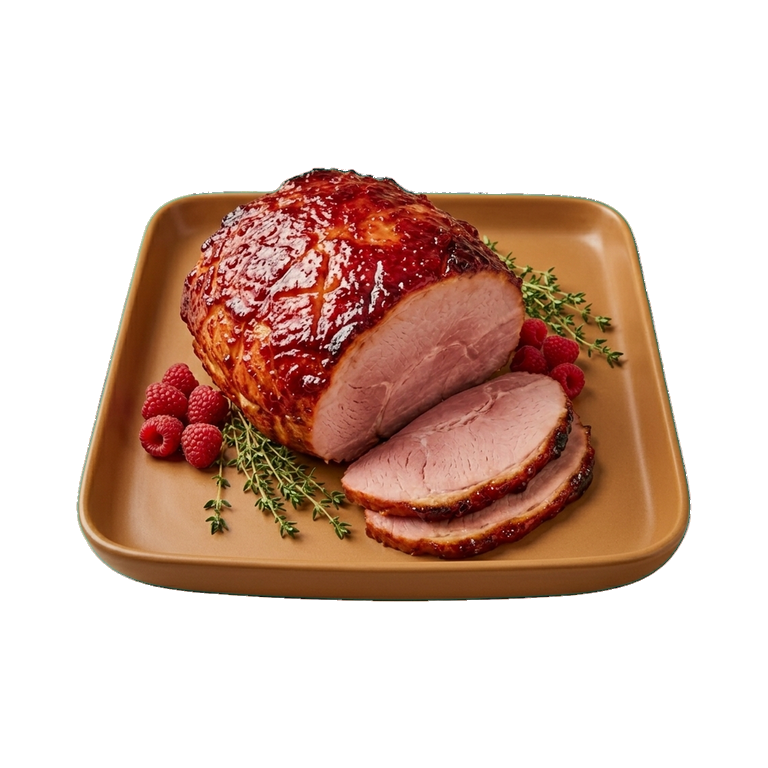
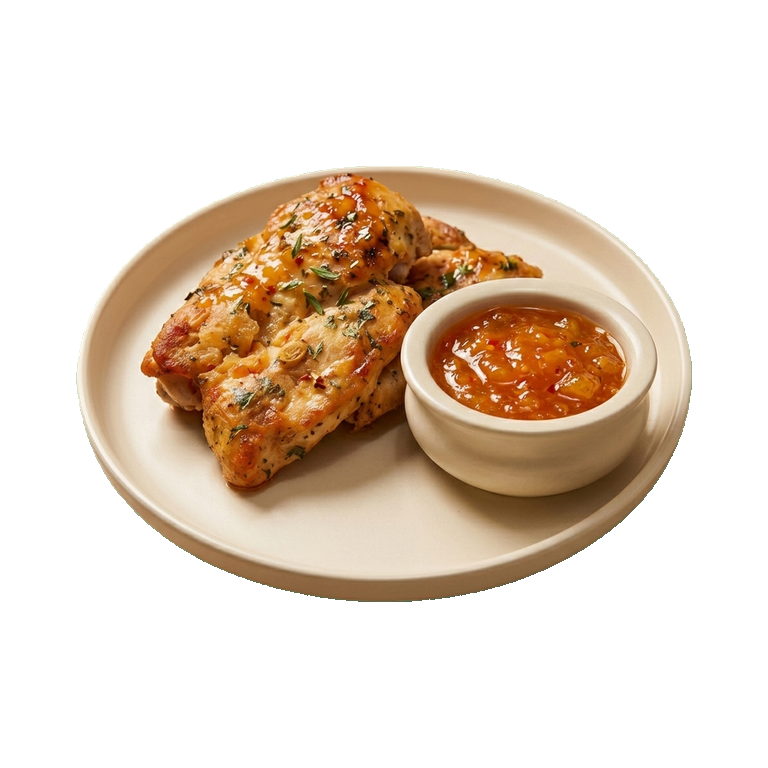
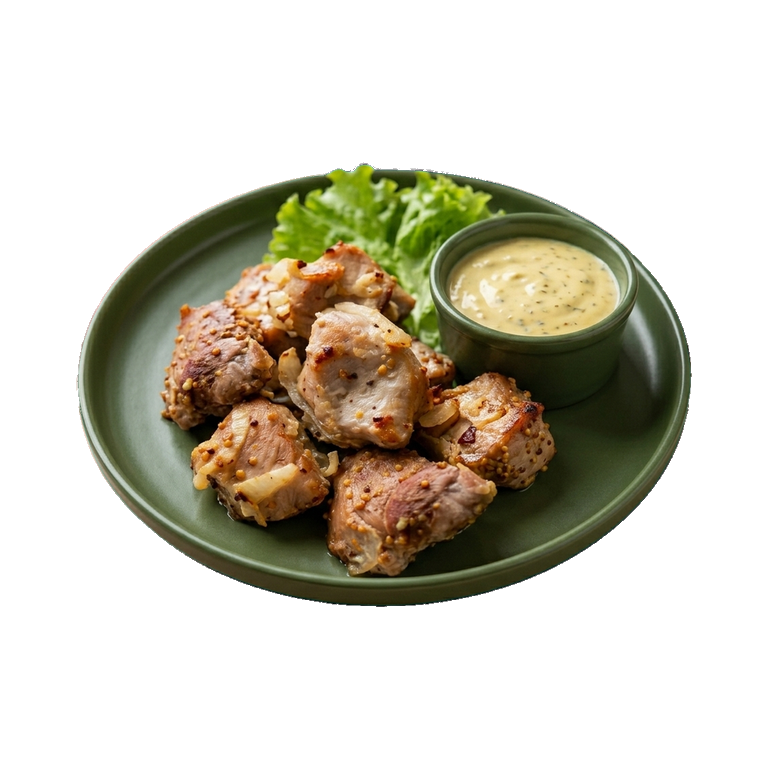
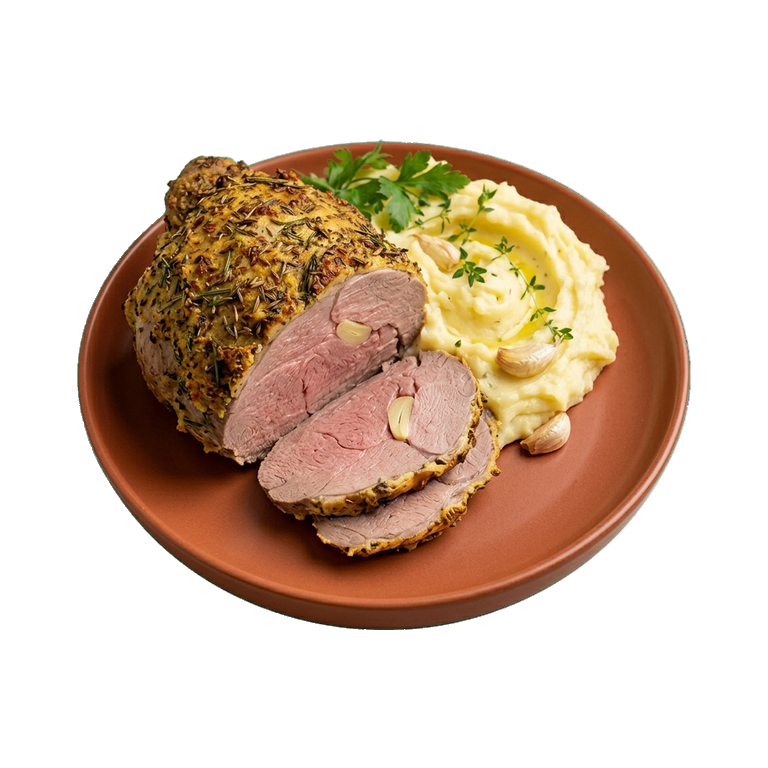
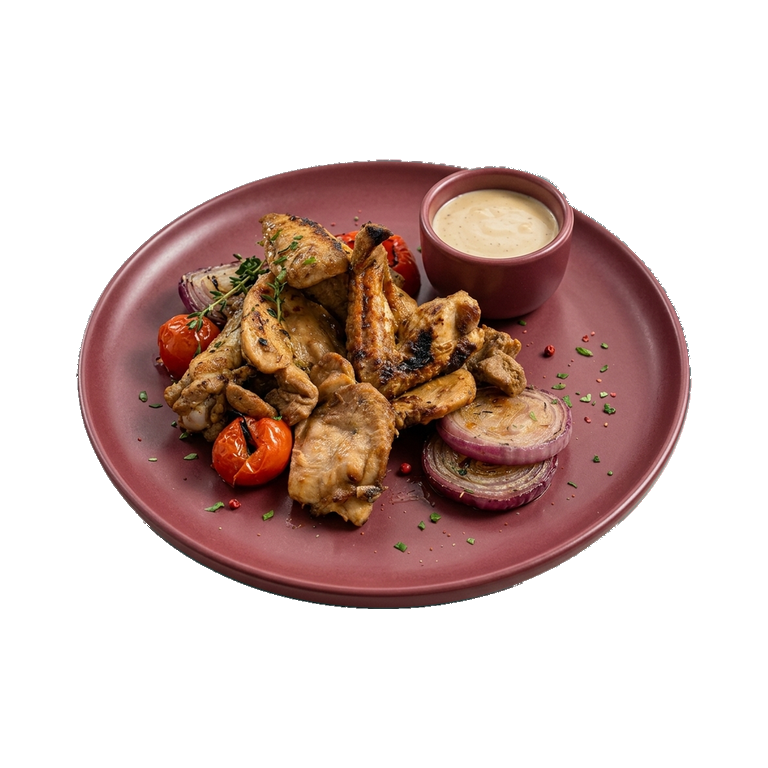
- Marinades for meat — helps tenderize fibers and adds flavor depth
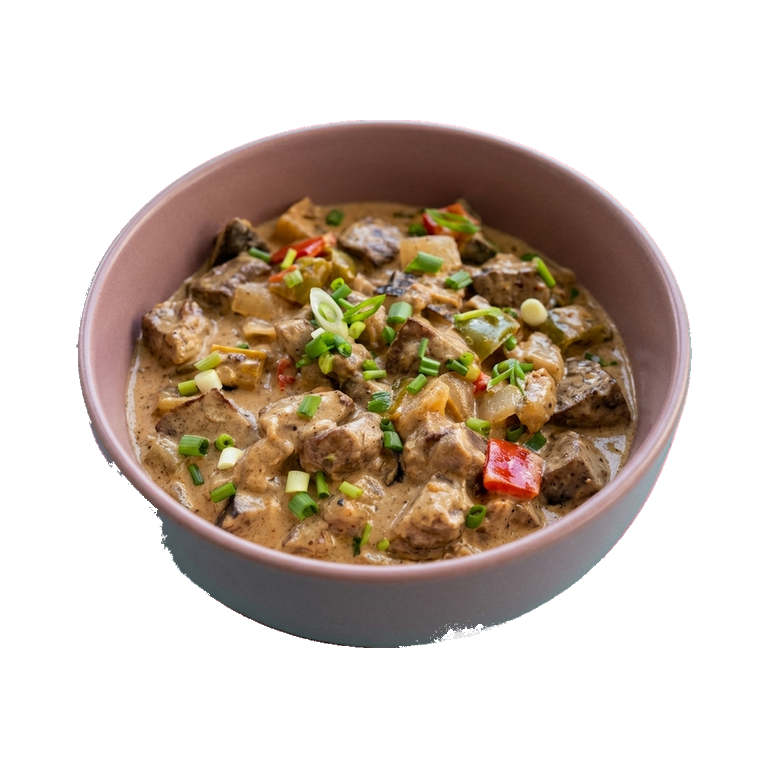
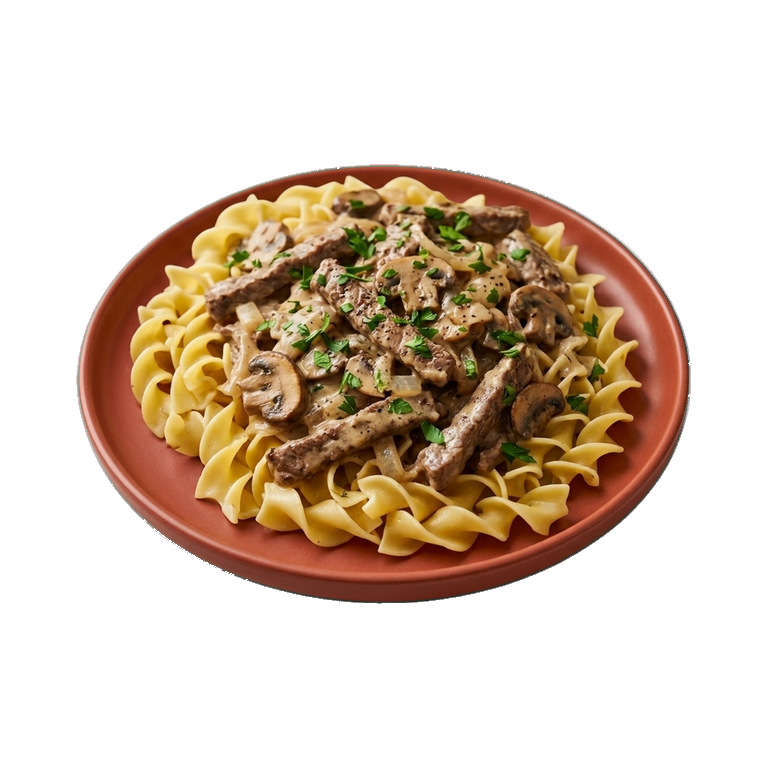
- Sauces and gravies — ideal for meat sauces, especially for beef and pork
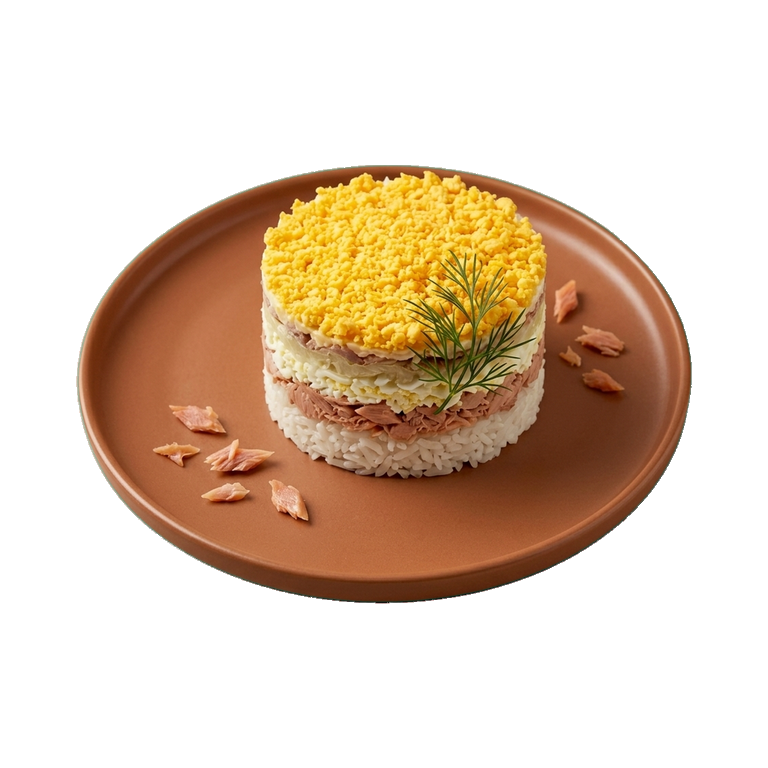
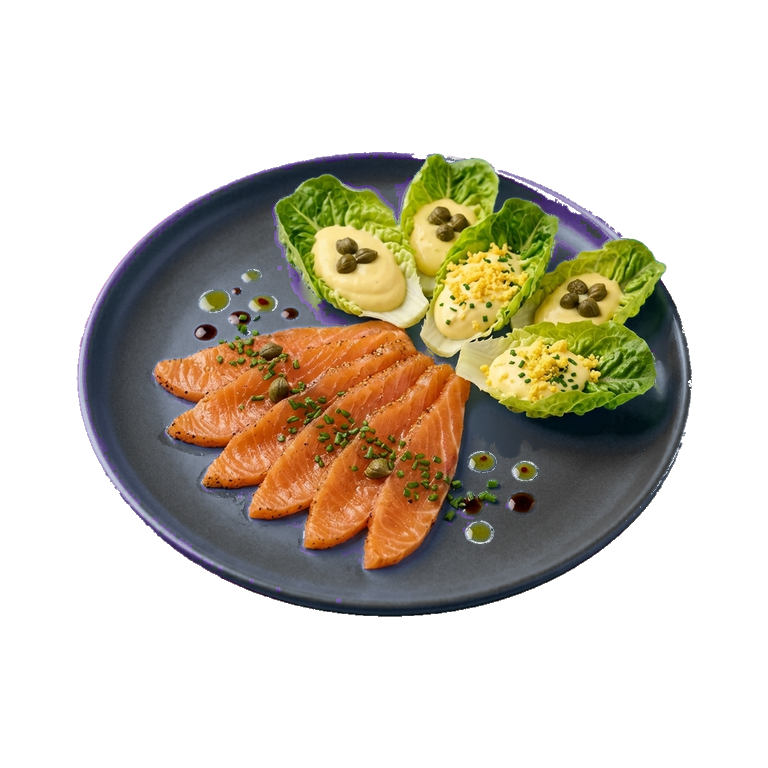
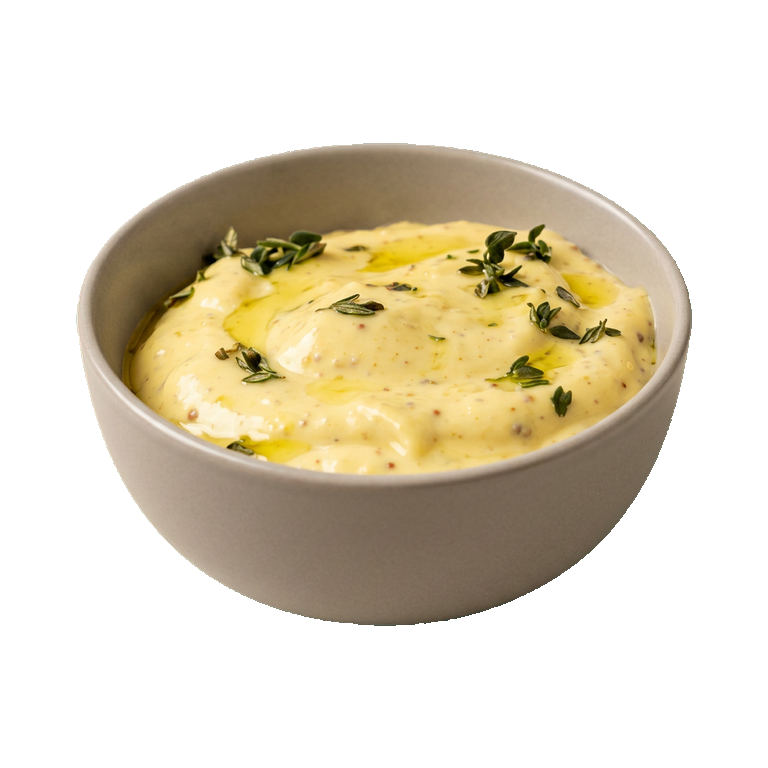
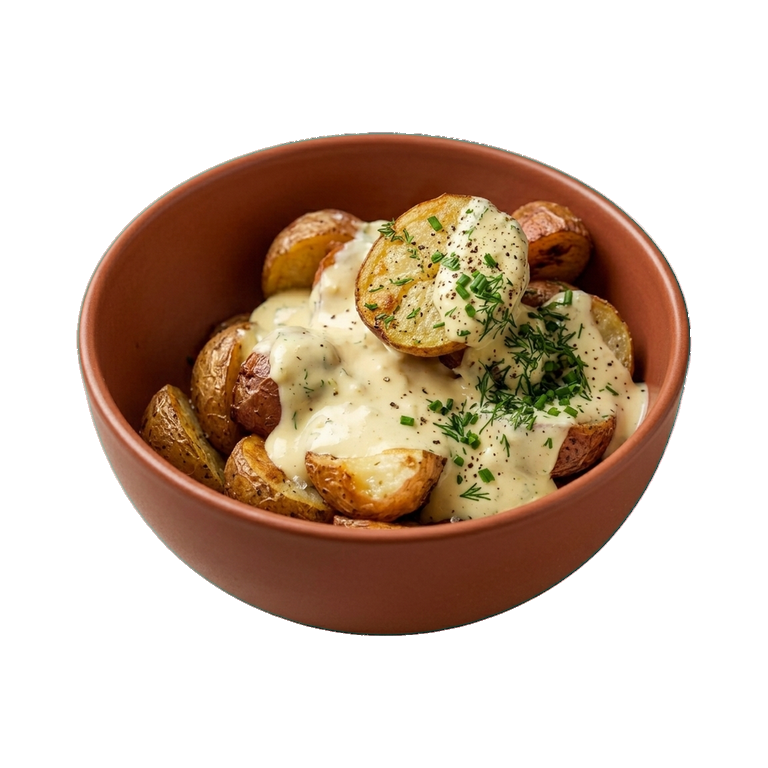
- Mayonnaise and emulsions — stabilizes consistency and enriches flavor
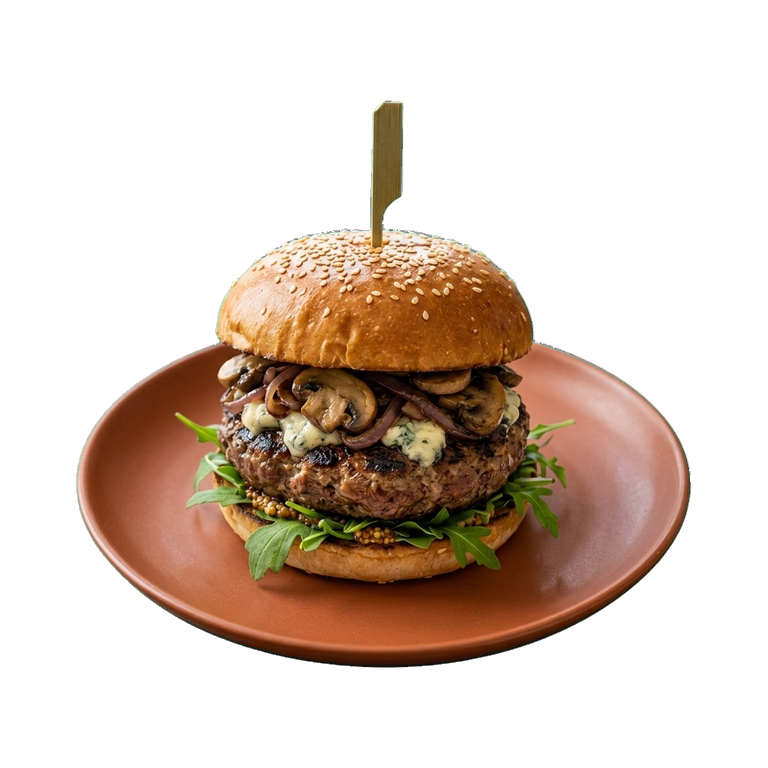
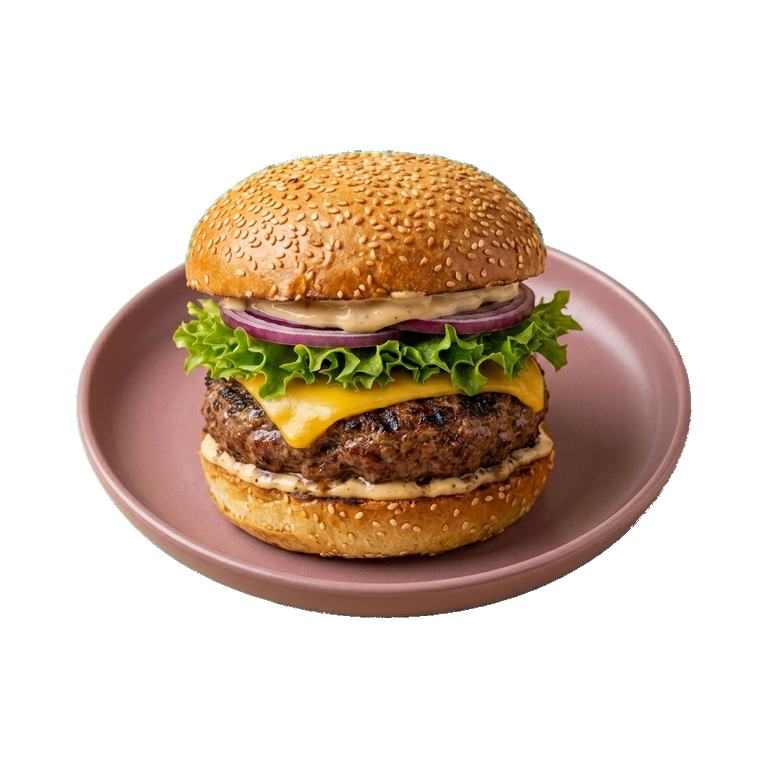
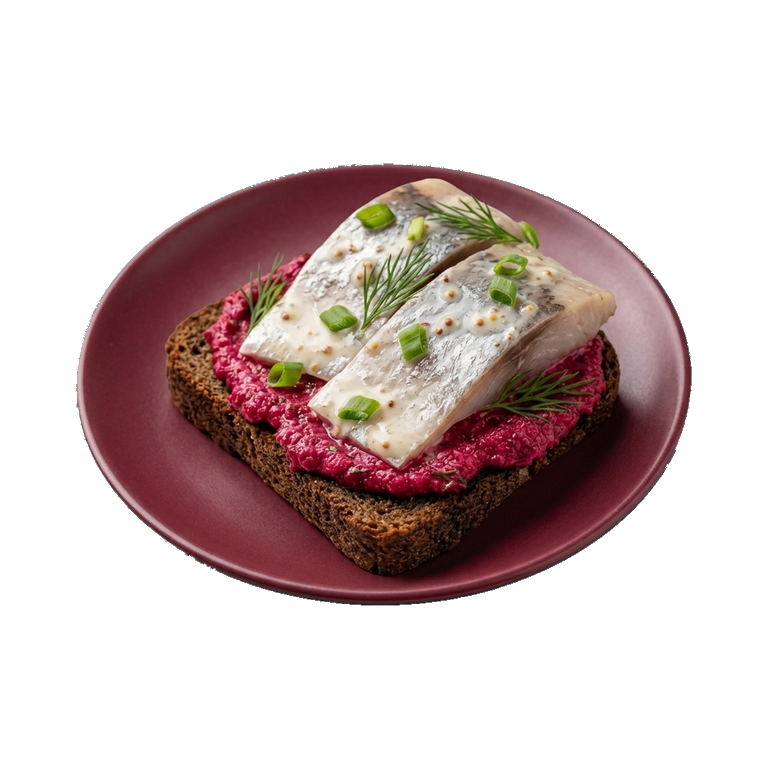
- Sandwiches and appetizers — applied directly to bread or used in pâtés
- Stewed dishes — added at the end of cooking for flavor brightness
Successful Combinations
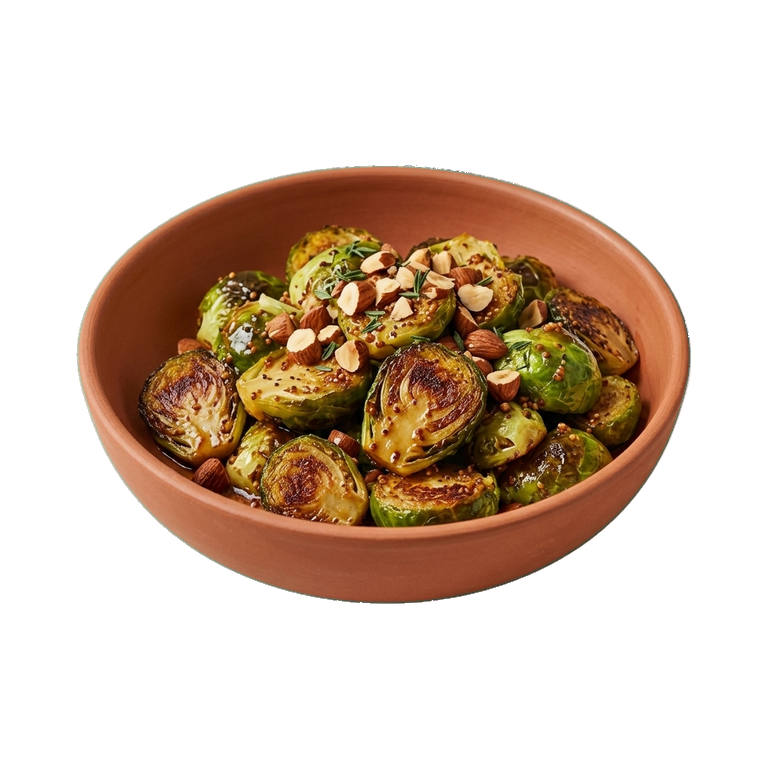
Dijon mustard pairs well with acidic components — vinegar, lemon, white wine. It works nicely with herbs: thyme, rosemary, tarragon. In sweet-salty combinations (with honey or sugar) it reveals new dimensions. Alongside garlic, shallots, and hot paprika it becomes more expressive. It doesn't conflict with either light fish sauces or rich meat sauces.
Selection and Storage
When choosing, pay attention to consistency — it should be uniform, without lumps or separation. The color varies from light yellow to mustard brown depending on the manufacturer's recipe. Check the packaging date: the fresher it is, the brighter the flavor. After opening, mustard is stored in the refrigerator in a tightly closed container for several months. Do not place it near strongly scented products — it absorbs odors.
Tip: if mustard seems too sharp to you, dilute it with a small amount of cream, sour cream, or olive oil. It will become milder, but won't lose its character.
Nutrition
per 100 ml
- Calories
- 66 kcal
- Protein
- 3.6 g
- Fat
- 3.6 g
- Carbs
- 3.3 g
Measures and weight
- 1 tbsp
- 15.8 g
- 1 tsp
- 5.3 g
- 1 cup
- 262.5 g
Measure calculator
- Weight
- 100 g
- Calories
- 63 kcal