Usuba
Usuba
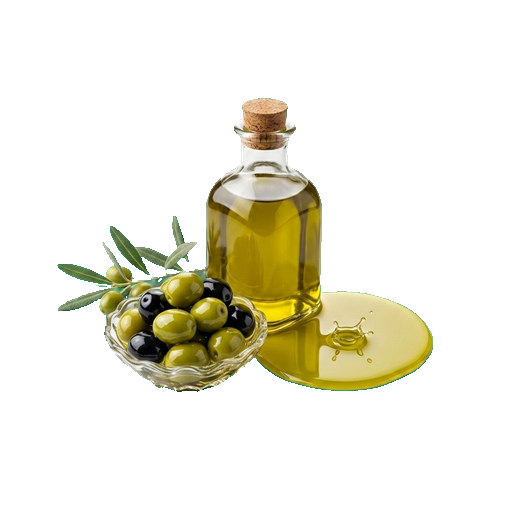
Extra virgin olive oil
Unrefined extra virgin olive oil with a rich herbaceous aroma and fruity notes, ranging from delicate to intense depending on the olive variety and region of origin. Thanks to its high polyphenol content, it has a peppery bite and piquancy that shine through in salads, on bread, in soups, and when finishing ready-made dishes. Add it at the end of cooking or don't heat it at all — high temperatures diminish its flavor and health benefits, so choose refined olive oil for frying.
About
Extra virgin is not just a label on a bottle, but a promise of quality. This oil is obtained by the first cold pressing of olives without heating and chemical processing. Result: maximum flavor, aroma, and beneficial substances. This oil is not refined, not derivative — exactly what came from the fruits in pure form.
Taste and Aroma
The palette depends on the olive variety and harvest time. Oil from early harvests is usually green, with herbaceous notes, sometimes with a peppery finish — it's invigorating and works well with vegetables, fish, and soups. Oil from late harvests is lighter, milder, with nutty or fruity notes — it's more comfortable to use in dressings and for bread.
When buying, trust your nose. Good oil smells like fresh grass, green tomato, or almond — never musty or rancid. If the smell is weak, it's not extra virgin, but a counterfeit or improperly stored oil.
Where it works in the kitchen
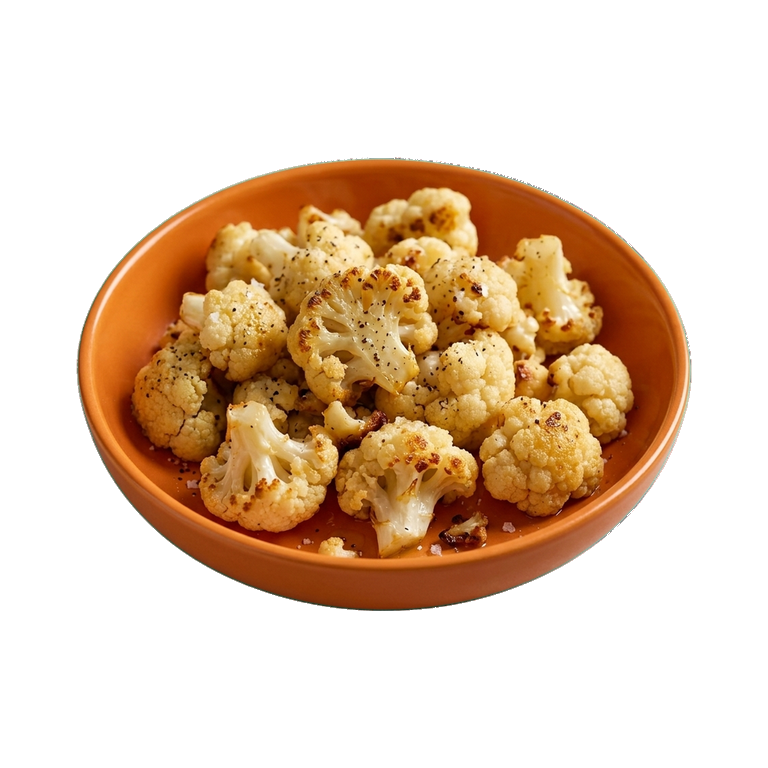
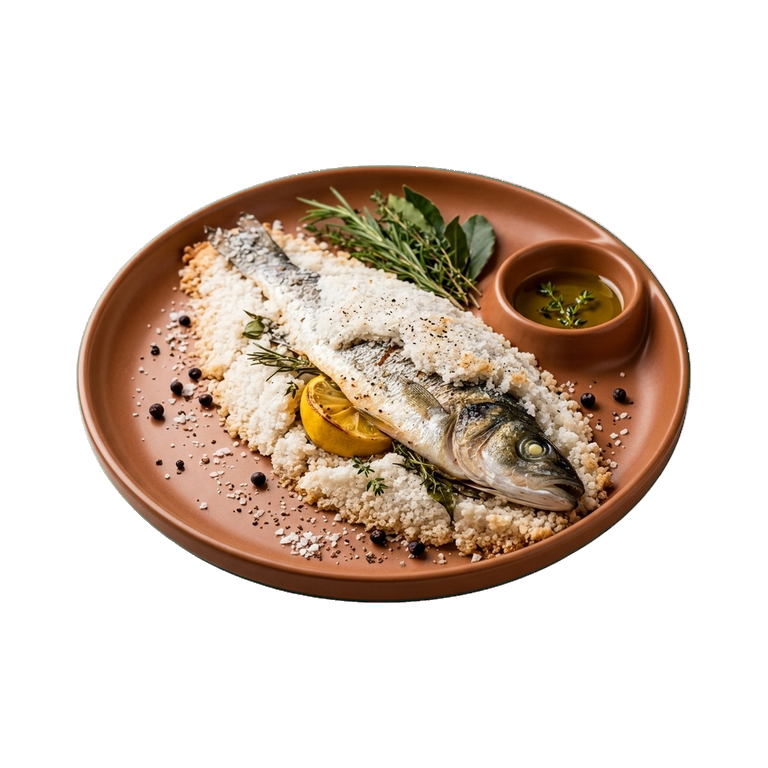
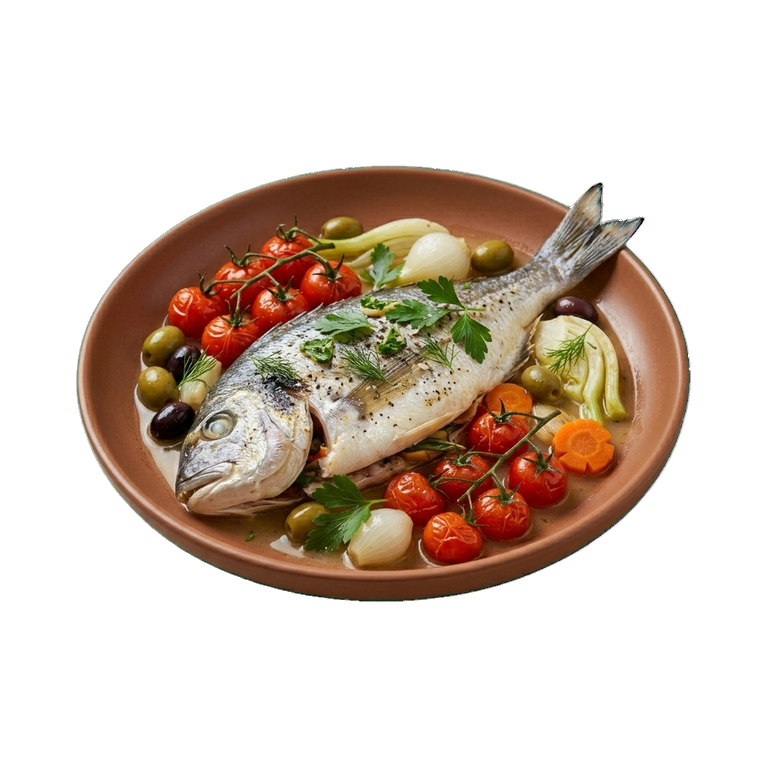
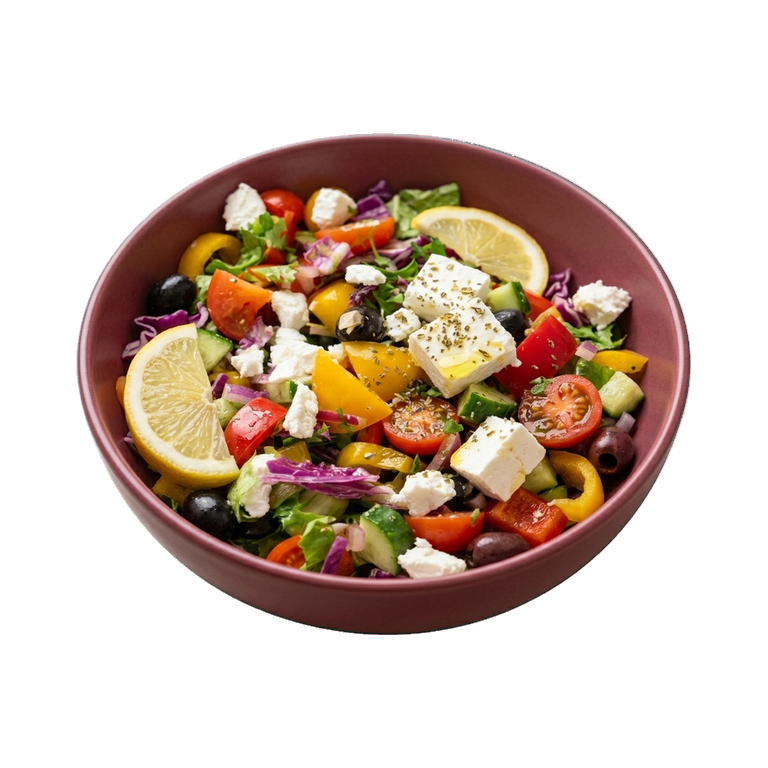
Extra virgin — the star of cold dishes. It finishes salads, soups, fried fish, and vegetable stews. A drop on the plate before serving — and the dish sounds completely different. This is an oil for dressings, for bread with sea salt, for sauces that don't require heating.
Main rule: don't fry with it. It smokes at 160–190 degrees, loses its aroma and beneficial properties. For frying, you need refined oil. Extra virgin is a finishing touch, not a workhorse on the pan.
Successful Combinations
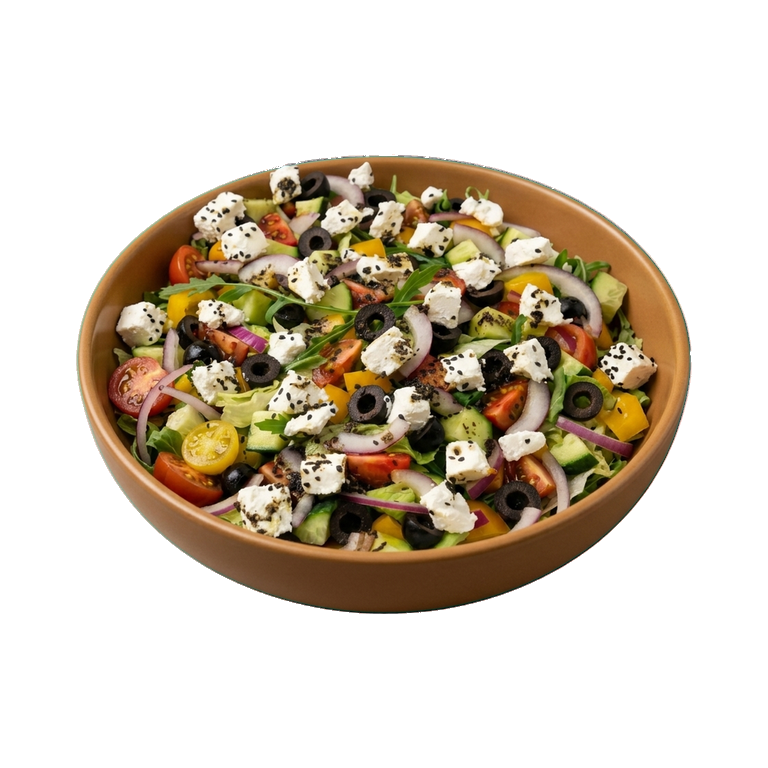
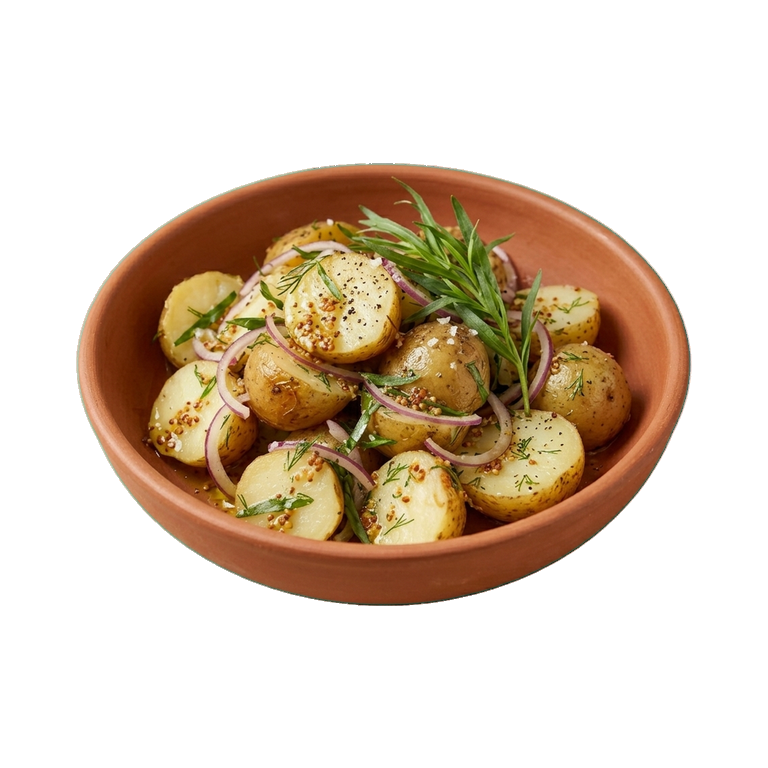
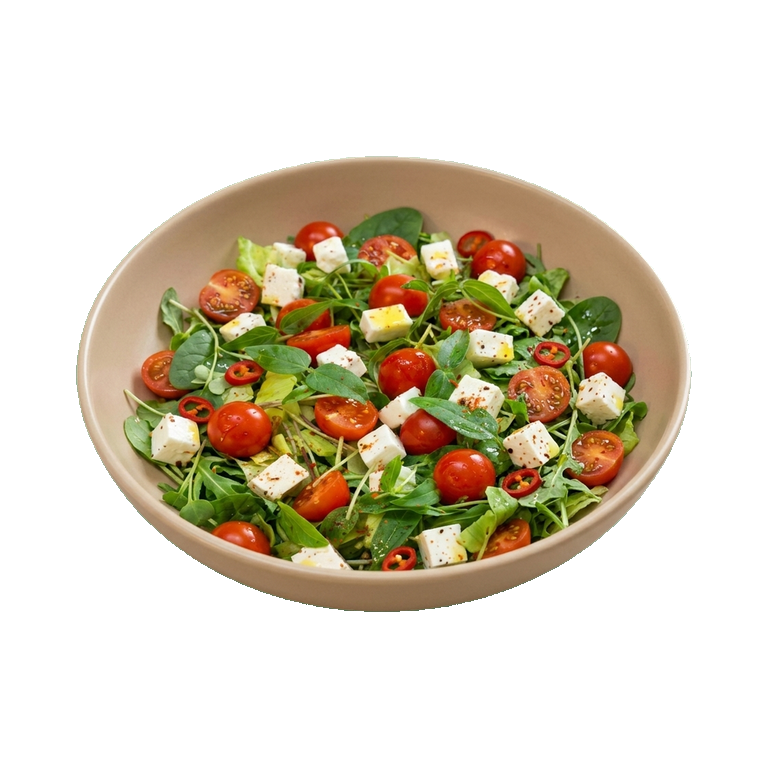
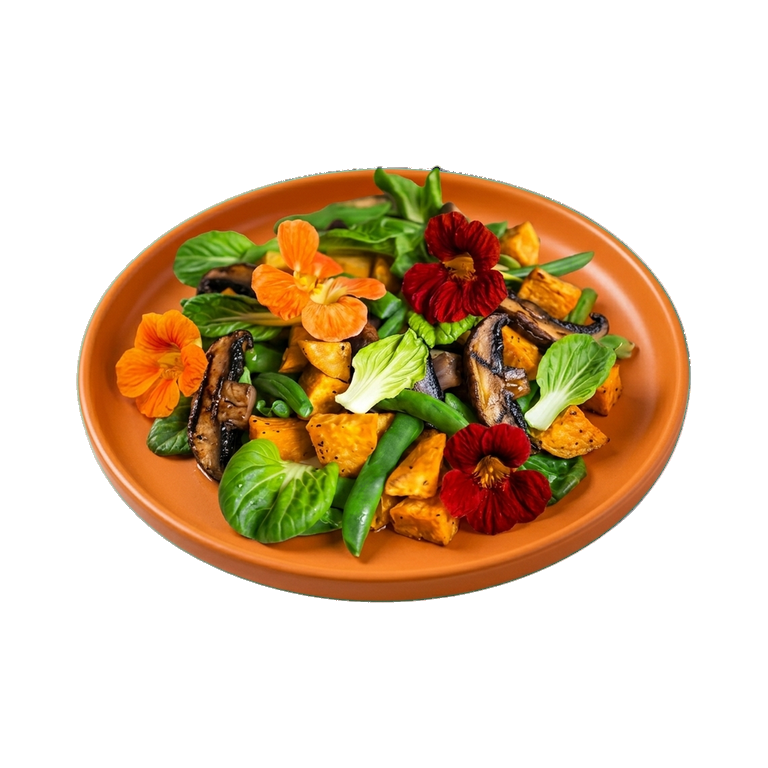
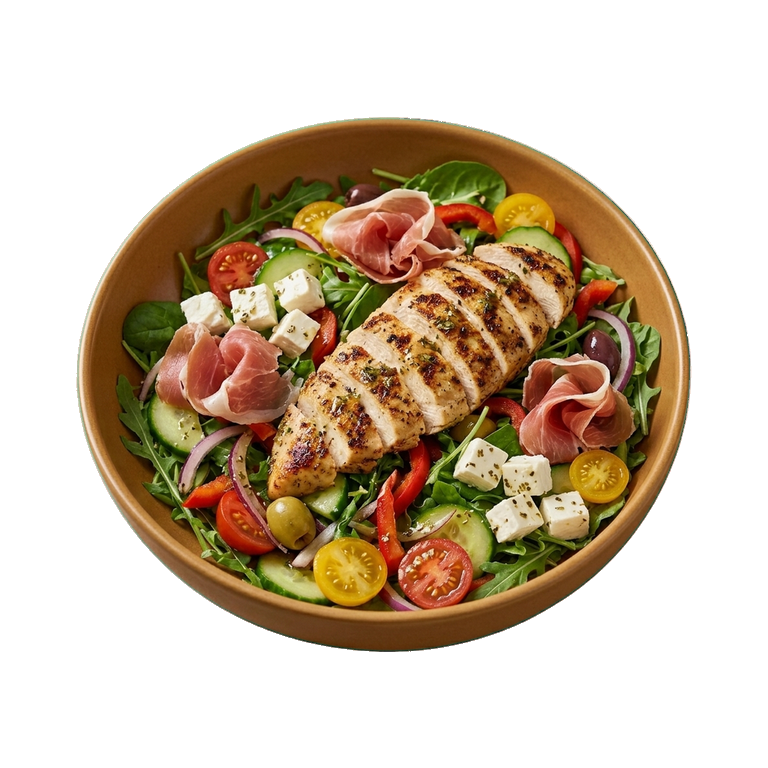
- Greens, tomatoes, cucumbers — herbaceous oil will emphasize freshness
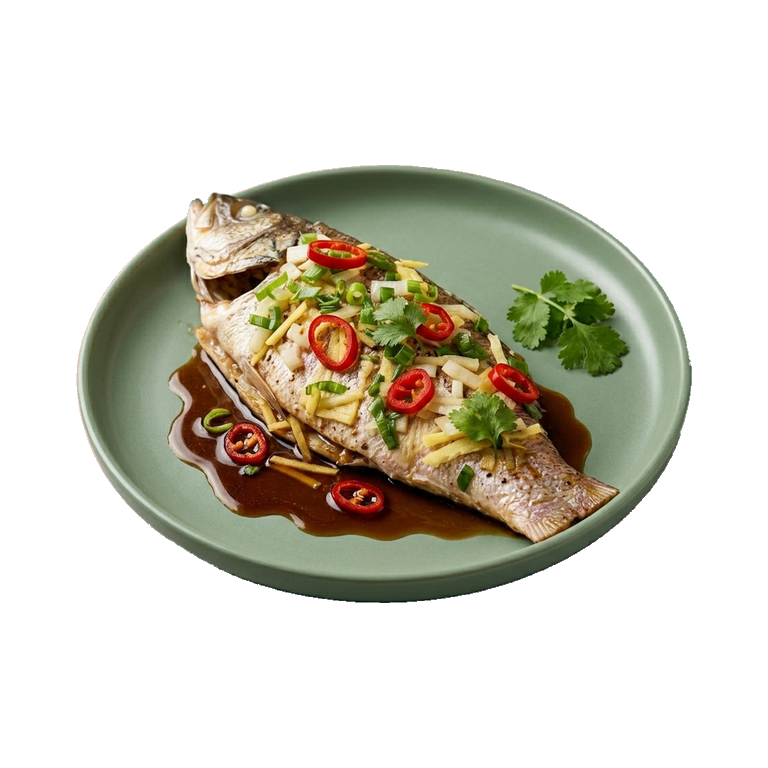
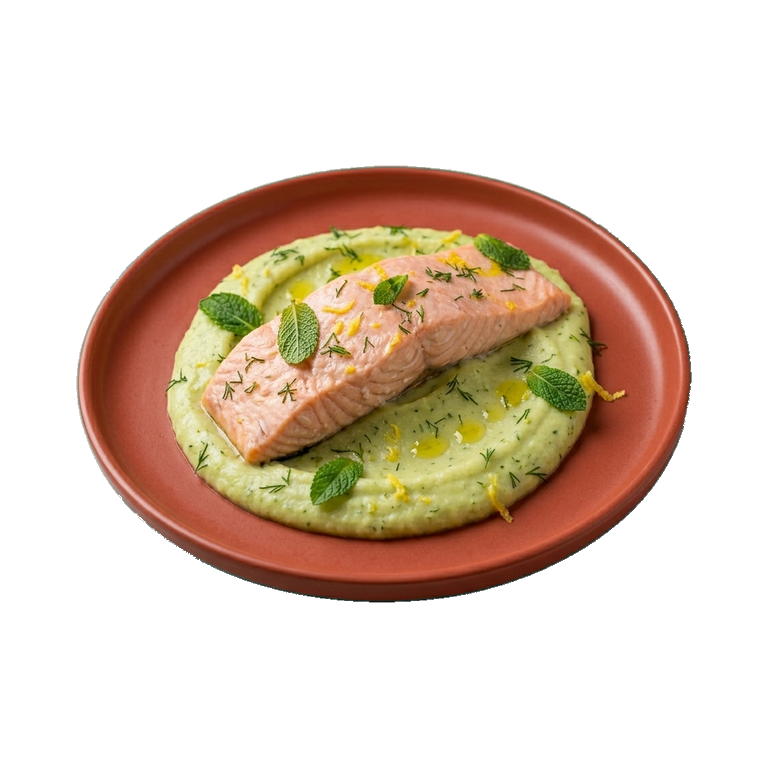
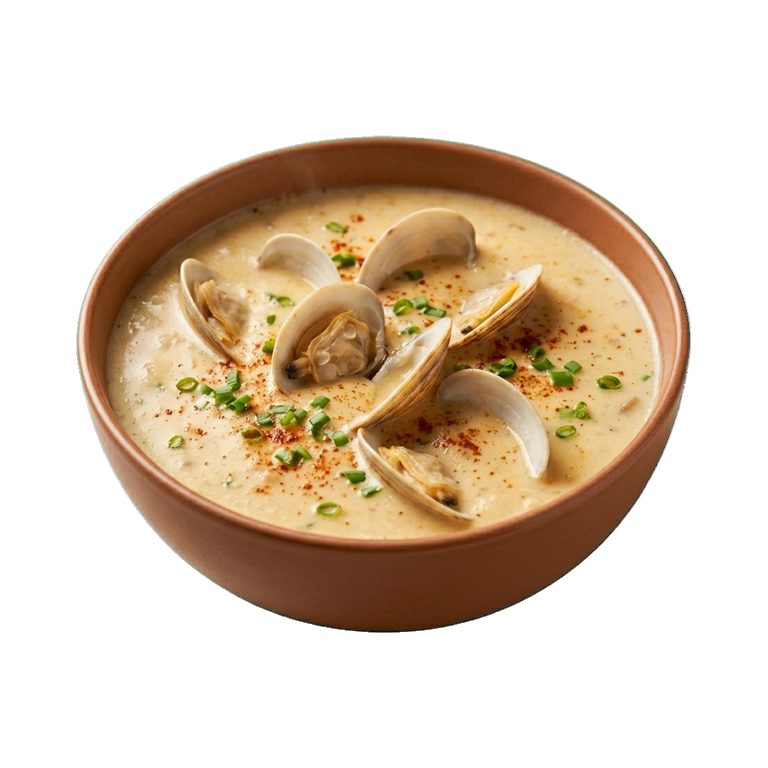
- White fish and seafood — delicate oil won't overpower the subtle taste
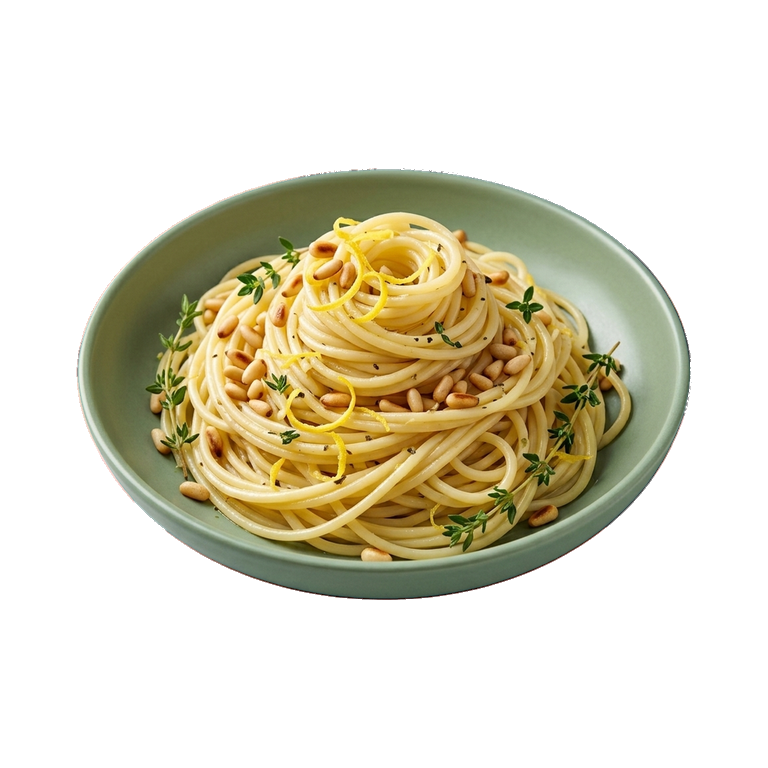
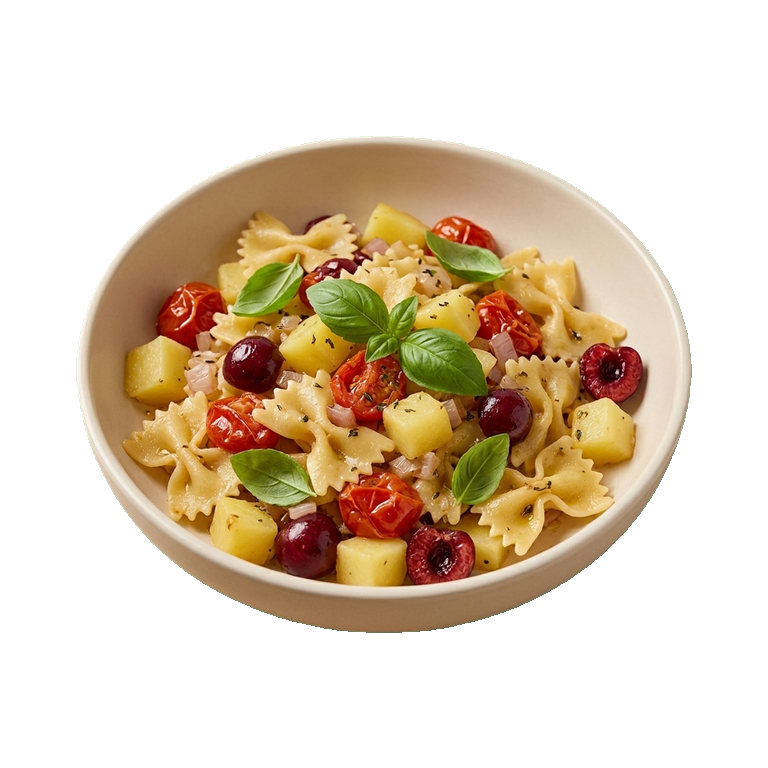
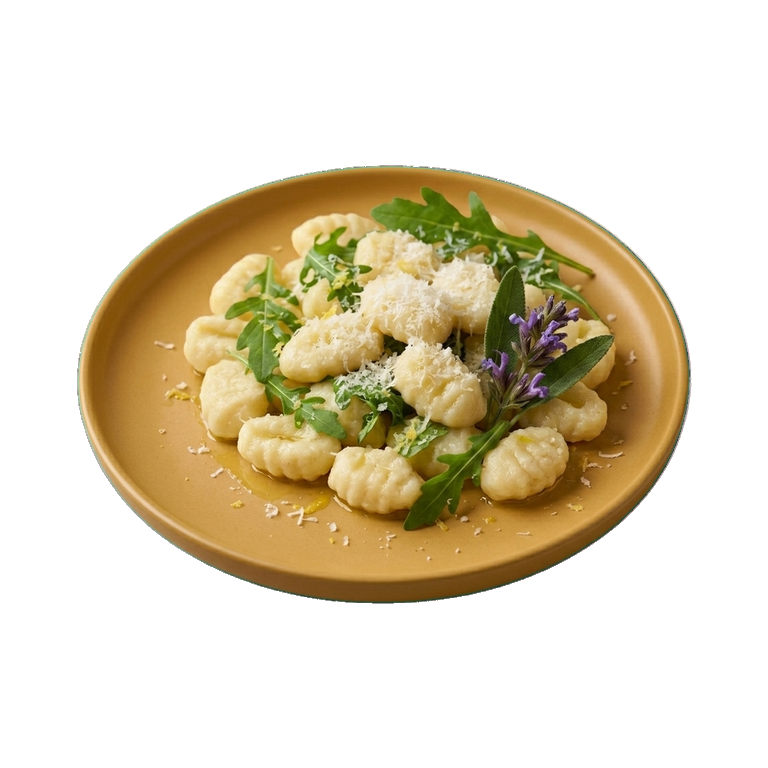
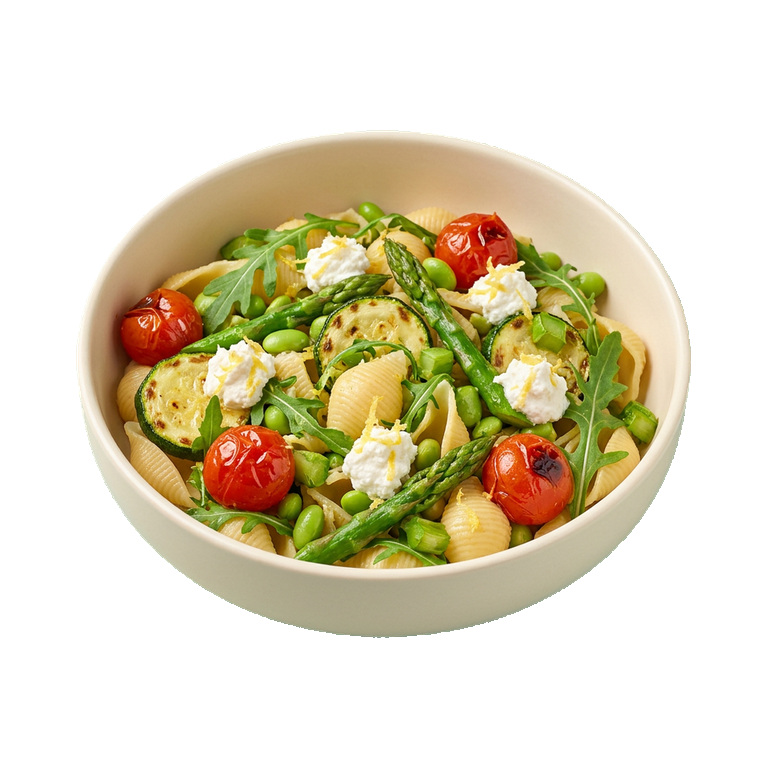
- Pasta, risotto, grains — oil will bind the dish and add depth
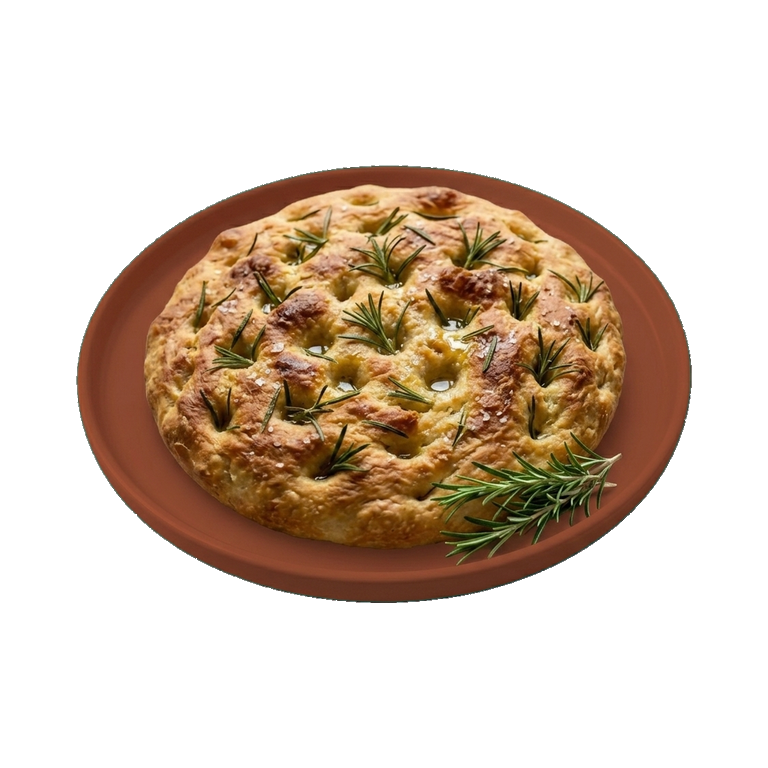
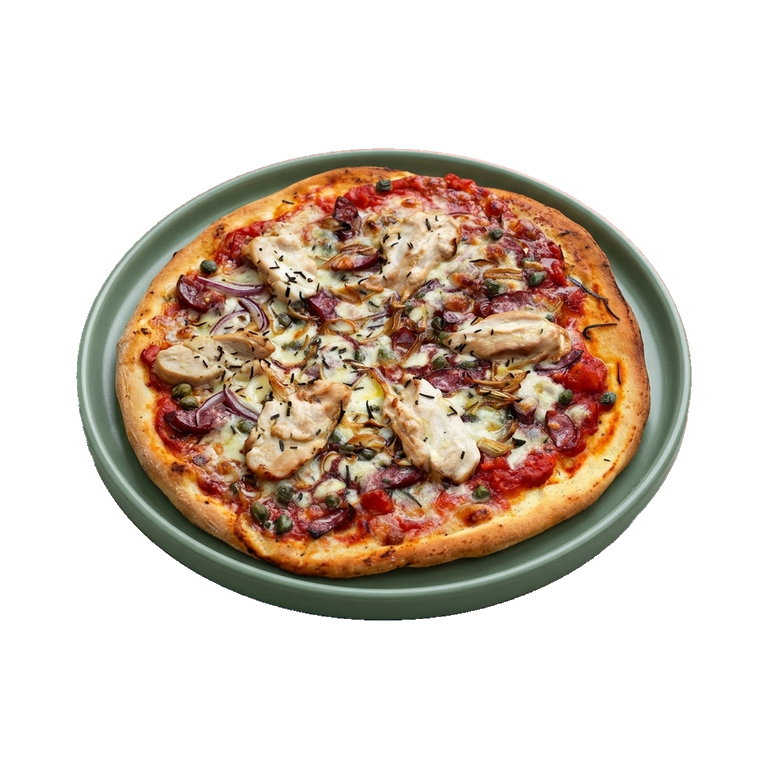
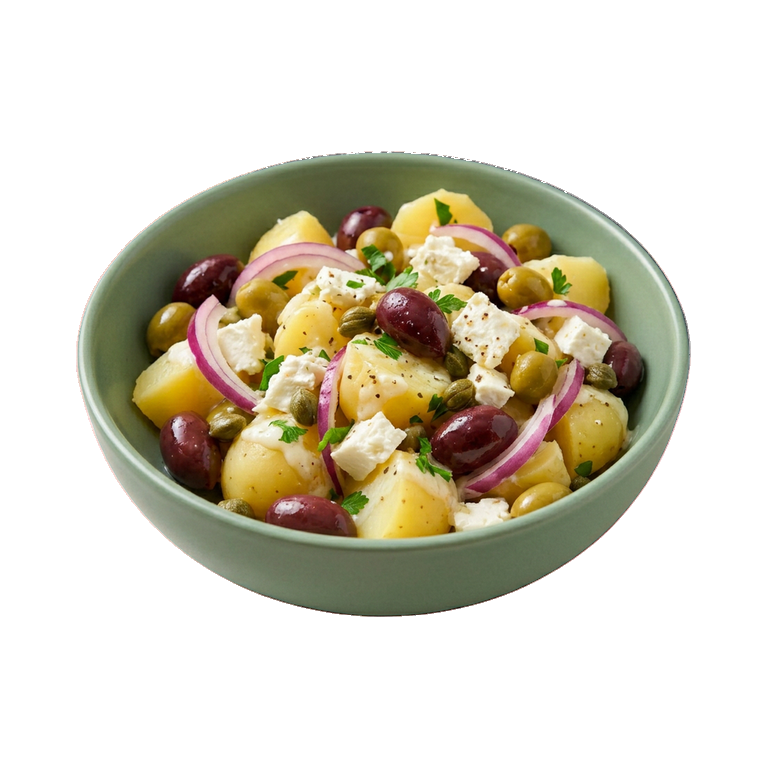
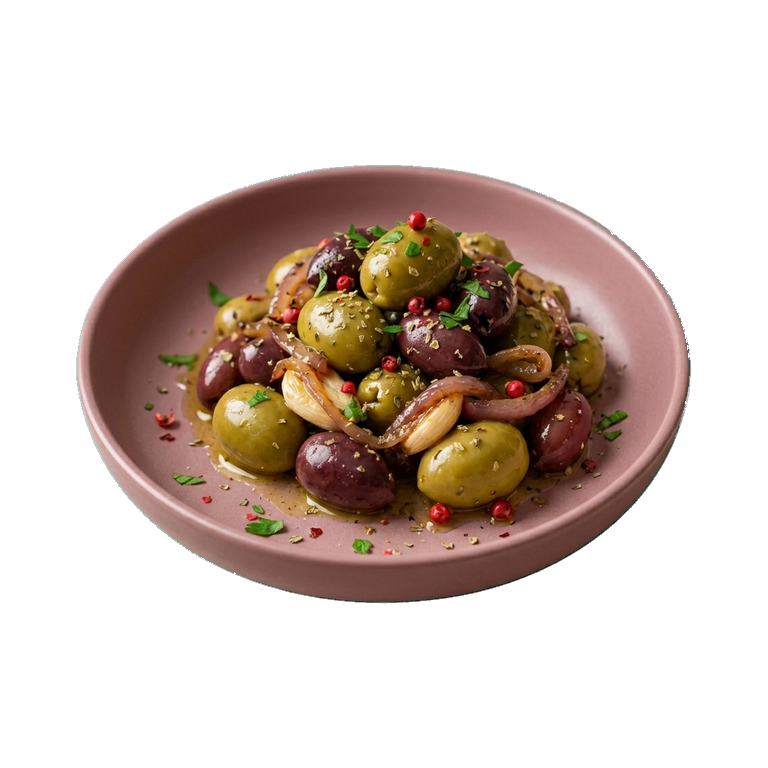
- Cheese, bread, olives — classic trio where each ingredient shines
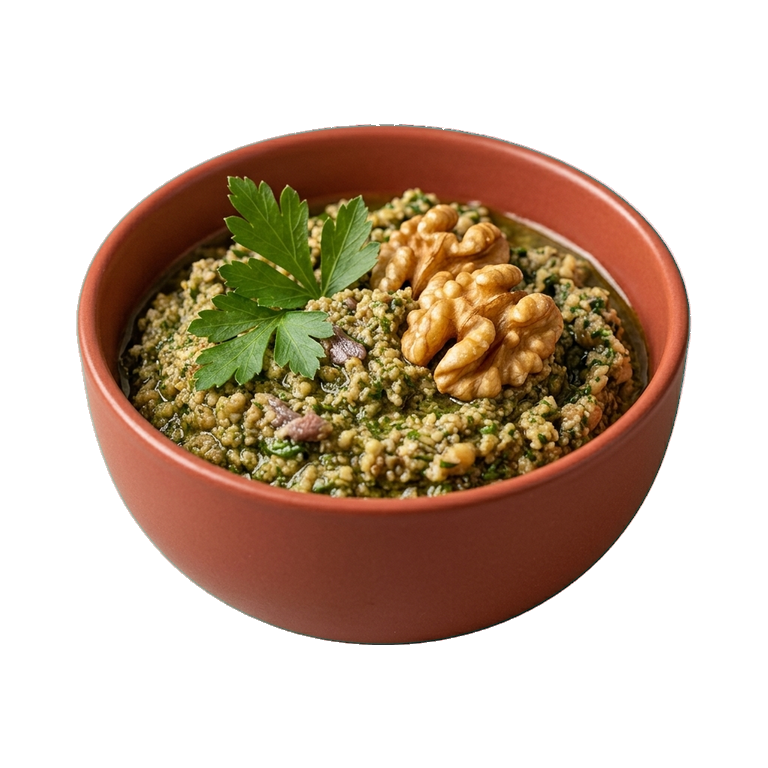
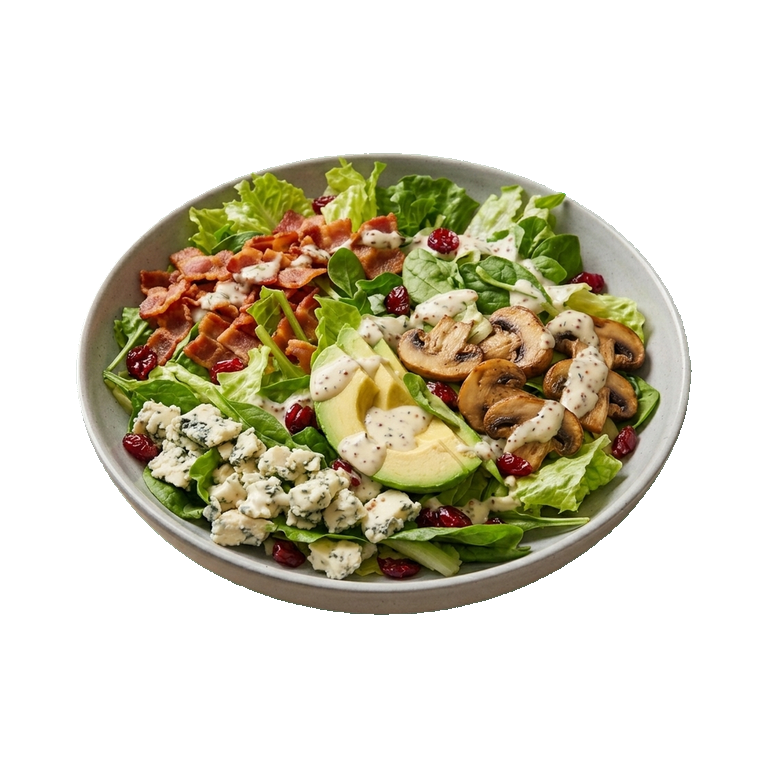
- Nuts, avocado — oily ingredients enhance each other
How to Choose and Store
The label should say «extra virgin» or «first cold pressed». The price is higher than regular oil — that's normal. Look for a dark glass bottle: oil is sensitive to light and oxidizes in the sun. Check the harvest or bottling date — the fresher, the brighter the flavor.
Store in a cool, dark place, away from the stove and heating radiators. Ideally at a temperature of 12–16 degrees Celsius. Oil may become cloudy and thicken in the refrigerator — this is normal and it will return to its usual state at room temperature. Use an opened bottle within a year; a sealed bottle can be stored longer, but no more than two years.
Extra virgin is not a consumable, but an ingredient with its own character. Try several brands and varieties: each oil has its own unique flavor, and you'll find your favorite.
Nutrition
per 100 ml
- Calories
- 884 kcal
- Protein
- 0 g
- Fat
- 100 g
- Carbs
- 0 g
Micronutrients
per 100 ml
Macronutrients
- Saturated fat
- 14.168 g
- Monounsaturated fat
- 63.664 g
- Polyunsaturated fat
- 8.344 g
Measures and weight
- 1 tbsp
- 13.8 g
- 1 tsp
- 4.6 g
- 1 cup
- 230 g
Measure calculator
- Weight
- 100 g
- Calories
- 961 kcal