Usuba
Usuba
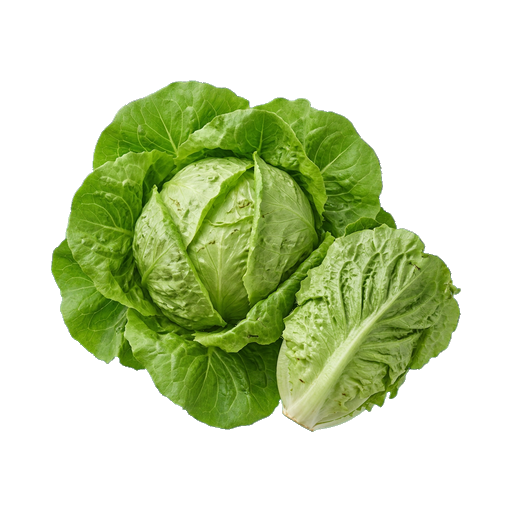
Lettuce
Lettuce is a leafy green with tender, crispy leaves and a mild, slightly sweet flavor. The plant is primarily used in salads, where it is valued for its freshness and good crunch, and is also suitable for garnishing dishes and sandwiches. When choosing lettuce, pay attention to the firmness of the leaves and the absence of brown spots; store the greens in the refrigerator in a plastic bag for several days, and before use, rinse and dry it.
Micronutrients
per 100 g
Minerals
About
Tender greens with delicate flavor
Lettuce is not just salad greens, but an entire spectrum of flavors and textures. Under one name lies a multitude of varieties: from crispy head lettuce to tender leafy types. Each variety has its own character: some crunch and hold their shape, others melt in your mouth, still others offer a slightly bitter accent. It is a versatile ingredient that works both as a salad base and as a delicate garnish for hot dishes.
Aroma and Taste
Lettuce has almost no smell — this is its main advantage. It doesn't overpower other ingredients but lets them shine. The taste depends on the variety: young leaves are sweet and tender, mature ones can give a slight bitterness that refreshes and adds complexity. Crispy varieties provide a pleasant mouthfeel, leafy ones — softness and delicacy.
Where and how to use it
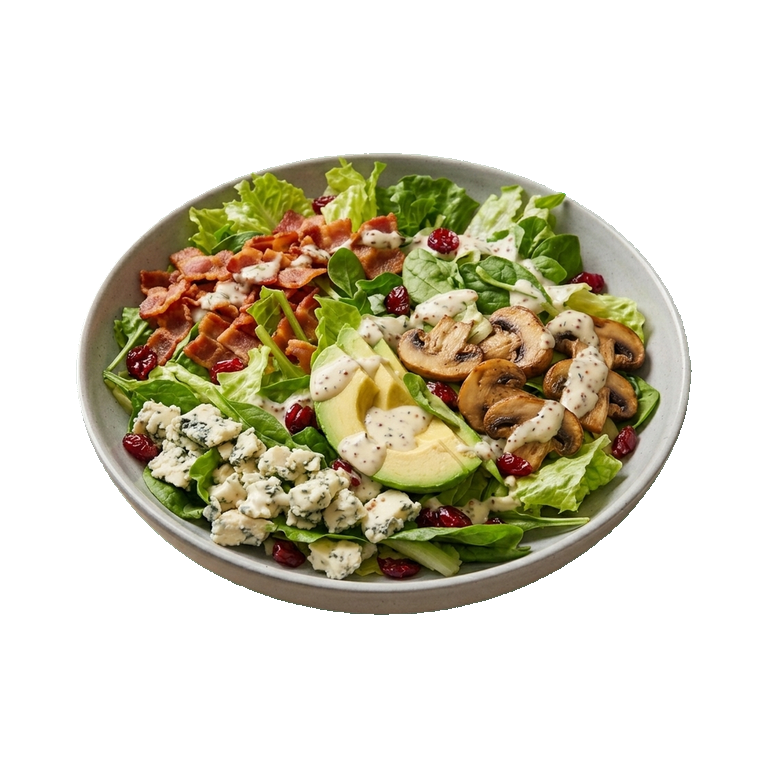
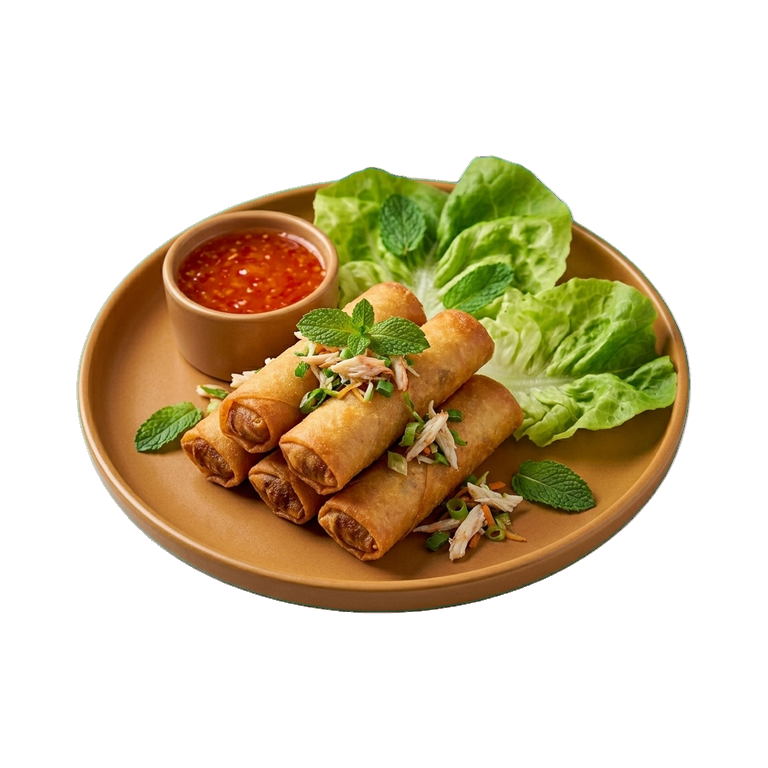
Lettuce is the king of salads. It serves as the foundation for classic combinations, absorbs dressings, and gets along with all vegetables. But its role doesn't end there. The leaves can be used as a wrap for fillings instead of bread, added to soups at the last moment, placed on sandwiches for crunch, or even lightly fried in a pan with oil and garlic.
- With sour dressings: lemon juice, vinegar, kefir — lettuce becomes brighter
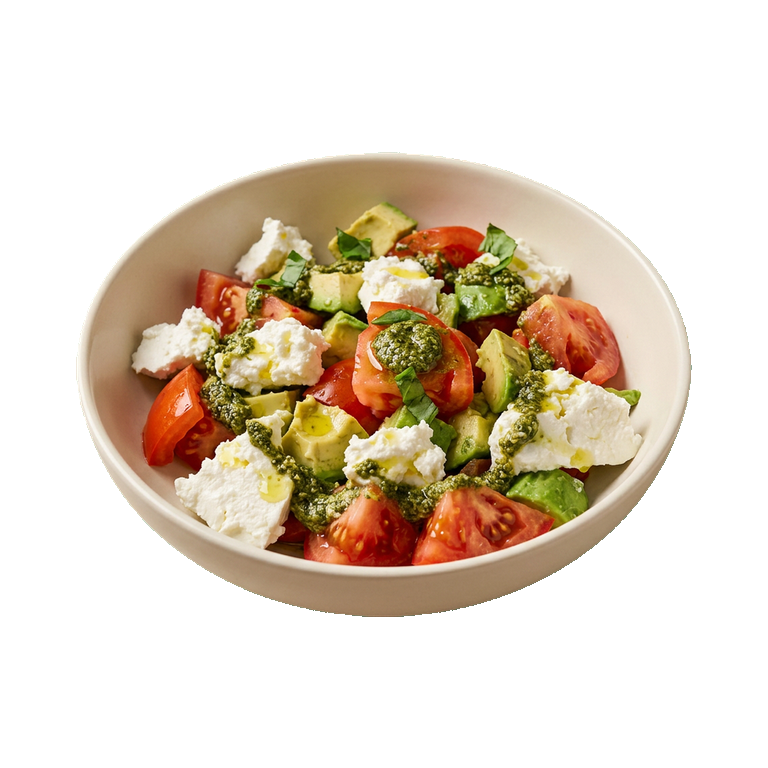
- With soft cheese, avocado and tomatoes — a classic trio
- With proteins: chicken, fish, eggs — creates a balanced meal
- With nuts and seeds — adds texture contrast
- With spicy spices and fresh herbs — cuts through the heaviness
Selection and Storage
When shopping, pay attention to appearance: leaves should be firm, without brown spots or slime. Head varieties should be dense and heavy for their size. Leafy varieties should be fresh and crispy. Avoid wilted bunches and dark edges.
Lettuce is stored in the refrigerator in a plastic container or wrapped in paper towels for 5–7 days. The key is not to wash it before storage, otherwise it will quickly rot. Wash it directly before use with cold water and be sure to dry the salad so that the dressing doesn't slide off and the leaves remain crispy.
Lettuce is an ingredient that works in the shadow of other components, but its absence is immediately noticeable. It teaches you to cook consciously: to choose the right texture, to understand combinations, to appreciate simplicity. For everyday cooking, it is an indispensable helper.
Nutrition
per 100 g
- Calories
- 15 kcal
- Protein
- 1.2 g
- Fat
- 0.2 g
- Carbs
- 2.9 g
Micronutrients
per 100 g
Macronutrients
- Water
- 94.01 g
Minerals
- Sodium
- 28.88 mg
- Potassium
- 277.1 mg
- Calcium
- 39.84 mg
- Magnesium
- 12.77 mg
- Phosphorus
- 26.55 mg
- Iron
- 0.32 mg
- Zinc
- 0.31 mg
- Copper
- 0.04 mg
- Manganese
- 0.16 mg
Vitamins
- Vitamin K
- 118.5 mcg
- Vitamin C
- 15.15 mg
- Vitamin B1 (thiamin)
- 0.08 mg
- Vitamin B3 (niacin)
- 0.38 mg
- Vitamin B6
- 0.07 mg
Measures and weight
- 1 pcs
- 250 g
- 1 head
- 300 g
- 1 bunch
- 150 g
- 1 slice
- 20 g
- 1 stalk
- 20 g
Measure calculator
- Weight
- 100 g
- Calories
- 15 kcal