Usuba
Usuba
Philadelphia cream cheese
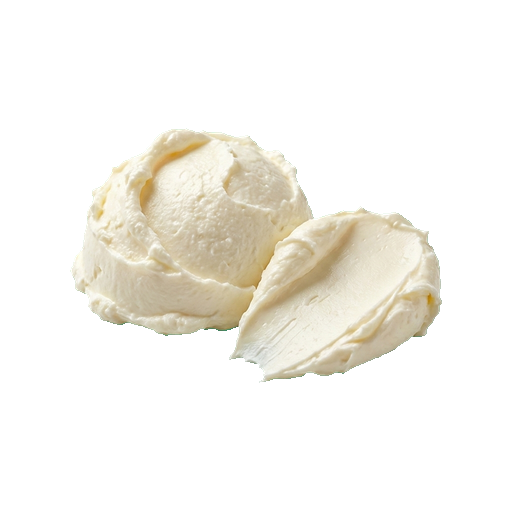
A soft cream cheese with a delicate texture and slightly tangy flavor that spreads easily and holds its shape well when chilled. Thanks to its plasticity and neutral profile, it's ideal for sushi, rolls, cheesecakes, and creamy pastes, and works excellently as a base for sauces and appetizers. When selecting, pay attention to the expiration date and storage temperature, as this cheese spoils quickly at room temperature; when substituting with another cream cheese, keep in mind that some alternatives may be more tangy or less plastic.
Micronutrients
per 100 g
About
Philadelphia is a soft cream cheese with a delicate, almost plastic consistency. Its main feature is that it remains creamy at room temperature and spreads easily, while still holding its shape. The taste is mild and creamy, without sharpness, with a barely noticeable sourness in the aftertaste. This versatility has made it one of the most convenient cheeses for cooking.
Taste and texture
Philadelphia does not have a pronounced cheese flavor — rather, it's a delicate dairy undertone that doesn't compete with other ingredients but complements them. The texture is homogeneous, without lumps or grains. The cheese absorbs salt, spices, and aromas well, which is why it's ideal for pastes, creams, and spreads where you need a smooth base.
Taste is affected by temperature: cold cheese is denser and holds its shape better, while at room temperature it becomes softer and more plastic. This is useful to know when making cheesecake or cream sauce — the temperature of ingredients changes the result.
Where and how to use it
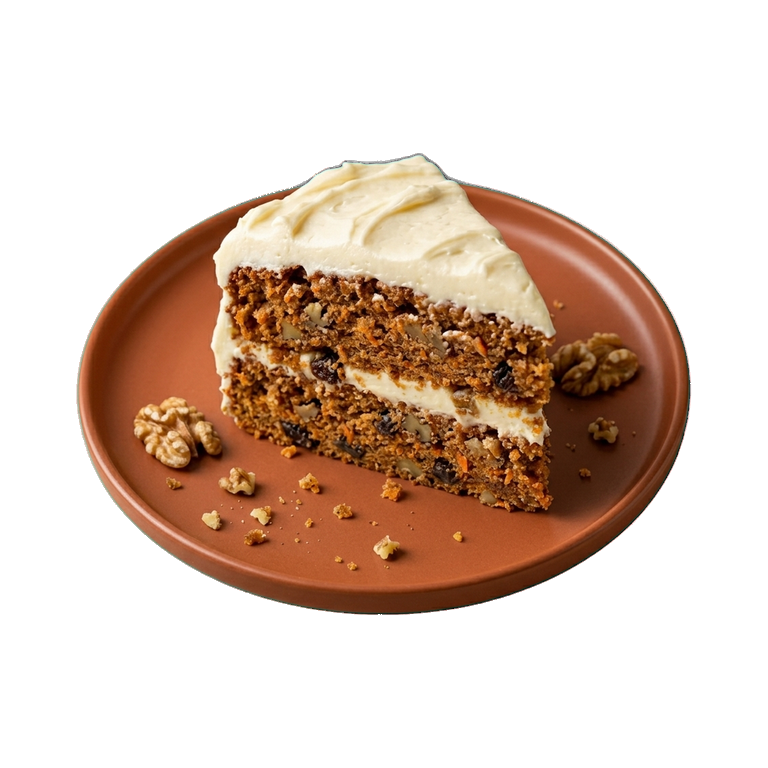
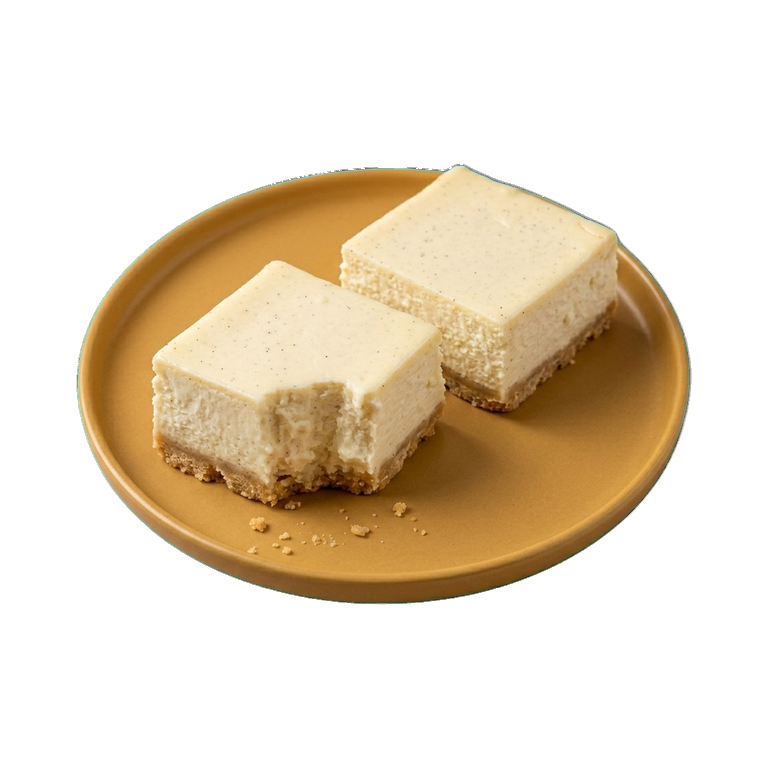
- Cheesecake — the main ingredient for classic American cheesecake; the cheese should be soft and mix well with eggs and sugar
- Creamy pastes and sauces — Philadelphia cream cheese creates a silky consistency, does not require long whipping
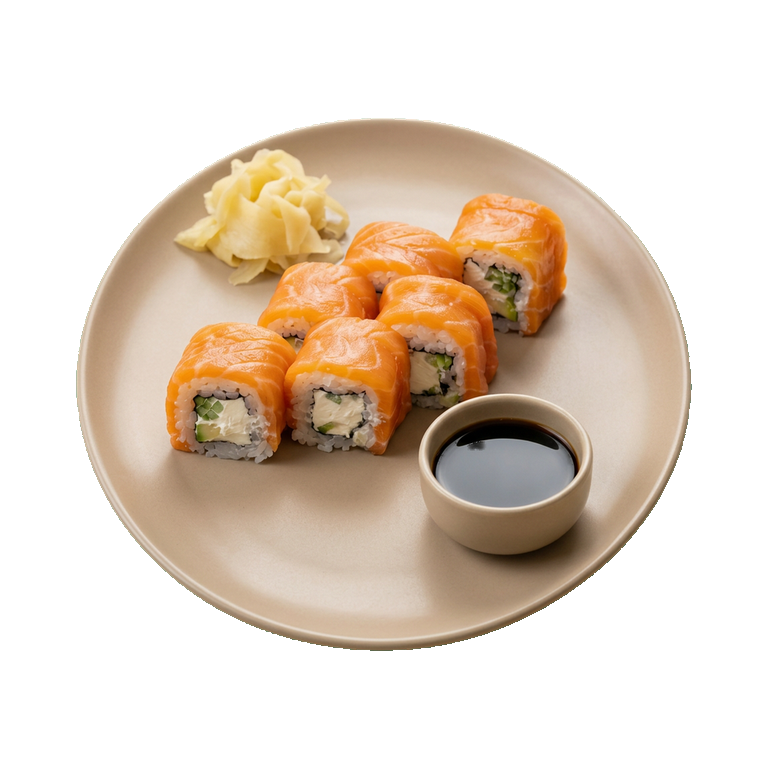
- Sushi and rolls — used as a filling thanks to its plasticity and neutral taste
- Spreads for bread and crackers — can be left as is or mixed with fresh herbs, lemon, honey
- Cake creams — holds its shape well when whipped with butter and sugar
- No-bake desserts — cheesecakes in a glass, mousses, where an airy texture is needed
Main rule: before using, take the cheese out of the refrigerator for 20–30 minutes to let it soften. Cold cheese is difficult to work with and will become lumpy when mixed. For sauces and creams, it's best to bring it to the consistency of soft butter.
Selection and Storage
When purchasing, pay attention to the manufacturing date and expiration date. The cheese should be tightly packed, without leaks or moisture on the packaging. The color should be white or slightly creamy, without yellow or gray spots.
Philadelphia cream cheese should be stored in the refrigerator at a temperature of 2–4 degrees. In a sealed package it lasts a long time, but after opening it is best to use it within a week. If you transfer it to a container, cover it with plastic wrap so the cheese doesn't absorb foreign odors. Freezing is not recommended — after thawing the texture becomes grainy and separates.
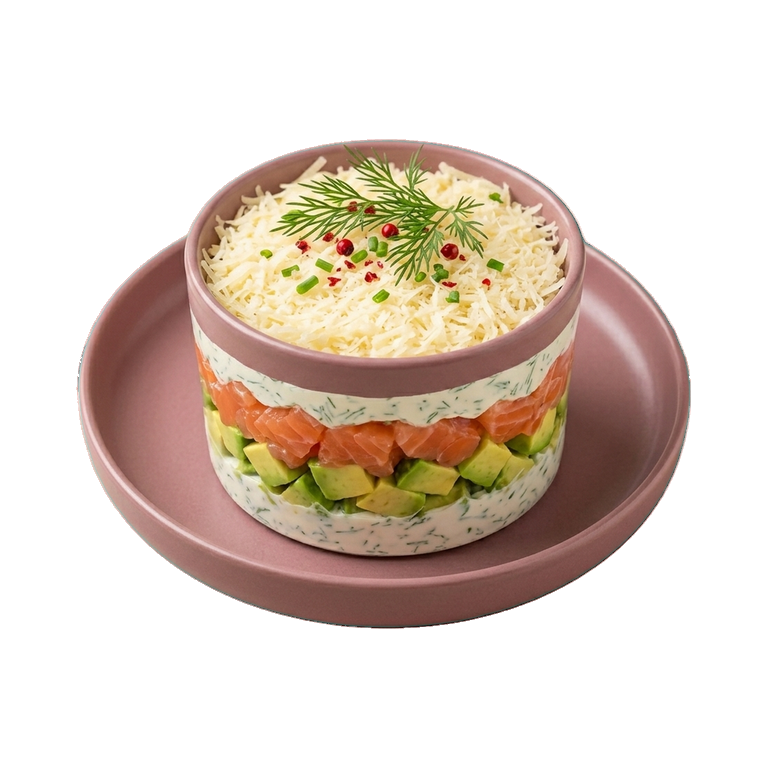
There are variations with additives — with herbs, salmon, dried fruits. They are convenient for spreads, but for baking and creams it is better to choose pure, without additives, to control the taste of the dish.
Practical Tips
- For cheesecake, all ingredients should be at room temperature — cheese, eggs, butter. This will ensure a uniform batter without lumps
- If you need a denser consistency, you can add a little flour or starch — they will absorb moisture
- For creamy sauces, mix cheese with hot broth or cream gradually, stirring continuously
- Do not overheat the cheese — at high temperatures it may separate and become grainy
- If you are making a spread, add lemon juice or vinegar — they will enhance the flavor and help avoid cloying taste
Philadelphia is not just an ingredient, but a workhorse in the kitchen. Its versatility and predictability make it a reliable choice for both sweet and savory dishes. The key is to maintain the proper temperature and not overcomplicate its use.
Nutrition
per 100 g
- Calories
- 340 kcal
- Protein
- 5.9 g
- Fat
- 34.4 g
- Carbs
- 4.1 g
Micronutrients
per 100 g
Macronutrients
- Saturated fat
- 19.73 g
- Monounsaturated fat
- 6.924 g
- Cholesterol
- 101 mg
- Water
- 54.72 g
Minerals
- Sodium
- 367.8 mg
- Potassium
- 124.8 mg
- Calcium
- 97.11 mg
- Magnesium
- 8.91 mg
- Phosphorus
- 107.7 mg
- Iron
- 0 mg
- Zinc
- 0.59 mg
- Copper
- 0 mg
- Manganese
- 0 mg
- Iodine
- 34.9 mcg
Vitamins
- Vitamin K
- 2.4 mcg
- Vitamin B1 (thiamin)
- 0.04 mg
- Vitamin B3 (niacin)
- 0.09 mg
- Vitamin B6
- 0.04 mg
- Vitamin B12
- 0 mcg
Measures and weight
- 1 tbsp
- 15.8 g
- 1 tsp
- 5.3 g
- 1 cup
- 262.5 g
Measure calculator
- Weight
- 100 g
- Calories
- 340 kcal