Usuba
Usuba
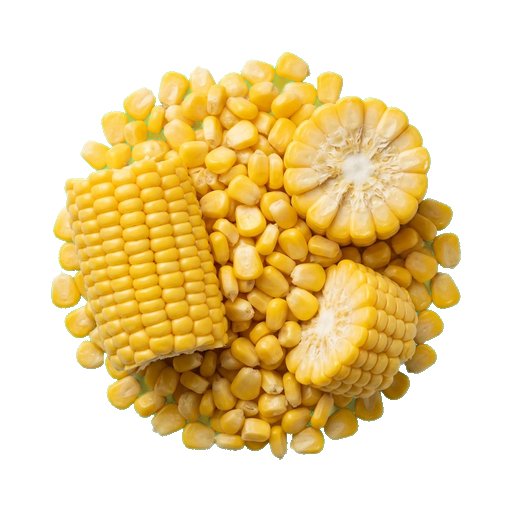
Fresh corn kernels
Sweet kernels of young corn have a tender texture and delicate flavor with a subtle sweetness that diminishes with prolonged storage. They work well in salads, soups, side dishes, and Mexican cuisine, adding brightness and textural contrast. When selecting, look for firm, juicy kernels without darkening, and when substituting with canned corn, keep in mind that fresh corn has a more delicate flavor and requires less cooking time.
Micronutrients
per 100 g
Minerals
About
Fresh corn kernels are a summer gift worth catching in season. When corn is just picked from the field, its kernels are sweet, juicy, and tender, nothing like frozen or canned alternatives. They are perfect for those willing to spend a few minutes cooking or processing for real flavor.
Taste and Texture
Fresh corn kernels have a tender, almost creamy texture. When bitten, they release sweet juice — this is natural sugar that begins to turn into starch a few hours after harvest. The taste is sweet but not cloying, with a light grassy note. Young kernels require practically no long cooking and remain firm, without breaking down into mush.
How to use in the kitchen
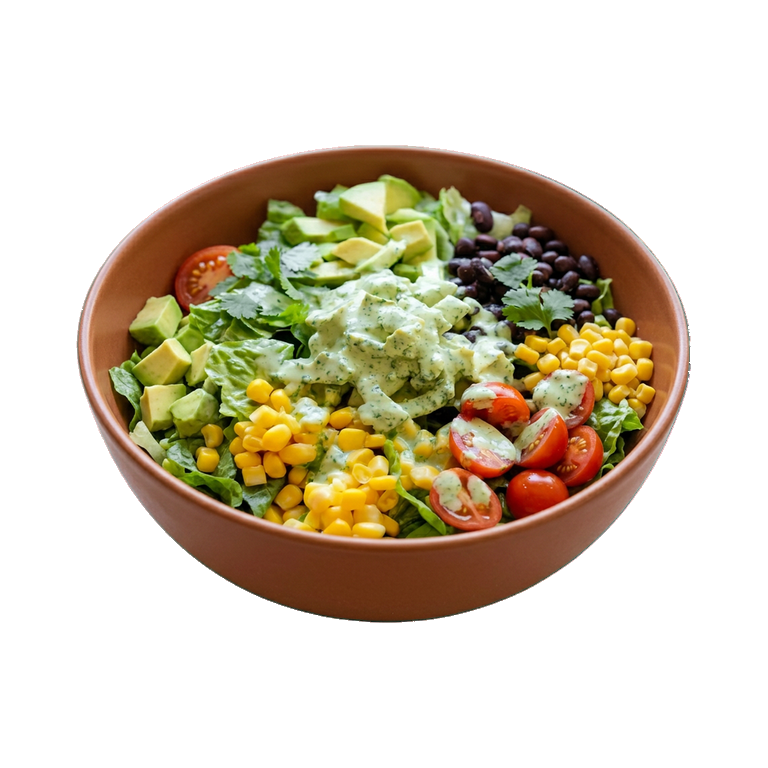
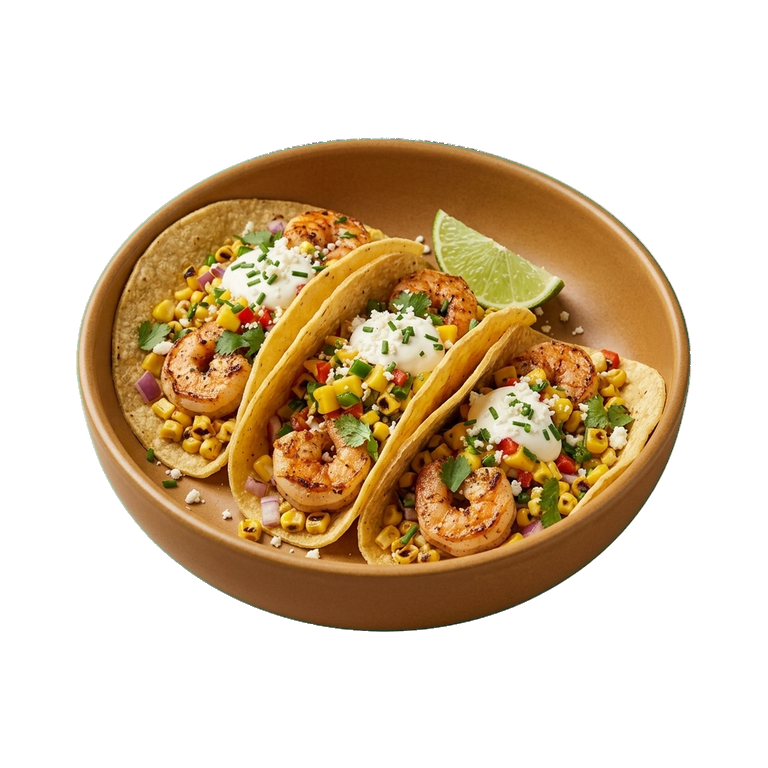
Fresh corn can be boiled right in the cob — 5–7 minutes of boiling and it's ready. The kernels are easily separated from the core with a sharp knife or a special corn stripper. Use them in salads, soups, risotto, pasta dishes, and Mexican appetizers. They work great as part of pie filling, adding sweetness and texture to purees and side dishes. Even simply sautéed in butter with salt and pepper, they make an excellent appetizer or side dish to the main course.
- Salads and summer appetizers
- Soups and cream soups
- Side dishes and cereals
- Pie and pancake fillings
- Mexican dishes and salsas
Selection and Storage
When selecting, look for cobs with bright green leaves and moist fibers at the top — this is a sign of freshness. The kernels should be tightly pressed together, without gaps or damage. Press your fingernail on a kernel — fresh corn will release milky juice. If the juice is clear or absent, the corn is already losing its sweetness.
Fresh corn is best used on the day of purchase or stored in the refrigerator for no more than 1–2 days in a plastic bag. If you need to preserve the harvest longer, boil the kernels, cool them, and freeze them in containers — this way they will last several months and remain suitable for most dishes.
Successful Pairings
Fresh corn pairs well with butter, garlic, and herbs — a basic combination that always works. Add it to tomatoes and basil in summer salads, to hot peppers and lime in Mexican appetizers, to cream and Parmesan in creamy soups. It balances spiciness and acidity, so it goes well with hot sauces and marinades.
Nutrition
per 100 g
- Calories
- 86 kcal
- Protein
- 3.3 g
- Fat
- 1.2 g
- Carbs
- 19 g
Micronutrients
per 100 g
Macronutrients
- Fiber
- 2.428 g
- Water
- 80.25 g
Minerals
- Sodium
- 0 mg
- Potassium
- 237 mg
- Calcium
- 0.66 mg
- Magnesium
- 25.76 mg
- Phosphorus
- 75.46 mg
- Iron
- 0.39 mg
- Zinc
- 0.56 mg
- Copper
- 0.06 mg
- Manganese
- 0.19 mg
Vitamins
- Vitamin B1 (thiamin)
- 0.08 mg
- Vitamin B2 (riboflavin)
- 0.14 mg
- Vitamin B3 (niacin)
- 1.59 mg
- Vitamin B6
- 0.15 mg
Measures and weight
- 1 tbsp
- 11.3 g
- 1 tsp
- 3.8 g
- 1 cup
- 187.5 g
Measure calculator
- Weight
- 100 g
- Calories
- 86 kcal