Usuba
Usuba
Golden raisins
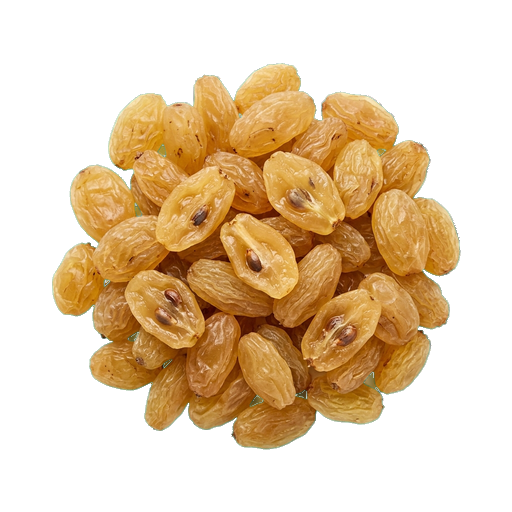
Light raisins are made from white grape varieties and have a delicate sweet taste with a slight tartness and subtle aroma. In cooking, they are used for baking, porridges, compotes, and desserts where soft sweetness is needed without a dark color. When choosing, pay attention to the integrity of the berries and the absence of mold. If substituting with dark raisins, keep in mind that the taste will be more intense and may change the color of the dish.
Micronutrients
per 100 g
Minerals
About
What is light raisin and why it is indispensable in the kitchen
Light raisins are dried grapes with delicate, almost transparent skin and soft flesh. Unlike their dark counterparts, they retain a delicate sweet flavor without bitter notes. The berries are dense but not hard, and easily absorb moisture, making them ideal for soaking in tea, milk, or alcohol before adding to dough.
Taste and Aroma
Light raisins give dishes a soft sweetness with fruity notes — you can feel the honey tenderness and a subtle sourness in them. The aroma is unobtrusive, delicate, and doesn't overpower other ingredients. Thanks to this, it works well both in sweet baked goods and in savory dishes where a delicate sweet note is needed.
How to use it
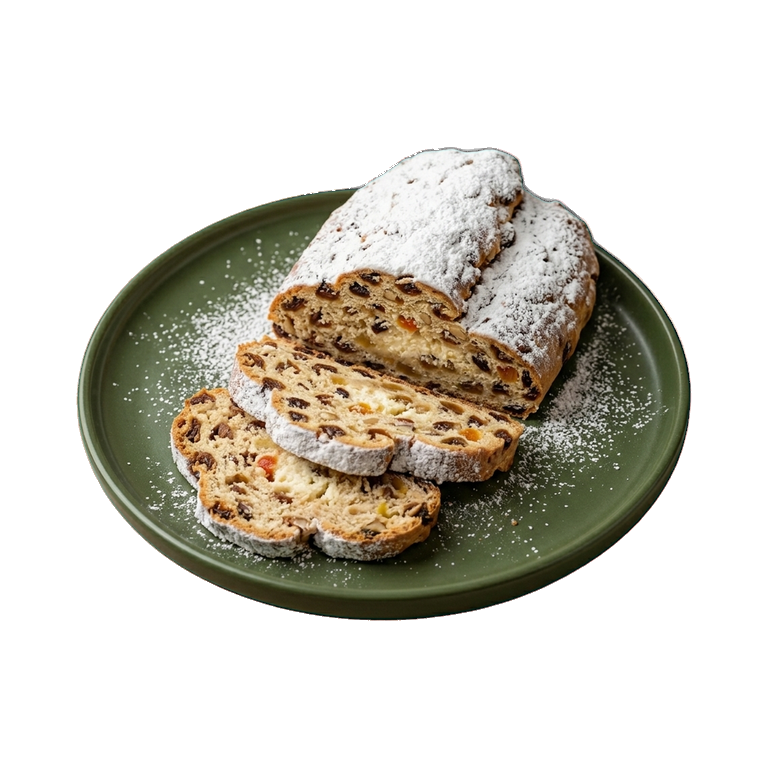
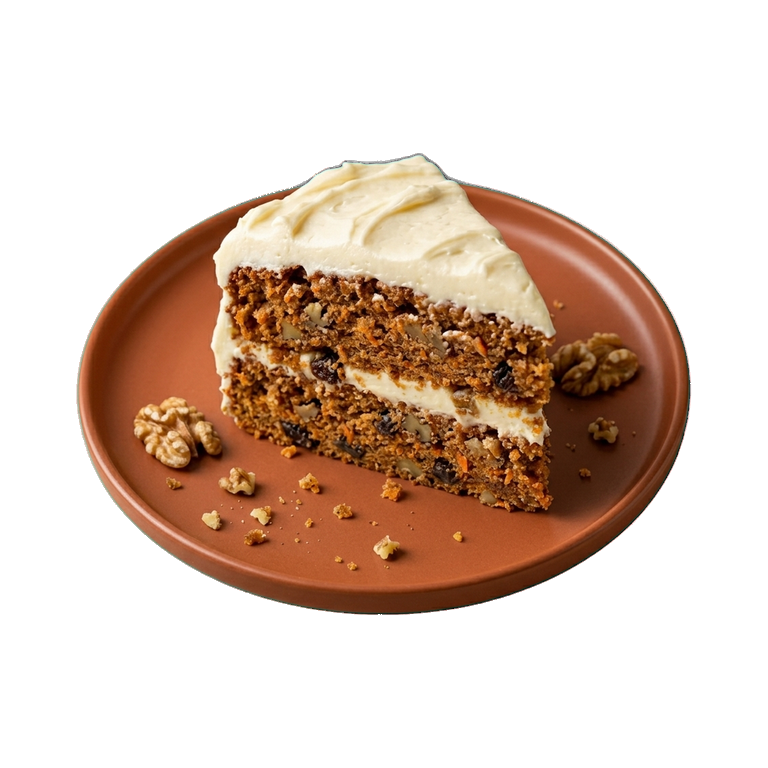
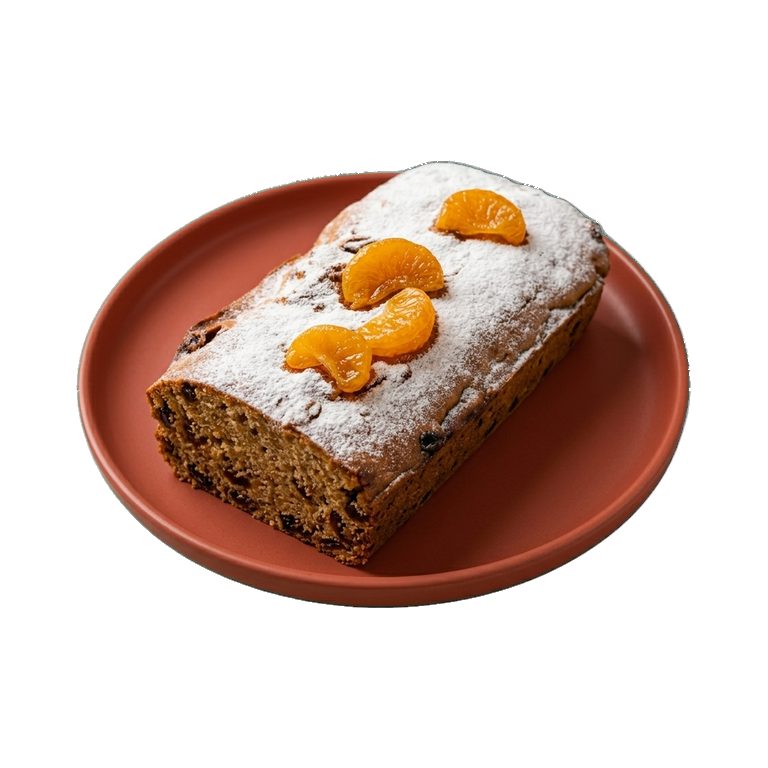
Light raisins work everywhere you need natural sweetness. Add them to yeast dough for buns and kulich — the berries will become softer and more aromatic if you soak them in warm water or milk for 15–20 minutes beforehand. In cookies, cupcakes and pastries, it adds moisture and a delicate flavor.
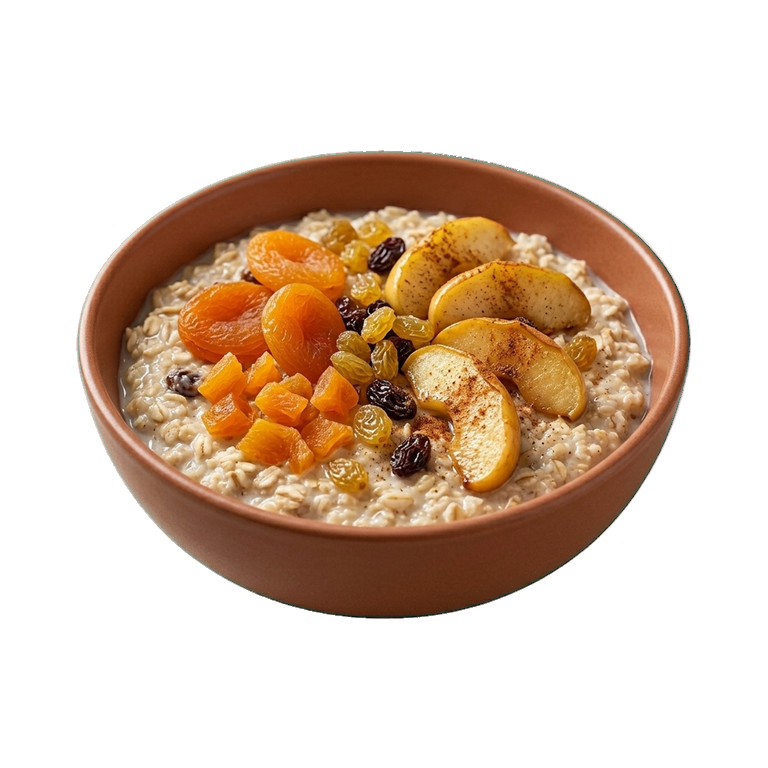
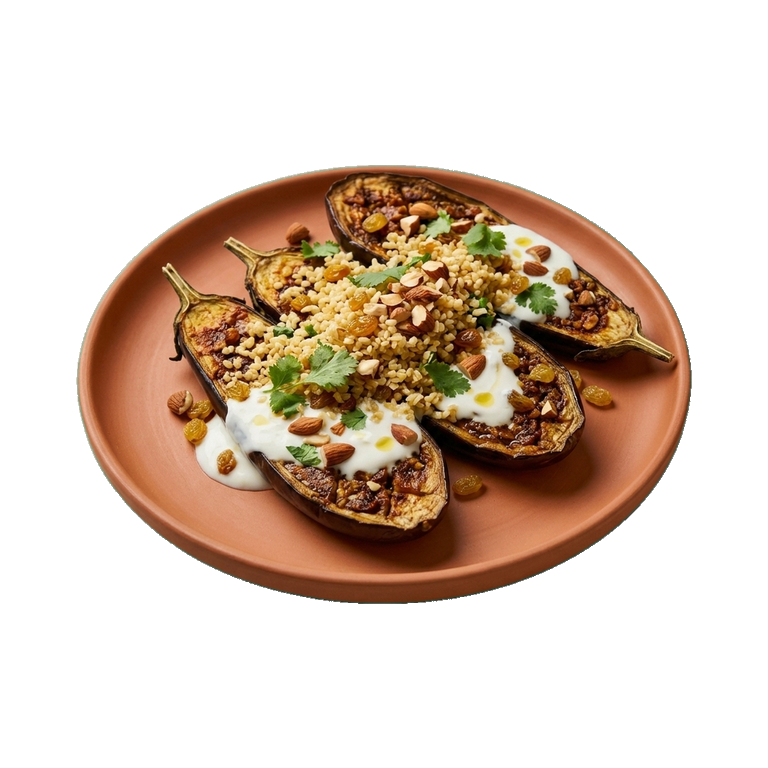
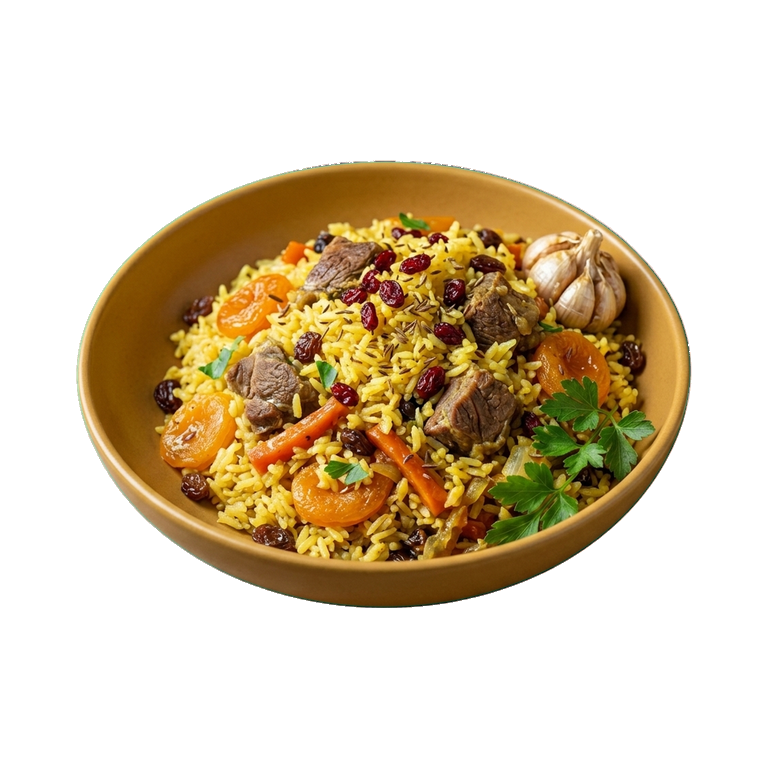
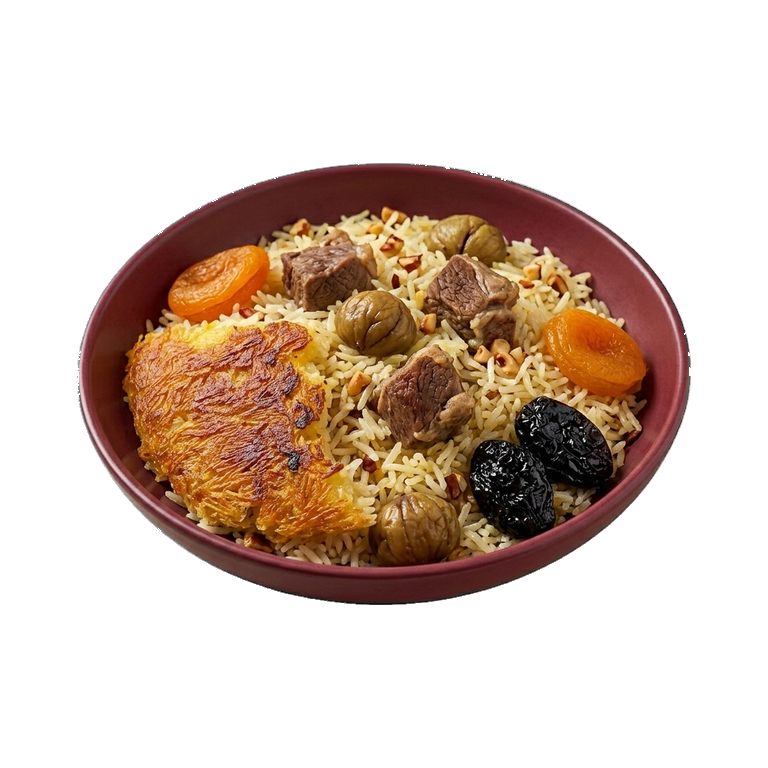
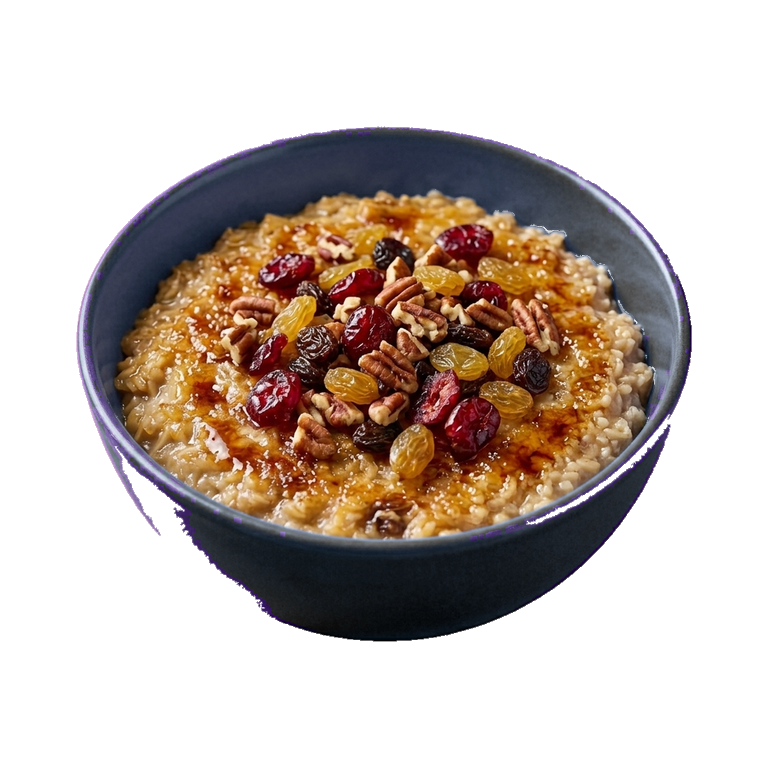
Don't forget about savory dishes. Light raisins look great in pilaf, add an interesting sweetness to spicy sauces and marinades, and garnish salads with chicken or cheese. A handful of raisins in porridge is a classic technique that adds depth of flavor to breakfast without excessive sweetness.
How to Choose and Store
When purchasing, pay attention to the color — quality light raisins have a uniform golden or light brown hue. The berries should not be sticky or clumped together. If the raisins are completely dry and hard, they were stored incorrectly. Smell them — the aroma should be fresh, grape-like, without mustiness.
Store light raisins best in an airtight container or glass jar in a cool, dry place — a shelf in a kitchen cabinet away from the stove will work well. Under such conditions, they will retain their quality for several months. If you notice that the raisins have dried out more than usual, soak them in warm water before use — the berries will quickly regain their softness.
Light raisins are a versatile ingredient that's always worth having on hand. They save bland dough, add a special touch to savory dishes, and make baked goods softer and more aromatic. The key is to choose a quality product and remember to soak it before using.
Nutrition
per 100 g
- Calories
- 299 kcal
- Protein
- 3.1 g
- Fat
- 0.5 g
- Carbs
- 79.2 g
Micronutrients
per 100 g
Macronutrients
- Fiber
- 3.006 g
- Water
- 15.03 g
Minerals
- Sodium
- 13.26 mg
- Potassium
- 869.4 mg
- Calcium
- 59.01 mg
- Magnesium
- 34.1 mg
- Phosphorus
- 104.2 mg
- Iron
- 2.25 mg
- Zinc
- 0.16 mg
- Copper
- 0.33 mg
- Manganese
- 0.31 mg
Vitamins
- Vitamin C
- 2.61 mg
- Vitamin B1 (thiamin)
- 0.03 mg
- Vitamin B2 (riboflavin)
- 0.13 mg
- Vitamin B3 (niacin)
- 0.68 mg
- Vitamin B6
- 0.11 mg
Measures and weight
- 1 tbsp
- 10.5 g
- 1 tsp
- 3.5 g
- 1 cup
- 175 g
Measure calculator
- Weight
- 100 g
- Calories
- 299 kcal