Usuba
Usuba
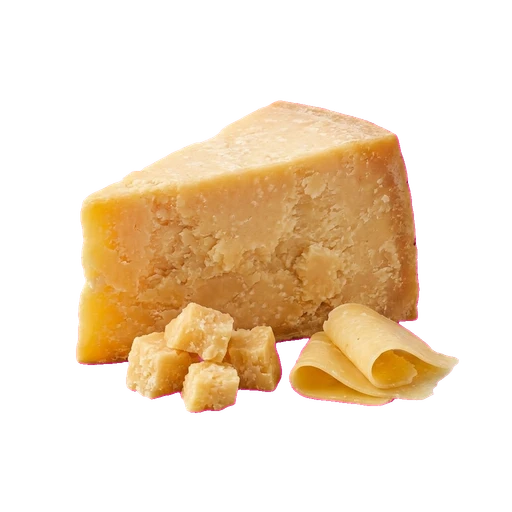
Hard cheese
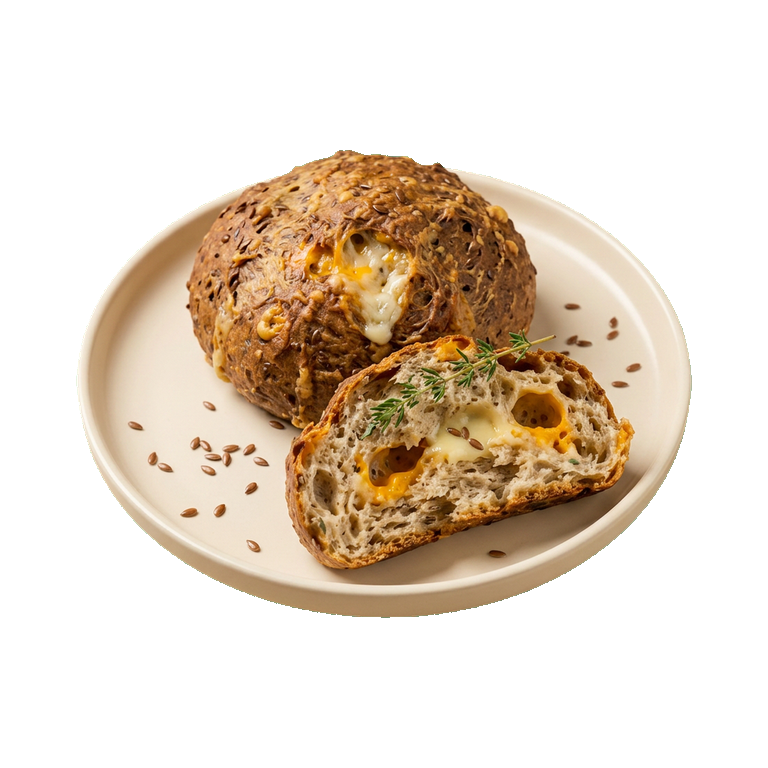
Hard cheese is a mature cheese with low moisture content that develops a dense texture and a characteristic sharp or buttery flavor depending on its aging. Such cheeses crumble, slice, and melt well, making them versatile in cooking: they are added to pasta, risotto, casseroles, served sliced at the table, or used for grating. When selecting, pay attention to the color (from light yellow to brown), absence of mold and ammonia smell, and when substituting, keep in mind that more aged cheeses have a more intense flavor and are more expensive.
About
Hard cheese is the foundation of a cheese board and an indispensable helper in the kitchen. Its dense structure, rich flavor, and versatility make it one of the most practical ingredients in cooking. Whether it's grated cheese for pasta, slices for sandwiches, or cubes for salads — hard cheese will always find its place.
Aroma and flavor
The flavor profile of hard cheese depends on its aging. Young cheeses offer creamy, delicate notes with a slight sharpness. The longer the cheese matures, the more pronounced its character becomes: nutty, caramel, and sometimes piquant notes emerge. The aroma ranges from fresh milky to deep, almost spicy.
Hard cheese has a dense texture and holds its shape well — a slice doesn't fall apart, a cube remains a cube. This makes it possible to use it in various situations: from baking to slicing for appetizers.
Role in dishes
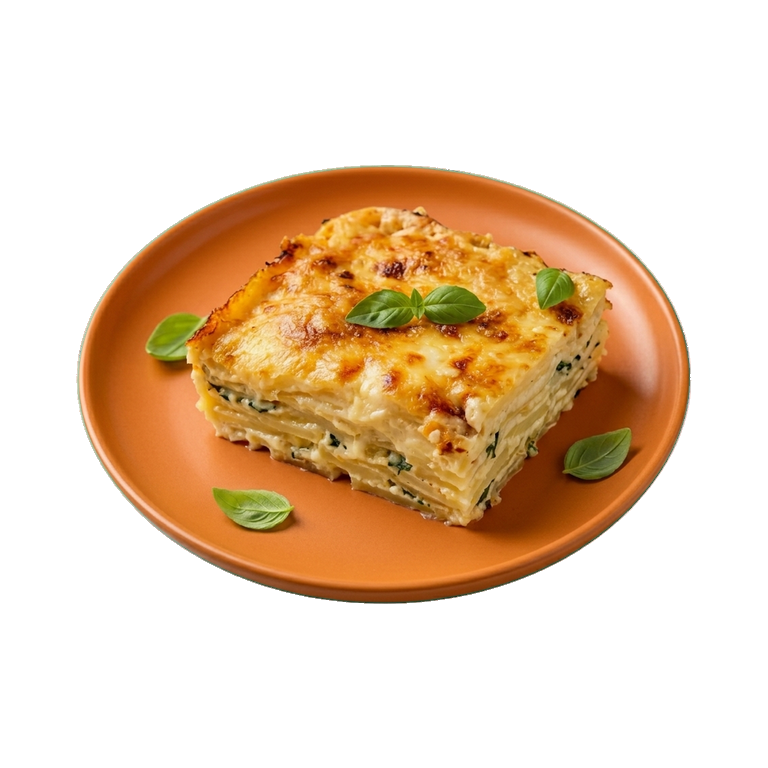
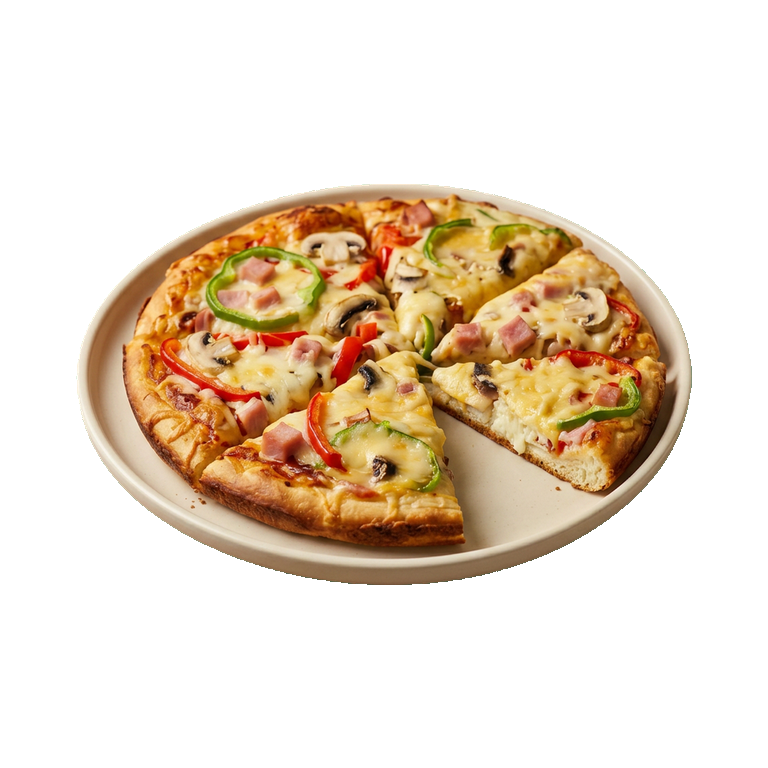
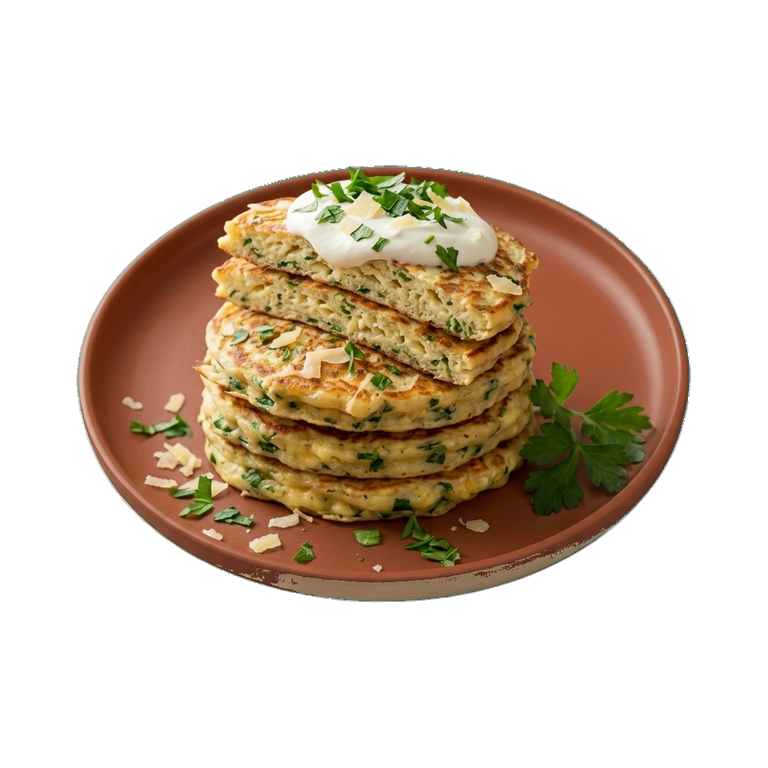
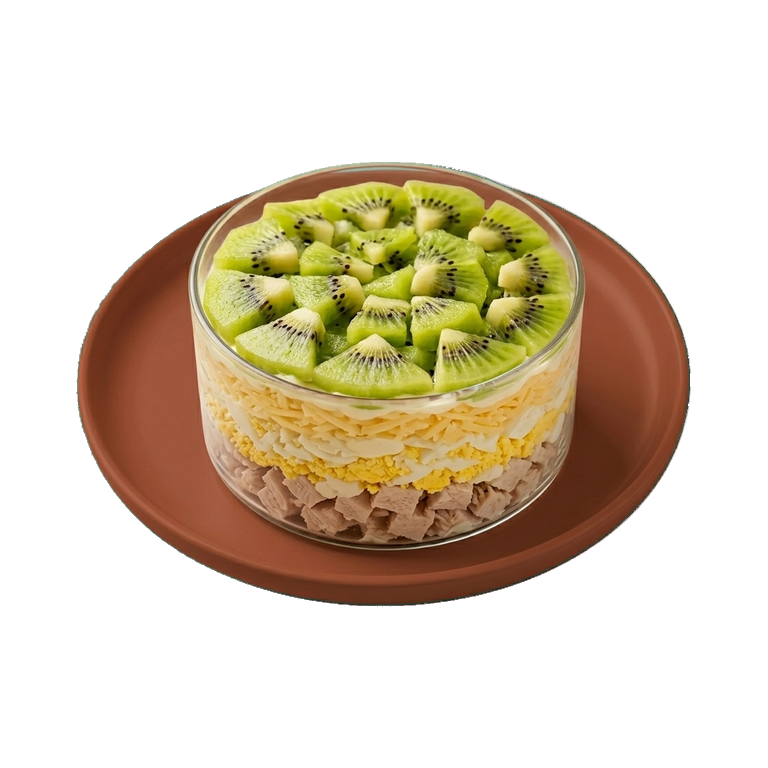
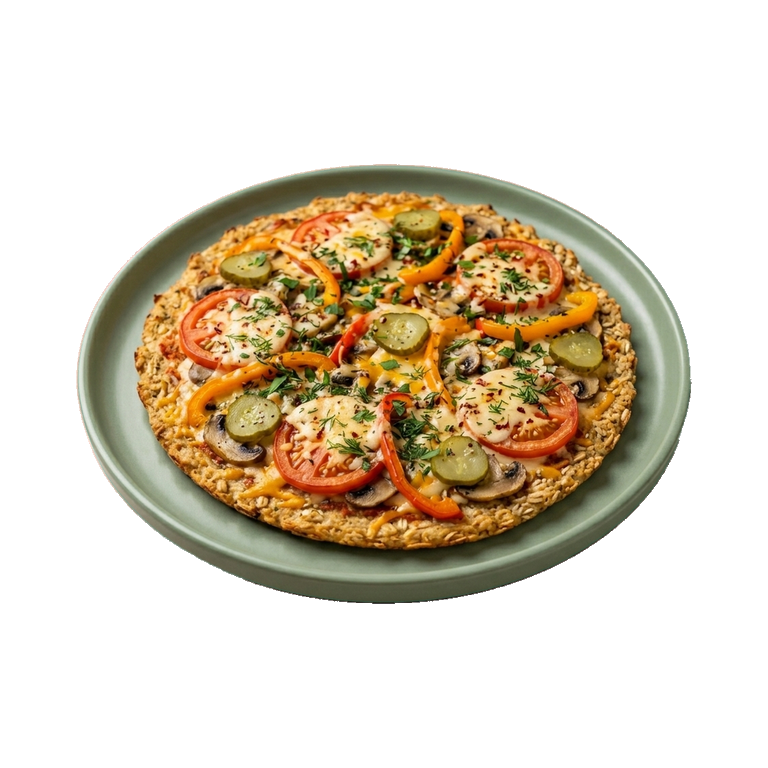
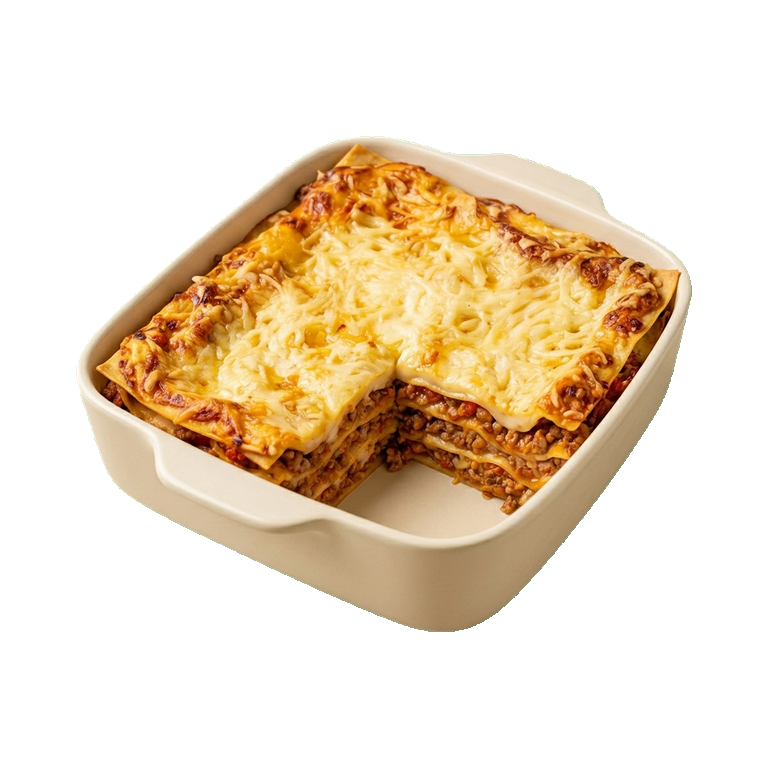
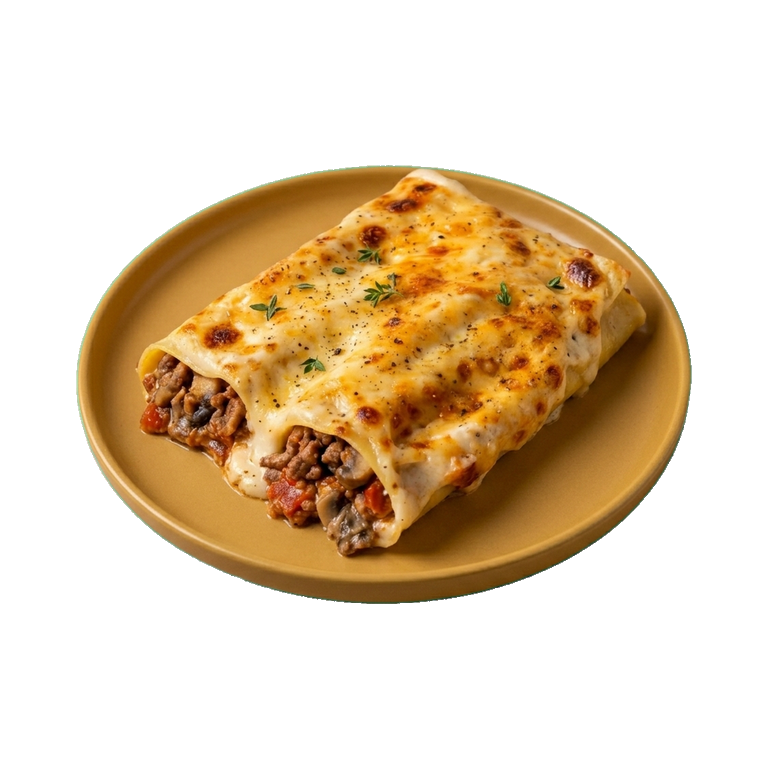
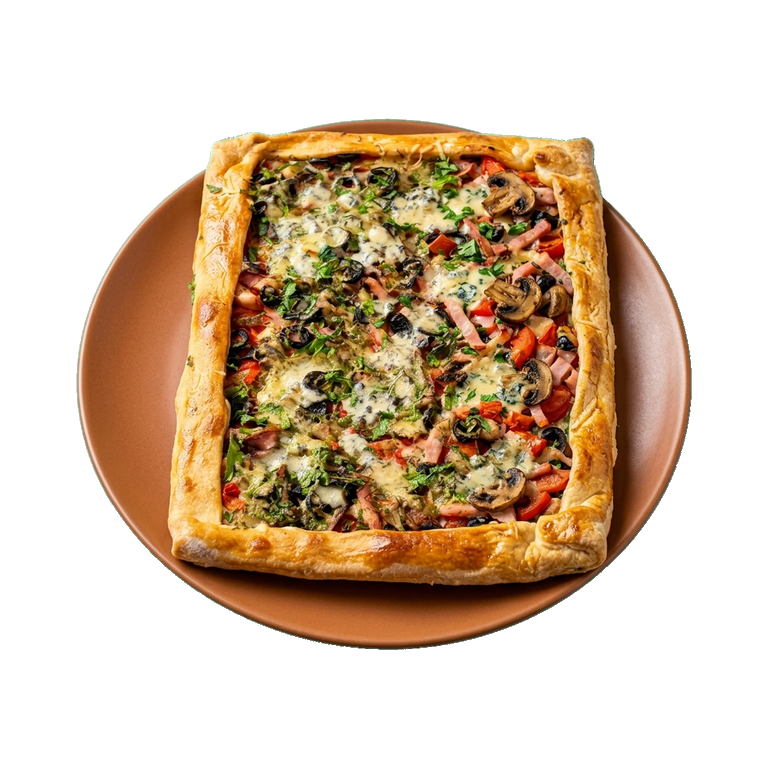
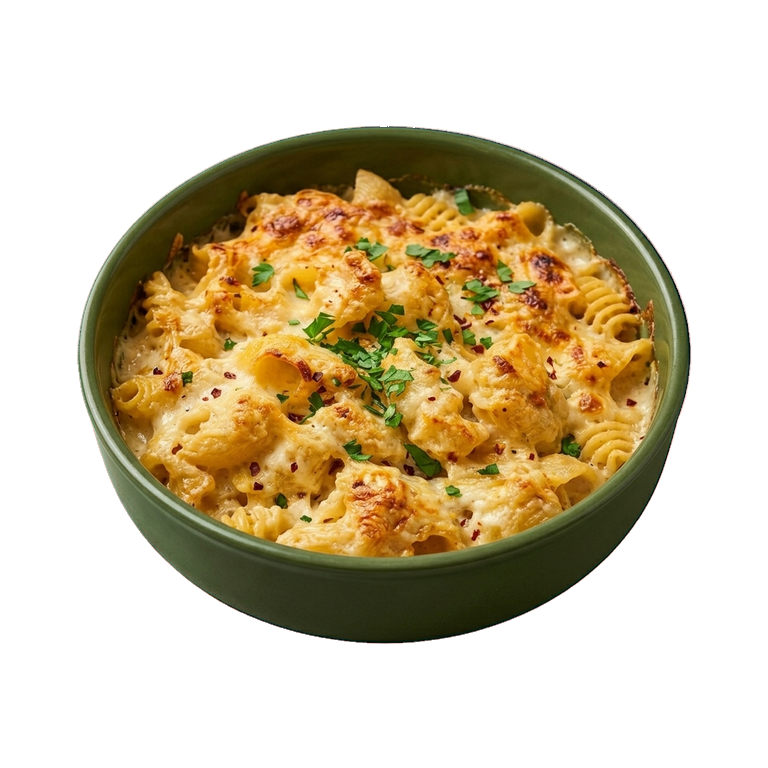
- Grated cheese is ideal for pasta dishes, casseroles, and side dishes — it melts evenly and gives a creamy consistency.
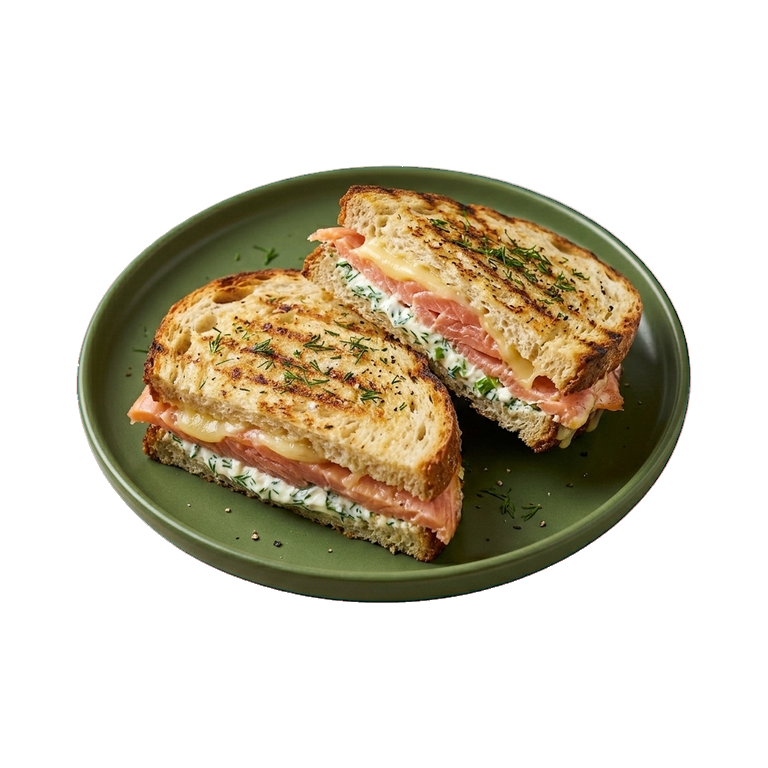
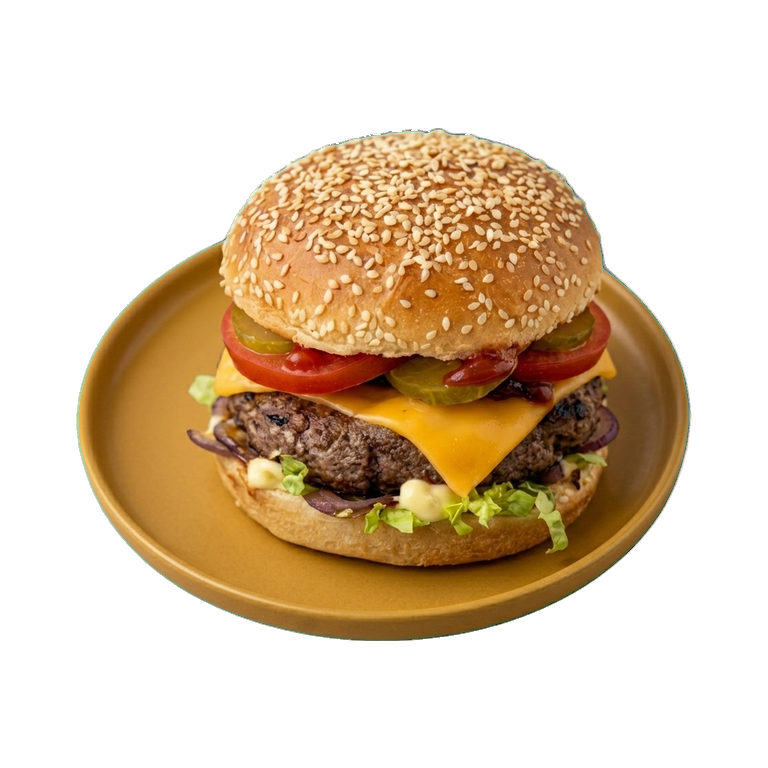
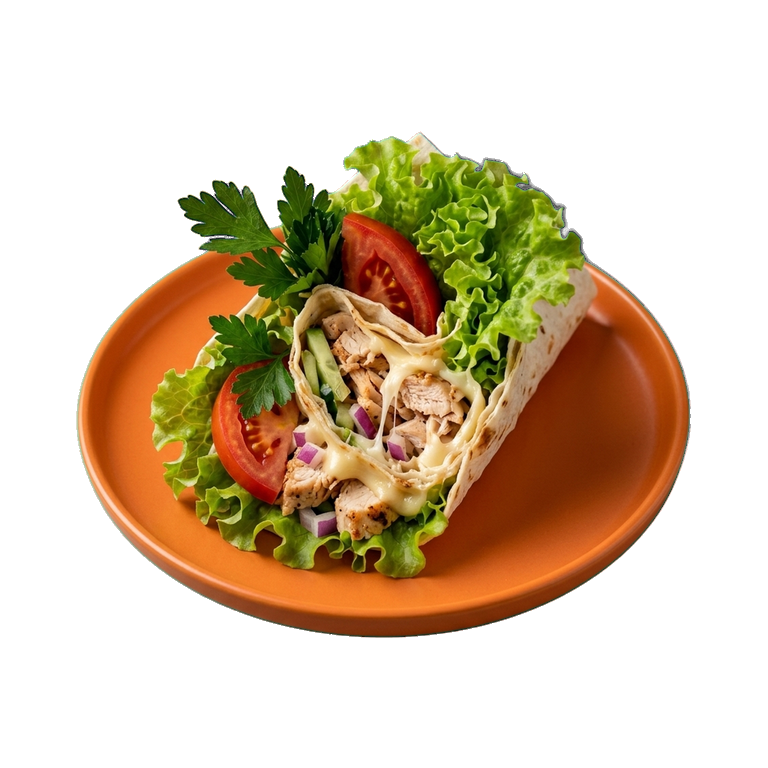
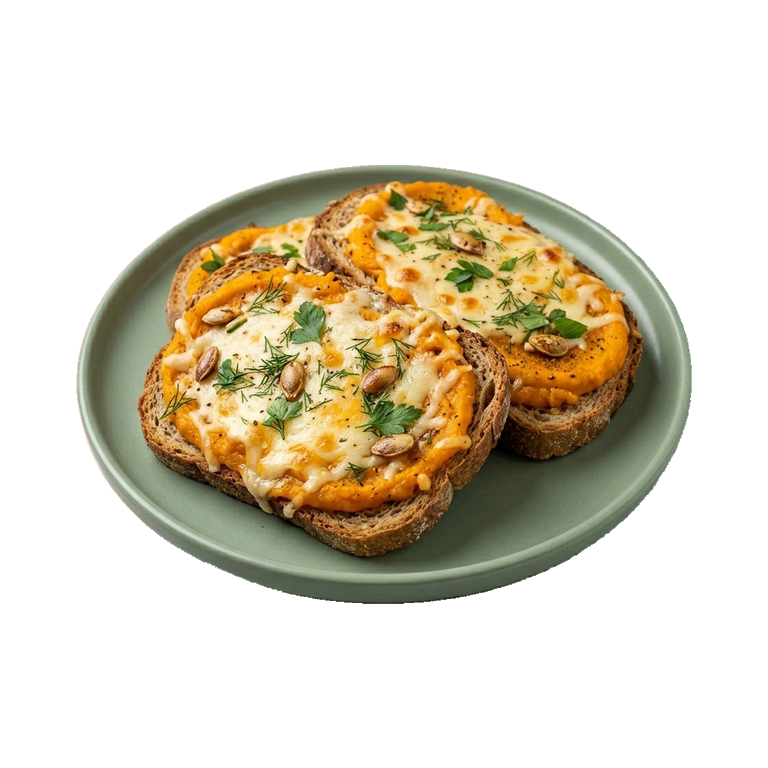
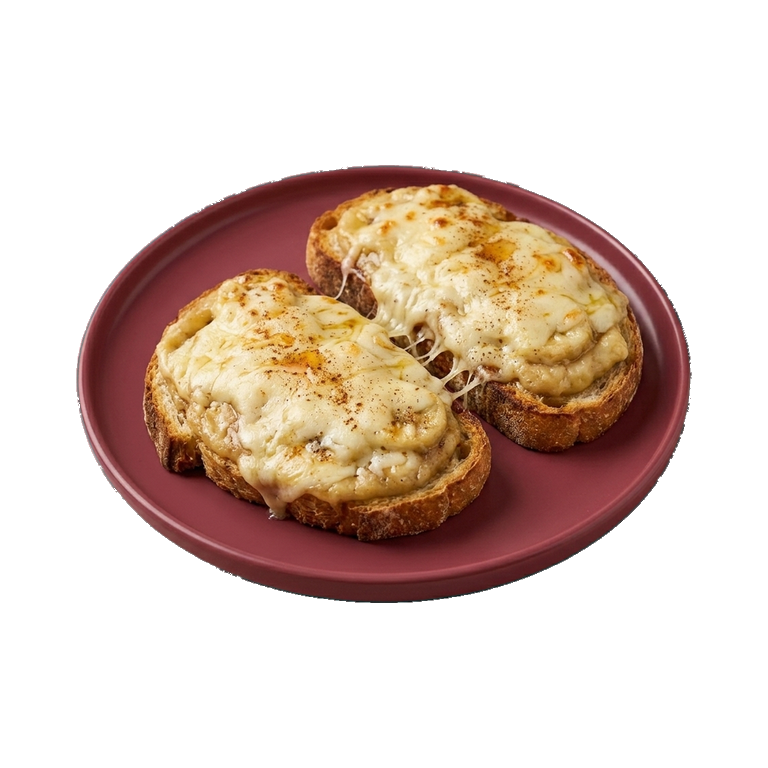
- Slices are great in hot sandwiches, on burgers, and in hot appetizers — they hold their shape when heated.
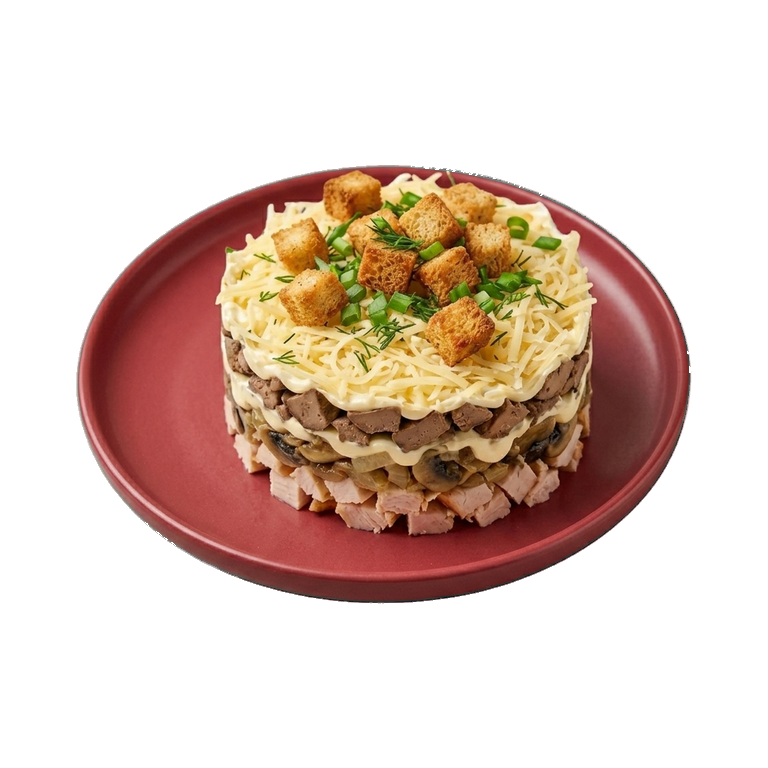
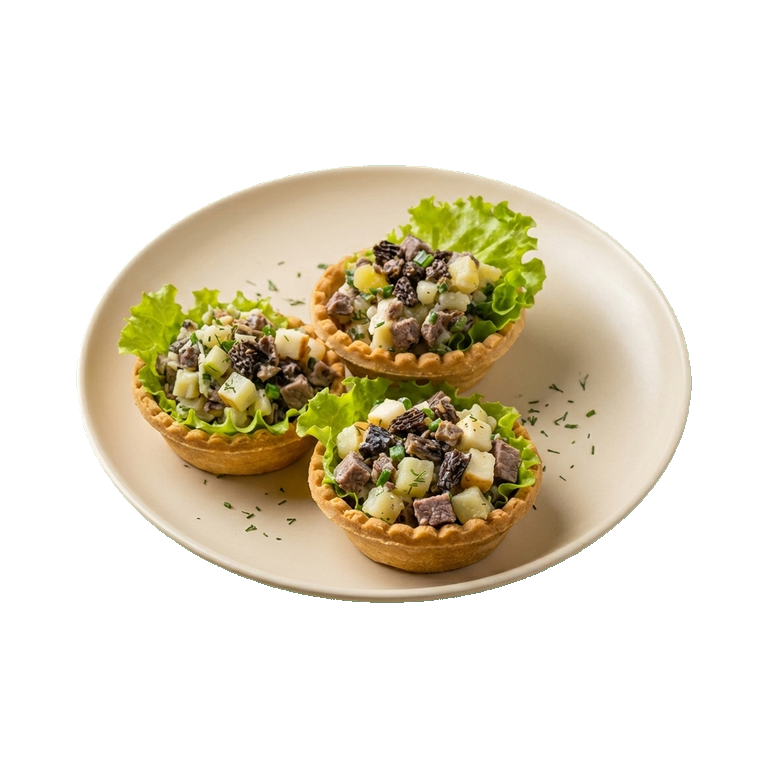
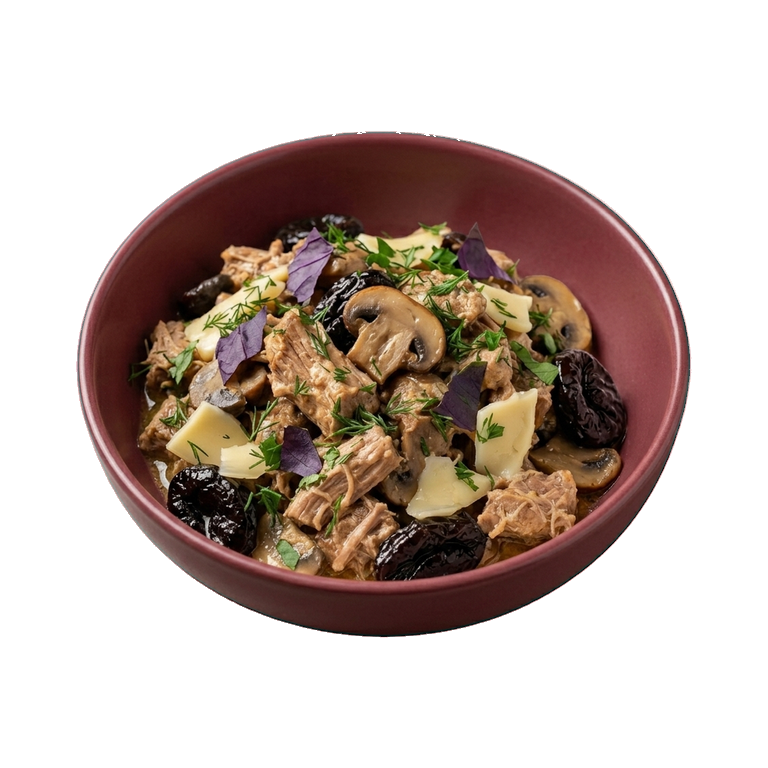
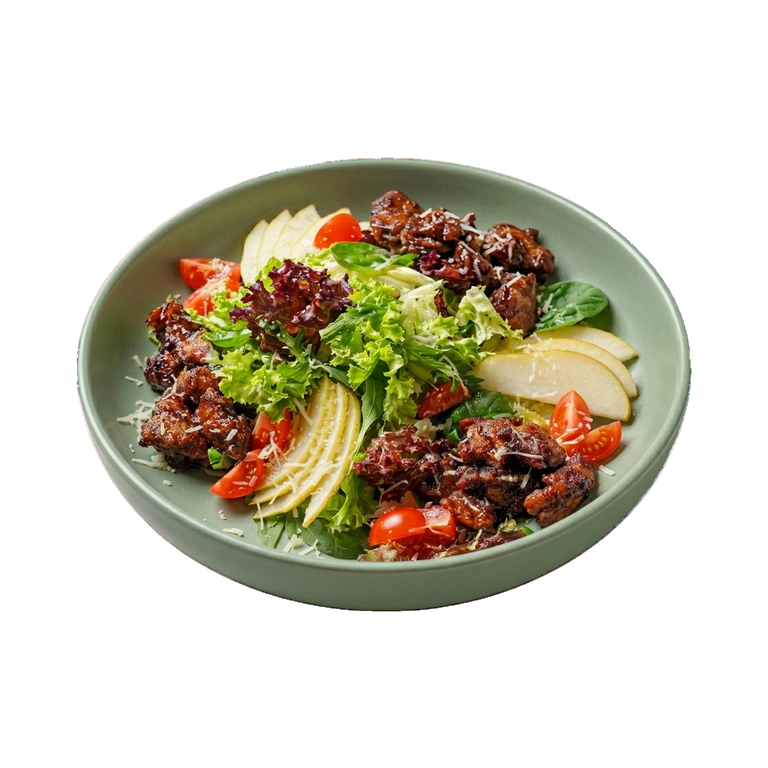
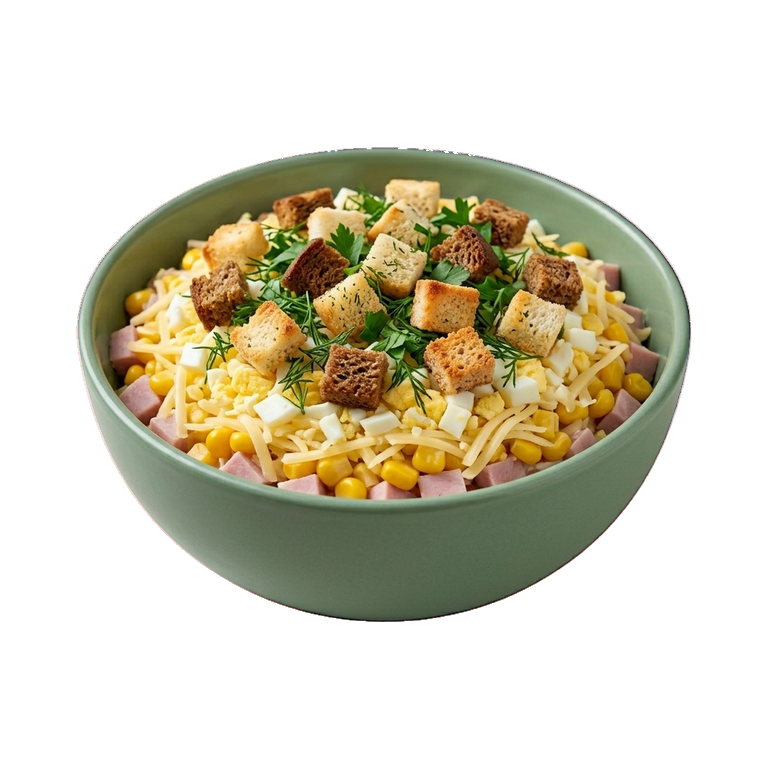
- Cubes or shavings will garnish a salad, add heartiness and texture.
- On a cheese board, hard cheese is the star, revealing its flavor in a calm setting.
- In soups and risotto, cheese enriches the dish with creaminess and depth of flavor.
Combinations and harmony
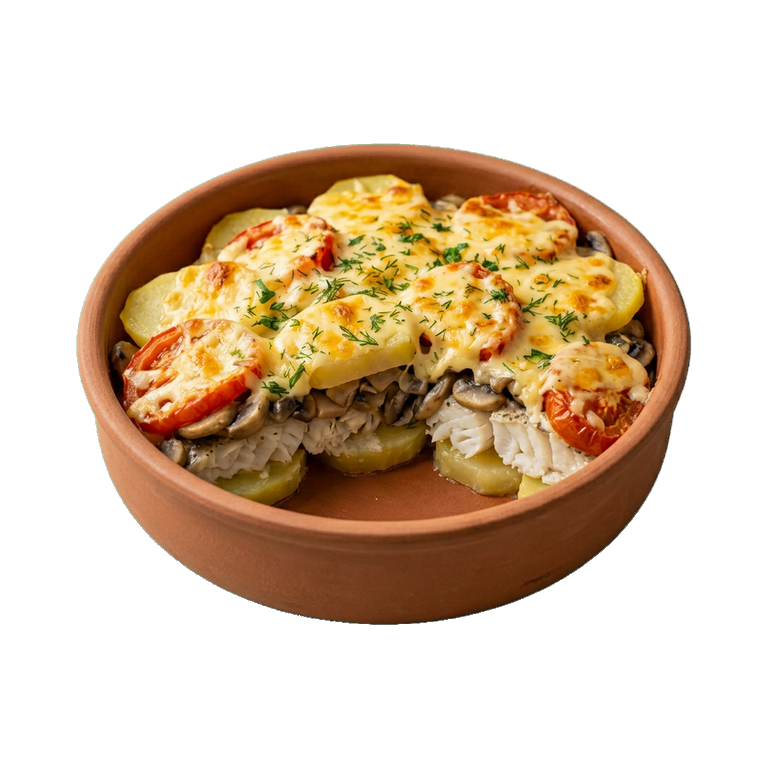
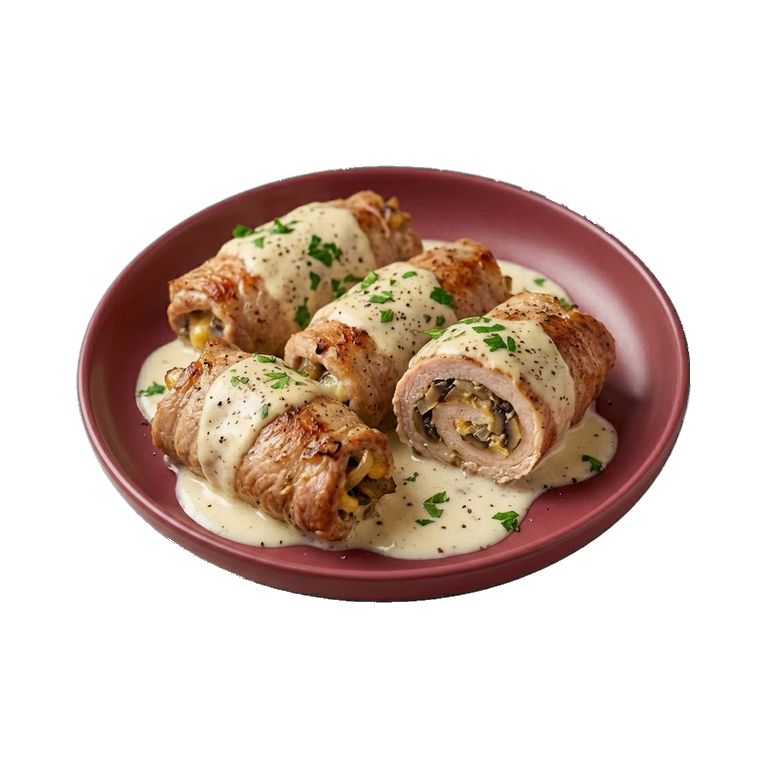
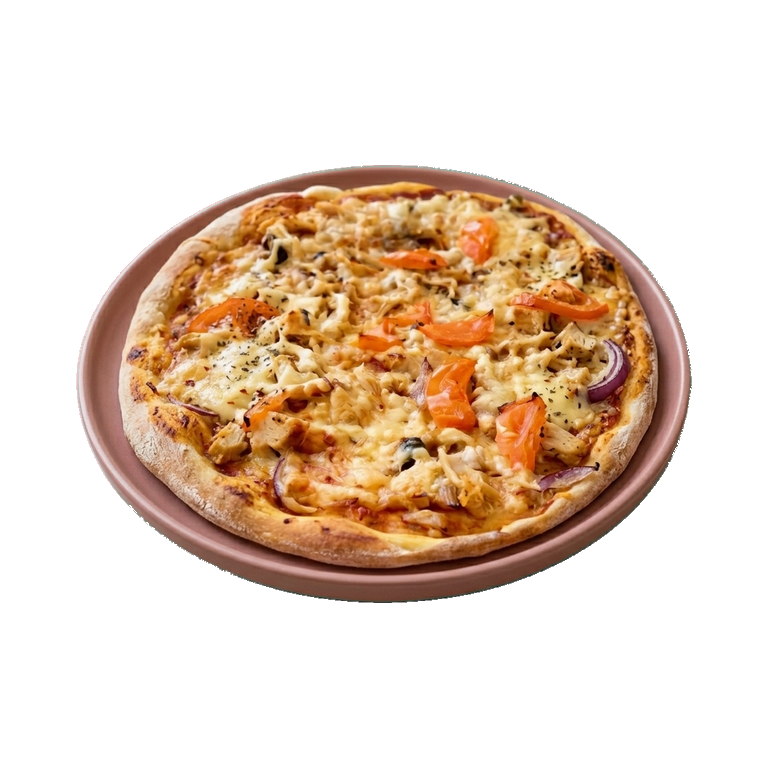
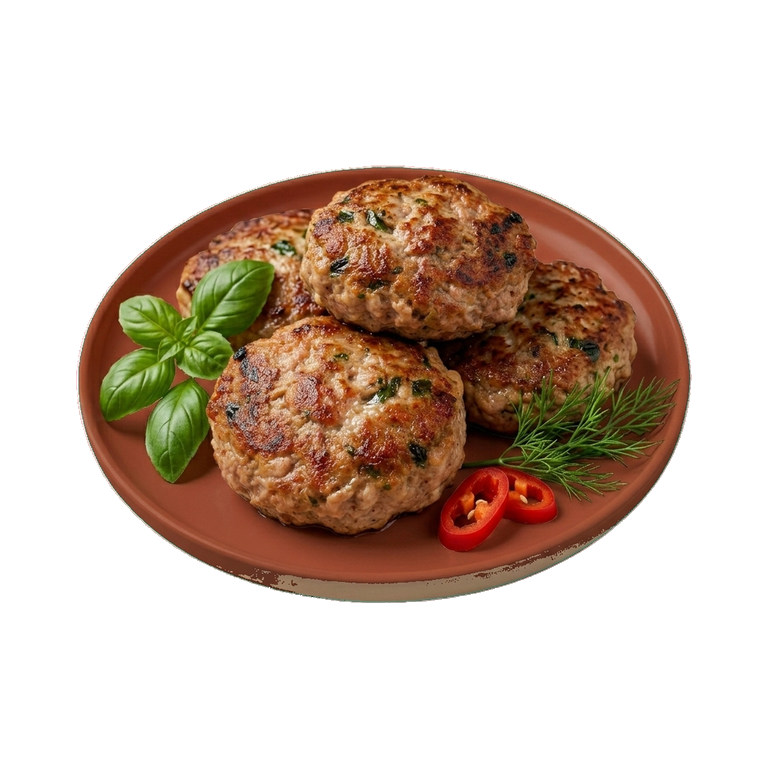
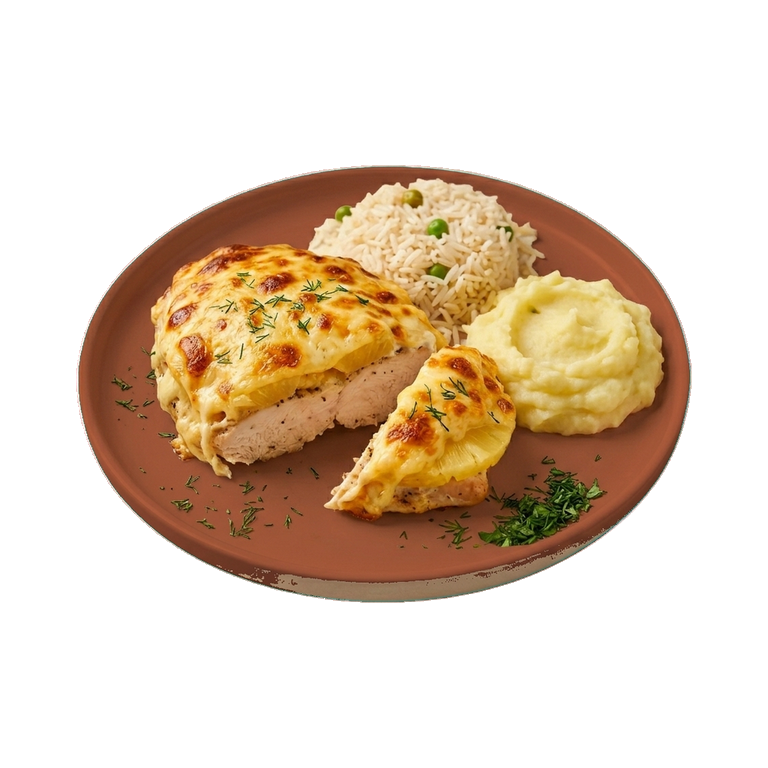
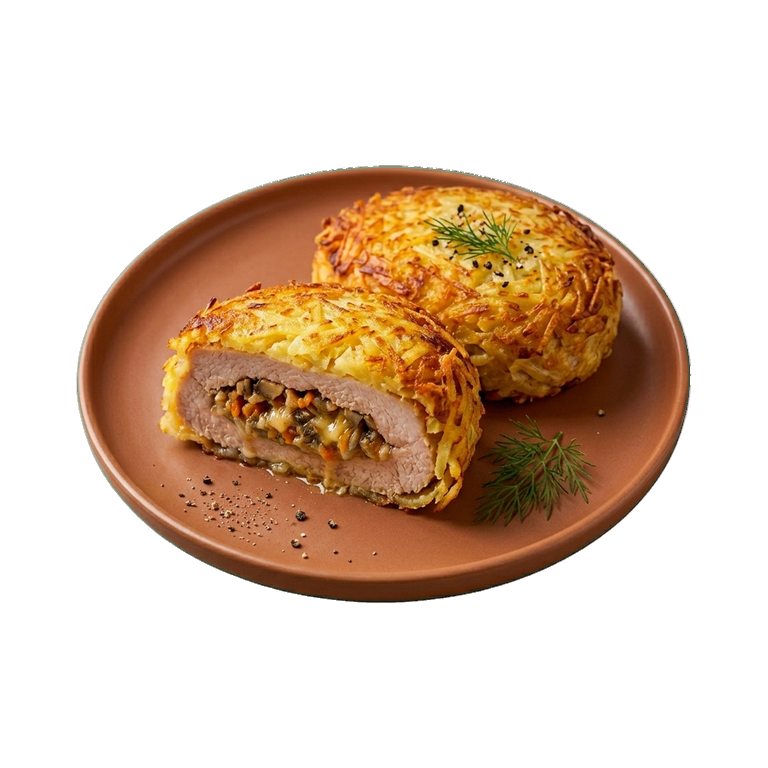
Hard cheese is versatile in combinations. It works well with vegetables — tomatoes, peppers, spinach. It complements meat dishes perfectly, especially when baked. With fruits — apples, pears, honey — it creates an interesting contrast of sweet and salty.
Hard cheese pairs well on the table with black bread, nuts, olives, and cured meats. Don't forget about beverages: white wine, light beer, or even tea will reveal the cheese in a new light.
Selection and Storage
When purchasing, pay attention to the color — it should be uniform, without dark spots. The smell should be pleasant, without any signs of mold. If possible, try the cheese before buying — the taste will tell you whether this aging and producer are right for you.
- Store in the refrigerator in a separate compartment or in a plastic container so the cheese does not absorb foreign odors.
- Optimal temperature is 4 to 8 degrees. Do not freeze hard cheese unless necessary — it will lose its texture.
- Before use, take the cheese out of the refrigerator 15–20 minutes before serving so it can reveal its full flavor.
- If mold appears on the surface, cut off the affected layer — the cheese is saved.
- A whole piece lasts longer than sliced cheese, so cut only the amount you need.
Hard cheese is an investment in quality. Good cheese is worth the money: it works in any dish, stores for a long time, and is always ready to save dinner when inspiration is lacking and guests are expected.
Nutrition
per 100 g
- Calories
- 350 kcal
- Protein
- 25 g
- Fat
- 27 g
- Carbs
- 0.5 g
Measures and weight
- 1 tbsp
- 6 g
- 1 tsp
- 2 g
- 1 cup
- 100 g
- 1 slice
- 20 g
Measure calculator
- Weight
- 100 g
- Calories
- 350 kcal