Usuba
Usuba
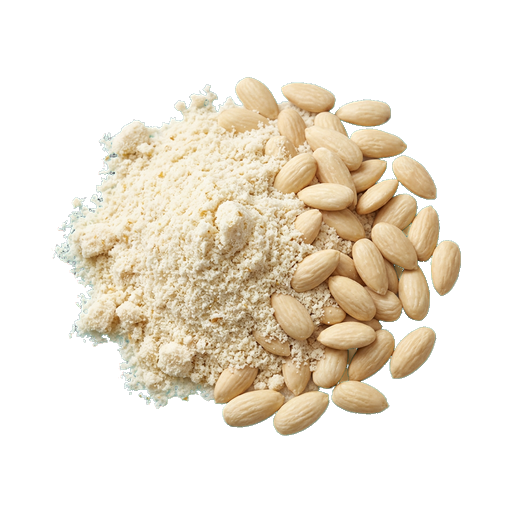
Almond flour
Finely ground almond flour with natural oil content, obtained by grinding blanched kernels. Used in baking as a base for gluten-free cakes, cookies, and pies, giving them a delicate texture and light nutty flavor. When purchasing, choose hermetically sealed flour of light color and store in the refrigerator, as the high oil content makes it prone to oxidation and rancidity.
Micronutrients
per 100 g
Minerals
About
Almond flour is finely ground almonds that transforms familiar recipes into something more interesting. Unlike regular wheat flour, it adds a buttery texture, subtle nutty aroma, and natural sweetness to dishes. If you're looking for a way to make your baking moister and more aromatic, or want to cook gluten-free — almond flour will become your kitchen assistant.
Aroma and taste
Almond flour has a pronounced nutty flavor — soft, slightly sweet, without bitterness. Its aroma is delicate but noticeable: you can detect sweetness and a light oily quality. When you add it to dough or cream, it doesn't overpower other flavors but complements them, creating layers of taste.
Role in dishes
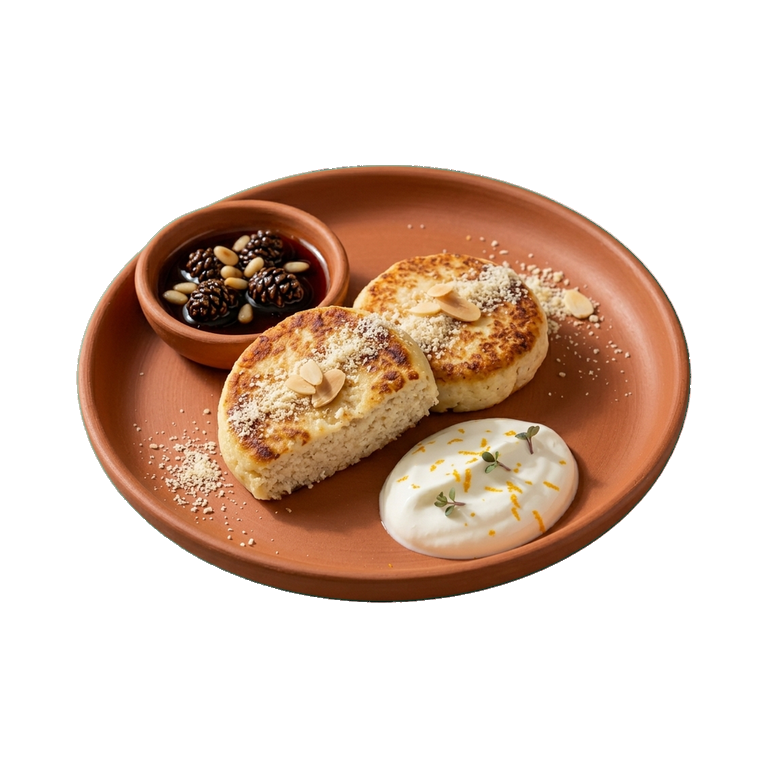
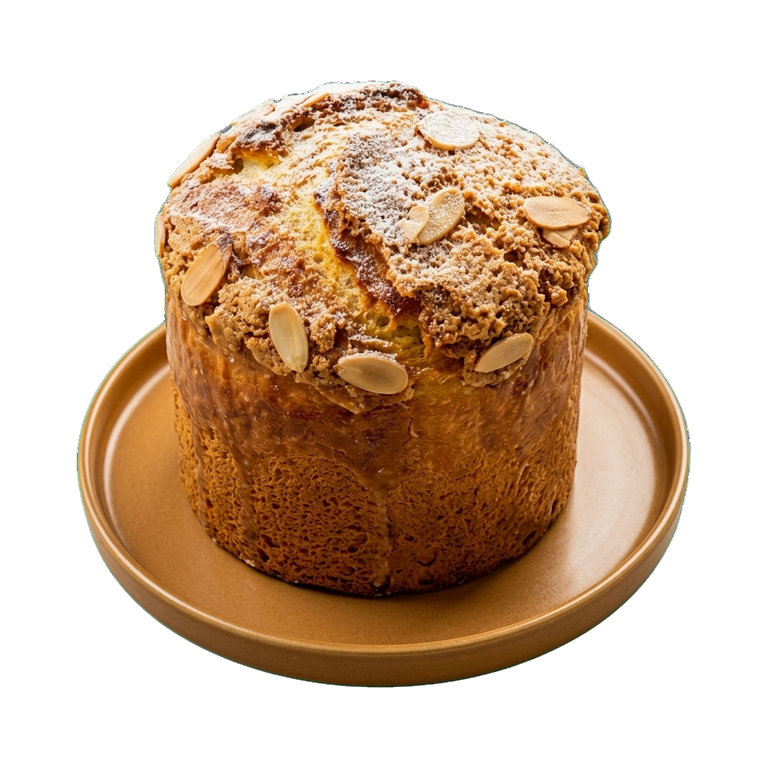
Almond flour works differently than wheat flour. It contains oil and has virtually no gluten, so the dough becomes more crumbly and moist. It's used in cookies, cakes, pies, muffins — anywhere you need a delicate, crumbly texture. It works great for creams and pastes, giving them creaminess and depth of flavor.
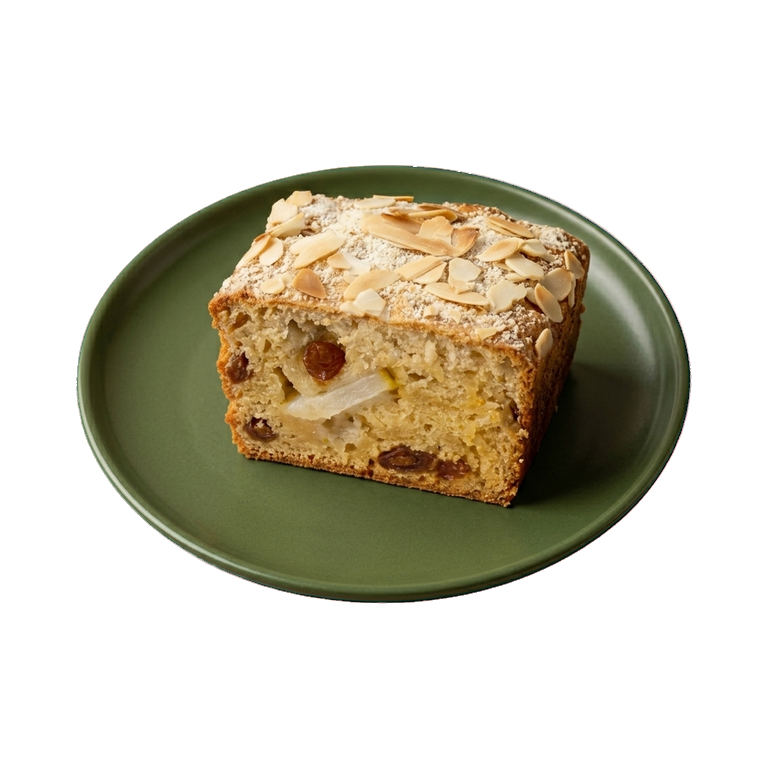
- Cookies and cakes — flour makes them more moist and aromatic
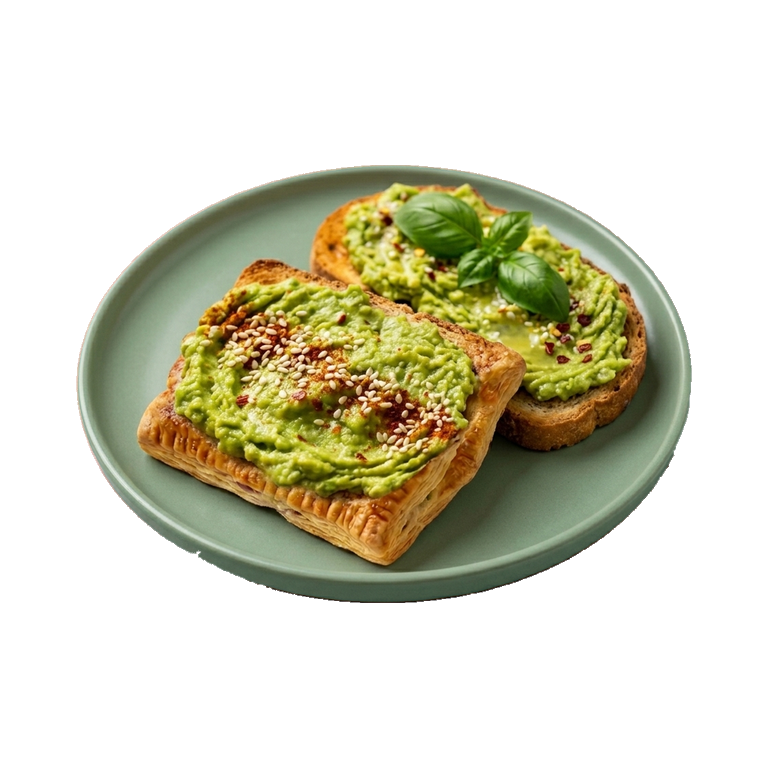
- Gluten-free baking — replaces some of the regular flour
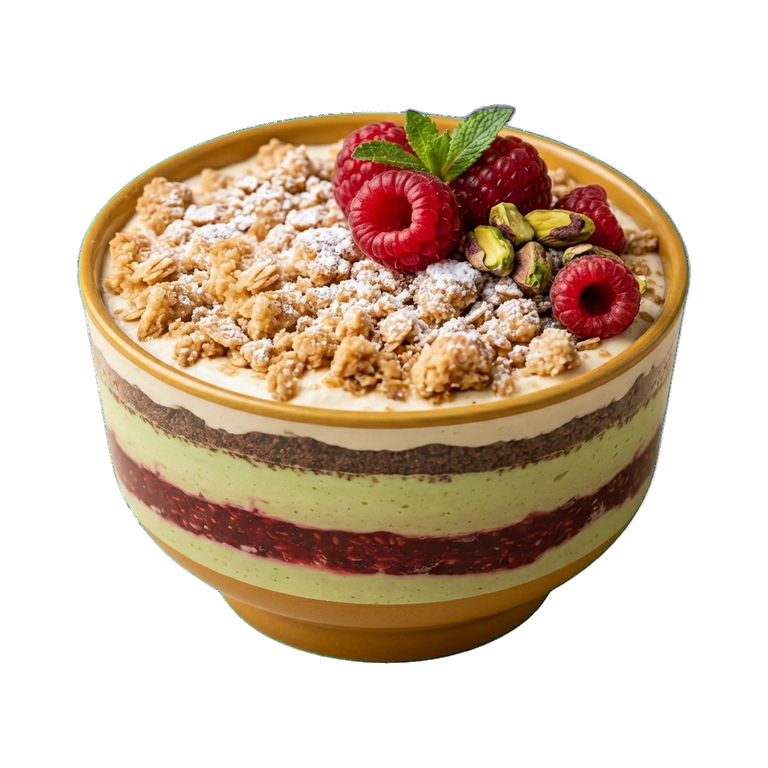
- Creams and fillings — adds richness and nutty flavor
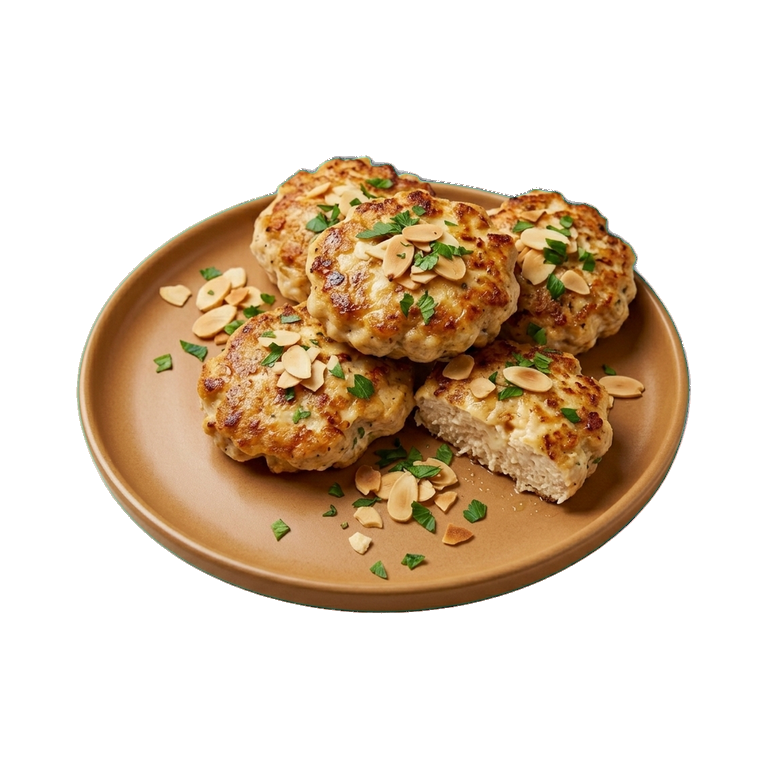
- Breading — creates a crispy, aromatic crust
- Macarons and meringues — main component
Combinations and Proportions
Almond flour pairs well with vanilla, cinnamon, cardamom, and ginger. Its nutty flavor is enhanced by cocoa, dark chocolate, and coffee. Sweet fruits — pear, apple, raspberry — become more vibrant alongside its taste. When you replace part of regular flour with almond flour, remember: it won't give the dough the same elasticity, so usually no more than a third of the total flour amount is used. If cooking entirely with almond flour, you may need a binding agent — egg, starch, or xanthan gum.
Selection and Storage
Almond flour comes in two types: made from blanched almonds (light, without skin) and from unprocessed almonds (darker, with skin pieces). The first is suitable for light baking and creams, the second — when color is not critical and you want maximum nutritional value. Choose finely ground flour — it distributes evenly in the dough and doesn't create a grainy texture.
Due to its high oil content, almond flour oxidizes quickly and can become rancid. Store it in an airtight container in the refrigerator or freezer — this way it will last several months. Before using, let it warm to room temperature so it doesn't clump up in the dough.
Almond flour is not just a substitute for wheat flour, but an independent ingredient that opens up new flavor possibilities. Start small: add it to your favorite cookies or sponge cake and feel how the taste and texture will change. Then you can experiment more boldly.
Nutrition
per 100 g
- Calories
- 579 kcal
- Protein
- 21.6 g
- Fat
- 50.6 g
- Carbs
- 21.6 g
Micronutrients
per 100 g
Macronutrients
- Fiber
- 9.266 g
- Water
- 4.316 g
Minerals
- Sodium
- 0.89 mg
- Potassium
- 666.8 mg
- Calcium
- 232.3 mg
- Magnesium
- 251.1 mg
- Phosphorus
- 512.1 mg
- Iron
- 3.23 mg
- Zinc
- 2.8 mg
- Copper
- 0.98 mg
- Manganese
- 1.81 mg
- Selenium
- 0.7 mcg
Vitamins
- Vitamin B1 (thiamin)
- 0.11 mg
- Vitamin B2 (riboflavin)
- 0.75 mg
- Vitamin B3 (niacin)
- 4 mg
- Vitamin B6
- 0.1 mg
Measures and weight
- 1 tbsp
- 13.5 g
- 1 tsp
- 4.5 g
- 1 cup
- 225 g
Measure calculator
- Weight
- 100 g
- Calories
- 579 kcal