Usuba
Usuba
Oyster mushrooms
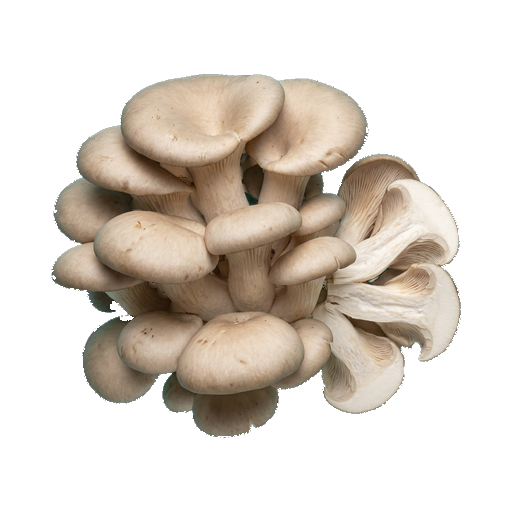
Oyster mushrooms are delicate fungi with soft flesh and a slightly sweet flavor with nutty notes. They absorb the aromas of sauces and spices well, making them ideal for stewing, frying, and adding to soups. When selecting, prefer young mushrooms with a firm structure, and remember during cooking that oyster mushrooms soften quickly, so avoid overcooking them.
Micronutrients
per 100 g
About
Oyster mushrooms are fungi that have become part of everyday cooking thanks to their accessibility and versatility. They grow in tiers, hanging from wood as it were, which is where their name comes from. In cooking, oyster mushrooms are valued for their soft texture, which easily absorbs the flavors of sauces and spices, and for their ability to remain firm even with intensive heat treatment.
Aroma and taste
Oyster mushrooms have a delicate, barely perceptible mushroom aroma — neither sharp nor intrusive. The flavor is mild, slightly nutty, with a subtle sweet note. When fried, they open up more fully, developing a deeper, earthy profile. During boiling, oyster mushrooms become softer and release their flavor into the broth.
Role in dishes
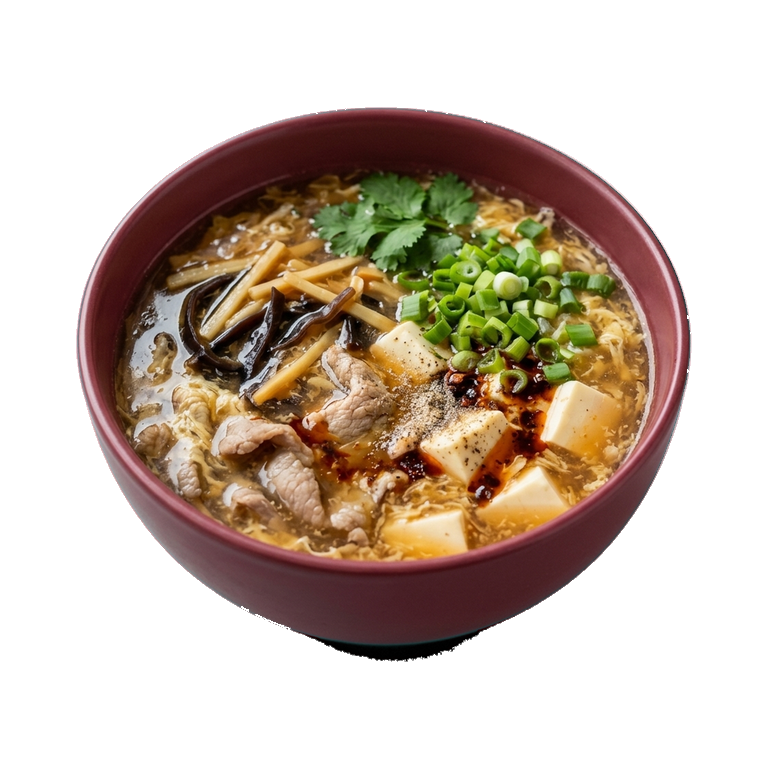
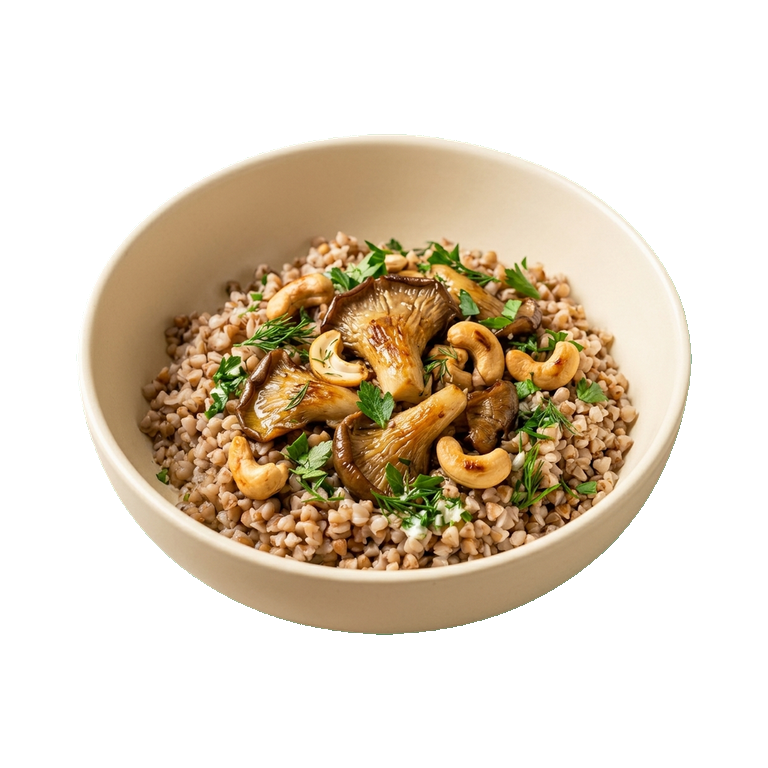
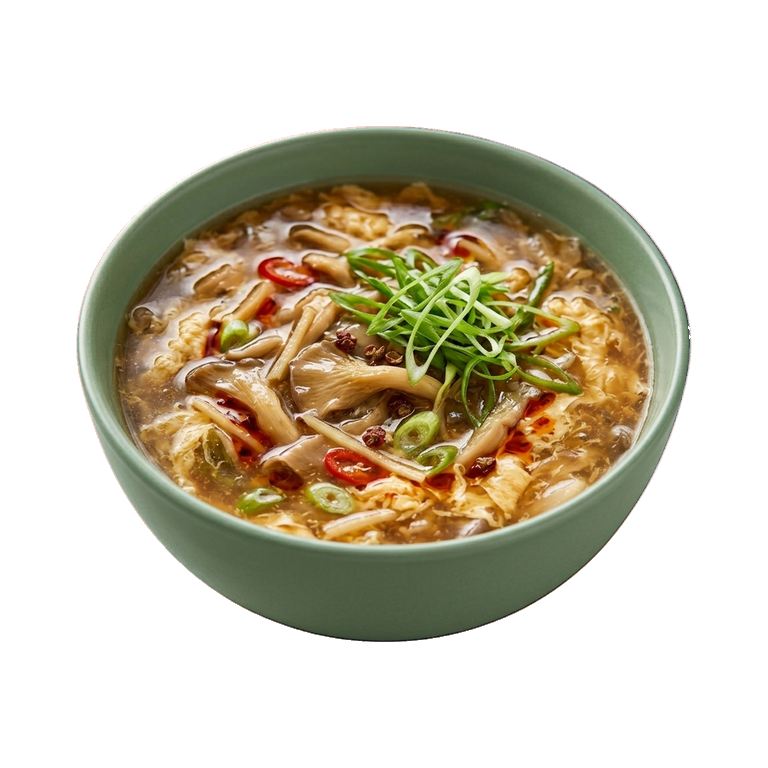
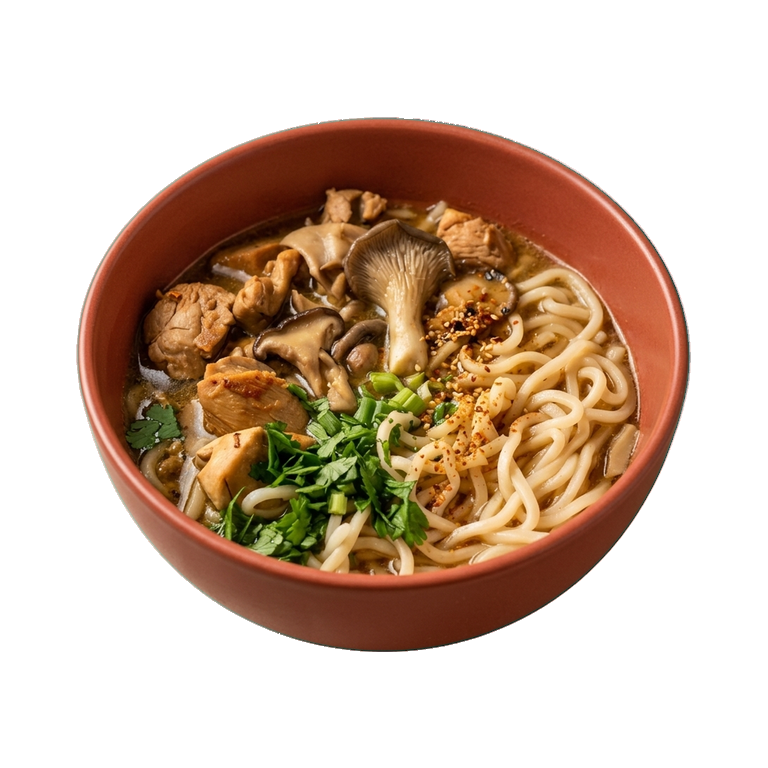
- In soups and broths, oyster mushrooms work as a base or complement, without overpowering other flavors
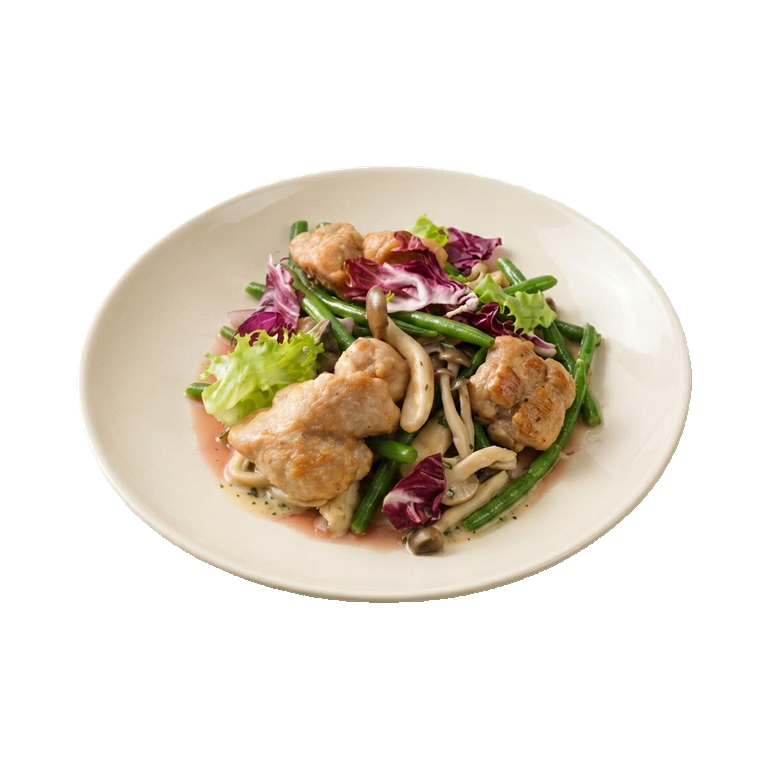
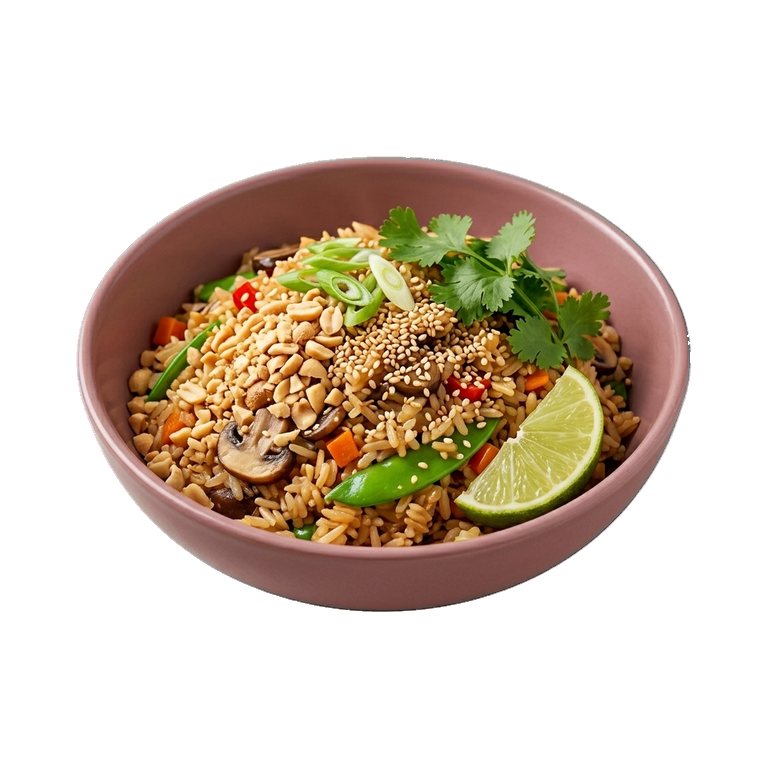
- In a pan they cook quickly and absorb oil, garlic and herbs well
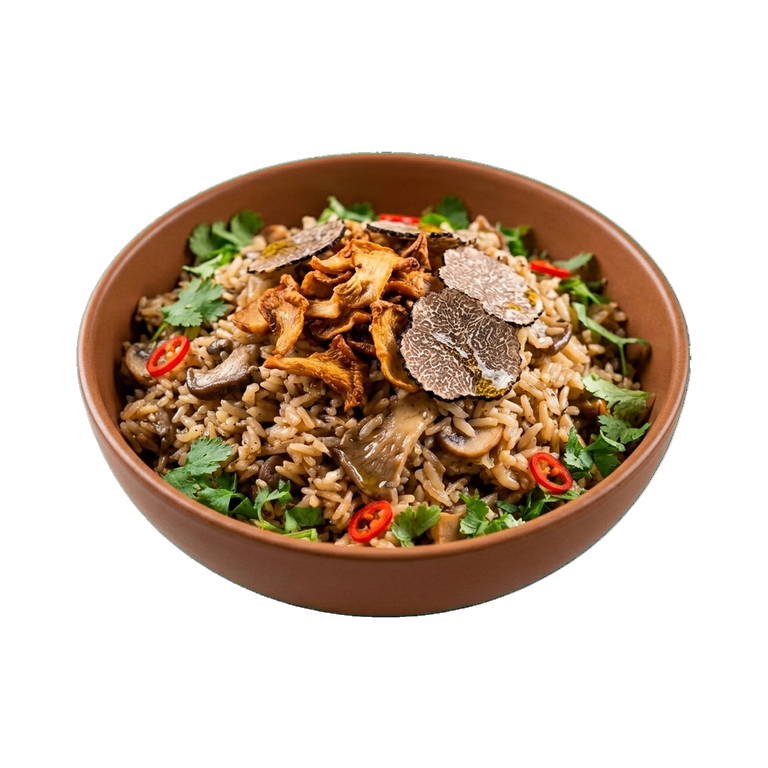
- In pasta and risotto they add a creamy texture and depth
- Suitable for baking in the oven — they become meaty and aromatic
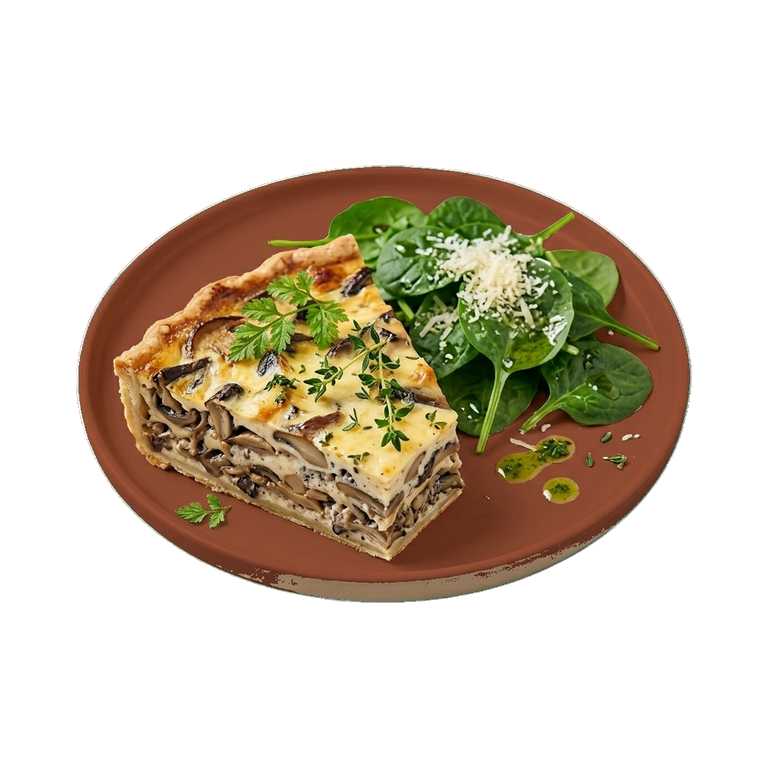
- Great in fillings for pies and puff pastry dishes
Pairings and Techniques
Oyster mushrooms pair well with garlic, butter, sour cream, and heavy cream — these components enhance their delicate flavor. They work beautifully with bold spices: black pepper, paprika, thyme. The acidity of lemon or white wine helps prevent oyster mushrooms from becoming cloying. When cooking, the key is not to overcomplicate things: mushrooms are delicate in themselves and don't require lengthy marinating or pre-treatment.
Selection and Storage
Look for oyster mushrooms with a firm, non-slimy cap and without dark spots. They should smell fresh and earthy, without a musty odor. Before cooking, it's enough to wipe them with a damp cloth — don't wash them under running water, as they will absorb excess moisture and lose their flavor.
- Oyster mushrooms in the refrigerator are stored for 3–4 days in a paper bag or on a plate under a towel
- Do not place them in a plastic container — they will quickly become damp
- Frozen oyster mushrooms lose their texture, so it is better to cook them fresh or dry them
Oyster mushrooms are a fungus for those who appreciate simplicity and reliability. They don't require culinary skill, but with the right approach, they bring true mushroom coziness to a dish.
Nutrition
per 100 g
- Calories
- 33 kcal
- Protein
- 3.3 g
- Fat
- 0.4 g
- Carbs
- 4.2 g
Micronutrients
per 100 g
Macronutrients
- Water
- 89.24 g
Minerals
- Sodium
- 1.13 mg
- Potassium
- 281.6 mg
- Calcium
- 0 mg
- Magnesium
- 13.91 mg
- Phosphorus
- 86.24 mg
- Iron
- 0.7 mg
- Zinc
- 0.68 mg
- Copper
- 0.11 mg
- Manganese
- 0.09 mg
- Selenium
- 1.4 mcg
Vitamins
- Vitamin B1 (thiamin)
- 0.07 mg
- Vitamin B3 (niacin)
- 5.75 mg
- Vitamin B6
- 0.1 mg
Measures and weight
- 1 pcs
- 25 g
Measure calculator
- Weight
- 100 g
- Calories
- 33 kcal