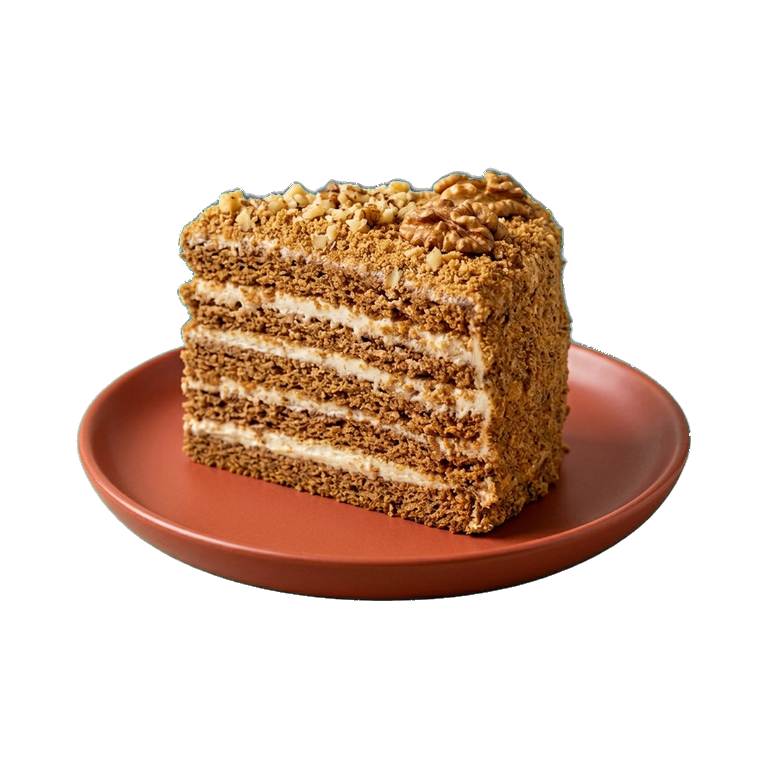
Usuba
Usuba
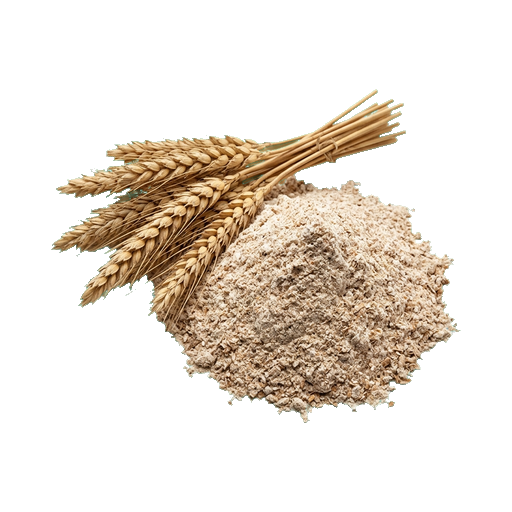
Whole wheat flour
Whole wheat flour, obtained by grinding all parts of the grain together with the bran and germ, contains more fiber and nutrients than white flour. It has a more pronounced nutty flavor and dark color, absorbs more liquid when kneading dough, which makes baked goods denser and moister. When using in recipes, it is recommended to gradually replace regular flour, as products turn out less airy, and achieving the usual consistency may require increasing the amount of liquid.
Micronutrients
per 100 g
Minerals
About
Whole wheat flour is flour in which all parts of the grain are preserved: endosperm, bran, and germ. Unlike white flour, it is not refined or bleached, so it contains more fiber, minerals, and B vitamins. It has a more pronounced taste, slightly nutty, and a color ranging from light brown to golden.
Aroma, taste and texture
Whole grain flour has a noticeable, pleasant nutty aroma. When kneading, the dough becomes denser and heavier than white flour dough, because the bran absorbs more liquid. Baked goods made from such flour often turn out more moist and crumbly at the same time — this should be taken into account when adapting recipes.
Role in dishes and pairings
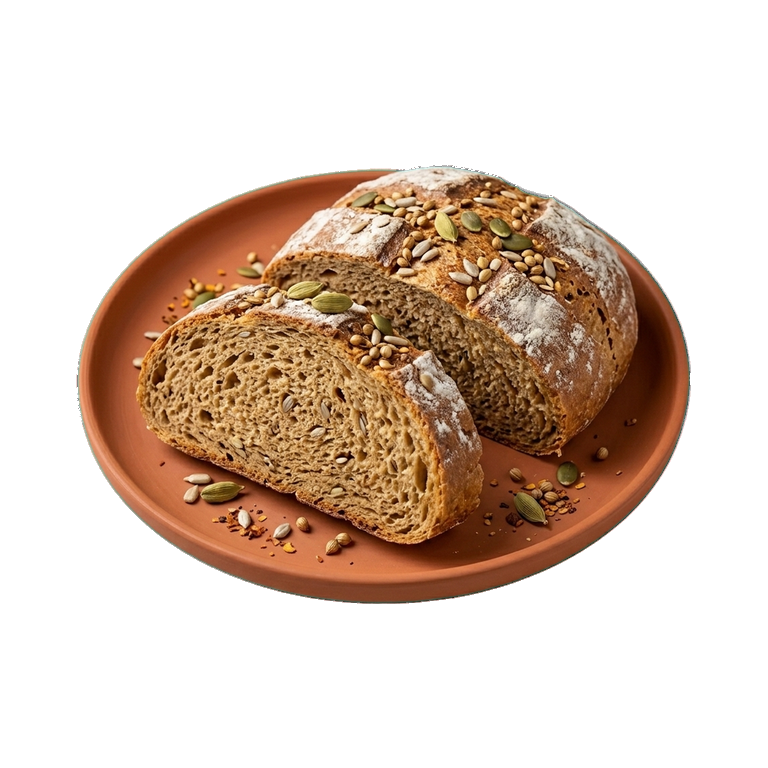
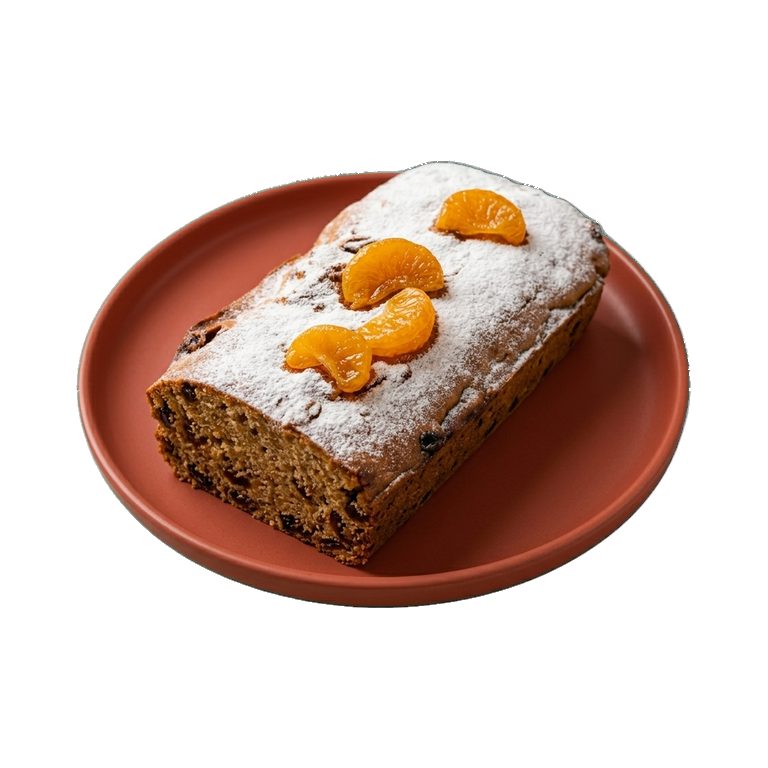
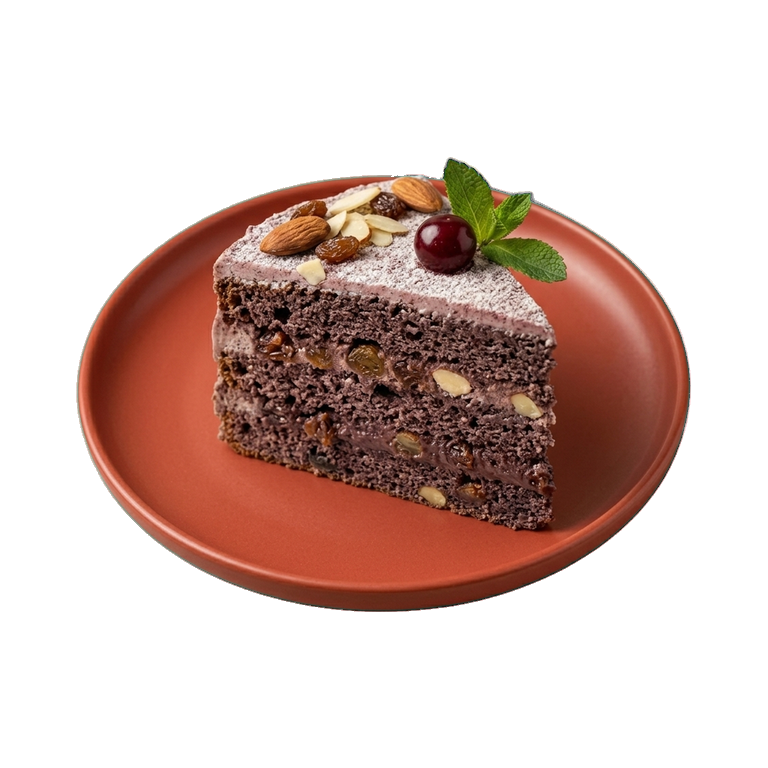
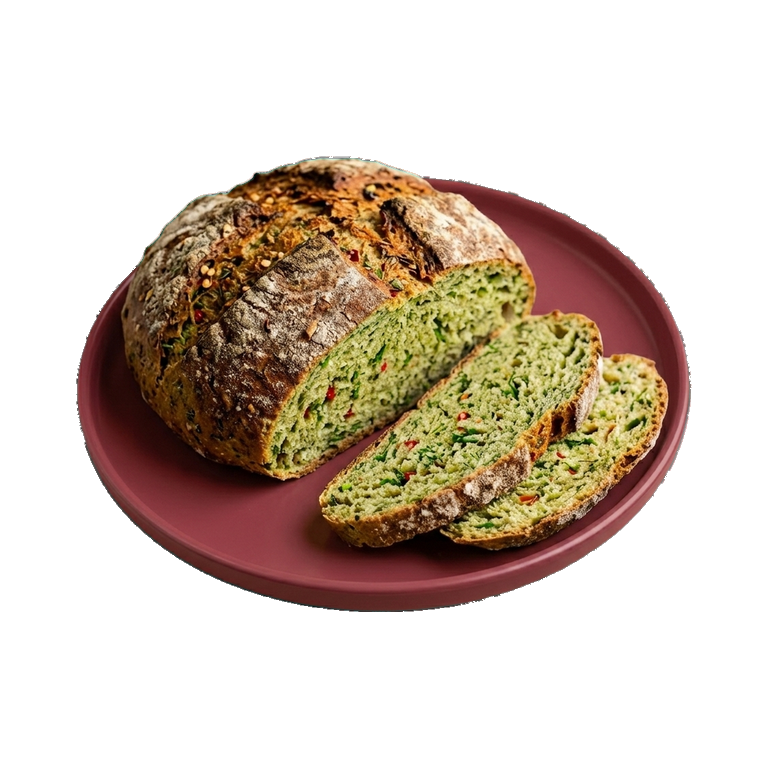
Whole wheat flour is used in bread, buns, cookies, pancakes, and fritters. It's often mixed with white flour in a 1:1 or 1:2 ratio to preserve nutritional value while maintaining the airiness of baked goods. In sweet dishes, it works well with honey, cinnamon, ginger, and vanilla, enhancing their warm notes.
- Bread and starters — whole grain flour gives bread a dense crumb and pronounced flavor
- Cookies and gingerbread — adds depth of flavor and makes the texture more interesting
- Pancakes and fritters — mixing with white flour helps maintain fluffiness
- Porridges and casseroles — whole grain flour can be used as a thickener
Selection and Storage
When purchasing, pay attention to the packaging date — the fresher the flour, the better. Whole grain flour oxidizes faster than white flour because it retains oils from the germ. Store it in an airtight container in a cool place or in the refrigerator, especially during warm weather. Shelf life ranges from 3 to 6 months depending on conditions.
If you're new to whole wheat flour, start with simple recipes: bread, cookies, or pancakes. Experiment with the proportions of white and whole wheat flour blend to find the balance between flavor and texture that you enjoy. Remember that this type of flour requires a bit more liquid in the dough.
Nutrition
per 100 g
- Calories
- 340 kcal
- Protein
- 13.7 g
- Fat
- 2.5 g
- Carbs
- 60.7 g
Micronutrients
per 100 g
Macronutrients
- Fiber
- 10.6 g
- Water
- 9.44 g
Minerals
- Sodium
- 3 mg
- Potassium
- 376 mg
- Calcium
- 38 mg
- Magnesium
- 136 mg
- Phosphorus
- 352 mg
- Iron
- 3.86 mg
- Zinc
- 3.24 mg
- Copper
- 0.45 mg
- Manganese
- 3.56 mg
- Selenium
- 23.6 mcg
Vitamins
- Vitamin B1 (thiamin)
- 0.5 mg
- Vitamin B2 (riboflavin)
- 0.13 mg
- Vitamin B3 (niacin)
- 5.55 mg
- Vitamin B6
- 0.27 mg
Measures and weight
- 1 tbsp
- 8.3 g
- 1 tsp
- 2.8 g
- 1 cup
- 137.5 g
Measure calculator
- Weight
- 100 g
- Calories
- 340 kcal