Usuba
Usuba
Red wine vinegar
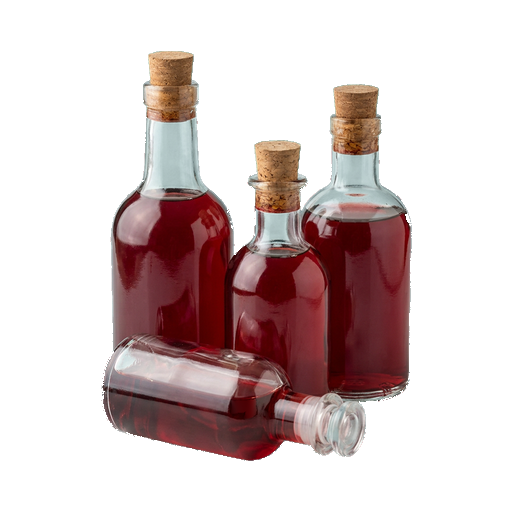
A sharp and slightly fruity vinegar derived from red wine, with characteristic acidity ranging from 5 to 8 percent. Used for dressings, marinades, and sauces, adding deep flavor and bright acidity to dishes without a harsh smell. When selecting, pay attention to the acidity level and absence of additives. In recipes, it can be substituted with white wine vinegar, though the resulting taste will be less rich.
Micronutrients
per 100 ml
About
Red wine vinegar is not just a sour condiment, but a true flavor anchor in the kitchen. It is produced from red wine through natural fermentation, and the result is a drink with character: deep, slightly fruity, with barely perceptible tannins. Unlike its white counterpart, red vinegar maintains a more pronounced flavor and performs better in dark sauces and marinades.
Aroma and Taste
Red wine vinegar gives dishes berry notes — currant, cherry, sometimes a subtle hint of plum. Its acidity is milder than regular table vinegar, so it doesn't bite the tongue, but rather enriches the taste. Quality vinegar smells of wine, not just acid, and this difference is immediately noticeable in the finished dish.
Role in dishes and pairings
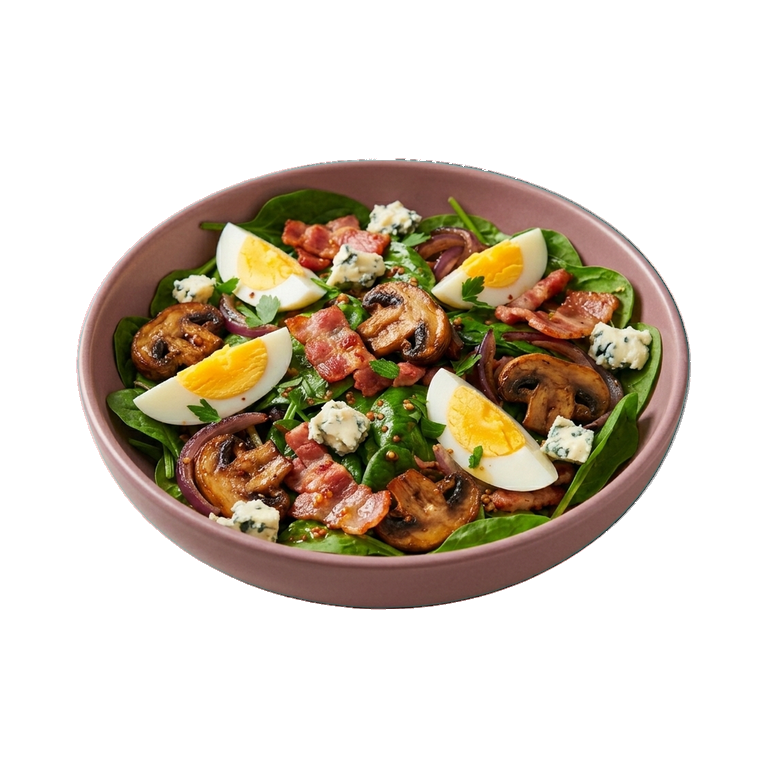
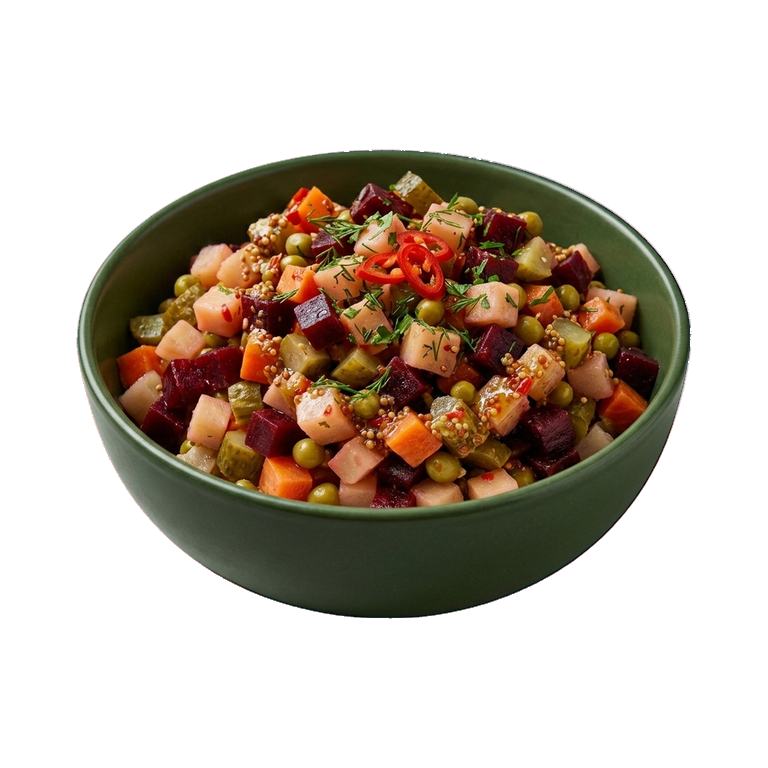
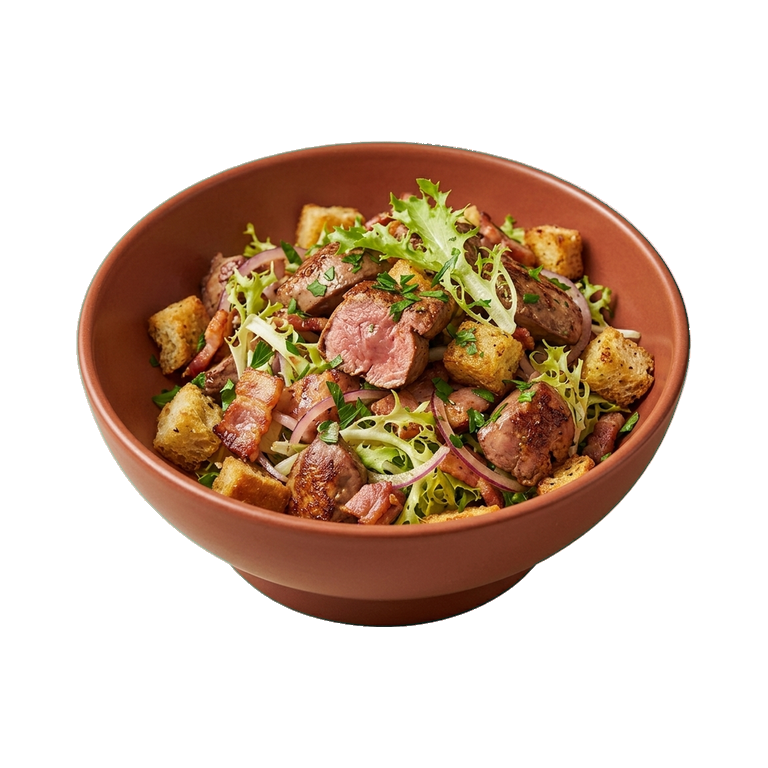
Red wine vinegar works wherever you need acid with character. Add it to a marinade for beef or lamb — the vinegar will tenderize the fibers and give the meat a wine-like note. In vinaigrettes and salads, it brings sophistication, especially if the dish contains dark leafy greens, beets, or mushrooms.
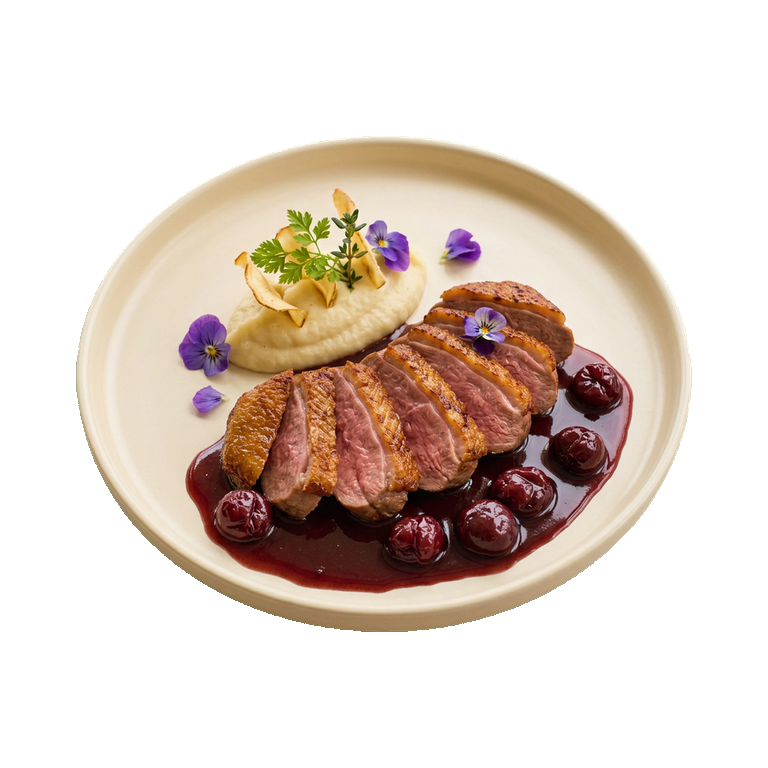
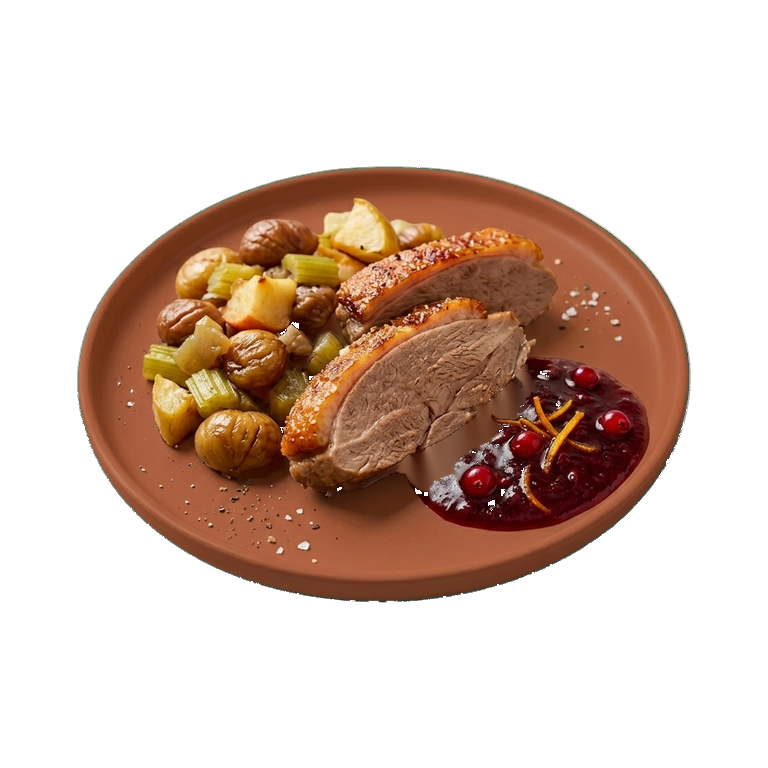
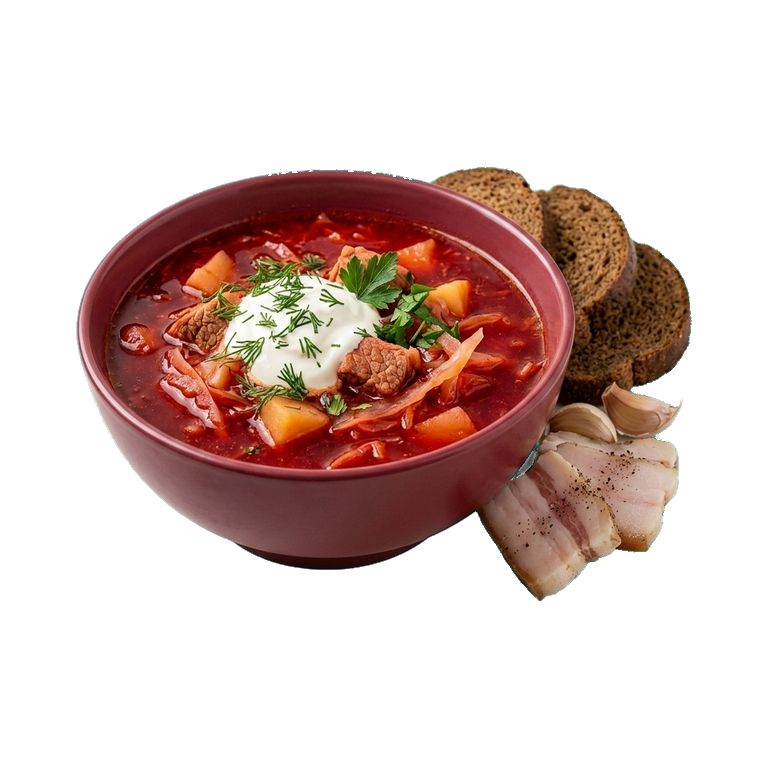
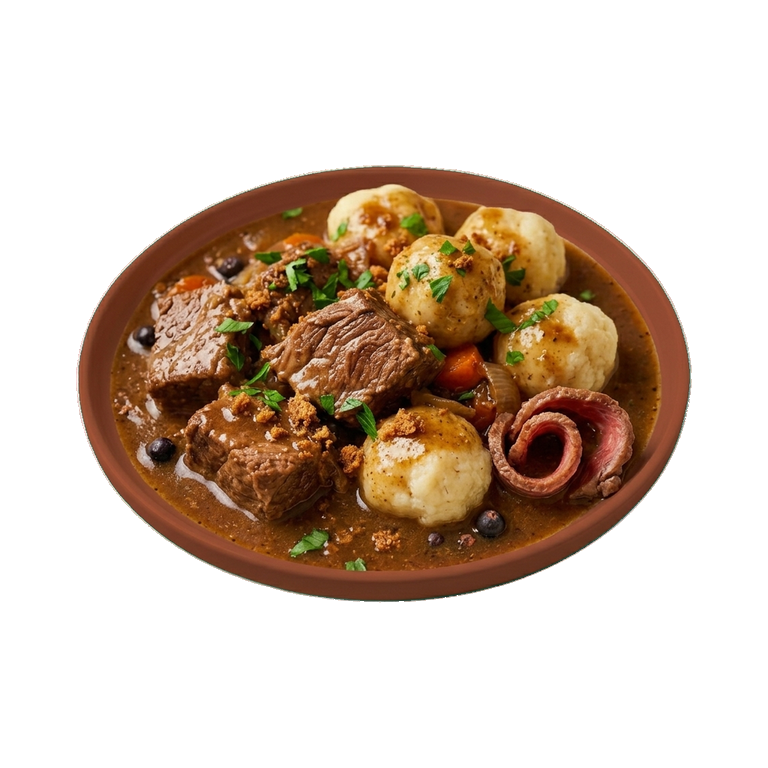
- Sauces for meat and game — red vinegar becomes the base for demi-glace sauce
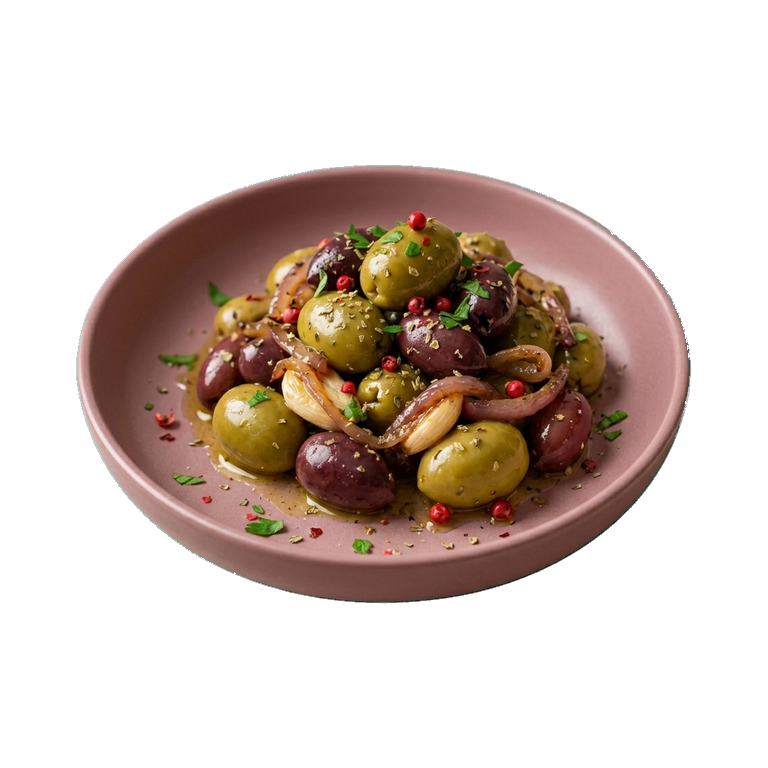
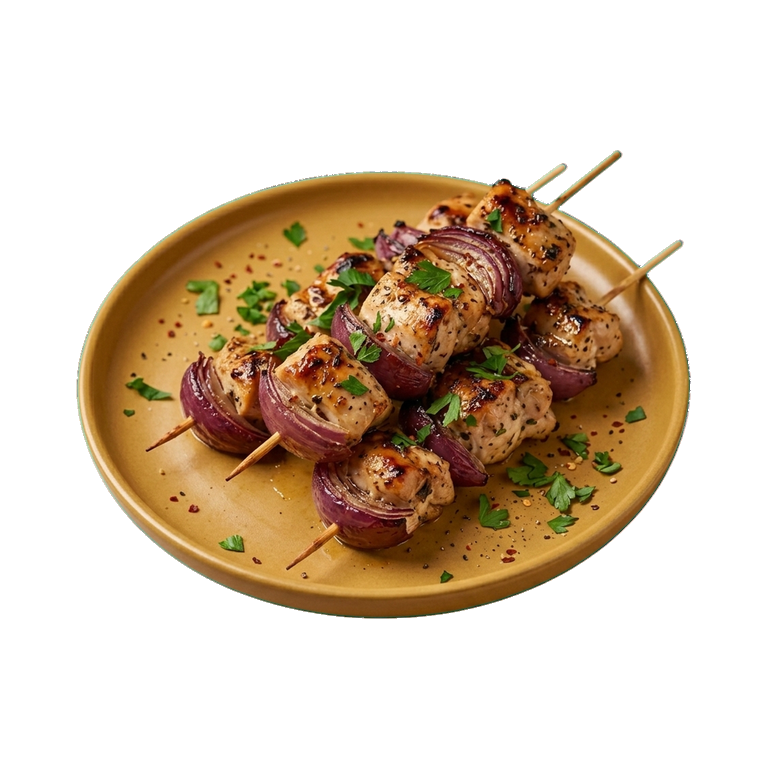
- Marinades for vegetables — especially beautiful with onions, bell peppers, tomatoes
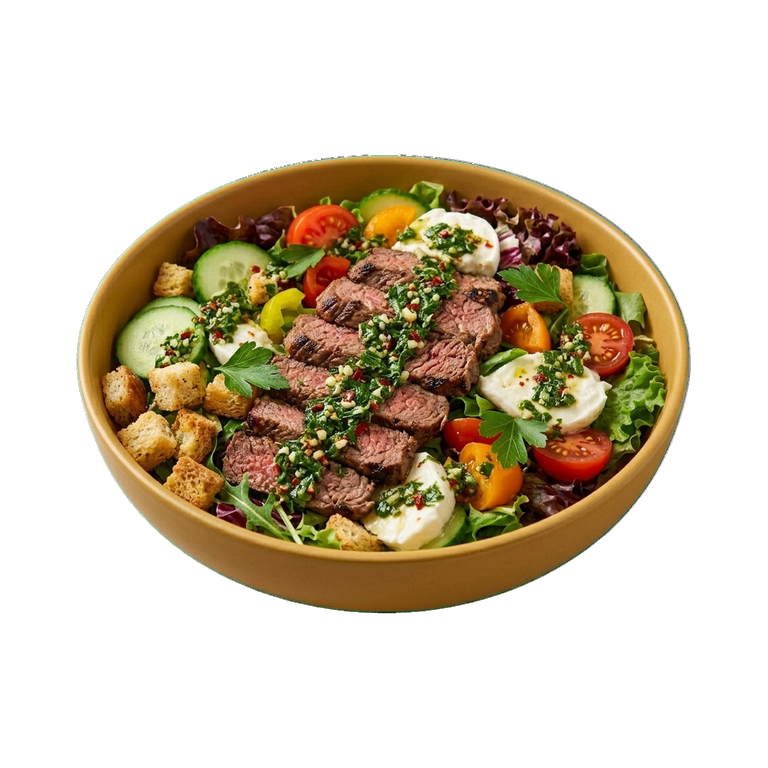
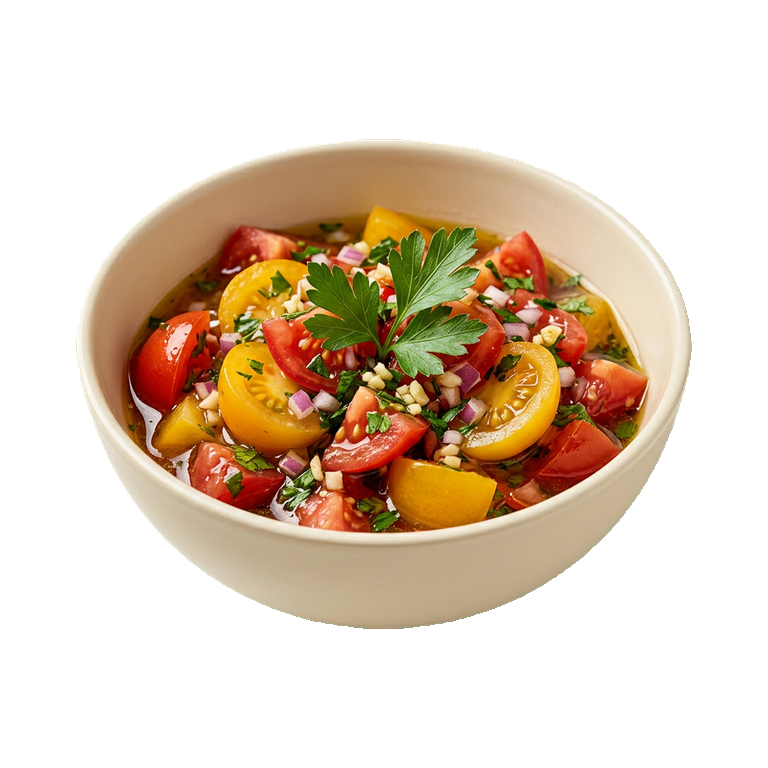
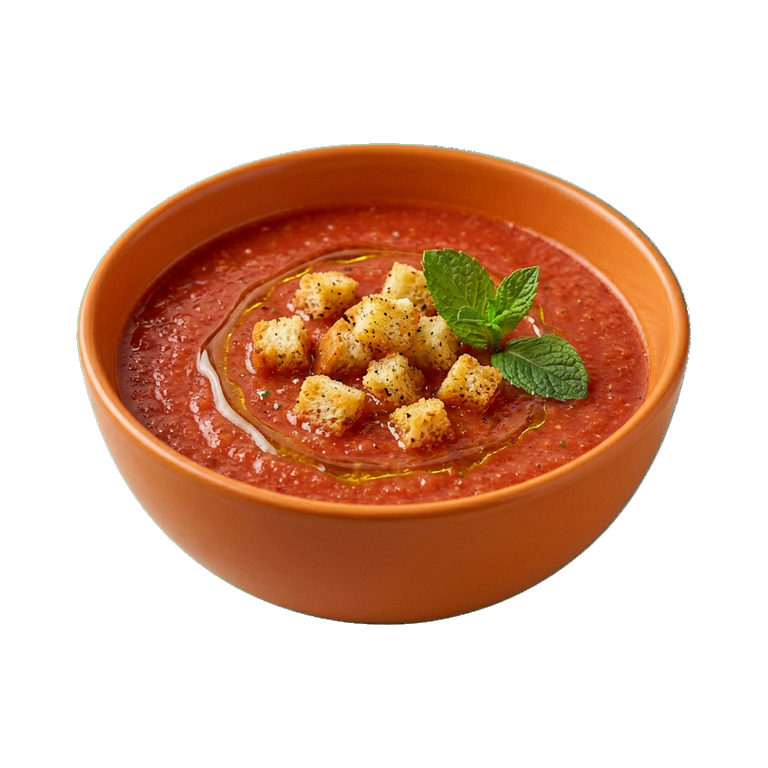
- Salad dressings — mix with olive oil, mustard and herbs
- Stewed dishes — add in the last minutes of cooking beef or rabbit
- Preservation — red vinegar works well when pickling vegetables for winter
Red wine vinegar pairs well with herbs: rosemary, thyme, oregano. With garlic and onion, it forms a classic triumvirate for marinades. It combines nicely with olive oil, mustard, honey, and spices like black pepper or clove.
Selection and Storage
When purchasing, pay attention to the acidity — usually it's 6–7 percent. The higher it is, the sharper the vinegar. The transparency and color should be rich: from ruby to dark pomegranate. If you see sediment at the bottom — this is normal, it indicates the product's authenticity. Check that there are no unnecessary additives in the composition, only grapes, water, and salt.
Red wine vinegar should be stored in a cool, dark place — a kitchen cabinet or a shelf away from sunlight will work well. The bottle should be tightly sealed. With proper storage, vinegar lasts for years with virtually no loss of quality. Over time, it may darken slightly — this is not spoilage, but natural maturation.
Start with small amounts: red wine vinegar is concentrated in flavor. It's better to add a little more than to overdo the acidity at the beginning.
Nutrition
per 100 ml
- Calories
- 19 kcal
- Protein
- 0 g
- Fat
- 0 g
- Carbs
- 0.3 g
Micronutrients
per 100 ml
Macronutrients
- Fiber
- 0 g
- Sugars
- 0 g
- Saturated fat
- 0 g
- Water
- 95.415 g
Minerals
- Sodium
- 8.08 mg
- Potassium
- 39.39 mg
- Calcium
- 6.06 mg
- Magnesium
- 4.04 mg
- Phosphorus
- 8.08 mg
- Iron
- 0.45 mg
- Zinc
- 0.03 mg
- Copper
- 0.01 mg
- Manganese
- 0.05 mg
Vitamins
- Vitamin A (RAE)
- 0 mcg
- Vitamin C
- 0.51 mg
Measures and weight
- 1 tbsp
- 15.2 g
- 1 tsp
- 5 g
- 1 cup
- 252.5 g
Measure calculator
- Weight
- 100 g
- Calories
- 19 kcal