Usuba
Usuba
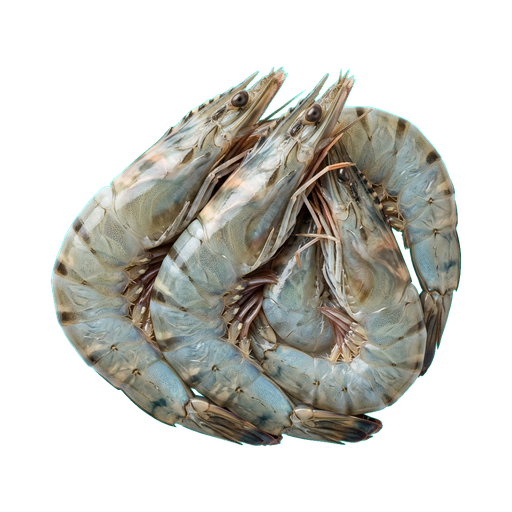
Tiger Shrimp
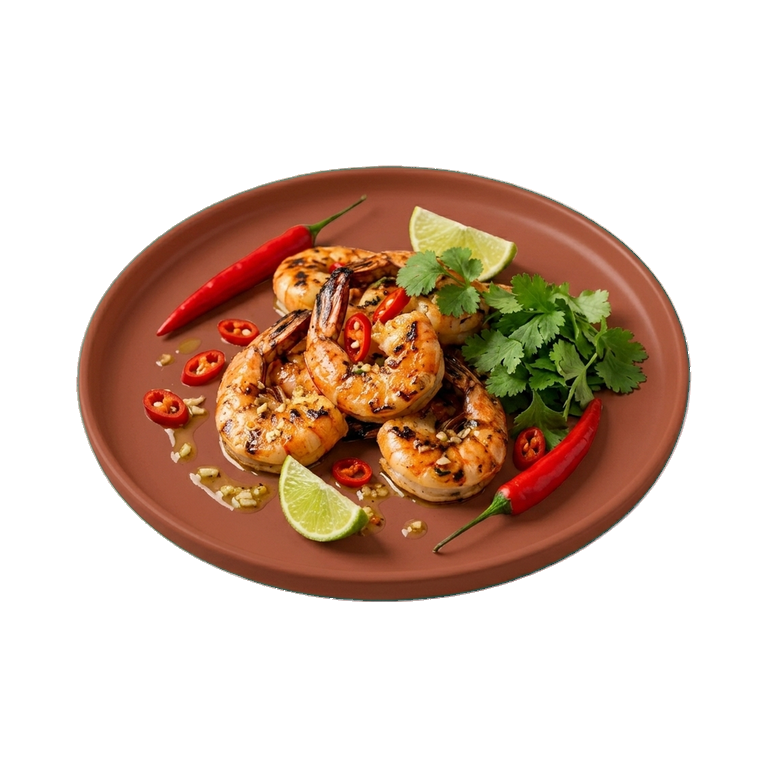
Large shrimp with characteristic stripes on the shell, distinguished by firm meat and sweet flavor with a slight saltiness. Due to their size and meat structure, they hold their shape well when frying, boiling, and grilling, making them ideal for main dishes. When selecting, pay attention to the firmness of the shell and the smell of the sea without foreign odors — frozen specimens should be free of ice coating and crystals.
Micronutrients
per 100 g
About
Tiger shrimp are large sea shrimp with characteristic striped coloring that have gained popularity in restaurants and home kitchens due to their sweet taste and firm meat texture. They are significantly larger than regular shrimp, making them convenient to prepare and impressive on the plate.
Taste and texture
Tiger shrimp meat is distinguished by a slightly sweet, delicate flavor with a subtle seafood note. It is firmer and meatier than small shrimp, so it does not fall apart during cooking and absorbs sauces and spices well. This characteristic makes them an ideal choice for grilling, wok cooking, or pan-frying.
How to Choose and Store
Fresh tiger shrimp should have a bright shell color and firm meat that doesn't stick to the shell. The smell should be fresh and briny, without any ammonia notes. If you're buying frozen shrimp, check that they don't have an ice crust on them — this is a sign of improper storage.
- Fresh shrimp should be stored in the refrigerator for no more than two days on ice or in an airtight container
- Frozen shrimp can be kept in the freezer for up to three months in tight packaging
- Thaw shrimp in the refrigerator overnight or under cold running water — rapid thawing damages the texture
In the kitchen
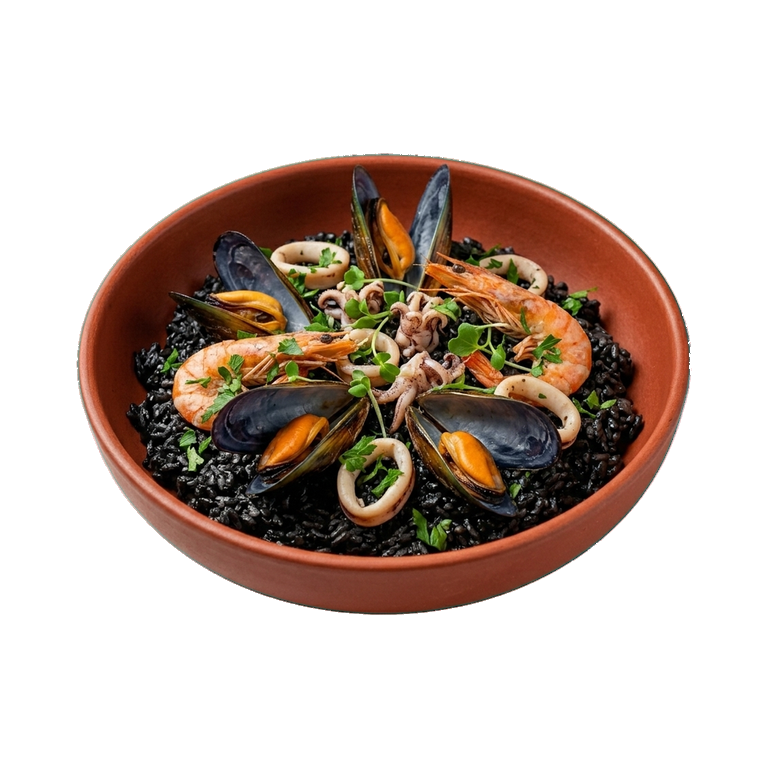
Tiger shrimp are versatile: they can be boiled, fried, grilled, or added to paella and risotto. The key is not to overcook them, otherwise the meat will become rubbery. 3–4 minutes over high heat is enough, until the shell turns bright red. Their large size makes it easy to peel the shrimp before or after cooking.
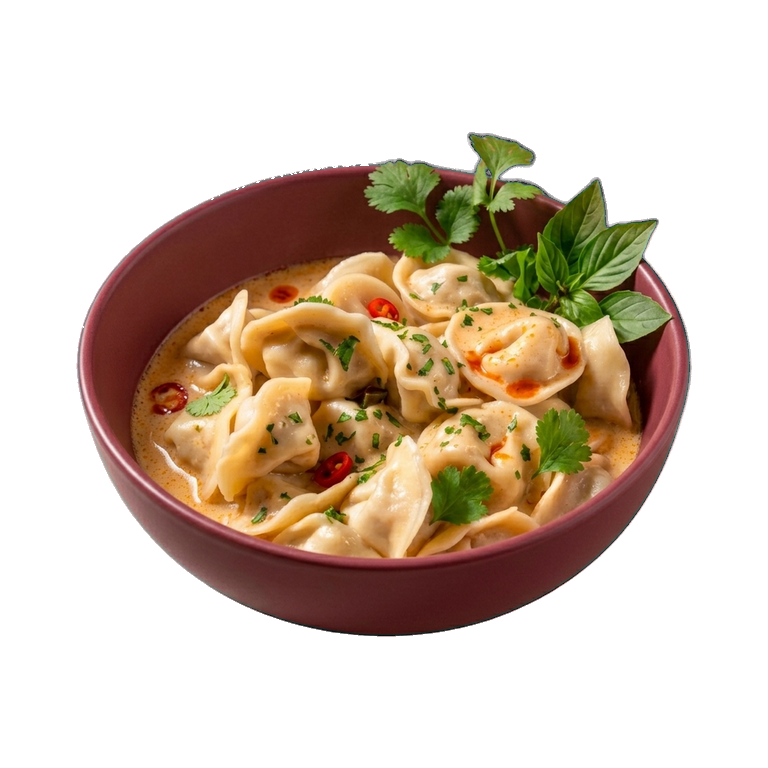
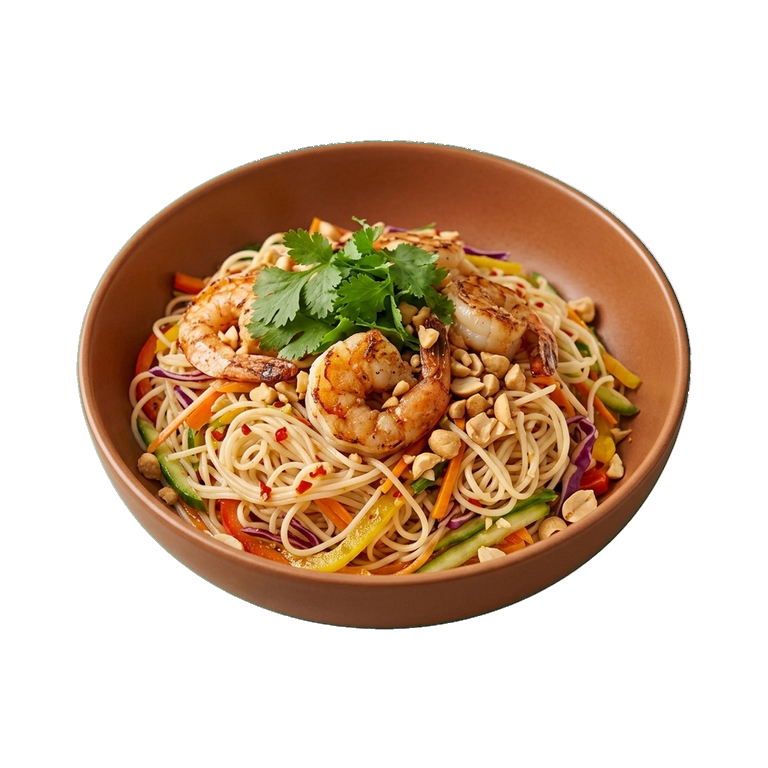
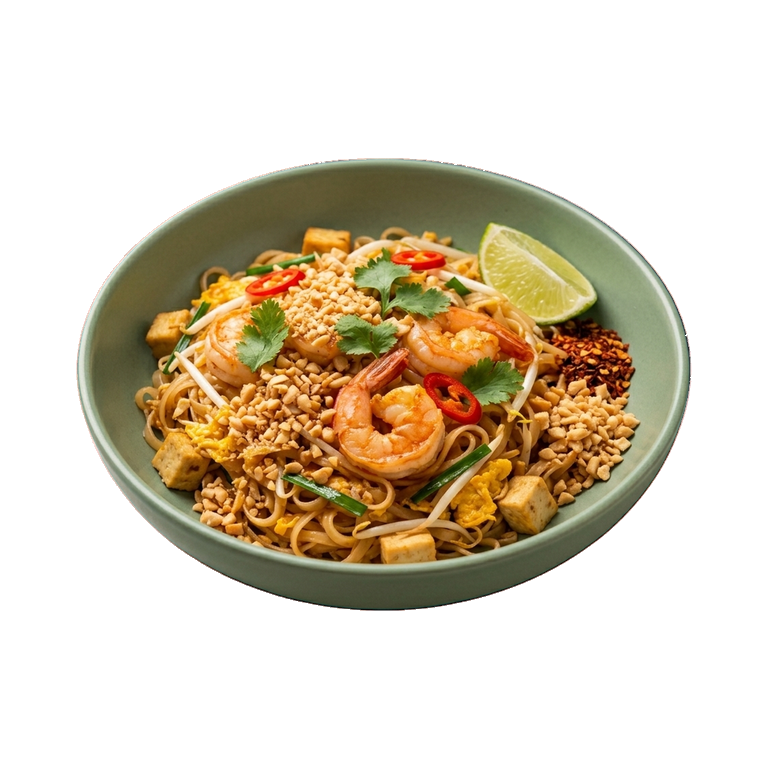
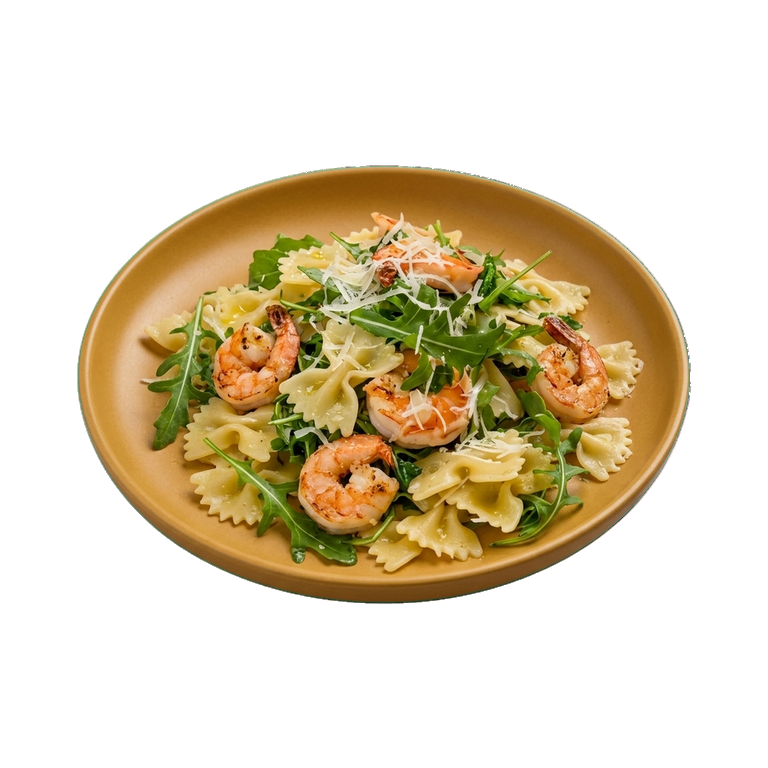
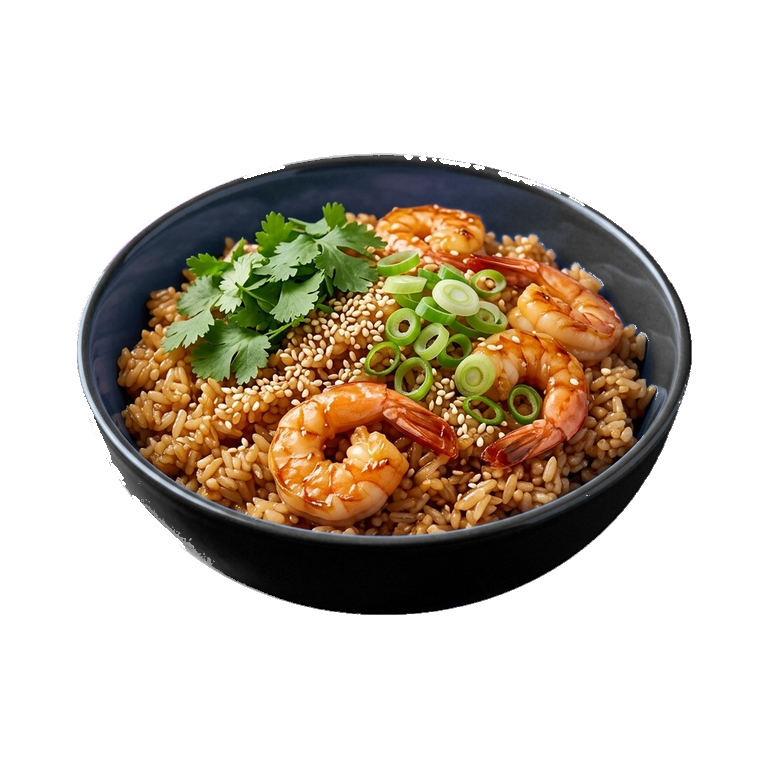
Shrimp pairs well with garlic, ginger, lemon, white wine, and spicy sauces. They work great in Asian cuisine with soy sauce and coconut milk, as well as in Mediterranean dishes with tomatoes and olive oil. Thanks to their neutral flavor, they don't compete with other ingredients but complement them.
Nutrition
per 100 g
- Calories
- 85 kcal
- Protein
- 18.1 g
- Fat
- 0.6 g
- Carbs
- 0.5 g
Micronutrients
per 100 g
Macronutrients
- Cholesterol
- 136 mg
- Water
- 81.28 g
Minerals
- Sodium
- 474.9 mg
- Potassium
- 145.9 mg
- Calcium
- 64.63 mg
- Magnesium
- 22.53 mg
- Phosphorus
- 190.6 mg
- Iron
- 0.52 mg
- Zinc
- 0.94 mg
- Copper
- 0.21 mg
- Manganese
- 0.03 mg
- Selenium
- 19.5 mcg
- Iodine
- 13.6 mcg
Vitamins
- Vitamin B12
- 1 mcg
Measures and weight
- 1 pcs
- 25 g
Measure calculator
- Weight
- 100 g
- Calories
- 85 kcal