Usuba
Usuba
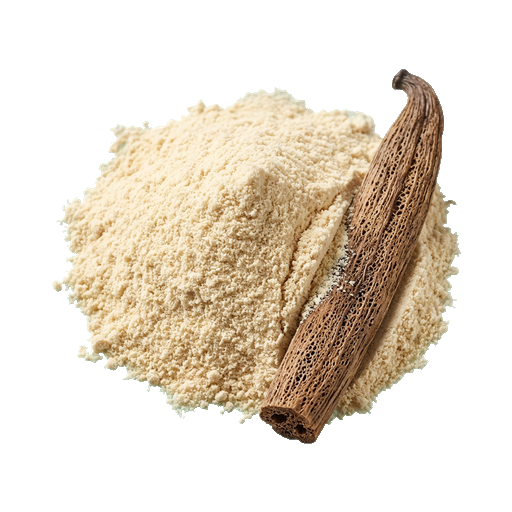
Vanillin
Vanillin is a synthetic flavoring that reproduces the aroma of natural vanilla but is more affordable and has a longer shelf life. It has a sweet, warm aroma with woody notes and is used in baking, desserts, creams, and beverages to impart a characteristic vanilla flavor. When choosing, pay attention to concentration — vanillin powder acts more intensely than solution form, so you need less of it, and excess can give a slightly bitter aftertaste.
About
Vanillin is a synthetic flavoring that reproduces the aroma and taste of natural vanilla. Unlike pods, it dissolves instantly, distributes evenly, and costs less. In the kitchen, vanillin works like magic: a few grams transform dough, cream, or sauce, giving them a recognizable sweetness and depth.
Aroma and Taste
Vanillin smells like classic vanilla — sweet, warm, and slightly powdery. The taste is pure, without bitterness, with a pleasant sweetness that doesn't overpower other ingredients but complements them. The powder is white, sometimes with a crystalline structure. When heated, the aroma opens up more fully, so in hot dishes its effect is felt more strongly than in cold ones.
Role in dishes
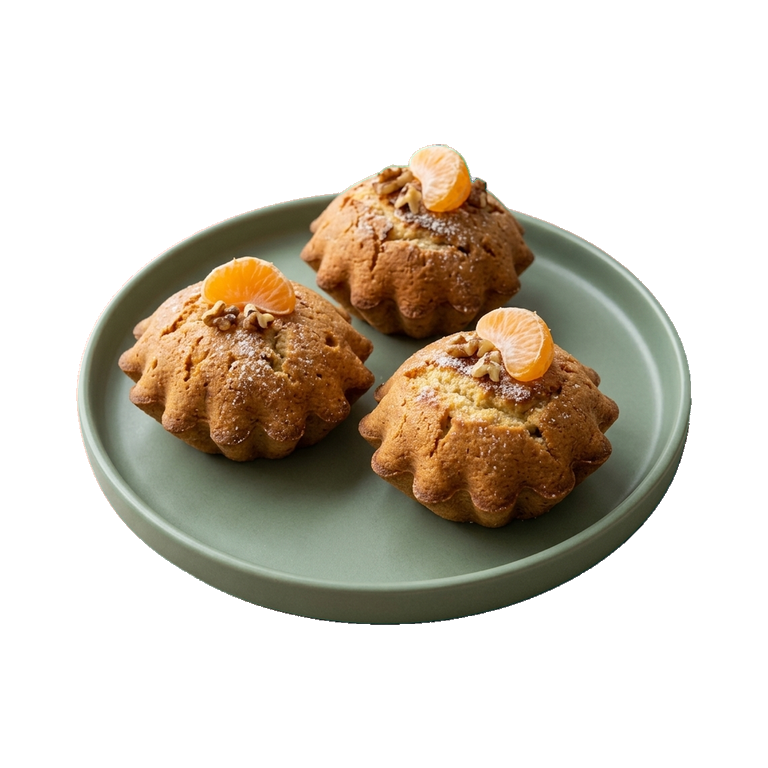
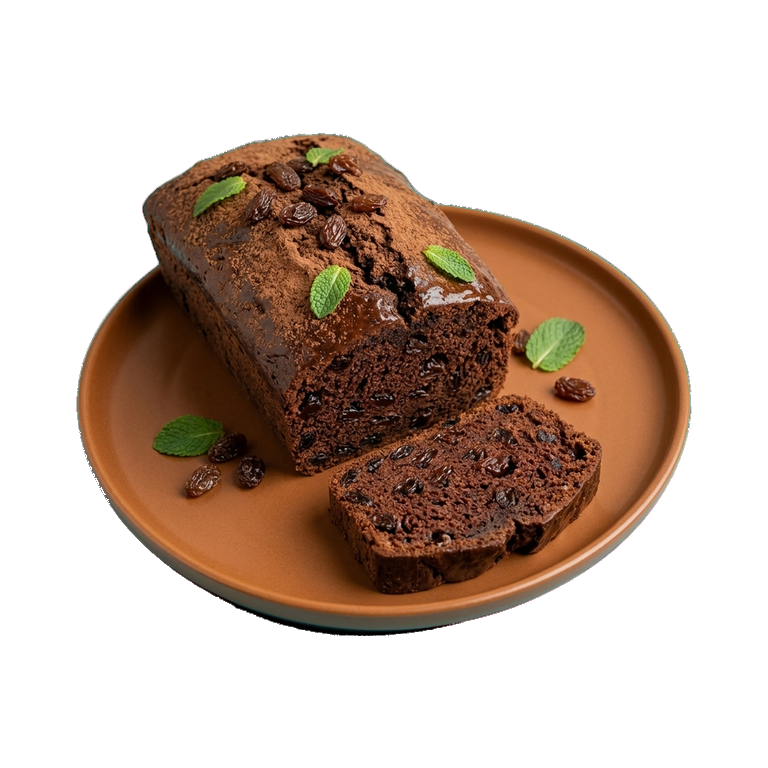
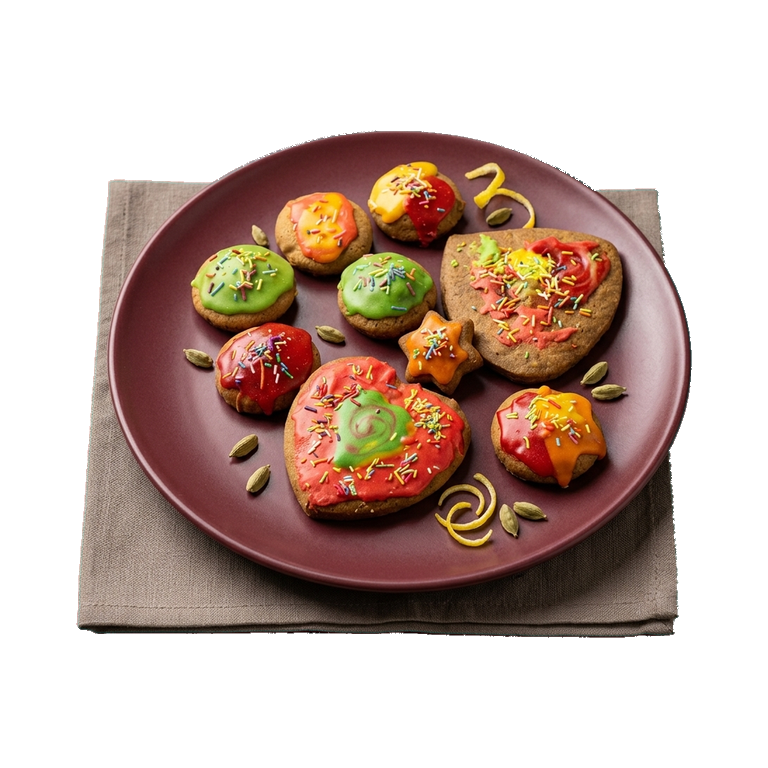
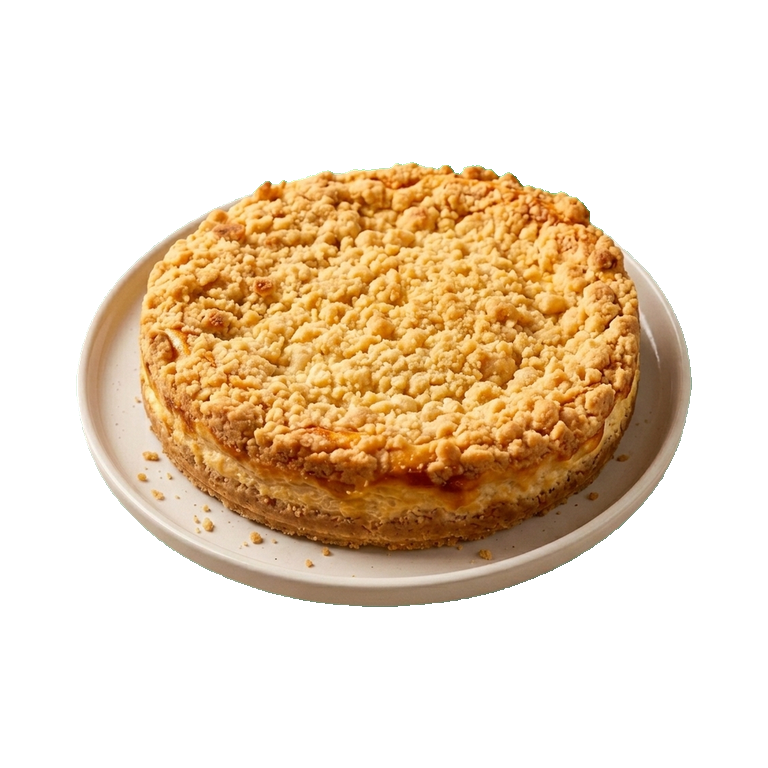
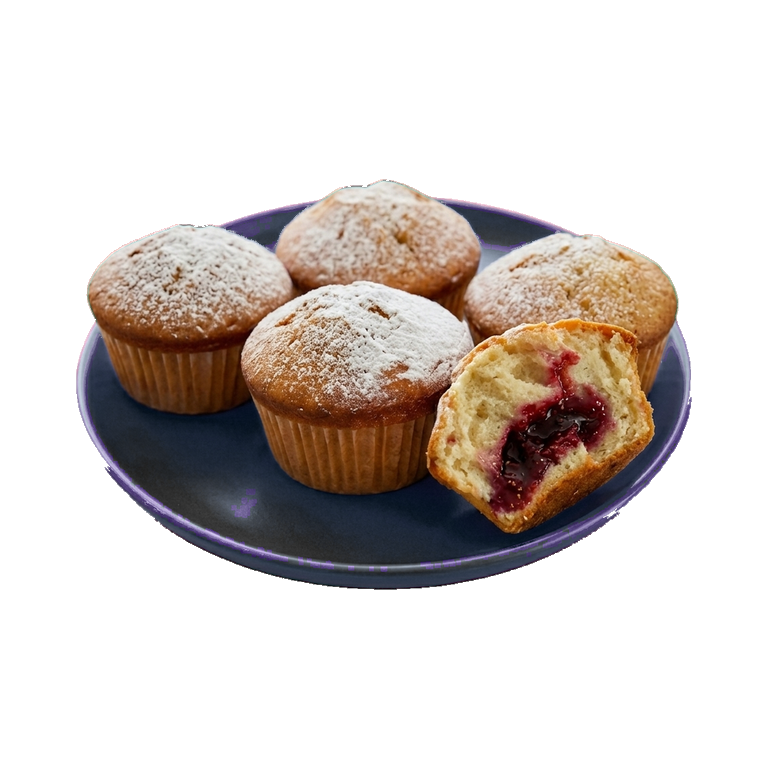
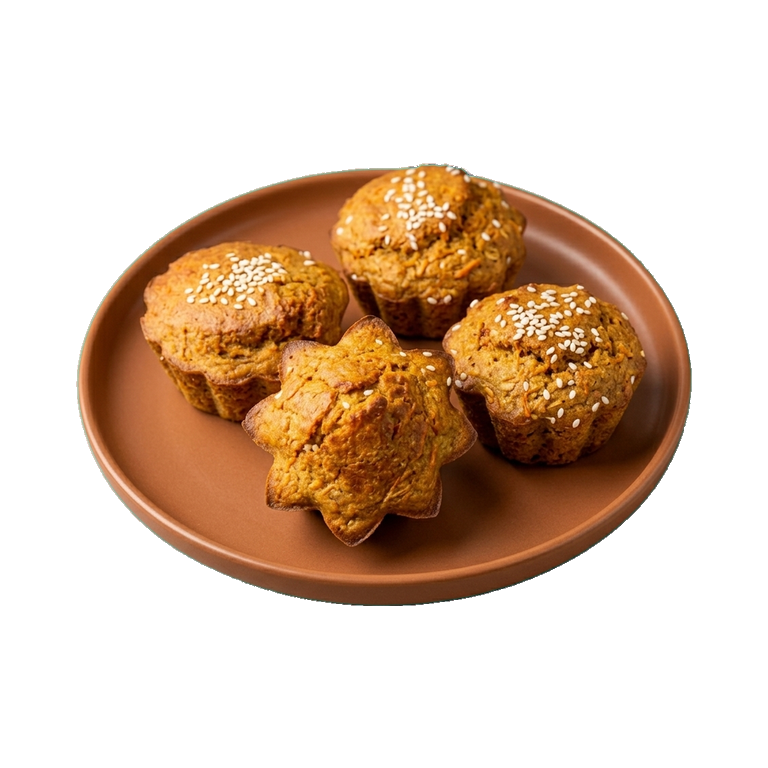
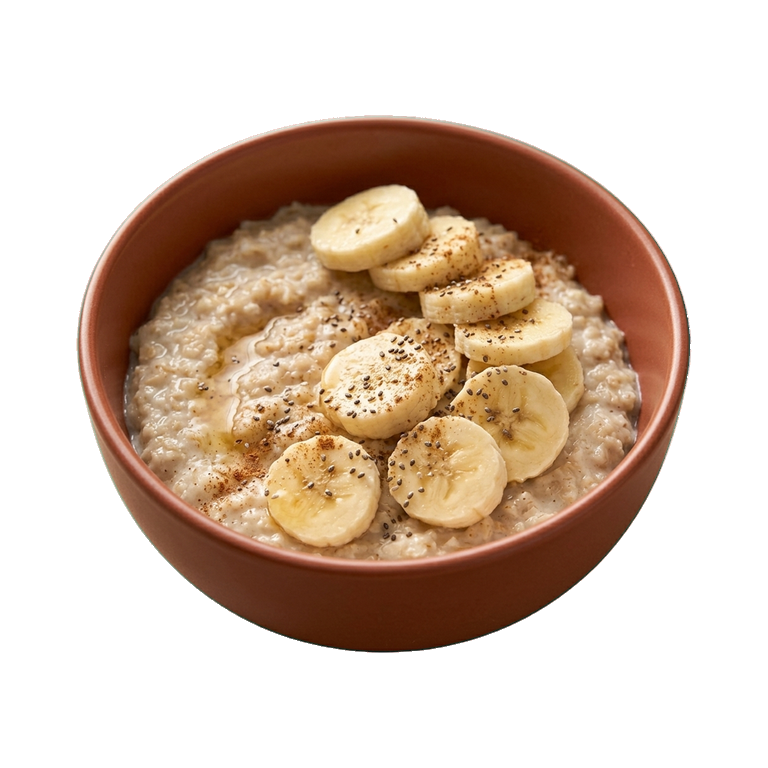
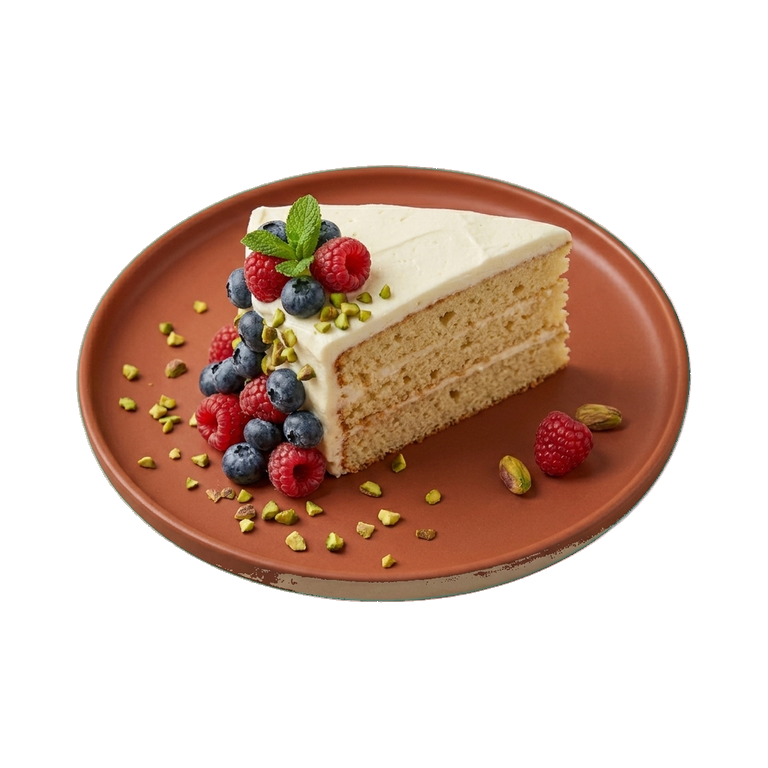
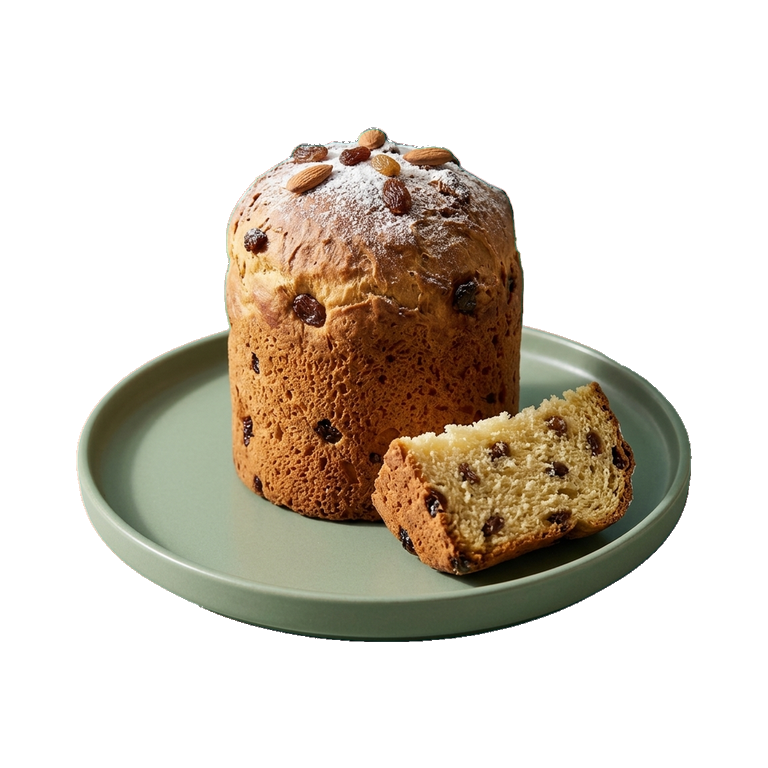
- Baking: cupcakes, cookies, gingerbread, sponge cakes — vanillin emphasizes the sweetness of the dough and makes the aroma more expressive
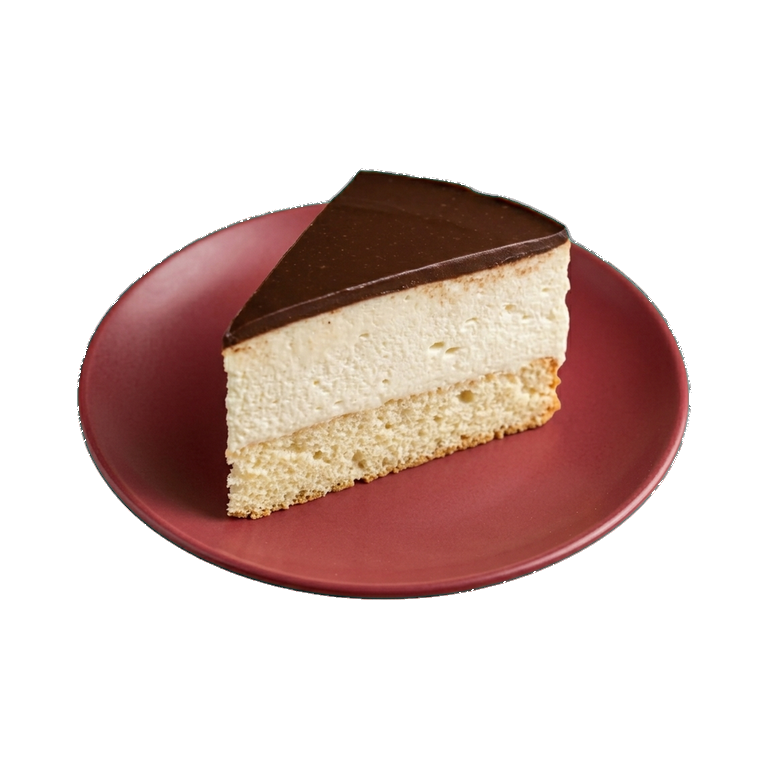
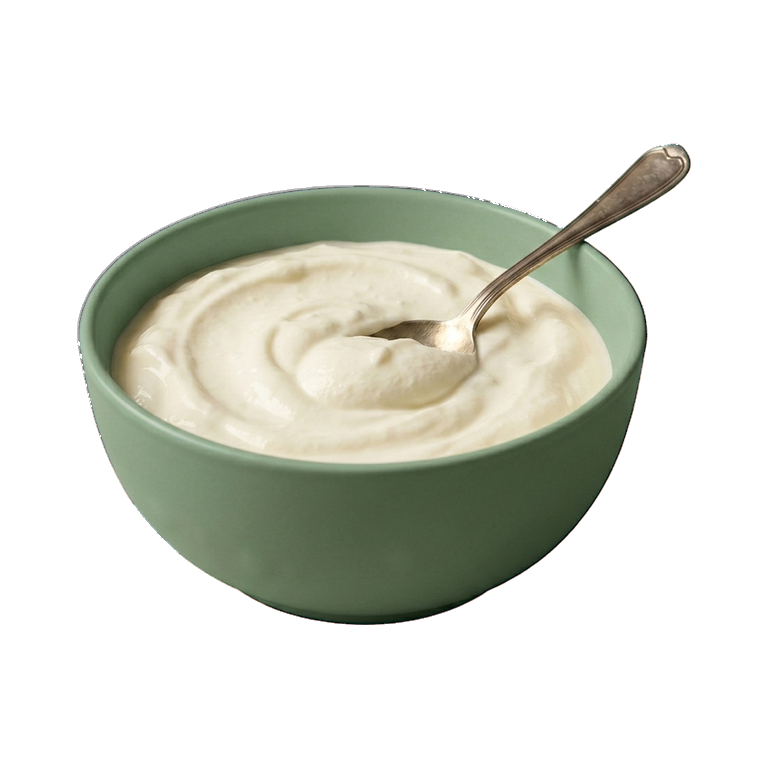
- Creams and mousse: added to butter creams, mousse, soufflé to give sophistication and character
- Beverages: milk cocktails, cocoa, hot chocolate become softer and more aromatic with vanillin
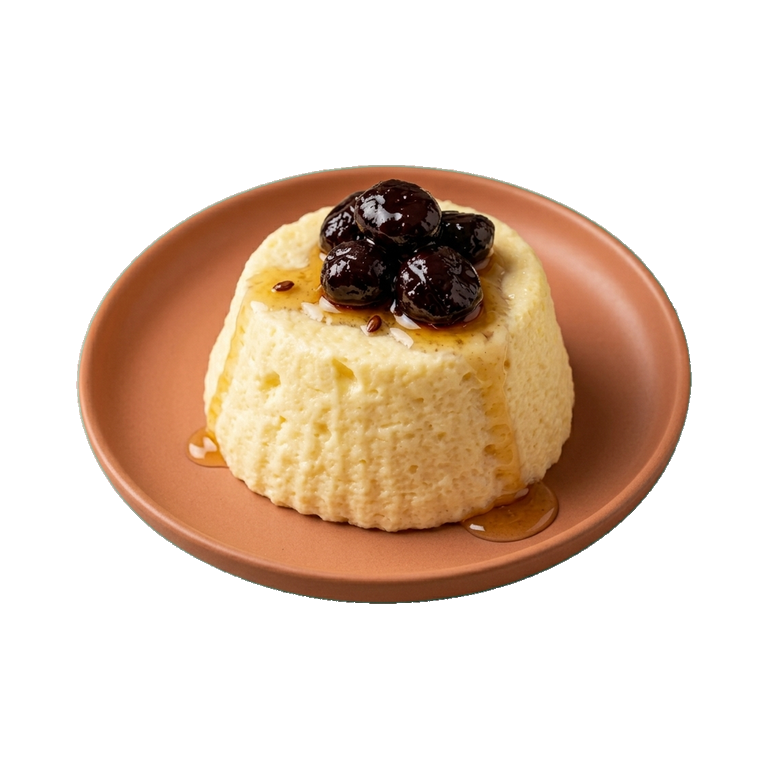
- Sweet sauces and glazes: a few grains transform simple syrup into a harmonious sauce
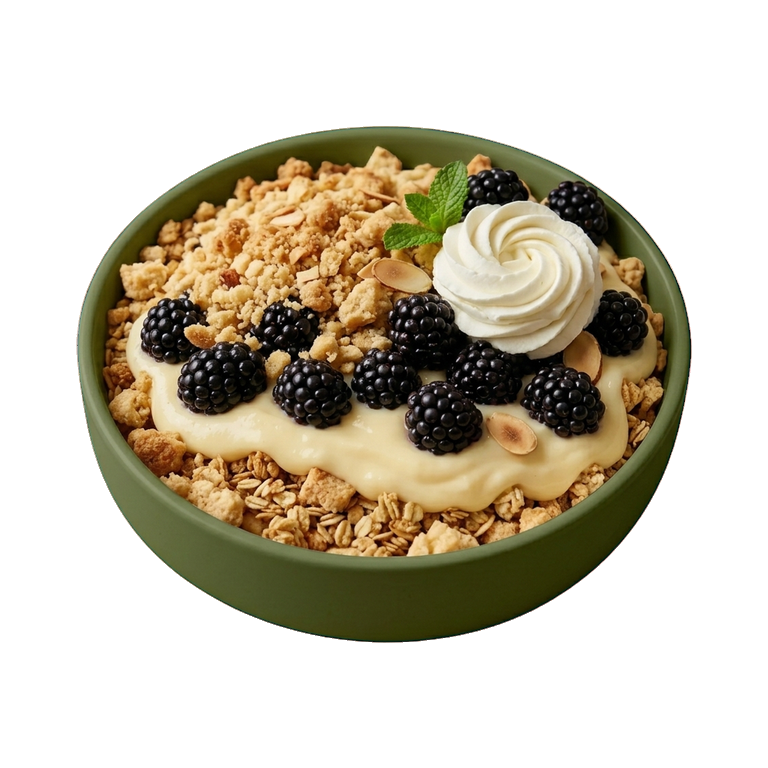
- Fruits and berries: when cooking compotes and jams, vanillin enhances the natural flavor of berries
Dosage and Combinations
Vanillin is a strong flavoring agent. Usually a quarter teaspoon per serving of dough or cream is enough. If you overdo it, the taste becomes chemical and unpleasant. Start small and add to taste. Vanillin pairs excellently with cinnamon, cardamom, cloves, and nutmeg. With cocoa and chocolate, it creates a classic combination. It works well with lemon and orange — citric acid highlights its sweetness.
Selection and Storage
When purchasing, pay attention to the color: good vanilla is white or cream-colored, without yellow coating. The smell should be pronounced and pleasant. Avoid clumps and stuck particles — these are signs of improper storage or humidity. Vanilla is stored in a tightly closed jar in a dark, cool place away from sunlight. With proper storage, it retains its aroma and properties for a year or two. Powder is easier to dose than pods, and it will never disappoint you with uneven flavor.
Practical tip
If you're making cream or mousse, add vanilla extract at the end when the mixture is almost ready. This will keep the aroma more vibrant. For baking, you can mix vanilla extract with sugar a few minutes before adding it to the dough — this will help distribute it more evenly.
Nutrition
per 100 g
- Calories
- 0 kcal
- Protein
- 0 g
- Fat
- 0 g
- Carbs
- 0 g
Measures and weight
- 1 tbsp
- 12 g
- 1 tsp
- 4 g
- 1 cup
- 200 g
- 1 pcs
- 1.5 g
Measure calculator
- Weight
- 100 g
- Calories
- 0 kcal