Usuba
Usuba
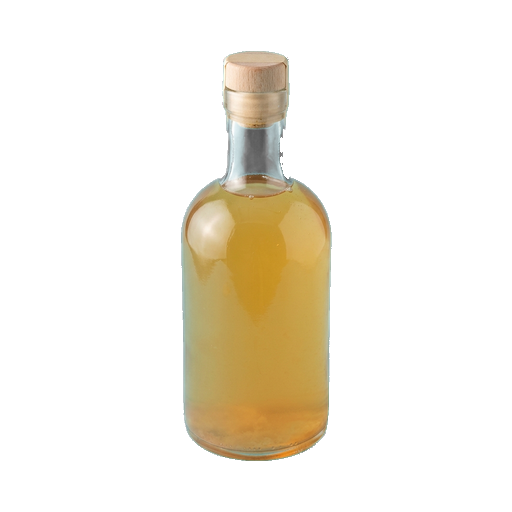
Vinegar
An acidic liquid obtained from alcohol through fermentation, which serves as a preservative and flavor enhancer in cooking. Used in marinades, sauces, dressings, and for pickling vegetables, adding piquancy and sharpness to dishes. When choosing, it is important to pay attention to acidity (typically 3–9%) and origin — wine, apple, or malt vinegars have different flavor profiles and are better suited for specific dishes.
About
Aroma and Taste
Vinegar is not just an acid in a bottle, but a full-fledged ingredient with character. Its sharp, piercing acidity is capable of awakening taste receptors and giving a dish depth. The smell of vinegar is pungent and recognizable, but when used correctly, it does not overwhelm but reveals other aromas. Depending on the type — wine, apple, rice, or white — vinegar brings its own nuances: from fruity hints to subtle sweetness.
Role in dishes
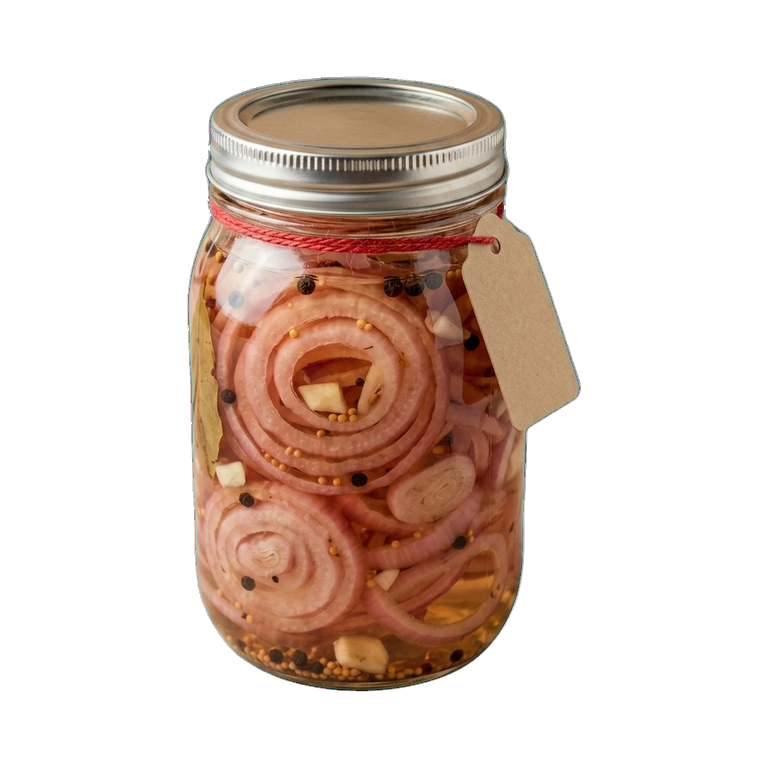
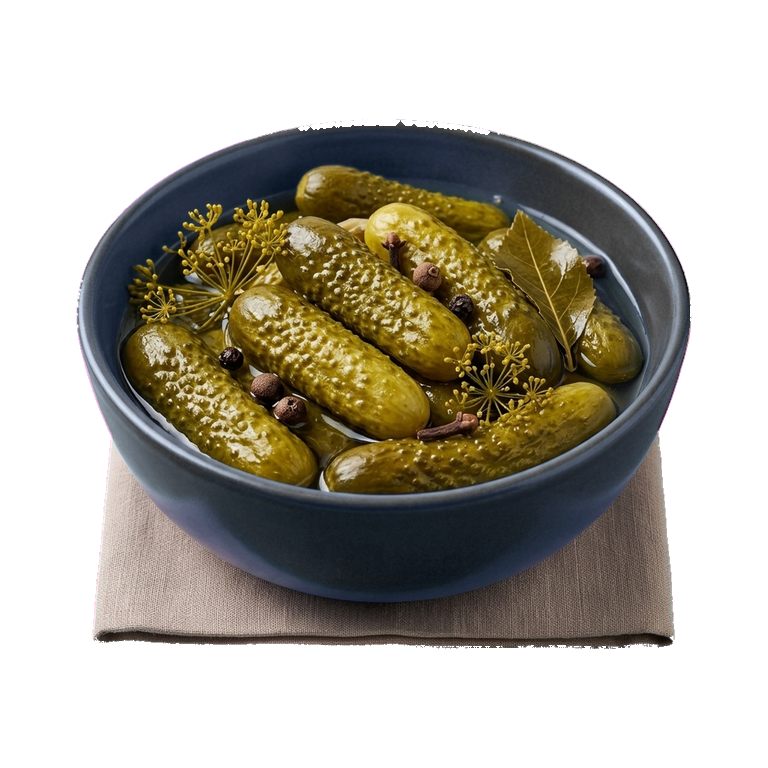
Vinegar works in the kitchen on several levels at once. It is a preservative — helping to extend the life of vegetables and fruits in marinades. It is an acidic agent — balancing the richness of meat dishes and creamy sauces. It is a marinade — softening meat fibers and changing the structure of vegetables. And it is a seasoning — the final drops added to a finished dish often provide exactly what was missing.
Pairings and uses
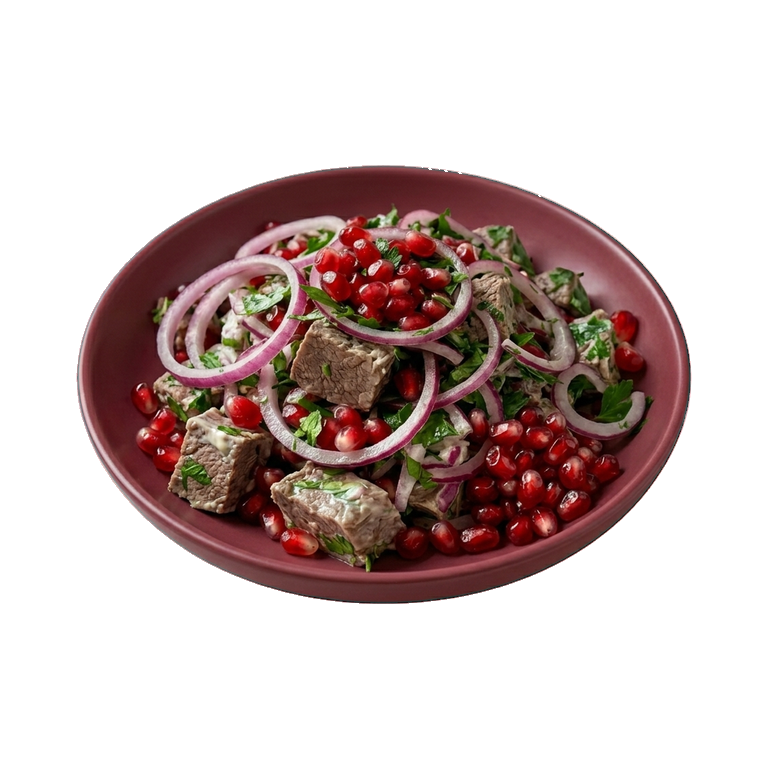
- Wine vinegar is great in salad dressings, with red meat and in game sauces
- Apple vinegar is used in marinades, with fresh vegetables and in light beverages
- White vinegar is essential for preserving and in dishes where sauce transparency is important
- Rice vinegar is milder in acidity, suitable for Asian dishes and sushi
- Balsamic vinegar is almost syrup, used as a final touch for drizzling and adding gloss
Selection and Storage
When purchasing, pay attention to the strength — it is usually 5–9% acidity. The higher the percentage, the sharper the taste, but this is not always better. For everyday use, standard 5–6% is suitable. Store vinegar in a glass bottle in a dark place at room temperature — it practically does not spoil and can only improve over time. An open bottle can sit for years, the main thing is to seal the cap tightly so that the acid does not evaporate.
Dosage and Advice
Start small — vinegar is easy to overdo. For a salad dressing for four servings, a teaspoon will suffice. In marinades, it works in a ratio of approximately 1 part vinegar to 3–4 parts liquid. If you've overdone the acidity in a finished dish, rescue it with a pinch of sugar or add some cream. And remember: vinegar is best added at the end of cooking or right before serving, so its aroma stays vibrant and doesn't cook away.
Nutrition
per 100 ml
- Calories
- 18 kcal
- Protein
- 0 g
- Fat
- 0 g
- Carbs
- 0.9 g
Measures and weight
- 1 tbsp
- 15 g
- 1 tsp
- 5 g
- 1 cup
- 250 g
Measure calculator
- Weight
- 100 g
- Calories
- 18 kcal