Usuba
Usuba
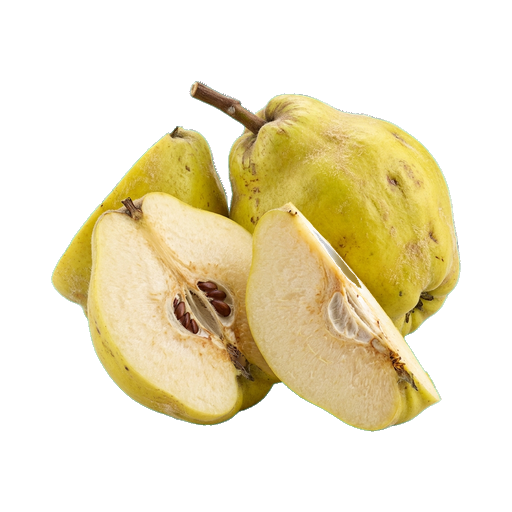
Quince
Quince is a hard fruit with an astringent taste and intense aroma reminiscent of a blend of pear, apple, and floral notes. Raw quince is virtually inedible due to its tartness, but when heat-treated it becomes soft and sweet, acquiring a pinkish hue. Quince is used for jams, compotes, and fruit pastes, and as an accompaniment to meat dishes. When selecting quince, pay attention to its density and the absence of skin damage.
Micronutrients
per 100 g
Minerals
About
Quince is a fruit that at first glance seems like a simple apple or pear, but in reality it's quite a different beast. Hard, often bumpy, with yellow or golden skin, it's almost inedible in its raw form. But once you process it, it reveals itself in a completely different way: it becomes soft, aromatic, and sweet. Quince demands respect and time, but it rewards the cook with a deep, complex flavor that you won't confuse with anything else.
Aroma and Flavor
Raw quince smells intensely and somewhat strangely — a mixture of floral notes with a herbal undertone. When you cook or stew it, the aroma becomes sweeter and rounder, simultaneously reminiscent of rose, honeydew, and a light spice. The taste of cooked quince is sweetness with a slight astringency, dense, almost meaty consistency. Never watery, always noble.
Role in dishes
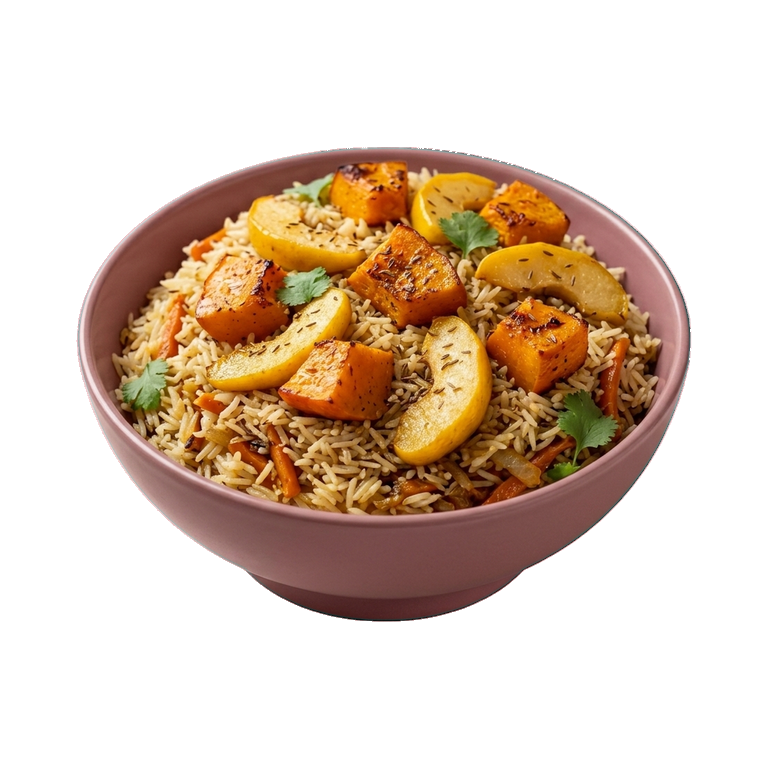
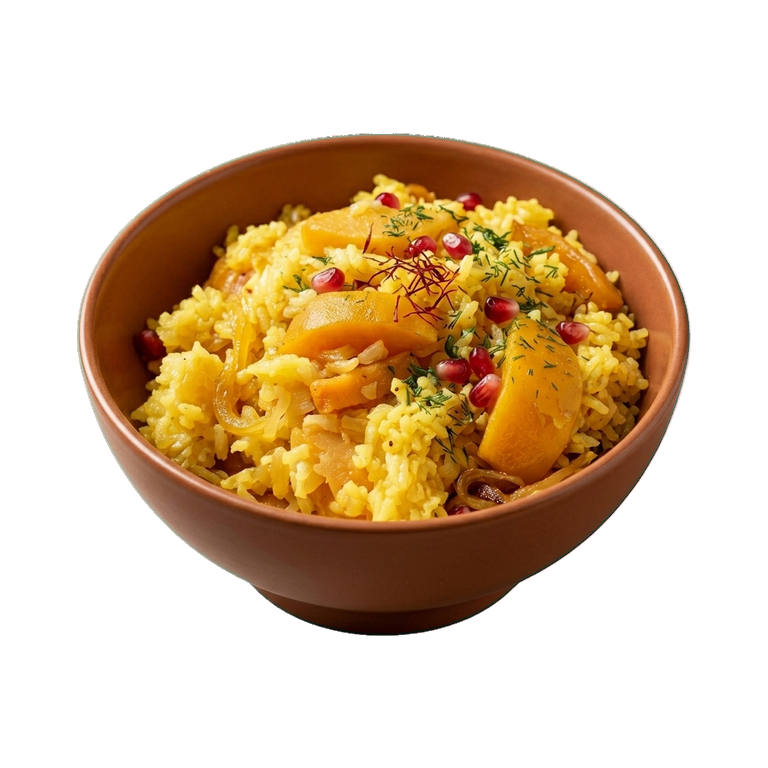
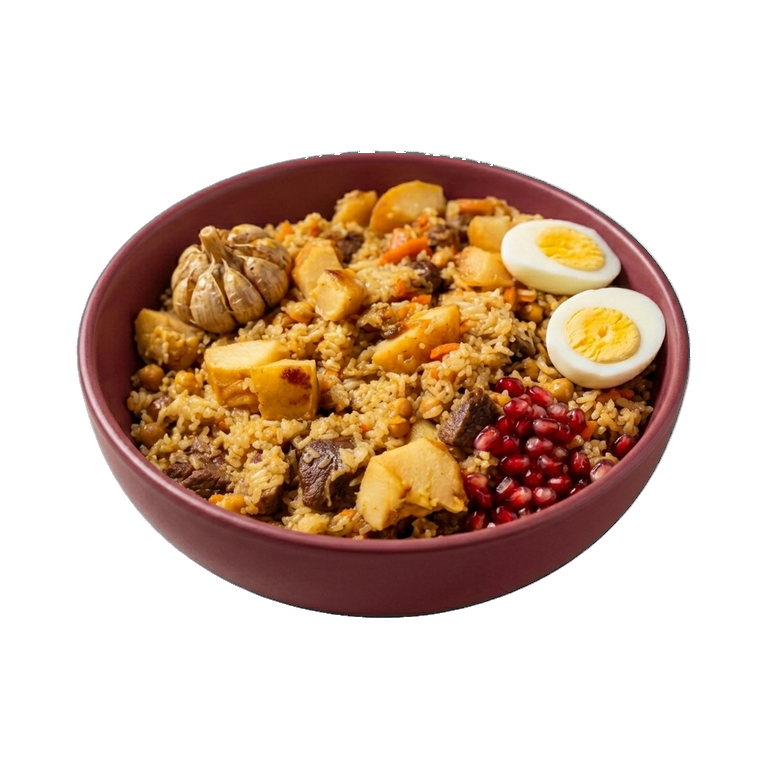
Quince is not a primary ingredient, but rather a helper that enhances and ennobles other flavors. It is cooked with meat, especially with poultry and game, to add sweetness and acidity at the same time. From it, jam, compote, and paste are made — products that store for a long time and work in both sweet and meat dishes. Quince is stewed with vegetables, added to pilaf, and prepared with sauces for meat.
What pairs well
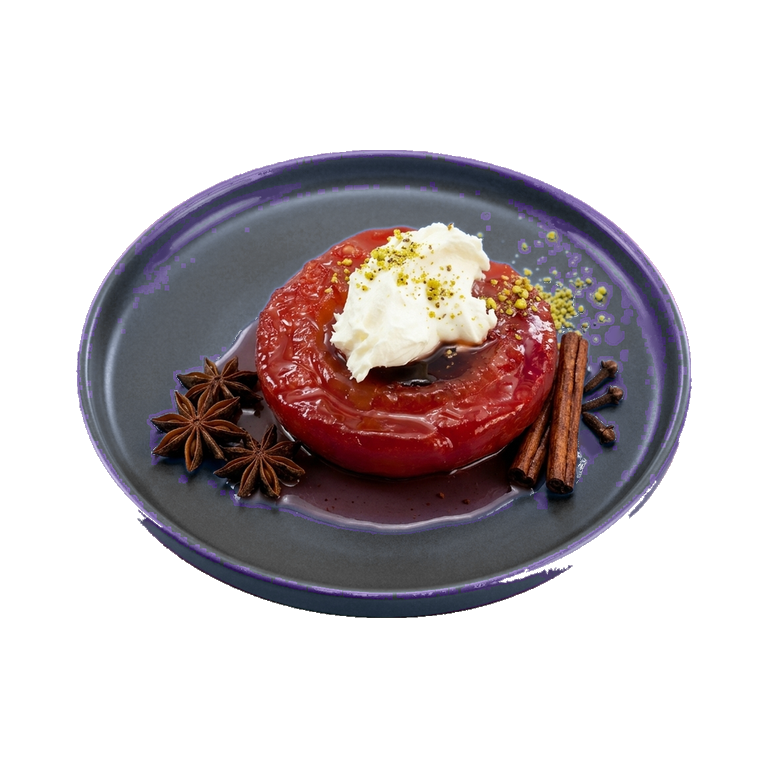
- Spices: cinnamon, clove, anise, ginger — they highlight the floral notes of quince
- Meat: duck, goose, lamb, beef — quince cuts through the richness and adds depth
- Nuts: walnuts, almonds, pistachios — contrast in texture and taste
- Other fruits: apple, pear, apricot — create a layered flavor in compotes and jams
- Honey and sugar: enhance sweetness and help during cooking
How to Choose and Store
Choose quince by its aroma: a strong, pleasant fragrance is a sign of ripeness. The fruit should be firm, without soft spots. The color should be yellow or golden, sometimes with a slight reddish blush. If the quince is greenish, give it time to ripen at room temperature. Quince stores well: in a cool place (cellar, refrigerator) it can last for months. Before using, wash it thoroughly with a brush to remove the gray coating from the skin.
Preparation for cooking
You can't simply slice quince and put it in a pot. First, you need to get rid of the tough skin — cut it off with a knife or a vegetable peeler. Inside you'll find hard flesh and large seeds in the center — remove the seeds completely. Cut the quince into large chunks or wedges, depending on the dish. If you're making jam or paste, you can leave the skin on, but then it will take longer to cook. Some chefs cook quince whole until soft, and then process it afterwards.
Practical Tips
- Quince takes a long time to cook — at least half an hour, often an hour or more. Don't rush
- If cooking with meat, add quince at the end, not at the beginning, so it doesn't fall apart
- Quince juice can stain your hands — this is normal and washes off easily
- Quince jam turns out dense and holds its shape — perfect for desserts and side dishes
- Frozen quince loses its structure, so it's better to cook it fresh or process it right away
Quince is an ingredient for those who are not afraid to experiment and willing to invest time. It doesn't rush, it doesn't forgive carelessness, but ultimately it gives a dish such depth and nobility that no other fruit can provide. Try it at least once — and you will understand why it has been valued for centuries.
Nutrition
per 100 g
- Calories
- 57 kcal
- Protein
- 0.4 g
- Fat
- 0.1 g
- Carbs
- 15.3 g
Micronutrients
per 100 g
Macronutrients
- Fiber
- 1.9 g
- Saturated fat
- 0.01 g
- Monounsaturated fat
- 0.036 g
- Polyunsaturated fat
- 0.05 g
- Omega-3 (EPA + DHA)
- 0 g
- Cholesterol
- 0 mg
- Water
- 83.8 g
Minerals
- Sodium
- 4 mg
- Potassium
- 197 mg
- Calcium
- 11 mg
- Magnesium
- 8 mg
- Phosphorus
- 17 mg
- Iron
- 0.7 mg
- Zinc
- 0.04 mg
- Copper
- 0.13 mg
- Selenium
- 0.6 mcg
Vitamins
- Vitamin A (RAE)
- 2 mcg
- Vitamin C
- 15 mg
- Vitamin B1 (thiamin)
- 0.02 mg
- Vitamin B2 (riboflavin)
- 0.03 mg
- Vitamin B3 (niacin)
- 0.2 mg
- Vitamin B5 (pantothenic acid)
- 0.08 mg
- Vitamin B6
- 0.04 mg
- Vitamin B9 (folate, DFE)
- 3 mcg
- Vitamin B12
- 0 mcg
Measures and weight
- 1 pcs
- 250 g
Measure calculator
- Weight
- 100 g
- Calories
- 57 kcal