Usuba
Usuba
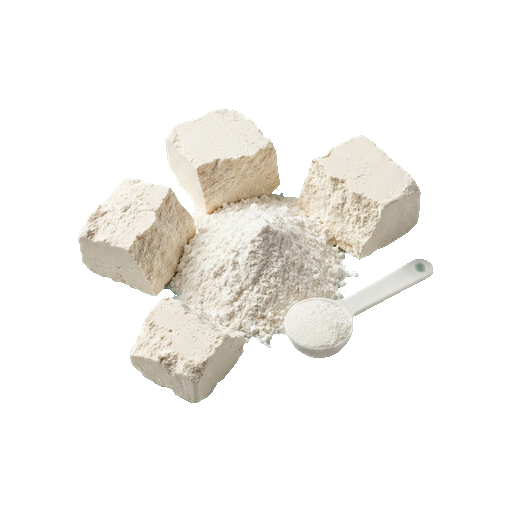
Baking powder
Baking powder is a mixture of baking soda with acidic components and starch that releases carbon dioxide gas when it comes into contact with moisture and heat, creating bubbles in the dough. This makes baked goods fluffy and airy with an even porous structure. When choosing baking powder, it's important to check the expiration date, as it loses its effectiveness over time. If substituting with baking soda, keep in mind that baking soda requires an acidic component in the recipe and works differently.
About
A leavening agent is a mixture that makes dough rise and become airy. It works simply: when it comes into contact with moisture and heat, it releases carbon dioxide, creating bubbles that make baked goods light and fluffy. It's not magic, but ordinary chemistry that transforms dense dough into tender crumb.
When and why to use it
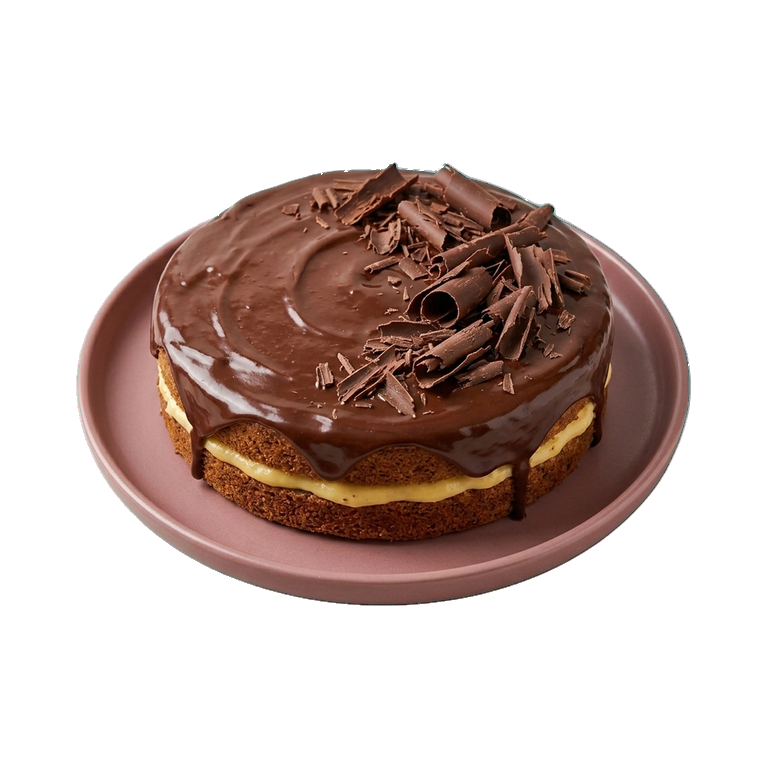
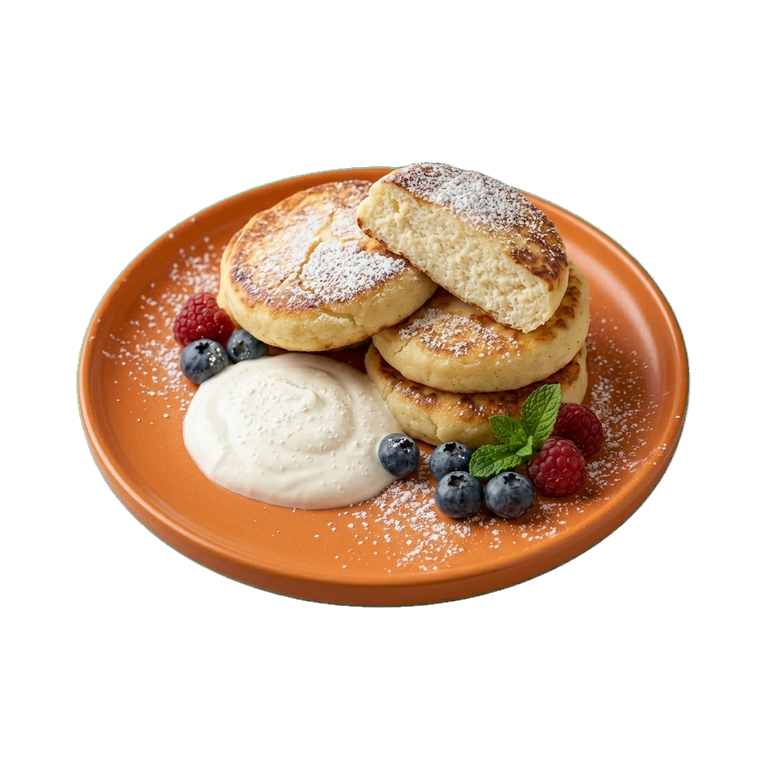
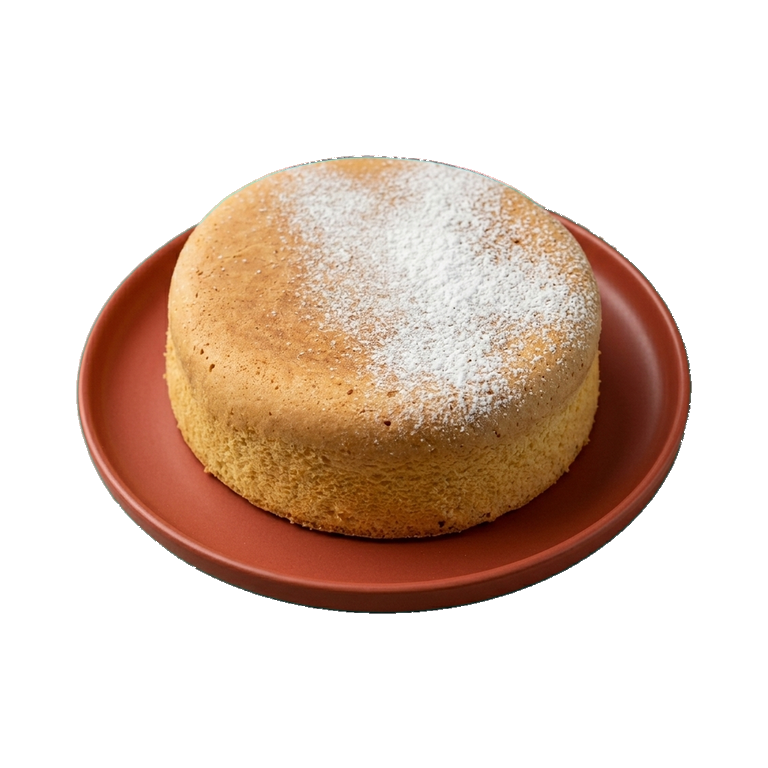
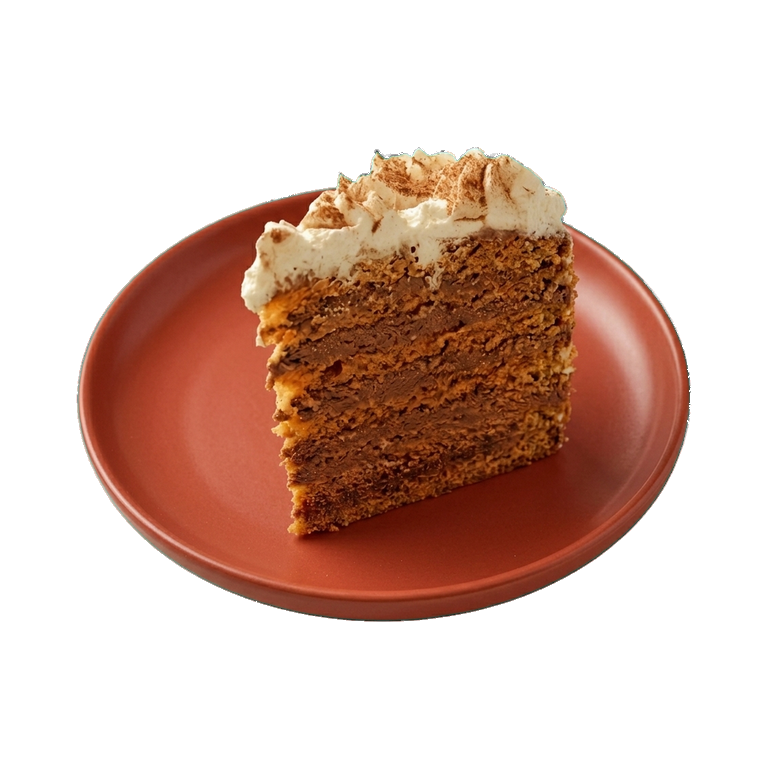
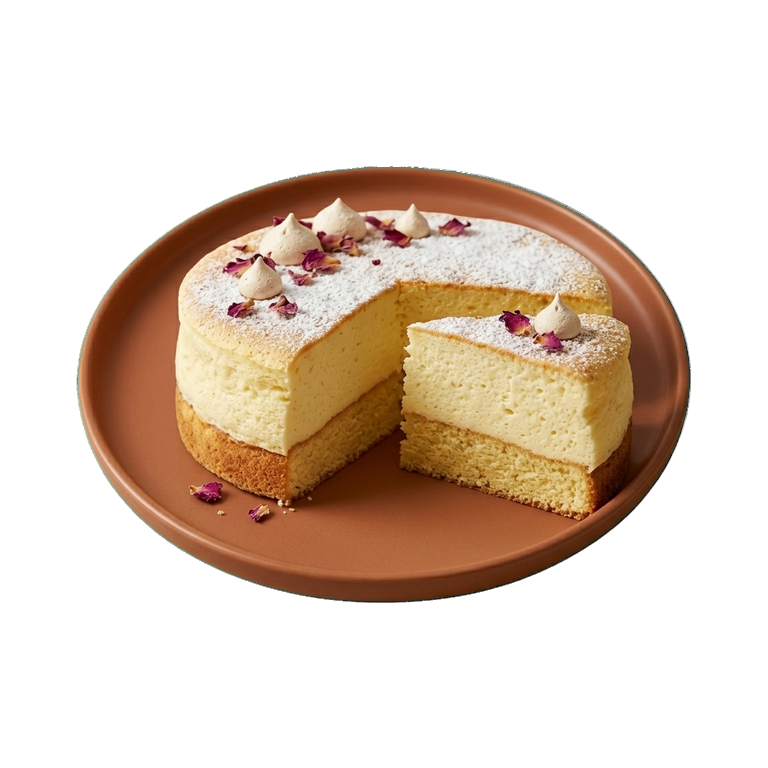
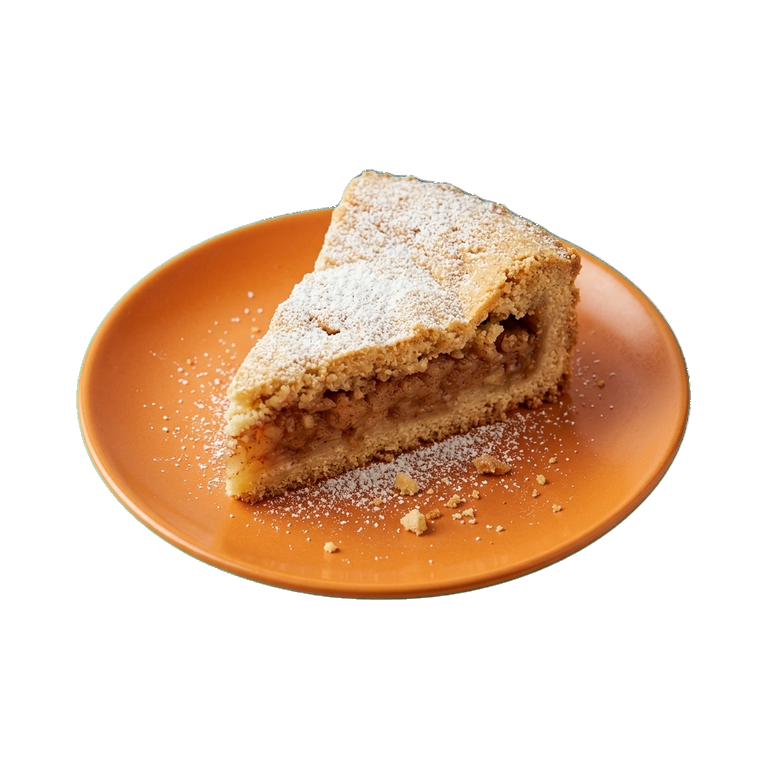
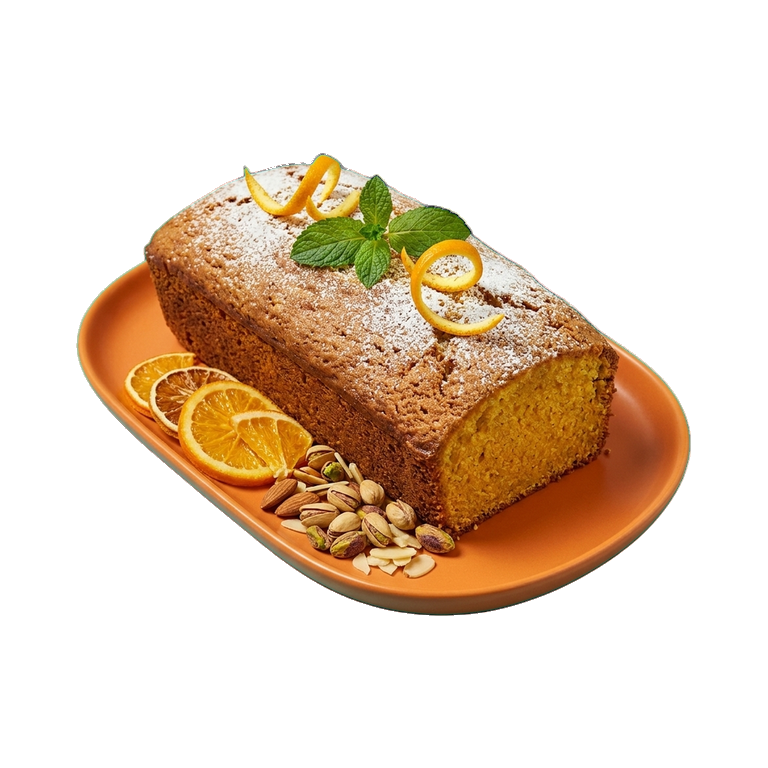
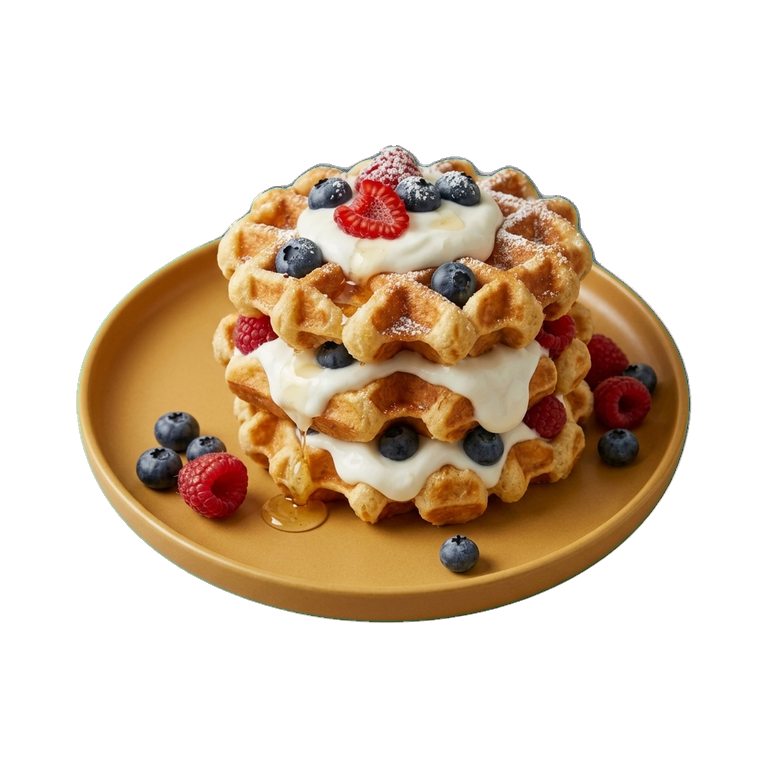
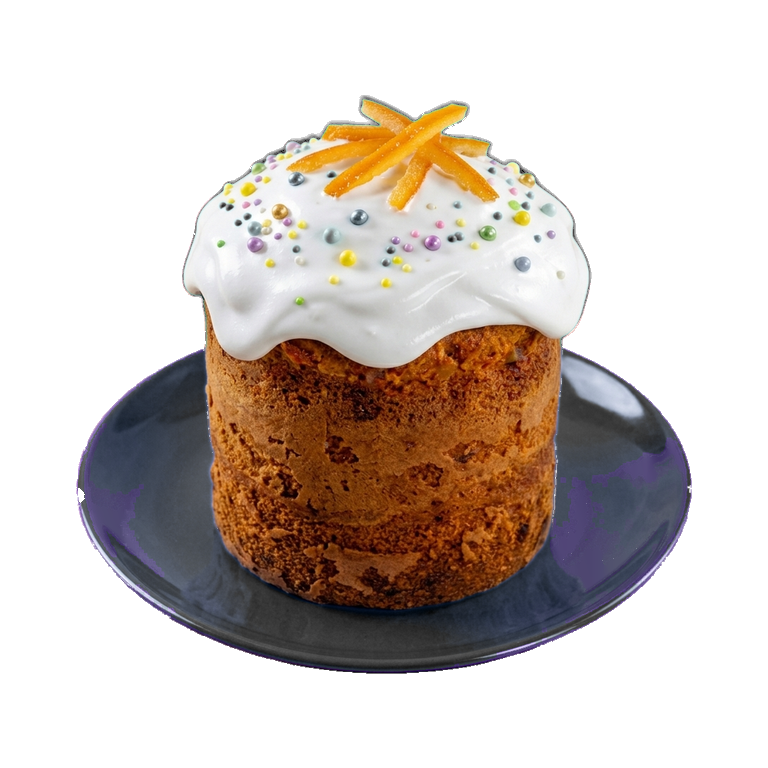
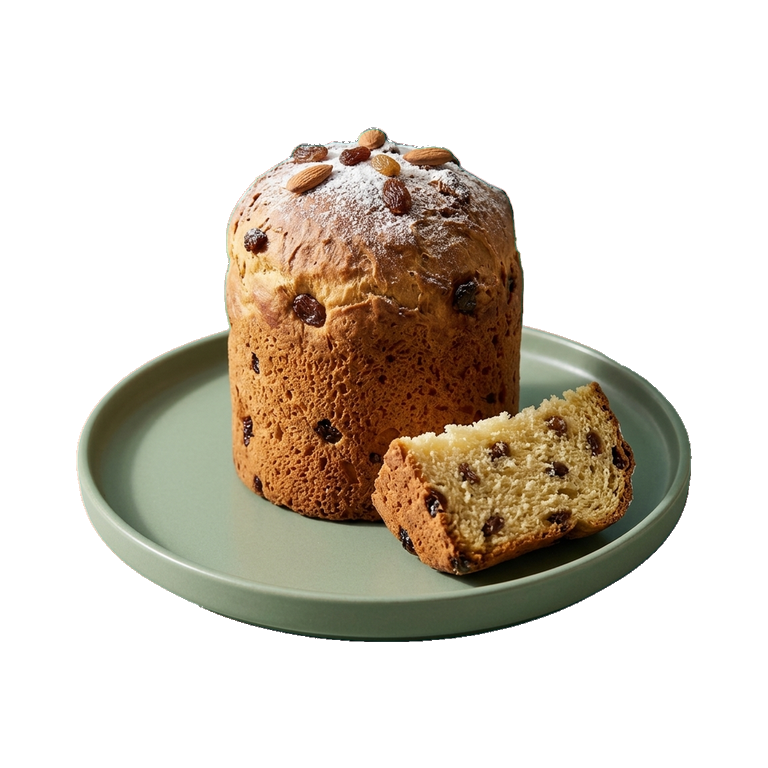
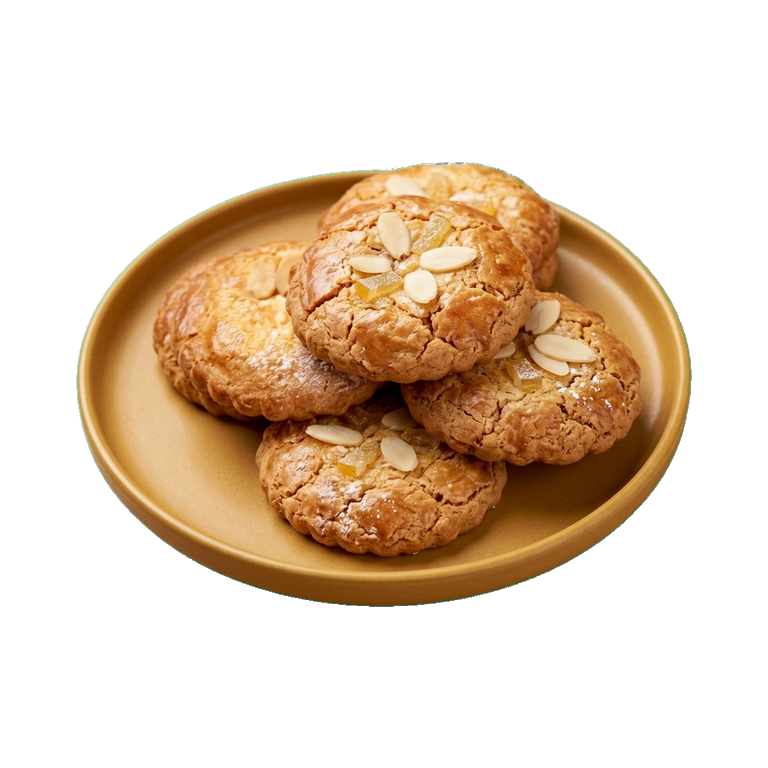
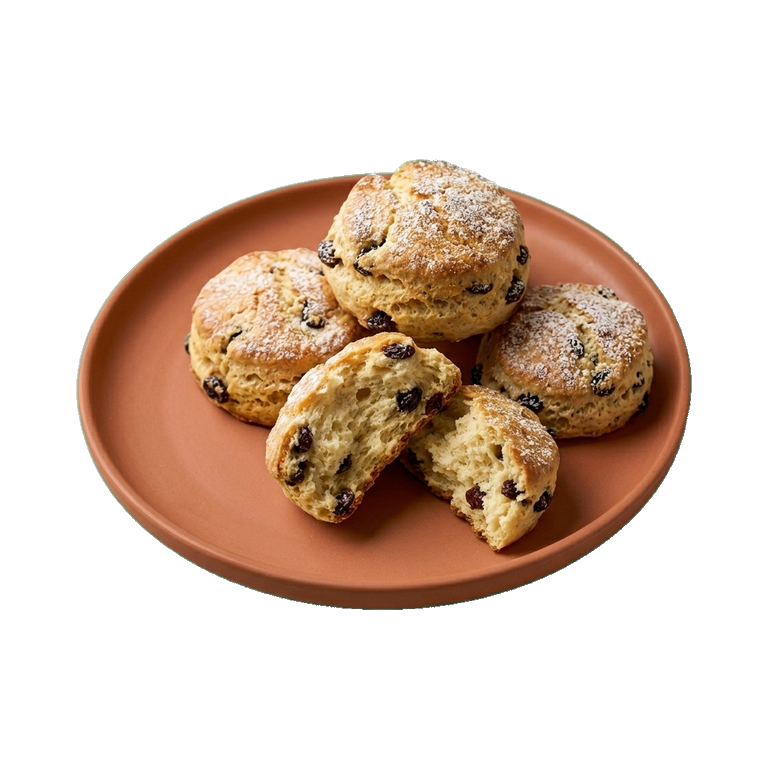
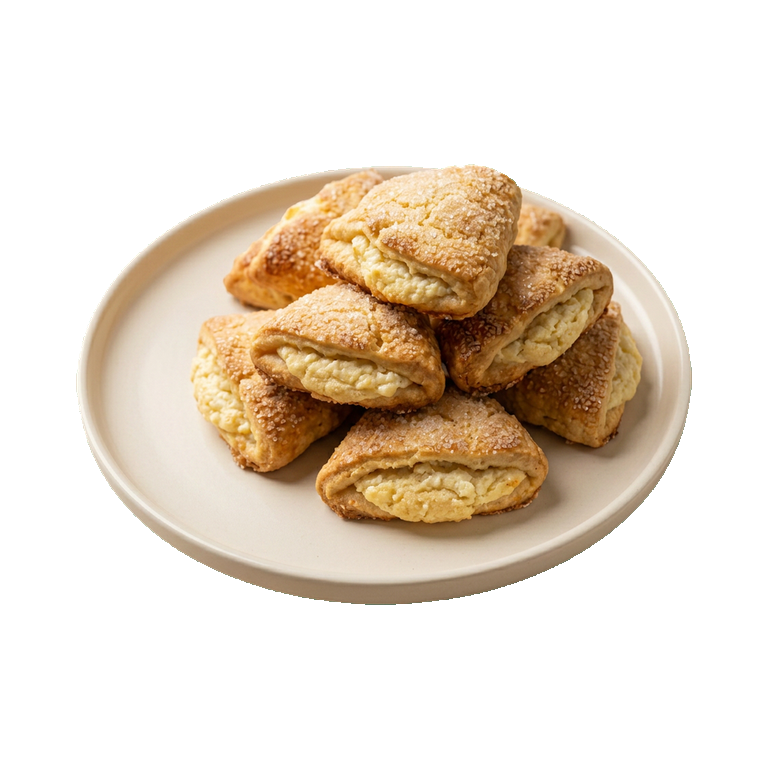
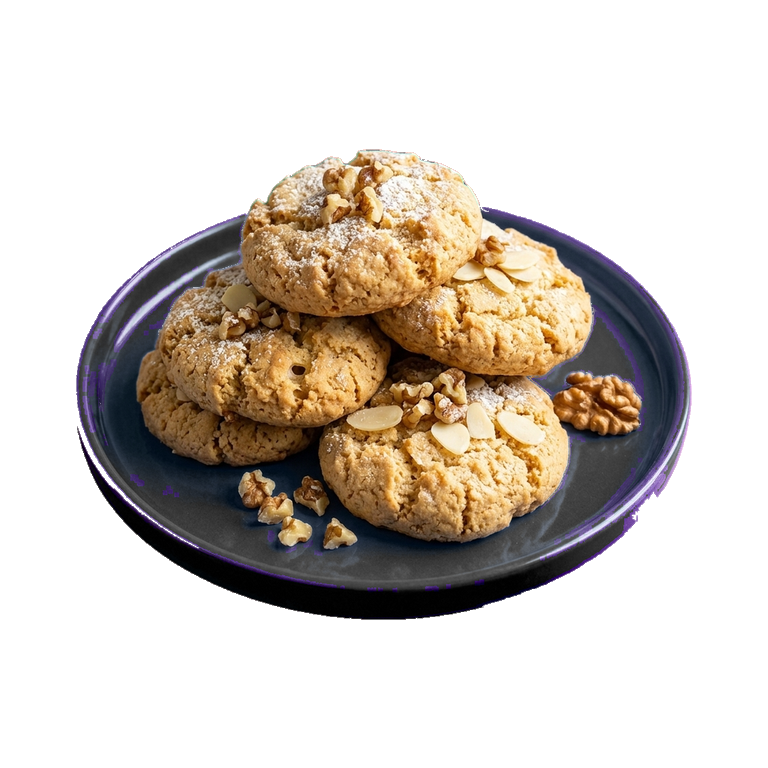
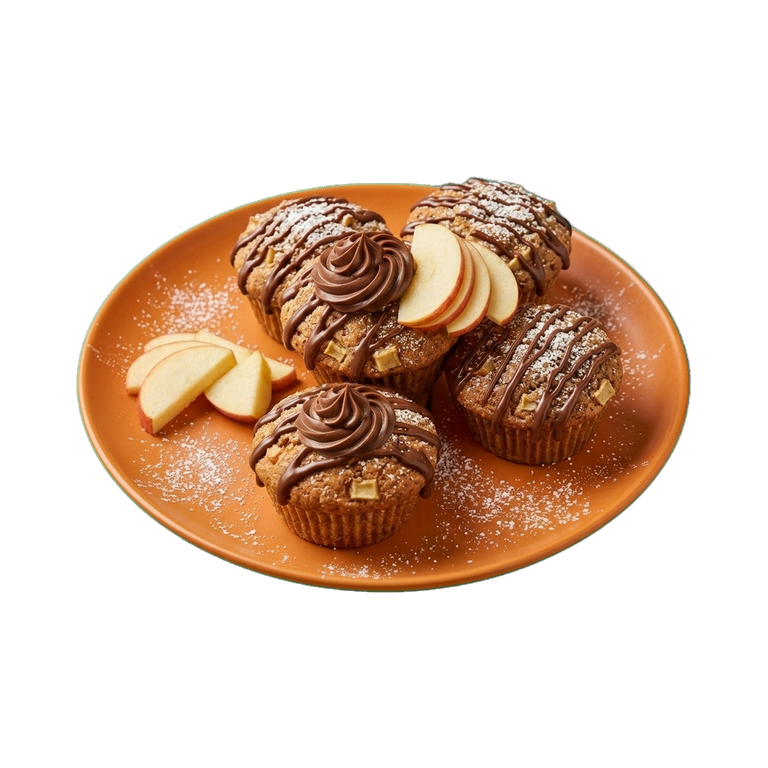
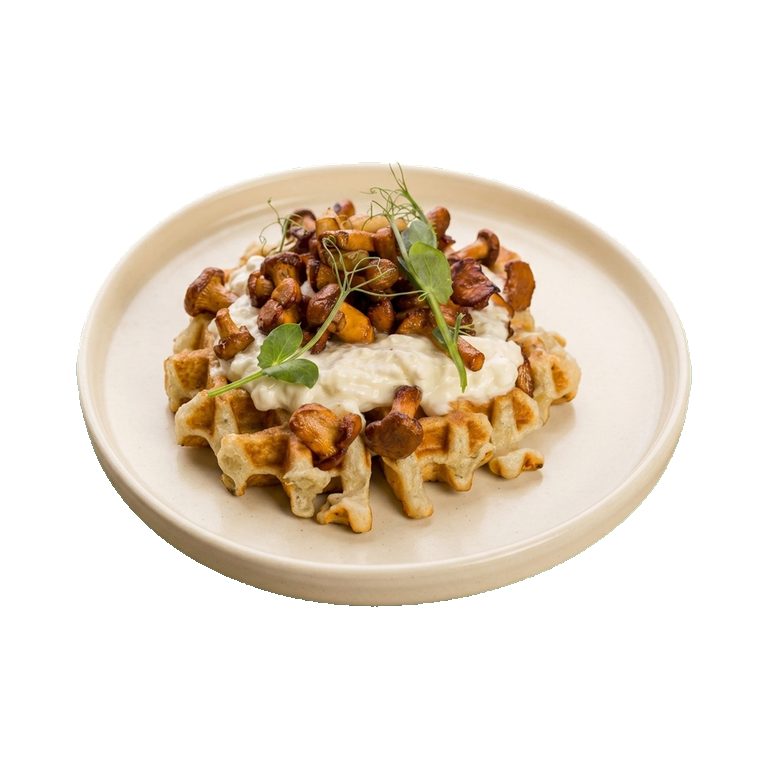
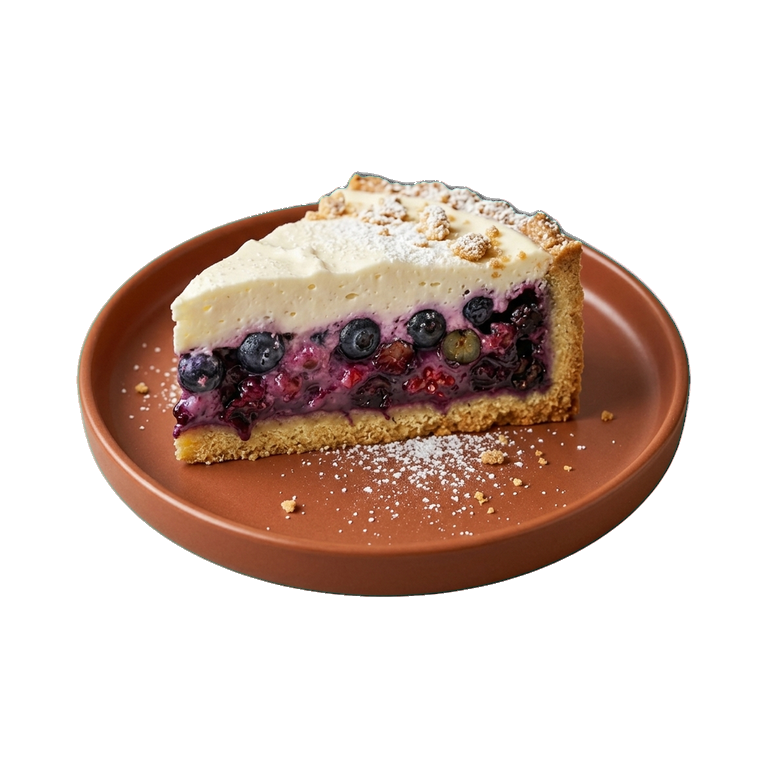
Baking powder is needed when you want to get a loose, airy dough without long fermentation. It saves the day when there's no time to wait for yeast dough to rise. Add it to cookies, cupcakes, pancakes, fritters, sponge cakes, and quick breads. Even some salads and appetizers use baking powder — for example, in batter for fried foods.
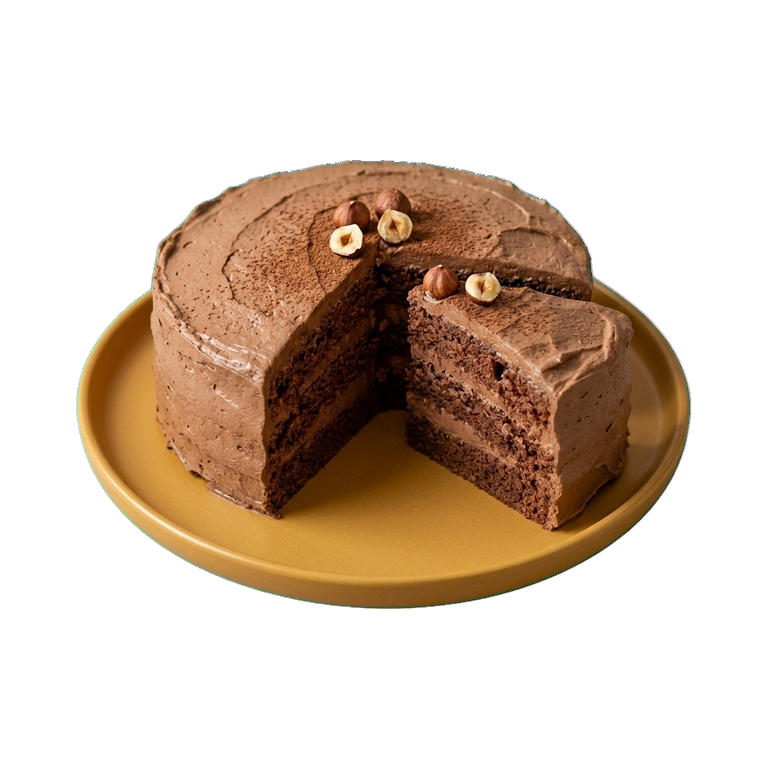
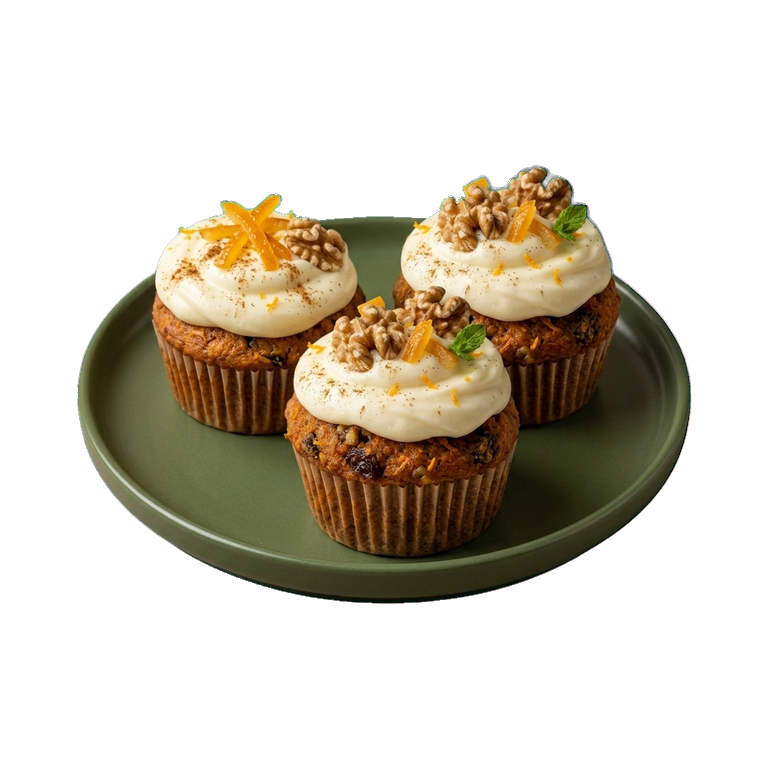
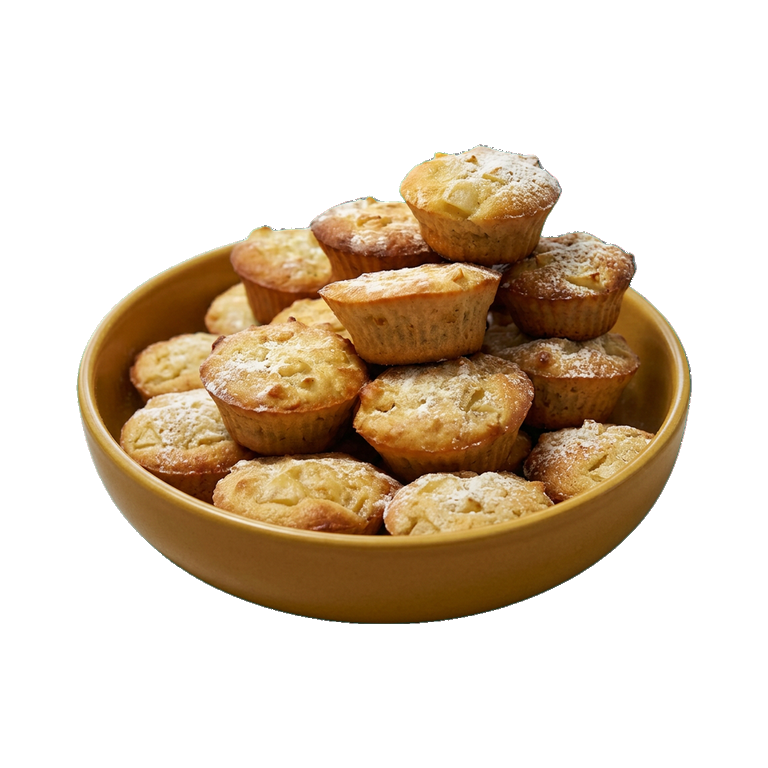
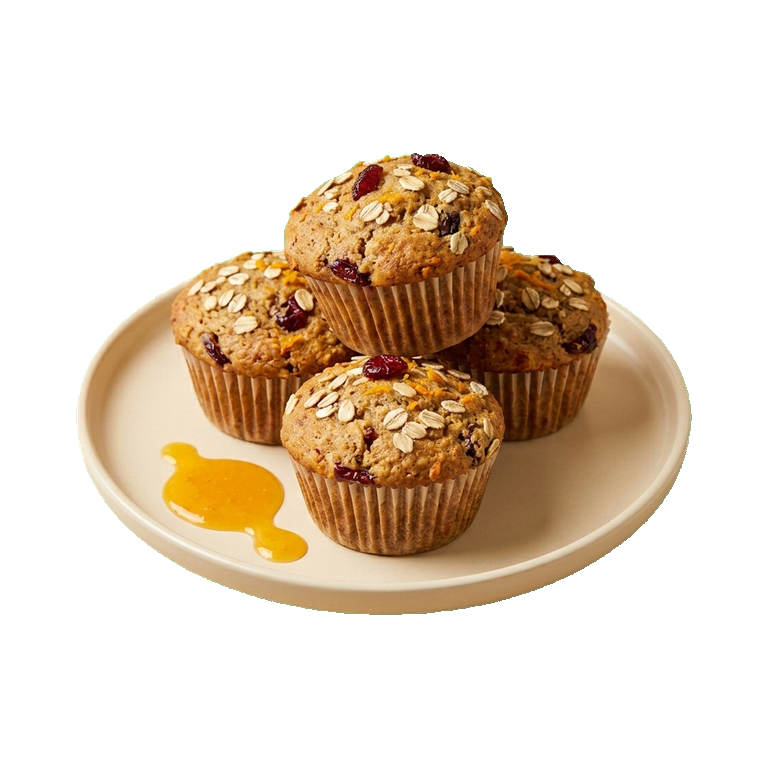
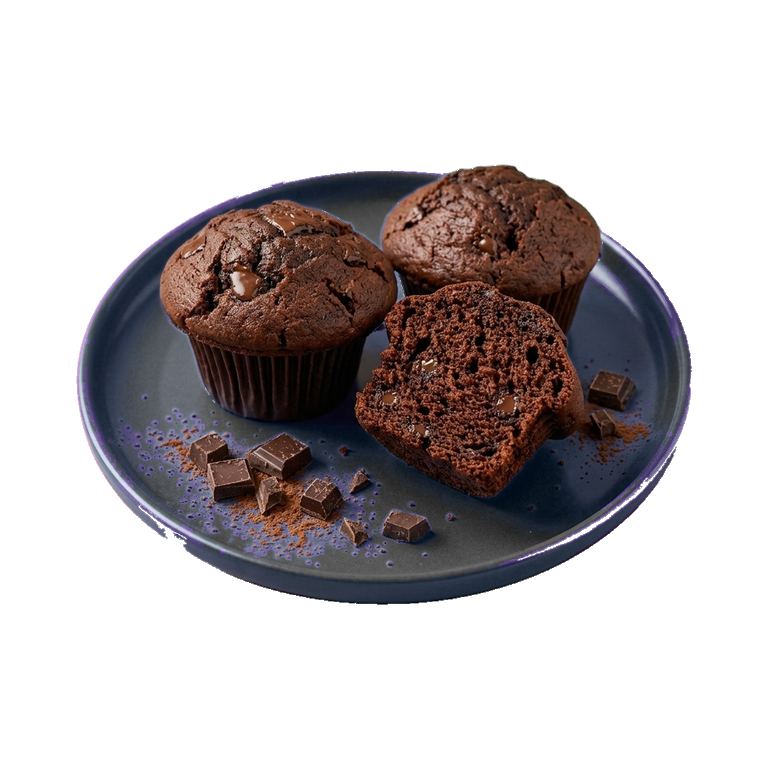
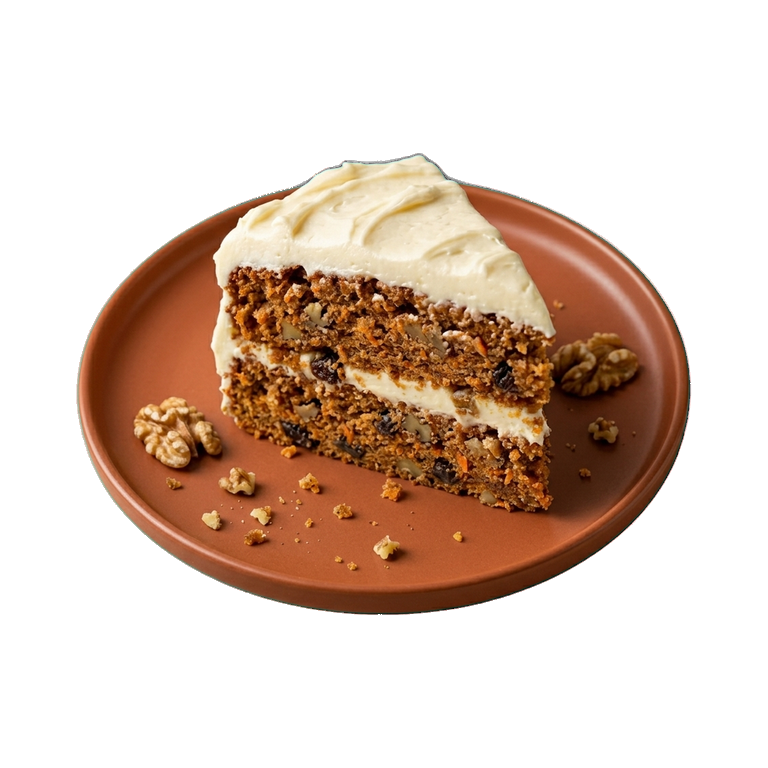
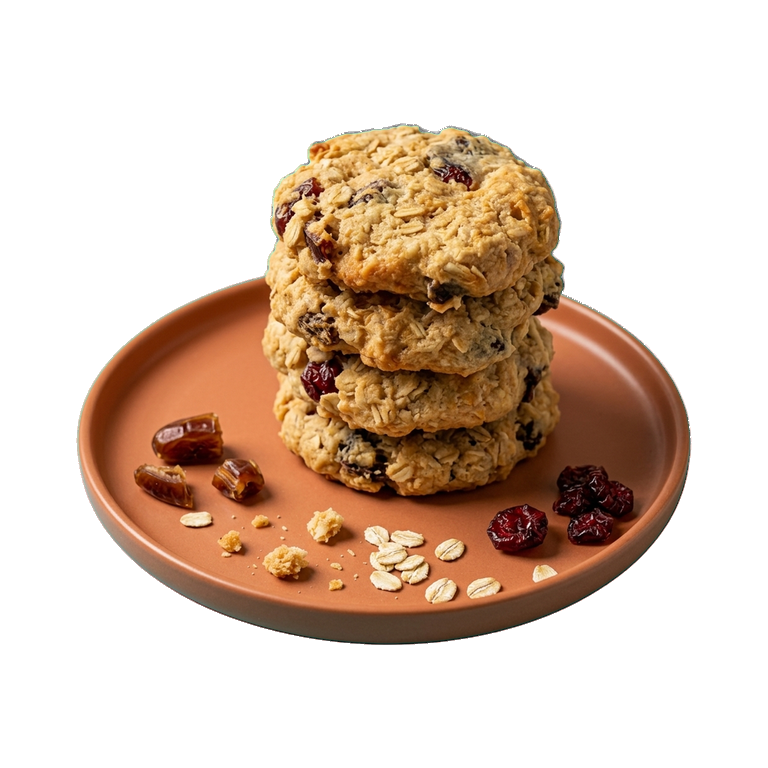
- Cookies, cupcakes, muffins — the most frequent companions of baking powder
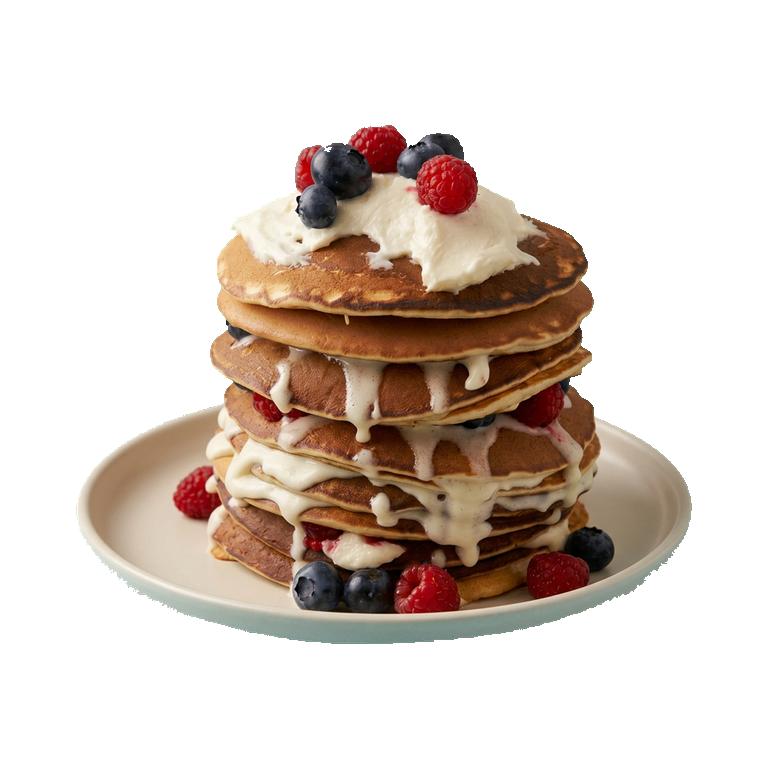
- Pancakes and fritters — become taller and softer
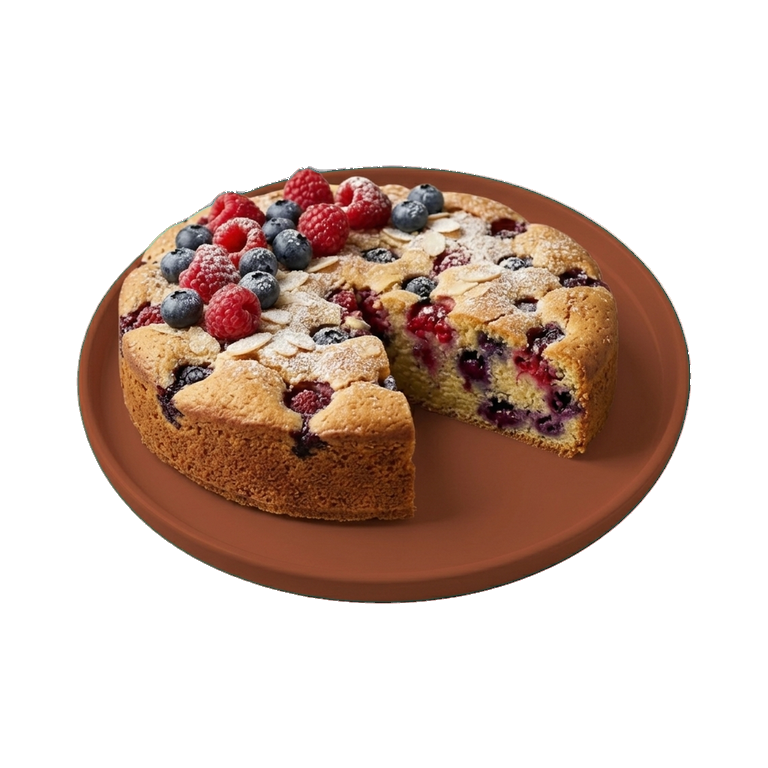
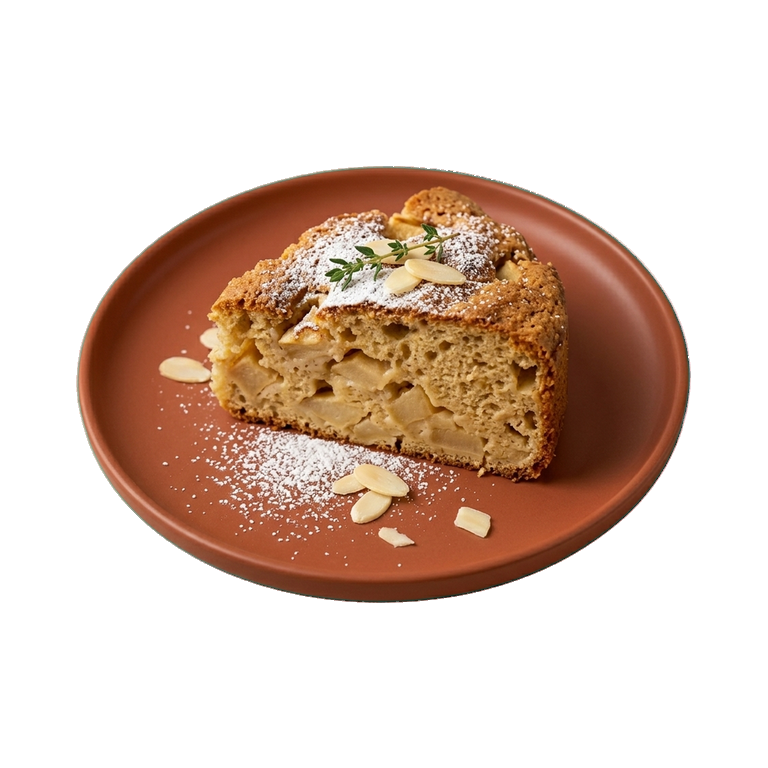
- Sponge cake — rises evenly and uniformly
- Batter — makes it crispy and airy
How to Dose Correctly
The standard ratio is half a teaspoon of baking powder per cup of flour. But this is not a rule set in stone. If the batter is liquid, you can use less. If it's thick, you can add a bit more. The key is not to overcomplicate things: excess baking powder gives an unpleasant aftertaste and makes the baked goods so crumbly they're almost like foam.
Mix the baking powder with the flour before adding liquid ingredients — this way it will distribute evenly. If you simply throw it into the finished batter, you'll get streaks and lumps. Work quickly: once the baking powder meets moisture, it starts to activate. If the batter sits for too long, the gas will escape, and the baked goods won't rise.
Selection and Storage
In the store, baking powder is sold in small packets or metal cans. It looks like a light powder without lumps. When purchasing, check the expiration date — over time, baking powder loses its potency and simply won't work. Open the package: if it's wet inside or smells like vinegar, this is a sign that the baking powder has already started to react and deteriorate.
Store baking powder in a dry place, in a closed jar or airtight bag. Moisture is the number one enemy: it activates baking powder prematurely. If you have rice or a few grains of salt in the jar, they will help absorb excess moisture. Well-sealed baking powder will keep for a year or two, but it's best to use it within a year of purchase.
Little tricks
- If baking powder runs out, you can replace it with a mixture of baking soda and citric acid in equal parts
- Soda plus kefir or yogurt also work — the acid activates the soda
- Don't mix baking powder with salt and sugar if they are wet
- For tender baked goods, it's better to use slightly less baking powder than more
Baking powder is a helper, not a magician. If the dough is good, the ingredients are fresh, and the proportions are correct, then baking powder will simply complete the job. But if the base is weak, no baking powder will save your baking. Use it wisely, and your cupcakes, pancakes, and cookies will be airy and delicious.
Nutrition
per 100 g
- Calories
- 0 kcal
- Protein
- 0 g
- Fat
- 0 g
- Carbs
- 0 g
Measures and weight
- 1 tbsp
- 12 g
- 1 tsp
- 4 g
- 1 cup
- 200 g
- 1 pcs
- 10 g
Measure calculator
- Weight
- 100 g
- Calories
- 0 kcal